
The Chavin Enigma: Unraveling the Mysteries of the First PanAndean Culture

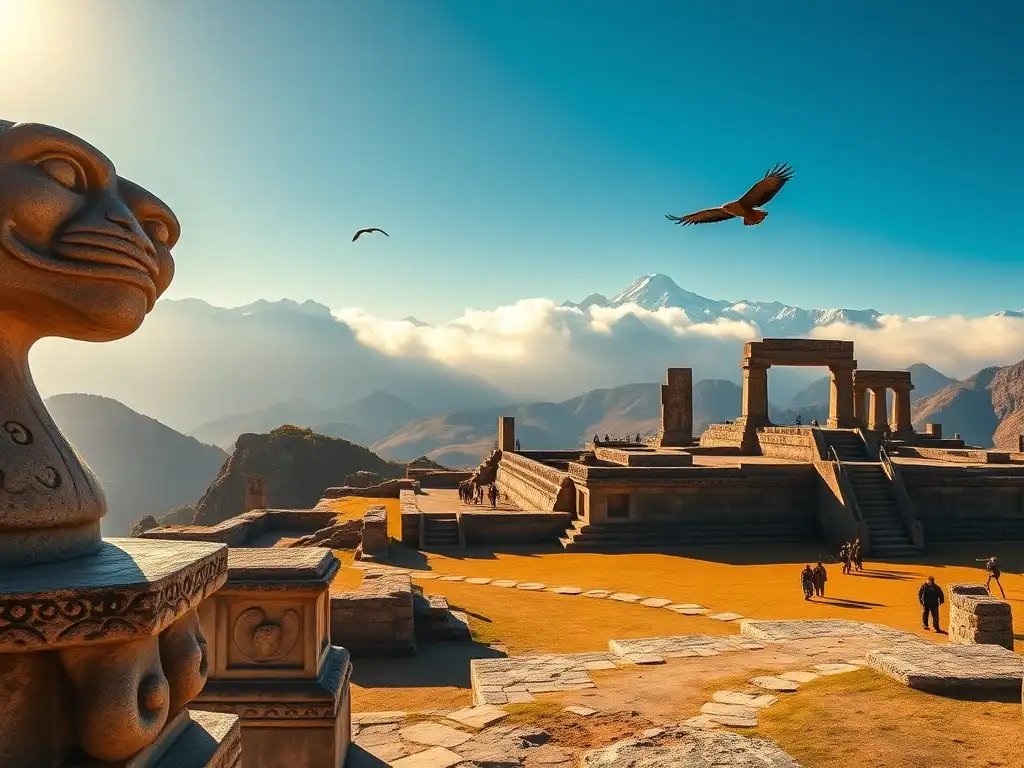
Step into a world lost to time, yet echoing with untold stories. Prepare to be captivated by the enigmatic legacy of the Andean civilizations, from the towering heights of the Incas to the lesser-known yet equally fascinating cultures that paved the way. This journey begins with the Chavin civilization mysteries, a puzzle that unlocks the secrets of the first Pan-Andean culture.
Dare to delve into their intricate artistry, groundbreaking technologies, and the enduring questions surrounding their sudden decline – a mystery that continues to fascinate archaeologists and historians alike. Explore the depths of their influence and uncover the threads that connect them to the empires that followed.
The Chavín civilization, flourishing in the Andes Mountains of Peru from approximately 900 to 200 BCE, remains one of the most enigmatic and influential pre-Columbian cultures. Its impact reverberated across the Andean region, shaping the religious beliefs, artistic styles, and societal structures of subsequent civilizations for centuries. While much remains shrouded in mystery, archaeological discoveries continue to shed light on this fascinating culture, revealing a complex society with sophisticated religious practices, impressive architectural achievements, and a unique artistic expression that defied geographical boundaries, earning it the title of the first Pan-Andean culture. This article delves into the key mysteries surrounding the Chavín civilization, exploring its geographic context, its unique artistic style, and its lasting legacy on the development of Andean societies. We will examine the evidence to unravel some of the enduring questions surrounding this pivotal culture and its impact on the "Chavin civilization mysteries" that still captivate researchers today.
Introduction to the Chavin Civilization
The Chavín culture is characterized by its distinctive artistic style, featuring iconic representations of jaguars, snakes, and other powerful animals, often depicted in a highly stylized and often terrifying manner. These motifs appear throughout their art, from intricately carved stone sculptures and ceramics to textiles and metalwork.
The Chavín people were not simply skilled artisans; they were also innovative engineers, constructing impressive temple complexes and irrigation systems that demonstrate a sophisticated understanding of architecture and water management. Their religious beliefs, centered around a complex pantheon of deities and shamanistic practices, likely played a crucial role in shaping their social and political structures.
The influence of Chavín art and religious iconography is widespread, evident in the artistic styles of later Andean cultures, suggesting a significant degree of cultural exchange and possibly even a degree of political control extending across vast distances. The exact nature of this influence, however, remains a subject of ongoing scholarly debate, adding to the allure of the "Chavin civilization mysteries".
The Geographic Setting of the Chavin Culture
The Chavín culture thrived in the central Andes of Peru, a region characterized by dramatic topographical variation. This complex geography played a significant role in shaping the culture's development, influencing both its economy and its religious beliefs. The high altitude and challenging terrain of the Andes presented both opportunities and limitations, requiring sophisticated agricultural techniques and intricate social organization to sustain a large population.
The availability of various resources like stone, minerals, and diverse agricultural products fostered trade networks that connected the Chavín heartland with distant regions. The unique environmental conditions and the strategic location of Chavín de Huantar, their principal ceremonial center, likely contributed to the culture’s remarkable influence across the Andean region.
Chavin de Huantar: The Heart of the Chavin World
Chavín de Huantar, located in the Callejón de Huaylas, is the most important archaeological site associated with the Chavín culture. This impressive complex features a series of interconnected plazas, temples, and tunnels, showcasing the sophisticated architectural skills of the Chavín people. The site's layout is complex and symbolic, with many structures aligned with astronomical events, suggesting a deep understanding of astronomy and its role in their religious practices. The Lanzón, a massive monolithic sculpture of a deity, stands as a central element of the complex, a powerful symbol of Chavín religious beliefs. The intricate carvings and the overall grandeur of Chavín de Huantar indicate a highly organized society capable of mobilizing significant resources for large-scale construction projects. The sheer scale of the site itself is a testament to the power and influence of the Chavín leadership. Many "Chavin civilization mysteries" revolve around the complex symbolism and purpose of this site.
Influence of Geography on Chavin Society
The rugged Andean terrain influenced Chavín societal organization and economic activities. The need for efficient irrigation systems to support agriculture in the high-altitude valleys fostered cooperation and possibly even centralized control over water resources. The availability of different resources in different ecological zones encouraged trade networks, connecting the Chavín heartland with coastal regions and other highland communities.
This interaction facilitated cultural exchange and the dissemination of Chavín artistic styles and religious beliefs across a vast area. The control of these resources and trade routes likely played a significant role in the political power of the Chavín leadership. The geographic diversity itself may have fostered a complex religious cosmology reflecting the Andean environment's multifaceted nature, adding another layer to the "Chavin civilization mysteries".
Decoding Chavin Art and Iconography
Chavín art, a captivating blend of abstract and realistic forms, presents a significant challenge and a rewarding puzzle for researchers. The intricate carvings, often found on stone sculptures, pottery, and textiles, depict a fascinating array of motifs, including feline-like creatures, stylized birds, snakes, and complex geometric patterns. These aren't simply decorative elements; they represent a sophisticated system of symbols and beliefs that reflect the Chavín worldview.
The unique artistic style, characterized by its powerful and sometimes unsettling imagery, set the stage for later Andean artistic traditions, influencing cultures across vast geographical areas. Understanding Chavín art is crucial to understanding the civilization's religious beliefs, social structure, and overall cultural significance. The style's impact is undeniable, proving the far-reaching influence of Chavín culture throughout the Andes.
The Significance of Chavin Art Motifs
The recurring motifs in Chavín art are not random; they hold deep symbolic meaning. For example, the iconic feline-like creature, often depicted with fangs, claws, and a fierce expression, is thought to represent a powerful deity or shamanistic figure. The presence of snakes, often intertwined with other motifs, may symbolize fertility, healing, or the underworld. The intricate geometric patterns, though seemingly abstract, could represent celestial bodies, agricultural cycles, or other aspects of Chavín cosmology.
Researchers continue to debate the precise meanings of these motifs, but their recurring presence in diverse media suggests their importance in Chavín society. Further investigation into the context of these art pieces, such as their location within the ceremonial centers, could shed additional light on their significance. Careful examination of the materials used, the techniques employed, and the overall composition of the artwork is crucial for a comprehensive understanding.
Chavin Iconography: Religious and Symbolic Meanings
Chavín iconography is richly symbolic, reflecting a complex religious system. Many scholars believe that the art served as a powerful tool for communicating religious beliefs and rituals. The frequently depicted jaguars, for instance, might symbolize power, ferocity, and shamanic abilities. The portrayal of deities with both human and animal characteristics suggests a belief in transformation and the interconnectedness of the natural and spiritual worlds.
Furthermore, the use of specific colors and materials in the artwork likely held symbolic significance. For example, the use of specific stones might have been associated with particular deities or rituals. The consistent use of certain motifs across different art forms strengthens the theory that these images were integral to Chavín religious expression. The complexity of these symbols highlights the sophisticated understanding of the cosmos within the Chavín culture.
The Role of Art in Chavin Society
Chavín art wasn't merely decorative; it played a vital role in shaping and reinforcing social structures. The elaborate carvings adorning the monumental architecture of Chavín de Huántar, for instance, served to impress and awe visitors, reinforcing the power and prestige of the elite. The creation of art likely involved specialized artisans, who held a high status within society. The distribution of art objects throughout the Andes suggests that Chavín art was used to establish and maintain political and religious influence across a wide territory.
The artistry and symbolism in these artifacts undoubtedly played a role in the cultural unification of diverse groups. This suggests a centralized power structure capable of mobilizing resources and skilled labor for large-scale artistic projects. The careful study of Chavín art thus gives insights into both the religious and political aspects of this remarkable civilization.
Unveiling the Religious Practices of the Chavin
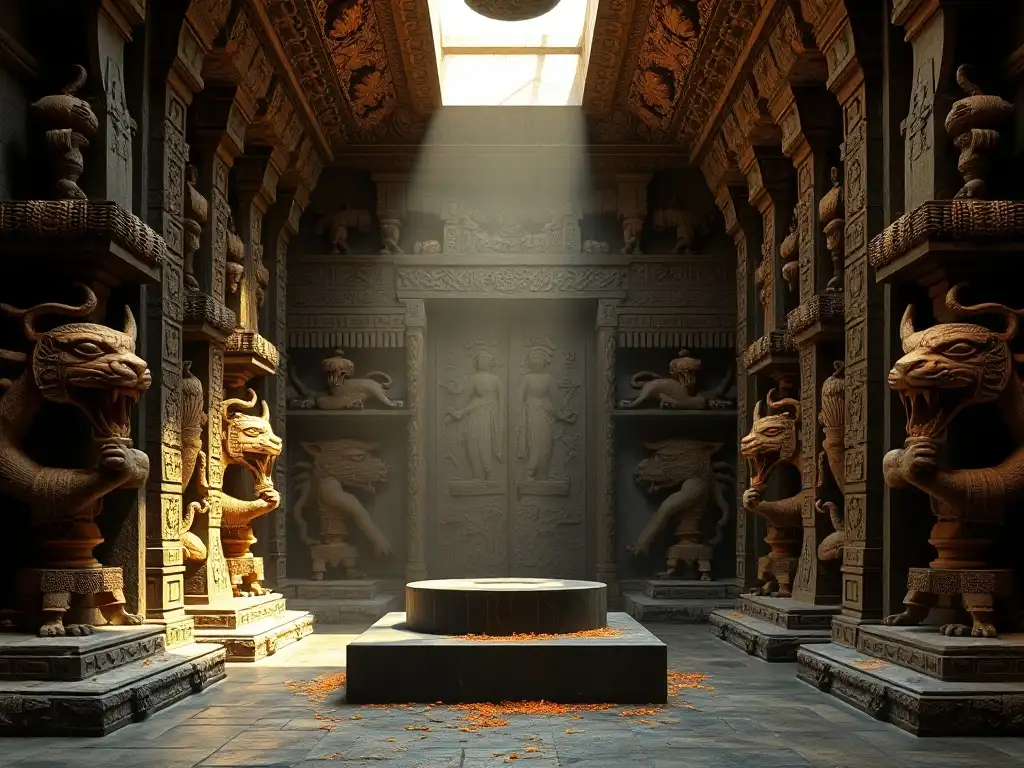
The religious beliefs and practices of the Chavín civilization are among the most intriguing aspects of their culture. Evidence suggests a complex pantheon of deities, elaborate rituals, and a deep connection to the natural world. The sheer scale and sophistication of the ceremonial centers like Chavín de Huántar speak to the importance of religious life in their society. The architecture itself, with its intricate maze-like passages and carefully placed sculptures, seems designed to create a powerful and awe-inspiring atmosphere for religious ceremonies. Understanding their religious practices is key to understanding the broader Chavín civilization.
Chavin Deities and Spiritual Beliefs
While the exact nature of Chavín deities remains debated, the iconography suggests a pantheon of powerful beings, often depicted with both human and animal characteristics. These hybrid figures, sometimes referred to as "were-creatures," might represent shamanistic transformations or the blending of the human and spiritual realms. The emphasis on feline imagery, particularly jaguars, suggests the importance of these animals in their spiritual world, perhaps representing power, agility, and nocturnal mystery.
The presence of serpent motifs could indicate a connection to the underworld or the cyclical nature of life and death. Further research into the context of these representations, considering their placement within ceremonial structures and their association with other artifacts, is vital for a deeper understanding of Chavín religious beliefs.
Rituals and Ceremonies in Chavin Culture
Evidence suggests that Chavín religious practices involved elaborate rituals and ceremonies, likely conducted within the monumental architecture of their ceremonial centers. The maze-like design of these structures may have been intended to guide participants through a symbolic journey, leading them to sacred spaces where rituals were performed. The presence of numerous plazas and open areas suggests that large gatherings were common. The discovery of human remains in some areas indicates the possibility of human sacrifice, a practice common in other Andean cultures.
However, the exact nature and purpose of these rituals remain a subject of ongoing research and debate. More detailed archaeological investigations of the ceremonial centers could reveal further insights into the rituals performed by the Chavín people. The intricate design of the buildings themselves hints at a carefully planned and symbolically significant process.
The Interpretation of Chavin Religious Practices
Interpreting Chavín religious practices requires a multidisciplinary approach, combining archaeological evidence with anthropological and iconographic studies. The lack of written records necessitates a careful analysis of the material culture – the architecture, sculptures, pottery, and other artifacts – to reconstruct their beliefs and practices. The identification and interpretation of symbols, motifs, and spatial arrangements within the ceremonial centers are crucial for understanding the sequence and significance of rituals.
Comparative studies with other contemporary Andean cultures can also provide valuable context. However, it’s important to acknowledge that many aspects of Chavín religion remain enigmatic, and further research is needed to fully unravel their mysteries. The ongoing research and interpretations continue to reveal new and fascinating aspects of this enigmatic culture.
Chavin Architecture and Engineering
The Chavín civilization, flourishing in the Andes from roughly 900 to 200 BCE, left behind a remarkable architectural legacy, showcasing impressive engineering skills for their time. Their mastery of stonework, particularly evident in the monumental site of Chavín de Huantar, continues to fascinate archaeologists and engineers alike. The sheer scale of their projects, combined with the sophistication of their techniques, hints at a highly organized and technologically advanced society.
Understanding their architectural achievements provides crucial insights into their social structure, religious beliefs, and overall cultural development. The precision and complexity of Chavín structures challenge our understanding of pre-Columbian engineering capabilities, suggesting a level of planning and execution that was far ahead of its time. This sophisticated architecture played a crucial role in consolidating Chavín's power and influence throughout the Andes.
The Construction of Chavin de Huantar
Chavín de Huantar, the principal site of the Chavín culture, is a testament to their architectural prowess. Located in the northern Peruvian Andes, this sprawling complex is built into a hillside, utilizing the natural contours of the landscape to its advantage. The construction involved the meticulous cutting, shaping, and fitting of massive stone blocks, some weighing several tons.
Evidence suggests the use of rudimentary tools, like stone hammers and chisels, yet the precision of the stonework is astonishing. Archaeologists have found evidence of ramps and other temporary structures used to move these colossal stones into place. The precise methods employed remain partially shrouded in mystery, fueling ongoing research and debate among experts.
The sheer effort involved in constructing Chavín de Huantar speaks volumes about the mobilization of labor and the centralized power of the Chavín leadership. It was not merely a religious center, but a symbol of the civilization's strength and organizational capacity.
Innovative Techniques in Chavin Architecture
Chavín architects displayed remarkable innovation in their techniques. Beyond the impressive scale, the use of intricate carvings and reliefs on the stone surfaces demonstrates a high level of artistic skill and craftsmanship. The mastery of interlocking stone blocks, creating seamless walls without the use of mortar, is a testament to their understanding of engineering principles.
Furthermore, their ability to integrate water channels and drainage systems into the architecture reveals a practical understanding of hydraulic engineering crucial for managing water resources in the high-altitude Andean environment. The use of sophisticated techniques in stone carving and the integration of architectural elements with the natural landscape represent crucial innovations that influenced subsequent Andean cultures. The precision and complexity of these techniques suggest a high degree of specialized labor and a complex social organization.
The Purpose and Function of Chavin Structures
The various structures within Chavín de Huantar served diverse purposes, reflecting the complexity of Chavín society. The Lanzón, a massive, carved stone monolith, likely served as a central religious focal point. Other structures, such as the circular plazas and underground galleries, may have been used for rituals, ceremonies, or possibly as places for elite gatherings. The intricate network of tunnels and passages suggests a symbolic or ritualistic significance, possibly representing the underworld or other cosmological beliefs.
The purpose of some structures remains unclear, highlighting the enduring mysteries of the Chavín culture. Further research is needed to fully understand the functionality of these buildings and their role in the daily life and religious practices of Chavín society. The layout and design of the complex suggest a deliberate arrangement of spaces with specific functions, reflecting a complex social and religious organization.
The Chavin Socio-Political Organization
The Chavín civilization's socio-political organization remains a subject of ongoing scholarly debate. However, evidence suggests a hierarchical structure, with a powerful elite class controlling access to resources and influencing religious practices. The impressive scale of Chavín de Huantar and other sites points to a centralized authority capable of mobilizing significant labor and resources.
The distribution of artifacts and the uniformity of artistic styles across a vast geographical area suggest a degree of political and cultural integration across the Andes. Understanding the dynamics of Chavín society is essential to interpreting their architectural achievements and artistic expressions. The complexity of their social structure likely contributed to their ability to maintain influence and power across a wide geographic area.
Social Hierarchy and Power Structures in Chavin Society
The social hierarchy within Chavín society was likely complex, with a clear distinction between elites and commoners. Evidence suggests that elites controlled access to resources such as food, land, and specialized crafts. Their power was possibly reinforced through religious authority, with elites acting as intermediaries between the people and the supernatural world.
The elaborate burial practices and the presence of richly adorned graves at Chavín de Huantar suggest a significant social stratification, with elites enjoying a privileged status. The control of resources and religious authority were likely key elements in maintaining the power structure of Chavín society. Further research is needed to understand the specific mechanisms of social control and the extent of social mobility within the society.
The Role of Elites in Chavin Culture
The elites in Chavín society played a crucial role in shaping the culture and influencing the lives of ordinary people. They likely controlled religious rituals and ceremonies, interpreting omens and mediating between the human and supernatural realms. Their influence extended to artistic production, with elite patronage likely shaping the styles and themes of Chavín art.
The construction of monumental architecture, such as Chavín de Huantar, was a clear manifestation of elite power and the ability to mobilize resources. Their role in maintaining social order and managing the economy was likely paramount to the success and longevity of the Chavín civilization. The study of elite burials and artifacts can provide insights into their beliefs, practices, and influence on society.
Chavin's Influence on Later Andean Civilizations
The Chavín civilization's influence extended far beyond its geographical boundaries and temporal limits. Many aspects of Chavín culture, particularly its artistic styles and religious iconography, were adopted and adapted by subsequent Andean cultures. The widespread dissemination of Chavín artistic motifs suggests a significant cultural impact across the Andes. This cultural exchange and diffusion played a crucial role in shaping the development of later Andean civilizations, such as the Moche, Nazca, and Inca.
The legacy of Chavín is evident in the artistic styles, architectural techniques, and religious beliefs of these later societies, highlighting the lasting impact of this early Andean power. The study of Chavín's influence provides crucial insights into the broader context of Andean cultural development and the processes of cultural exchange and adaptation. This pan-Andean influence is a testament to the power and reach of the Chavín civilization.
The Chavin Civilization Mysteries: Unanswered Questions
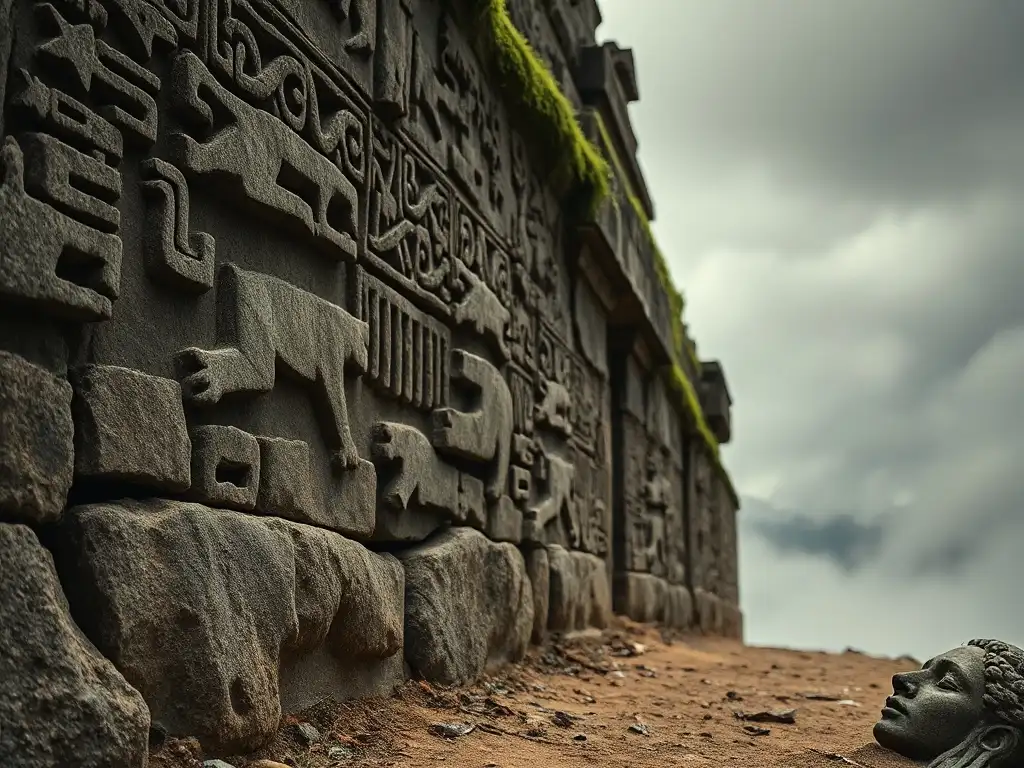
The Chavin civilization, flourishing in the Andes from approximately 900 to 200 BCE, remains shrouded in mystery despite significant archaeological discoveries. Many aspects of their society, religion, and daily life continue to puzzle researchers. One of the most enduring enigmas is the nature of their political organization. Was Chavin a unified empire, a loose network of interconnected settlements, or something else entirely?
The lack of clear evidence of centralized authority, coupled with the widespread distribution of Chavin-style art and architecture across a vast geographical area, complicates this question. Furthermore, the exact mechanisms of their influence and the nature of their interactions with other contemporary cultures remain debated. Did they conquer, trade, or spread their influence through religious or ideological means?
The answers are likely complex and multifaceted, involving a combination of these factors. The relative scarcity of written records further hinders our understanding, forcing researchers to rely heavily on archaeological evidence, which can be open to multiple interpretations. Understanding the intricacies of Chavin social structures, their economic systems, and their internal dynamics remains a significant challenge for future research.
The Decline of the Chavin Culture: Theories and Evidence
The collapse of the Chavin civilization around 200 BCE is another major area of ongoing investigation. Several theories attempt to explain this decline, each supported by varying degrees of evidence. Environmental factors, such as prolonged droughts or climate change, are often cited as contributing to the collapse.
Evidence of decreased agricultural productivity during this period lends credence to this theory. However, internal societal pressures, such as social unrest or internal conflicts, may have also played a significant role. The lack of a clear successor state and the gradual dissipation of Chavin influence suggest a more complex process than a simple conquest or sudden catastrophic event.
The archaeological record shows a gradual decline rather than a sharp cutoff, suggesting a prolonged period of instability and transformation. Further research is needed to fully understand the interplay of environmental, social, and political factors that led to the end of the Chavin culture. Analyzing changes in settlement patterns, agricultural practices, and the production of Chavin-style artifacts over time provides crucial clues to unraveling this complex historical puzzle.
Exploring the Unsolved Puzzles of Chavin Society
Beyond the overarching questions of political organization and decline, numerous other aspects of Chavin society remain enigmatic. The role of women in Chavin society, for instance, is poorly understood. While depictions of female figures exist in Chavin art, their social status and influence remain uncertain. Similarly, the details of their religious beliefs and practices are still subject to interpretation.
The elaborate iconography found on Chavin artifacts, featuring often-bizarre creatures and symbolic imagery, continues to inspire debate among scholars. The meaning and significance of these symbols, and their relationship to Chavin religious practices, are far from fully understood. Understanding the daily lives of ordinary Chavin people, their social hierarchies, and their interactions with the natural world also presents major challenges. Archaeological excavations continue to provide new data, but interpreting this data and integrating it into a comprehensive understanding of Chavin society requires sustained scholarly effort.
Future Research and Discoveries in Chavin Archaeology
Future research on the Chavin civilization will likely focus on several key areas. More extensive and systematic archaeological excavations are crucial, especially at sites that have been less extensively studied. The application of advanced technologies, such as remote sensing and DNA analysis, holds great promise for uncovering new information about Chavin settlements, agriculture, and population movements. Comparative studies with other contemporary Andean cultures can provide valuable insights into the broader context of Chavin's rise and fall.
Interdisciplinary collaborations, involving archaeologists, anthropologists, and other specialists, are essential for a comprehensive understanding of this complex civilization. The development of new analytical techniques and the integration of diverse data sources will undoubtedly lead to new discoveries and a more nuanced interpretation of Chavin history and culture. The Chavin civilization, despite centuries of study, continues to yield new insights, promising a rich and rewarding future for Andean archaeology.
Chavin's Legacy: Contributions to Andean History
The Chavin civilization, despite its relatively short lifespan, left an indelible mark on the subsequent development of Andean cultures. Its influence extended far beyond its geographical boundaries, shaping the artistic, religious, and even political landscapes of later civilizations. The distinctive Chavin artistic style, characterized by its intricate carvings, zoomorphic motifs, and stylized representations of jaguars and other animals, served as a powerful model for later artists.
This stylistic influence can be traced in the art of many subsequent Andean cultures, demonstrating the enduring legacy of Chavin aesthetic principles. Moreover, certain religious beliefs and practices associated with Chavin seem to have persisted in various forms in later Andean societies, suggesting a degree of cultural continuity. The widespread dissemination of Chavin-style artifacts suggests a significant level of interaction and exchange between Chavin and other groups, contributing to the development of a shared cultural identity across the Andes.
Cultural Continuity and Transformation After Chavin
The decline of the Chavin civilization did not mark the end of its cultural influence. Rather, many aspects of Chavin culture were absorbed and transformed by subsequent Andean societies. The process of cultural continuity and transformation was complex and varied across different regions.
Some cultures adopted and adapted Chavin artistic styles, religious motifs, and architectural techniques, while others integrated aspects of Chavin culture into their own distinct traditions. This process of cultural exchange and adaptation resulted in a rich tapestry of Andean cultures, each with its own unique characteristics but all bearing the imprint of the Chavin legacy. Understanding these processes of cultural transmission and transformation is crucial for reconstructing a complete picture of Andean history.
The Enduring Impact of Chavin Art and Religion
The art and religion of the Chavin civilization continue to fascinate and inspire scholars and artists alike. The intricate carvings and enigmatic iconography found on Chavin artifacts continue to be studied and interpreted, revealing new insights into Chavin beliefs and practices. The unique aesthetic style of Chavin art has had a profound and lasting impact on subsequent Andean art, influencing the styles and motifs used by later cultures.
The religious beliefs and practices of the Chavin, while not fully understood, have left their mark on the religious traditions of later Andean societies, suggesting a degree of continuity and transformation in religious thought and practice. The enduring appeal and influence of Chavin art and religion underscore their significance in shaping the cultural landscape of the Andes.
The Chavin Civilization: A Cornerstone of Andean History
The Chavin civilization stands as a foundational element in the history of the Andes. Its achievements in art, architecture, and religious thought laid the groundwork for many subsequent Andean cultures. The widespread influence of Chavin culture across a vast geographical area demonstrates its importance in shaping the cultural landscape of the region.
The mysteries surrounding the Chavin civilization continue to challenge and inspire researchers, prompting further investigation and a deeper understanding of this pivotal culture. The enduring legacy of the Chavin civilization highlights its crucial role in the development of Andean history and its lasting impact on the region's artistic, religious, and cultural traditions. Further research will undoubtedly reveal even more about this fascinating and important culture.
Conclusion: Reflecting on the Chavin Enigma
The Chavin civilization, despite its enigmatic nature and the challenges in interpreting its legacy, stands as a pivotal moment in Andean history. Its influence, radiating outwards from the mountainous heartland of Peru, fundamentally shaped the cultural landscape of the region for centuries to come. The mysteries surrounding Chavin—its sudden rise, its complex iconography, its eventual decline—continue to fuel scholarly debate and inspire further research. Unraveling these mysteries is not just about understanding a single culture; it's about understanding the processes of cultural exchange, adaptation, and innovation that defined the development of Andean societies.
The sophisticated artistic representations, the impressive architectural feats, and the widespread distribution of Chavin-style artifacts all speak to a powerful and influential culture that left an indelible mark on subsequent Andean civilizations. The ongoing research into Chavin's religious beliefs, social structures, and economic systems promises to further illuminate this fascinating and pivotal chapter in the history of the Andes. The enduring enigma of Chavin serves as a potent reminder of the rich complexity and enduring mysteries that lie at the heart of Andean archaeology.
Further investigation into sites like Chavín de Huántar and the careful analysis of artifacts will undoubtedly shed more light on this foundational Andean culture and its profound impact on the development of later civilizations, helping us better understand the "Chavin civilization mysteries". The legacy of Chavin continues to resonate, not only in the archaeological record but also in the ongoing fascination and ongoing efforts to decipher its secrets. It is a testament to the enduring power of a civilization that, even in its enigmatic silence, continues to speak volumes about the creativity, ingenuity, and resilience of the early Andean peoples.
- Introduction to the Chavin Civilization
- The Geographic Setting of the Chavin Culture
- Decoding Chavin Art and Iconography
- Unveiling the Religious Practices of the Chavin
- Chavin Architecture and Engineering
- The Chavin Socio-Political Organization
- The Chavin Civilization Mysteries: Unanswered Questions
- Chavin's Legacy: Contributions to Andean History
- Conclusion: Reflecting on the Chavin Enigma
- What is the Chavín civilization, and why is it considered so important?
- What are some of the biggest mysteries surrounding the Chavín culture?
- What is the significance of the Chavín de Huántar site?
- How did the Chavín civilization influence other Andean cultures?
- What new discoveries or research are currently underway regarding the Chavín?
Frequently Asked Questions
What is the Chavín civilization, and why is it considered so important?
The Chavín civilization (c. 900-200 BCE) was the first pan-Andean culture, exerting significant influence across the Andes. Its unique artistic style, religious beliefs, and sophisticated technology spread widely, impacting subsequent Andean societies. Its impact is seen in the art and architecture of later cultures.
What are some of the biggest mysteries surrounding the Chavín culture?
Major mysteries include the precise origins of their sophisticated religious beliefs, the nature of their social organization, and the reasons for their eventual decline. The lack of written records adds to the enigma.
What is the significance of the Chavín de Huántar site?
Chavín de Huántar is the main archaeological site associated with the Chavín culture. It features impressive stone structures, intricate carvings, and evidence of complex religious rituals. It's considered a ceremonial center, reflecting the culture's power and influence.
How did the Chavín civilization influence other Andean cultures?
The Chavín artistic style, particularly their iconic imagery of jaguars, snakes, and other mythical creatures, spread throughout the Andes. Their religious beliefs and technological advancements also impacted subsequent cultures like the Moche and Nazca. This influence is seen in their pottery, textiles and architecture.
What new discoveries or research are currently underway regarding the Chavín?
Ongoing research focuses on understanding Chavín social structures, the meaning of their iconography, and the impact of climate change on their civilization. New archaeological digs and technological analysis continue to shed light on this fascinating culture.
Final Reflection: Echoes of Chavin: A Legacy of Mystery and Wonder
The enduring enigma of the Chavin civilization continues to resonate today, a testament to the power of a culture that, despite its mysterious origins and abrupt decline, left an indelible mark on the Andean world. Its sophisticated artistic achievements, complex religious beliefs, and widespread influence across diverse landscapes challenge our understanding of early societal development and the very nature of cultural exchange. The unanswered questions surrounding Chavin only amplify its captivating allure.
The impact of Chavin's artistic and religious innovations continues to shape the cultural landscape of the Andes, a legacy visible in the artistic styles and spiritual practices of subsequent civilizations. Their mastery of stone carving, their intricate iconography, and the sheer scale of their monumental architecture remain profoundly inspiring. The Chavin culture represents a crucial turning point in Andean prehistory, a moment of profound innovation and cultural synthesis.
This statement underscores the civilization's lasting influence, a ripple effect felt across millennia. The mystery surrounding their sudden disappearance only adds to the intrigue, prompting further investigation and a deeper appreciation for the complexities of human history.
Consider, for a moment, the echoes of Chavin that reverberate through time. What can we learn from their achievements, their struggles, and their ultimate fate? You, the reader, are now part of this ongoing exploration. Let the mysteries of Chavin inspire you to delve deeper into the past, to appreciate the richness of human ingenuity, and to ponder the enduring power of culture to shape the present and future. Embrace the enigma, for within its depths lies a profound understanding of ourselves and our shared human story.
Unveil the Secrets of the Chavín Civilization!
Thank you for joining us on this journey into the captivating world of the Chavín civilization! We hope you've gained fascinating insights into their rich history and artistic legacy. Now, let's explore how you can build on this new knowledge.
- **Explore further:** Delve deeper into the mysteries of other Andean cultures by exploring our extensive collection of articles and resources.
- **Join the conversation:** Share your thoughts and favorite aspects of Chavín culture in our online forum – we'd love to hear from you!
- **Experience it firsthand:** Plan a visit to a Chavín archaeological site or museum exhibit to truly immerse yourself in the culture.
What aspect of the Chavín civilization most fascinates you, and how can this knowledge enhance your understanding of contemporary Andean cultures?