
The Art of Inca Clothing: Status and Regional Identity

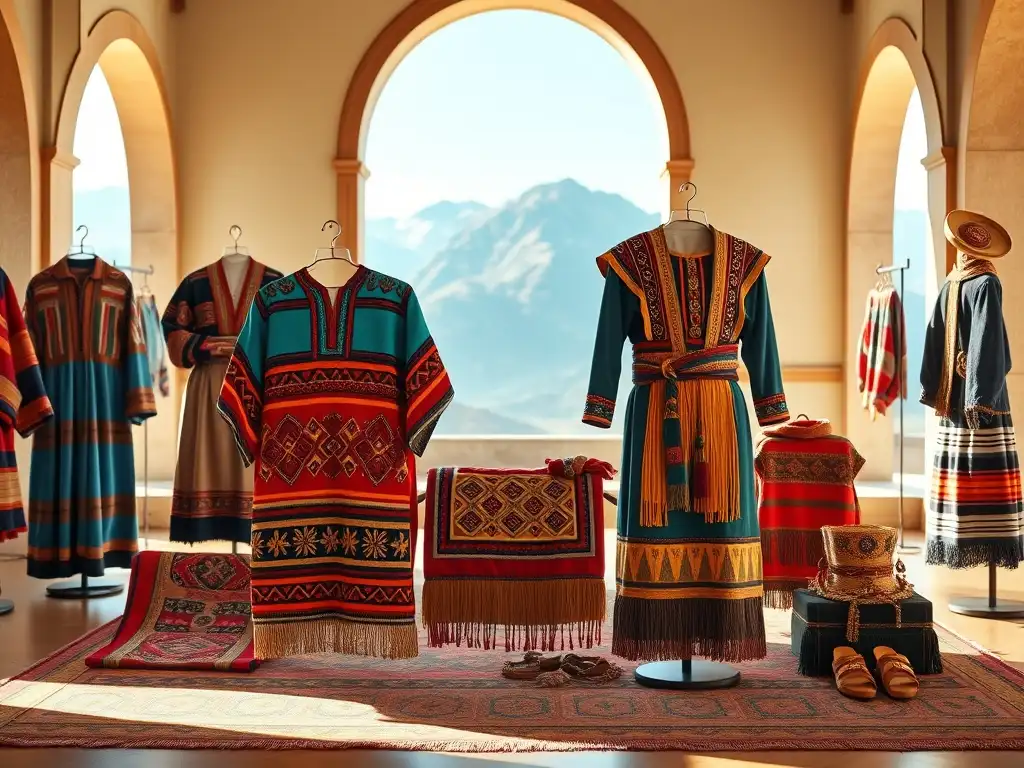
Step into a world lost to time, yet vividly preserved in textile and thread. Imagine the vibrant tapestry of the Andean Civilizations, where intricate designs whispered stories of power and place. This journey begins with the fascinating world of Inca clothing regional styles, revealing how garments reflected not only status but also the unique identities of different Andean communities. Unravel the secrets woven into every fiber—discover the artistry and ingenuity of the Inca Empire, and prepare to be amazed.
The vibrant tapestry of Inca civilization is richly woven, not just with threads of gold and silver, but also with the intricate artistry of its clothing. More than mere garments, Inca textiles served as powerful symbols of social standing, regional affiliation, and even spiritual beliefs. This exploration delves into the fascinating world of Inca clothing, examining the diverse regional styles that reveal the complexity and sophistication of this remarkable Andean empire. Understanding the nuances of Inca clothing provides a unique window into their social hierarchy, economic systems, and artistic achievements, ultimately enriching our comprehension of their rich cultural heritage. We will analyze the materials, techniques, and symbolism employed in creating these garments, focusing specifically on how regional variations in Inca clothing reflected both individual status and collective identity. Prepare to be amazed by the ingenuity and artistry of Inca textile production, a testament to their advanced technological and aesthetic capabilities.
Introduction to Inca Textiles and Their Significance
Inca textiles hold a position of paramount importance within the broader context of Andean civilization. They weren't simply functional items; they were integral to the social fabric, reflecting both individual and collective identities. The complexity of Inca weaving techniques, the meticulous selection of materials, and the symbolic use of colors all contributed to the elevated status of textiles within Inca society.
From the intricate patterns adorning the cumbi (a type of tunic) of a commoner to the richly embellished garments of the Sapa Inca (emperor), clothing served as a visual marker of social hierarchy. The quality of the fabric, the intricacy of the design, and the presence of specific motifs all conveyed information about the wearer's social standing and regional origin.
The legacy of Inca textiles continues to inspire awe and admiration, showcasing the exceptional skill and artistic vision of the Inca artisans. Their work represents a pinnacle of Andean textile production, influencing subsequent artistic traditions and leaving behind an enduring legacy.
Inca Clothing Materials and Techniques
The creation of Inca clothing was a sophisticated process, involving the careful selection of materials and the mastery of complex weaving techniques. The resulting garments were not only durable and functional but also aesthetically stunning, reflecting the high level of artistic skill possessed by Inca artisans.
Sourcing of Raw Materials for Inca Garments
Inca artisans utilized a variety of natural fibers, predominantly alpaca, llama, and vicuña wool. The quality and type of fiber used directly influenced the garment's value and the social status of the wearer. Vicuña wool, known for its exceptional softness and fineness, was reserved for the elite, while alpaca and llama wool were more commonly used for clothing worn by the general population.
The sourcing of these materials involved extensive herding practices and a sophisticated understanding of animal husbandry, showcasing the Inca's mastery over their environment and resources. The meticulous selection and preparation of fibers laid the foundation for the creation of high-quality textiles. Access to specific fibers was often controlled by the state, further emphasizing the link between clothing and social hierarchy.
Weaving Techniques Employed by Inca Artisans
Inca weaving techniques were incredibly advanced for their time, showcasing a remarkable level of skill and precision. Artisans employed various methods, including backstrap loom weaving and the use of supplementary weft techniques to create intricate patterns and textures. The backstrap loom, a portable device, allowed for flexibility in weaving location and facilitated the production of textiles in a variety of sizes and shapes.
Supplementary weft techniques, such as tapestry and brocade, enabled the creation of complex designs and multicolored patterns, adding to the aesthetic appeal and symbolic meaning of the garments. The mastery of these techniques allowed Inca weavers to produce textiles of exceptional quality and durability. Evidence of these techniques is still visible in surviving Inca textiles, testament to the enduring legacy of their craftsmanship.
Natural Dyes and Color Significance in Inca Textiles
The vibrant colors of Inca textiles were achieved through the use of natural dyes derived from plants, insects, and minerals. These dyes were not merely decorative; they held significant symbolic meaning, reflecting social status, regional identity, and even spiritual beliefs. Specific colors were associated with different deities, events, and social groups. For example, [specific color associations pending].
The careful selection and application of dyes added another layer of complexity and meaning to Inca clothing, transforming garments into powerful visual statements. The longevity and vibrancy of many of the surviving dyes are a testament to the sophistication of Inca dyeing techniques. The symbolic use of color in Inca textiles offers a fascinating glimpse into their rich cultural and spiritual worldview.
Inca Clothing as a Marker of Status
Clothing and Social Hierarchy in the Inca Empire
The Inca Empire, renowned for its sophisticated social structure, employed clothing as a powerful symbol of status and social standing. The intricate system of dress codes meticulously distinguished members of the elite from commoners, reflecting their position within the rigid hierarchical system. Access to specific materials, colors, and styles was carefully controlled, ensuring that only those of high rank could adorn themselves in the most luxurious and elaborate garments.
This visual representation of social hierarchy reinforced the Inca's centralized power and maintained social order. The system wasn't merely about outward appearance; it was a deeply ingrained aspect of Inca society, reinforcing social norms and expectations. The emperor, the Sapa Inca, held the highest position and wore the most opulent attire, establishing a clear visual hierarchy.
Specific Garments and Their Association with Inca Royalty
Certain garments were exclusively reserved for the Inca royalty. The llantu, a richly colored and intricately woven tunic, often adorned with gold or silver threads and precious stones, was a prime example. Only the Inca emperor and his immediate family were permitted to wear this garment, its vibrant hues and luxurious embellishments signifying their divine status and absolute authority.
Similarly, specific types of headwear, such as the lliclla, a shawl-like garment, were differentiated by their material and decoration, with those worn by the emperor exhibiting the finest craftsmanship and the most exquisite materials. These garments were not merely clothing; they were potent symbols of power and legitimacy, visually communicating their elevated position in society. The production of these royal garments was a highly specialized craft, entrusted only to the most skilled artisans.
Distinction in Dress Between Inca Nobility and Commoners
The distinction in dress between Inca nobility and commoners was stark and readily apparent. While commoners wore simpler garments made from readily available materials like wool or cotton, often in muted colors, the nobility enjoyed access to finer textiles, richer colors, and elaborate embellishments. The use of vibrant dyes, such as those derived from cochineal insects, was largely restricted to the elite, symbolizing their privileged status.
The nobility also wore distinctive ornaments, such as gold and silver jewelry, which further differentiated them from the common population. This clear visual distinction not only reinforced social hierarchy but also served as a powerful reminder of the Inca's centralized control over resources and production. The stark contrast in attire underscored the vast differences in social standing and access to resources within the empire.
Regional Variations in Inca Clothing
Inca Clothing Regional Styles: An Overview
Despite the centralized nature of the Inca Empire, regional variations in clothing styles existed, reflecting local traditions and the availability of resources. These variations are not merely superficial; they offer valuable insight into the diverse cultural landscape within the empire and the ways in which local identities were expressed even within the context of a highly structured and controlled system.
The Inca administration, while exerting significant control over many aspects of life, allowed for a degree of regional autonomy in dress, enabling the persistence of pre-Inca traditions and the adaptation of clothing to local environments. Studying these variations allows us to appreciate the rich tapestry of Andean cultures that existed within the Inca state.
Clothing Styles of the Coastal Regions of the Inca Empire
The coastal regions of the Inca Empire, characterized by a warmer climate, saw the development of clothing styles that differed significantly from those of the highlands. Lighter fabrics, such as cotton, were more prevalent, and garments tended to be less layered. The use of bright, vibrant colors was also more common, reflecting the abundance of naturally occurring dyes in the region.
The designs and patterns incorporated into coastal Inca clothing often featured motifs inspired by the marine environment, including depictions of fish, birds, and other sea creatures. These regional variations highlight the adaptability of Inca clothing to diverse ecological conditions and reflect the distinct cultural traditions of the coastal communities. Further research into specific coastal communities would reveal even more nuanced differences in clothing styles.
Inca Highland Dress: Characteristics and Variations
In contrast to the coastal regions, the highland regions of the Inca Empire were characterized by a colder climate, necessitating warmer and more layered clothing. Wool, alpaca, and vicuña fibers were extensively used, and garments such as the uncu (a type of tunic) and the chumpi (a woven belt) were common features of highland dress. The colors tended to be more subdued, reflecting the limited availability of certain dyes in the higher altitudes.
The designs and patterns often incorporated geometric motifs, reflecting the Andean tradition of textile art. Even within the highlands, variations in clothing styles existed, reflecting differences in altitude, climate, and local traditions. The specific styles varied significantly depending on factors like elevation and proximity to specific resources.
Variations in Inca Clothing Across Different Provinces
The Inca Empire was divided into distinct provinces, each with its own unique characteristics and traditions. These provincial differences manifested in subtle variations in clothing styles, reflecting local preferences and the availability of materials. While the overarching Inca system imposed a degree of standardization, local identities persisted, creating a rich tapestry of regional styles.
For example, the provinces in the southern Andes may have exhibited different textile techniques or color palettes than those in the northern regions. Unfortunately, detailed information on the precise variations in clothing across all Inca provinces is currently limited, highlighting the need for further research in this area to fully illuminate this aspect of Inca culture. More archeological investigation is required to fully understand the extent of these variations.
The Function and Purpose of Inca Clothing
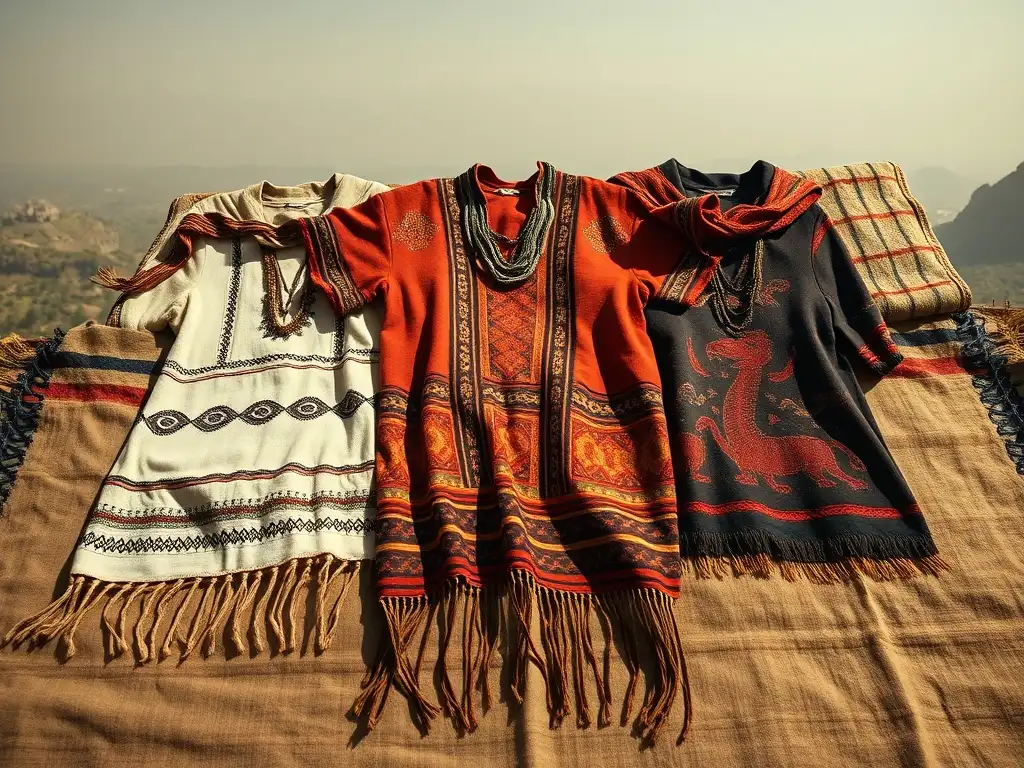
Inca clothing served a multitude of purposes, extending far beyond mere protection from the elements. Its significance lay in its intricate weaving techniques, the symbolic use of colors and materials, and its role in expressing social hierarchy and regional identity. Understanding the function of Inca clothing requires examining its practical, ceremonial, and symbolic aspects.
The diverse Andean landscape, with its varying altitudes and climates, demanded clothing that provided both protection and comfort. Furthermore, the elaborate designs and styles of Inca garments served as powerful indicators of social status and identity, reflecting the wearer's position within the complex social structure of the Inca Empire. The careful selection and arrangement of textiles communicated important information about the individual, their lineage, and their place in society.
Practical Uses of Inca Clothing: Protection and Comfort
The practical aspects of Inca clothing were crucial to daily life. The harsh Andean climate, characterized by extreme variations in temperature and precipitation, necessitated clothing designed for both warmth and protection from the elements. Alpaca and llama wool, renowned for their softness and warmth, formed the basis of much of the Inca wardrobe.
These fibers were woven into intricate textiles that provided insulation against the cold mountain air and protection from rain and wind. Different weights and weaves of fabric catered to varying climates, with heavier garments worn at higher altitudes and lighter fabrics used in warmer regions. The design of the clothing itself also considered functionality, with garments often featuring practical details like hoods, capes, and layered construction to adapt to changing weather conditions.
Ceremonial and Ritual Attire in Inca Clothing
Beyond everyday wear, Inca clothing played a significant role in religious ceremonies and rituals. Special garments, often adorned with elaborate embroidery, feathers, and precious metals, were reserved for specific occasions and religious figures. These ceremonial robes and headdresses held immense symbolic importance, representing the power and authority of the Inca religion and its leaders.
The colors used in these garments, the intricate designs, and the materials employed all held specific meanings, conveying messages about the nature of the ritual and the status of the participants. For instance, certain colors might have been associated with specific deities or sacred events. The use of rare and precious materials further enhanced the ceremonial attire's significance.
Clothing as a Symbol of Power and Authority
Inca clothing served as a powerful visual indicator of social status and power. The emperor and the elite wore garments that were distinct from those of the common people, using finer materials, more elaborate designs, and unique embellishments. The type of fabric, the color, and the style of the garments all communicated the wearer's position within the social hierarchy.
For example, the use of specific colors, such as purple or red, was often reserved for the royal family and high-ranking officials. The intricacy of the weaving and the quantity of precious metals or feathers incorporated into the garments further emphasized the wearer's status. This system of visual communication ensured that social standing was readily apparent, reinforcing the Inca social order.
Inca Clothing and Cultural Identity
The intricate relationship between Inca clothing and cultural identity is evident in the diverse regional styles and the use of textiles as a means of communication. The empire's vast geographical expanse encompassed diverse ethnic groups, each with its own unique traditions and styles of dress. These regional variations in clothing were not merely aesthetic differences; they were integral components of the Inca empire's complex cultural tapestry, reflecting the integration of diverse cultural traditions.
How Inca Clothing Reflected Ethnic Origins
While the Inca Empire imposed a degree of standardization, regional variations in clothing persisted, reflecting the diverse ethnic origins of the population. Different regions employed unique weaving techniques, patterns, and colors, preserving aspects of their pre-Inca traditions. The use of specific dyes, derived from local plants and minerals, further contributed to regional distinctions in textile production. These regional variations in clothing served as a visual marker of ethnic identity, allowing individuals to identify with their specific origins while simultaneously participating in the broader Inca cultural framework.
The Role of Clothing in Inca Social Cohesion
Despite the regional diversity in clothing styles, Inca textiles also fostered a sense of unity and social cohesion across the vast empire. While regional styles were maintained, certain standardized elements, such as the use of specific colors or patterns in ceremonial garments, helped to create a sense of shared identity and allegiance to the Inca state.
The standardized use of certain textiles in official contexts helped to unify the diverse population under a common symbolic framework. This strategic use of clothing served as a powerful instrument of imperial control and cultural integration, promoting a sense of collective identity while acknowledging regional distinctiveness.
Textiles as a Means of Communication in the Inca Empire
Inca textiles were not simply garments; they served as a sophisticated form of communication, conveying messages about social status, regional identity, and even historical events. The intricate designs woven into the fabrics often incorporated symbolic motifs and narrative elements, representing stories, beliefs, and historical accounts. These woven narratives acted as a visual language, transmitting information across generations and contributing to the preservation of cultural memory.
The skill and artistry involved in creating these textiles further elevated their status as important cultural artifacts. The complex interplay of design, color, and material served as a powerful means of communication within the Inca empire.
Preservation and Legacy of Inca Textiles
The remarkable preservation of Inca textiles is a testament to the ingenuity of their creators and the unique Andean environment. The arid climate of the high Andes, particularly in areas like the Nazca Lines and the coastal deserts, created conditions that slowed the natural decomposition of organic materials like wool and cotton. Many textiles have survived for centuries, offering invaluable insights into Inca artistry and societal structures.
However, the survival of these artifacts is not solely dependent on climate. Inca burial practices, which often included placing textiles within tombs, also contributed significantly to their preservation. The careful wrapping and layering of garments within these tombs further protected them from the elements and degradation.
The discovery of well-preserved textiles in these sites provides a window into the past, allowing researchers to study the techniques, materials, and designs used by Inca artisans. The remarkable state of preservation of some textiles, such as those found in the high altitude tombs of the Andes, allows for detailed analysis of their dyes, fibers, and weaving techniques, helping us better understand the sophistication of Inca textile production. This preservation is crucial for understanding Inca clothing styles, social hierarchy, and trade networks.
Archaeological Discoveries of Inca Garments
Archaeological excavations across the Inca Empire have yielded a treasure trove of Inca clothing. Sites like Machu Picchu, Ollantaytambo, and Pachacámac have produced numerous examples of tunics, mantles, and other garments, often intricately woven and adorned with vibrant colors and intricate designs. The discovery of royal tombs, particularly, has revealed exquisitely crafted textiles indicative of high social status.
These finds often include elaborate ceremonial garments made from rare materials, showcasing the level of skill and artistry achieved by Inca weavers. For instance, the discovery of a complete royal headdress in a specific tomb [specific location pending] provided invaluable details about the use of feathers and precious metals in Inca ceremonial attire.
The careful excavation and documentation of these archaeological sites are essential for preserving our understanding of Inca clothing and its significance within the Inca society. The meticulous recording of the context in which the garments are found—including their location within the tomb, associated artifacts, and evidence of burial rituals—provides crucial insights into their use and meaning.
Modern Studies and Analysis of Inca Clothing
Modern scientific techniques have revolutionized our understanding of Inca clothing. Advanced analysis methods, such as fiber analysis, dye identification, and isotopic studies, allow researchers to determine the origins of materials, the methods of production, and even the geographical location of the artisans who created the textiles.
For example, isotopic analysis of the dyes used in a particular garment can reveal the source of the plants used to create the pigments, providing valuable clues about trade routes and resource management. Furthermore, the use of microscopy and spectroscopy allows for detailed examination of the weave structure and the types of fibers used, allowing researchers to identify subtle variations in weaving techniques that might indicate regional differences or changes in style over time.
These advanced analytical methods provide a more comprehensive understanding of Inca clothing production, distribution, and the economic and social systems that underpinned it. This interdisciplinary approach, combining archaeological findings with scientific analysis, is crucial for a more complete picture of Inca clothing styles and their regional variations.
The Influence of Inca Textile Art on Contemporary Andean Culture
The legacy of Inca textile art continues to resonate in contemporary Andean culture. Traditional weaving techniques, motifs, and designs are still practiced in many Andean communities today, representing a direct link to the Inca past. Many contemporary Andean artisans draw inspiration from Inca designs, adapting them to modern contexts while preserving the essence of traditional techniques. The vibrant colors, intricate patterns, and symbolic representations found in Inca textiles have inspired generations of artists and designers.
This enduring influence is particularly evident in the production of textiles for ceremonial events, such as religious festivals and traditional celebrations. The continuity of Inca textile traditions demonstrates the enduring cultural significance of Inca art and its importance in shaping Andean identity. This preservation of heritage is not merely a historical curiosity; it is a living tradition that contributes to the economic and cultural vitality of Andean communities.
Conclusion: The Enduring Significance of Inca Clothing
Inca clothing offers a compelling window into the social structure, artistic achievements, and daily life of the Inca Empire. The careful preservation of textiles, coupled with modern scientific analysis, allows us to appreciate the sophistication of Inca weaving techniques and the symbolic significance of their garments. The regional variations in style and the use of specific materials reflect the diverse environments and cultures encompassed within the empire.
The continued influence of Inca textile traditions on contemporary Andean culture underscores the enduring legacy of this remarkable civilization. Studying Inca clothing provides not only a deeper understanding of their past but also a richer appreciation of the ongoing cultural vibrancy of the Andes. The study of "Inca clothing regional styles" continues to unveil new insights into the complexities of this fascinating civilization.
- Introduction to Inca Textiles and Their Significance
- Inca Clothing Materials and Techniques
- Inca Clothing as a Marker of Status
- Regional Variations in Inca Clothing
- The Function and Purpose of Inca Clothing
- Inca Clothing and Cultural Identity
- Preservation and Legacy of Inca Textiles
- Conclusion: The Enduring Significance of Inca Clothing
Frequently Asked Questions
What is the main focus of this article about Inca clothing?
This article explores how Inca clothing reflected both the social status of the wearer and their regional origin. It examines the diverse styles across the vast Inca empire.
Did all Incas wear the same type of clothing?
No, Inca clothing styles varied significantly depending on factors such as social standing, geographic location, and the occasion. Regional variations are a key focus.
Elaborate textiles and specific garments indicated high social standing within Inca society. Simple clothing was worn by the common people. The use of certain colors and materials also played a role.
What are some examples of regional differences in Inca clothing?
Different regions within the Inca Empire displayed unique styles. For example, the coastal regions might favor lighter fabrics, while the Andean highlands would use warmer materials like alpaca wool. Specific weaving techniques also varied.
Where can I learn more about specific Inca regional clothing styles?
This article provides an overview. For more in-depth information, you can explore further research on Inca textile traditions, archaeological findings, and ethnographic studies of Andean cultures.
Final Reflection: Weaving Threads of Identity Through Time
The intricate artistry of Inca clothing wasn't merely adornment; it was a powerful visual language, meticulously communicating social status and regional identity, a legacy that continues to resonate today. The vibrant textiles, the precise weaving techniques, and the symbolic use of color and pattern all speak to a sophisticated society that understood the profound connection between clothing and cultural expression. This understanding remains crucial in our own time, as we grapple with issues of cultural preservation and the importance of recognizing diverse identities.
The enduring influence of Inca clothing styles is undeniable, a testament to the ingenuity and cultural depth of the Inca civilization. Their legacy is not confined to museum displays; it lives on in the contemporary Andean communities who continue to utilize traditional techniques and motifs, adapting them to modern contexts. The past is never dead. It's not even past.
– William Faulkner. This quote perfectly encapsulates the ongoing relevance of Inca clothing, reminding us that the threads of history are woven into the fabric of our present. The enduring power of these designs speaks volumes about the enduring strength of cultural identity.
Consider, for a moment, the stories embedded within each meticulously crafted garment. Imagine the skill and dedication of the artisans, the social hierarchy reflected in the materials and embellishments, and the regional pride expressed through unique patterns. You, too, can become a weaver of stories, actively seeking to understand and appreciate the rich tapestry of human cultures.
By recognizing the significance of clothing as a form of cultural expression, we can foster greater empathy, understanding, and respect for the diverse communities that make up our world. Let the legacy of Inca clothing inspire you to explore the cultural narratives woven into the garments around you.
Embrace the Colors of History: Connect with Inca Culture Today!
Thank you for exploring the vibrant world of Inca clothing and its rich connection to social status and regional identity. You've discovered how these textiles narrate the past and reflect the Andes' cultural diversity. Let's continue celebrating this incredible heritage!
- Visit a local museum with a significant collection of Andean textiles to experience these works of art firsthand.
- Engage with online communities dedicated to Andean civilizations to share your knowledge and learn from fellow enthusiasts.
- Create your own textile art inspired by Inca designs and share your creations with friends or on social media.
What aspect of Inca clothing captivates you most, and how do you see its influence on contemporary fashion? Let's discuss!