
Daily Life in the Andean Afterlife: Burial Practices and Beliefs

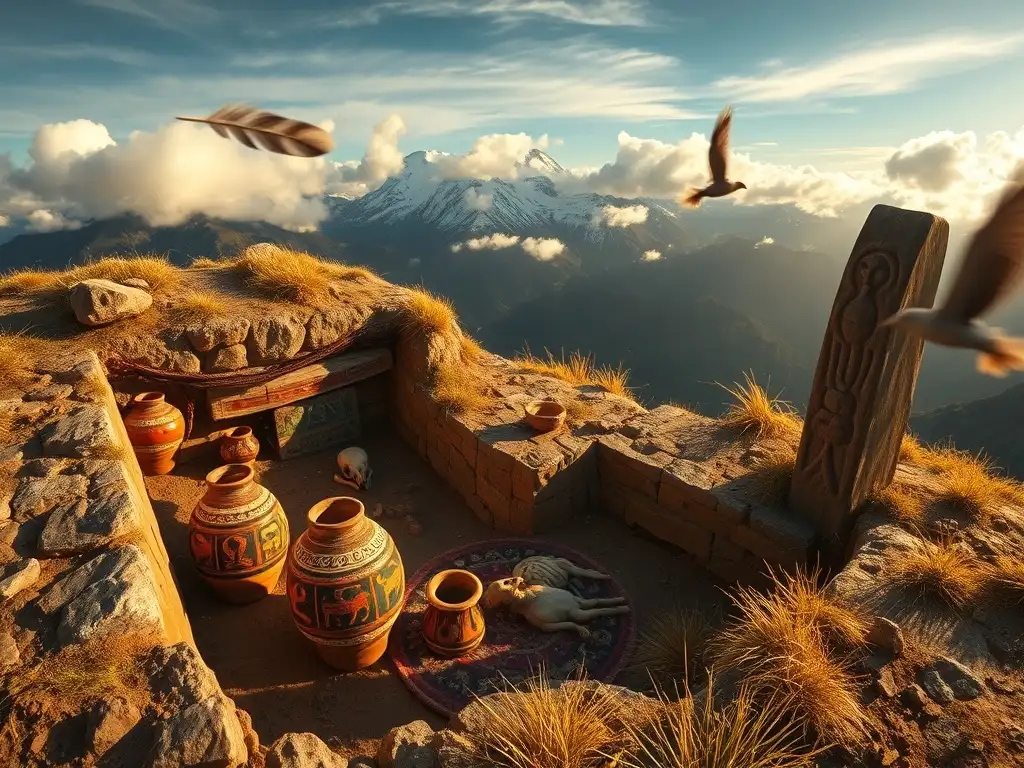
Step into a world lost to time, yet echoing with the whispers of a magnificent past. Journey with us into the heart of the Andes, where towering mountains guarded secrets as profound as the civilizations that thrived within their shadow. Prepare to uncover the mysteries surrounding Andean burial rituals, a practice that reveals far more than death; it unveils the intricate web of beliefs and social structures that shaped these extraordinary Andean societies.
Unravel the enigma – what did these ancient cultures believe about the afterlife, and how did their beliefs translate into their elaborate burial practices? Explore the fascinating details and discover the captivating stories waiting to be told.
- Andean Burial Rituals: Exploring the Afterlife in Ancient Civilizations
- Preparation for the Journey: Andean Funeral Practices
- Diverse Burial Sites Across the Andes
- Beliefs About the Andean Afterlife
- The Social and Cultural Impact of Andean Burial Practices
- Andean Burial Rituals: A Legacy of Ancient Beliefs
- Frequently Asked Questions
- Final Reflection: Echoes of the Andes: A Legacy in Stone and Spirit
- Unveil the Mysteries of Andean Beliefs!
Andean Burial Rituals: Exploring the Afterlife in Ancient Civilizations
The Andes Mountains, a spine of towering peaks running down the western coast of South America, were home to a rich tapestry of ancient civilizations. For millennia, these cultures—including the Incas, Moche, Nazca, and Tiahuanaco—developed complex societal structures, sophisticated agricultural techniques, and breathtaking artistic expressions. But beyond their achievements in the realm of the living, these Andean societies held deeply ingrained beliefs about the afterlife, reflected powerfully in their elaborate and often enigmatic burial practices.
This article delves into the fascinating world of Andean burial rituals, exploring the diverse customs, beliefs, and symbolic meanings associated with death and the transition to the next world. We'll examine the significance of death within their cosmology, the meticulous preparation of the deceased, the types of grave goods included, and the variety of burial locations chosen, providing insights into the rich spiritual landscape of these remarkable ancient cultures.
Understanding these rituals offers a crucial window into the Andean worldview and their profound connection to the natural world. This exploration will illuminate how deeply integrated the concept of death was into daily life, shaping their social structures and artistic expressions.
Introduction to Andean Mortuary Customs
Andean mortuary customs varied considerably across different cultures and time periods. However, several common themes emerge. The preparation of the body often involved a complex process, sometimes including mummification, which preserved the deceased for the afterlife.
The meticulous care taken in preparing the body reflects the profound respect and importance given to the deceased. Beyond the physical preparation, the placement of the body within the tomb was equally significant. The orientation of the body, the inclusion of specific grave goods, and the location of the burial site all held symbolic meaning, reflecting the individual's social status, beliefs, and hoped-for journey into the afterlife.
For example, some cultures, like the Moche, are known for their elaborate tombs containing intricate artifacts that offer glimpses into their daily lives and beliefs. These artifacts, ranging from pottery and textiles to gold ornaments and tools, provide invaluable insights into their material culture and worldview. Other cultures, like the Nazca, practiced a unique form of mummification and created intricate geoglyphs, possibly linked to their beliefs about the afterlife and their connection to the celestial realm. The diversity in these practices highlights the rich tapestry of Andean beliefs and the intricate relationship between life and death within their societies.
The Significance of Death in Andean Cosmology
Death in Andean cosmology wasn't viewed as a simple cessation of life but rather as a transformative passage. The deceased were believed to continue to exist in a spiritual realm, often maintaining a connection with the living. This belief is reflected in the elaborate nature of the burial rituals and the inclusion of grave goods designed to sustain the deceased in their afterlife.
The Andes mountains themselves played a crucial role in Andean cosmology, often considered sacred spaces where the boundary between the living and the dead was blurred. Many burial sites were strategically located in mountainous areas, reflecting this profound connection between the earthly and spiritual realms. The careful placement of the deceased within these sacred landscapes underlines the importance of ensuring a safe and successful journey into the afterlife.
The Andean worldview incorporated a complex interplay of ancestor veneration, shamanistic practices, and a deep understanding of the interconnectedness of life and death. This intricate belief system heavily influenced their burial customs, shaping the rituals, artifacts, and locations chosen for the final resting places of their loved ones. Further research is needed to fully understand the nuances of Andean burial practices across different regions and time periods. However, the evidence we possess already paints a vivid picture of a rich and multifaceted culture deeply engaged with the mysteries of life and death.
Preparation for the Journey: Andean Funeral Practices
This section delves into the meticulous preparations undertaken by Andean cultures before their deceased embarked on their journey to the afterlife. These practices, varying across different civilizations and time periods, reveal fascinating insights into their beliefs about death, the spirit world, and the continuity of life. Understanding Andean burial rituals provides a window into their complex cosmology and social structures. The meticulous nature of these rituals underscores the importance placed on ensuring a successful transition for the departed.
Mummification Techniques in the Andes
Mummification, while not practiced uniformly across all Andean cultures, was a significant aspect of funerary rites, particularly among the Chinchorro and Inca. The Chinchorro, inhabiting the coastal regions of modern-day Chile and Peru as early as 7000 BCE, developed the earliest known mummification techniques, predating even Egyptian practices. Their methods involved removing internal organs, replacing them with plant materials, and carefully drying the body. This meticulous process, often applied even to infants, suggests a deep reverence for life and the preservation of the deceased.
In contrast, the Inca, while also practicing mummification, employed different techniques. Their process involved removing the internal organs through an incision in the abdomen, then drying and preserving the body using natural methods. Royal mummies were treated with exceptional care, often clothed in fine textiles and adorned with jewelry, reflecting their elevated social status.
The mummies weren't simply preserved; they remained integral members of the community, consulted and even included in family events. This practice highlights the Inca belief in the continued existence and influence of the deceased. The Inca's mummification techniques, while less invasive than some other methods, still involved a level of specialized knowledge and expertise, emphasizing the ritualistic significance of the process.
The differences in mummification techniques between the Chinchorro and Inca, along with the variations observed in other Andean cultures, highlight the diversity of beliefs and practices surrounding death within the Andean region. Further research is needed to fully understand the nuances of these techniques and their regional variations. [Specific information pending: Detailed comparison of mummification techniques across different Andean cultures, including specific chemicals and materials used].
Wrapping the Deceased: Burial Bundles
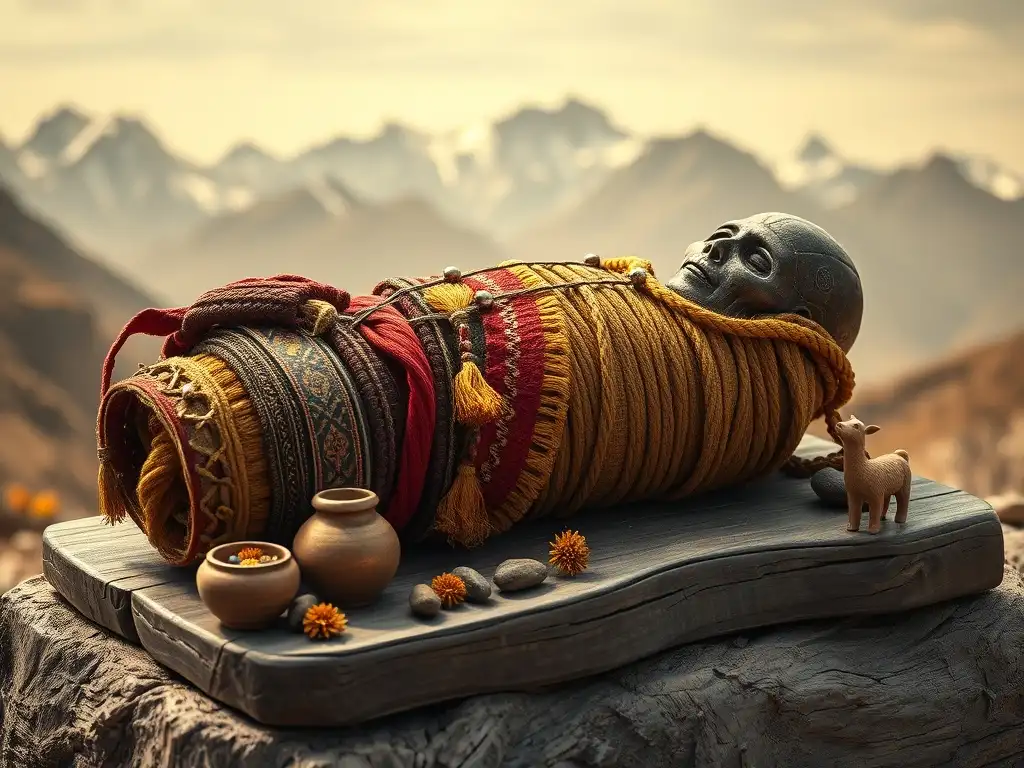
Beyond mummification, the Andean peoples employed a range of methods for preparing the deceased for burial. One common practice was the creation of elaborate burial bundles. These bundles, often composed of multiple layers of textiles, served as protective containers for the deceased, often including the mummified remains. The textiles themselves were frequently richly decorated with intricate designs, reflecting the social status and personal identity of the individual. The careful wrapping and layering of the burial bundles not only protected the body but also served a symbolic purpose, representing the transition from the earthly realm to the spirit world.
The contents of these bundles varied considerably. In addition to the remains, they often included personal belongings, such as tools, clothing, and food, intended to provide sustenance and comfort in the afterlife. The careful selection of these items suggests a belief that the deceased would continue to need and use these possessions in their spiritual existence. The intricacy and quality of the textiles and other materials often reflected the social standing of the deceased. For example, elite individuals might be wrapped in fine vicuña wool, while those of lower social standing might receive simpler coverings.
The creation of these bundles was a complex and laborious process, requiring specialized skills and knowledge. The textiles were often woven using sophisticated techniques, and the process of wrapping the body was carefully performed, often involving multiple individuals. The creation of these burial bundles was a communal effort, reflecting the importance of the funerary rituals within Andean society. [Specific information pending: Detailed analysis of textile techniques used in different Andean burial bundles, and their regional variations].
Grave Goods: Accompanying the Dead
The inclusion of grave goods within Andean burials provides crucial insights into the beliefs and practices of these societies. These offerings, ranging from simple utilitarian objects to elaborate works of art, were intended to accompany the deceased into the afterlife. The careful selection of grave goods reveals much about the social status, occupation, and personal beliefs of the deceased.
For example, the grave of a high-ranking official might include gold ornaments, finely crafted pottery, and tools associated with their position. In contrast, the grave of a commoner might contain simpler items, such as pottery vessels, textiles, and agricultural tools. The inclusion of food and drink was also common, reflecting a belief that the deceased would continue to require sustenance in the afterlife. Often, these were placed in specially designed vessels, sometimes with lids to prevent spoilage.
The variety and quantity of grave goods found in Andean burials underscore the importance of these objects in the transition to the afterlife. They weren't merely material possessions; they were symbolic representations of the deceased's identity, social status, and relationship with the spiritual world. Analysis of these grave goods provides valuable information on the economic systems, social hierarchies, and religious beliefs of the various Andean civilizations. The meticulous preservation of these artifacts allows for a deeper understanding of the rich cultural landscape of the Andean region.
The study of Andean burial rituals, therefore, offers a unique lens through which to understand the complexities of Andean life and beliefs. Analysis of grave goods also provides valuable data for dating and contextualizing burial sites. [Specific information pending: Statistical analysis of grave goods across different Andean cultures and social strata].
Diverse Burial Sites Across the Andes
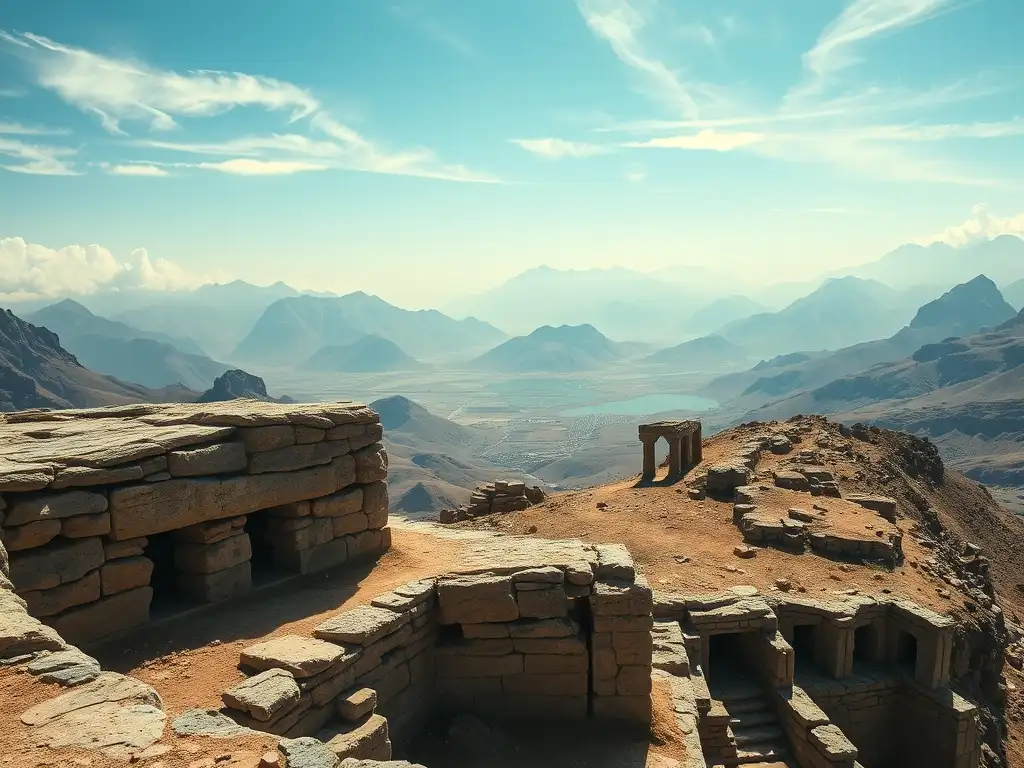
The Andes Mountains, a spine of towering peaks stretching along the western coast of South America, served not only as a geographical barrier but also as a vast, complex landscape shaping the beliefs and practices surrounding death and the afterlife for various Andean cultures. The sheer diversity of terrain – from arid coastal deserts to high-altitude plains and lush cloud forests – influenced the choice and construction of burial sites, reflecting a deep connection between the living and the spirit world.
Understanding the varied locations of Andean burial rituals provides crucial insight into the cultural nuances and beliefs of these fascinating societies. The types of burial sites ranged significantly, reflecting both practical considerations and deeply held spiritual beliefs about the journey to the afterlife.
This variety highlights the rich tapestry of Andean funerary practices, a testament to the ingenuity and spiritual depth of these ancient civilizations. The placement of these sites, often in locations with significant geographical or symbolic meaning, underscores the importance of the physical world in shaping their cosmological understanding.
Burial Caves and Rock Shelters
Many Andean cultures utilized natural formations, such as caves and rock shelters, as burial sites. These locations offered protection from the elements and often held symbolic significance within their belief systems. For example, the Moche culture, known for their elaborate ceramics and sophisticated irrigation systems, frequently used caves along the northern Peruvian coast.
These caves were not simply haphazard choices; they were often carefully selected, sometimes featuring natural features that enhanced their suitability for burial purposes. Evidence suggests that some caves were even modified to better suit the needs of the burial rituals. The use of natural caves and rock shelters reflects a pragmatic approach to burial, leveraging the readily available resources of the environment while imbuing them with spiritual meaning.
The careful placement of bodies and grave goods within these sites indicates a structured approach to funerary practices, even in seemingly less elaborate settings. Analysis of artifacts found in these locations, such as textiles, pottery, and tools, provides valuable information about the social status and daily lives of the deceased. The preservation of organic materials within these caves also helps researchers reconstruct aspects of Andean life and rituals.
Tombs and Burial Chambers
In contrast to the use of natural formations, some Andean cultures constructed elaborate tombs and burial chambers. The Incas, for instance, are renowned for their impressive stone architecture, and this architectural prowess extended to their funerary practices. They built elaborate underground structures, often incorporating intricate stonework and sophisticated engineering techniques.
These chambers were not only repositories for the deceased but also served as a testament to their social status and the power of the Inca empire. The construction of these elaborate tombs required significant resources and labor, highlighting the importance of death rituals and the afterlife within Inca society. The presence of intricately crafted artifacts, such as gold and silver ornaments, textiles, and ceramics, within these tombs further emphasizes the significance of these burial sites as focal points of ritual and commemoration.
The design and construction of these tombs often reflected the beliefs and practices of the Inca religion, incorporating elements of their cosmology and spiritual beliefs. Furthermore, the location of these tombs, often strategically positioned within the landscape, reflects a careful consideration of the connection between the physical world and the spiritual realm.
Variations in Burial Rites by Andean Culture
Andean burial rituals were not monolithic; they varied significantly across different cultures and even within the same culture over time. The Nazca, for example, known for their enigmatic geoglyphs, practiced a range of burial customs. Some individuals were interred in simple pits, while others received elaborate treatments including the inclusion of numerous grave goods and the construction of more complex burial structures. This variation likely reflects social stratification and the different beliefs and practices associated with various social groups.
The Moche, on the other hand, often interred their elite members in elaborate tombs filled with rich offerings, including gold ornaments, finely crafted ceramics, and even sacrificed individuals. This contrasts sharply with the more modest burials of commoners. The Tiahuanaco culture, known for its monumental architecture, also had diverse burial practices, with variations observed in the treatment of the deceased and the types of grave goods included.
These differences, however, were not arbitrary; they often reflected complex social hierarchies and beliefs about the afterlife. Further research and analysis of archaeological findings are needed to fully understand the nuances of these variations and their underlying significance within each culture's belief system. Future studies should focus on [specific information pending] to gain a more complete picture of the complex interplay between social structure, religious beliefs, and burial practices in Andean societies.
Beliefs About the Andean Afterlife
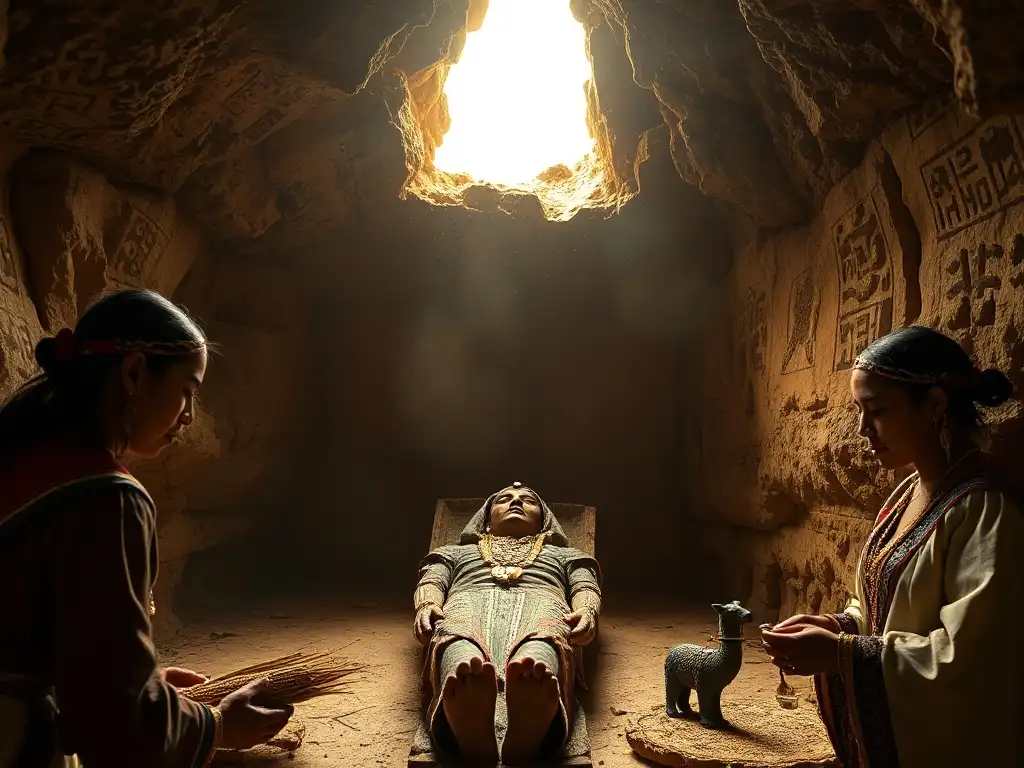
The Andean worldview encompassed a complex understanding of life, death, and the afterlife, significantly shaping their burial rituals. Unlike a singular, linear concept of the afterlife prevalent in some cultures, Andean beliefs presented a multifaceted cosmology where the living world interacted with several spiritual realms. Understanding these beliefs is crucial to interpreting the elaborate burial practices discovered across various Andean cultures.
The concept of Hanan Pacha, the upper world, and the importance of ancestor veneration played pivotal roles in shaping funerary customs and the overall perception of death. Further complicating this picture was the presence of various supernatural beings that were believed to influence the soul's journey after death. The integration of these elements resulted in a rich tapestry of funerary practices, reflecting the diversity and complexity of Andean societies.
The Concept of Hanan Pacha
The Andean cosmology included three distinct realms: Kay Pacha (the earthly world), Ukhu Pacha (the underworld), and Hanan Pacha (the upper world). While Ukhu Pacha is often associated with death and the realm of the ancestors, Hanan Pacha represented a celestial sphere, a place of deities and cosmic power. Crucially, Hanan Pacha wasn't simply an inaccessible realm; it was believed that certain individuals, particularly powerful rulers and elites, could ascend to this heavenly realm after death.
This belief heavily influenced elaborate burial practices, with elite burials often containing rich grave goods meant to assist the deceased in their journey to and life within Hanan Pacha. The specific items included varied across cultures and time periods, but often included gold ornaments, textiles, pottery, and food, all intended to provide comfort and sustenance in the afterlife.
Archaeological evidence, such as the richly adorned tombs found at sites like Sipán (Moche culture), supports this interpretation. The sheer quantity and quality of the artifacts found suggest a firm belief in a continued existence in a celestial realm, where material possessions retained their value.
The Role of Ancestor Veneration
Ancestor veneration was a cornerstone of Andean religious life. The deceased were not simply forgotten; they were believed to continue to exert influence on the living. This belief fostered deep respect for ancestors, who were considered intermediaries between the living and the supernatural world.
Regular offerings and rituals were performed to honor and appease the ancestors, seeking their guidance and protection. This practice is evident in the construction of chullpas, tower-like structures used as tombs, often found near settlements, indicating a continued relationship between the living and the deceased. The careful preservation of bodies through mummification in some cultures, particularly among the Inca, further emphasizes the importance placed upon maintaining a connection with deceased relatives.
The mummies weren’t merely preserved remains; they were active participants in the life of the community, participating in celebrations and even consulted for advice. This active involvement of the ancestors underscores the significance of ancestor veneration in shaping daily life and, consequently, burial practices.
Supernatural Beings and the Journey of the Soul
The journey of the soul after death was not always a straightforward ascent to Hanan Pacha. Andean belief systems included numerous supernatural beings, some benevolent, others malevolent, who could influence the soul's fate. These beings, often depicted in Andean art and mythology, could either guide the soul to its final destination or obstruct its passage.
The inclusion of amulets and other protective objects in burials suggests an attempt to safeguard the deceased from such potentially harmful entities during their post-mortem journey. For example, the presence of figurines representing protective deities or apotropaic symbols in tombs suggests a belief in the need for spiritual protection throughout the transition. The complexity of these beliefs demonstrates that the Andean conception of the afterlife wasn't a simple dichotomy of heaven and hell, but rather a dynamic interaction between the deceased, the living, and a multitude of spiritual entities within a multi-layered cosmology.
Further research is needed to fully elucidate the specific roles and interactions of these supernatural beings in the Andean afterlife. [Specific information pending: detailed analysis of specific supernatural beings and their roles in different Andean cultures].
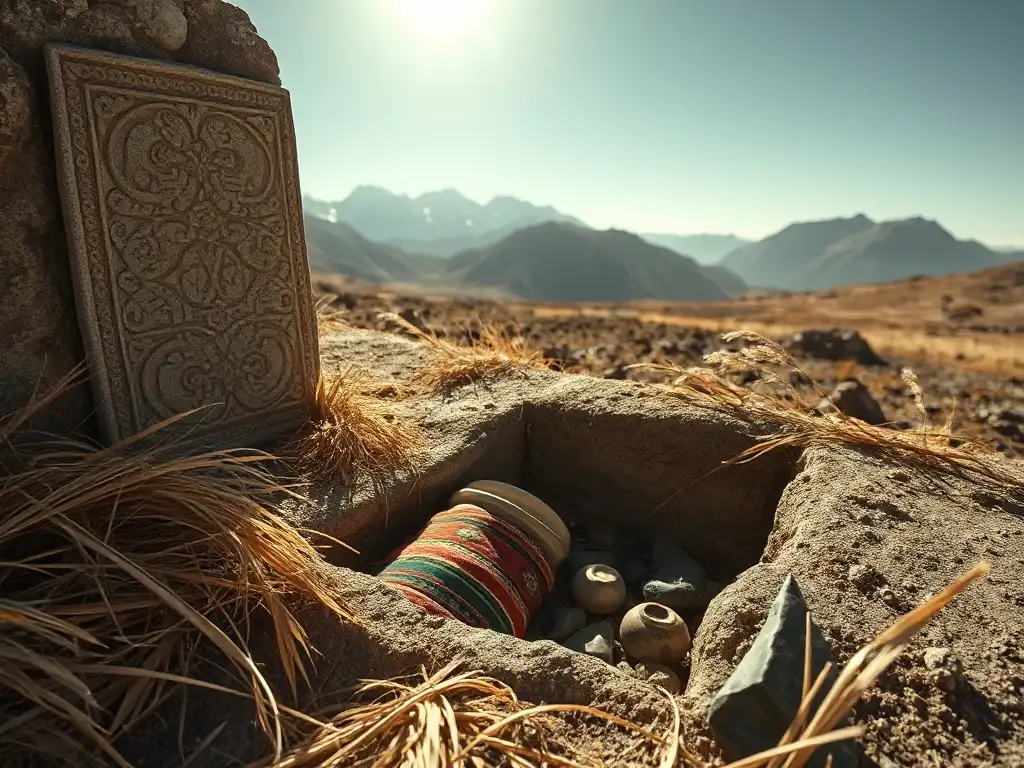
Andean burial rituals were far more than simply disposing of the deceased; they were complex ceremonies deeply interwoven with the social fabric, cosmology, and spiritual beliefs of these ancient societies. The meticulous preparation of the body, the elaborate grave goods, and the location of the burial sites all speak volumes about the worldview and social structures of the Andean civilizations. Understanding these practices provides invaluable insight into their societal values, beliefs about the afterlife, and the power dynamics within their communities.
Analyzing Andean burial rituals reveals a sophisticated understanding of death and its role in the continuity of life, a perspective significantly different from many other ancient cultures. The sheer variety of practices across different Andean cultures highlights the rich tapestry of their beliefs and customs.
The social standing of the deceased was often strikingly evident in their burial. Elite individuals, such as rulers, priests, and high-ranking officials, were typically interred in elaborate tombs, often containing a wealth of grave goods reflecting their status and power. These could include gold and silver ornaments, finely crafted textiles, ceramic vessels, and even human sacrifices.
For example, the Moche culture is renowned for its elaborate tombs containing intricately decorated pottery depicting scenes of daily life, warfare, and religious rituals, providing valuable information about their social hierarchy. In contrast, commoners' burials were typically simpler, with fewer grave goods and less elaborate preparation of the body. This stark contrast highlights the significant social stratification within these societies.
| Social Class | Burial Characteristics | Grave Goods Examples |
|---|---|---|
| Elite | Elaborate tombs, mummification, rich offerings | Gold ornaments, silver vessels, textiles, human sacrifices |
| Commoners | Simple graves, minimal preparation, few offerings | Basic pottery, simple tools, minimal personal belongings |
The quantity and quality of grave goods served as powerful indicators of social status. The presence of specific artifacts, such as intricately woven textiles or rare minerals, could signify membership in a particular clan or lineage. The analysis of these goods provides archaeologists with crucial information about trade networks, craftsmanship, and the distribution of wealth within Andean society. Further research is needed to fully understand the nuances of these burial practices across different time periods and geographical locations, as the specifics vary significantly between cultures and even within the same culture across different periods.
Rituals and Ceremonies Associated with Death
Andean death rituals were not confined to the burial itself; they often involved elaborate ceremonies that spanned weeks or even months. These rituals were designed to ensure a smooth transition for the deceased into the afterlife and to honor their memory. The process often began with the preparation of the body, which could involve mummification, a practice perfected by several Andean cultures, particularly the Inca.
The mummified remains were then dressed in fine clothing and adorned with jewelry and other personal effects. Further studies are needed to better understand the regional variations in mummification techniques, the significance of specific materials used in the process, and the ritualistic aspects involved.
The subsequent funeral procession was a significant communal event, often involving large numbers of people and elaborate displays of mourning. The deceased might be carried to their final resting place on a litter or palanquin, accompanied by musicians, dancers, and mourners. These processions were not simply somber affairs; they were celebrations of the life of the deceased and a reaffirmation of community bonds.
The specific rituals associated with death varied considerably between different Andean cultures, reflecting their diverse belief systems and societal norms. For instance, the Nazca people are known for their elaborate burial offerings and their unique style of mummification. The detailed reconstruction of these rituals requires further interdisciplinary research combining archaeological findings with ethnohistorical sources and anthropological analyses.
The Importance of Mortuary Practices in Andean Society
Andean burial practices were integral to the social and spiritual life of these ancient societies. They served as a powerful means of reinforcing social hierarchy, expressing religious beliefs, and maintaining social cohesion. The elaborate nature of the rituals and the significant investment of resources in them underscore their profound importance. The careful placement of tombs and the inclusion of specific grave goods suggest a complex cosmology and a belief in an afterlife where the deceased continued to play a role in the community.
These practices were not simply about death; they were about life, continuity, and the enduring power of social structures and religious beliefs. The continued study of Andean burial sites promises to further illuminate the rich cultural and spiritual landscape of these fascinating civilizations. The careful documentation and preservation of these sites is crucial to ensure that future generations can learn from and appreciate the legacy of Andean cultures.
This ongoing research will undoubtedly reveal further details about the complex interplay between social organization, religious beliefs, and mortuary practices in the Andean world. The impact of these rituals on the living and the dead remains a subject of ongoing fascination and investigation. 🗺️
Andean Burial Rituals: A Legacy of Ancient Beliefs
Andean burial rituals, a cornerstone of Andean social structures, weren't simply about disposing of the dead; they were complex ceremonies reflecting deeply held beliefs about the afterlife and the cyclical nature of life and death. These practices varied significantly across different Andean cultures and time periods, showcasing a fascinating interplay of continuity and change. Understanding these rituals provides crucial insights into the spiritual worldviews and social organization of these remarkable civilizations.
The sheer diversity of practices, from elaborate mummification techniques to the creation of intricate grave goods, highlights the significance placed on the deceased and their continued connection to the living. The careful study of "Andean burial rituals" reveals a rich tapestry of beliefs and practices that continue to fascinate and inspire researchers today.
Continuity and Change in Andean Funeral Traditions
The evolution of Andean funeral traditions reveals both remarkable consistency and significant adaptation across centuries. While core beliefs about the afterlife likely persisted, the manner in which these beliefs were expressed changed considerably depending on the specific culture and historical context. For example, the Nazca culture (100-800 CE), renowned for their geoglyphs, practiced a unique form of mummification, often accompanied by elaborate grave goods reflecting their sophisticated artistic skills. Their elaborate textiles, ceramics, and even food offerings demonstrate a belief in providing the deceased with everything they might need in the next life.
In contrast, the later Inca Empire (1438-1533 CE) developed a more centralized and standardized approach to burial practices, although regional variations persisted. The Inca emphasized the importance of royal lineage and often incorporated elaborate mausoleums and sacrificial offerings into their burial rituals. The careful placement of bodies, the inclusion of specific artifacts, and the construction of elaborate tombs all speak to the Inca's belief in a structured afterlife reflecting their hierarchical social organization. The shift from the more localized traditions of earlier cultures to the more centralized approach of the Inca reflects the imperial power's influence on cultural practices.
| Culture | Time Period | Notable Burial Practices | Key Beliefs Reflected |
|---|---|---|---|
| Nazca | 100-800 CE | Mummification, elaborate grave goods (textiles, ceramics) | Provision for the afterlife, continuation of social status |
| Moche | 100-800 CE | Sacrifice, elaborate tombs, rich grave goods | Importance of rulers, power of the supernatural |
| Tiahuanaco | 500-1000 CE | Complex burial structures, mummification | Ancestral veneration, cyclical view of life and death |
| Inca | 1438-1533 CE | Mausoleums, royal mummies, sacrificial offerings | Imperial power, lineage, afterlife hierarchy |
The transition from smaller-scale, decentralized burial customs to the more formalized and centralized practices of the Inca Empire highlights the dynamic nature of Andean traditions. Despite these changes, the underlying belief in a continued existence after death remained a constant thread weaving through the diverse tapestry of Andean cultures. The continuity demonstrates the enduring power of these beliefs within Andean societies.
Modern Interpretations of Ancient Andean Burial Customs
Modern interpretations of ancient Andean burial customs are shaped by ongoing archaeological discoveries and evolving anthropological perspectives. Archaeologists continue to unearth new evidence that challenges and refines our understanding of these practices. Advances in DNA analysis, for instance, allow researchers to explore kinship ties and migration patterns within ancient Andean populations, adding another layer of complexity to our understanding of burial rituals.
Furthermore, Indigenous Andean communities themselves play a vital role in shaping modern interpretations. Their oral traditions and ongoing practices often provide valuable context and perspectives that complement archaeological findings. Their connection to ancestral lands and beliefs offers a crucial lens through which to view and understand the significance of these ancient rituals. Respecting and incorporating their voices is essential for a complete and nuanced understanding of Andean burial customs. The ongoing dialogue between archaeological research and Indigenous perspectives is crucial for a comprehensive and respectful interpretation of these ancient traditions.
Preserving the Legacy of Andean Mortuary Practices
Preserving the legacy of Andean mortuary practices involves a multi-faceted approach encompassing archaeological preservation, ethical considerations, and community engagement. The delicate balance between scientific research and the cultural sensitivity surrounding these sites is paramount. Carefully planned excavations, respectful handling of human remains, and the responsible curation of artifacts are crucial for preserving this invaluable heritage. Furthermore, collaborations with Indigenous communities are essential to ensure that the interpretation and preservation of these sites are aligned with their cultural values and perspectives.
The ethical implications surrounding the study and display of ancient human remains are particularly important. The focus must be on respectful treatment and the avoidance of exploitative or disrespectful practices. This includes open dialogue with Indigenous communities and the establishment of clear ethical guidelines for research and exhibition practices.
Ultimately, preserving the legacy of Andean mortuary practices requires a collaborative effort that prioritizes respect, cultural sensitivity, and the long-term preservation of this significant aspect of Andean heritage. The goal is not just to preserve physical artifacts, but also the cultural memory and significance attached to these practices. This holistic approach ensures a responsible and respectful legacy for future generations.
Frequently Asked Questions
What were the most common Andean burial rituals?
Andean burial practices varied across different cultures and time periods. However, mummy bundles, grave goods, and elaborate tombs were common features, reflecting beliefs about the afterlife. Specific rituals differed depending on social status.
How did the Incas treat their dead?
Inca burial rituals often involved mummification of the elite, with the bodies adorned with fine clothing and placed in elaborate tombs. Ancestor veneration was crucial; mummies were often kept within the family and treated as living members.
What role did grave goods play in Andean burials?
Grave goods provided the deceased with necessities for the afterlife. These items reflected the individual's status and could include food, clothing, tools, and precious objects like gold and ceramics. Their presence indicated beliefs about the continuity of life.
How did Andean burial practices differ across different cultures?
While some commonalities existed, significant variations existed. For instance, the Nazca focused on elaborate geometric designs in their cemeteries, whereas the Moche are known for their sophisticated mummy portraits.
What can Andean burial sites tell us about their society?
Andean burial sites offer invaluable insights into their social structures, religious beliefs, and technological advancements. The types of tombs, grave goods, and the manner of burial reflect social hierarchy and beliefs about death and the afterlife.
Final Reflection: Echoes of the Andes: A Legacy in Stone and Spirit
The intricate burial practices of the Andean civilizations remain profoundly relevant today, offering a powerful lens through which to understand not only their past but also our enduring fascination with death and the afterlife. These rituals, far from being mere historical curiosities, speak volumes about the complex social structures, spiritual beliefs, and enduring connection to the land that defined these remarkable cultures. Their legacy continues to shape our understanding of ancient societies and the human experience itself.
The meticulous care taken in Andean burial rituals underscores the deep reverence for ancestors and the belief in a vibrant afterlife intimately connected to the earthly realm. This enduring connection resonates deeply, prompting us to consider our own relationship with mortality and legacy. The dead are not dead, but transformed.
This sentiment, though not a direct quote from an Andean source, encapsulates the essence of their beliefs, highlighting the ongoing influence of their spiritual worldview on our understanding of death and remembrance. The impact of these practices continues to inspire awe and wonder, shaping archaeological research and influencing our modern perspectives on death and remembrance.
Consider the implications of these practices. How do the Andean beliefs about the afterlife challenge your own assumptions about death and the continuation of life? What can we learn from their meticulous preparation for the journey into the next world?
I invite you to reflect on the enduring power of these ancient rituals, not just as historical artifacts, but as a testament to the enduring human need to connect with the past, to understand our place in the universe, and to honor the lives of those who came before us. Let the echoes of the Andes resonate within you, inspiring a deeper appreciation for the complexities of human experience and the enduring mystery of life beyond death.
Unveil the Mysteries of Andean Beliefs!
Thank you for exploring the fascinating world of Andean burial practices and beliefs! Your investigation into the complex relationship between life and death in Andean cultures has revealed rich insights into their traditions. Now, let's delve even deeper!
Here are some ways to further your understanding and connect with this remarkable culture:
- **Expand your knowledge:** Explore our extensive library of articles on Andean civilizations to learn more about related topics.
- **Share your discoveries:** Discuss this article with friends or in online communities interested in history—let's spark a conversation about Andean traditions!
- **Immerse yourself:** Consider attending an Andean cultural event or workshop to experience these beliefs firsthand.
Which aspect of Andean burial practices most surprised you, and how do you believe these traditions inform our contemporary understanding of life and death?