
The Forgotten Chroniclers: Unearthing the LesserKnown Voices of the Andes

Unravel the mysteries of a world lost to time... Step into the captivating realm of Andean Civilizations, where towering empires and intricate artistry thrived for millennia. Beyond the familiar tales of the Incas, a hidden history awaits, one whispered through the sands and etched into the mountains. Discover the untold stories shaping Andean civilizations history, starting with our exploration of the "Forgotten Chroniclers" and their remarkable impact. Dare to delve deeper and uncover the secrets these ancient voices hold.
This article delves into the often-overlooked narratives of Andean civilizations history, focusing on the chroniclers whose contributions have been overshadowed by more prominent figures. While names like Garcilaso de la Vega are frequently cited when discussing Inca history, a wealth of other invaluable perspectives remain largely unexplored. This exploration will unearth the lesser-known voices—Indigenous and European alike—who documented the complexities of Andean societies, offering crucial insights into their daily lives, beliefs, and political structures.
We will examine their methods, biases, and the lasting impact of their work on our understanding of Andean civilizations, including the Inca, Moche, Nazca, and Tiahuanaco cultures. Understanding these diverse perspectives is crucial for a complete and nuanced appreciation of Andean civilizations history. The voices we uncover here paint a richer, more complex, and ultimately more accurate picture than previously possible.
Introduction to the Underrated Historians of Andean Civilizations
The study of Andean civilizations often relies heavily on a select group of chroniclers, leaving a significant gap in our understanding. Many indigenous perspectives were lost or suppressed during the colonial era, while the works of lesser-known European chroniclers remain largely unstudied. This resulted in a skewed representation of Andean societies, prioritizing certain narratives while neglecting others.
This section introduces some of these underappreciated historians, highlighting their unique contributions and the challenges they faced in documenting the rich tapestry of Andean life. We'll explore how their works, though sometimes fragmented or biased, provide invaluable pieces to the puzzle of Andean history. This is crucial for a more comprehensive and accurate understanding of "Andean civilizations history," moving beyond the dominant narratives to uncover a more complete picture.
We will analyze the challenges these chroniclers faced, from navigating linguistic barriers and cultural differences to the inherent biases present in their writings. Furthermore, we will examine how these challenges influenced the information they recorded and how their work can be critically assessed in the modern context. We will consider the influence of colonialism, the power dynamics between the chroniclers and their subjects, and the impact these factors had on the accuracy and completeness of their accounts.
Indigenous Voices: Preserving Oral Traditions and Resistance Narratives
The oral traditions of Andean cultures, passed down through generations, represent a significant—though often fragmented—source of information. These traditions, while not written by individual chroniclers in the traditional sense, were meticulously preserved and transmitted through storytelling, songs, and rituals. However, the colonial conquest significantly disrupted these oral traditions, leading to the loss of much valuable knowledge.
Despite this, fragments remain, often embedded within later colonial documents or preserved through ongoing indigenous communities. Understanding the techniques and methodologies employed in preserving and transmitting this oral history is crucial to reconstructing a more complete picture of Andean civilizations history. The challenge lies in discerning authentic indigenous voices from those shaped or filtered by colonial influence.
The survival of these oral traditions, often concealed within seemingly innocuous narratives or encoded in artistic representations, speaks to the resilience of Andean cultures in the face of oppression. Examining this resistance, often subtly embedded within seemingly mundane accounts, requires careful analysis and a deep understanding of Andean cultural practices. This section explores these strategies, highlighting examples of how indigenous populations cleverly preserved their history and cultural identity despite the immense pressure of colonization. We will focus on specific examples of encoded narratives and analyze their significance within the broader context of Andean civilizations history.
European Chroniclers Beyond the Mainstream: New Perspectives on Andean Societies
While certain European chroniclers like Garcilaso de la Vega are well-known, numerous others offered unique and valuable perspectives often overlooked in mainstream scholarship. These chroniclers, though operating within the context of colonial power structures, sometimes provided surprisingly nuanced and sympathetic accounts of Andean life. Their observations, while inevitably shaped by their own biases and the limitations of their time, offer critical insights into aspects of Andean societies that might otherwise remain unknown. This section focuses on these lesser-known European chroniclers, analyzing their methods, motivations, and the lasting impact of their work on our current understanding of Andean civilizations.
We will investigate the diversity of their perspectives, exploring how their individual backgrounds, experiences, and relationships with indigenous populations influenced their writings. By examining these variations, we aim to develop a more comprehensive and multifaceted understanding of Andean civilizations history. Furthermore, we will assess the reliability and limitations of their accounts, considering the potential for bias and the complexities of cross-cultural communication. This careful analysis will allow for a more nuanced interpretation of their works and a better understanding of their contribution to the field.
- Introduction to the Underrated Historians of Andean Civilizations
- Indigenous Voices: Preserving Oral Traditions and Resistance Narratives
- European Chroniclers Beyond the Mainstream: New Perspectives on Andean Societies
- What are Andean civilizations?
- How did the Andean civilizations develop such advanced technology?
- What is the significance of the "Forgotten Chroniclers" in the article's title?
- How did the different Andean cultures interact with each other?
- Where can I learn more about the history of Andean civilizations?
Beyond the Famous Names: Exploring Marginalized Andean Chroniclers

This section delves into the often-overlooked voices that contributed significantly to our understanding of Andean civilizations history, focusing on chroniclers whose works have remained largely in the shadows of more prominent figures like Garcilaso de la Vega or Bernabé Cobo. Their contributions, though less widely known, offer invaluable perspectives and crucial details that enrich our understanding of the past.
We will uncover the challenges inherent in recovering their narratives and explore the identities and contributions of some of these lesser-known chroniclers. Understanding their stories helps paint a more complete and nuanced picture of Andean civilizations history, moving beyond the dominant narratives and towards a more inclusive historical record.
The Challenge of Recovering Obscured Andean History
Unearthing the contributions of marginalized Andean chroniclers presents significant hurdles. Many accounts were lost to time, destroyed, or simply neglected. The Spanish conquest itself played a devastating role, systematically suppressing indigenous knowledge systems and often destroying primary sources.
Furthermore, the biases inherent in colonial documentation often led to the marginalization or outright silencing of indigenous perspectives. These chroniclers, often writing in Quechua or Aymara, faced additional challenges in having their work preserved and translated, leading to a significant loss of valuable information. The surviving fragments are often incomplete, requiring painstaking scholarly work to piece together a coherent narrative.
This process frequently involves deciphering fragmented texts, reconciling conflicting accounts, and navigating the complex power dynamics that shaped the historical record. The sheer volume of work required to identify, authenticate, and translate these documents underscores the ongoing importance of dedicated research in Andean civilizations history. The lack of readily available translations further hinders access to these vital sources, making research in this area both challenging and rewarding.
Who were these Lesser-Known Chroniclers?
Identifying specific names of marginalized Andean chroniclers requires further research; many accounts exist only in fragmented form or within larger, more dominant narratives. However, we can highlight the types of individuals whose voices were often silenced:
- Indigenous scribes and informants: Many crucial details about Andean life, customs, and beliefs were recorded by indigenous individuals who worked alongside or for Spanish chroniclers. Their contributions, often undocumented, were essential to the creation of many colonial-era texts. These individuals possessed invaluable firsthand knowledge, but their perspectives were frequently filtered through the lens of their colonial counterparts, resulting in a skewed representation of their knowledge.
- Women chroniclers: The role of women in Andean societies, both before and after the conquest, is a significantly under-researched area. While few names of women chroniclers have survived, it is highly likely that many women played crucial roles in transmitting and preserving knowledge, orally and perhaps even in written form, which has been lost or remains to be discovered. Their perspectives would undoubtedly offer a vital counterpoint to the predominantly male voices that dominate the existing historical record.
- Provincial chroniclers: Many individuals outside of the major urban centers recorded local histories and traditions. These local accounts offer invaluable insights into regional variations in Andean culture and governance, providing a richer, more nuanced understanding of the complexities of these societies. However, these localized accounts have often been overlooked in favor of narratives centered around the major power hubs.
The recovery and analysis of these marginalized voices are critical to achieving a more comprehensive and representative understanding of Andean civilizations history. Future research should focus on identifying and translating these overlooked accounts, ensuring that the full spectrum of Andean experiences is reflected in the historical record. This will allow us to move beyond the familiar narratives and appreciate the richness and diversity of Andean cultures. The pursuit of this knowledge is not merely an academic exercise; it is a crucial step towards a more equitable and accurate representation of the past.
Diverse Perspectives on the Past: Chroniclers' Regional Variations
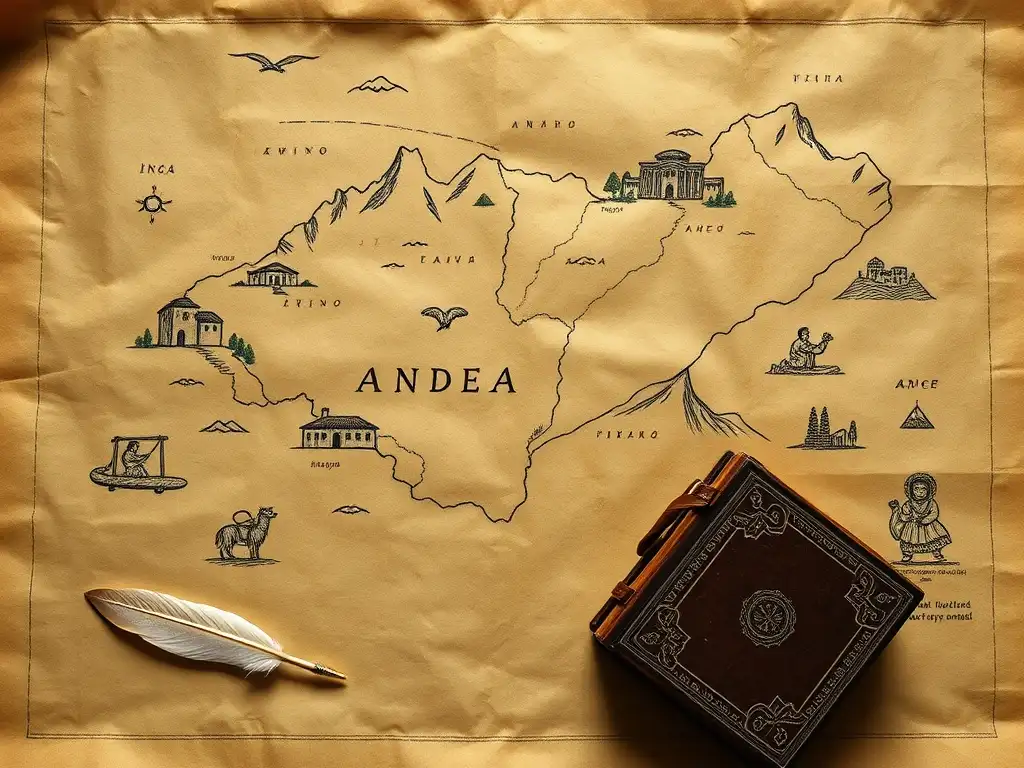
The study of Andean civilizations history benefits immensely from the diverse perspectives offered by chroniclers who lived and worked across the vast Andean region. Their accounts, while often filtered through a colonial lens, provide invaluable insights into the complexities of pre-Columbian societies. Understanding these regional variations is crucial for a nuanced understanding of Andean history, moving beyond a monolithic view often presented in simplified narratives.
The geographical location of a chronicler significantly impacted their access to information and the specific aspects of Andean life they documented. Coastal chroniclers, for example, focused on maritime cultures and trade networks, while those in the highlands documented the intricacies of Inca governance and agricultural practices. This section explores these regional variations, highlighting key figures and their contributions to our understanding of Andean civilizations.
Chroniclers from the Coast: Unveiling Coastal Andean Societies
The coastal regions of the Andes, with their thriving port cities and diverse populations, presented a unique lens for chroniclers. These writers often documented the intricacies of coastal societies, their maritime traditions, and their interactions with both inland populations and foreign traders. Their accounts reveal a dynamic interplay of cultures, economic exchanges, and political power struggles along the Pacific coast.
The varied social structures, religious beliefs, and artistic expressions of coastal societies are brought to light through their detailed observations. The absence of a centralized, overarching power structure, unlike the Inca empire in the highlands, resulted in a more fragmented historical record, making the contributions of coastal chroniclers all the more important.
Miguel Cabello de Balboa: Insights into Moche Culture
Miguel Cabello de Balboa, a Spanish chronicler active in the late 16th century, stands out for his detailed descriptions of the Moche civilization. While his work is infused with the biases of his time, his accounts offer valuable glimpses into Moche art, religion, and social organization. Cabello de Balboa's meticulous descriptions of Moche pottery, particularly the iconic portrait vessels, provide invaluable insight into their artistic skills and social hierarchy.
He also touches upon Moche religious practices, though often interpreting them through a European lens. His writings, although requiring careful analysis to separate fact from interpretation, remain a vital source for understanding the complexities of Moche culture and its relationship with later Andean societies. Further research into the cross-referencing of Cabello Balboa's work with archaeological findings continues to enrich our understanding of Moche society.
Chroniclers from the Highlands: Documenting Inca and Pre-Inca Life
The highland regions of the Andes, the heartland of the Inca Empire, provided a different perspective for chroniclers. Their accounts often focus on the Inca political system, its administrative structures, and its impact on pre-existing Andean societies. Many chroniclers in this region documented Inca governance, military campaigns, and religious practices, offering a wealth of information about the empire's rise, expansion, and eventual fall.
However, it's crucial to remember that even these accounts, while providing a detailed look at Inca life, are often influenced by the colonial context and may not fully capture the perspectives of the Inca people themselves. The challenge lies in critically analyzing these accounts, comparing them with archaeological evidence and other historical sources, to construct a more complete and nuanced picture of Andean civilizations history.
Felipe Guaman Poma de Ayala: Perspectives on Inca Governance
Felipe Guaman Poma de Ayala's Nueva Corónica y Buen Gobierno stands as a unique and monumental work within Andean civilizations history. This incredibly detailed manuscript, a combination of text and illustrations, offers a critical perspective on Inca governance, often challenging the idealized views presented by other chroniclers. Guaman Poma, an indigenous Andean who wrote in Quechua and Spanish, provides a firsthand account of Inca society, its social structures, and the impact of Spanish colonization.
His work is invaluable not only for its detailed descriptions of Inca customs and traditions but also for its powerful critique of colonial injustices. He describes the complexities of Inca administration, including the mit'a labor system and the role of various social classes.
His perspective, as an indigenous person witnessing and experiencing the colonial transition, provides a crucial counterpoint to the primarily European accounts of Andean civilizations history. The rich detail and critical analysis within his work continue to be studied and debated by scholars today, making him a pivotal figure in understanding the Andean past.
Chroniclers from the Amazonian Fringe: Narratives of Eastern Andean Peoples
The vast Amazonian basin, while geographically distant from the heartlands of the Inca Empire, was not entirely isolated. Complex trade networks and migratory patterns connected these regions, and the narratives of chroniclers operating on the eastern fringes of Andean civilization offer invaluable insights into these interactions, often overlooked in traditional Andean history studies. These accounts reveal a nuanced picture of the Andean world, extending beyond the often-dominant narratives focused on the Inca and their immediate neighbors. The chroniclers working in this region faced unique challenges, from navigating unfamiliar languages and customs to recording the oral traditions of indigenous groups whose experiences differed greatly from those of the highland populations.
Their writings, therefore, provide a crucial counterpoint to the more centralized perspectives common in other historical accounts of Andean civilizations. This allows for a more complete understanding of the Andean world's diversity and complexity, challenging the often-simplified depictions of a monolithic Andean culture. Their records frequently detail the movements of people, goods, and ideas, illustrating the dynamism of the region and its interconnectedness with the wider Andean world.
Further research into these less-studied chronicles can shed light on the social structures, belief systems, and economic activities of groups who otherwise might remain largely unknown. The significance of these "fringe" chronicles lies in their ability to decenter the traditional narratives and provide a more inclusive and representative understanding of the Andean past. Understanding these regional variations is crucial for a comprehensive study of Andean civilizations history.
Gaspar de Carvajal: Understanding Amazonian-Andean Interactions
Gaspar de Carvajal's account of Francisco de Orellana's expedition down the Amazon River in 1541-1542 stands out as a particularly important example of a chronicle offering insights into the interaction between Amazonian and Andean populations. While primarily focused on the expedition's perilous journey, Carvajal's narrative inadvertently provides glimpses into the diverse indigenous groups encountered along the way. His descriptions, though often filtered through a European lens, offer valuable ethnographic details about their social organization, material culture, and interactions with other groups, including those with possible links to Andean societies. For example, Carvajal mentions encounters with groups possessing sophisticated agricultural techniques and metalworking skills, suggesting possible connections with the Andean highlands.
The presence of these technologies, usually associated with more developed Andean cultures, in the Amazonian basin highlights the complex exchange networks that existed between these seemingly disparate regions. However, it's crucial to approach Carvajal's account critically, acknowledging the inherent biases of a colonial perspective. His descriptions can be subjective, and his interpretation of events may be influenced by his own cultural background and the colonial context of his writing.
Despite these limitations, Carvajal's chronicle remains a significant source for understanding the complex interplay between Amazonian and Andean societies, offering valuable, albeit imperfect, clues to the connections and exchanges that shaped the history of the region. Further analyses, comparing his observations with archaeological and linguistic data, are necessary to fully decipher the extent and nature of these interactions, contributing to a more robust understanding of Andean civilizations history. The careful examination of such accounts is vital for reconstructing a more nuanced and complete picture of the pre-Columbian past.
Thematic Focuses of the Forgotten Andean Chroniclers

This section delves into the recurring themes explored by lesser-known chroniclers of Andean civilizations, offering a nuanced perspective beyond the dominant narratives often associated with Inca-centric histories. These chroniclers, though often overlooked, provide invaluable insights into the daily lives, political structures, and belief systems of various Andean societies. Their accounts enrich our understanding of "Andean civilizations history," revealing a tapestry of diverse experiences and perspectives.
Daily Life and Customs: A Glimpse into Andean Society
Agriculture and Economic Practices of Andean Peoples
Many overlooked Andean chroniclers detailed the sophisticated agricultural techniques employed across diverse Andean societies. Their accounts reveal a complex interplay between environmental adaptation and social organization. For instance, chronicles from the northern coast detail the intricate irrigation systems used by the Moche, showcasing their mastery of water management and its crucial role in supporting a dense population. These accounts frequently mention the importance of waru waru agriculture in the altiplano regions, highlighting the ingenious methods employed to maximize crop yields in challenging terrains.
Furthermore, chronicles from the southern Andes describe the importance of llama herding and its integration into the economic and social fabric of various communities. Detailed descriptions of textile production, pottery techniques, and metalworking also feature prominently, revealing a high level of craftsmanship and specialized labor. The detailed descriptions of these economic practices, often overlooked in broader narratives, provide crucial context for understanding the social and political structures of these societies.
The economic strategies varied greatly depending on the geographic location and the specific cultural group. For example, coastal communities relied heavily on fishing and marine resources, while highland communities focused on agriculture and animal husbandry. Further research is needed to fully understand the nuances of inter-regional trade and economic exchange.
Religious Beliefs and Rituals according to Andean Writers
Beyond the well-documented religious practices of the Inca, lesser-known chroniclers offer glimpses into the diverse spiritual beliefs and rituals of other Andean cultures. These accounts frequently describe elaborate ceremonies involving human sacrifice, often misinterpreted in modern interpretations. However, a deeper examination reveals that these practices were deeply embedded within the cosmological understanding of these societies, serving specific social and political functions.
For example, chronicles from the Nazca culture depict intricate depictions of deities and mythological beings, suggesting a sophisticated pantheon and a complex religious cosmology. Similarly, chroniclers from the Tiahuanaco culture describe monumental structures and ceremonial centers, hinting at large-scale religious gatherings and elaborate rituals. The detailed descriptions of these rituals provide valuable insights into the social hierarchies and power dynamics within these societies, highlighting the role of religious leaders and specialists.
Specific details on the materials used in these rituals, the social roles involved, and the symbolic meanings of the rituals are often lacking in many accounts, highlighting the need for further research and translation of existing documents. The study of these accounts allows us to appreciate the nuanced diversity of Andean religious expression, moving beyond simplistic generalizations.
Political Structures and Power Dynamics: Understanding Andean Governance
This section examines the political organization of pre-Columbian Andean societies as documented by lesser-known chroniclers, moving beyond the often-dominant narrative of the Inca Empire.
Andean Political Organization before the Inca Empire
Before the Inca expansion, various Andean societies exhibited diverse political structures, ranging from small chiefdoms to more complex regional states. Chronicles from the Moche culture, for instance, depict a highly centralized political system with powerful rulers and a sophisticated bureaucracy. These accounts frequently mention monumental architecture, such as pyramids and palaces, reflecting the power and prestige of the ruling elite.
In contrast, chronicles from other regions suggest a more decentralized organization, with alliances and confederacies between smaller communities. The variability in political structures underscores the importance of regional context and the diversity of socio-political organization in the Andes. More research is needed to fully understand the dynamics of power and influence within these diverse societies.
The nature of leadership, the mechanisms for conflict resolution, and the extent of social stratification are all areas requiring further investigation. The accounts of these lesser-known chroniclers offer a vital counterpoint to a solely Inca-centric view of Andean political development.
Andean Responses to Inca Expansion
The Inca expansion significantly impacted the political landscape of the Andes. Chronicles from various regions document the diverse responses of Andean societies to Inca rule, ranging from resistance and rebellion to assimilation and collaboration. Some chronicles detail successful Inca strategies of incorporating conquered populations, highlighting the effectiveness of their administrative and military capabilities.
Other accounts, however, describe instances of fierce resistance and the preservation of local traditions and identities despite Inca dominance. These accounts often mention the use of diplomacy, military force, and economic control to maintain control over conquered territories. Further research is needed to fully understand the long-term consequences of Inca rule on the social, political, and economic structures of the Andean region.
A comprehensive understanding of Andean civilizations history necessitates acknowledging the complexities and diversity of responses to Inca expansion. The impact of Inca rule varied greatly across different regions and cultural groups, and a nuanced understanding requires a careful analysis of these diverse experiences.
Art, Technology, and Innovation: Discovering Andean Ingenuity
The Andean civilizations weren't just masters of agriculture and social organization; they were also incredibly innovative in their art, technology, and engineering. Many lesser-known chroniclers, often overlooked in mainstream Andean civilizations history, documented these achievements, providing invaluable insights into the ingenuity of these societies. Their writings reveal a level of sophistication that often surpasses popular understanding.
These chronicles offer a window into the daily life of these peoples, revealing the intricate processes behind their creations and the cultural significance attributed to them. Examining these accounts allows for a more nuanced appreciation of Andean civilizations history, moving beyond simplistic narratives and revealing a rich tapestry of human creativity and adaptation. The detailed observations found in these less-studied documents help us reconstruct the technical prowess and artistic sensibilities of these ancient cultures.
For example, we can piece together a more complete picture of their metallurgical processes, textile techniques, and architectural marvels by analyzing the descriptions and sketches found within these chronicles. Understanding these technologies provides a crucial perspective on their societal structures and the resourcefulness demonstrated by these ancient Andean populations.
Andean Engineering and Architecture Through Chronicler's Eyes
Chroniclers' accounts offer a unique perspective on the impressive feats of Andean engineering and architecture. These weren't simply builders; they were master planners and innovators. Consider the intricate irrigation systems, meticulously designed to channel water across challenging terrains, supporting vast agricultural enterprises.
Chroniclers’ descriptions, though sometimes fragmented, detail the scale of these projects and the sophisticated understanding of hydraulics that underlay their construction. The precision of their stonework, evident in sites like Machu Picchu and Sacsayhuamán, is another testament to their advanced skills. These chroniclers often documented the techniques used, including the precise cutting and fitting of massive stones without the use of mortar, a feat that continues to baffle modern engineers.
Furthermore, their writings often touch upon the social organization required to undertake such monumental projects, revealing the complex interplay between labor, resources, and leadership within Andean societies. A closer examination of these accounts illuminates not only the technical aspects of Andean engineering but also the social and political structures that made these achievements possible, enriching our understanding of Andean civilizations history.
Andean Artistic Expressions and Craftsmanship
The artistic expressions of the Andean civilizations, as documented by lesser-known chroniclers, reveal a profound connection to their environment and beliefs. Textiles, pottery, and metalwork showcase an extraordinary level of skill and creativity. Chroniclers' descriptions, though often lacking the visual detail of modern archaeological analysis, provide crucial contextual information.
They help to interpret the symbolic meaning embedded within the art, linking the aesthetic choices to the social and religious practices of the time. For instance, the intricate designs woven into textiles often reflect cosmological beliefs and social hierarchies. Similarly, the depictions on pottery pieces provide insights into daily life, religious rituals, and mythological narratives.
The accounts of metalworking techniques, detailing the processes of smelting, alloying, and shaping metals, highlight the advanced metallurgical knowledge possessed by Andean artisans. These chroniclers provide invaluable context, allowing us to appreciate the artistry not simply as beautiful objects but as expressions of a complex cultural system. This deeper understanding enriches our appreciation of the artistic legacy of the Andean civilizations and their place within the broader narrative of Andean civilizations history.
The Importance of These Voices for Andean Civilizations History
Understanding the Andean civilizations requires more than just the dominant narratives often presented in historical accounts. A complete picture necessitates acknowledging and incorporating the perspectives of lesser-known chroniclers, indigenous voices, and local traditions. These "forgotten chroniclers," often overlooked in favor of more readily accessible European sources, hold invaluable insights into the complexities of Andean life, beliefs, and societal structures.
Their contributions enrich our understanding of Andean civilizations history, challenging existing assumptions and revealing nuanced perspectives that broaden our comprehension of this fascinating region. Their work is crucial for a more holistic and accurate portrayal of the past, moving beyond Eurocentric interpretations to encompass a multitude of experiences and perspectives. The impact of rediscovering and analyzing these voices is transformative, allowing for a more complete and nuanced understanding of Andean civilizations history.
Filling the Gaps in the Standard Narrative of Andean History
The standard narrative of Andean history, frequently shaped by colonial accounts, often presents a simplified and sometimes biased view. These narratives frequently center on the Inca Empire, overlooking the rich tapestry of preceding and contemporaneous cultures. The incorporation of lesser-known chroniclers' work significantly impacts our understanding by filling these gaps.
For instance, while Inca accounts detail imperial administration, indigenous accounts from other Andean regions offer details on local governance, agricultural practices, and spiritual beliefs that differ significantly from the Inca model. This allows us to appreciate the remarkable diversity within the Andean region, highlighting the unique characteristics of each civilization, rather than viewing them solely through the lens of Inca dominance.
The detailed descriptions of daily life, religious practices, and social structures found in these lesser-known sources paint a far more vibrant and complex picture of Andean life than previously available. We can begin to understand the intricacies of pre-Columbian Andean societies with greater precision and depth, challenging the simplified narratives previously relied upon.
Understanding the Cultural Diversity of the Andean Region
The Andean region was, and continues to be, incredibly diverse. The incorporation of perspectives from lesser-known chroniclers is crucial for understanding the wide range of cultures that existed within the Andes. Many of the standard historical accounts focus on the larger, more powerful empires, neglecting the numerous smaller groups and their distinct cultural practices.
These "forgotten chroniclers" offer valuable insights into the unique traditions, languages, and belief systems of these diverse groups. For example, detailed accounts of textile production techniques, agricultural methods, and religious rituals from different regions reveal the astonishing variety of cultural practices across the Andes. The analysis of these accounts exposes the rich diversity of Andean societies, moving beyond a homogenized image often presented in traditional historical studies.
It's important to highlight that the Andean region wasn't a monolithic entity; rather, it was a vibrant mosaic of interconnected yet distinct cultures, each with its own unique history and traditions. This understanding is enriched significantly by the inclusion of these previously marginalized voices.
Reinterpreting the Past Through Multiple Andean Perspectives
The rediscovery and analysis of these "forgotten chroniclers" fundamentally alter our understanding of the past by providing multiple perspectives on Andean history. Instead of relying primarily on the perspectives of the colonizers or the dominant Inca Empire, we gain access to indigenous voices and perspectives, allowing for a more balanced and nuanced interpretation of events.
This shift from a single, dominant narrative to a multiplicity of voices challenges previously held assumptions about Andean societies and their interactions. For example, the accounts of indigenous resistance to colonial rule, often omitted from mainstream narratives, provide critical insights into the resilience and agency of Andean communities in the face of oppression.
By considering these diverse perspectives, we can construct a more accurate and comprehensive understanding of Andean civilizations history, one that acknowledges the complexities of the past and celebrates the richness of Andean cultural heritage. This multifaceted approach leads to a more just and accurate portrayal of Andean history, moving beyond the limitations of a single, often biased, viewpoint.
Challenges in Studying the Forgotten Andean Chroniclers

The study of Andean civilizations history presents unique hurdles, particularly when focusing on lesser-known chroniclers. Unlike the readily available accounts of Inca civilization, piecing together the narratives of other Andean cultures requires navigating a complex landscape of fragmented sources and interpretive challenges. This section explores some key difficulties encountered in this fascinating, yet often frustrating, field of research.
Availability and Preservation of Historical Documents
The scarcity of primary sources poses a significant obstacle. Many accounts from pre-Columbian Andean societies were destroyed during the Spanish conquest, a deliberate act of cultural erasure. What remains often exists in fragmented states, scattered across various archives worldwide.
For example, chronicles detailing the intricate social structures of the Moche civilization are exceptionally rare, forcing scholars to rely heavily on archaeological findings to supplement the meager textual evidence. The fragility of surviving documents, often written on perishable materials like llama hide or textiles, further complicates the process. Many are damaged by time, climate, or improper handling, making transcription and interpretation incredibly challenging.
This lack of readily available material necessitates painstaking work, often involving painstakingly piecing together fragments and employing advanced techniques in paleography and conservation. The uneven distribution of surviving texts also creates biases in our understanding, with some cultures significantly better represented than others. The quest for a more complete picture of Andean civilizations history demands sustained effort in locating, preserving, and analyzing these precious, yet often elusive, fragments.
Bias and Limitations in the Chroniclers’ Accounts
Even when primary sources are available, researchers must grapple with inherent biases and limitations within the chroniclers' accounts. Many chronicles were written by Spanish conquistadors or missionaries, whose perspectives were inevitably shaped by their colonial context and often skewed towards justifying their actions or promoting a particular worldview. These accounts frequently present a Eurocentric interpretation of Andean societies, often failing to capture the nuances of indigenous perspectives and belief systems.
Furthermore, the very act of recording oral traditions into written form inherently involves interpretation and potential distortion. The process of translating indigenous languages into Spanish, often undertaken by individuals with limited linguistic expertise, further complicates the process and introduces potential inaccuracies. For instance, the complexities of the Nazca cosmology are often misrepresented in early chronicles due to the limitations of translation and the imposition of European interpretive frameworks.
Therefore, critical analysis is essential, requiring scholars to contextualize the chroniclers’ accounts, acknowledge their limitations, and actively seek alternative perspectives to reconstruct a more comprehensive and nuanced understanding of Andean civilizations history. Recognizing the inherent biases and limitations is crucial to avoid perpetuating inaccurate or incomplete narratives.
The Ongoing Process of Research and Discovery of Andean History
The study of Andean civilizations history is a continuously evolving field. New archaeological discoveries, advancements in scientific analysis, and the ongoing re-evaluation of existing texts constantly challenge and refine our understanding. For instance, recent discoveries of previously unknown settlements and artifacts are continuously reshaping our understanding of the Tiahuanaco empire's extent and influence.
Furthermore, the development of new technologies like advanced imaging techniques and DNA analysis provides researchers with unprecedented tools to analyze ancient materials and gain insights into the lives and cultures of past populations. Ethnohistorical research, which draws upon contemporary indigenous communities’ knowledge and traditions, also plays a crucial role in enriching our understanding of pre-Columbian Andean societies. The collaborative efforts of archaeologists, historians, linguists, and anthropologists are essential to piecing together a more complete and accurate picture.
The ongoing process of research and discovery highlights the dynamic and ever-evolving nature of Andean civilizations history, constantly challenging previously held assumptions and revealing new layers of complexity. Therefore, maintaining a critical and open-minded approach is paramount in this field, embracing new discoveries and constantly refining our understanding of this rich and multifaceted past.
Conclusion: A Call to Reconsider Andean Chroniclers
The study of Andean civilizations history often centers on a limited number of prominent figures and sources. This focus, while providing a valuable foundation, risks overlooking a wealth of perspectives and insights from less celebrated chroniclers and indigenous voices. By acknowledging and incorporating these "forgotten" chroniclers, we gain a far richer and more nuanced understanding of the complexities of Andean societies.
Their accounts, often embedded within seemingly minor details or seemingly insignificant observations, offer crucial counterpoints to dominant narratives and reveal the multifaceted nature of Andean life. Their contributions deserve to be brought to the forefront, enriching our understanding of Andean history beyond the familiar narratives. The meticulous work of these individuals, often working under challenging circumstances, provides invaluable primary source material for modern scholars.
Their perspectives, though sometimes fragmented or obscured by time, offer crucial insights into the daily lives, beliefs, and political structures of Andean civilizations. Ignoring them is akin to constructing a puzzle with only half the pieces.
The Enduring Legacy of the Lesser-Known Andean Voices
The enduring legacy of these lesser-known Andean voices is not merely academic. It’s a matter of historical justice. By amplifying these marginalized perspectives, we challenge the colonial narratives that often dominate historical accounts.
We are able to see a more complete picture of Andean societies, moving beyond simplistic generalizations and stereotypes. For instance, the detailed accounts of indigenous agricultural practices, often overlooked in favor of broader discussions of Inca imperial expansion, provide vital insights into the sophisticated ecological knowledge and sustainable techniques employed by Andean communities for centuries. Similarly, the accounts of local religious beliefs and practices, often dismissed as “superstitions” by colonial chroniclers, reveal a complex and vibrant spiritual world.
These less-celebrated voices provide a powerful counter-narrative, illuminating aspects of Andean life that were often suppressed or ignored by official records. Their contributions are essential to a truly inclusive and representative understanding of Andean civilizations history. The recovery and analysis of these voices is not just an academic exercise; it's a vital step towards a more equitable and accurate historical record.
Future Research Directions in Andean Historical Studies
Future research in Andean historical studies must prioritize the systematic recovery and analysis of these lesser-known sources. This involves:
- Expanding archival research: A dedicated effort is needed to explore archives beyond the commonly accessed repositories, searching for overlooked manuscripts, letters, and other primary sources.
- Developing interdisciplinary approaches: Combining historical research with anthropological, archaeological, and linguistic methodologies will enhance the interpretation of these often complex and fragmented sources.
- Employing digital humanities tools: Digital tools can facilitate the transcription, translation, and analysis of vast amounts of primary source material, making these resources more accessible to a wider range of researchers.
- Promoting collaborative research: Engaging with indigenous communities and incorporating their perspectives is crucial for a more authentic and respectful understanding of Andean history. This collaborative approach ensures that the narratives are not only recovered but also interpreted with sensitivity and accuracy.
The task is challenging but crucial. By embracing these strategies, we can move towards a more complete and representative understanding of Andean civilizations history, ensuring that the voices of all its peoples are heard and their contributions acknowledged. The potential for new discoveries and a significantly enriched understanding of Andean societies remains immense. The pursuit of this research is not just an intellectual endeavor; it's a commitment to a more just and accurate historical record, one that reflects the richness and diversity of Andean cultures.
Frequently Asked Questions
What are Andean civilizations?
Andean civilizations refer to the complex societies that flourished in the Andes Mountains of South America, including the Inca, Moche, Nazca, and Tiahuanaco. They developed unique cultures, technologies, and art forms over millennia.
How did the Andean civilizations develop such advanced technology?
Andean civilizations developed impressive technologies like irrigation systems, terracing, and metallurgy through adaptation to their challenging environment and ingenuity. Innovation was crucial for survival and expansion.
What is the significance of the "Forgotten Chroniclers" in the article's title?
The title highlights the importance of understanding perspectives beyond the Inca, who are often the primary focus. The article aims to showcase the contributions and histories of less-known Andean groups.
How did the different Andean cultures interact with each other?
Andean cultures interacted through trade, warfare, and cultural exchange. Some periods saw significant integration, while others were marked by conflict and competition for resources.
Where can I learn more about the history of Andean civilizations?
You can explore museums dedicated to Andean artifacts, research academic journals and books on Andean archaeology and history, and visit sites like the Machu Picchu and other significant archaeological locations.
Final Reflection: Echoes from the Andes: A Legacy Unforgotten
The stories of the Andean civilizations, often overshadowed by grand narratives, continue to resonate with profound implications for our understanding of human resilience and cultural diversity. These forgotten voices, meticulously pieced together from fragmented pottery shards, faded textiles, and whispered oral traditions, offer a crucial counterpoint to the dominant historical accounts, reminding us that history is not a monolithic entity but a tapestry woven from countless individual threads.
The impact of rediscovering these lesser-known voices extends far beyond the academic realm. It challenges us to reconsider our own biases and assumptions about what constitutes "important" history, prompting a more inclusive and nuanced understanding of the past. The echoes of these ancient cultures reverberate in the vibrant traditions and artistic expressions of modern Andean communities. The past is never dead. It's not even past.
– William Faulkner. This quote encapsulates the enduring power of these forgotten narratives, reminding us that their influence continues to shape the present.
Consider the implications of this rediscovery. How can we, as individuals and as a society, ensure that these voices are not only heard but celebrated? Let the stories of the forgotten chroniclers inspire you to seek out the untold narratives in your own community, to listen to the voices often marginalized, and to actively participate in building a more complete and equitable historical record. The legacy of the Andes awaits your exploration; let us ensure that their echoes continue to resonate for generations to come.
Thank you for exploring the lesser-known voices of the Andes! By delving into the rich tapestry of these often-overlooked historical accounts, you've gained valuable insights into the diverse narratives that shape our understanding of Andean civilization. Now, let's bring that knowledge to life!
Here are a few ways you can further engage with these incredible histories:
- **Share your discoveries:** Post about your favorite insights from this article on social media and tag us! Let others discover these hidden stories.
- **Join our community:** Sign up for our newsletter to receive updates on upcoming articles exploring fascinating figures and cultures of the Andean region.
- **Continue your exploration:** Visit your local library or explore online resources to learn more about the chroniclers mentioned and their societal impact.
Which Andean story or historical figure resonated most with you, and how will you share it with the world?