
Feathered Finery: The Art of Combining Metal and Feathers in Andean Jewelry

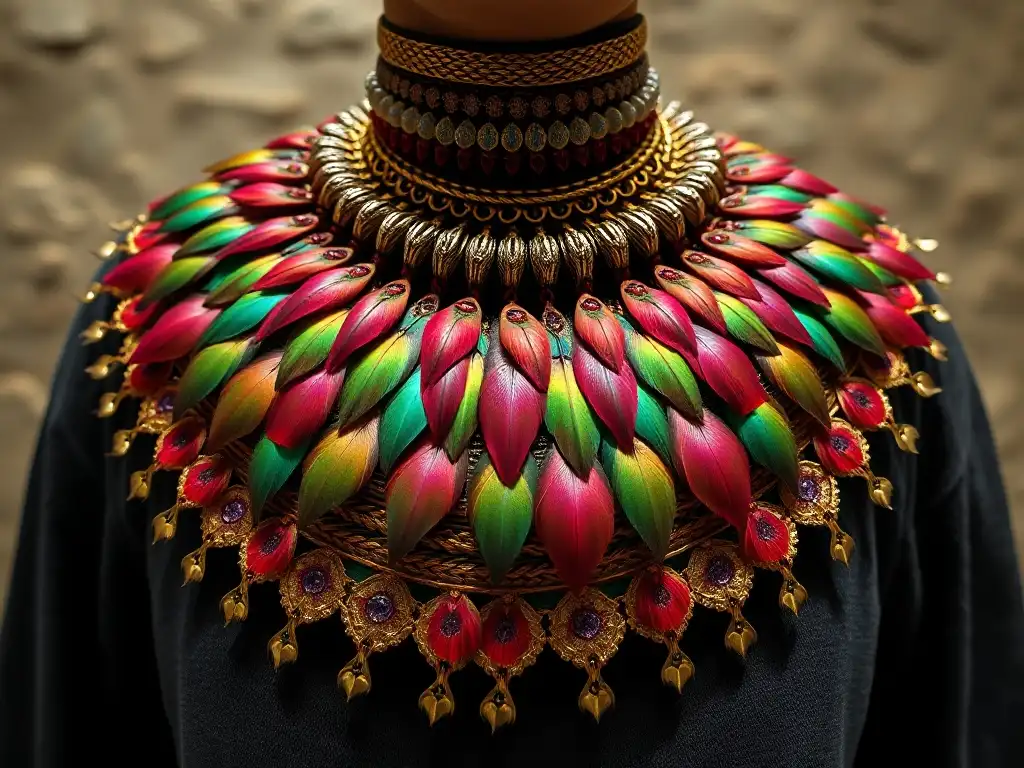
Uncover the secrets whispered by the wind across the Andes! Prepare to be mesmerized by the artistry of ancient Andean civilizations, where intricate metalwork met vibrant feathers in breathtaking displays of skill and symbolism. Our exploration of Andean metal and feather jewelry will reveal a world of dazzling craftsmanship and captivating cultural narratives—a world waiting to be discovered. Dare to delve deeper into the fascinating artistry that defined these remarkable cultures?
The artistry of the ancient Andean civilizations is renowned for its breathtaking complexity and exquisite craftsmanship. From the towering stone cities of the Inca to the intricate textiles of the Nazca, their creations reflect a deep understanding of their environment and a profound spiritual connection to the Andean world.
This article delves into a particularly fascinating aspect of Andean artistry: the masterful combination of metal and feathers in their jewelry. We will explore the techniques employed, the symbolic significance of the materials used, and the remarkable examples that have survived to this day, shedding light on the ingenuity and cultural richness of Andean metal and feather jewelry.
This exploration will reveal how these seemingly disparate materials – the gleaming strength of metal and the delicate beauty of feathers – were combined to create pieces of unparalleled artistry and spiritual power, providing insight into the sophisticated metalworking techniques and symbolic systems of these remarkable cultures.
Sourcing and Preparation of Materials: A Symphony of Earth and Sky
The creation of Andean metal and feather jewelry began long before any actual crafting commenced. The sourcing of materials was a critical first step, reflecting a deep connection to the Andean landscape. Metals, primarily gold, silver, and copper, were painstakingly extracted from mines, often located at high altitudes. The process involved complex techniques, including smelting and alloying, to achieve the desired properties and colors. [Specific details on Andean mining techniques pending].
Similarly, the feathers, sourced from a variety of Andean birds, were carefully selected and prepared. Certain species held profound symbolic meaning, associating specific birds with particular deities or concepts. [Examples of bird species and their symbolic meanings pending]. The feathers underwent a meticulous cleaning and preparation process to ensure their durability and vibrancy. This initial stage highlights the deep respect for both the natural resources and the spiritual significance inherent in each component.
Techniques of Combining Metal and Feathers: A Masterful Synthesis
The joining of metal and feathers was a complex process requiring exceptional skill and patience. The most common technique involved the careful attachment of feathers to a metal base, often a sheet or wire of gold, silver, or copper. This was achieved through a variety of methods, including weaving, sewing, and adhesive techniques. [Specific details on techniques, including examples of adhesives used, pending].
The artisans displayed remarkable dexterity in manipulating delicate feathers without damaging them, seamlessly integrating them into the metal framework. This delicate work often involved the creation of intricate patterns and designs, reflecting the rich iconography of Andean cultures. Some pieces incorporated inlaid feathers within intricate metalwork, demonstrating an advanced understanding of both metalworking and feather manipulation. The precision and artistry involved are truly awe-inspiring.
Symbolic Meanings and Cultural Significance: Beyond Mere Ornamentation
Andean metal and feather jewelry was far more than mere adornment; it served as a powerful medium for expressing social status, religious beliefs, and cosmological concepts. The combination of metal, often associated with power and divinity, and feathers, symbolizing flight, freedom, and connection to the spirit world, created a potent symbolic representation. [Specific examples of symbolic associations between metals, feathers, and deities pending]. Different bird species and metal types held varying levels of significance, reflecting the complex social hierarchy and spiritual beliefs of Andean societies.
The intricate designs and patterns further enhanced the symbolic meaning, often depicting deities, animals, and cosmological events. The placement of the jewelry on the body also held significance, with certain pieces reserved for specific ceremonies or individuals. This deeper understanding reveals the profound cultural significance woven into each piece.
Notable Examples and Preserved Artifacts: A Legacy of Beauty and Ingenuity
While much of the Andean metal and feather jewelry has been lost to time, numerous examples have survived, offering invaluable insights into the artistry and craftsmanship of these ancient civilizations. Museums around the world house remarkable collections showcasing the diversity and complexity of these pieces. [Specific examples of museums and notable artifacts pending, including descriptions and locations].
The surviving artifacts demonstrate the remarkable skill of Andean artisans and their ability to integrate diverse materials into stunning works of art. These pieces are not only aesthetically pleasing but also provide crucial evidence for understanding the cultural practices, religious beliefs, and technological advancements of these remarkable civilizations. The legacy of Andean metal and feather jewelry continues to inspire awe and admiration, standing as a testament to the enduring power of human creativity.
- Sourcing and Preparation of Materials: A Symphony of Earth and Sky
- Techniques of Combining Metal and Feathers: A Masterful Synthesis
- Symbolic Meanings and Cultural Significance: Beyond Mere Ornamentation
- Notable Examples and Preserved Artifacts: A Legacy of Beauty and Ingenuity
- Headdresses and Crowns: Symbols of Divine Authority and Leadership
- Pectorals and Necklaces: Adornments Representing Status and Lineage
- Earrings and Bracelets: Delicate Expressions of Personal Identity
- The Inca Sun Mask: A Gold Disk Adorned with Feathers Symbolizing the Sun God
- The Moche Warrior Headdress: A Metal Framework Decorated with Feathers Indicating Military Rank
- What materials were primarily used in Andean metal and feather jewelry?
- How did the Andean people acquire the feathers used in their jewelry?
- What techniques were employed to create these intricate pieces?
- What was the significance of feather and metal jewelry in Andean society?
- Where can I see examples of Andean metal and feather jewelry today?
The Significance of Andean Metal and Feather Jewelry
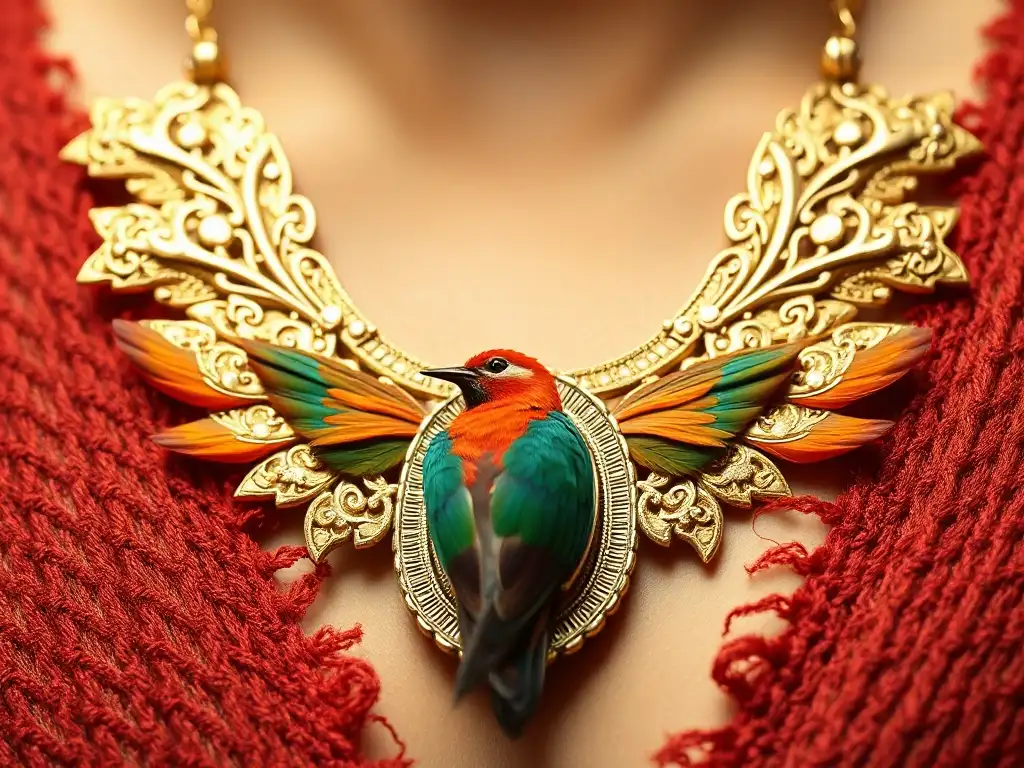
This section delves into the profound significance of Andean metal and feather jewelry, exploring its symbolic weight within the complex social and religious frameworks of ancient Andean societies. The intricate craftsmanship and careful selection of materials reveal a deep understanding of metallurgy and a profound respect for the natural world. The combination of precious metals and vibrant feathers wasn't merely decorative; it represented a powerful synthesis of earthly and spiritual realms, reflecting social status, religious beliefs, and cosmological understandings.
Understanding the significance of this jewelry requires examining both the materials themselves and the artistry involved in their combination. The enduring allure of these pieces lies in their ability to transmit, across millennia, the rich cultural tapestry of these fascinating civilizations.
The masterful techniques employed, the careful selection of materials, and the deeply symbolic nature of the designs all contribute to the enduring legacy of Andean metal and feather jewelry. Further research into specific pieces and their archaeological contexts is needed to fully unravel their intricate narratives.
Symbolic Meaning of Gold, Silver, and Copper in Andean Cultures
Gold, silver, and copper held immense symbolic value in Andean cultures. Gold, often associated with the sun (inti) and its life-giving power, represented royalty, divinity, and the sacred. Its malleability and lustrous quality made it ideal for crafting intricate jewelry depicting deities, mythical creatures, and celestial bodies. Silver, often linked to the moon (quilla) and the feminine principle, was valued for its reflective qualities and associations with fertility and abundance.
Copper, with its reddish hue reminiscent of blood, held connections to the earth, agriculture, and potentially, to warfare or sacrifice. The use of specific metals, therefore, within a piece of jewelry provided a nuanced message about its purpose and the status of its wearer. For example, a headdress featuring gold and copper elements might symbolize the connection between the sun's power and the earth's bounty, reflecting the ruler's power over both realms.
The precise symbolic meaning varied across different Andean cultures. While gold's association with the sun was widespread, the specific interpretations of silver and copper could differ based on local beliefs and traditions. Further research into the specific iconography and contexts of discovery of these artifacts is crucial to uncovering more precise interpretations. Detailed analysis of the alloying techniques used—for example, the inclusion of other metals to achieve different colors and properties—also adds to our understanding of the symbolic choices made by the artisans.
The Role of Macaw, Quetzal, and Condor Feathers in Andean Iconography
The incorporation of feathers, particularly those of macaws, quetzals, and condors, significantly enhanced the symbolic power of Andean metalwork. Macaw feathers, with their vibrant reds, blues, and greens, symbolized joy, fertility, and perhaps even shamanic power. Their association with the rainforest and its abundance underscored their connection to the life-giving forces of nature.
Quetzal feathers, prized for their iridescent green hue, often associated with royalty and divinity, represented the realm of the sacred and the connection to the divine. The difficulty in obtaining these feathers from the remote cloud forests further elevated their status and symbolic value. Condor feathers, on the other hand, with their dark, majestic colors, symbolized power, strength, and a connection to the Andean heights, representing dominion over both the earthly and spiritual worlds.
The careful arrangement and selection of feathers on jewelry pieces added another layer of meaning. For example, the placement of a specific feather might indicate a connection to a particular deity or a specific ritual. The use of different feather species within a single piece of jewelry could represent a synthesis of various symbolic meanings, reflecting a complex interplay of beliefs and cultural practices. Detailed studies comparing the feather types and arrangements in different pieces of jewelry are needed to further illuminate these subtle nuances.
Combining Metal and Feather: A Synthesis of Power and Spirituality
The combination of precious metals and vibrant feathers in Andean jewelry represents a masterful synthesis of power and spirituality. The artisans skillfully integrated these materials, showcasing their technical expertise and their understanding of the symbolic meanings associated with each element. The combination wasn't arbitrary; it was carefully planned to convey specific messages related to social status, religious beliefs, and cosmological concepts.
Imagine, for example, a gold breastplate adorned with meticulously arranged quetzal and condor feathers. This piece would not only showcase the wearer's wealth and power but also their connection to the divine and their dominion over the earthly and spiritual realms. The interplay of the sun's gold and the feathers’ vibrant colors would have created a visually stunning and powerfully symbolic artifact. Similarly, earrings featuring macaw feathers and silver would evoke themes of fertility and abundance, connected to the moon's influence and the rainforest's life-giving power.
The careful preservation and analysis of these artifacts are crucial for understanding the complex interplay of symbolism, craftsmanship, and cultural practices within the ancient Andean world. The enduring legacy of this jewelry lies in its ability to reveal the sophisticated beliefs and artistic skills of these remarkable cultures. Further research is needed to fully uncover the secrets hidden within these stunning pieces of Andean metal and feather jewelry.
Techniques in Andean Metal and Feather Jewelry Creation
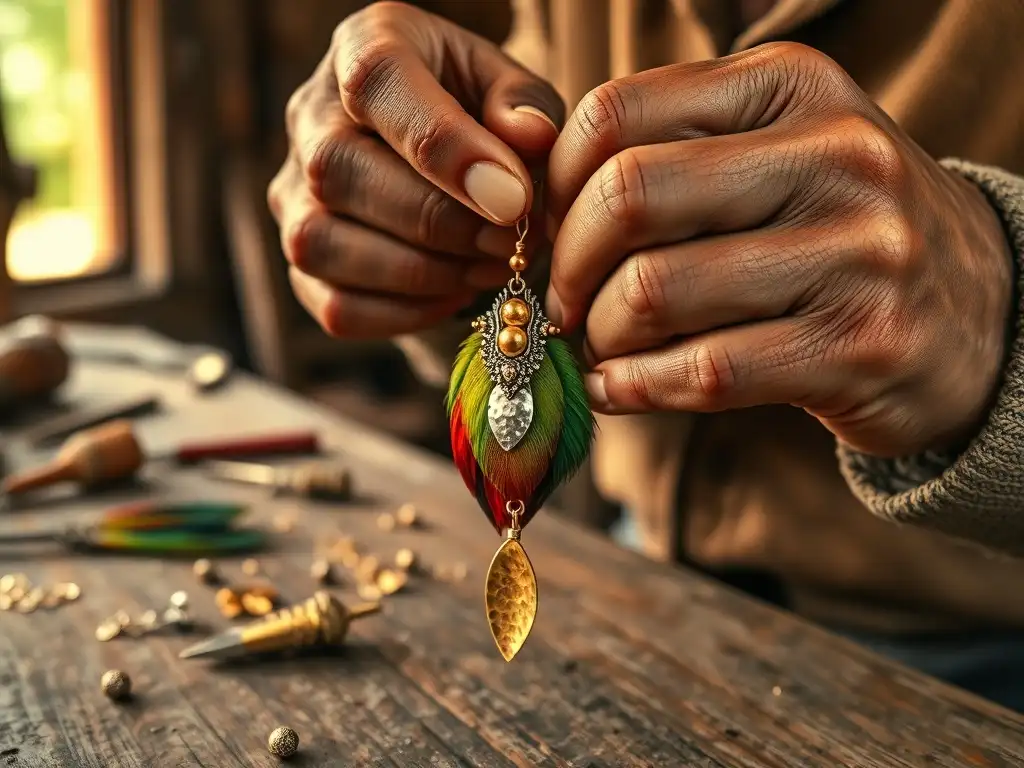
This section delves into the intricate techniques employed by Andean artisans to create their exquisite metal and feather jewelry. The mastery displayed in combining these seemingly disparate materials reveals a sophisticated understanding of both metallurgy and avian artistry. The process was far from simple, demanding specialized skills and knowledge passed down through generations. Understanding these techniques offers a deeper appreciation for the artistry and cultural significance of Andean metal and feather jewelry.
Hammering, Repoussé, and Lost-Wax Casting in Ancient Andean Jewelry
Andean metalworkers were highly skilled in various metalworking techniques. Hammering was a fundamental skill, used to shape the initial forms of jewelry pieces from sheets of gold, silver, or copper. This process required significant strength and precision to achieve the desired form without fracturing the delicate metal. Repoussé, a technique involving hammering from the reverse side of the metal sheet to create raised designs, was frequently employed to add intricate detail and three-dimensional texture. This method allowed for the creation of complex motifs, often depicting animals, deities, or geometric patterns.
The lost-wax casting method, a more advanced technique, allowed for the creation of even more intricate and detailed pieces. This process involved creating a wax model of the desired design, encasing it in clay, melting out the wax, and then pouring molten metal into the resulting mold. The resulting piece would then be carefully cleaned and finished.
The use of lost-wax casting demonstrates a high level of technical sophistication and planning, showcasing the advanced metallurgical knowledge of Andean civilizations. Evidence suggests that alloys were also carefully crafted to achieve specific colors and properties. For example, tumbaga, an alloy of gold and copper, was commonly used to create a range of hues, from a rich golden yellow to a deep reddish-orange.
Feather Dyeing, Trimming, and Sorting for Jewelry
The preparation of feathers for incorporation into jewelry was equally meticulous. A wide variety of bird feathers were used, each carefully selected for its color, texture, and size. Archaeological evidence suggests that vibrant dyes were employed to enhance the natural colors of the feathers or to create entirely new hues. These dyes, often derived from natural sources like plants and minerals, were applied with great care to ensure even coverage and vibrancy. The exact composition of many of these dyes remains a subject of ongoing research, however, studies have identified the use of certain pigments from plants and insects.
Once dyed, the feathers were meticulously trimmed and sorted. This process involved careful removal of any imperfections or irregularities, ensuring that only the most pristine feathers were used in the final jewelry pieces. Feathers were then often categorized and stored according to color, size, and type, reflecting a highly organized and efficient system of material management. The selection process was undoubtedly crucial, as the overall aesthetic effect of the finished piece depended heavily on the quality and consistency of the feathers used.
The Use of Binding, Stitching, and Adhesives to Attach Feathers to Metal
The final stage involved the intricate process of attaching the feathers to the metal base. This was a highly skilled task, requiring a delicate touch and a deep understanding of the materials involved. Several techniques were employed, including binding, stitching, and the use of adhesives. Binding often involved wrapping fine threads or fibers around the feather shafts, securing them to the metal surface. Stitching involved piercing tiny holes in the metal and stitching the feathers directly onto it. This would have required specialized needles and thread, likely made from plant fibers or possibly even fine metal wire.
The use of adhesives, whose exact composition is often difficult to determine from archaeological remains, played a significant role in securing the feathers to the metal. These adhesives likely consisted of natural resins or gums, chosen for their ability to bond the disparate materials effectively and withstand the rigors of wear. The careful and precise application of these techniques resulted in jewelry pieces that were not only visually stunning but also remarkably durable.
The combination of metal and feathers created a unique interplay of textures and colors, reflecting the sophisticated artistic sensibilities of Andean civilizations. The survival of these pieces today is a testament to the skill and artistry of the artisans who created them and the effectiveness of their techniques.
Materials Used in Andean Metal and Feather Jewelry
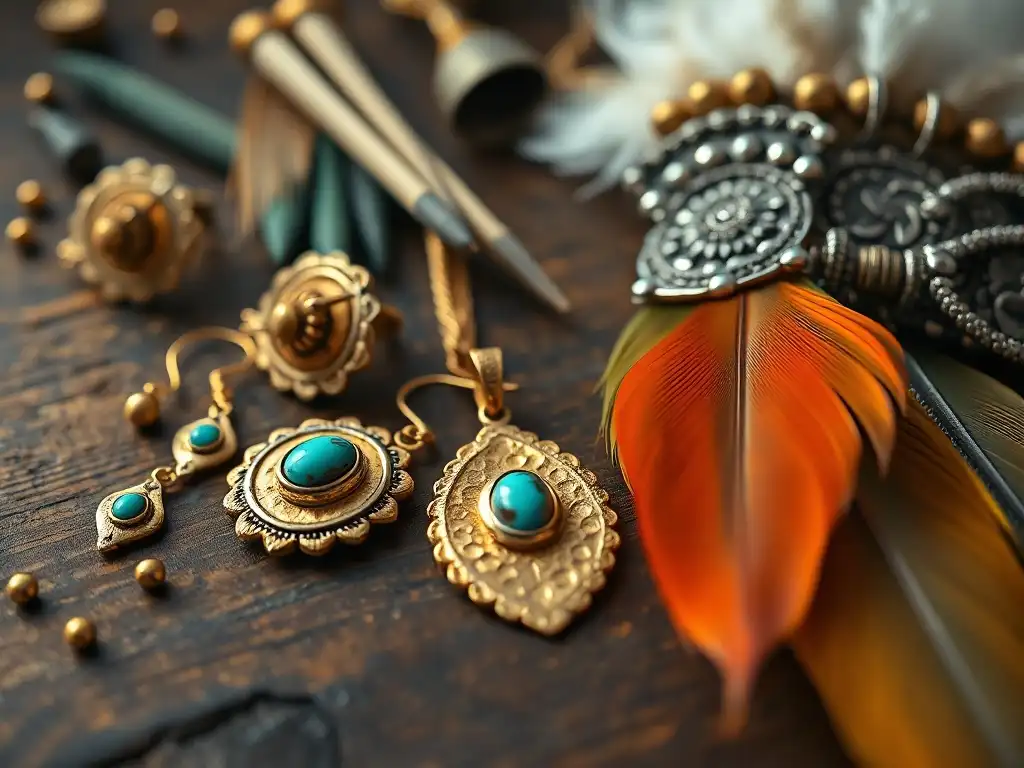
This section delves into the diverse range of materials employed by Andean artisans in crafting their exquisite metal and feather jewelry. The careful selection and combination of these materials reveal not only technical skill but also a deep understanding of symbolic meaning and social status. The artistry involved in the creation of Andean metal and feather jewelry is a testament to the ingenuity and cultural richness of these ancient civilizations.
Precious Metals: Gold, Silver, and Copper Alloys in Andean Jewelry
Andean metalworkers were masters of metallurgy, skillfully manipulating gold, silver, and copper alloys to create stunning jewelry pieces. Gold, a highly valued metal symbolizing the sun and divinity, was often hammered into thin sheets, then intricately shaped and decorated. Silver, representing the moon and fertility, was similarly worked, sometimes inlaid with other materials for added visual appeal. Copper alloys, such as tumbaga (an alloy of gold and copper), provided a broader range of colors and durability, enabling artisans to create pieces with varying hues and textures.
The techniques used varied depending on the metal and the desired effect. Hammering, casting, repoussé (hammering from the back to create raised designs), and filigree (delicate, intricate wirework) were all common methods. The mastery of these techniques allowed for the creation of intricate details, often depicting mythological figures, animals, or geometric patterns.
Consider, for instance, the intricate gold and silver ear ornaments discovered in the royal tombs of Sipán, showcasing the high level of sophistication achieved in Moche metalworking. These pieces often incorporated semi-precious stones and feathers, further enhancing their aesthetic and symbolic value. The precise proportion of gold to copper in tumbaga pieces could be meticulously controlled, resulting in a spectrum of colors from pale yellow-gold to deep reddish-brown, showcasing the advanced metallurgical knowledge of the time.
Types of Feathers Used: Macaw, Quetzal, Condor, and Other Native Birds
Feathers, representing power, prestige, and connection to the spiritual realm, were integral to Andean jewelry. The vibrant hues and textures of feathers added another layer of complexity and beauty to the already impressive metalwork. Specific bird feathers held particular significance, reflecting their symbolic meaning within Andean cosmology.
- Macaw feathers: These brightly colored feathers, particularly scarlet and blue, were highly prized and often incorporated into elaborate headdresses, breastplates, and other ceremonial garments. Their vibrant colors likely symbolized the sun, life, and power.
- Quetzal feathers: The iridescent green feathers of the resplendent quetzal, a sacred bird in Mesoamerica and the Andes, were extremely rare and held immense symbolic value. Their use in jewelry signified high status and a close relationship with the divine.
- Condor feathers: The powerful condor, a symbol of the Andes, provided feathers that were often used in more somber or ritualistic pieces. Their dark and majestic colors likely represented strength, power, and connection to the upper world.
- Other native birds: A variety of other native birds, such as hummingbirds and parrots, also provided feathers used in Andean jewelry. The diversity of colors and textures allowed artisans to create visually stunning and symbolically rich pieces. The specific bird species and feather color would heavily influence the meaning and significance of the finished piece.
Other Materials: Spondylus Shell, Turquoise, and Cotton Fibers
Beyond precious metals and feathers, Andean artisans incorporated a variety of other materials to enhance the aesthetic and symbolic value of their jewelry. These materials often complemented the metal and feathers, adding texture, color, and further symbolic meaning.
- Spondylus shell: This vibrant red shell, sourced from the Pacific Ocean, held significant symbolic value, representing fertility, power, and the sea. It was often carved into beads and pendants and incorporated into jewelry alongside gold and feathers.
- Turquoise: This semi-precious stone, a vibrant blue-green, was highly valued for its color and believed to have protective properties. It was often inlaid into gold or silver pieces, adding pops of color and enhancing the overall aesthetic appeal.
- Cotton fibers: Cotton fibers were used to create delicate threads which were sometimes used to secure feathers to metal mounts, creating a strong and aesthetically pleasing bond between the materials. The use of cotton also displays the sophisticated understanding of textile arts in conjunction with the metalworking.
The strategic combination of these materials showcases the sophisticated understanding of material properties and symbolic meanings prevalent in Andean culture. The artistry evident in Andean metal and feather jewelry is a powerful testament to the ingenuity and cultural depth of these ancient societies.
Examples of Andean Metal and Feather Jewelry
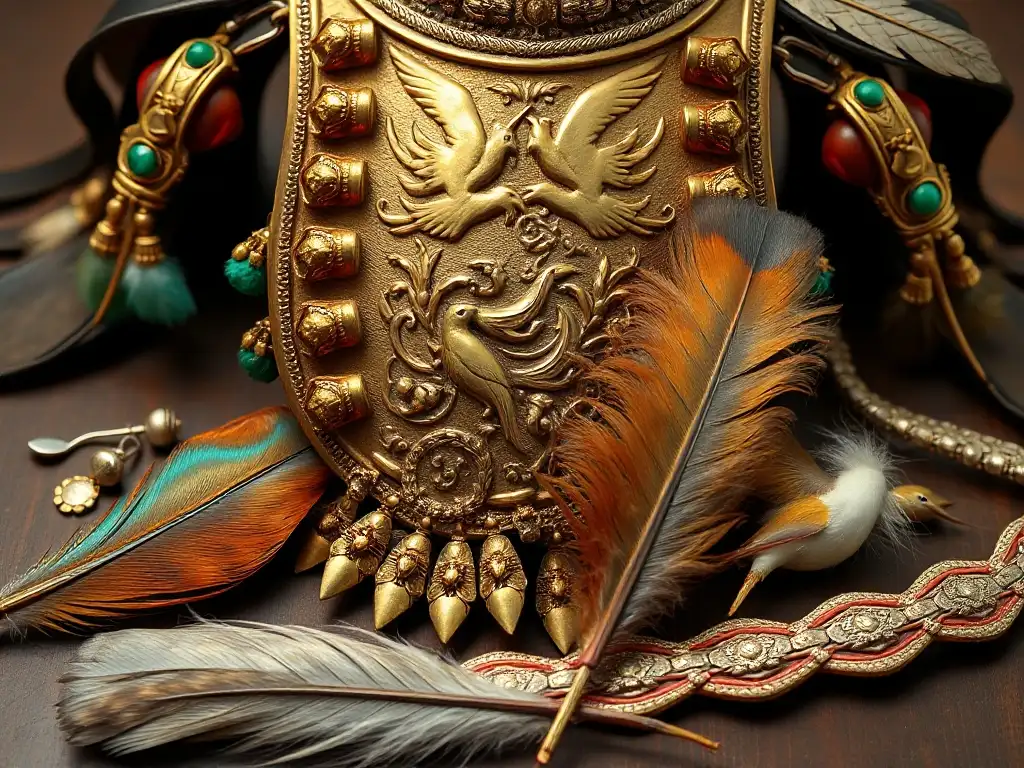
This section explores the diverse and exquisite examples of Andean metal and feather jewelry, showcasing the masterful craftsmanship and symbolic significance inherent in these artifacts. The combination of precious metals like gold and silver with vibrant, meticulously arranged feathers demonstrates a sophisticated understanding of both material properties and symbolic representation, reflecting the complex social structures and belief systems of the ancient Andean cultures. The artistry involved in creating these pieces highlights the high value placed on adornment and its role in expressing power, status, and identity within Andean societies.
Understanding these pieces requires careful consideration of both the materials used and the intricate techniques employed in their construction. The artistry involved is a testament to the skill and ingenuity of Andean artisans.
Headdresses and crowns were among the most significant forms of Andean metal and feather jewelry. These elaborate creations weren't merely decorative; they served as potent symbols of divine authority and leadership. The use of feathers, often from rare and exotic birds, reinforced the wearer's connection to the supernatural realm. Gold and silver, representing the sun and moon respectively, further amplified this symbolism. The intricate arrangement of feathers, often meticulously woven into complex patterns, required immense skill and patience.
Consider, for example, the elaborate headdresses found in the tombs of Moche elites. These often incorporated large, intricately worked gold and silver plates, adorned with representations of deities and mythical creatures. These plates were then embellished with hundreds, sometimes thousands, of tiny, perfectly preserved feathers, meticulously placed to create stunning visual effects. The vibrant colors and textures created a powerful statement of the wearer's elevated social standing and spiritual connection. The sheer time and effort involved in creating these pieces underscore their importance within Moche society.
The use of specific feather types also held significant meaning. For instance, the feathers of the Andean condor, a sacred bird, would have been highly valued and reserved for individuals of the highest rank. The combination of metal and feathers in these headdresses created a visually stunning and symbolically powerful effect, reinforcing the wearer's authority and divine right to rule.
Pectorals and Necklaces: Adornments Representing Status and Lineage
Pectorals and necklaces, another prominent category of Andean metal and feather jewelry, played a crucial role in signifying status and lineage. These adornments, often worn over ceremonial garments, served as visual markers of social rank and ancestral connections. The materials used, the complexity of the design, and the types of feathers incorporated all contributed to their symbolic meaning.
The use of gold and silver in pectorals and necklaces varied considerably across different Andean cultures. Inca pectorals, for example, often featured intricate designs incorporating gold and silver inlays, while Moche examples might showcase more naturalistic representations of animals or deities. The integration of feathers added another layer of complexity. Feathers were often used to create textured surfaces, adding visual depth and richness to the overall design. The careful selection of feather colors further contributed to the symbolic meaning of the piece, possibly representing specific clans or lineages.
The size and weight of these pieces also played a role in signifying status. Larger, more elaborate pectorals and necklaces, those requiring extensive labor and rare materials, would have been reserved for the elite members of society. These pieces served as tangible representations of wealth, power, and inherited prestige, demonstrating the wearer's position within the complex social hierarchy of the Andean world. Detailed analysis of surviving examples reveals a remarkable consistency in the symbolic language employed across different cultures and time periods.
Earrings and Bracelets: Delicate Expressions of Personal Identity
While headdresses and pectorals communicated broader social status, earrings and bracelets within Andean metal and feather jewelry often served as more delicate expressions of personal identity. While still incorporating precious metals and feathers, these smaller pieces allowed for greater individual expression and stylistic variation.
Earrings, for instance, could feature a variety of shapes and designs, ranging from simple geometric forms to more complex representations of animals or deities. The use of feathers in earrings was often more subtle, perhaps a single feather carefully placed within a gold or silver setting. This smaller scale provided opportunities for artisans to showcase their technical skills in miniature. The careful manipulation of materials and the precision of the craftsmanship are evident even in these smaller pieces.
Bracelets, too, offered a realm of personal expression. While some bracelets might have incorporated elaborate metalwork and feathers, others were simpler, suggesting a more personal and less overtly status-driven function. The variations in style and materials provide insight into the diversity of individual tastes and preferences within Andean societies. The meticulous attention to detail in even the smallest pieces demonstrates the high value placed on craftsmanship and artistry throughout the Andean region. Further research is needed to fully understand the regional variations in these smaller forms of adornment.
The Inca Sun Mask: A Gold Disk Adorned with Feathers Symbolizing the Sun God
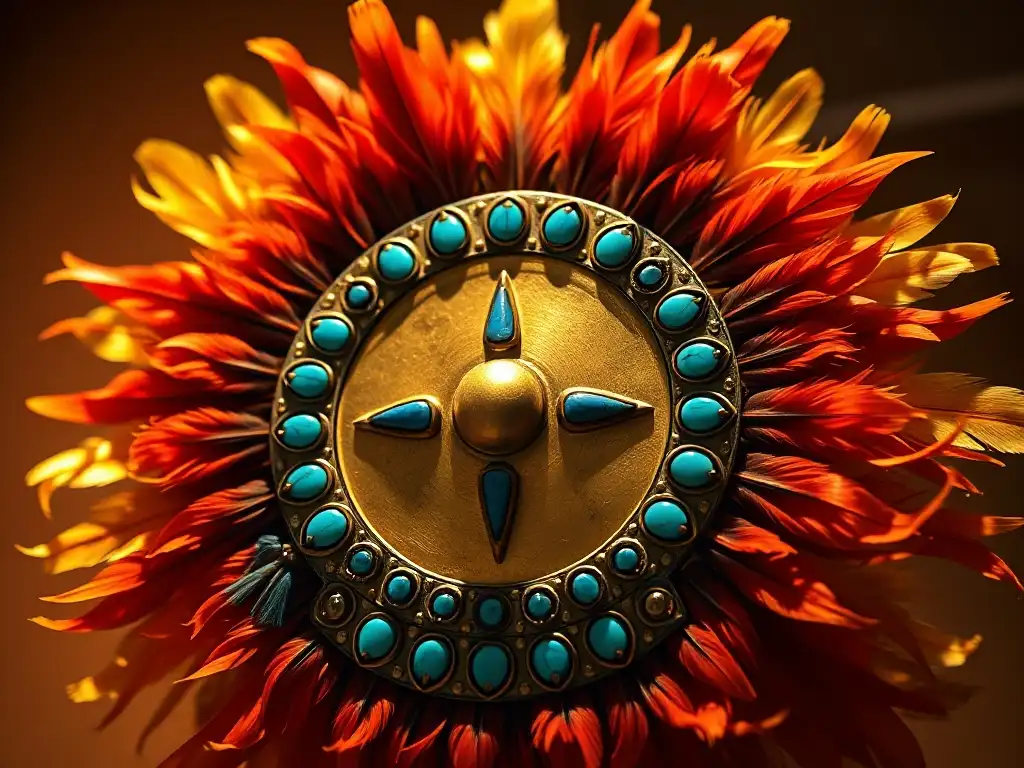
The Inca civilization, renowned for its mastery of goldsmithing, produced exquisite jewelry often incorporating feathers to enhance symbolic meaning. One striking example is the Inca sun mask, typically a circular gold disk. These masks weren't solely decorative; they held profound religious significance, representing the Inca sun god, Inti. The gold itself symbolized the sun's radiant power and wealth, while the carefully selected and arranged feathers added another layer of complexity to the symbolism.
Different feather types, colors, and arrangements likely denoted specific aspects of Inti's power or different manifestations of the deity. For instance, the vibrant red of the colibri (hummingbird) feathers might have represented the sun's life-giving energy, while the majestic plumage of Andean condors could have symbolized Inti's dominance over the skies and earthly realm. The meticulous craftsmanship involved in attaching these delicate feathers to the gold disk is a testament to the Inca's advanced techniques in metalworking and feather artistry. Archaeological finds often reveal intricate weaving patterns within the feather arrangements, suggesting a high level of skill and artistic expression.
The use of adhesives and binding agents, likely derived from natural sources, ensured the longevity and durability of these precious artifacts. Unfortunately, many original examples are lost to time and looting, but surviving depictions and descriptions in chronicles provide crucial insights into the importance and artistry of these sun masks. The combination of gold and feathers created a truly awe-inspiring symbol of Inca religious and imperial power, representing a harmonious blend of earthly and celestial forces.
The Moche Warrior Headdress: A Metal Framework Decorated with Feathers Indicating Military Rank
The Moche culture, flourishing on the northern coast of Peru, is celebrated for its sophisticated metalworking and vibrant artistic traditions. Their headdresses, particularly those worn by warriors, provide fascinating examples of the integration of metal and feathers in Andean jewelry. Unlike the Inca sun masks, Moche warrior headdresses were primarily functional, serving as ceremonial and status symbols. The headdresses frequently featured a metal framework, often made of copper or gold alloys, which provided structural support and a base for the elaborate feather adornments. The shape and design of the metal framework itself could have indicated the warrior's rank or social standing within the Moche military hierarchy.
For instance, a more ornate and complex metal framework might have signified a higher-ranking officer. The feathers, meticulously selected and arranged, further enhanced the headdress's visual impact and symbolic meaning. The use of specific feather types and colors would have communicated the warrior's achievements, bravery, or connection to particular deities or ancestral spirits. For example, the use of brightly colored parrot feathers might have signified strength and vitality, while the inclusion of rarer bird feathers could have added a sense of prestige and exceptional status.
The integration of precious metals and exotic feathers in these headdresses underscores the importance of military prowess and social hierarchy within Moche society. The careful placement and arrangement of feathers within the metal framework show a deep understanding of both material properties and symbolic meaning. Archaeological discoveries of these headdresses, though often fragmentary, provide valuable insights into the complexities of Moche warfare, ritual practices, and artistic achievements. The combination of metal and feathers in Moche warrior headdresses demonstrates a sophisticated understanding of both artistic expression and social communication through material culture.
The Legacy of Andean Metal and Feather Jewelry
This section delves into the enduring impact of ancient Andean metal and feather jewelry, exploring its influence on contemporary artistry and the ongoing process of uncovering and understanding these remarkable artifacts. The meticulous craftsmanship and symbolic richness of these pieces continue to fascinate and inspire, offering valuable insights into the beliefs and artistic sensibilities of past Andean cultures. The legacy extends beyond mere aesthetic appreciation; it represents a tangible link to a vibrant cultural heritage. Understanding this legacy provides a deeper appreciation for the artistry and cultural significance of Andean metal and feather jewelry.
Influence on Contemporary Andean Jewelry Design and Techniques
Contemporary Andean artisans continue to draw inspiration from the rich tapestry of their ancestors' artistry. The intricate techniques of combining precious metals – gold, silver, copper alloys – with vibrant feathers remain a powerful influence. Modern jewelers often replicate ancient designs, adapting them to contemporary aesthetics while preserving the essence of traditional methods.
For instance, the use of repoussé and chasing techniques, common in pre-Columbian metalwork, is still practiced today, albeit with some modern adaptations. The vibrant colors and textures derived from feathers, often sourced sustainably, continue to be a significant element in modern Andean jewelry, reflecting a deep respect for tradition and the environment. This continuity demonstrates the enduring power of ancient Andean artistic traditions and their ability to adapt and thrive in modern contexts.
The use of traditional motifs, such as stylized animals, geometric patterns, and representations of deities, also persist, creating a beautiful dialogue between past and present. This ongoing influence ensures that the legacy of Andean metal and feather jewelry remains vibrant and relevant. The detailed craftsmanship and symbolism found in ancient pieces serve as a constant source of inspiration for contemporary artisans, ensuring that these techniques and aesthetics are passed down through generations.
Archaeological Excavation and Analysis of Ancient Andean Jewelry
The study of Andean metal and feather jewelry relies heavily on careful archaeological excavation and meticulous laboratory analysis. Excavations, often conducted at burial sites and elite residences, uncover precious artifacts providing valuable insights into the techniques, materials, and symbolism employed. Archaeologists utilize specialized tools and techniques to carefully extract delicate pieces, minimizing damage and ensuring their preservation for future study.
Subsequent laboratory analysis involves various techniques, including X-ray fluorescence (XRF) to determine the metal composition, microscopy to examine the surface detail and craftsmanship, and chemical analysis to identify pigments and dyes used on feathers. This multidisciplinary approach allows researchers to reconstruct the production process, trace the source of materials, and understand the cultural context in which these objects were created and used. For example, analysis of feather types can reveal trade routes and ecological knowledge, while the style and design of the jewelry can pinpoint specific time periods and cultural affiliations.
The painstaking work of archaeologists and scientists continues to illuminate the sophistication and artistry of Andean metal and feather jewelry, revealing a level of technical skill and symbolic depth previously unknown. This detailed analysis is crucial to understanding not just the what but also the why and how of these remarkable creations.
The Enduring Cultural Significance and Artistic Value of Feathered Metalwork
Andean metal and feather jewelry holds immense cultural significance, extending far beyond its aesthetic appeal. These artifacts served as powerful symbols of status, power, and religious beliefs. The use of precious metals like gold and silver, often associated with divinity, highlighted the wearer's elevated social standing. Intricate designs and the incorporation of feathers from rare and exotic birds further emphasized the wearer's prestige and connection to the spiritual realm.
The cultural value also resides in the sophisticated craftsmanship and the intricate techniques employed in their creation. The combination of metalworking and featherwork demonstrates a high level of skill and expertise, reflecting a deep understanding of both materials and their symbolic significance. Moreover, the enduring appeal of these pieces transcends time and culture.
Their exquisite beauty and intricate detail continue to captivate audiences worldwide, showcasing the remarkable artistic achievements of ancient Andean civilizations. The artistry and symbolism embedded within these pieces provide a window into the beliefs, values, and artistic sensibilities of these ancient cultures, making them invaluable cultural heritage items. The ongoing study and appreciation of Andean metal and feather jewelry ensures the preservation and celebration of this rich cultural legacy.
Frequently Asked Questions
What materials were primarily used in Andean metal and feather jewelry?
Andean artisans masterfully combined precious metals like gold and silver with vibrant feathers from a variety of birds. They also incorporated semi-precious stones and shells to enhance their creations.
How did the Andean people acquire the feathers used in their jewelry?
Feathers came from a variety of local and exotic birds. Some birds were likely kept in captivity specifically for their plumage, while others were hunted or traded from distant regions. Tribute systems also played a role in acquiring rare feathers.
What techniques were employed to create these intricate pieces?
Andean artisans employed sophisticated techniques like repoussé (hammering from the reverse side), casting, and inlay. They also skillfully attached feathers to metal using adhesives and sometimes stitching.
What was the significance of feather and metal jewelry in Andean society?
These pieces held significant social and religious meaning. They were worn by elites to display status and power, and used in ceremonies and rituals to connect with the spiritual world.
Where can I see examples of Andean metal and feather jewelry today?
Many museums around the world house impressive collections of Andean metal and feather jewelry. You can find examples in museums in South America, as well as in major institutions in North America and Europe. Look for collections focusing on pre-Columbian art.
Final Reflection: A Legacy Woven in Metal and Feather
The artistry of Andean metal and feather jewelry isn't merely a historical artifact; it's a vibrant testament to human creativity that continues to resonate today. The intricate techniques, the symbolic power embedded in each feather and meticulously crafted metal piece, and the enduring beauty of these creations speak volumes about the ingenuity and spiritual depth of Andean cultures. This legacy continues to inspire contemporary artists and designers, proving the timeless appeal of this unique fusion of materials.
The enduring power of Andean metal and feather jewelry lies not just in its aesthetic appeal, but in its ability to connect us to a rich cultural heritage. These pieces whisper stories of ancient rituals, social hierarchies, and spiritual beliefs, offering a glimpse into a world both familiar and profoundly different from our own. Art washes away from the soul the dust of everyday life.
– Pablo Picasso. This quote perfectly encapsulates the transformative power of these exquisite pieces, allowing us to transcend the mundane and connect with something deeply meaningful. The meticulous craftsmanship and the symbolic weight of the materials used continue to inspire awe and wonder, reminding us of the enduring human capacity for artistic expression.
Consider the intricate details, the symbolic weight of each feather and metal form, the stories they tell of a vibrant culture. You too can carry forward this legacy. Take a moment to appreciate the artistry you've encountered in this article, and let it inspire you to seek out beauty and meaning in the world around you. Explore the rich tapestry of human creativity, and find your own way to connect with the enduring power of art and its ability to bridge cultures and time.
Unveil Your Creative Spirit with Andean Jewelry!
Thank you for exploring the enchanting world of Andean jewelry with us! We hope you've discovered the beauty and artistry of these unique pieces, reflecting rich cultural traditions through the exquisite combination of metalwork and feathers. Now, let's translate that inspiration into action!
Here are some exciting ways to engage with this art form:
- **Support local artisans:** Visit local markets or online shops to discover stunning Andean jewelry and support the talented individuals who create them. Find pieces that speak to your personal style.
- **Design your own jewelry:** Gather materials and try your hand at crafting your own unique pieces. Experiment with metal and feathers to let your creativity shine!
- **Share your passion:** Connect with other enthusiasts online or in person, sharing your knowledge and discoveries within art communities or on social media.
What story would you like to tell through your own unique jewelry design?