
Nazca Music and Dance: Uncovering the Rhythms of the Ancient World

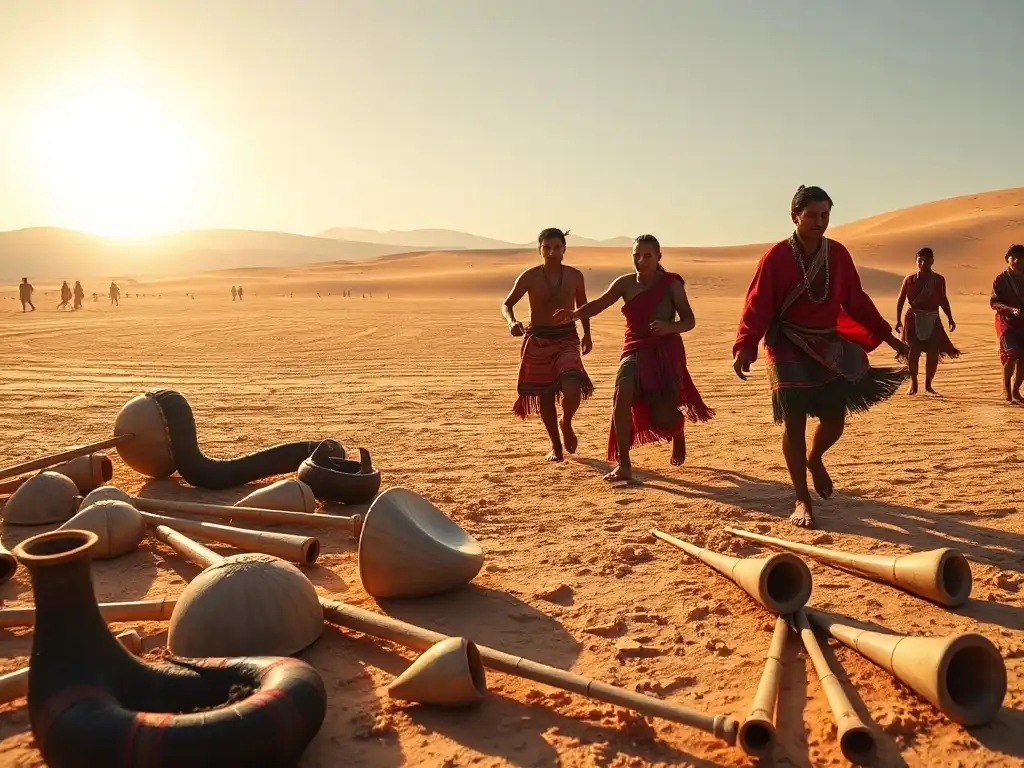
Step into a world lost to time, where the echoes of ancient rhythms still resonate. Discover the captivating legacy of the Andean civilizations, a tapestry woven from intricate artistry, groundbreaking technology, and vibrant cultures. But prepare to be amazed by something truly unique: the secrets of Nazca music and dance instruments. Their haunting melodies and mesmerizing movements await – are you ready to uncover the mysteries they hold?
The Nazca civilization, famed for its enigmatic geoglyphs etched into the Peruvian desert, left behind a legacy far richer than just stunning artwork. Their sophisticated society, thriving from approximately 100 BCE to 800 CE, also possessed a vibrant musical and dance tradition, deeply intertwined with their religious beliefs, social structures, and daily life. This article delves into the fascinating world of Nazca music and dance, exploring the instruments they used, the rhythms they created, and the possible social and ceremonial contexts in which these artistic expressions flourished.
We'll uncover the limited but compelling evidence available to piece together a clearer picture of the sounds and movements that characterized this ancient Andean culture, focusing specifically on the instruments used in their musical practices, a key element for understanding their "Nazca music and dance instruments." Understanding their musical instruments offers a unique window into their beliefs, social organization, and artistic capabilities.
Evidence of Musical Instruments in Nazca Culture
Archaeological excavations in Nazca sites have yielded surprisingly few intact musical instruments. The arid climate, unfortunately, hasn't been kind to organic materials like wood and leather, which would have comprised many instruments. However, depictions on ceramics, textiles, and even some geoglyphs provide valuable clues about the types of instruments the Nazca people likely used. These visual representations, while not providing the instruments themselves, offer invaluable insights into the forms, potential materials and possible usage of the musical instruments. We can identify several potential instrument types based on this iconography.
Several ceramic vessels depict figures playing instruments resembling flutes or panpipes. These are often shown in ceremonial contexts, suggesting their importance in religious rituals. Other images hint at the presence of drums, perhaps made from animal hides stretched over wooden frames. The exact materials used remain speculative, but the presence of these images on everyday ceramics suggests music was integrated into the fabric of Nazca society. Further research is needed to fully understand the specific materials and techniques used in the construction of these instruments.
Reconstructing Nazca Soundscapes: Interpreting the Evidence
While we lack many physical examples, the artistic representations provide a starting point for imagining Nazca music. The depictions of flutes and panpipes suggest melodies that might have been both simple and complex, capable of creating a wide range of emotional expressions. The potential presence of drums would have added a percussive element, providing a rhythmic foundation for dances and ceremonies. It is highly likely that different instruments were used in various contexts, from intimate gatherings to large-scale public events. The combination of wind and percussion instruments likely created a rich and varied soundscape.
The limited evidence suggests that Nazca music was likely integral to their religious practices. The frequent depiction of musical instruments in scenes associated with deities and rituals strongly suggests a connection between music and the spiritual world. Music likely played a vital role in communicating with the supernatural, enhancing religious experiences, and reinforcing social cohesion. This integration of music into religious life is typical of many ancient cultures, highlighting the universality of music's power to connect people to something larger than themselves.
The Role of Dance in Nazca Society
The relationship between Nazca music and dance is inseparable. Many ceramic paintings depict figures engaged in elaborate dances, often accompanied by musicians. These dances were likely ritualistic, serving social, religious, and possibly political functions. The movements and rhythms of the dances would have been closely tied to the music, creating a unified artistic expression. Unfortunately, the precise nature of these dances remains largely unknown, awaiting further research and discovery. The limited evidence available, however, hints at a dynamic and expressive dance culture.
The study of Nazca music and dance offers a glimpse into the rich cultural tapestry of this ancient civilization. By combining archaeological findings with artistic representations, we can begin to reconstruct the sounds and movements that once filled the Nazca landscape. Further research, including more extensive archaeological excavations and interdisciplinary collaboration, is crucial for a more complete understanding of this fascinating aspect of Nazca culture. The potential for uncovering further evidence of "Nazca music and dance instruments" remains high, promising to enrich our knowledge of this captivating civilization.
- Evidence of Musical Instruments in Nazca Culture
- Reconstructing Nazca Soundscapes: Interpreting the Evidence
- The Role of Dance in Nazca Society
The Significance of Music and Dance in Nazca Culture
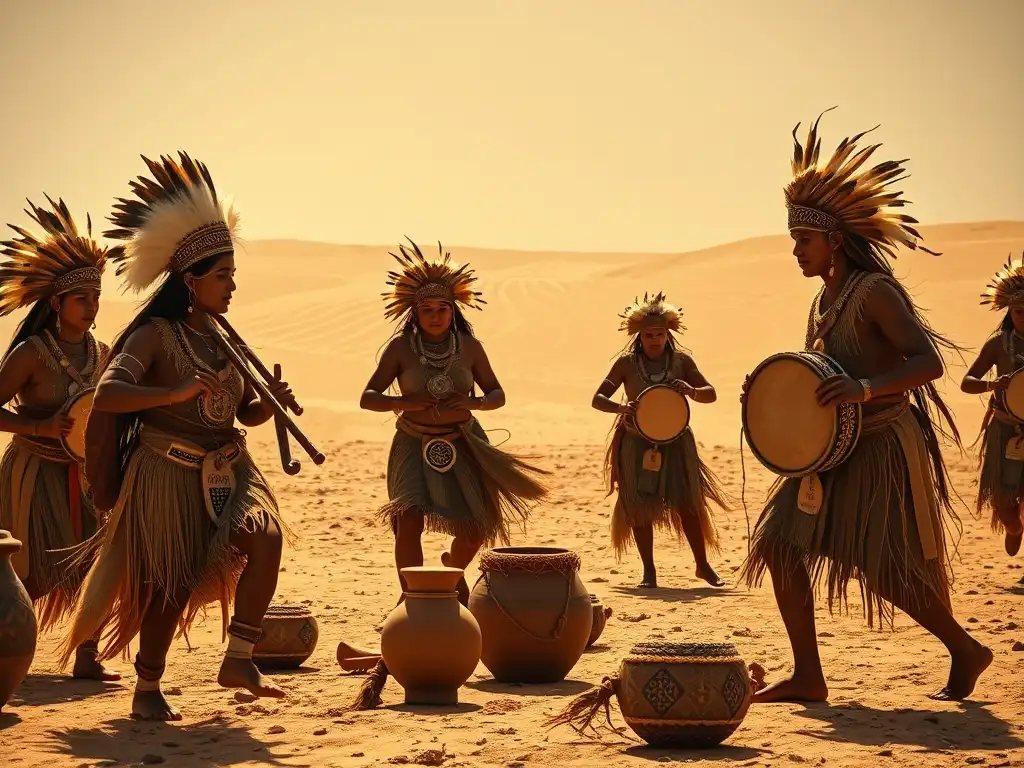
The Nazca civilization, renowned for its enigmatic geoglyphs, also possessed a vibrant musical and dance tradition deeply interwoven with their daily lives and spiritual beliefs. While direct evidence like preserved musical instruments is scarce, iconographic representations on ceramics and textiles, along with anthropological studies of later Andean cultures that share cultural lineages, provide valuable insights into the significance of music and dance in Nazca society. These artistic depictions, often showing figures engaged in ceremonial dances accompanied by musical instruments, reveal a culture where rhythm and sound played a crucial role in religious practices, social gatherings, and agricultural cycles.
Understanding the role of "Nazca music and dance instruments" helps us unlock a deeper understanding of their worldview and social structure. The sounds and movements were not merely entertainment; they were integral to their connection with the supernatural and the maintenance of social order.
Nazca Ceremonial Practices and the Role of Music
Ceremonial practices formed the backbone of Nazca religious life, and music played a vital role in these rituals. Archaeological findings suggest the use of various percussion instruments, possibly including drums, rattles, and possibly wind instruments like flutes or panpipes. These instruments, likely made from readily available materials such as wood, gourds, and animal hides, would have provided rhythmic accompaniment to ceremonies related to agriculture, ancestor veneration, and possibly healing rites.
Depictions on Nazca pottery often show musicians playing instruments in processions or during ceremonies, highlighting their importance within the ritual context. The rhythmic pulse of the music would have helped to create a trance-like state, facilitating communication with the spiritual world and fostering a sense of community among participants. Further research into the types of "Nazca music and dance instruments" used could reveal more about the specific rituals they accompanied.
Dance as a Form of Ritual Expression in Nazca Society
Dance wasn't merely a form of entertainment for the Nazca; it was an integral part of their religious and social life. Ceremonial dances, often performed by groups of individuals, likely served as a means of communicating with deities, honoring ancestors, and reinforcing social bonds. The movements and gestures of these dances, combined with the accompanying music, would have conveyed symbolic meaning related to agricultural cycles, fertility, and the natural world.
The dancers, often adorned with elaborate costumes and headdresses, would have acted as intermediaries between the human and spiritual realms. Unfortunately, the exact nature of these dances remains largely unknown, but the surviving artistic representations hint at their complexity and importance.
Studying the iconography offers clues to the choreography and the potential roles of different dancers within the ritual. More investigation is needed to fully understand the nuances of Nazca dance and its connection to their beliefs and social structures – particularly the relationship between dance and the specific instruments used.
The Importance of Rhythm and Sound in Nazca Beliefs
The Nazca people likely believed that rhythm and sound possessed the power to influence the natural world and communicate with the supernatural. The repetitive rhythms of musical instruments and the synchronized movements of dancers could have been seen as a way to harness this power, ensuring bountiful harvests, favorable weather, and the protection of their communities.
The sounds produced by "Nazca music and dance instruments" may have been associated with specific deities or spirits, further emphasizing their importance within the religious framework. This belief system, common in many ancient Andean cultures, highlights the deep integration of music and dance into their cosmology.
The rhythmic pulse of the music and dance would have served as a powerful tool for maintaining social cohesion and reinforcing their shared beliefs. Further research, including comparative studies with related cultures, could shed more light on the specific cosmological significance of music and sound within the Nazca worldview.
Exploring Nazca Musical Instruments
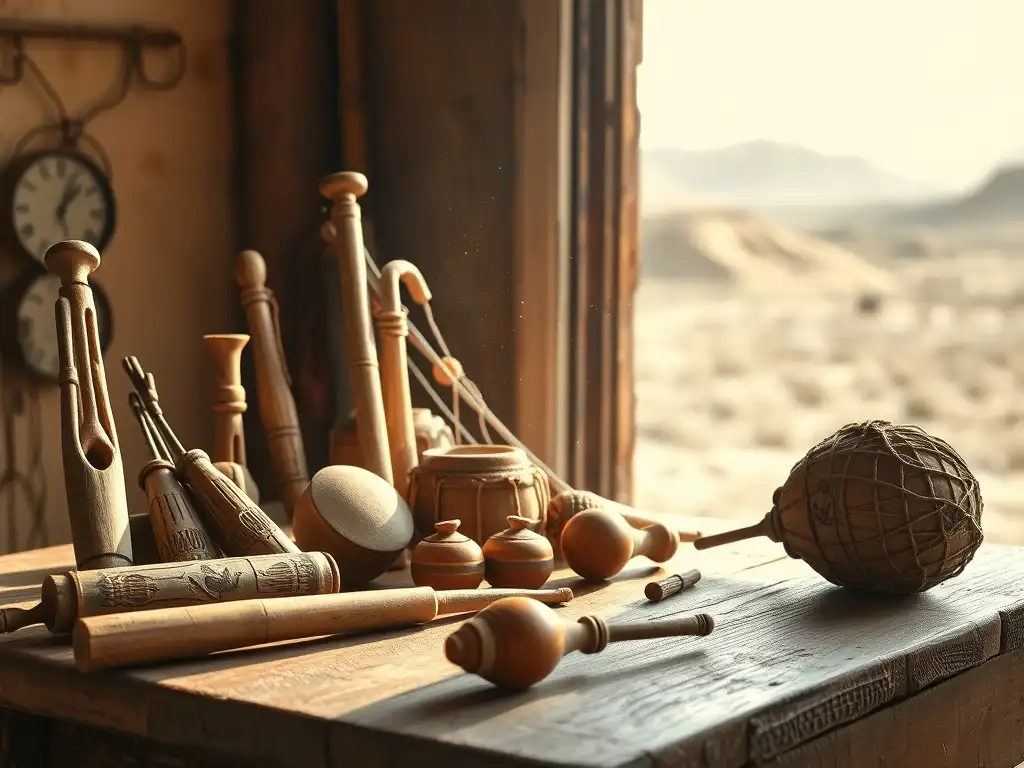
The Nazca civilization, renowned for its enigmatic geoglyphs, also possessed a vibrant musical tradition, evidenced by the discovery of various musical instruments. While our understanding is limited by the fragmentary nature of archaeological finds, careful analysis reveals a sophisticated level of craftsmanship and a diverse range of instruments used in their rituals, ceremonies, and daily life. The study of Nazca music and dance instruments provides invaluable insights into their social structures, beliefs, and artistic expression.
Understanding these artifacts allows us to reconstruct, at least partially, the soundscapes of this ancient Andean culture. The limited surviving examples, however, highlight the challenges in fully comprehending the complexity and extent of their musical practices. Further research and discoveries are crucial to enriching our knowledge of Nazca music and dance instruments.
Types of Nazca Musical Instruments: An Overview
Archaeological excavations in Nazca sites have unearthed a variety of musical instruments, primarily made from readily available materials such as clay, bone, wood, and shells. While complete instruments are rare, fragments and depictions in pottery and textiles offer clues to their forms and functions. The most commonly identified instruments include panpipes, flutes, and possibly drums, though evidence for the latter is less conclusive. The construction techniques varied depending on the material used and the instrument's design.
For instance, clay instruments were often molded and then fired, while bone flutes might have been carved and polished. The presence of these instruments suggests a developed musical culture, integral to the fabric of Nazca society. The diversity of materials used reflects the resourcefulness and adaptability of the Nazca people in crafting their musical instruments.
The following table summarizes the known types of Nazca musical instruments, highlighting the materials used and their presumed function:
| Instrument Type | Material(s) | Presumed Function | Evidence Type |
|---|---|---|---|
| Panpipes | Clay, Bone | Ceremonial music, social gatherings | Fragments, depictions |
| Flutes | Bone, Clay, Wood | Accompaniment to dances, ritual music | Fragments, depictions |
| Possible Drums | Clay, Wood (speculated) | Rhythmic accompaniment, ceremonies (evidence scarce) | Fragmentary evidence |
The Nazca Panpipes: Construction and Use
Nazca panpipes, often crafted from clay or bone, are among the best-represented musical instruments from the culture. These instruments typically consisted of several pipes of varying lengths, bound together to produce a range of notes. The pipes were carefully calibrated to create harmonious melodies.
The construction process likely involved meticulous measurements and testing to achieve the desired pitch and tone. Analysis of surviving fragments suggests that the pipes were often decorated with intricate designs, reflecting the artistic sensibilities of the Nazca people. While the exact musical scales and styles remain unknown, it is believed that panpipes played a significant role in ritualistic and social events.
The delicate nature of these instruments indicates a level of skill and precision in their manufacture, reflecting the importance of music within Nazca society. The use of multiple pipes, suggestive of a more advanced understanding of musical harmony, sets them apart from simpler instruments found in other contemporary cultures.
Nazca Flutes: Variations and Sound Production
Nazca flutes, typically made from bone, clay, or wood, exhibit a degree of variation in size, shape, and number of finger holes. These variations likely resulted in different tonal qualities and ranges. The manufacturing process involved careful shaping and smoothing of the material to ensure proper airflow and sound production.
The finger holes were strategically placed to allow for the creation of different notes. Analysis of preserved fragments suggests that some flutes were decorated with simple geometric patterns, whereas others were left undecorated, possibly reflecting different uses or social statuses. The sound produced by these flutes would have depended on factors such as the material used, the length of the flute, and the placement of the finger holes.
It is likely that these instruments were used to accompany dances and rituals, adding to the overall musical experience. The existence of different flute types hints at a diverse range of musical styles and expressions within the Nazca civilization. Further research is needed to fully understand the range of sounds and techniques employed by Nazca musicians.
Nazca Drums and Percussion: Materials and Rhythms
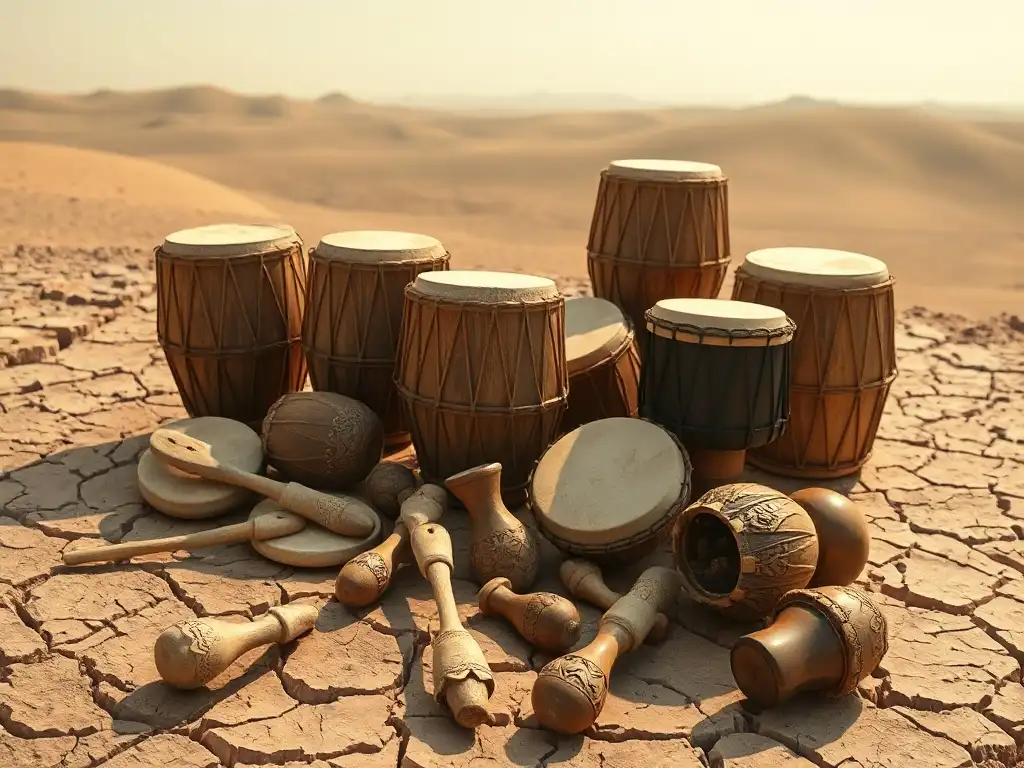
The rhythmic heart of Nazca music often beat through their drums, a testament to their sophisticated understanding of percussion. While unfortunately, few intact examples survive the ravages of time, archaeological evidence suggests a variety of drum types existed. Analysis of fragmented remains points to the use of readily available materials, reflecting the practical ingenuity of the Nazca people. Wood, likely from local trees like the algarrobo (mesquite), formed the body of many drums.
These wooden shells would then be covered in animal hides, possibly deer or llama, stretched taut to create the drumhead. The hides were likely treated with natural materials to ensure durability and to achieve the desired resonance. Evidence suggests that some drums may have incorporated decorative elements, possibly painted designs or carvings, although the specifics remain elusive due to the fragmentary nature of the discovered artifacts.
The rhythms produced by these drums were likely integral to their religious ceremonies and social gatherings. The varied sizes and materials would have produced a range of tones and timbres, allowing for complex rhythmic patterns. It's plausible that different drum sizes were used to create polyrhythmic effects, layering various beats to create a rich and dynamic soundscape.
Scholarly interpretations suggest a connection between the rhythms and agricultural cycles, with specific beats perhaps marking planting seasons, harvests, or significant astronomical events. Further research into the surviving fragments and iconographic representations in Nazca pottery could shed more light on the precise techniques and cultural significance of their drumming traditions. The interplay of rhythm, material, and cultural context makes the study of Nazca drums a fascinating window into their vibrant musical life.
Other Nazca Sound Instruments: Examples of Rattles, Whistles, and Shell Trumpets
Beyond drums, the Nazca civilization employed a diverse array of instruments to create their unique soundscapes. Rattles, crafted from gourds or clay, filled with small pebbles or seeds, provided a percussive accompaniment, their shaking creating a distinctive, rattling sound. These rattles, often depicted in Nazca ceramics, likely served both ritualistic and social purposes, adding texture and rhythmic complexity to musical performances. The size and shape of the rattles likely influenced the tone and volume, creating a varied sonic palette.
Whistles, carved from bone or clay, added a high-pitched element to the musical mix. Their shrill tones would have cut through the sounds of larger instruments, adding a distinctive character to the overall musical texture. The design of the whistles, particularly the size and shape of the air chamber, would have influenced the pitch and tone, suggesting a degree of musical sophistication in their creation. These whistles might have been used in ceremonial contexts, perhaps to mimic the calls of birds or other natural sounds, or to signal specific events.
Shell trumpets, crafted from large marine shells, represent a more powerful and resonant element within the Nazca musical repertoire. The conch shell, for example, was a widely used instrument across various ancient cultures, and its use in Nazca society is supported by archaeological finds. The deep, resonant tones of these trumpets would have been ideal for ceremonial occasions, capable of carrying sound over great distances.
The symbolic importance of the shell itself, often associated with the sea and the spiritual realm, further enhances the significance of these instruments within the broader cultural context of the Nazca civilization. The combination of rattles, whistles, and shell trumpets, alongside the drums, paints a picture of a rich and multifaceted musical culture within the Nazca society.
The Sounds of Nazca: Reconstruction and Interpretation

The study of Nazca music and dance instruments presents a unique challenge to archaeologists and musicologists. Unlike many other ancient cultures that left behind extensive written records, the Nazca civilization primarily communicated through visual means, leaving us with a wealth of stunning pottery, textiles, and geoglyphs, but relatively little direct evidence of their musical practices. This scarcity necessitates creative and meticulous methods for reconstructing their soundscapes.
Understanding Nazca music requires a multidisciplinary approach, combining archaeological findings with ethnomusicological studies of contemporary Andean music and technological advancements in sound analysis. This section will delve into the challenges of reconstructing Nazca music, analyze the surviving musical artifacts, and explore the potential interpretations of their rhythms.
Reconstructing Nazca Music: Challenges and Methods
Reconstructing the sounds of Nazca music is a complex process fraught with challenges. The lack of written musical notation presents a significant hurdle. We must rely on indirect evidence such as depictions of musical instruments on pottery and textiles, the discovery of actual instruments (albeit often fragmentary), and the study of similar musical traditions in later Andean cultures. Several methods are employed to address these challenges:
- Iconographic Analysis: Carefully examining the imagery on Nazca pottery and textiles allows researchers to identify various musical instruments. The details of their depiction – size, shape, materials, and the way they are held or played – provide valuable clues about their construction and sound. For example, the depiction of a particular type of flute might reveal details about its fingering holes, suggesting a potential range and musical scale.
- Ethnomusicological Parallels: By comparing Nazca instruments to similar instruments used in contemporary Andean communities, researchers can draw inferences about their sounds and playing techniques. While not a direct reconstruction, this comparative approach provides a valuable framework for understanding the potential musical characteristics of Nazca instruments.
- Experimental Archaeology: The creation of replicas of Nazca instruments based on archaeological evidence is a crucial step in understanding their sounds. These replicas, made using traditional materials and techniques whenever possible, are then played and recorded, offering a tangible representation of what Nazca music might have sounded like. This method helps us understand the acoustic properties of the instruments and their potential musical capabilities. However, this method also relies on making assumptions about playing techniques, which may introduce some uncertainty.
Analyzing Nazca Musical Artifacts: Archaeological Insights
While many Nazca musical instruments have unfortunately not survived intact, the few remaining artifacts provide invaluable insights. The most commonly found instruments are:
| Instrument Type | Material | Description | Archaeological Significance |
|---|---|---|---|
| Panpipes (Antaras) | Reed/Bone | A set of panpipes of varying lengths, often depicted in iconography. | Suggest a developed musical system with potential for melodic complexity. |
| Drums (Tumbadoras) | Pottery/Wood/Hide | Varying sizes, potentially used for rhythmic accompaniment. | Indicate a strong percussive element in Nazca music. |
| Flutes (Quenas) | Bone/Wood | Simple flutes, possibly made from bird bones or wood. | Evidence of wind instruments in the Nazca musical tradition. |
| Possibly rattles | Seeds/Pottery shards | Indirect evidence suggests the use of rattles, though none have been found intact. | Requires further investigation. |
The limited number of surviving instruments underscores the fragility of organic materials and the challenges of preserving artifacts from arid climates. Further archaeological investigation focusing on specific sites associated with ceremonial contexts might reveal more complete instruments or evidence of musical practices.
Interpreting Nazca Rhythms: Examples of Processional and Fertility Rhythms
Interpreting the rhythms of Nazca music requires considering the social and cultural context in which it was played. Based on the available evidence, we can hypothesize several potential functions of Nazca music and dance:
- Processional Music: The depiction of musicians in processions on Nazca pottery suggests the use of music in ceremonial events and public rituals. These processions likely involved rhythmic drumming and the melodic sounds of panpipes and flutes, creating a powerful and evocative soundscape to accompany religious or political ceremonies. The rhythmic nature of the music would have served to unify participants and emphasize the importance of the event.
- Fertility Rhythms: Given the importance of agriculture in Nazca society, it is plausible that music played a role in fertility rituals. Rhythmic drumming and chanting might have been used to invoke the blessings of the gods for a successful harvest. The repetitive nature of these rhythms could have served as a symbolic representation of the cyclical nature of life and the agricultural cycle. The use of rattles, potentially filled with seeds, could have further enhanced this symbolic connection with fertility and abundance. 🎶
Further research, including advanced techniques of analyzing existing artifacts and the continued exploration of Nazca sites, is crucial to further elucidate the role of music and dance in the daily life and religious practices of the Nazca people. The sounds of Nazca remain largely silent, but ongoing research brings us closer to understanding the rhythms of this fascinating ancient civilization.
The Role of Music in Nazca Rituals and Daily Life
The integration of music and dance within Nazca society was deeply intertwined with both their daily routines and their elaborate religious rituals. While we lack direct recordings, archaeological evidence strongly suggests music played a vital role in structuring their social fabric and spiritual experiences. The discovery of numerous musical instruments, such as panpipes and possibly drums (although evidence for the latter is less concrete), indicates a developed musical culture. These instruments weren't mere entertainment; they were likely integral to ceremonies and celebrations.
Consider the potential use of panpipes in agricultural rituals. The Nazca were heavily reliant on agriculture, and the cyclical nature of planting and harvesting likely coincided with musical performances. The rhythmic blowing of panpipes might have been used to invoke favorable weather conditions, ensuring bountiful harvests.
Furthermore, the repetitive, almost hypnotic quality of panpipe music could have played a role in communal rituals, fostering a sense of unity and shared purpose among participants. Imagine the sounds of these instruments echoing across the Nazca desert, accompanying processions or ceremonies dedicated to their deities. The sheer scale of the Nazca Lines suggests a highly organized society, and music may have been a critical element in maintaining social cohesion and control.
Beyond ritual contexts, music likely played a role in daily life. Songs may have accompanied tasks like weaving or pottery making, providing a rhythmic backdrop to labor. Children's games probably involved simple musical instruments or songs passed down through generations, contributing to the transmission of cultural knowledge. The sounds of Nazca music, though lost to time, likely formed a constant and integral part of the lives of Nazca people, enriching their experiences both sacred and secular.
Further research, including detailed analysis of the discovered instruments and comparative studies with later Andean musical traditions, could shed more light on the daily soundscape of Nazca society. The absence of written records, however, presents a significant challenge to fully reconstructing the role of music in daily Nazca life. Yet, the surviving artifacts and their context provide clues to unlock the mysteries of this fascinating aspect of Nazca culture.
Nazca Dance: Movement and Meaning
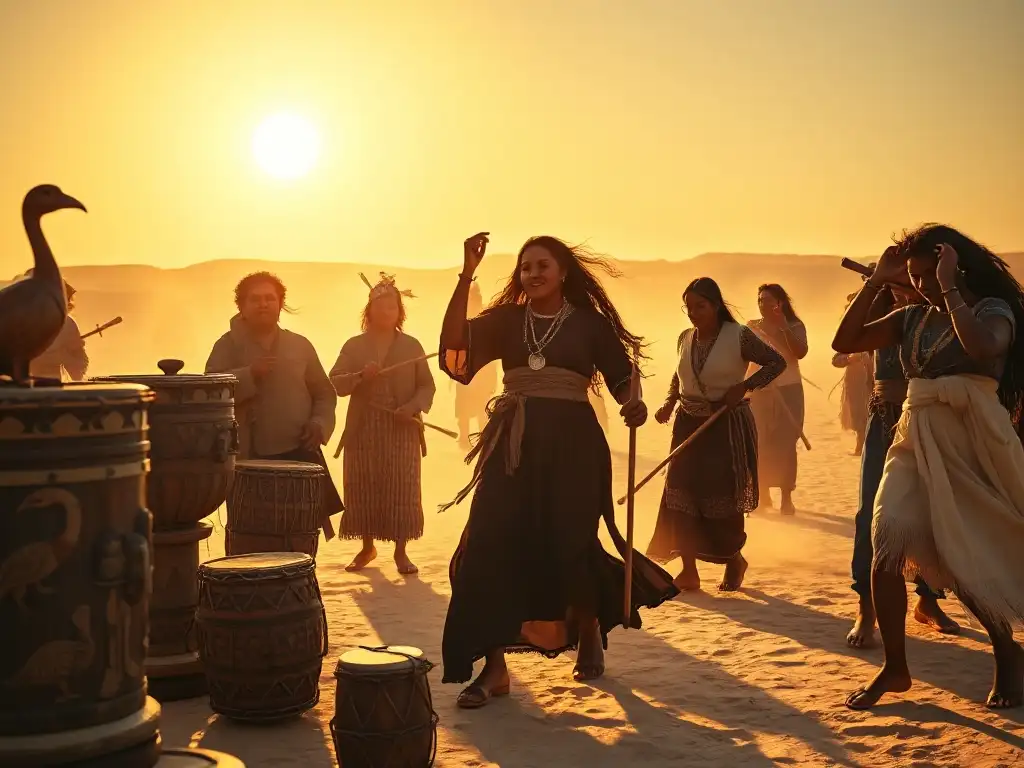
The Nazca people, renowned for their enigmatic geoglyphs, also possessed a vibrant culture of music and dance deeply intertwined with their daily lives, religious beliefs, and social structures. While direct evidence such as preserved musical scores is lacking, archaeological findings, iconography on ceramics, and accounts from later cultures provide valuable clues to reconstructing their dance traditions. Understanding Nazca dance requires considering its multifaceted role within their society – from agricultural rituals to celebrations of life and perhaps even funerary rites.
The movements, costumes, and the overall performance likely conveyed complex narratives, social hierarchies, and spiritual beliefs, mirroring the intricate artistry seen in their pottery and textiles. The rhythmic pulse of Nazca dance, though lost to time in its original form, continues to resonate in the echoes of its cultural legacy. Further research into related Andean cultures, such as the later Inca, might shed further light on these lost practices, as similarities in ritualistic dances are frequently observed.
The analysis of surviving artifacts, specifically ceramics depicting dancing figures, is crucial to piecing together this vibrant aspect of Nazca culture. The precise nature of many dances remains elusive, highlighting the need for continued archaeological investigation and interdisciplinary collaboration.
Nazca Dance Forms and Their Significance
Depictions on Nazca pottery reveal a variety of dance forms, suggesting a rich diversity in their performance traditions. Some ceramics show individuals performing solo dances, possibly shamanistic or ritualistic in nature, characterized by elaborate gestures and postures. Others illustrate group dances, potentially involving multiple participants in synchronized movements, possibly reflecting communal activities or celebrations. The interpretation of these dances is challenging, however.
We lack a clear understanding of the specific contexts in which these dances were performed—were they part of religious ceremonies, agricultural festivals, or social gatherings? The analysis of associated artifacts found alongside these ceramics could provide further clues. For example, the presence of specific tools or offerings might suggest the purpose of a particular dance.
One intriguing possibility is that certain dance forms were associated with specific deities or agricultural cycles, reflecting the importance of agriculture in Nazca society. The dynamism and energy captured in the ceramic depictions suggest that dance played a vital role in expressing social cohesion and spiritual connection. More research, particularly focusing on the contextual analysis of archaeological finds, is needed to solidify our understanding of the different Nazca dance forms and their unique significance.
Costumes and Adornments in Nazca Dance Performance
The costumes and adornments worn by Nazca dancers are another crucial aspect in understanding their dances. Ceramic fragments showcase dancers wearing elaborate headdresses, often featuring feathers, textiles, and possibly precious metals. These headdresses, varying in style and complexity, likely signified social status or roles within the dance performance.
Furthermore, many depicted dancers wear intricate body paint or clothing, suggesting that visual aspects played a significant role in communicating the dance's meaning. The vibrant colors and patterns visible on the pottery fragments suggest a rich palette of materials and techniques used in creating these costumes. The use of feathers, a common element in many Andean cultures, likely held symbolic importance, potentially representing specific deities or spiritual forces.
While the exact materials used are often uncertain due to the limitations of archaeological preservation, the artistry and detail evident in the ceramic representations suggest a high level of craftsmanship and importance placed upon these costumes. The study of similar adornments found in other contemporary Andean cultures could help illuminate the potential symbolic meaning of the various elements used in Nazca dance costumes.
Symbolism and Storytelling Through Nazca Dance
Beyond mere entertainment, Nazca dance likely served as a powerful medium for storytelling and the transmission of cultural values. The movements, costumes, and overall performance likely conveyed complex narratives related to mythology, history, or social structures. This is supported by the rich symbolism found in Nazca iconography, which often features mythical creatures, deities, and scenes from daily life.
The interpretation of these symbolic elements within the context of dance remains a challenge, requiring a multidisciplinary approach combining art history, anthropology, and archaeology. For instance, a specific dance might have reenacted a mythical event, celebrated a successful harvest, or commemorated an important ancestor. The potential for these dances to act as a form of historical record, preserving cultural memory and knowledge across generations, should not be underestimated.
Further research, focusing on the detailed analysis of ceramic imagery and its relation to known Nazca mythology and social structures, is crucial to unraveling the complex symbolism embedded within their dance traditions. The potential for uncovering hidden narratives within these seemingly simple artistic depictions is a driving force behind ongoing research into Nazca music and dance instruments.
The Connection Between Nazca Dance and Agriculture
The Nazca people, renowned for their intricate geoglyphs and sophisticated irrigation systems, deeply intertwined their agricultural practices with their religious and ceremonial life. Dance played a pivotal role in this interconnectedness, acting as a conduit between the earthly realm and the supernatural forces believed to influence crop yields and overall prosperity. Evidence suggests that specific dances were performed during crucial agricultural periods, such as planting and harvesting, to ensure bountiful harvests and appease the deities associated with fertility and abundance. These weren't simply celebratory performances; they were ritualistic acts aimed at influencing the natural world.
The movements themselves likely mimicked the growth cycle of plants, with dancers’ gestures representing the sprouting of seeds, the blossoming of crops, and the eventual harvest. The rhythmic patterns of the music accompanying these dances may have been designed to mirror the natural rhythms of the environment, aligning with seasonal changes and the cyclical nature of agriculture. This deep connection between dance, agriculture, and the spiritual world is reflected in the archaeological record, although the precise nature of these rituals remains a subject of ongoing research.
The discovery of artifacts depicting dancers alongside agricultural motifs reinforces this interpretation, suggesting a powerful symbolic association between the two. Furthermore, the location of some ceremonial sites near agricultural fields hints at the importance of these performances in ensuring successful harvests.
The Nazca understanding of the interconnectedness of life, evidenced by their advanced irrigation systems and their elaborate dance rituals, showcases a sophisticated worldview where the human and natural worlds were inextricably linked. Understanding this connection provides crucial insight into the Nazca worldview and their remarkable achievements in both agriculture and the arts.
Nazca Music and Dance: A Legacy
The Enduring Influence of Nazca Music and Dance
The Nazca's sophisticated understanding of music and dance is evident in the surviving archaeological evidence and its lasting impact on subsequent Andean cultures. While written musical notation is absent, we can glean insights from depictions on ceramics, textiles, and even the geoglyphs themselves. These artistic representations often show individuals playing instruments and engaging in ceremonial dances, suggesting a deeply ingrained musical and ritualistic life.
The rhythmic complexity implied in these portrayals, coupled with the advanced technological capabilities displayed in their other crafts, points to a rich and nuanced musical tradition. The vibrant colors and dynamic poses in the pottery suggest an energetic and expressive style of dance, perhaps linked to agricultural cycles, religious ceremonies, or social gatherings. Further research into the iconography could potentially reveal more specific details about the types of songs and dances performed.
The legacy of Nazca music and dance is not merely aesthetic; it speaks volumes about their social structure, beliefs, and worldview. It’s a testament to their creativity and a crucial piece of the puzzle in understanding this fascinating civilization. The subtle nuances within the artistic depictions hint at a sophisticated understanding of rhythm, melody, and harmony, hinting at the possibility of complex musical forms.
Preservation of Nazca Musical Heritage
Unfortunately, the preservation of original Nazca music is impossible. The organic materials used for instruments—likely wood, reeds, animal hides, and fibers—have mostly perished over centuries. However, the visual record provides invaluable clues. Archaeological excavations continue to unearth artifacts depicting musical instruments, providing fragments of knowledge. These depictions, often found on ceramic vessels, show instruments resembling panpipes (possibly antara), flutes, and drums.
The detailed craftsmanship on these ceramics suggests a high level of skill and artistry in instrument making. Furthermore, researchers are exploring the potential connections between Nazca musical practices and those of later Andean cultures. By analyzing the evolution of similar instruments and musical styles across different Andean societies, we can gain a better understanding of the continuity and transformation of Nazca musical traditions. Careful analysis of surviving textile fragments might also reveal traces of musical notation or patterns suggestive of rhythmic structures.
The challenge lies in interpreting these visual clues and extrapolating them into a comprehensive understanding of Nazca musical practices. The absence of written musical scores necessitates a multidisciplinary approach, combining archaeological findings with ethnomusicological studies of related cultures. This interdisciplinary approach is crucial for reconstructing, even partially, the soundscapes of Nazca society. This ongoing research is vital in preserving and interpreting the Nazca musical heritage.
Nazca Musical Traditions in the Context of Andean Civilizations
The study of Nazca music and dance instruments necessitates placing them within the broader context of Andean musical traditions. While unique aspects undoubtedly existed, similarities and influences can be traced to other contemporary and preceding cultures. For example, the panpipes (possibly antara) depicted in Nazca art are found across various Andean cultures, suggesting a shared heritage or exchange of musical ideas. This interconnectedness highlights the importance of comparative studies in understanding the evolution of Andean music.
The use of percussion instruments, implied by depictions on pottery, is also a common feature across several Andean societies, suggesting a pan-Andean preference for rhythmic elements. Identifying such similarities and differences helps researchers understand the unique cultural identity of the Nazca while acknowledging their place within the broader Andean musical landscape. Further research comparing Nazca instruments and musical styles with those of the Moche, Tiahuanaco, and Inca civilizations can reveal patterns of diffusion, innovation, and cultural exchange.
This comparative analysis can highlight the unique aspects of Nazca music while placing it within a larger historical and geographical framework. The Nazca's contributions to Andean musical traditions remain a significant area of ongoing research, with new discoveries continually enriching our understanding of this vibrant cultural heritage. The intricate relationship between the Nazca's music, dance, and their overall societal structure provides a rich field of study for years to come.
Further investigation into Nazca musical practices holds immense potential for enriching our understanding of their culture and society. Several avenues of research could yield significant breakthroughs. Firstly, more extensive excavations at Nazca sites, particularly those suspected of being ceremonial centers or residential areas, could uncover new instruments, musical scores (if they existed in a written form), or even depictions of musical performances in previously unexplored areas.
The application of advanced archaeological techniques, such as ground-penetrating radar and 3D scanning, could help locate hidden structures and artifacts related to music and dance. This could lead to the discovery of previously unknown instruments or reveal the layout of spaces dedicated to musical activities, providing valuable insights into the social context of music within Nazca society.
Secondly, interdisciplinary collaborations between archaeologists, musicologists, and anthropologists are crucial. Musicologists could analyze the acoustic properties of discovered instruments to understand their sound and potential musical functions. Anthropologists could contribute by studying the social and ritual contexts surrounding music, drawing comparisons with other Andean cultures to provide a broader understanding of the role of music in Nazca life. For example, comparing Nazca musical instruments to those of contemporary or neighboring cultures could reveal patterns of diffusion or unique stylistic features. This comparative approach is essential to contextualize Nazca musical practices within the wider Andean cultural landscape.
Finally, a deeper analysis of existing artifacts is needed. Many objects in museum collections may hold clues to Nazca musical practices that have not yet been fully explored. High-resolution imaging and advanced material analysis techniques could reveal previously unseen details on existing instruments, providing further information about their construction, materials, and possibly even their age.
Furthermore, a more thorough study of iconography in Nazca textiles and ceramics, focusing on depictions of musical instruments and performances, could offer valuable insights into the role of music in their rituals and daily life. Careful re-examination of existing data, coupled with new technological advancements, could unlock hidden knowledge about Nazca music and dance. The potential for future discoveries in this area is significant and promises to substantially enhance our understanding of this fascinating ancient civilization.
The meticulous study of even seemingly insignificant fragments could hold the key to unlocking the secrets of Nazca musical expression. 🤯
Frequently Asked Questions
What types of musical instruments did the Nazca culture use?
The Nazca people utilized a variety of instruments, including wind instruments like panpipes and possibly trumpets, and percussion instruments such as drums and rattles. The exact construction and sounds remain partially unknown due to limited surviving artifacts.
What role did music and dance play in Nazca society?
Music and dance likely held significant ritualistic and social importance in Nazca society. They were probably integral to religious ceremonies, celebrations, and possibly even daily life. Further research is needed to fully understand their roles.
What materials were used to create Nazca musical instruments?
Many instruments were likely crafted from readily available materials such as wood, bone, clay, and gourds. The specific techniques employed varied depending on the instrument and the material used. Unfortunately, few instruments survive for direct examination.
How do we know about Nazca music and dance today?
Our understanding is primarily based on iconographic evidence found in Nazca pottery and textiles. These depict individuals playing instruments and engaging in dances, providing valuable clues about their musical traditions.
Are there any surviving Nazca musical instruments?
While relatively few intact instruments have been found, fragments and depictions provide insights into their construction and use. The arid climate of the Nazca region contributed to the poor preservation of organic materials like wood.
Final Reflection: Echoes of the Nazca: A Legacy in Rhythm and Movement
The vibrant rhythms and intricate dances of the Nazca culture, though separated from us by centuries, continue to resonate powerfully today. Their legacy isn't merely a historical curiosity; it's a testament to the enduring power of artistic expression and a profound connection to the natural world, offering valuable insights into human creativity across time. Understanding their musical instruments and dance forms allows us to appreciate the sophistication and ingenuity of a civilization often overlooked in broader narratives of ancient South America.
The impact of Nazca music and dance extends far beyond the arid plains of Peru. Their artistic achievements, reflected in the intricate designs of their pottery and textiles, mirror the complexity and beauty of their musical traditions. The very act of recreating their music, even with modern interpretations, allows us to connect with their spirit and understand their worldview. The past is never dead. It's not even past.
– William Faulkner. This quote perfectly encapsulates the enduring relevance of Nazca culture and its continued influence on our understanding of ancient societies and artistic expression. The mystery surrounding their geoglyphs only serves to heighten the intrigue surrounding their musical and dance practices, leaving us with a sense of wonder and a desire to learn more.
Consider the echoes of Nazca rhythms in your own life. What forms of artistic expression resonate deeply with you? How do these forms connect you to your heritage, your community, or the natural world? Take a moment to appreciate the power of music and dance to transcend time and culture, to connect us to something larger than ourselves. Let the legacy of the Nazca inspire you to explore your own creative potential and to seek out the hidden rhythms that shape your own world.
**Immerse Yourself in the Ancient Rhythms of Nazca! **
Thank you for exploring the rich tapestry of Nazca music and dance with us! Discovering these captivating elements of ancient culture reveals a vibrant connection to the past. Let's keep this ancient spirit alive!
Here are some exciting ways to further engage with Nazca culture:
- **Experience** the sounds and movements of Nazca firsthand by attending a local workshop or event focused on ancient Andean music and dance.
- **Share** your newfound knowledge! Discuss the captivating rhythms you've discovered with friends and family, inspiring them to learn more about Andean cultures.
- **Connect** with others through an online community dedicated to Andean civilizations, exchanging insights, ideas, and resources.
Which ancient Nazca rhythms or dances resonate most with you, and what inspires you about them? Share your thoughts below!