
Decoding Andean Trade: The Logistics Behind Barter Networks

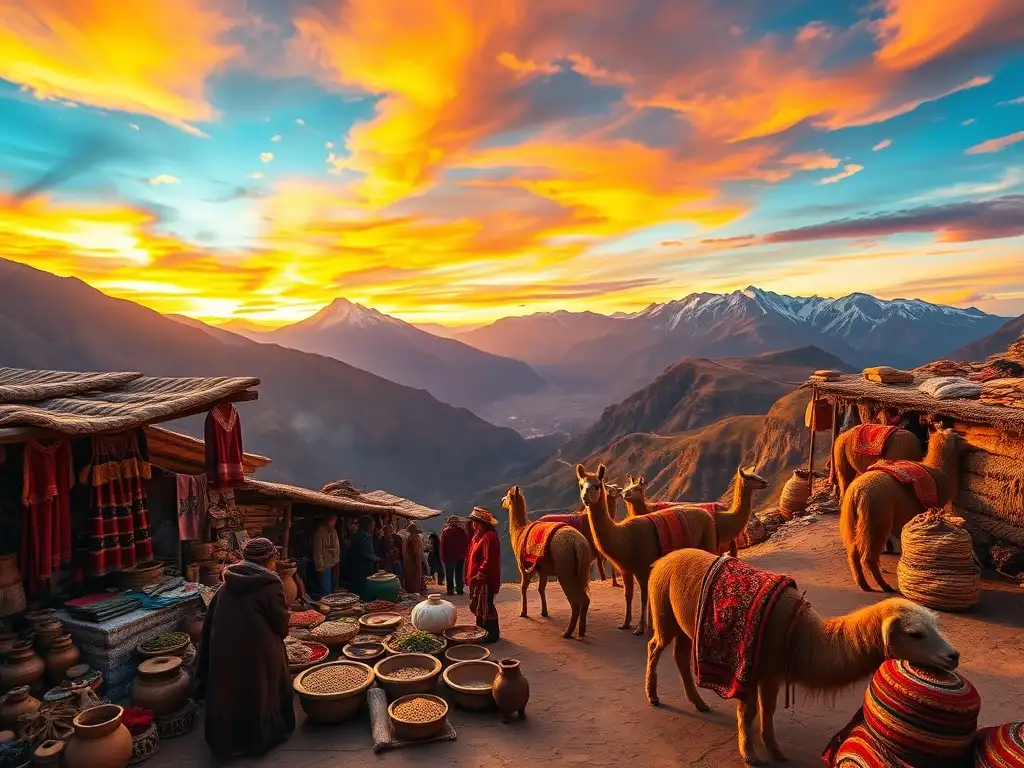
Unravel the mysteries of the Andes! For centuries, towering mountains and vast deserts held secrets whispered only on the wind. Now, delve into the intricate tapestry of Andean civilizations trade networks, a system that defied geography and fueled empires. Discover how ingenious logistics and sophisticated barter shaped the destinies of the Incas, Moche, Nazca, and Tiahuanaco. Prepare to be amazed by the ingenuity and scale of their achievements – the story is far more complex than you might imagine. Continue your journey into the heart of this fascinating world...
The vast and diverse landscapes of the Andes Mountains fostered the development of complex and sophisticated societies long before the arrival of Europeans. These ancient Andean civilizations, including the Incas, Moche, Nazca, and Tiahuanaco, didn't rely on a monetary system as we understand it today. Instead, they built thriving economies based on intricate barter networks, a system of exchanging goods and services without the use of money.
This article delves into the fascinating logistics behind these Andean civilizations trade networks, exploring the strategies, challenges, and cultural significance of their barter systems. We will examine how these networks facilitated the movement of goods across vast distances and diverse ecological zones, contributing significantly to the overall prosperity and cultural exchange within these remarkable societies.
Understanding these ancient trade practices provides invaluable insight into the ingenuity and organizational capabilities of these pre-Columbian civilizations and their impact on the development of Andean societies. This exploration of "Andean civilizations trade networks" will reveal a complex system far beyond simple exchanges, highlighting the social, political, and economic structures that supported them.
Understanding Andean Civilizations Trade Networks
The Andean region's diverse geography—ranging from arid coastal deserts to high-altitude mountain ranges and lush jungle valleys—presented both opportunities and challenges for trade. Different ecological zones produced unique resources. The coast offered fish, shellfish, and cotton; the highlands yielded potatoes, quinoa, and llama wool; and the jungle provided coca leaves, tropical fruits, and precious woods.
This natural variation fueled the need for extensive trade networks. These networks weren't simply haphazard exchanges; they were carefully managed systems involving specialized labor, established routes, and often, complex social and political relationships. The scale of these networks is impressive, with evidence suggesting the movement of goods over hundreds of kilometers, connecting distant communities and facilitating cultural exchange.
The efficient movement of goods was crucial; it ensured the survival and prosperity of individual communities, and fostered the growth and strength of the larger civilization. Understanding the organization and logistics of these networks is key to understanding the economic and social structures of ancient Andean societies.
The Significance of Barter in Ancient Andean Economies
Barter, the direct exchange of goods and services, formed the backbone of the Andean economy for centuries. While the specifics varied across different cultures and time periods, the fundamental principle remained consistent: communities exchanged surpluses for needed resources. This system fostered interdependence between communities, encouraging cooperation and collaboration.
The value of goods was not determined by a fixed price but by negotiation, often influenced by factors such as scarcity, quality, and social standing. For example, a finely woven textile might be exchanged for a quantity of dried potatoes or a certain number of llamas. The absence of a standardized currency meant that trade involved a sophisticated understanding of relative value and a high degree of trust between trading partners.
This system was not without its limitations, of course; the "double coincidence of wants" – the need for both parties to desire what the other possessed – could sometimes impede transactions. However, the effectiveness of the Andean barter system is evident in the widespread prosperity and cultural flourishing of these civilizations. The intricate balance and organization required highlight the sophisticated economic understanding of these societies.
Pre-Incan Barter Systems
Before the rise of the Inca Empire, various Andean civilizations developed their own unique barter systems. The Moche, for instance, known for their impressive metalworking skills, likely traded elaborate gold and silver artifacts for agricultural products and other resources. The Nazca, famous for their geoglyphs, may have exchanged textiles and ceramics for goods from neighboring regions.
The Tiahuanaco, a powerful civilization in the Lake Titicaca region, controlled important trade routes and likely facilitated the exchange of goods across a wide area. Archaeological evidence, including the discovery of exotic materials in distant settlements, provides compelling evidence of these extensive pre-Inca trade networks. While the exact mechanisms and routes of these early systems remain areas of ongoing research, it's clear that they laid the foundation for the more extensive and centralized trade networks established by the Inca Empire later.
Further research into these pre-Inca systems will offer a more nuanced understanding of the evolution and development of Andean trade practices and the sophistication of these ancient societies. The study of pre-Inca artifacts and settlements continues to uncover new details about the complexity and reach of these early trade networks.
The Inca Empire's Barter Practices
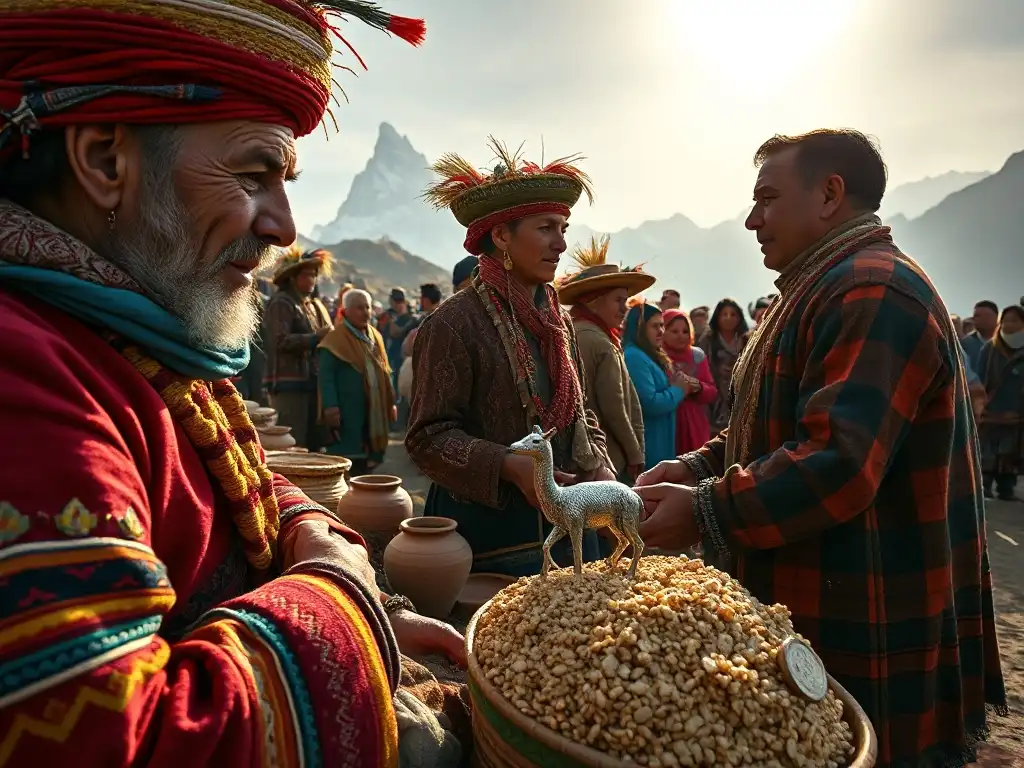
The Inca Empire, renowned for its sophisticated organization and vast infrastructure, employed a complex system of barter that went beyond simple exchange. While the Inca did not utilize a standardized currency in the same way as later civilizations, their economy thrived on a carefully managed system of reciprocal obligations and redistribution. This system, known as ayni, involved the exchange of goods and services within the community and between different regions of the empire. The mita system, a form of labor tribute, further facilitated the movement of goods and people across the empire.
Individuals were obligated to contribute their labor to public works projects, such as road construction and agricultural production, often receiving goods or services in return. This wasn't simply a one-to-one exchange; the ayni and mita systems fostered strong social bonds and ensured the equitable distribution of resources throughout the vast Inca empire. The intricate network of tambos (roadside inns) along the Qhapaq Ñan (Inca Road system) played a crucial role in facilitating these exchanges, providing rest stops for travelers and storage for goods in transit. The organization of this system required meticulous record-keeping, often achieved using quipu, a sophisticated knotted-string system.
This allowed Inca administrators to track resource allocation and ensure the smooth functioning of the barter economy. The Inca's sophisticated approach to barter demonstrates a level of economic sophistication far beyond simple exchange, highlighting the strategic importance of trade in maintaining the empire's power and stability. The system ensured that even remote communities received essential goods, strengthening social cohesion and reducing the risk of internal conflict.
Key Elements of Andean Trade Routes
Andean trade routes weren't haphazard pathways; they were carefully planned and maintained networks vital to the survival and prosperity of various Andean civilizations. Several key elements contributed to their effectiveness. Firstly, the geography itself played a significant role. The Andes Mountains, while posing challenges, also provided opportunities. High-altitude passes connected different ecological zones, allowing for the exchange of diverse goods. For instance, coastal communities could trade fish and sea salt for highland agricultural products like potatoes and llamas.
Secondly, the construction and maintenance of roads, particularly the renowned Qhapaq Ñan of the Inca Empire, were crucial. These roads weren't just paths; they were sophisticated engineering feats, incorporating bridges, tunnels, and resting places ( tambos) to facilitate the movement of goods and people. Thirdly, the use of pack animals, primarily llamas and alpacas, was essential for transporting goods across challenging terrain. These animals were adapted to the high altitudes and could carry significant loads, making long-distance trade feasible. Furthermore, the social organization of Andean societies played a critical role. Specialized groups were involved in production, transport, and exchange, ensuring the efficient flow of goods.
Finally, the development of sophisticated record-keeping systems, like the Inca quipu, allowed for the tracking of goods and the management of trade networks. These systems facilitated the organization and control of trade, ensuring equitable distribution and preventing imbalances in the system. The complex interplay of geography, infrastructure, technology, and social organization underpinned the success of Andean trade routes, demonstrating a remarkable level of integration and cooperation across diverse communities. The efficiency of these networks is a testament to the ingenuity and organizational skills of Andean civilizations, allowing them to thrive in a challenging environment. The effective management of these routes contributed significantly to the economic prosperity and political stability of many Andean societies.
- Understanding Andean Civilizations Trade Networks
- The Significance of Barter in Ancient Andean Economies
- Pre-Incan Barter Systems
- The Inca Empire's Barter Practices
- Key Elements of Andean Trade Routes
The Flow of Goods: Mapping Andean Barter Exchange
This section delves into the intricate logistics of Andean barter systems, focusing on the movement of goods across vast and challenging terrains. Understanding these networks requires analyzing not only what was traded but also how and why goods moved between different Andean civilizations. The sheer scale of these exchange systems, considering the geographical limitations and the diverse ecological zones, is a testament to the sophisticated organizational skills of these ancient societies. The Andean civilizations trade networks were not simply random exchanges; they were carefully managed systems reflecting complex social, political, and economic relationships.
Identifying Key Trade Goods in Andean Civilizations
The Andean region boasted a diverse range of resources, leading to a rich tapestry of traded goods. Key items included agricultural products like potatoes 🥔, quinoa 🌾, maize 🌽, and coca leaves 🍃. These staples formed the backbone of the Andean diet and were crucial for sustenance. Beyond food, textiles, particularly those made from alpaca and llama wool, were highly valued for their warmth, durability, and intricate designs.
Ceramics, varying in style and function from everyday pottery to elaborate funerary vessels, also played a significant role in trade. Precious metals like gold 🥇 and silver 🥈, along with obsidian and other stones used for tools and ornaments, represented high-status items traded among elites. The specific goods exchanged often varied depending on the geographic location and the particular needs of the participating groups. For example, coastal communities might trade fish and shellfish for highland agricultural products.
The Movement of Potatoes and Quinoa
Potatoes and quinoa, two dietary staples of the Andes, were crucial components of the region's trade networks. Their cultivation was widespread but varied in type and yield depending on altitude and climate. Highland communities, adept at cultivating cold-hardy potato varieties, traded surplus crops with lower-altitude settlements, often exchanging them for goods like salt, fish, or cotton.
Similarly, quinoa, which thrived in specific ecological niches, became a valuable commodity traded across different Andean regions. The movement of these crops wasn't just a simple exchange; it involved complex systems of storage, preservation, and transportation, often utilizing llama caravans to move goods across mountain passes.
Archaeological evidence suggests sophisticated storage facilities were built near trade routes to manage these vital resources, highlighting the importance of efficient logistics in supporting these extensive trade networks. The sheer volume of potatoes and quinoa moved demonstrates the scale and significance of agricultural exchange within Andean civilizations trade networks.
Exchange of Textiles and Ceramics
Textiles and ceramics constituted another significant aspect of Andean trade. The production of fine textiles, particularly those incorporating intricate weaving techniques and vibrant dyes, was often associated with specific communities that developed expertise in these crafts. These textiles, ranging from clothing and blankets to ceremonial tapestries, were highly valued items, traded along established routes and used as gifts or in ritual contexts.
Similarly, ceramic production varied regionally, with distinctive styles and techniques developing in different areas. Elaborately decorated vessels, often used in religious ceremonies or as elite grave goods, were highly prized commodities exchanged between communities. The exchange of these goods not only facilitated material exchange but also acted as a means of cultural interaction and the dissemination of ideas and artistic styles across the Andes.
The styles and techniques used in the creation of textiles and ceramics often served as markers of social status and cultural identity, further enriching the significance of their exchange within Andean civilizations trade networks. The movement of these items across vast distances provides compelling evidence of well-established and organized trade routes, showcasing the sophisticated organization and cultural exchange that characterized the Andean world.
The Role of Gold and Silver
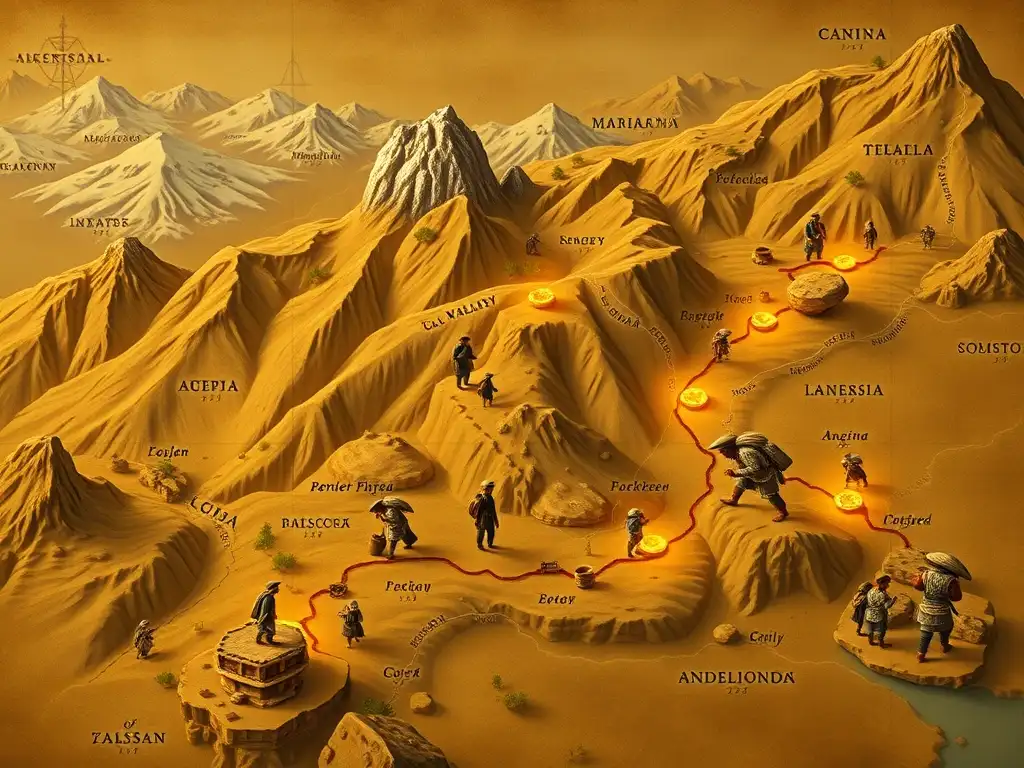
Gold and silver played a pivotal role in Andean trade networks, far exceeding their simple use as ornamentation. While not used as a direct medium of exchange in the same way as currency is today, these precious metals functioned as highly valued commodities within the complex barter system. Their significance stemmed from their inherent rarity, durability, and symbolic power. The meticulous craftsmanship evident in gold and silver artifacts unearthed from Andean sites underscores their importance as objects of prestige and power.
These objects were not simply traded for goods; they often served as gifts to solidify alliances, cement political relationships, and demonstrate the wealth and status of the giver. The intricate designs and techniques employed in their creation, varying across different Andean cultures, reveal a deep understanding of metallurgy and a sophisticated level of artistic expression. This artistry itself contributed to their value and desirability within the trade networks.
Furthermore, the control over gold and silver mines by powerful elites often translated into political dominance and influence over trade routes. The distribution and exchange of these precious metals, therefore, served as a powerful tool for maintaining social hierarchies and consolidating political power within Andean societies. Analysis of metalwork styles and the geographical distribution of precious metal artifacts provides valuable insights into the intricate patterns of exchange and the reach of different Andean civilizations' influence.
The Logistics of Ancient Andean Barter
The logistics of ancient Andean barter were remarkably complex, given the challenging terrain and the vast distances involved. The Andes Mountains presented significant obstacles, with steep slopes, high altitudes, and unpredictable weather conditions affecting the movement of goods. However, Andean societies developed ingenious systems to overcome these challenges. Evidence suggests the use of well-established trails and pathways, some of which are still visible today, that connected different communities and regions. These routes were likely maintained and protected by specific groups or communities, ensuring the safe passage of goods and the movement of traders.
Llamas and alpacas, domesticated animals well-suited to the Andean environment, played a crucial role in transporting goods across these routes. Their ability to carry substantial loads and traverse difficult terrain made them indispensable to the barter system. Furthermore, the organization of trade was likely facilitated by specialized intermediaries or traders who acted as liaisons between different communities. These individuals may have possessed specialized knowledge of trade routes, market demands, and the value of various goods.
The exchange of goods wasn't a haphazard process; it involved intricate negotiations and an understanding of the relative values of different items. The system likely involved a combination of direct exchange and indirect exchange, with goods circulating through various networks and communities before reaching their final destination. Archaeological evidence, such as storage facilities and the discovery of diverse goods at various sites, supports the existence of sophisticated logistical systems that enabled the efficient movement and distribution of goods across the vast Andean region. Understanding these logistics offers a glimpse into the sophisticated economic and social organization of Andean civilizations.
Transportation and Infrastructure in Andean Trade
The success of Andean civilizations' extensive trade networks hinged critically on efficient transportation and infrastructure. Given the challenging geography of the Andes – towering mountains, deep valleys, and treacherous terrain – the ingenious solutions employed by these cultures are a testament to their adaptive capabilities and organizational prowess. Understanding the logistics of Andean trade requires examining the interplay between the natural environment and the human-made systems designed to overcome its limitations.
The scale and sophistication of these systems varied across different Andean cultures and periods, but common themes emerge concerning the importance of animal transport, carefully constructed pathways, and strategically placed storage facilities. Analyzing these aspects provides crucial insight into the economic and social dynamics of these remarkable societies. The keyword phrase "Andean civilizations trade networks" is intrinsically linked to the infrastructure that facilitated the movement of goods.
Challenges of Andean Geography on Trade
The Andes Mountains present a formidable barrier to trade. Steep slopes, narrow valleys, and unpredictable weather patterns made transporting goods a significant challenge. High altitudes reduced the carrying capacity of humans and animals, while unpredictable weather events, including landslides and floods, could disrupt trade routes entirely.
For example, the Nazca lines, while perhaps not directly related to trade routes, highlight the challenges of navigating the arid coastal plains, which required careful planning and resource management for successful trade. The sheer scale of the Andes, stretching thousands of kilometers along the western coast of South America, also posed significant logistical issues, necessitating the development of sophisticated systems for managing the flow of goods across vast distances.
These challenges are reflected in the innovative solutions employed by Andean cultures, underscoring the ingenuity and resilience required to maintain viable trade networks. Overcoming these geographical obstacles was fundamental to the economic prosperity of these civilizations.
The Use of Llamas and Pack Animals
Llamas played a crucial role in Andean trade, acting as essential pack animals. Their surefootedness allowed them to navigate the rugged mountain terrain, carrying significant loads across challenging paths. While precise carrying capacity varies depending on the terrain and the llama's size and condition, estimates suggest a llama could carry between 50 and 100 pounds (23-45 kg) of goods.
This capacity, while seemingly modest compared to modern transport, was substantial given the limitations of the available infrastructure. Other pack animals, such as alpacas (though less robust for long journeys), also contributed to the transportation of goods. The efficient management of these animals, including breeding, herding, and provisioning, was a critical component of the overall trade system.
The integration of llama herding into the Andean social fabric demonstrates the deep interconnectedness between animal husbandry and economic activity. Further research is needed to quantify the exact contribution of llama-based transport to the overall volume of goods traded, but their importance is undeniable. The use of llamas and other pack animals formed a vital aspect of "Andean civilizations trade networks."
The Qhapaq Ñan (Inca Road System)
The Qhapaq Ñan, the extensive Inca road system, stands as a remarkable achievement of engineering and logistical planning. This network of roads, spanning thousands of kilometers, connected the vast Inca Empire, facilitating trade, communication, and military movements. The Qhapaq Ñan wasn't simply a series of paths; it was a sophisticated system incorporating bridges, tunnels, and waystations providing rest and supplies for travelers and pack animals.
The construction of this infrastructure required a significant investment of labor and resources, reflecting the Inca's commitment to maintaining a unified and economically prosperous empire. The precise engineering techniques employed, particularly in mountainous regions, remain a subject of ongoing study, but the sheer scale and functionality of the Qhapaq Ñan are undeniable testaments to Inca ingenuity.
The road system significantly reduced the time and cost of transporting goods, contributing substantially to the efficiency of the Inca trade network and the overall economic strength of the empire. The Qhapaq Ñan is a powerful symbol of the advanced infrastructure that supported "Andean civilizations trade networks," particularly during the Inca period.
Storage in Colcas and Distribution Centers
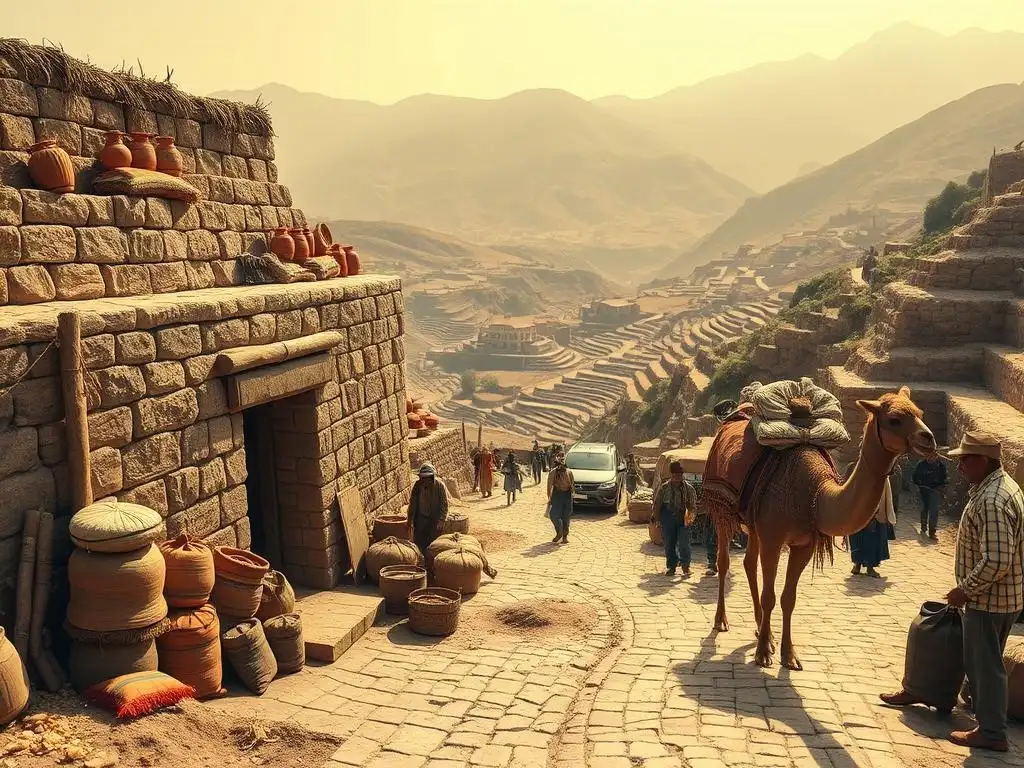
The efficient functioning of Andean trade networks relied heavily on sophisticated storage and distribution systems. Colcas, the iconic stone structures found throughout the Andes, played a crucial role in this process. These weren't simply granaries; they were strategically located warehouses designed for the long-term preservation of agricultural surpluses and other valuable goods. Their construction, often incorporating ingenious techniques to control temperature and humidity, showcases the advanced engineering skills of Andean societies. The size and number of colcas varied depending on the region and the size of the population they served, reflecting the scale of agricultural production and the demands of the trade network.
Some colcas were relatively small, serving local communities, while others were massive structures capable of storing enough food to sustain a substantial population for extended periods. This capacity was vital for buffering against crop failures and ensuring the continuity of trade, even during times of hardship. The strategic placement of colcas along major trade routes also facilitated the efficient distribution of goods. Careful planning ensured that goods could be readily accessed and moved to their destinations, minimizing losses and delays.
Archaeological evidence suggests that the management of colcas was often a highly organized affair, involving specialized personnel responsible for inventory, maintenance, and distribution. This complex logistical system highlights the sophisticated nature of Andean trade and its dependence on a well-developed infrastructure. Furthermore, the construction and maintenance of these colcas themselves represented a significant investment of labor and resources, underscoring the importance placed on trade within Andean societies. The scale and sophistication of the colca system provide compelling evidence of the advanced organizational abilities of Andean civilizations and their capacity for large-scale economic management.
Andean trade networks were not merely economic systems; they were deeply embedded within the social and cultural fabric of Andean societies. Exchange wasn't simply a transactional process; it was a powerful mechanism for establishing and maintaining social relationships, reinforcing political alliances, and expressing cultural identities. The exchange of goods often involved elaborate rituals and ceremonies, transforming simple transactions into significant social events. These rituals served to reinforce social hierarchies and solidify power structures, as the distribution of goods often followed established patterns of authority. For example, the elite classes frequently received the most valuable goods, highlighting their status and power within the society.
However, exchange was not solely a top-down affair. Reciprocity played a vital role in Andean exchange networks, fostering cooperation and mutual support among different communities. This system of reciprocal exchange helped to bind together diverse groups and ensure the stability of the larger trade network. The exchange of goods also served as a means of cultural transmission, spreading ideas, technologies, and artistic styles across vast distances. The movement of goods was accompanied by the movement of people and ideas, contributing to the dynamism and interconnectedness of Andean cultures.
The intricate relationship between trade and social structures is reflected in the archaeological record, with evidence of elaborate ceremonial centers and feasting sites located near major trade routes. These sites served as focal points for social interaction and the exchange of goods, further underscoring the intertwining of economic and social life in Andean societies. Understanding the social and cultural dimensions of Andean exchange is crucial to grasping the full complexity of these remarkable trade networks and their impact on the development of Andean civilizations. The network facilitated not just the transfer of goods but the construction and maintenance of complex social and political relationships, showcasing the integrated nature of Andean societies.
The intricate tapestry of Andean civilizations trade networks wasn't simply a matter of exchanging goods; it was deeply interwoven with the social fabric of these societies. Understanding the logistics requires acknowledging the crucial roles played by specific social structures and hierarchical systems. The effectiveness of the barter system relied heavily on established power structures and well-defined social roles, ensuring the smooth flow of goods and services across vast distances and diverse ecological zones. The absence of a centralized monetary system meant that social relationships and obligations played a pivotal role in facilitating trade.
This system, while complex, fostered a degree of social cohesion and stability across the Andean region. The success of Andean trade was not just about the goods themselves, but about the social mechanisms that underpinned their exchange. Analyzing these social structures illuminates the sophistication of Andean economic practices and their integration into the broader societal context.
The Role of Curacas and Mitimaes
The curacas, regional leaders within the Andean societies, played a vital role in regulating and facilitating trade within their respective territories. They acted as intermediaries, often controlling access to resources and managing the distribution of goods. Their influence extended beyond simple bartering; they often oversaw the organization of large-scale exchanges and trade fairs. The curacas also ensured the maintenance of trade routes and the safety of merchants traveling between different regions. Their authority was crucial for maintaining order and trust within the trading system, reducing the risks associated with transactions and fostering economic stability.
Furthermore, the mitimaes—colonists relocated by the Inca empire and other Andean states—significantly contributed to the expansion and maintenance of trade networks. Relocated to strategically important locations, often along trade routes or in resource-rich areas, the mitimaes served as vital links between different regions. They not only facilitated the exchange of goods but also helped spread cultural practices and technologies across the empire.
Their presence ensured a consistent flow of goods, even across vast distances and diverse terrains. This system of relocation, while sometimes viewed as a form of control, ultimately served to strengthen and integrate the Andean trade networks. The mitimaes acted as both traders and agents of cultural exchange, thereby enriching the overall economic and social landscape of the region.
Reciprocity and Ayni
Reciprocity, particularly the concept of ayni, formed the bedrock of Andean trade networks. Ayni wasn't simply bartering; it was a system of mutual exchange based on reciprocal obligations and social bonds. It encompassed a wide range of transactions, from the exchange of everyday goods to labor services and communal projects. The principle of ayni fostered strong social ties and fostered trust, crucial elements in a system that relied heavily on interpersonal relationships rather than formal contracts.
The system ensured that goods and services were distributed fairly within communities and across different regions, promoting social cohesion and economic stability. The success of ayni demonstrates the sophisticated understanding of social economics exhibited by Andean civilizations. The efficiency of this reciprocal system is a testament to the importance of social capital in their economic practices.
Trade Fairs in Regional Centers
The development of regional centers and trade fairs played a crucial role in the organization and expansion of Andean trade networks. These fairs weren't merely marketplaces; they were significant social and economic events that brought together people from diverse regions, fostering interaction and the exchange of goods and ideas. Evidence suggests these fairs were carefully planned and regulated, often coinciding with religious festivals or other important social gatherings. The presence of curacas and other prominent figures at these events further underscores their significance as centers of economic and political power.
These fairs facilitated the exchange of a wide range of goods, including textiles, pottery, metals, agricultural products, and luxury items. The scale and frequency of these events indicate the importance of long-distance trade in the Andean region. The organization of these fairs required sophisticated logistics, including the establishment of safe and reliable transportation routes, systems for managing large numbers of people, and mechanisms for resolving disputes.
The centralized nature of these events highlights the level of societal organization and control necessary for the efficient function of Andean trade networks. The success of these regional trade fairs demonstrates the ability of Andean civilizations to manage complex economic systems without reliance on a centralized monetary system. The fairs themselves were a testament to the sophisticated social and economic organization that underpinned Andean trade.
Cultural Impacts of Barter Systems
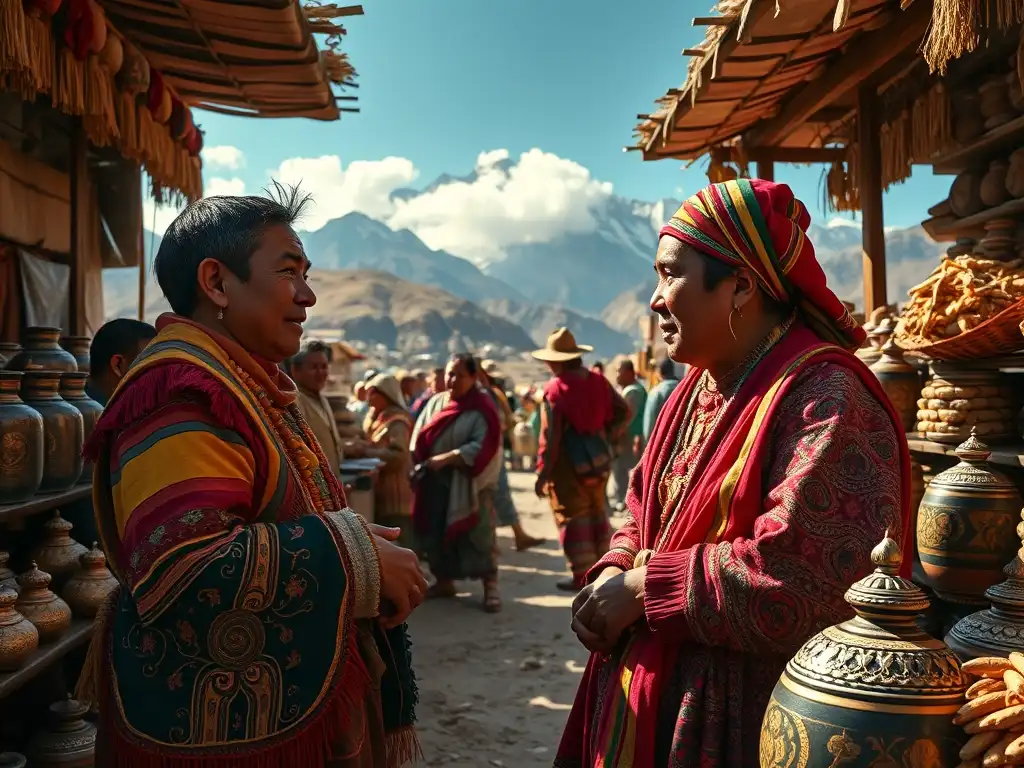
The intricate barter systems of the Andean civilizations weren't merely economic mechanisms; they deeply impacted the social fabric of these societies. The exchange of goods fostered strong social bonds between communities, often geographically distant. Successful trade negotiations cemented alliances, strengthened diplomatic ties, and created a sense of shared identity across vast territories. The prestige associated with possessing rare or desirable goods, obtained through trade, further solidified social hierarchies and influenced social status.
For example, the control over the distribution of coca leaves, highly valued for both ritual and medicinal purposes, granted significant social power to those who controlled the trade routes. This wasn't simply about economic gain; it was about wielding influence and maintaining social order. The elaborate ceremonies and rituals often associated with these exchanges highlight the profound cultural significance placed on trade, transcending its purely economic function.
Furthermore, the constant interaction facilitated by trade led to the diffusion of ideas, technologies, and artistic styles across different Andean cultures, contributing to a vibrant and dynamic cultural landscape. The spread of agricultural techniques, pottery styles, and religious beliefs across the Andes is a testament to the powerful cultural impact of these extensive trade networks. The very structure of Andean societies, with their complex hierarchies and inter-community relationships, was shaped, in no small part, by the dynamics of their barter systems.
Case Studies of Andean Barter Networks
Examining specific examples reveals the complexity and diversity of Andean barter networks. The Inca Empire, known for its sophisticated road system and administrative prowess, utilized a highly organized system of mit'a, a form of labor tribute, to facilitate trade. This system, while not strictly barter, ensured the efficient movement of goods throughout the empire, connecting distant provinces and providing the central government with resources. The mit'a system was crucial for the distribution of essential goods like textiles, pottery, and agricultural produce, solidifying Inca control and reinforcing their centralized power structure.
In contrast, the pre-Inca cultures, such as the Moche and Nazca, relied on less centralized systems, with trade often occurring through decentralized networks of individual traders and communities. Archaeological evidence suggests that the Moche, renowned for their metalworking skills, engaged in extensive coastal and highland trade, exchanging metalwork for agricultural products and other goods. The distinctive pottery styles found across Moche settlements demonstrate the widespread circulation of goods and the interconnectedness of their trade networks. The Nazca, known for their intricate geoglyphs, also participated in extensive trade, exchanging textiles, cotton, and other resources.
Their sophisticated weaving techniques and unique artistic styles were disseminated through these trade routes, leaving a lasting cultural impact. Analyzing these diverse examples highlights the adaptability and resilience of Andean trade networks, demonstrating their ability to function under different political and social structures. These case studies emphasize the importance of considering the specific historical and cultural contexts when studying Andean trade, as the methods and implications varied considerably across different societies and time periods.
Examples of Pre-Incan Trade Routes
The intricate tapestry of Andean civilizations trade networks extended far beyond the Inca Empire. Long before the Inca rose to prominence, sophisticated trade routes connected diverse Andean communities, facilitating the exchange of vital resources and cultural artifacts. These routes, often traversing challenging mountainous terrain and utilizing a combination of land and water transport, demonstrate the remarkable logistical prowess of these pre-Columbian societies.
Understanding these pre-Inca networks is crucial to grasping the full complexity of Andean trade and its evolution over centuries. The sheer scale of these operations, considering the available technology, is truly astonishing. They were not simply haphazard exchanges; rather, they were carefully planned and managed systems reflecting advanced social organization and economic strategies.
Detailed archaeological evidence continues to shed light on these ancient trade routes, revealing the ingenuity and resilience of the Andean peoples. The movement of goods wasn't just about economics; it also played a significant role in the spread of ideas, religious beliefs, and artistic styles across the Andes. Future research promises to further illuminate the intricacies of these pre-Inca trade networks and their lasting impact on Andean societies.
Analyzing the Moche Trading Networks
The Moche civilization (circa 100-800 CE), known for its elaborate artistry and sophisticated irrigation systems, also possessed a well-developed trade network. Archaeological findings suggest extensive trade connections between the Moche heartland on the north coast of Peru and other regions. The Moche traded high-quality textiles, ceramics (especially their iconic portrait vessels), and metalwork, particularly gold and silver objects.
Their trade network extended inland, reaching the highlands for resources like obsidian and other raw materials not readily available along the coast. Analysis of Moche pottery styles found in distant locations provides strong evidence of trade connections, as does the presence of Moche-style artifacts in tombs and settlements far from their main centers. This geographic spread wasn't random; it demonstrates a strategic understanding of resource distribution and economic opportunities.
The Moche likely relied on a combination of direct exchange and intermediary traders to manage this extensive network. Further research into Moche settlements and burial sites could reveal more details about their trade practices and the social structures that supported them. Analyzing the chemical composition of traded goods could also help pinpoint the sources of raw materials and further clarify the extent of Moche trade connections.
The Influence of the Nazca Culture on Trade
The Nazca culture (circa 100 BCE – 800 CE), famed for their enigmatic geoglyphs, also participated actively in Andean trade networks. While less is known about their trade compared to the Moche, evidence suggests a significant exchange of goods. Nazca textiles, particularly their intricately woven and dyed fabrics, were highly prized commodities.
Their distinctive style, characterized by vibrant colors and complex designs, has been found in sites far beyond their core territory, indicating a wide reach for their trade. The Nazca also traded ceramics, which, while different in style from the Moche, share some similarities, suggesting possible interactions and exchange between these two cultures. The arid environment of the Nazca region likely incentivized trade to acquire resources unavailable locally.
The Nazca's mastery of textile production gave them a significant advantage in trade, allowing them to acquire essential goods through exchange. Further investigation into Nazca settlements and burial contexts could uncover more details about their trade partners and the extent of their trading activities. A comprehensive analysis of textile fibers and dyes could provide additional insights into the geographic reach of their trade network and the resources they accessed through exchange.
Tiahuanaco's Extensive Trade System
The Tiahuanaco civilization (circa 500-1000 CE), located on the shores of Lake Titicaca, developed a vast and influential trade network that extended throughout the Andes. Their control over crucial resources and strategic location contributed to their economic dominance. Tiahuanaco's mastery of metallurgy, particularly in the production of bronze and copper objects, was a key factor in their trading success. Their distinctive ceramics, featuring intricate designs and high-quality craftsmanship, were traded widely and serve as valuable markers of their reach.
The Tiahuanaco also controlled access to vital resources like coca leaves and other agricultural products, further enhancing their economic power. Their influence extended far beyond their immediate territory, as evidenced by the spread of Tiahuanaco-style artifacts and architectural features throughout the Andes. The scale of their trading network highlights the sophisticated logistical and administrative capabilities of the Tiahuanaco state.
Further research into Tiahuanaco's administrative structures and economic policies could reveal more about the mechanisms that supported their extensive trade system. Analyzing the isotopic signatures of traded goods could help trace their origins and provide a clearer picture of the geographic extent of their trade connections. The Tiahuanaco's impact on Andean trade was profound, shaping the economic landscape of the region for centuries to come.
The Inca's Integration of Existing Networks

The Inca Empire, at its zenith, didn't invent its vast trade network from scratch. Instead, the Inca strategically integrated and expanded upon pre-existing trade routes established by earlier Andean civilizations. This masterful approach allowed for the efficient movement of goods across the challenging Andean terrain, showcasing a sophisticated understanding of logistics and regional strengths. The Inca road system, the Qhapaq Ñan, famously facilitated this integration.
This network wasn't merely a collection of paths; it was a meticulously planned infrastructure project, complete with waystations, bridges, and strategically placed settlements to support the movement of goods and people. These waystations weren't just resting places; they served as vital hubs for the exchange of goods, providing much-needed supplies and facilitating the relay of information across the empire. The Inca understood the importance of leveraging existing infrastructure, adapting pre-existing routes to their administrative needs, and enhancing them to boost efficiency and control. Their ability to seamlessly integrate disparate networks demonstrates a high level of organizational skill and a deep understanding of the complexities of Andean geography.
This integration wasn't just about physical infrastructure; it also involved the incorporation of existing social structures and trade practices. The Inca skillfully co-opted existing regional elites, incorporating them into their administrative system, thus ensuring the smooth flow of goods and minimizing resistance to their rule. This approach, far from being a simple takeover, reveals a sophisticated strategy to manage and control a vast and diverse empire through the effective manipulation of existing trade networks. The integration of pre-existing routes is a testament to the Inca's pragmatic approach to governance and their deep understanding of the economic and social dynamics of the Andes.
The Legacy of Andean Barter Systems
The sophisticated barter systems of the pre-Columbian Andes left a lasting impact, shaping economic practices and influencing the region's development long after the arrival of the Spanish. While the Inca Empire introduced centralized control and a more formalized system, many aspects of the earlier barter networks persisted. The emphasis on reciprocal exchange and community-based trading practices remained strong, even under Inca rule. Local markets continued to thrive, facilitating the exchange of goods within and between communities.
This resilience showcases the deep-rooted nature of these systems and their adaptability to changing political landscapes. The legacy of Andean barter systems is evident in the continued importance of local markets and the persistence of traditional exchange practices in many Andean communities today. Even with the introduction of monetary systems, the spirit of direct exchange and community-based trade persists, reflecting the enduring influence of these ancient practices. Furthermore, the complex networks of exchange established across the Andes fostered a sense of interconnectedness and facilitated the diffusion of ideas, technologies, and cultural practices.
This interconnectedness laid the foundation for future regional integration and collaboration, even in the face of political upheaval and colonial conquest. The legacy of Andean barter systems is not merely a historical curiosity; it's a vital part of the ongoing cultural and economic fabric of the Andes, highlighting the enduring power of traditional economic practices. The study of these ancient networks offers valuable insights into sustainable economic models and the importance of community-based exchange in fostering social cohesion and regional development. Understanding this legacy is crucial for appreciating the complexity and dynamism of Andean history and its enduring relevance to contemporary Andean societies.
Insights into Ancient Andean Economic Practices
This section delves into the fascinating intricacies of ancient Andean economic systems, focusing on the sophisticated strategies employed beyond simple barter. While exchange of goods was central, the Andean civilizations developed complex mechanisms to manage their trade networks. Understanding these practices reveals a level of economic sophistication often underestimated in studies of pre-Columbian societies. The Andean civilizations trade networks weren't just about exchanging goods; they were integral to social structures, political power, and even religious beliefs.
Lessons from Andean Trade for Modern Systems
The ingenuity of Andean trade systems offers valuable lessons for contemporary economic models. Their decentralized, community-based approach to resource management presents a compelling alternative to centralized, globalized systems. For instance, the ayllu system, a form of communal land ownership and reciprocal labor practiced by many Andean groups, fostered a sense of shared responsibility and sustainable resource use.
This contrasts sharply with modern economic models often characterized by competition and resource depletion. Furthermore, the extensive road networks and sophisticated record-keeping systems (like the quipu) demonstrate the importance of efficient infrastructure and reliable information flow in successful trade. Analyzing these systems helps us understand how effective resource allocation and sustainable practices can be achieved even in geographically challenging environments.
Modern supply chain management could learn from the resilience and adaptability demonstrated by Andean trade networks, which successfully navigated variable climates and geographical obstacles. The Andean civilizations’ approach to trade, emphasizing community and sustainability, offers valuable insights for building more equitable and environmentally conscious economic systems. Further study could explore how to incorporate elements of Andean economic principles into modern practices to address contemporary challenges like climate change and inequality.
Preservation of Andean Trade Knowledge
Preserving knowledge of Andean trade practices is crucial for understanding the long-term impacts of these systems and for informing sustainable development strategies. Unfortunately, much of this knowledge has been lost or fragmented due to colonial exploitation and the suppression of Indigenous cultures. However, ongoing archaeological research, ethnohistorical studies, and collaboration with Indigenous communities are slowly revealing valuable insights.
Efforts to document and preserve remaining oral traditions, material culture, and archaeological sites are essential. This includes not only the physical artifacts associated with trade but also the intangible knowledge embedded in cultural practices and ceremonies. Digital archiving and collaborative research projects involving Indigenous communities are critical for ensuring the long-term preservation of this invaluable heritage.
The careful documentation of Andean trade practices allows for a deeper understanding of the complexities of these ancient societies and offers valuable perspectives for contemporary discussions on sustainable development and economic justice. Protecting this knowledge safeguards not only a rich history but also valuable lessons for future generations.
Further Research on Andean Trade Dynamics
Further research on Andean trade dynamics requires a multidisciplinary approach, integrating archaeological data with ethnohistorical accounts and ecological studies. For example, isotopic analysis of human remains can reveal patterns of migration and exchange, while analysis of plant and animal remains can shed light on the types of goods traded and their geographical origins. Advanced imaging techniques can help decipher the intricate information encoded in quipus, providing a more complete picture of trade networks and economic practices.
Moreover, ethnographic studies of contemporary Andean communities can reveal the enduring legacy of traditional economic systems and offer insights into how these practices have adapted to modern circumstances. [Specific information pending] on the extent of long-distance trade and the role of elite control in shaping trade networks. Future research needs to address these gaps to provide a more comprehensive understanding of the complexities of Andean trade.
By employing cutting-edge technologies and interdisciplinary collaborations, we can uncover even more secrets about the sophisticated economic systems of the Andean civilizations. This will not only enrich our understanding of the past but also offer valuable insights for building more sustainable and equitable societies in the future.
Frequently Asked Questions
How extensive were the Andean trade networks?
The Andean trade networks were remarkably extensive, stretching across diverse geographical terrains and connecting various civilizations. They facilitated the exchange of goods and resources over vast distances, from the coast to the highlands. This demonstrates sophisticated logistical capabilities.
What goods were primarily traded in the Andean region?
Luxury goods like textiles, precious metals (gold, silver), and feathers were highly valued and traded. Essential resources such as food, ceramics, and tools also formed a significant part of the exchange. This highlights the varied needs of Andean societies.
What role did llamas play in Andean trade?
Llamas played a crucial role as pack animals, carrying goods across the challenging Andean terrain. Their strength and endurance were essential for transporting goods over long distances along mountainous paths and across vast distances.
How did Andean civilizations overcome geographical challenges in trade?
Andean civilizations developed sophisticated infrastructure including roads, bridges, and storage facilities to overcome the geographical challenges presented by the Andes Mountains. Relay systems and well-established trade routes also facilitated efficient trade.
What were the consequences of Andean trade networks?
The extensive trade networks fostered cultural exchange and technological diffusion between different Andean civilizations. This led to the spread of ideas, artistic styles, and religious beliefs, creating a complex and interconnected society.
Final Reflection: The Enduring Legacy of Andean Exchange
The intricate barter networks of the Andes weren't merely economic systems; they were the lifeblood of a vibrant civilization, and their echoes resonate powerfully in today's interconnected world. Understanding these ancient logistics reveals surprising parallels to modern supply chains, highlighting the enduring human need for efficient resource distribution and the profound impact of trade on cultural development. The challenges faced by Andean traders – navigating treacherous terrain, managing diverse goods, and fostering trust across vast distances – mirror the complexities of global commerce today, reminding us that the fundamental principles of trade remain remarkably consistent across millennia.
The ingenuity and resilience displayed by Andean civilizations in their trade practices are truly inspiring. Their sophisticated systems, built on reciprocal relationships and a deep understanding of their environment, offer a valuable counterpoint to the often exploitative nature of modern global trade. The true wealth of a nation lies not in its gold and silver, but in its people and their ability to cooperate.
This quote, though not directly from an Andean source, encapsulates the spirit of their collaborative trade networks, emphasizing the human element at the heart of economic exchange. The enduring impact of these networks is visible in the cultural fusion and technological advancements they fostered, shaping the very fabric of Andean societies and leaving an indelible mark on the region's identity.
Consider the implications of this ancient wisdom for your own life. How can we foster more equitable and sustainable exchange systems in our own communities? How can we learn from the Andean model of reciprocal trade to build stronger, more resilient connections with others?
Let the legacy of Andean ingenuity inspire you to re-evaluate your own approach to trade, both in the literal and metaphorical sense, and to build a future where collaboration and mutual benefit are the driving forces of economic interaction. The story of Andean trade is not just a historical account; it's a timeless lesson in human connection and the power of shared resources.
Unleash Your Curiosity: Dive Into Andean Trade!
Thank you for exploring the fascinating world of Andean trade networks. Your interest highlights the complex logistics that shaped these ancient economies. Now that you've learned about their barter systems, let's expand your understanding further.
- Discover more: Explore our "Trade Artifacts" section to see real historical items from these networks and learn their stories.
- Join the conversation: Share your insights and questions about Andean trading practices with other enthusiasts in our forum.
- Become a contributor: Contribute your own articles or stories about Andean trade and exchange to enrich our community.
What aspects of Andean trade most intrigue you, and how do you see their influence on modern trading practices?