
The Andean Calendar: Decoding Timekeeping in Ancient Civilizations

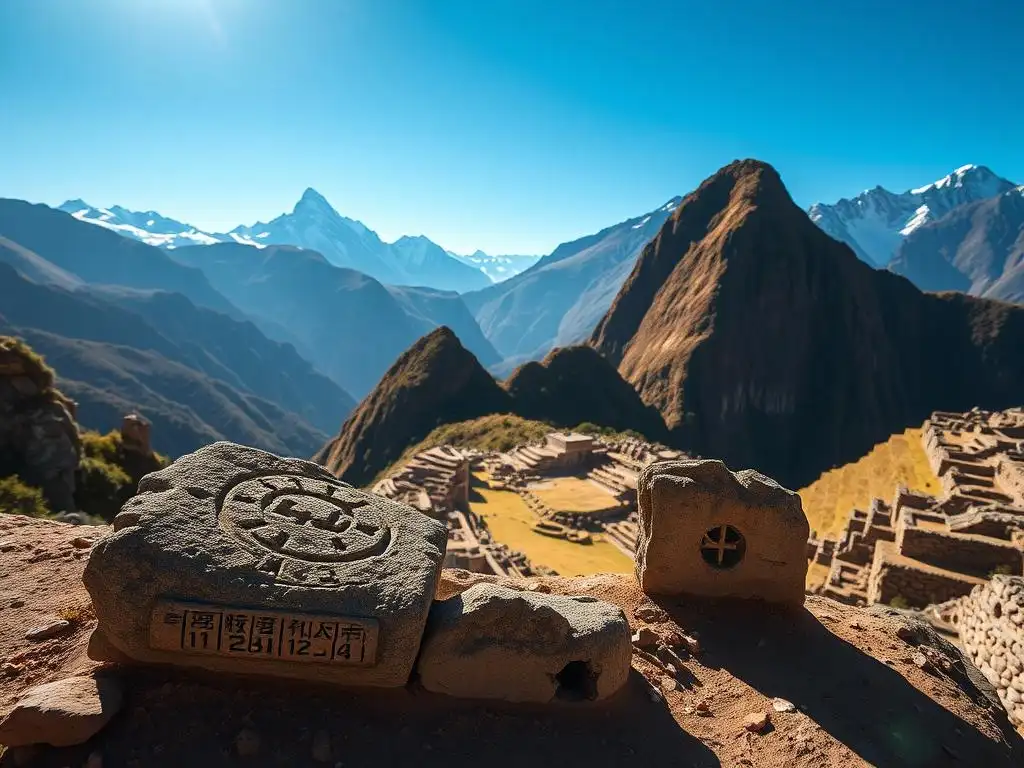
Step into a world lost to time, yet echoing with the whispers of a sophisticated past. Imagine a civilization that charted the cosmos with unparalleled precision, a people whose understanding of time shaped their lives and legacies. This is the story of the Andean civilizations, and specifically, their intricate Andean civilizations calendar system. Uncover the secrets held within this ancient timekeeping, and prepare to be amazed by the ingenuity of these remarkable cultures. Delve deeper and discover the fascinating legacy they left behind.
The intricate tapestry of Andean civilizations, encompassing cultures like the Inca, Moche, Nazca, and Tiahuanaco, is woven with threads of remarkable ingenuity. Beyond their stunning architecture, sophisticated agricultural techniques, and artistic mastery, these societies possessed a deep understanding of time, reflected in their complex calendrical systems.
This article delves into the fascinating world of Andean timekeeping, exploring the various methods employed to track the passage of time and their profound significance in shaping Andean societies. We will uncover the secrets behind their astronomical observations, the practical applications of their calendars, and the enduring legacy of these systems in our understanding of Andean civilizations calendar system.
This exploration will reveal not just a system of dates and cycles, but a window into the worldview and societal structures of these remarkable ancient peoples. Understanding their calendar systems is crucial for a complete appreciation of their achievements and their lasting impact on the region.
Understanding Time in the Ancient Andes: An Introduction to Andean Calendars
The Andean civilizations didn't rely on a single, unified calendar. Instead, they developed diverse systems reflecting regional variations and the specific needs of each culture. These calendars weren't merely tools for scheduling agricultural activities; they were deeply intertwined with religious beliefs, social organization, and political power.
Many Andean calendars incorporated observations of celestial bodies, particularly the sun, moon, and stars, to track seasonal changes and predict agricultural cycles. Evidence suggests the use of both solar and lunar calendars, sometimes combined in complex ways. For example, the Inca calendar, while not fully understood, likely incorporated a 365-day solar year alongside a lunar cycle, resulting in a sophisticated system for tracking both agricultural seasons and religious festivals.
The precision of these observations is astonishing, demonstrating a deep understanding of astronomy and its practical applications. Further research is needed to fully decode some of the more enigmatic calendrical systems, particularly those of the pre-Inca cultures. The complexity varied greatly, with some systems relying on simple cycles and others incorporating intricate calculations and observations.
The Importance of Calendrical Systems in Andean Societies
Andean calendars were far more than simple date trackers; they played a crucial role in shaping Andean societies in several key ways:
- Agricultural Planning: Predicting the timing of planting and harvesting was paramount for survival. Accurate calendars allowed for efficient resource management and ensured food security for the population. The success of Andean agriculture, particularly in challenging environments, was directly linked to the precision of their calendrical systems.
- Religious and Ritual Practices: Many Andean religious ceremonies and festivals were timed according to the calendar. Specific dates held significant religious meaning, and rituals were performed to ensure the continued prosperity and well-being of the community. The calendar thus served as a guide for religious life, reinforcing social cohesion and spiritual beliefs.
- Social Organization: The calendar often dictated social activities and responsibilities. Work assignments, communal labor ( ayni ), and other social events were frequently scheduled according to the agricultural cycle and the calendar's dictates. This systematic approach to social organization contributed to the stability and efficiency of Andean societies.
- Political Power: Inca rulers used the calendar to consolidate their power. By controlling the timing of important events and religious ceremonies, they reinforced their authority and maintained social order. The calendar, therefore, was not only a tool for practical purposes but also a powerful instrument of political control.
The study of Andean calendars continues to provide valuable insights into the intellectual achievements and societal structures of these fascinating ancient civilizations. Further research promises to uncover more secrets about these intricate systems and their profound impact on the history of the Andes. The precise details of many calendrical systems remain elusive, but ongoing archaeological discoveries and analyses are slowly revealing more about the sophistication and complexity of Andean timekeeping.
Key Features of the Andean Civilizations Calendar System
The Andean calendar system, unlike the linear calendars of many other ancient civilizations, was a complex interplay of solar and lunar observations, deeply intertwined with agricultural cycles and religious beliefs. It wasn't a single, unified system across all Andean cultures; instead, various groups developed their own unique methods of timekeeping, reflecting their specific environments and societal structures. A key feature was its intricate relationship with the landscape.
Mountain peaks, the rising and setting sun, and the movements of celestial bodies all served as crucial markers in their timekeeping practices. This intimate connection with the natural world highlights the Andean peoples' profound understanding and respect for their environment. Furthermore, the calendar wasn't merely a tool for practical purposes like agriculture; it also played a vital role in religious ceremonies, ritualistic activities, and the organization of social life.
The precise dates and events associated with specific celestial alignments often dictated the timing of important festivals and agricultural tasks, underscoring the holistic nature of their calendrical system. Understanding the Andean calendar, therefore, requires understanding its deeply integrated role within the social, religious, and agricultural spheres of Andean life. The system's complexity and variability across different cultures are a testament to the rich tapestry of Andean civilizations.
Different Andean Timekeeping Methods
Andean civilizations didn't rely on a single, standardized calendar. Instead, they employed a variety of timekeeping methods, each adapted to local conditions and cultural practices. The Inca, for instance, developed a sophisticated system based on a combination of solar and lunar cycles, while other groups, like the Nazca, may have placed greater emphasis on specific celestial events or agricultural cycles.
Some groups used knotted strings, known as quipus, to record dates and events, while others may have employed intricate carvings on stone or textiles. These diverse approaches reflect the decentralized nature of Andean societies and the significant regional variations in their cultural practices. Unfortunately, much of our understanding remains incomplete due to the destruction of many primary sources and the challenges in interpreting surviving archaeological evidence.
However, ongoing research is continually uncovering new insights into the diverse and fascinating ways in which Andean peoples organized and measured time. The variety in methods highlights the adaptability and ingenuity of these ancient cultures in devising systems suited to their unique needs and environments. Further study is needed to fully understand the nuances and regional variations in Andean timekeeping.
The Inca Calendar: Structure and Function
The Inca calendar, while complex, appears to have been based primarily on a solar year of approximately 365 days, divided into twelve lunar months of roughly 30 days each. This solar year was further subdivided into smaller units, such as weeks or even days, each with specific significance in their agricultural and religious practices. The Inca's meticulous observation of the sun's movements allowed them to predict seasonal changes with remarkable accuracy, which was crucial for their agricultural success.
They also incorporated lunar cycles into their calendar, using the phases of the moon to regulate certain rituals and activities. The quipus, knotted cords used for record-keeping, likely played a significant role in tracking time, although the exact methods remain a subject of ongoing scholarly debate. The Inca calendar wasn't just a practical tool; it was deeply embedded in their worldview, reflecting their cosmology and their relationship with the natural world.
Specific days were associated with particular deities or agricultural tasks, linking the temporal and spiritual realms. The Inca calendar's structure, therefore, was a sophisticated and integrated system reflecting the complexity of their society.
The Lunar Calendar of Andean Cultures
Many Andean cultures utilized a lunar calendar, alongside or independent of solar observations. The phases of the moon, readily observable and cyclical, provided a natural measure of time, particularly crucial for regulating agricultural activities tied to lunar cycles. This lunar-based calendar likely influenced the timing of planting and harvesting, especially for crops sensitive to specific lunar phases.
The precise structure and application of lunar calendars varied among different Andean groups. While some may have used a simple 29.5-day lunar month, others may have incorporated more complex calculations to account for the discrepancies between lunar and solar cycles. Archaeological evidence, including astronomical alignments and iconographic representations, suggests the significance of lunar cycles in several Andean cultures.
The integration of lunar observations with other timekeeping methods highlights the multifaceted approach to timekeeping in the Andes. More research is needed to completely characterize the lunar calendar's variations across different Andean cultures and its interaction with other calendrical systems.
Solar Observations and the Andean Agricultural Calendar
The Andean agricultural calendar was intimately linked to solar observations. The precise timing of solstices and equinoxes, marked by the sun's position at its highest and lowest points in the sky, played a critical role in determining planting and harvesting times. The meticulous observation of these celestial events allowed Andean farmers to optimize their agricultural practices, maximizing yields and ensuring food security.
Many archaeological sites exhibit clear evidence of solar alignments, suggesting intentional construction to mark significant solar events. For example, structures were often oriented to align with the rising or setting sun at solstices or equinoxes, further emphasizing the importance of solar observations in their agricultural practices. The Andean agricultural calendar wasn't merely a practical guide; it was deeply embedded within their religious beliefs and social structures.
Certain agricultural tasks were associated with specific deities or rituals, highlighting the integrated nature of their agricultural and religious systems. The close relationship between solar observations and the agricultural calendar demonstrates the sophisticated understanding of astronomy and its practical applications in Andean societies. Further study of astronomical alignments and agricultural practices can provide additional insights into the complexity of the Andean calendar system.
Archaeological Evidence of Andean Calendar Practices

The study of Andean calendar systems relies heavily on archaeological evidence, piecing together fragmented clues to reconstruct a complex understanding of timekeeping in these ancient societies. This evidence is diverse, ranging from monumental architecture meticulously aligned with celestial events to smaller, more personal artifacts reflecting daily and ritualistic practices.
The interpretation of this evidence, however, often involves careful consideration of multiple perspectives and sometimes conflicting data, leading to ongoing scholarly debates and refinements of our understanding. The lack of extensive written records, characteristic of many pre-Columbian Andean cultures, necessitates a reliance on material culture and its careful contextualization within the archaeological record.
This interpretive challenge is both exciting and frustrating, highlighting the dynamic and evolving nature of our understanding of Andean civilizations and their sophisticated calendar systems. Further research, particularly through advanced technologies like LiDAR and improved dating techniques, promises to shed even more light on this fascinating aspect of Andean history.
Astronomical Alignments at Andean Sites
Many Andean archaeological sites exhibit striking astronomical alignments, suggesting a deep understanding of celestial movements and their incorporation into the calendar system. For example, the precise orientation of structures at Machu Picchu, the iconic Inca citadel, is believed to have been deliberately designed to mark solstices and equinoxes. Similarly, the placement of structures at other significant sites, such as Sacsayhuamán near Cusco, suggests a sophisticated awareness of the sun's path throughout the year.
These alignments were not merely coincidental; meticulous planning and construction were required to achieve the observed precision. The careful positioning of windows and doorways within these structures further underscores the importance of solar observation and its integration into the architectural design.
Moreover, the alignments are not always solely focused on the sun; other celestial bodies, including the moon and stars, may have also played a role in the Andean calendar, indicating a more complex and nuanced system than initially assumed. The ongoing research into these astronomical alignments continues to reveal the intricate relationship between Andean cosmology and their calendar systems.
Artifacts Related to Andean Timekeeping
Beyond monumental architecture, smaller artifacts provide valuable insights into Andean timekeeping. These include intricately carved stones, pottery depicting celestial events, and knotted cords known as quipus. While the precise function of many quipus remains debated, some scholars believe they served as mnemonic devices for recording dates, agricultural cycles, and other temporal information.
The iconography on pottery and textiles often depicts celestial bodies, further supporting the hypothesis of a calendar system deeply entwined with astronomical observations. The discovery of these artifacts in various contexts, from elite tombs to everyday domestic settings, reveals that the Andean calendar was not confined to the realm of religious elites but permeated all aspects of Andean society.
The diversity of these artifacts also suggests a potential regional variation in calendar systems, reflecting the unique cultural and environmental contexts of different Andean communities. Ongoing research into the iconography and material composition of these artifacts is crucial for a better understanding of their role within the broader Andean calendar system.
How the Andean Calendar Influenced Daily Life and Rituals
The Andean calendar profoundly impacted daily life and religious rituals. Agricultural practices were intimately linked to the calendar, with planting and harvesting cycles carefully timed to coincide with seasonal changes and celestial events. This ensured optimal yields and contributed to the overall success of Andean agriculture, which formed the bedrock of their society.
Furthermore, religious festivals and ceremonies were often scheduled to align with specific dates on the calendar, demonstrating its integral role in the religious and social life of the people. The precise timing of these events was crucial, reflecting a deep understanding of the cyclical nature of time and its relationship to the cosmos. Many rituals were aimed at ensuring a successful harvest, appeasing deities, and maintaining cosmic balance.
The calendar, therefore, was not just a system of measuring time; it was a fundamental framework for understanding the world and organizing social life, reinforcing the interconnectedness of the cosmos, the land, and the Andean communities that inhabited it. The enduring legacy of this calendar system can still be glimpsed in some contemporary Andean traditions, highlighting its lasting impact on the region’s culture and identity. Further research into these traditions offers a valuable opportunity to better understand the evolution and continuity of Andean calendar practices through time.
The Andean Civilizations Calendar System and Its Agricultural Significance
The Andean calendar system wasn't a single, monolithic entity. Instead, it varied across different Andean civilizations, reflecting their unique environments and agricultural practices. For instance, the Inca calendar, while sophisticated, differed from the systems used by the earlier Moche or Nazca cultures. The core function, however, remained consistent: to meticulously track the agricultural cycle.
This wasn't merely a matter of planting and harvesting; it involved a deep understanding of seasonal variations, microclimates, and the precise timing needed for optimal yields. The Inca, for example, employed a complex system of mit'a labor, where citizens were assigned agricultural tasks according to the calendar's dictates. This ensured that the necessary workforce was available at the crucial moments of planting, weeding, and harvesting. The precision of their calendar allowed them to maximize agricultural output, contributing significantly to the empire's stability and prosperity.
Evidence suggests that the calendar's influence extended beyond basic agriculture, impacting irrigation projects, storage strategies, and even the distribution of resources within the empire. The intricate interplay between astronomical observations and agricultural practices showcases the Andean people's profound understanding of their environment and their ability to harness natural cycles for their benefit. Furthermore, the calendar likely played a role in predicting weather patterns, allowing for proactive measures to mitigate potential crop failures. This close relationship between the calendar and agriculture underscores its crucial role in the societal and economic structures of Andean civilizations.
The Andean Calendar and Its Relationship with Cosmology
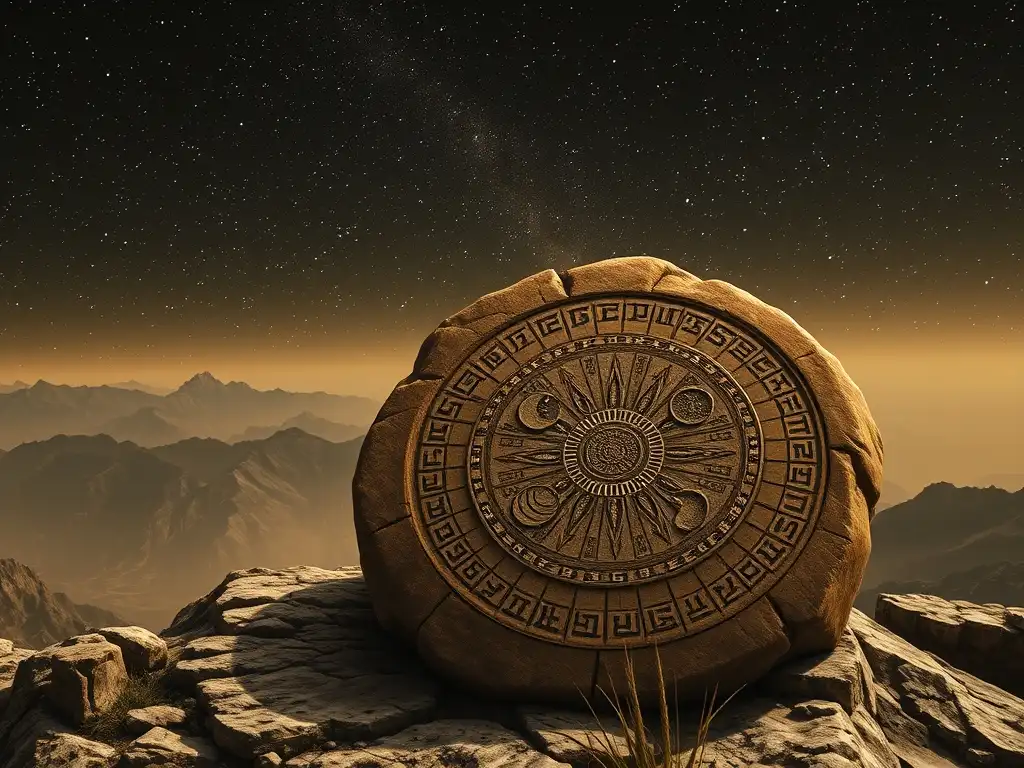
The Andean calendar system wasn't merely a practical tool for agriculture; it was deeply intertwined with the Andean worldview and cosmology. The celestial bodies—the sun, moon, and stars—held immense religious and symbolic significance. Their movements were carefully observed and interpreted, forming the basis of the calendar's structure. Many Andean societies believed in a close relationship between the terrestrial and celestial realms, viewing the cosmos as a reflection of the earthly world and vice versa.
The calendar, therefore, served as a bridge between these two realms, allowing people to connect with the divine and understand their place within the larger cosmic order. For example, specific constellations or celestial events might have been associated with particular deities or agricultural cycles, highlighting the interconnectedness of the natural and spiritual worlds. The Inca, in particular, were known for their sophisticated astronomical observatories, such as those found at Machu Picchu, which were used to track celestial events and maintain the accuracy of their calendar.
These observatories weren't simply scientific instruments; they were also sacred sites where rituals and ceremonies were performed, further emphasizing the calendar's cosmological significance. The integration of astronomical observations and religious beliefs demonstrates the deep philosophical and spiritual underpinnings of the Andean calendar system, showcasing its role in shaping Andean cultures and beliefs. The precise nature of these cosmological connections remains a subject of ongoing research, but the evidence clearly suggests a profound and intricate relationship between the calendar and the Andean worldview.
Decoding the Andean Calendar: Challenges and Ongoing Research
Decoding the Andean calendar presents significant challenges for modern researchers. Unlike many other ancient civilizations that left behind extensive written records, the Andean civilizations primarily relied on oral traditions and knotted strings called quipus to record information. While quipus have yielded some valuable insights, their precise meanings and the systems they encoded are still not fully understood. This lack of extensive written documentation makes deciphering the intricacies of the Andean calendar a complex and ongoing process.
Furthermore, the diversity of calendar systems across different Andean cultures complicates the task. What might hold true for the Inca calendar may not necessarily apply to the calendar systems used by the Moche, Nazca, or other groups. Archaeological discoveries continue to shed light on these systems, but the interpretation of findings often requires careful consideration of contextual factors and interdisciplinary collaboration. Researchers are employing various methods, including astronomical analysis, ethnohistorical studies, and the analysis of archaeological remains, to piece together a more complete understanding of the Andean calendar.
Advances in technology, such as high-resolution imaging and digital modeling, are also assisting in the analysis of quipus and other artifacts. Despite the challenges, ongoing research promises to reveal more about the complexity and sophistication of the Andean calendar systems, providing a deeper understanding of the ingenuity and cultural richness of these ancient civilizations. The work is painstaking and requires a multi-faceted approach, but the potential rewards – a more complete picture of Andean life and thought – are significant.
Comparing Andean Calendars with Other Ancient Timekeeping Systems
The Andean calendar system, while unique in its specific features, shares similarities and differences with other ancient timekeeping systems around the globe. For instance, the Mayan calendar, renowned for its intricate cycles and predictions, also relied heavily on astronomical observations, particularly the movements of the sun, moon, and planets. However, the Andean system, unlike the Mayan, seems to have placed less emphasis on precise astronomical prediction and more on agricultural cycles and ritualistic observances. The Egyptian calendar, primarily solar-based, focused on the annual flooding of the Nile, a crucial event for agriculture.
This aligns with the Andean focus on agricultural cycles, but differs in its reliance on a single, dominant celestial body. The Chinese calendar, a lunisolar calendar incorporating both lunar months and solar years, also differs from the Andean system in its structure. While both systems incorporated agricultural concerns, the Chinese calendar's complex interplay between lunar and solar cycles presents a more mathematically intricate system than the evidence suggests for the Andean.
Further research is needed to fully understand the nuances of the Andean calendar and how it compares to other complex systems, especially concerning the integration of astronomical observations with practical applications. The lack of extensive written records for many Andean cultures makes precise comparisons challenging. However, studying the surviving artifacts, such as astronomical sites and knotted strings (quipus), allows for insightful comparisons and helps paint a clearer picture of how Andean societies perceived and interacted with time.
Preserving the Legacy of the Andean Calendar: Current Efforts
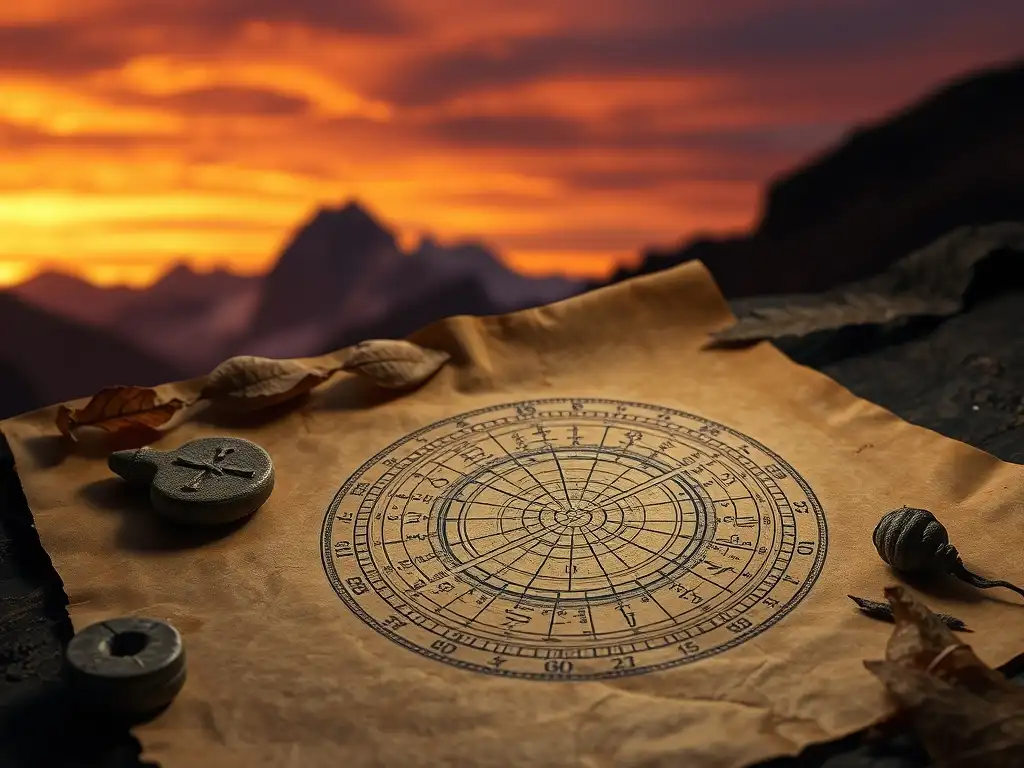
The preservation of the Andean calendar's legacy is a multifaceted endeavor involving archaeologists, anthropologists, historians, and indigenous communities. Ongoing research focuses on deciphering the intricate details of the calendar systems used by different Andean cultures. This involves analyzing archaeological sites like Machu Picchu, where architectural alignments suggest sophisticated astronomical knowledge, and studying the surviving quipus, which, though still largely undeciphered, hold potential clues to the calendar's workings.
Digital technologies are playing an increasingly important role. 3D modeling of astronomical sites and the use of sophisticated image analysis techniques are aiding in the reconstruction of ancient observatories and the interpretation of celestial alignments. Crucially, efforts are also underway to collaborate with descendant communities who retain oral traditions and knowledge related to ancient Andean calendars.
Their input is invaluable for understanding the cultural significance and practical applications of these systems. For example, initiatives are underway to document and preserve the traditional knowledge of Andean communities who continue to use agricultural practices rooted in the cycles of the ancient calendar. These efforts, however, face challenges, including the need for funding, the delicate nature of working with fragile archaeological sites, and the need for respectful and ethical collaboration with indigenous communities.
The Significance of the Andean Calendar in the Modern World
The Andean calendar's significance extends far beyond its historical context. Understanding this ancient timekeeping system offers valuable insights into the worldview and societal structures of Andean civilizations. It sheds light on their sophisticated understanding of astronomy, their intricate relationship with the natural world, and the importance of agricultural cycles in their daily lives. Furthermore, the calendar's enduring legacy can be observed in the continued use of traditional agricultural practices in some Andean communities.
These practices often reflect the principles embedded in the ancient calendar, demonstrating a remarkable continuity between the past and the present. The rediscovery and study of the Andean calendar also have implications for contemporary society. It serves as a reminder of the rich diversity of human knowledge systems and the importance of preserving cultural heritage. Moreover, the sophisticated astronomical observations embedded in the calendar offer lessons in scientific understanding and the long-term relationship between humans and the cosmos.
The study of the Andean calendar system can inspire new approaches to sustainable agriculture and resource management, particularly in the face of climate change. The calendar's emphasis on the interconnectedness of celestial cycles and earthly rhythms provides a framework for understanding environmental sustainability in a way that resonates with contemporary ecological concerns. The Andean calendar, therefore, offers a powerful lens through which to understand both the past and the future.
Conclusion: The Enduring Wisdom of the Andean Calendars
The intricate and diverse calendar systems employed by the Andean civilizations reveal a profound understanding of astronomy, agriculture, and the cyclical nature of life. Far from being mere tools for tracking time, these calendars were deeply interwoven with the spiritual and social fabric of Andean societies. Their sophisticated observations of celestial movements allowed for precise predictions of solstices, equinoxes, and other astronomical events, directly impacting agricultural practices and religious ceremonies.
The precise alignment of structures like Machu Picchu with astronomical phenomena underscores the importance of these celestial observations in their worldview. This meticulous attention to the rhythms of the cosmos demonstrates a sophisticated level of scientific knowledge and a deep connection to the natural world that continues to fascinate and inspire researchers today.
The enduring legacy of the Andean calendars extends beyond their practical applications. They offer a compelling glimpse into the intellectual achievements and cosmological beliefs of these ancient cultures. The symbolic meanings embedded within their calendar systems provide valuable insights into their social structures, religious practices, and overall understanding of the universe.
Studying these calendars allows us to connect with a rich cultural heritage and appreciate the ingenuity and wisdom of the Andean peoples. Their sophisticated understanding of time and its relationship to the natural world serves as a reminder of the importance of respecting the cyclical rhythms of life and maintaining a harmonious relationship with the environment – a lesson particularly relevant in our modern world. Further research into these complex systems promises to yield even more insights into the fascinating world of Andean civilization and their unique approach to timekeeping.
The careful study and interpretation of remaining artifacts, coupled with advanced technological analysis, continue to unlock the secrets held within these ancient calendars, enriching our understanding of Andean civilizations and their enduring legacy. The continued investigation of these systems offers a unique opportunity to learn from the past and to apply those lessons to contemporary challenges.
- Understanding Time in the Ancient Andes: An Introduction to Andean Calendars
- The Importance of Calendrical Systems in Andean Societies
- Key Features of the Andean Civilizations Calendar System
- Different Andean Timekeeping Methods
- Archaeological Evidence of Andean Calendar Practices
- How the Andean Calendar Influenced Daily Life and Rituals
- The Andean Civilizations Calendar System and Its Agricultural Significance
- The Andean Calendar and Its Relationship with Cosmology
- Decoding the Andean Calendar: Challenges and Ongoing Research
- Comparing Andean Calendars with Other Ancient Timekeeping Systems
- Preserving the Legacy of the Andean Calendar: Current Efforts
- The Significance of the Andean Calendar in the Modern World
- Conclusion: The Enduring Wisdom of the Andean Calendars
Frequently Asked Questions
What is the Andean calendar system?
The Andean calendar system wasn't a single, unified system. Instead, different Andean civilizations (Inca, Moche, Nazca, etc.) developed their own unique ways of tracking time, often based on agricultural cycles and astronomical observations. These systems varied significantly in complexity and methodology.
How did the Inca track time?
The Inca utilized a complex system combining a solar calendar with a lunar calendar, influencing their agricultural practices and religious festivals. Quipu, knotted strings, likely played a role in recording dates and astronomical events, though the exact methods remain partially debated.
Did all Andean cultures use the same calendar?
No, different Andean cultures had their own unique calendar systems. While some shared similar astronomical observations, the specific methods of tracking time and their interpretations varied greatly between the Inca, Moche, Nazca, and Tiahuanaco, among others.
What role did astronomy play in Andean calendars?
Astronomy played a crucial role, with many Andean cultures closely observing the sun, moon, and stars. These observations were essential for predicting agricultural seasons, planning ceremonies, and understanding the cosmos, directly influencing their calendar systems.
How accurate were the Andean calendar systems?
The accuracy varied depending on the specific civilization and its methods. While not as precise as modern calendars, they were remarkably accurate for their time, allowing for effective agricultural planning and the organization of religious and social events throughout the year.
The intricate timekeeping systems of the Andean civilizations, far from being relics of a distant past, offer a powerful lens through which to examine our own relationship with time and the enduring impact of cultural heritage. Understanding their sophisticated calendar systems reveals not only their advanced astronomical knowledge but also their deep connection to the natural world, a connection we are increasingly striving to re-establish in our modern, technology-driven age.
The Andean calendar's influence extends far beyond the realm of historical study; it speaks to a fundamental human need to understand and organize our existence within the rhythms of nature. Its cyclical nature, emphasizing renewal and interconnectedness, offers a stark contrast to our often linear, fragmented perception of time. Time is a river that flows onward to the sea, and each of us is a leaf carried along by the current.
This quote, while not directly from an Andean source, beautifully captures the cyclical and flowing nature of time as understood by these ancient cultures, a perspective we can all benefit from embracing.
Consider the wisdom embedded within these ancient systems. How can we, in our own lives, cultivate a deeper appreciation for the cyclical nature of time, for the interconnectedness of all things? Let the echoes of the Andean calendar inspire you to slow down, to observe the natural world around you, and to find meaning in the rhythms of life itself. Embrace the cyclical, find balance within the flow, and discover the enduring power of a perspective that transcends the limitations of a purely linear understanding of time.
Unlock the Secrets of Timekeeping!
Thank you for exploring the fascinating world of the Andean calendar! You've discovered the intricate ways ancient Andean civilizations measured time and structured their lives around the cosmos. Now, continue your journey of discovery!
Here are some ways to delve deeper into this captivating topic:
- Visit local museums or cultural centers to see firsthand artifacts related to Andean timekeeping. Many institutions showcase compelling exhibits on this subject.
- Connect with a community of Andean history enthusiasts online or in person. Sharing your insights and learning from others can enrich your understanding.
- Share your newfound knowledge with friends and on social media. Help spread awareness of this rich cultural heritage and spark engaging conversations.
What aspects of the Andean approach to time resonate most with you, and how do they connect to your own life today?