
Exploring the Inca's Belief in the Power of Prayer and Invocation

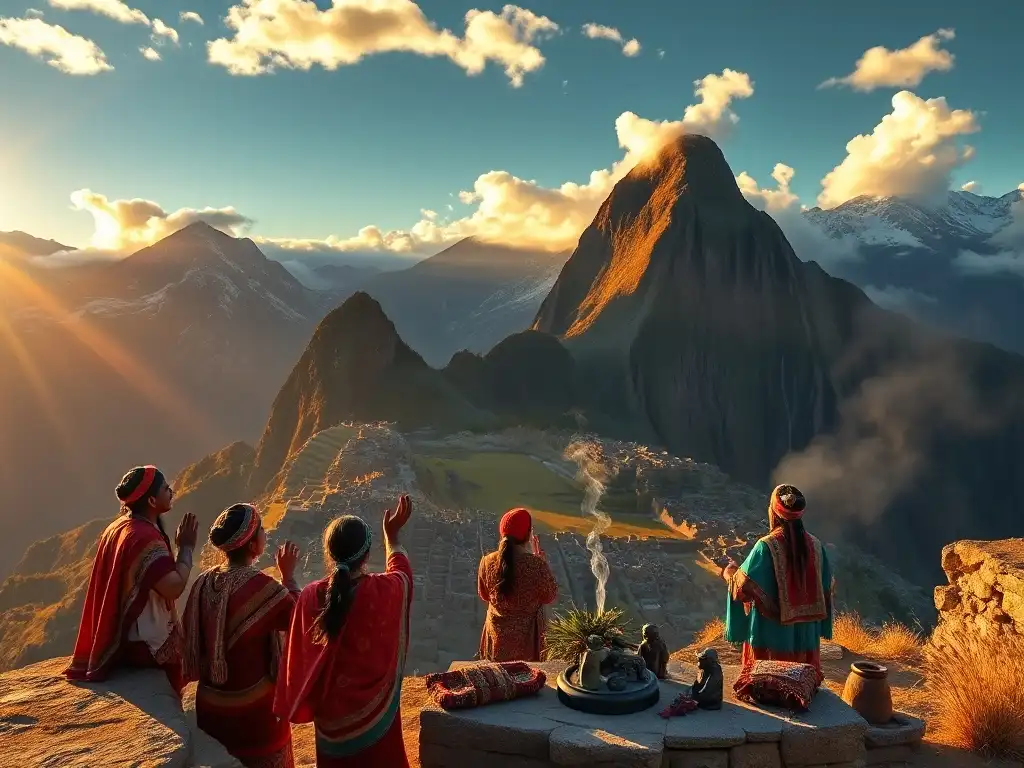
Step into a world lost to time, yet echoing with the whispers of ancient power. Imagine the soaring peaks of the Andes, where the Inca Empire flourished, leaving behind a legacy shrouded in mystery and wonder. This is where you'll uncover the secrets of their civilization, beginning with the fascinating intricacies of Inca prayer and invocation methods. Prepare to be captivated as we delve into the spiritual heart of the Inca Empire – a journey that will challenge your understanding of faith and its role in shaping one of history's most remarkable societies. Dare to explore?
- Exploring Inca Prayer and Invocation Methods: Connecting with the Divine
- The Role of Prayer in Inca Society
- Inca Invocation Techniques and Practices
- Types of Inca Prayers and Invocations
- The Power of Words in Inca Prayers
- Examples of Inca Prayers and Invocation
- Legacy of Inca Prayer and Invocation
- Conclusion: The Enduring Power of Inca Prayer and Invocation
-
Frequently Asked Questions
- What were the most important Inca deities, and how did they relate to prayer and invocation?
- How did the Inca use prayer in daily life?
- What were some common Inca invocation methods?
- Did the Inca believe in the power of prayer to influence events?
- What role did priests play in Inca prayer and invocation?
- Final Reflection: The Enduring Echo of Inca Prayer
- Unveil the Power of Prayer: Take Action Today!
Exploring Inca Prayer and Invocation Methods: Connecting with the Divine
The Inca Empire, renowned for its sophisticated engineering and intricate social structures, also possessed a deeply spiritual worldview. Their religious beliefs were integral to daily life, shaping their agricultural practices, political systems, and even their urban planning. This article delves into the fascinating world of Inca prayer and invocation methods, exploring how these ancient Andean people sought to connect with the divine and maintain cosmic harmony.
We will examine the diverse rituals, offerings, and beliefs that formed the core of their spiritual practices, shedding light on the significance of prayer and invocation within the broader context of Inca religion and cosmology. Understanding these methods offers a crucial perspective on the complexity and richness of Inca civilization, revealing a society deeply intertwined with its spiritual landscape.
This exploration will illuminate the intricate relationship between the Inca people and their gods, revealing a sophisticated system of beliefs that profoundly impacted their lives. We will uncover the diverse forms of prayer and invocation, ranging from personal supplications to elaborate state ceremonies, providing a comprehensive overview of this essential aspect of Inca culture.
Understanding Inca Religious Practices and Spirituality
Inca religion was profoundly polytheistic, with a vast pantheon of deities representing various aspects of the natural world and human experience. The most important deity was Viracocha, the creator god, often depicted as a bearded man. Other significant deities included Inti (the sun god), Mama Killa (the moon goddess), and Pachamama (Mother Earth). These deities weren't merely abstract concepts; they were active participants in the lives of the Inca people, and maintaining their favor was crucial for the well-being of the empire.
Inca spirituality wasn't confined to temples and priests; it permeated every facet of life. Farmers offered prayers for bountiful harvests, builders invoked divine protection for their constructions, and even the emperor himself participated in elaborate rituals to ensure the empire's prosperity and stability. This pervasive spirituality is reflected in the numerous archaeological finds, including intricately carved stones, golden artifacts, and the remains of ceremonial centers scattered throughout the Andes. The Inca believed that maintaining a harmonious relationship with the spiritual realm was essential for maintaining order in the physical world.
This belief underscored their elaborate ritual practices, which often involved elaborate ceremonies, offerings, and specific forms of prayer and invocation. The importance of maintaining this balance is further evidenced by the integration of religious practices into the daily lives of all social classes, from the emperor to the common farmer. This holistic approach to spirituality demonstrates the profound influence of religion on Inca society and its overall functioning.
Common Methods of Inca Prayer and Invocation
Inca prayer and invocation weren't standardized practices. They varied depending on the context, the specific deity being addressed, and the individual or group performing the ritual. However, several common elements emerged across different practices. Offerings played a crucial role, ranging from coca leaves and chicha (a fermented corn beverage) to more elaborate sacrifices, including llamas and even human beings in exceptional circumstances. These offerings were seen as a way to appease the deities and secure their favor.
Prayers themselves were often delivered orally, sometimes accompanied by music and dance. Priests, known as hamacas, played a significant role in mediating between the human and spiritual realms, conducting elaborate ceremonies and interpreting divine messages. The use of specific chants and incantations, tailored to the specific needs and circumstances, formed an important part of these invocations. Furthermore, the geographical location of the ritual also played a significant role, with certain sites holding particular spiritual importance.
Many prayers and invocations were performed at sacred sites, such as mountaintops or springs, believed to be points of contact with the spiritual world. The intricate relationship between these various elements – offerings, prayers, priests, and location – highlights the sophisticated nature of Inca prayer and invocation methods. The specificity of these practices underscores the deeply ingrained spiritual beliefs of the Inca civilization and its profound influence on their daily lives. [Specific examples of common prayers and invocations pending].
The Role of Shamans and Priests in Inca Rituals
The hamacas, or priests, held a position of immense power and influence within Inca society. They were responsible for conducting elaborate ceremonies, interpreting dreams and omens, and advising the emperor and other leaders on matters of state. Beyond the hamacas, other individuals, often possessing specialized knowledge of herbs, healing, and communication with the spirit world, played vital roles in Inca spiritual practices. These individuals, often referred to as shamans, were skilled in various forms of divination and healing, and were consulted for guidance and support in times of need.
Their expertise was highly valued, and they often played a key role in mediating between the community and the spiritual realm. Their involvement in rituals, along with the hamacas, enriched the spiritual life of the Inca people and ensured the smooth functioning of their society. The integration of both shamanic and priestly practices highlights the multifaceted nature of Inca religious beliefs and the diverse ways in which they interacted with the spiritual world.
[Further details on the specific roles and training of shamans and priests pending]. The combined influence of these spiritual leaders ensured the continuity of Inca religious traditions and their adaptation to changing circumstances. The close relationship between these two groups highlights the collaborative nature of Inca religious practice and its significance in the overall social and political fabric of the empire.
The Legacy of Inca Prayer and Invocation
The legacy of Inca prayer and invocation continues to resonate in modern Andean cultures. Many of the beliefs and practices have been adapted and incorporated into contemporary religious traditions, reflecting the enduring influence of Inca spirituality. The reverence for Pachamama, for example, persists in many communities, with offerings and prayers still being made to the Earth Mother.
Elements of Inca cosmology and ritual continue to shape the worldview and practices of many Andean communities. The enduring impact of Inca religious practices demonstrates the deep-rooted nature of their spiritual beliefs and their continued relevance in contemporary Andean society. Understanding this legacy offers valuable insights into the continuity of cultural traditions and the resilience of spiritual practices across generations.
[Further research into specific examples of continuing traditions pending]. The study of Inca prayer and invocation methods provides a window into the rich tapestry of Andean spirituality and its enduring impact on the region's cultural landscape.
The Role of Prayer in Inca Society
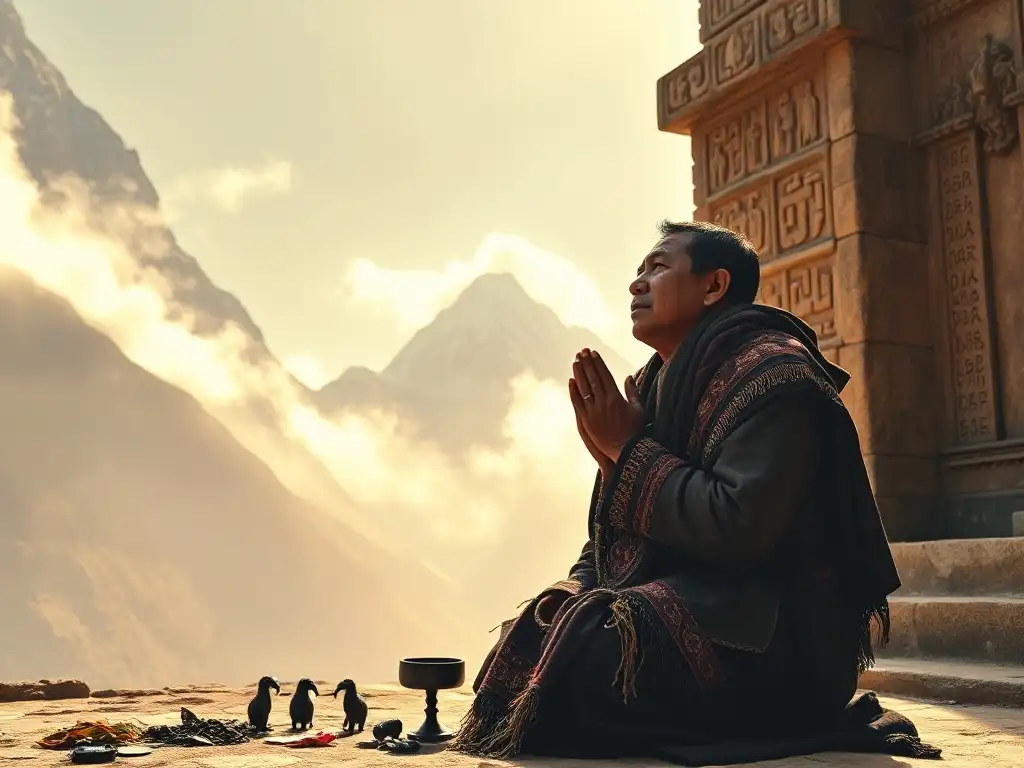
The Inca civilization, renowned for its sophisticated infrastructure and intricate social organization, also possessed a deeply ingrained religious system where prayer and invocation played a pivotal role in daily life and governance. Understanding Inca prayer and invocation methods requires appreciating its pervasive influence on all aspects of their society, from agricultural practices to imperial power.
It wasn't merely a personal act of devotion; it was a fundamental component of maintaining ayni, the principle of reciprocity and balance crucial to Inca cosmology. The effectiveness of prayer wasn't solely dependent on individual piety but also on the proper performance of ritual, the adherence to societal norms, and the overall harmony of the community.
The Inca believed that their actions, both individual and collective, directly impacted the favor of the gods and the prosperity of the empire. This belief system fostered a society deeply invested in maintaining a harmonious relationship with the supernatural world.
The Significance of Rituals and Ceremonies
Inca prayer wasn't a private affair whispered in solitude. Instead, it was deeply intertwined with elaborate rituals and ceremonies, often performed by specialized priests ( hamacas) and other religious figures. These rituals, meticulously orchestrated and laden with symbolism, served as powerful tools for communicating with the divine.
The capacocha, a ritual sacrifice involving the offering of children and other valuables to the gods, exemplifies the extreme lengths the Inca went to in their attempts to appease the supernatural forces. The precise details of many rituals remain shrouded in mystery, lost to the passage of time and the destruction of Inca records by Spanish conquistadors. However, archaeological findings and surviving accounts consistently reveal the importance of precise choreography, symbolic offerings (such as llamas, maize, and precious metals), and the chanting of prayers and invocations.
These ceremonies reinforced community bonds, reaffirmed Inca beliefs, and sought to secure divine favor for the empire's continued prosperity and the successful harvest of crops. The meticulous execution of these rituals was viewed as essential for maintaining pacharacasi, the cosmic harmony and balance upon which Inca society depended.
Inca Concepts of Divinity and Supernatural Forces
The Inca pantheon was complex and varied regionally. While the sun god, Inti, held supreme importance, numerous other deities, representing natural forces like the moon (Killa), stars, mountains (Apus), and weather, were also venerated. Inca prayer and invocation methods were tailored to the specific deity being addressed. Prayers weren't simply requests; they were carefully crafted expressions acknowledging the deity's power and the speaker's place within the cosmic order. This understanding of divinity went beyond anthropomorphic representations; the Inca saw the supernatural as an active force interwoven with the natural world. Mountains, rivers, and even specific rocks were considered sacred, imbued with spiritual power. Prayers and offerings were made to these natural entities, recognizing their influence on human life and the cyclical nature of existence. This holistic view of divinity shaped the Inca's approach to prayer, making it a deeply integrated aspect of their relationship with their environment and the cosmos.
The Purpose of Prayer: Seeking Guidance and Blessings
Inca prayer and invocation methods served various purposes. The most prevalent purpose was to seek divine guidance and blessings for a successful harvest, plentiful rainfall, and protection from natural disasters. Farmers would perform rituals and offer prayers to ensure a bountiful crop; similar practices were employed by the Inca leaders to ensure the empire's continued success and stability.
Prayer also played a crucial role in healing the sick, resolving conflicts, and securing success in warfare. Individuals would seek divine intervention through personal prayer or by participating in communal rituals. The Inca believed that prayer could influence the course of events and that a proper relationship with the divine would bring about positive outcomes.
This faith in the power of prayer and invocation permeated all aspects of Inca society, shaping their worldview and impacting their actions. The effectiveness of prayer was directly linked to the individual's standing within the community and their adherence to Inca laws and customs, highlighting the interconnectedness of religious practice and social order. The legacy of Inca prayer and invocation methods continues to resonate, reflecting a sophisticated religious system deeply intertwined with the fabric of Inca life.
Inca Invocation Techniques and Practices
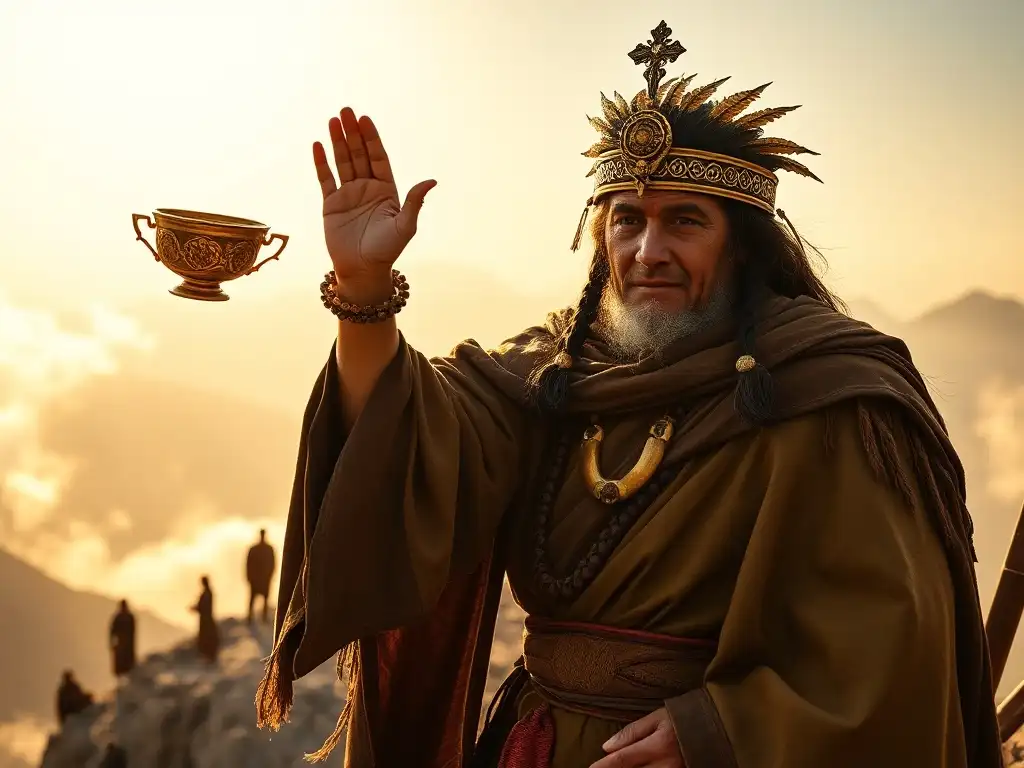
The Inca civilization, renowned for its sophisticated social structures and engineering marvels, also possessed a complex religious system deeply intertwined with daily life. Understanding Inca prayer and invocation methods requires appreciating their nuanced approach to communicating with the divine and the forces of nature. Their rituals weren't simply rote recitations; they were carefully orchestrated performances, drawing on specific techniques and practices aimed at achieving specific outcomes.
These techniques included the use of specific language, offerings, and sacred objects, all contributing to the potency of their invocations. The effectiveness of these methods was believed to be directly linked to the sincerity and purity of the invoker, highlighting the importance of individual piety within the broader context of community worship. This section will delve into the key elements that shaped Inca prayer and invocation.
Key Elements in Inca Prayers and Invocations
Inca prayers and invocations weren't standardized formulas. Instead, they were highly contextualized, varying depending on the specific deity being addressed, the desired outcome, and the social standing of the invoker. However, certain key elements consistently appeared. These included:
- Verbal invocations: Prayers were often delivered orally, employing a formal and respectful tone. The language used was likely Quechua, the official language of the Inca Empire, though regional variations undoubtedly existed. Specific phrases and vocabulary were likely associated with particular deities or rituals. [Specific examples of Inca prayer phrases pending]. The intonation and rhythm of the words were also significant, contributing to the overall effect of the invocation.
- Offerings: Material offerings played a crucial role. These could range from simple agricultural products like maize and coca leaves to more elaborate items such as textiles, pottery, and even precious metals. The type and quantity of offerings were carefully chosen to reflect the significance of the occasion and the nature of the request. The offerings were not merely gifts; they were seen as a form of communication, symbolically bridging the gap between the human and spiritual realms.
- Sacred Objects: Specific objects, imbued with spiritual significance, often featured in invocations. These could include huacas (sacred objects or places), idols representing deities, or ceremonial paraphernalia such as staffs and vessels. The presence of these objects enhanced the power and efficacy of the prayer, acting as conduits for divine energy. The careful selection and placement of these objects underscored the ritual's precision and importance.
The Use of Sacred Spaces for Prayers and Rituals
The location of a prayer or invocation significantly impacted its effectiveness. Inca religious practices weren't confined to formal temples; rather, they were integrated into the landscape itself. Specific locations, deemed sacred due to their natural features or historical associations, were favored for rituals. These included:
- Temples and Shrines: Formal temples, such as the Coricancha in Cusco, served as central locations for large-scale religious ceremonies and invocations. These spaces were meticulously designed, often incorporating astronomical alignments and symbolic elements that reinforced their spiritual significance. They served as focal points for community worship and large-scale invocations.
- Natural Sites: Mountains, caves, springs, and other natural features were also considered sacred. These locations were often associated with specific deities or spirits and were believed to possess inherent spiritual power. Prayers and offerings were made in these sites to appease the local spirits or to request their assistance. The selection of these locations was often determined by traditional knowledge passed down through generations of priests and shamans.
- Domestic Spaces: Inca people also integrated prayer into their daily lives. Prayers were likely offered in domestic settings, such as family shrines or altars within their homes. These more private rituals ensured a constant connection between the individual and the divine, even outside of formal religious ceremonies.
The Role of Priests and Shamans in Invocation
The successful performance of Inca prayer and invocation methods often relied heavily on the expertise of specialized individuals: priests and shamans. These individuals were not simply religious leaders; they were essential intermediaries between the human and spiritual worlds. Their roles included:
- Leading Rituals: Priests and shamans led communal prayers and invocations, ensuring the proper execution of the rituals. Their knowledge of sacred texts, rituals, and offerings was vital for the effectiveness of the ceremonies. Their authority derived from their specialized knowledge and their ability to connect with the spiritual realm.
- Interpreting Omens: They were skilled in interpreting omens and signs, helping to guide the community's actions and responses to divine messages. This ability was crucial in ensuring that the invocations were appropriately timed and performed. Their interpretations would often influence the types of offerings and the specific wording of the prayers.
- Healing and Divination: Beyond their roles in communal worship, priests and shamans also performed healing rituals and divination, utilizing their connection to the spiritual world to address individual needs. These practices further emphasized their crucial role in maintaining the well-being of the community, both physically and spiritually. Their skills were highly valued, reflecting the deep integration of religious practice into all aspects of Inca life.
The intricate interplay of techniques, spaces, and individuals involved in Inca prayer and invocation methods reveals a sophisticated religious system deeply embedded in the fabric of Inca society. Their approach to communication with the divine offers a compelling case study in the power of ritual and the enduring human desire to connect with something greater than oneself.
The Importance of Offerings in Inca Religious Practices
Offerings formed a cornerstone of Inca religious practices, deeply intertwined with their beliefs in reciprocity and maintaining balance within the cosmos. The Inca worldview emphasized a continuous exchange between the human and spiritual realms; offerings were the tangible expression of this exchange, a way to appease and honor the apus (mountain spirits), deities, and ancestors.
These weren't simply gifts; they were carefully chosen items imbued with symbolic meaning, reflecting the Inca's profound understanding of the natural world and their place within it. The act of offering itself was a ritual, performed with precision and reverence, ensuring the effectiveness of the prayer or invocation.
The types of offerings varied considerably depending on the context and the specific deity or spirit being addressed. Common offerings included coca leaves (chewed as a stimulant and offering), chicha (fermented corn beer), llama or alpaca wool, agricultural produce like maize and potatoes, and precious metals like gold and silver.
The quality and quantity of the offering often reflected the importance of the request or the status of the person making the offering. A humble farmer might offer a small handful of coca leaves and a prayer for a successful harvest, while the Sapa Inca (emperor) might present lavish offerings during major state ceremonies, involving significant quantities of precious metals and livestock.
The location of the offering was also significant. Many offerings were made at sacred sites, such as huacas (sacred places often associated with mountains or springs), or at intihuatana (sunstones), which served as astronomical observatories and focal points for religious rituals.
Offerings were also placed in tombs, intended to provide sustenance for the deceased in their journey to the afterlife. The meticulous preparation and placement of these offerings demonstrate the depth of the Inca's commitment to maintaining harmonious relationships with the supernatural world.
The act of offering was not merely a transaction; it was a profound act of respect and devotion, reinforcing the Inca's belief in the power of prayer and invocation to shape their lives and their world. The success of an invocation was often judged by the perceived acceptance of the offering by the recipient deity or spirit, evidenced, for example, by favorable weather conditions or a successful harvest.
Types of Inca Prayers and Invocations
The Inca civilization, renowned for its sophisticated empire and intricate social structure, also possessed a deeply spiritual worldview. Their religious practices, central to daily life, heavily relied on Inca prayer and invocation methods to interact with the unseen world and influence their destiny. These weren't simply rote recitations but powerful acts imbued with ritual and symbolism, designed to appease deities, ensure bountiful harvests, and maintain cosmic balance.
The effectiveness of these prayers and invocations was believed to be directly proportional to the sincerity and devotion of the practitioner. Understanding these methods provides crucial insight into the Inca worldview and their complex relationship with the natural and supernatural realms.
Prayers for Agricultural Prosperity
Agricultural prosperity was paramount to the Inca empire's survival. Their prayers for successful harvests were not merely requests for rain or sunshine, but intricate rituals involving offerings, specific chants, and symbolic gestures. The capacocha sacrifices, while controversial, were considered essential to maintain Pachamama's (Mother Earth's) favor and ensure the fertility of the land. Prayers were often addressed to specific deities associated with agriculture, such as the sun god Inti, and were performed at designated times throughout the agricultural cycle.
The prayers weren't standardized; they varied regionally and according to specific needs. For example, a prayer for rain in a drought-stricken area would differ from a prayer of thanks for a bountiful harvest. Evidence suggests the use of quipu, knotted cords used for record-keeping, to codify specific prayers or to record the success (or failure) of past invocations. This detailed record-keeping underscores the importance placed on agricultural success and the meticulous attention paid to the efficacy of their prayer methods. Furthermore, the rituals often involved community participation, strengthening social bonds and reinforcing the collective dependence on the gods' benevolence.
Detailed accounts of specific prayers are unfortunately scarce due to the destruction of many Inca texts following the Spanish conquest. However, ethnographic studies of later Andean cultures, which retain some Inca traditions, offer valuable insights into the style and content of these invocations. These studies reveal a rich tapestry of oral traditions, highlighting the importance of both formal and informal prayers in daily life. The combination of formal, community-based rituals and informal, personal prayers highlights the pervasiveness of religious practice in Inca society.
Invocations for Healing and Well-being
Inca healers, known as paqos, played a crucial role in the society, utilizing a combination of herbal remedies, surgical procedures, and invocations to treat illnesses and promote well-being. Invocations for healing were often personalized, tailored to the specific ailment and the individual's condition. They frequently involved addressing specific deities associated with healing, such as the goddess of the moon, Mama Killa, whose influence was believed to affect the body's rhythms.
The paqos often used coca leaves as a key element in their healing rituals. Chewing coca leaves, while invoking the healing deities, was considered to enhance the efficacy of their prayers and connect them to the spiritual realm. Beyond individual healing, communal invocations for the health and well-being of the entire community were also common, especially during times of widespread illness or disease.
These communal invocations often involved offerings to the deities and elaborate ceremonies to appease them and request their intervention. These ceremonies would often involve music, dance, and the burning of incense, creating a powerful atmosphere conducive to spiritual communication. The specific methods employed varied, reflecting the diverse beliefs and practices across the vast Inca empire.
The effectiveness of Inca healing practices was likely a complex interplay of both the placebo effect and actual medicinal properties of the herbs used. However, the spiritual component, embodied in the prayers and invocations, was undeniably central to the Inca understanding of healing and well-being. Further research into Inca medicinal practices is needed to fully understand the intricate relationship between their religious beliefs and their medical treatments.
Prayers for Protection and Warfare
Inca warfare, while often brutal, was also infused with religious significance. Prayers and invocations for protection and victory were integral to military campaigns. Before embarking on a battle, Inca warriors would engage in rituals that included offerings to Inti, the sun god, and other deities associated with war and strength. These prayers weren't simply requests for military success; they were acts of seeking divine favor and ensuring the protection of the Inca army.
The use of huacas (sacred objects or places) was also significant in military contexts. Warriors might carry amulets or visit sacred sites before battle to seek divine protection and bolster their courage. These practices served to reinforce the soldiers’ belief in their cause and their faith in divine intervention. The Inca army’s organization and discipline, combined with their reliance on prayer and invocation, contributed to their military success for centuries. The precise content and form of these war-related prayers remain largely unknown, lost to time and the destruction of Inca records.
However, the importance of such practices is evident in the Inca's military strategies and their deep-seated belief in the power of the divine. Further research, including archaeological findings and analysis of surviving oral traditions, could shed more light on the specific prayers and rituals employed by the Inca during wartime. The combination of military strategy and spiritual belief underscores the deeply intertwined nature of the Inca worldview and their military prowess. The study of Inca prayer and invocation methods, therefore, provides a crucial lens for understanding the civilization's holistic approach to life, encompassing both the mundane and the sacred.
Rituals for Honoring Ancestors and Deities
Inca prayer and invocation methods were deeply intertwined with their sophisticated religious system, which emphasized the veneration of ancestors and deities. These rituals weren't simply rote recitations; they were elaborate performances designed to maintain ayni, the principle of reciprocity and balance in the cosmos. The Incas believed that neglecting these rituals could disrupt this delicate equilibrium, leading to misfortune and hardship. Therefore, regular and respectful performance of these ceremonies was paramount to their societal well-being.
One crucial aspect of honoring ancestors involved capac hucha, a form of ancestor worship that involved offerings and prayers to deceased family members and significant figures. These offerings, often consisting of coca leaves, chicha (fermented maize beer), and other valuable goods, were presented at designated family shrines or huacas (sacred places). Prayers, often chanted in Quechua, would accompany the offerings, requesting blessings, protection, and guidance from the departed ancestors. The belief was that ancestors, having transitioned to the spirit world, retained a powerful influence over the living.
Their continued favor was essential for prosperity and good fortune. The complexity of these rituals varied depending on the social standing of the family and the importance of the deceased ancestor. Elaborate ceremonies were common for royal ancestors, involving large-scale participation and significant offerings.
The invocation of deities was equally important, with different deities receiving specific forms of prayer and worship. For example, Inti, the sun god, was revered through sun worship ceremonies, which involved elaborate processions, offerings, and prayers for bountiful harvests and favorable weather. Prayers to Inti were often accompanied by music and dance, creating a vibrant and powerful atmosphere intended to capture the attention of the deity.
Similarly, Mama Killa, the moon goddess, Pachamama, the earth mother, and Viracocha, the creator god, each had their unique rituals and associated prayers, reflecting their distinct roles in the Inca cosmology. The specifics of these invocations, including the language used, the offerings presented, and the accompanying actions, were carefully codified and passed down through generations of priests and religious specialists.
These individuals played a vital role in maintaining the religious traditions and ensuring the continued efficacy of Inca prayer and invocation methods. Their expertise was crucial for the well-being of the Inca Empire.
The Power of Words in Inca Prayers
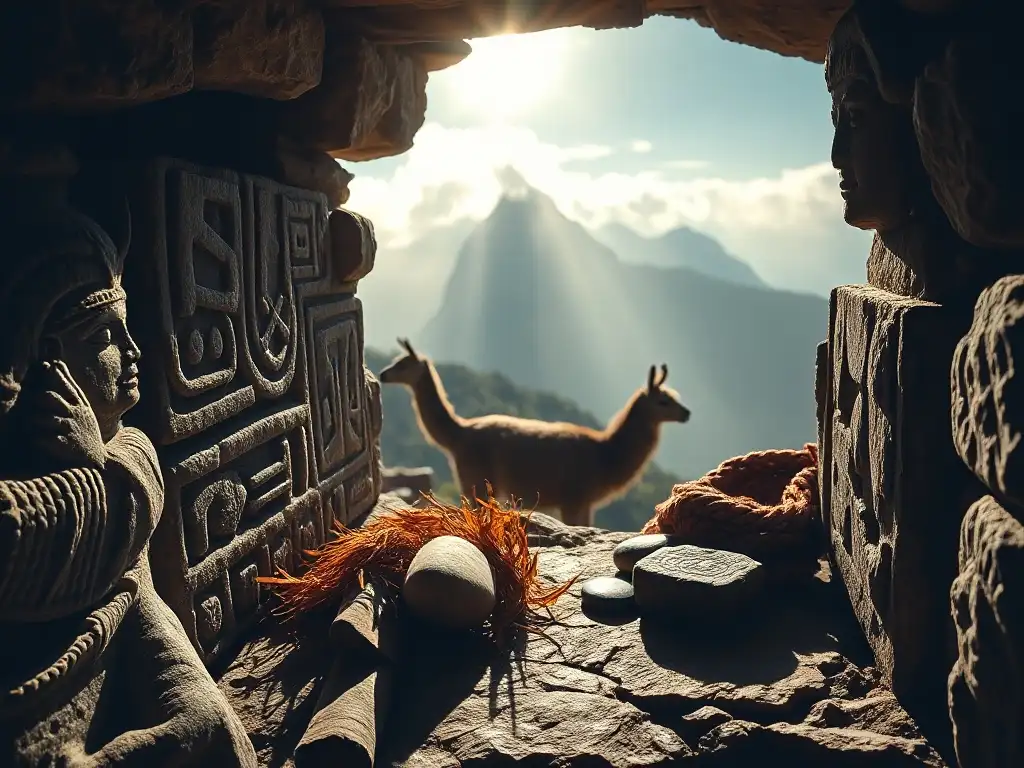
The Inca worldview deeply intertwined the spiritual and physical realms, believing that words held immense power to influence both. Inca prayer and invocation methods weren't simply requests; they were potent actions capable of shaping reality. This belief stemmed from their animistic understanding of the world, where spirits inhabited everything from mountains and rivers to animals and plants. Therefore, carefully crafted prayers and invocations were crucial for maintaining harmony and soliciting divine favor.
The effectiveness of these practices depended heavily on the precision and sincerity of the words used, reflecting a sophisticated understanding of the power of language. Understanding the intricacies of Inca prayer offers a window into their profound spiritual beliefs and their sophisticated relationship with the natural world. This section delves into the specific techniques employed in Inca prayer and invocation, revealing the nuanced strategies used to connect with the spiritual realm.
The Significance of Specific Phrases and Mantras
Specific phrases and mantras played a pivotal role in Inca prayer and invocation methods. These weren't arbitrary words but carefully chosen expressions imbued with spiritual significance. For example, the repetition of phrases related to the sun god, Inti, such as " Inti, Tata Inti " (Sun, Father Sun), was believed to directly channel energy and favor from the deity.
Similarly, invocations to Pachamama, the Earth Mother, often included terms emphasizing her fertility and nurturing power, such as " Pachamama, Mama Pacha " (Earth Mother, Mother Earth). The precise wording and pronunciation were crucial, as even slight variations could alter the prayer's efficacy. Evidence suggests that priests, or hamacs, were responsible for composing and teaching these sacred phrases, ensuring their correct usage within rituals.
The use of these specific phrases wasn't merely a matter of formality; it was a vital component in establishing a direct connection with the spiritual realm and ensuring the prayer's effectiveness. The repetition itself was believed to amplify the intended effect, creating a powerful resonance that could influence the divine.
The Use of Metaphors and Symbolism in Invocations
Inca invocations were rich in metaphor and symbolism, reflecting their deep understanding of the natural world. Animals, plants, celestial bodies, and geographical features all served as powerful symbolic representations within their prayers. For instance, the condor, a majestic bird soaring high above the Andes, often symbolized the connection between the earthly and celestial realms.
Invoking the condor in a prayer could signify a desire for spiritual elevation or a request for guidance from the upper world. Similarly, the use of maize, a staple crop, in prayers frequently represented abundance, prosperity, and the life-giving power of Pachamama. The intricate tapestry of metaphors and symbolism within Inca invocations added layers of meaning and power to their prayers, enhancing their effectiveness and reflecting the depth of their spiritual understanding.
The use of these symbols wasn't arbitrary; it was carefully considered and strategically employed to amplify the intended message and enhance the connection with the divine. Further research into specific Inca texts and archaeological findings could reveal even more nuanced interpretations of this symbolic language.
The Impact of Spoken Word and Chanting
The manner in which prayers were delivered was as important as their content. The hamacs often employed chanting and rhythmic speech to amplify the power of their invocations. The rhythmic quality of chanting was believed to create a vibrational energy that resonated with the spiritual world, facilitating communication with the deities.
The volume and tone of voice also played a significant role; a powerful, resonant voice could project the prayer further into the spiritual realm, while a softer, more intimate tone might be used for personal supplications. This oral tradition, passed down through generations, ensured the preservation and continuity of these sacred practices. Furthermore, the use of musical instruments, such as panpipes and drums, often accompanied these invocations, further enhancing their power and impact.
The rhythmic accompaniment served to deepen the meditative state and amplify the vibrational energy of the spoken word, ultimately increasing the effectiveness of the prayer. The combination of spoken word, chanting, and musical instruments created a powerful and immersive experience, designed to facilitate communication between the human and spiritual worlds. The impact of these combined elements highlights the holistic and multi-sensory approach employed by the Inca in their spiritual practices.
Examples of Inca Prayers and Invocation
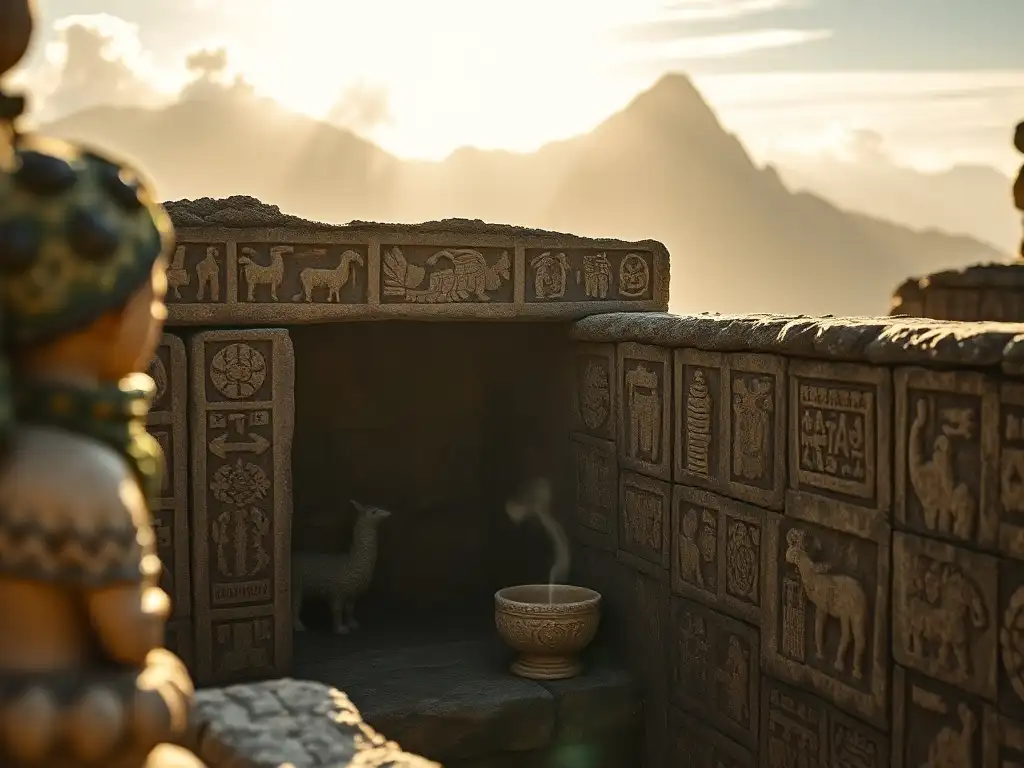
The Inca worldview was deeply intertwined with the natural world and its powerful deities. Prayer and invocation weren't simply religious acts; they were essential practices for daily life, impacting everything from agricultural success to personal well-being and military victories. Understanding Inca prayer and invocation methods offers a window into their complex spiritual beliefs and societal structure.
These weren't standardized, written prayers like those found in many other religious traditions. Instead, they were often spontaneous expressions, delivered through a variety of rituals and ceremonies, utilizing specific offerings and gestures to connect with the divine. The effectiveness of the prayer was believed to depend on the sincerity and purity of the individual offering it, as well as the correct performance of the accompanying ritual.
A Prayer to Pachamama for a Bountiful Harvest
Pachamama, the Earth Mother, was a central figure in Inca religion, representing the fertility of the land and the abundance of nature. Prayers to Pachamama were crucial for ensuring successful harvests, the cornerstone of Inca society. A typical prayer might begin with offerings of coca leaves, chicha (fermented corn beverage), and other agricultural products placed directly on the earth. The yachaywasi (priest) or even a family head might then address Pachamama with words like these (translated interpretations vary):
Oh, Great Pachamama, giver of life and sustenance, we offer you these humble gifts from our fields. We beseech you, bless our crops with your nurturing power. Grant us a bountiful harvest, that we may have food for ourselves, our families, and our community. Protect our lands from frost, drought, and disease. We give thanks for your blessings and promise to honor you always.
The prayer would likely be accompanied by specific gestures, perhaps sprinkling the offerings with water or gently touching the earth. The entire process would be performed with deep reverence and respect, reflecting the vital role Pachamama played in their lives. Failure to appease Pachamama could result in crop failure, seen as a direct consequence of neglecting their spiritual duties. The community's well-being was intrinsically tied to their relationship with this powerful deity.
An Invocation to Inti for Healing and Strength
Inti, the Sun God, was considered the most important deity in the Inca pantheon. Invocations to Inti often involved elaborate ceremonies, particularly when seeking healing or strength. These might take place at designated sacred sites, such as huacas (sacred places) or temples dedicated to Inti. Priests, highly skilled in ritual practices, would lead the invocation, using specific chants, offerings (like gold and silver), and symbolic gestures.
A typical invocation might involve the following:
- Offering: A meticulously crafted golden or silver figurine, representing the ailment or the desired strength, would be presented to Inti.
- Chant: A rhythmic, powerful chant, invoking Inti's name and detailing the request for healing or strength, would be sung by the priest.
- Incense: Burning of sacred incense, often creating a fragrant and visually impressive smoke, would further enhance the connection to the divine.
- Sacrifice: In serious cases, animal sacrifices—llamas being a common choice—might be performed to demonstrate the gravity of the situation and the sincerity of the plea.
The success of the invocation relied heavily on the priest's skill and the community's faith in Inti's power. The entire ritual was designed to create a powerful atmosphere, bridging the gap between the human and divine realms, fostering a sense of hope and trust in the face of illness or adversity. These invocations highlight the importance of both ritual and faith in Inca spiritual practices.
A Prayer for Illapa for Protection in Battle
Illapa, the God of Thunder and Lightning, was invoked for protection and victory in battle. Prayers to Illapa were often performed by warriors before engaging in conflict. These prayers were less about elaborate rituals and more about direct and forceful appeals for divine intervention. Warriors might offer coca leaves and chicha, while simultaneously invoking Illapa's power with fervent cries and gestures:
“Oh, mighty Illapa, hear our plea! We go forth to battle for the glory of the Inca Empire. Grant us your strength and protection. Let your thunderbolts strike down our enemies. Guide our weapons and shield us from harm. Give us victory and a safe return!”
The intensity of the prayer reflects the high stakes of warfare in Inca society. The belief in Illapa's power to influence the outcome of battle provided crucial psychological support to the warriors, bolstering their courage and confidence. The invocation served not only as a religious act but also as a powerful demonstration of collective faith and unity, crucial for a successful military campaign. The outcome of the battle was often interpreted as a direct reflection of Illapa's favor or displeasure, underscoring the deeply intertwined nature of religion and military affairs in Inca culture.
Legacy of Inca Prayer and Invocation
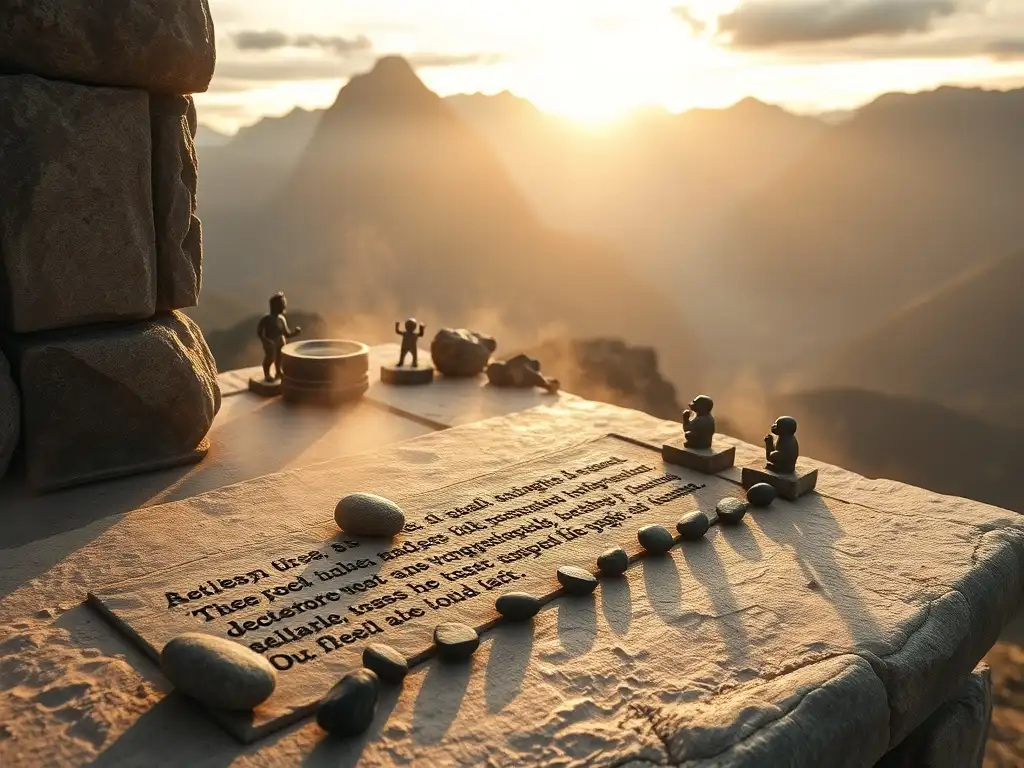
The Inca Empire, renowned for its sophisticated engineering and intricate social structures, also possessed a deeply spiritual worldview. Prayer and invocation weren't mere rituals; they were integral to daily life, shaping individual actions and influencing imperial policy. Understanding Inca prayer and invocation methods provides a crucial insight into the heart of this powerful civilization. Their religious practices, while vastly different from modern Abrahamic faiths, demonstrate a profound connection to the natural world and a sophisticated understanding of cosmology. This section will delve into the enduring legacy of these practices and their continued relevance.
Influence on Modern Andean Spirituality
The echoes of Inca prayer and invocation methods resonate strongly in modern Andean spirituality. While syncretism with Catholicism has significantly altered the outward forms of worship, the underlying principles of reverence for nature, ancestor veneration, and the importance of ritual remain. Many contemporary Andean communities still incorporate elements of Inca traditions into their religious practices.
For example, the use of coca leaves in ceremonies, a practice deeply rooted in Inca ritual, continues to be a significant part of Andean spiritual life. This enduring presence underscores the deep cultural impact of the Inca Empire and the persistent power of their spiritual beliefs. The continued use of ancient Inca chants and prayers, albeit often adapted and integrated with Christian elements, further demonstrates this powerful legacy.
The persistence of these practices highlights the resilience of indigenous Andean beliefs in the face of colonial influence. Understanding this continuity allows us to appreciate the richness and complexity of Andean spiritual heritage, demonstrating that Inca prayer and invocation methods were not simply historical relics but living traditions that continue to evolve and adapt.
The Preservation of Inca Religious Traditions
The preservation of Inca religious traditions has been a complex and often challenging process. Spanish colonization actively sought to suppress indigenous beliefs, replacing them with Catholicism. However, Inca religious practices proved remarkably resilient.
Oral traditions played a vital role, with stories, songs, and rituals passed down through generations within families and communities. Furthermore, archaeological discoveries—from intricately carved stones depicting deities to the remains of ceremonial sites—have provided invaluable insights into Inca religious life. Scholars and researchers continue to piece together fragments of information, meticulously analyzing artifacts and interpreting oral histories to reconstruct a more complete picture of Inca prayer and invocation methods.
This painstaking work, combined with the efforts of indigenous communities to maintain their cultural heritage, ensures that aspects of Inca spirituality continue to be understood and appreciated. The ongoing research and preservation efforts highlight the importance of recognizing and respecting the cultural legacy of the Inca Empire. The meticulous documentation of these traditions ensures that the legacy of Inca prayer and invocation methods is not lost to time.
The Importance of Understanding Inca Beliefs
Understanding Inca beliefs surrounding prayer and invocation is paramount for several reasons. Firstly, it offers a deeper appreciation of the Inca worldview and their intricate social structures. Their religious practices were deeply interwoven with their political and economic systems, influencing everything from agricultural practices to warfare.
Secondly, studying Inca prayer and invocation methods provides valuable insights into the human experience across cultures. Understanding how different societies engage with the spiritual realm expands our understanding of human belief systems and their impact on society. Finally, appreciating the legacy of Inca spirituality helps us understand the complex dynamics of cultural preservation and adaptation in the face of colonization and globalization.
The resilience of Inca religious traditions serves as a testament to the enduring power of cultural identity and the importance of respecting the diverse spiritual expressions of humanity. The ongoing study and preservation of Inca prayer and invocation methods contribute to a richer, more nuanced understanding of history, anthropology, and the enduring human search for meaning and connection. This comprehensive understanding is crucial for fostering respect and appreciation for diverse cultural heritages worldwide.
Conclusion: The Enduring Power of Inca Prayer and Invocation
The intricate tapestry of Inca religion, woven with threads of ancestor veneration, celestial observation, and a profound respect for the natural world, found its most potent expression in prayer and invocation. These weren't mere supplications; they were vital rituals, shaping daily life, influencing agricultural practices, and underpinning the Inca worldview.
Understanding Inca prayer and invocation methods offers a glimpse into the heart of their civilization, revealing a sophisticated system of beliefs deeply intertwined with their social and political structures. The effectiveness of these practices wasn't solely measured in material gains; their enduring power lies in the spiritual connection they fostered, a connection that resonates even today.
The Continuing Relevance of Inca Spiritual Practices
The echoes of Inca prayer and invocation methods can be heard in contemporary Andean cultures. While the specific rituals may have evolved, the fundamental principles of connection with the spiritual realm, respect for nature, and the importance of community remain. Many modern Andean communities still incorporate elements of ancient Inca practices into their spiritual lives, demonstrating the enduring legacy of this rich tradition.
This continuity underscores the inherent power of these practices—a power that transcended the Inca Empire itself. The resilience of these spiritual beliefs highlights their deep-rooted significance in shaping Andean identity and worldview. Studying these practices allows us to appreciate the complexity and sophistication of Inca spirituality and to better understand the enduring connection between humans and the spiritual world, a connection that transcends time and geographical boundaries.
The study of Inca prayer and invocation methods, therefore, is not just a historical exercise; it offers valuable insights into the human experience and the enduring power of faith. Further research into specific regional variations and the influence of syncretism with later religious traditions could illuminate these connections even further, providing a richer understanding of the evolution of Andean spiritual practices. The legacy of the Inca Empire continues to inspire and inform, reminding us of the profound impact of faith and ritual on human societies.
Analyzing the Impact of Inca Prayer and Invocation on Society
The pervasive influence of Inca prayer and invocation wasn't limited to the spiritual realm; it profoundly impacted Inca society. The huacas, or sacred sites, served as focal points for community gatherings, reinforcing social cohesion and political legitimacy. Rituals, often led by priests and other religious figures, reinforced social hierarchy and solidified the Inca ruler's authority as a divinely appointed leader.
The success of harvests, the health of the population, and even the stability of the empire were attributed, at least in part, to the efficacy of these prayer and invocation methods. This belief system, therefore, played a crucial role in maintaining social order and political stability. We can infer the importance of these practices by the significant resources and manpower dedicated to their performance.
The construction of elaborate temples, the training of specialized priests, and the meticulous organization of religious festivals all point to the central role of prayer and invocation in Inca life. Detailed archaeological evidence, such as the discovery of ritual objects and the analysis of temple architecture, further supports this conclusion. The intricate relationship between religion and state in the Inca Empire demonstrates the profound social and political impact of their spiritual beliefs.
Uncovering the Methods and Techniques of Inca Prayer and Invocation
While detailed written records of Inca prayer and invocation methods are scarce, archaeological evidence and ethnographic accounts from later Andean cultures offer valuable clues. Inca prayer often involved offerings of coca leaves, chicha (a fermented maize beverage), and other precious items to appease the gods and ensure their favor. Invocation rituals, possibly involving chanting, music, and specific gestures, were used to summon divine intervention. The use of specific materials in these rituals, like gold and silver, highlights the importance of these practices and their integration into the broader Inca worldview.
The location of these rituals—within temples, on mountaintops, or at other significant geographical locations—also suggests a deliberate attempt to connect with the spiritual power associated with those spaces. Furthermore, the role of specialized priests and religious practitioners in leading these rituals suggests a level of sophistication and organization not often found in other contemporaneous societies. The study of Inca textiles, pottery, and other artifacts reveals symbolic representations of these religious practices, offering additional insights into the methods and techniques employed.
Further research into these areas is crucial to gaining a more complete understanding of Inca prayer and invocation methods. The limited evidence we currently possess emphasizes the need for continued interdisciplinary research, combining archaeological findings with anthropological and historical analysis. This collaborative approach is essential for a more comprehensive understanding of the Inca religious practices.
Frequently Asked Questions
What were the most important Inca deities, and how did they relate to prayer and invocation?
The Inca pantheon included powerful deities like Inti (the Sun God), Viracocha (the creator god), and Mama Killa (the Moon Goddess). Prayers and invocations were directed to these deities to request blessings, protection, and successful harvests. Specific rituals and offerings were tailored to each deity.
How did the Inca use prayer in daily life?
Prayer wasn't restricted to grand ceremonies; it permeated daily Inca life. Individuals offered private prayers for personal needs, while community prayers ensured collective well-being and successful agricultural cycles. Prayers were integral to their worldview.
What were some common Inca invocation methods?
Inca invocations involved offerings like coca leaves, chicha (a fermented corn beer), and llama sacrifices. They also used chants, songs, and specific gestures to communicate with the divine. The use of quipus (knotted cords) might have played a role in recording prayers or invocations.
Did the Inca believe in the power of prayer to influence events?
Absolutely. The Inca believed strongly in the power of prayer to influence events. Successful harvests, military victories, and even the health of the Sapa Inca (emperor) were attributed to effective prayer and appropriate offerings to the gods.
What role did priests play in Inca prayer and invocation?
Inca priests, or hamacs, played a crucial role, acting as intermediaries between the people and the gods. They led ceremonies, interpreted omens, and guided the community in proper prayer and invocation techniques, ensuring the effectiveness of their supplications.
Final Reflection: The Enduring Echo of Inca Prayer
The intricate tapestry of Inca spirituality, woven with threads of prayer and invocation, continues to resonate in the modern world, reminding us of the profound power of connection to something greater than ourselves. While the Inca civilization may be gone, their deeply held beliefs in the efficacy of prayer and ritual offer a timeless lesson in the human need for spiritual solace and communion with the divine. Their sophisticated understanding of the interconnectedness of the natural and spiritual worlds provides a powerful counterpoint to our often fragmented modern lives.
The enduring influence of Inca prayer practices is evident not only in the archaeological record but also in the continued spiritual practices of Andean communities. Their reverence for the Apus (mountain spirits) and Pachamama (Mother Earth) echoes in contemporary rituals, demonstrating the enduring power of these ancient beliefs. The mountains are not just rocks; they are living beings, and we must respect them,
a Quechua elder once told me, encapsulating the profound spiritual connection that underpins Inca prayer and its legacy. This deep respect for the natural world, a core tenet of Inca spirituality, offers a valuable lesson for our own time, urging us to reconsider our relationship with the environment.
Consider the ways in which you connect with the world around you. Do you find solace in nature? Do you practice any form of prayer or meditation? Let the legacy of Inca prayer inspire you to cultivate a deeper connection with the spiritual realm, however you define it, and to find strength and meaning in the rituals and practices that resonate with your soul. Embrace the power of intention and invocation, and discover the transformative potential that lies within.
Unveil the Power of Prayer: Take Action Today!
Thank you for exploring the fascinating world of Inca spirituality and their profound belief in the power of prayer and invocation. You've gained valuable insights into how these practices shaped their culture and worldview. Now, let's put this knowledge into practice!
Here are some ways you can deepen your connection with this ancient wisdom:
- Cultivate Daily Gratitude: Incorporate moments of reflection and appreciation into your daily routine. Draw inspiration from the Inca reverence for the divine and the interconnectedness of all things.
- Explore Andean Spiritual Traditions: Seek out local groups or events that celebrate Andean spirituality. This could involve attending ceremonies, workshops, or simply connecting with individuals who share an interest in these rich traditions.
- Share Your Discoveries: Discuss what you've learned with friends, family, or online communities. Spark conversations about the significance of prayer and cultural practices in shaping our understanding of the world.
How will you integrate the powerful spiritual beliefs of the Inca into your own life?