
Tracing Ancestral Roots: Understanding Andean Genealogies

Unravel the mysteries of the Andes! Prepare to be captivated by the intricate tapestry of Andean civilization genealogy, a story woven through millennia of innovation and resilience. From the towering heights of Machu Picchu to the enigmatic Nazca Lines, discover how these remarkable societies shaped their world – and how their legacy continues to resonate today. Dive into the fascinating world of Andean Social Structures and uncover the secrets of their ancestral roots. Are you ready to explore?
The Andes Mountains, a spine of towering peaks running down the western coast of South America, cradled some of the world's most fascinating and complex civilizations. For centuries, these societies – including the Inca, Moche, Nazca, and Tiahuanaco – developed intricate social structures, sophisticated technologies, and unique artistic expressions.
Understanding their family and kinship systems is crucial to unraveling the tapestry of their societies, revealing insights into power dynamics, resource allocation, and the very fabric of their daily lives. This article delves into the fascinating world of Andean civilization genealogy, exploring the diverse methods employed to trace ancestral lineages and the significance these lineages held within their respective cultures.
We will examine the available evidence, considering both archaeological findings and anthropological interpretations, to illuminate the complexities of Andean family structures and their impact on the development of these remarkable societies. Understanding Andean genealogy provides a crucial lens through which we can better appreciate the richness and depth of these ancient cultures, offering a powerful connection to their enduring legacy.
The Inca's Complex System of Kinship
The Inca Empire, at its zenith, boasted a vast and highly organized society. Their system of kinship was integral to their social and political structure, extending beyond simple blood relations to encompass a complex network of obligations and responsibilities. The ayllu, a community-based kinship group, formed the cornerstone of Inca society.
Membership wasn't solely determined by blood ties; it also incorporated individuals through adoption and marriage, creating a web of interconnected families bound by shared land, resources, and obligations to the Sapa Inca, the emperor. The Inca's meticulous record-keeping, using quipus (knotted cords) and oral traditions, allowed them to maintain detailed genealogies, tracing lineages back through generations. These genealogical records were vital for determining inheritance rights, assigning roles within the ayllu, and solidifying political alliances.
The importance placed on lineage is evident in the construction of elaborate tombs and the performance of ancestor veneration rituals, highlighting the enduring influence of familial connections in Inca life. Further research is needed to fully understand the nuances of Inca adoption practices and their impact on the ayllu structure.
Genealogical Practices in Pre-Inca Societies
Before the Inca Empire, diverse Andean cultures developed their own unique approaches to kinship and genealogy. The Moche, known for their intricate pottery depicting daily life, left behind visual clues about their family structures. While direct genealogical records are scarce, their artwork suggests a strong emphasis on lineage and ancestor veneration. Similarly, the Nazca, famous for their enigmatic geoglyphs, likely maintained their own systems of kinship, although the precise nature of these systems remains a subject of ongoing scholarly debate. The Tiahuanaco culture, with its monumental architecture and sophisticated urban planning, likely possessed a complex societal structure that incorporated elements of kinship and lineage, although the specifics require further investigation. Archaeological evidence, including burial practices and settlement patterns, provides hints about their social organization, but more research is needed to fully understand their genealogical practices. The diversity of these pre-Inca systems underscores the complexity and richness of Andean social organization.
Challenges and Limitations in Reconstructing Andean Genealogies
Reconstructing Andean genealogies presents significant challenges. The limited written records, relying heavily on archaeological evidence and oral traditions, necessitate careful interpretation. The ephemeral nature of oral traditions, coupled with the potential for distortion over time, adds another layer of complexity. Furthermore, the destruction of Inca records during the Spanish conquest further hampers our understanding.
Despite these challenges, advancements in archaeogenetics and the ongoing analysis of ancient DNA offer promising avenues for reconstructing kinship networks and tracing ancestral lineages with greater accuracy. This interdisciplinary approach, combining archaeological findings with genetic data, promises to shed new light on the complexities of Andean family structures and their evolution over time. The integration of these diverse data sets is crucial for a more complete and nuanced understanding of Andean genealogy.
The Future of Andean Genealogical Research
The study of Andean civilization genealogy is a dynamic and evolving field. Ongoing archaeological excavations, advancements in DNA analysis, and the continued investigation of historical records promise to reveal further details about the kinship systems of these remarkable societies. Interdisciplinary collaborations between archaeologists, anthropologists, geneticists, and historians are crucial for advancing our understanding.
By combining diverse methodologies and perspectives, we can move beyond fragmented narratives and towards a more holistic and accurate representation of Andean family structures and their profound influence on the development of Andean civilizations. The future of this research holds exciting possibilities for uncovering new insights and deepening our appreciation for the rich tapestry of Andean history and culture. 🎉
- The Inca's Complex System of Kinship
- Genealogical Practices in Pre-Inca Societies
- Challenges and Limitations in Reconstructing Andean Genealogies
- The Future of Andean Genealogical Research
The Significance of Genealogy in Andean Civilizations
Genealogy, the study of family history and lineage, held profound significance in Andean civilizations. Far from a mere historical record, it was intricately woven into the fabric of their social, political, and spiritual lives. Understanding Andean genealogy requires moving beyond a Western understanding of lineage and embracing the complex systems of kinship and ancestor veneration that characterized these cultures.
This section will explore the crucial role genealogy played in shaping Andean societies, highlighting its importance in maintaining social order, legitimizing power, and connecting the living to the spiritual realm. The concept of "Andean civilization genealogy" encompasses a vast and diverse range of practices and beliefs across different Andean cultures.
Why is Family History Important in the Andes?
The importance of family history in Andean societies stemmed from a deeply rooted belief in the continuity of life and the enduring power of ancestors. Unlike many Western societies that may emphasize individual achievement, Andean cultures placed a strong emphasis on collective identity and the responsibilities inherited through generations. Knowledge of one's ancestry was essential for determining social standing, accessing resources, and understanding one's place within the community.
For example, among the Inca, royal lineage was meticulously documented, ensuring the legitimacy of the Sapa Inca's rule and maintaining the stability of the empire. This meticulous record-keeping was not limited to the elite; commoners also valued their family histories, although their records were likely less formal and more orally transmitted. This oral tradition, passed down through generations, played a crucial role in preserving cultural memory and transmitting vital knowledge about customs, traditions, and land rights.
The preservation of family history was vital for maintaining social cohesion and the continuity of cultural practices within the Andean communities. These ancestral narratives provided a framework for understanding one's identity and role within the broader social structure.
Andean genealogies weren't simply lists of names and dates; they reflected the complex social structures and power dynamics of each civilization. The intricate systems of kinship, often extending beyond the nuclear family to encompass extended family networks and clans, shaped social interactions and determined access to resources and opportunities. For instance, the Moche civilization, known for its elaborate artistic representations, depicted family lineages and hierarchical relationships in their pottery and textiles.
These visual representations provide valuable insights into the social organization of their society, revealing intricate webs of kinship and power. Similarly, the Inca's ayllu system, a community-based organization structured around kinship groups, relied heavily on genealogical knowledge to allocate land, labor, and other resources. This system ensured social cohesion and facilitated collective efforts in agriculture and other crucial activities.
The intricate relationship between genealogy and social structure demonstrates the deep integration of family history into the very fabric of Andean life. Further research is needed to fully understand the nuances of genealogical practices in less-documented Andean cultures. [Specific information pending on lesser-known Andean groups and their genealogical systems].
The Role of Ancestors in Andean Culture and Spirituality
In Andean cultures, ancestors were not merely figures from the past; they were considered active participants in the lives of the living. Genealogy connected the living to a powerful spiritual realm, where ancestors held significant influence over the present. Ancestor veneration was a central aspect of Andean religious practices, with rituals and offerings performed to appease and honor deceased relatives.
This belief in the ongoing influence of ancestors shaped daily life, impacting decisions ranging from agricultural practices to political alliances. For example, the Inca believed that the Sapa Inca was a direct descendant of the sun god Inti, lending divine legitimacy to his rule. This connection to the spiritual realm strengthened the Inca's authority and contributed to the empire's stability.
The significance of ancestors in Andean spirituality highlights the interconnectedness between the living and the dead, demonstrating the enduring power of family history in shaping Andean worldviews. Moreover, the intricate rituals and ceremonies surrounding ancestor veneration underscore the importance of preserving family lineages and honoring ancestral legacies. The continued importance of these traditions in contemporary Andean communities testifies to the lasting influence of these ancient beliefs.
Key Components of Andean Family Structures
This section delves into the fundamental building blocks of Andean family structures, crucial for comprehending Andean civilization genealogy. Understanding these components provides a framework for interpreting the complex social and kinship systems that characterized these societies. We will explore the vital role of the ayllu, the intricacies of Andean lineage and descent, and the overarching concept of community as it relates to genealogical records.
The absence of written records for many Andean cultures necessitates a reliance on archaeological evidence, anthropological studies, and ethnohistorical accounts to piece together a comprehensive understanding of their family structures. This reconstruction often involves interpreting symbolic representations, analyzing burial patterns, and examining the surviving social practices of descendant communities. This process necessitates a nuanced and cautious approach, acknowledging the limitations inherent in interpreting past societies through the lens of present-day understanding.
Ayllu: The Core of Andean Kinship
The ayllu, a fundamental socio-economic unit in many Andean civilizations, formed the bedrock of their kinship systems. It wasn't merely a family unit in the Western sense, but rather a complex network of extended families, clans, and lineages bound by shared ancestry, land ownership, and reciprocal obligations. Think of it as a large, multi-generational family with strong communal ties, often tracing their origins back to a common ancestor, real or mythical.
Membership in an ayllu conferred rights to land, resources, and participation in communal activities. This collective ownership and responsibility fostered a strong sense of community and mutual support, crucial for survival in the challenging Andean environment. The ayllu also played a significant role in political organization, with leaders often emerging from within its structure.
This intricate system of kinship and social organization directly impacted how Andean civilization genealogy was perceived and documented, often through oral traditions and symbolic representations rather than written records. The strength of the ayllu system varied across different Andean cultures and time periods, but its enduring importance in shaping social structures remains undeniable. Further research into specific ayllu structures within different Andean groups, such as the Inca, Moche, or Nazca, is needed to fully understand the nuances of this vital social institution.
Understanding Andean Lineage and Descent
Tracing Andean lineage and descent presents unique challenges due to the limited written documentation. Unlike societies with detailed genealogical records, Andean civilizations relied heavily on oral traditions, ritual practices, and symbolic representations to maintain and transmit genealogical information across generations. These traditions often emphasized a connection to the land and to mythical ancestors, shaping the understanding of lineage and descent. Archaeological evidence, such as burial practices and the placement of artifacts, can offer insights into family relationships and social status.
For instance, the elaborate burial sites of some Andean elites suggest a strong emphasis on maintaining ancestral connections and demonstrating lineage. However, interpreting this evidence requires careful consideration of the cultural context and potential biases. One significant aspect to consider is the different patterns of descent observed across various Andean societies.
Some groups may have followed patrilineal descent (tracing lineage through the father's line), while others may have utilized matrilineal descent (tracing lineage through the mother's line), or even cognatic descent (tracing lineage through both parents). More research is needed to determine the prevalence of each descent system and how it varied across different groups and time periods within the Andean region. This understanding is vital for accurately reconstructing Andean civilization genealogy.
The Concept of Community in Andean Genealogy
The concept of community is inextricably linked to Andean genealogy. Individual identity was often defined not solely by familial ties, but also by membership within the broader ayllu and the wider community. Genealogical ties extended beyond immediate family to encompass a vast network of relatives and community members, influencing social roles, responsibilities, and access to resources.
This communal aspect significantly shaped how genealogical information was preserved and transmitted. Oral histories and rituals served not only to recount family lineages but also to reinforce communal bonds and reaffirm shared identities. For example, certain festivals or ceremonies may have included elements that explicitly celebrated ancestral connections and community ties, solidifying the genealogical links within the group.
The integration of genealogical information within the broader social and religious fabric of Andean life highlights the importance of considering the wider social context when attempting to reconstruct and interpret Andean genealogies. Further research, particularly into the oral traditions and ritual practices of different Andean groups, is needed to fully appreciate the significance of community in shaping their understanding of ancestry and kinship. Understanding this holistic view of genealogy is essential for a comprehensive interpretation of Andean civilization genealogy.
Methods for Tracing Andean Ancestry
Understanding Andean genealogies requires a multifaceted approach, drawing on diverse sources and methodologies. The complex social structures and diverse cultural practices across various Andean civilizations – from the Inca to the Moche and beyond – necessitate a nuanced understanding of how ancestral lineages were recorded and transmitted. This section explores key methods used to trace Andean ancestry, highlighting both the challenges and the remarkable insights gained. The pursuit of accurate "Andean civilization genealogy" demands rigorous investigation and a critical eye for detail, acknowledging the limitations and biases inherent in each source.
Oral Traditions and Storytelling in Andean Genealogy
Oral traditions played, and continue to play, a vital role in preserving Andean genealogical knowledge. Stories, songs, and myths often encoded intricate family histories, passing down information across generations. These narratives, however, are not simply linear accounts; they frequently incorporate symbolic language, metaphorical representations, and mythical figures, making interpretation complex. For example, the use of animal totems or specific geographical locations within a narrative can hold significant genealogical meaning, requiring careful contextualization.
The challenge lies in accurately translating and interpreting these oral accounts. The meaning of specific phrases or symbols may vary across different communities and time periods. Furthermore, the transmission of oral histories can lead to variations and embellishments over time, requiring careful cross-referencing and corroboration with other sources.
Despite these challenges, the rich tapestry of Andean oral traditions offers invaluable insights into ancestral connections, particularly for lineages that lack extensive written documentation. Detailed ethnographic studies, conducted with sensitivity and respect for indigenous knowledge systems, are crucial for unlocking the genealogical secrets within these narratives. The careful documentation and analysis of these stories are essential for building a robust understanding of Andean civilization genealogy.
Analyzing Archaeological Records for Clues to Ancestral Connections
Archaeological findings provide another crucial avenue for tracing Andean ancestry. Burial sites, with their associated grave goods and skeletal remains, offer direct evidence of kinship relationships. The arrangement of bodies within a tomb, the presence of specific artifacts, and even the genetic analysis of skeletal material can reveal family connections. For instance, the discovery of multiple individuals buried together with similar grave goods might suggest a family unit or clan. Similarly, DNA analysis can confirm or refute hypothesized familial relationships, offering a powerful tool for verifying oral traditions or filling gaps in the genealogical record.
However, interpreting archaeological data requires careful consideration of cultural context. Burial practices varied significantly across different Andean civilizations and even within individual societies over time. What might signify a familial connection in one context could have a different meaning in another. Furthermore, the preservation of organic material is often poor, limiting the availability of DNA analysis in many cases. Nevertheless, meticulous excavation and analysis of archaeological sites, combined with advanced scientific techniques, continue to provide invaluable insights into Andean kinship systems and ancestral lineages, enriching our understanding of Andean civilization genealogy.
Deciphering Colonial Records and Their Genealogical Insights
The arrival of the Spanish in the 16th century marked a significant turning point in the recording of Andean genealogies. Colonial records, including church registries, land grants, and legal documents, offer a wealth of information, albeit often biased and incomplete. These records frequently documented marriages, baptisms, and deaths, providing valuable genealogical data for certain lineages, particularly those connected to the colonial administration or the emerging creole elite. However, the colonial perspective often distorted or erased indigenous perspectives on kinship and ancestry.
Analyzing colonial records requires a critical approach, recognizing the inherent power imbalances and biases present. For example, indigenous names and kinship terms were often misrepresented or replaced with Spanish equivalents, obscuring the original meaning and leading to inaccuracies. Furthermore, the focus on elite families often neglected the genealogies of commoners, creating significant gaps in our understanding of Andean civilization genealogy.
Despite these limitations, carefully scrutinized colonial records, when used in conjunction with other sources, can provide valuable supplementary information for tracing Andean ancestry, offering a glimpse into the complexities of social structures under colonial rule. A thorough understanding of the historical context is crucial for interpreting these records accurately and avoiding misinterpretations.
Specific Examples of Andean Genealogies
This section delves into concrete examples of how Andean genealogies were constructed and maintained, highlighting the diverse approaches employed by different cultures across the Andes. Understanding these specific cases illuminates the broader significance of kinship and lineage in shaping Andean social structures and political power. The methods used varied significantly depending on the civilization and time period, reflecting the complexity and dynamism of Andean societies. The concept of "Andean civilization genealogy" is thus not monolithic but rather a multifaceted reflection of diverse cultural practices.
The Genealogy of the Quillacinga People
The Quillacinga, an indigenous group inhabiting the southern Colombian Andes, maintained intricate genealogical records primarily through oral tradition. Unlike written records, their system relied on meticulously memorized lineages, passed down through generations of storytellers and elders. These oral histories weren't simply lists of names; they incorporated detailed narratives about significant events, migrations, and intermarriages, weaving a rich tapestry of family history.
The emphasis was not solely on direct descent but also on broader clan affiliations, highlighting the importance of collective identity. This oral tradition ensured the preservation of their cultural heritage and identity, even in the face of colonial pressures. The narratives frequently included details of ancestral lands, sacred sites, and traditional practices, tying genealogical information to a deeper understanding of their relationship with the environment and spiritual realm.
Unfortunately, much of this knowledge was lost or suppressed during the colonial period, but ongoing research is actively working to recover and document these invaluable oral histories, enriching our understanding of Quillacinga genealogy and Andean civilization genealogy as a whole. The task of reconstructing these genealogies is a painstaking process, requiring careful analysis of fragmented accounts and the collaboration of community members who still hold fragments of this ancestral knowledge.
Royal Lineages of the Inca Empire
In contrast to the Quillacinga's oral traditions, the Inca Empire developed a sophisticated system of record-keeping, utilizing quipus—complex knotted cords—to document royal lineages and administrative data. While the precise method of encoding genealogical information on quipus remains a subject of ongoing debate among scholars, it's clear that these intricate devices played a crucial role in establishing and maintaining the legitimacy of the Inca rulers. The Inca's royal genealogy, meticulously traced back to their mythical founder Manco Cápac, served as the foundation of their political authority.
The Sapa Inca's lineage was directly linked to the sun god, Inti, reinforcing their divine right to rule. Control over the accurate recording and dissemination of this genealogical information was a key aspect of Inca power. Deviation from the officially sanctioned lineage could have serious political consequences.
This system, while different from the oral traditions of groups like the Quillacinga, underscores the central role of genealogy in shaping political structures within Andean civilization. The Inca's emphasis on a clearly defined and documented lineage stands in stark contrast to the more fluid and community-based approach of other Andean groups. The creation and maintenance of these records were entrusted to specialized officials, highlighting the importance placed on genealogical accuracy within the Inca state.
Genealogical Records in the Colca Valley
The Colca Valley, located in southern Peru, offers a fascinating case study in the interplay between pre-Columbian and colonial genealogical practices. While pre-Inca populations likely maintained their own systems of lineage tracing, the Inca conquest significantly impacted the way genealogical information was recorded and transmitted. The arrival of the Spanish further complicated the picture, introducing new methods of record-keeping that often clashed with existing indigenous practices.
The integration of Spanish colonial records with surviving indigenous traditions presents a unique challenge and opportunity for researchers. Analyzing these records reveals how indigenous practices adapted and evolved in response to external pressures, reflecting the resilience and adaptability of Andean cultures. For example, the use of Spanish-style parish registers, while intended to serve colonial administrative purposes, inadvertently preserved elements of indigenous kinship structures.
Careful examination of these hybrid records offers valuable insights into the continuity and change in Andean civilization genealogy over centuries of complex interactions. This intersection of cultural practices provides a rich dataset for scholars studying the complexities of Andean identity and the enduring influence of pre-Columbian traditions. The challenge lies in discerning indigenous elements within the colonial framework, requiring expertise in both Andean and Spanish historical sources.
Challenges in Reconstructing Andean Genealogies
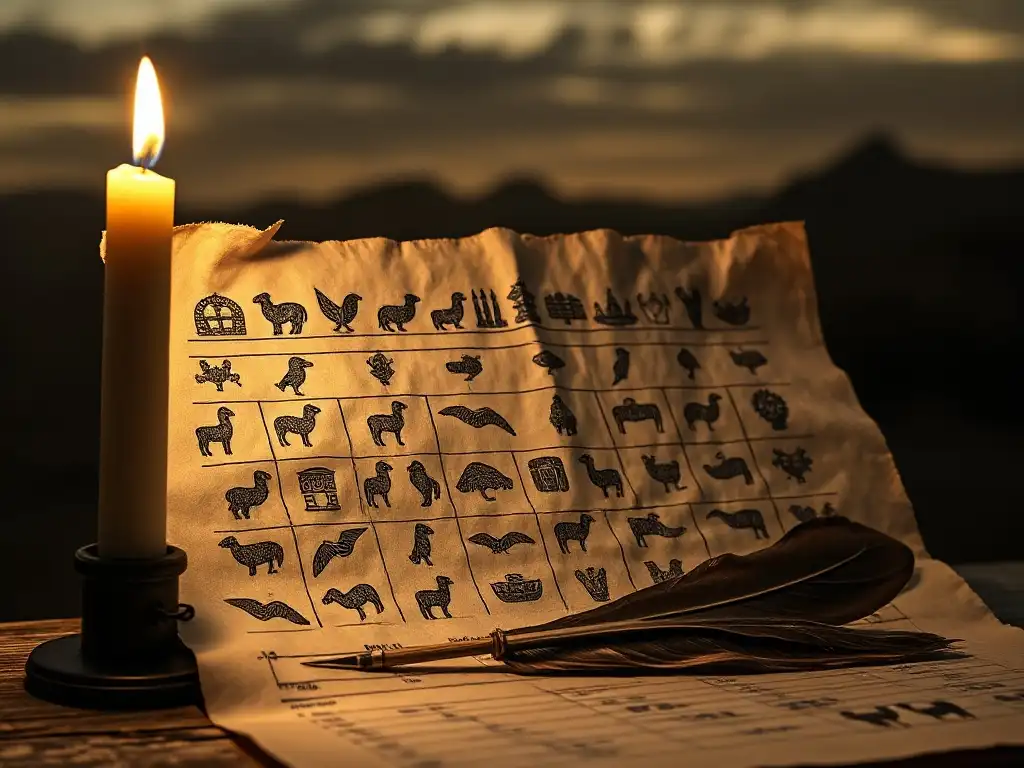
Tracing the intricate tapestry of Andean civilization genealogy presents significant hurdles for historians and genealogical researchers. Unlike societies that meticulously documented lineages through written records, Andean civilizations relied on diverse methods of record-keeping, often ephemeral and susceptible to loss or misinterpretation. This section will explore some of the key challenges in piecing together a comprehensive understanding of Andean family histories.
The complexities inherent in this endeavor necessitate a multidisciplinary approach, combining anthropological insights with archaeological discoveries and linguistic analyses to paint a clearer picture of ancestral roots. The scarcity of readily available information necessitates careful interpretation and cross-referencing of existing sources, a task complicated by the vast geographical expanse and cultural diversity of the Andean region. Successfully navigating these challenges is crucial for a richer understanding of Andean social structures and the evolution of Andean family dynamics.
Impact of the Inca Empire on Pre-existing Kinship Systems
The Inca Empire, at its zenith, exerted a profound influence on the existing kinship systems throughout the Andean region. While the Inca imposed their own administrative structures, including a complex system of ayllu (kinship-based community) organization, they also interacted with and adapted to pre-existing traditions. The Inca's centralized bureaucracy, while generating some standardized record-keeping practices (mostly related to tribute and labor), often obscured or replaced earlier forms of genealogical tracking.
For instance, the Inca emphasis on lineage tracing through the Sapa Inca (emperor) might have overshadowed local variations in kinship reckoning. This blending of imperial and pre-Inca systems makes it difficult to disentangle the original kinship structures from those imposed or modified by the Inca.
Further research is needed to differentiate between these overlapping systems and to fully understand the impact of Inca rule on the transmission of genealogical knowledge across generations. Understanding this interaction is vital for accurate interpretation of Andean civilization genealogy.
The Effects of Colonialism on Andean Family Records
The Spanish conquest of the Inca Empire in the 16th century had a devastating impact on Andean societies, leading to widespread disruption and the loss of countless lives and cultural practices. This colonial upheaval significantly hampered the preservation of Andean genealogical knowledge. The destruction of Inca administrative centers and the suppression of indigenous religious practices resulted in the loss of many vital records.
Furthermore, the imposition of a new religious and social order often led to the deliberate destruction or neglect of pre-existing records. The colonial system’s emphasis on individual land ownership clashed directly with the communal nature of many Andean kinship systems, further obscuring traditional genealogical ties. The introduction of European-style record-keeping systems, while providing some new sources of information, often failed to capture the nuances of Andean kinship structures.
This resulted in fragmented and often inaccurate representations of Andean family histories, adding another layer of complexity to reconstructing these genealogies. The erasure and distortion of indigenous records created a significant gap in the historical record, making the task of tracing Andean ancestral roots far more challenging.
Interpreting Limited Historical Data and Archaeological Findings
The scarcity of direct genealogical records necessitates a reliance on indirect sources for reconstructing Andean family histories. Archaeological findings, such as burial sites containing multiple individuals with associated grave goods, can provide clues about family relationships. However, interpreting these findings requires careful consideration of cultural practices surrounding death and burial.
Similarly, linguistic analysis of kinship terms and personal names can offer valuable insights into family structures and lineage organization. However, the evolution of language and the possibility of borrowed terms can complicate this analysis. The existing historical data, often fragmented and incomplete, requires careful cross-referencing and contextualization to avoid misinterpretations.
For example, iconography found in textiles or ceramics may depict family groups or lineages, but deciphering their meaning often requires extensive knowledge of Andean symbolism and iconographic conventions. The challenge lies in combining these diverse sources of information—archaeological evidence, linguistic analysis, and limited textual records—to create a coherent and accurate picture of Andean civilization genealogy. This interdisciplinary approach is essential for navigating the complexities of limited data and achieving a nuanced understanding of Andean family structures.
Modern Relevance of Andean Genealogy
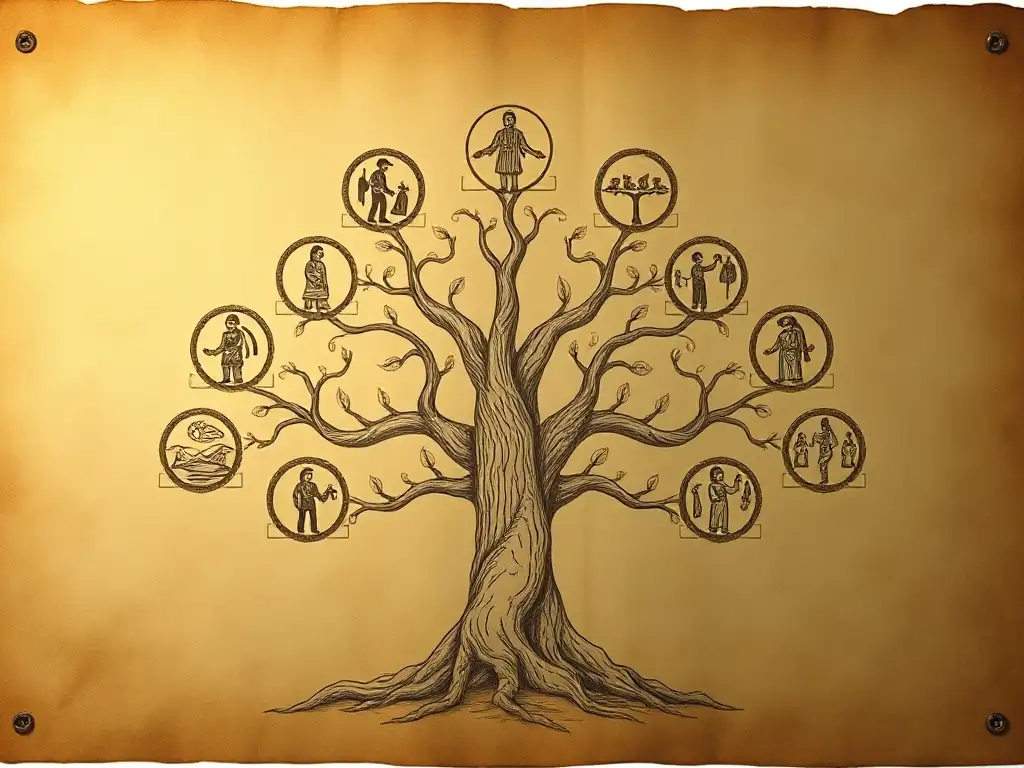
The study of Andean civilization genealogy extends far beyond academic interest; it holds profound significance for contemporary Andean communities and individuals worldwide. Understanding ancestral lineage allows for a deeper connection to a rich and complex past, fostering a sense of belonging and cultural pride. This is particularly crucial in the face of historical injustices and the ongoing struggle for self-determination. The resurgence of interest in Andean genealogy reflects a broader global trend: a desire to reconnect with roots and understand one's place within a larger historical narrative.
This renewed focus empowers individuals and communities to reclaim their heritage and build stronger, more resilient identities. The preservation and study of Andean genealogies are vital for understanding the intricate social structures, migration patterns, and cultural transmission that shaped these remarkable civilizations. This information is not merely historical; it is actively shaping contemporary Andean societies.
Reclaiming Ancestral Identity through Genealogical Research
Genealogical research provides a powerful tool for reclaiming ancestral identity within Andean communities. Many individuals, particularly those whose families have been displaced or marginalized, find solace and strength in tracing their lineage back to ancient Andean roots. This process can involve painstaking research, including examining historical records, oral histories, and even analyzing DNA to confirm familial connections. For example, researchers have used mitochondrial DNA analysis to trace maternal lineages within specific Andean communities, revealing surprising connections and migrations spanning centuries.
This type of research not only confirms familial relationships but also paints a vivid picture of the movement and interconnectedness of Andean populations throughout history. The act of tracing one's ancestry becomes a powerful act of self-discovery, connecting individuals to a legacy of resilience, creativity, and cultural richness. The emotional impact of this process cannot be overstated; it is a journey of self-discovery and empowerment.
Connecting with Living Andean Communities and Their Histories
Tracing Andean genealogies often leads to connections with living Andean communities, facilitating the exchange of knowledge and fostering cultural preservation. By engaging with these communities, researchers and individuals alike gain access to invaluable oral histories and traditions that are not always documented in written records. For instance, community elders often hold vast knowledge of family lineages, extending back generations, providing crucial information for genealogical research. These connections also create opportunities for cultural exchange, allowing for the sharing of knowledge and the preservation of traditional practices.
Collaborating with Andean communities ensures that genealogical research is not exploitative but rather a collaborative effort that benefits all involved. Such collaborations are crucial for ensuring the ethical and responsible study of Andean genealogy and avoiding the pitfalls of cultural appropriation. This reciprocal relationship benefits both researchers and the communities they study.
The Importance of Preserving and Sharing Andean Family Histories
The preservation and sharing of Andean family histories are essential for safeguarding cultural heritage and ensuring the continuity of Andean traditions. This involves not only meticulous documentation of genealogical information but also the active engagement of communities in the process. Digital archiving, for instance, offers a powerful means of safeguarding fragile documents and oral histories, making them accessible to future generations.
Furthermore, the development of community-based archives empowers local populations to control and share their own stories, ensuring the accurate representation of their heritage. The creation of accessible online databases, combined with educational initiatives, can help to disseminate this knowledge widely, fostering a broader appreciation for Andean cultural diversity. Without such preservation efforts, valuable knowledge of Andean family histories is at risk of being lost forever.
The collaborative efforts of researchers, community members, and institutions are essential to ensure the long-term preservation of this invaluable heritage. This proactive approach is vital for ensuring future generations can connect with their Andean ancestors.
Resources for Further Research on Andean Civilization Genealogy
This section provides crucial resources for those interested in delving deeper into the fascinating world of Andean civilization genealogy. Understanding the complexities of Andean kinship systems requires meticulous research, utilizing a variety of primary and secondary sources. This information will help you navigate the available resources and effectively trace your ancestral roots within the rich tapestry of Andean history. Remember that accessing and interpreting these resources often requires specialized knowledge of Spanish, Quechua, and Aymara, along with a deep understanding of colonial record-keeping practices.
Archivo General de Indias (Seville) for Andean Genealogical Research
The Archivo General de Indias in Seville, Spain, houses a vast collection of colonial documents pertaining to the Americas, including a significant number of records directly relevant to Andean genealogy. These records, often meticulously detailed, provide invaluable insights into family structures, land ownership, and social hierarchies within Andean societies. However, navigating this extensive archive requires careful planning and preparation.
The sheer volume of documents necessitates a focused research strategy. Before embarking on a trip to Seville, it is crucial to conduct thorough preliminary research using online catalogs and finding aids. This preliminary work will allow you to identify specific documents relevant to your research, thus maximizing your time and efficiency within the archive. Many researchers find it beneficial to collaborate with experienced archivists or historians specializing in Andean studies. They can provide guidance on navigating the complexities of the archive and interpreting the often-cryptic handwriting and terminology found in these historical documents.
Consider focusing your search on specific administrative records, such as:
- Parish registers: These records often contain baptismal, marriage, and burial entries, providing crucial genealogical data. They can illuminate family relationships and migration patterns across generations.
- Census records: While not always consistently maintained, census records offer snapshots of population demographics and family structures at specific points in time.
- Notarial records: These documents encompass a wide range of legal and administrative actions, potentially containing valuable information on inheritance, land transactions, and family disputes. These can reveal intricate details about family dynamics and social standing.
- Wills and testaments: These documents frequently detail family members, property distribution, and other significant aspects of individual lives within Andean communities.
The Archivo General de Indias is an undeniably rich source of information, but it demands patience, persistence, and a well-defined research plan. Remember to always cite your sources properly, acknowledging the invaluable contribution of this historical repository to your genealogical research.
Online Databases of Colonial Andean Records
While the Archivo General de Indias remains a cornerstone of Andean genealogical research, several online databases are increasingly providing access to digitized colonial records. These databases, though still under development, offer a convenient and accessible starting point for your investigations. However, it's crucial to remember that the completeness and accuracy of these digital resources vary considerably. Always cross-reference information found online with other sources to ensure accuracy.
Some databases to explore include: (Specific database names and descriptions pending). This is an area of rapid development, so regularly checking for new online resources is advisable. The quality and scope of these online resources are constantly evolving, so staying informed is essential. Many university libraries and historical societies are also actively digitizing their collections of Andean materials, making them increasingly available to researchers worldwide.
Understanding the complexities of Andean genealogy requires more than just access to archival records; it necessitates a solid grasp of the broader social and cultural context. The following areas of study are crucial for interpreting the information gleaned from genealogical sources:
- Pre-Columbian Andean kinship systems: Research into pre-colonial social structures and kinship patterns provides a foundation for understanding the evolution of family systems after the Spanish conquest. This includes examining the diverse kinship systems across different Andean groups, such as the Inca, Moche, Nazca, and Tiahuanaco civilizations. Understanding their unique social structures helps provide context for later genealogical records.
- The impact of the Spanish conquest: The arrival of the Spanish profoundly altered Andean social structures and family systems. Researching the colonial period's effects on family organization, land ownership, and social hierarchies is vital for interpreting genealogical records accurately. The imposition of the Spanish encomienda system, for example, significantly impacted Andean kinship networks.
- Indigenous perspectives: It's crucial to incorporate indigenous perspectives on kinship and family relationships. Understanding how Andean communities themselves understood and articulated their family structures adds depth and nuance to genealogical interpretations. This involves seeking out works by Andean scholars and researchers who emphasize indigenous voices and perspectives.
By combining archival research with a comprehensive understanding of Andean social history and cultural contexts, researchers can effectively trace ancestral roots and contribute to a richer understanding of Andean civilization genealogy. This multi-faceted approach allows for a more complete and nuanced interpretation of the available data, leading to a more accurate and meaningful reconstruction of Andean family histories. Remember that genealogical research is an ongoing process, and the more perspectives you incorporate, the more complete your understanding will be.
Frequently Asked Questions
How did Andean civilizations track their genealogies?
Andean civilizations didn't use written genealogies like Europeans. Instead, they relied on oral traditions, ceremonial objects, and kinship systems passed down through generations to maintain their lineage. This information was often embedded in stories and rituals.
What role did genealogy play in Andean societies?
Genealogy was crucial for social organization and political legitimacy. Royal lineages were particularly important, justifying power and access to resources. It also influenced land ownership, marriage practices, and social status.
How did the Inca Empire manage its vast genealogical records?
The Inca Empire, with its sophisticated bureaucracy, used a system of quipus (knotted strings) and oral accounts to record genealogies, particularly those of the ruling elite. These records helped maintain order and control within the empire.
Were there differences in genealogical practices among different Andean cultures?
Yes, there were significant variations. While the Inca had a centralized system, other cultures like the Moche and Nazca likely had more localized and less formalized approaches to recording and maintaining their family histories. Their methods varied based on their social structures.
How can we study Andean genealogies today?
Modern scholars utilize a combination of archaeological evidence, ethnohistorical accounts, and linguistic analysis to reconstruct Andean genealogies. This interdisciplinary approach helps piece together fragmented information from various sources to understand their complex kinship systems.
Final Reflection: Weaving the Threads of Andean Heritage
Understanding Andean genealogies is not merely an academic pursuit; it is a vital act of reclaiming identity and forging a stronger connection to the vibrant tapestry of human history. The intricate family trees and complex social structures of Andean civilizations offer a powerful lens through which to examine the enduring legacy of resilience, innovation, and cultural richness that continues to shape the region today. This legacy, woven into the very fabric of modern Andean societies, demands our attention and understanding.
The exploration of Andean genealogies has profoundly impacted my own understanding of cultural preservation and the importance of oral traditions. The meticulous work of researchers and community members in piecing together fragmented histories, often relying on storytelling and ancestral knowledge, is a testament to the enduring power of human connection across generations. The past is never dead. It's not even past.
– William Faulkner. This quote resonates deeply, as the echoes of Andean ancestors reverberate through contemporary society, influencing everything from artistic expression to political movements. Their stories, painstakingly reconstructed, remind us of the interconnectedness of all humanity and the vital importance of preserving our collective heritage.
Now, it's your turn. Consider your own family history, your own roots. What stories have been passed down through your family? What connections can you trace back through time? By actively engaging with our ancestry, we not only honor the past but also empower ourselves to build a more informed and compassionate future. Let the threads of your own genealogy inspire you to explore, to learn, and to connect with the rich tapestry of human experience.
Unveil Your Ancestral Heritage Today!
Thank you for exploring the fascinating world of Andean genealogies with us! Discovering your roots is a rewarding journey that enriches your understanding of yourself and connects you to a vibrant cultural heritage. Now, let's embark on the next stage of this exciting adventure!
Here's how you can delve deeper into your ancestry and share your discoveries:
- Begin your genealogical research: Start by exploring online resources and local archives to trace your family lineage and uncover your unique personal history.
- Connect with others: Join online forums or local groups dedicated to Andean history and genealogy. Sharing experiences and resources with like-minded individuals can be incredibly valuable.
- Share your journey: Document your research and discoveries—the stories and insights you unearth—in a blog post, social media update, or even a personal journal. Inspire others to explore their own family histories!
What aspects of your family history are you most excited to learn more about? Let's begin a conversation!