
Andean Music and Dance: Connecting with the Divine

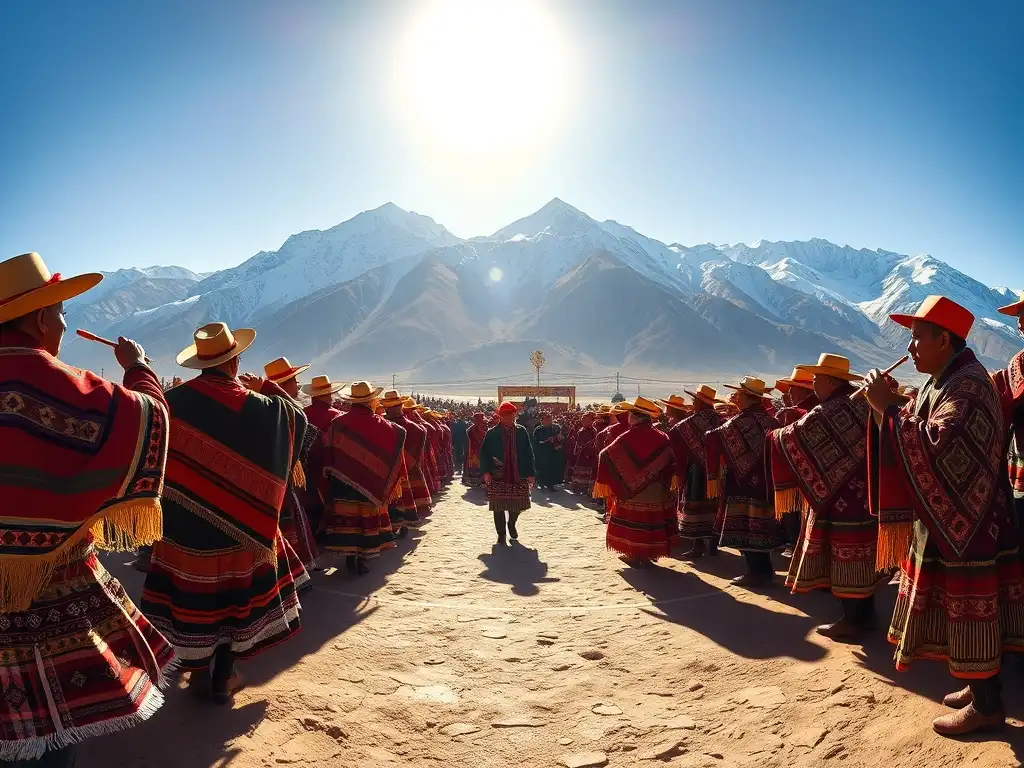
Unravel the mysteries of the Andes! Journey beyond the breathtaking landscapes and discover a vibrant tapestry of ancient cultures. Here, you'll delve into the captivating world of the Incas, Moche, Nazca, and Tiahuanaco, unearthing their intricate societies and remarkable achievements. But what secrets do their rhythms hold? Prepare to be transported as we explore the powerful connection between Ancient Andean music and dance and their profound spiritual beliefs – a journey into the heart of their cosmovision that will leave you wanting more.
- Ancient Andean Music and Dance: Connecting with the Divine
- The Role of Music and Dance in Andean Religious Practices
- Exploring Specific Andean Musical Traditions
- The Connection Between Andean Music, Dance, and Deities
- Legacy of Ancient Andean Music and Dance
- Experiencing the Power of Andean Music and Dance Today
-
Frequently Asked Questions
- What role did music and dance play in ancient Andean cultures?
- What instruments were commonly used in ancient Andean music?
- How did Andean dance styles reflect the culture and environment?
- Are there any surviving examples of ancient Andean music or dance traditions?
- Where can I learn more about ancient Andean music and dance?
- Final Reflection: Echoes of the Andes, Whispers of the Divine
- Embrace the Rhythm of the Andes!
Ancient Andean Music and Dance: Connecting with the Divine
The vibrant tapestry of Andean culture is richly interwoven with music and dance, far beyond mere entertainment. For the ancient Andean civilizations – including the Incas, Moche, Nazca, and Tiahuanaco – music and dance served as profound spiritual conduits, connecting the earthly realm with the divine. This article delves into the intricate relationship between ancient Andean music and dance, exploring their roles in religious rituals, social structures, and the overall cosmovision of these fascinating societies.
We will uncover how these art forms were not simply aesthetic expressions, but powerful tools used to honor deities, communicate with the supernatural, and maintain cosmic balance. Understanding the significance of ancient Andean music and dance provides a crucial lens through which to appreciate the complexity and depth of their spiritual beliefs and practices. Prepare to journey through time and experience the powerful resonance of these ancient traditions.
The Spiritual Significance of Music in Ancient Andean Cultures
Ancient Andean music wasn't just about melody and rhythm; it was a sacred language. Instruments like the panpipes (antara), drums (tinku), and shell trumpets (pututu) weren't simply musical tools, but objects imbued with spiritual power. Their sounds were believed to resonate with the energies of the cosmos, influencing the natural world and facilitating communication with the supernatural. Specific musical modes and rhythms were associated with different deities and ceremonies.
For example, [specific musical examples and associated deities pending] – further research is needed to fully elucidate these specific connections. The use of these instruments in rituals aimed to appease the gods, ensure successful harvests, and maintain the harmony of the universe. The melodies themselves, often characterized by their haunting and evocative qualities, were thought to possess the power to invoke specific spiritual states. The creation and performance of music were often entrusted to specialized individuals, shamans or priests, who held a privileged position within their communities due to their connection to the spiritual realm.
Their mastery of music was seen as a vital component of their ability to mediate between the human and divine worlds. This reinforces the deeply ingrained belief in the spiritual efficacy of music within Andean cosmovision. The rhythmic complexity and unique musical scales further suggest a sophistication in their understanding of the relationship between sound and the supernatural.
Ritualistic Dance Forms in Andean Civilizations
Ritualistic dance played an equally significant role in the religious practices of ancient Andean cultures. These dances weren't simply choreographed movements; they were sacred performances that reenacted myths, celebrated harvests, or sought to influence the course of events. The dances often involved elaborate costumes, masks, and symbolic gestures, all contributing to the overall spiritual impact of the performance. Many dances were directly linked to agricultural cycles, reflecting the deep connection between the Andean people and the land.
For instance, [specific examples of dances related to agricultural cycles pending]. These dances were often performed in specific locations, such as temples or sacred sites, further emphasizing their religious significance. The movements themselves often mimicked the actions of animals or deities, symbolizing the desired outcome of the ritual. The collective participation in these dances fostered a sense of community and shared identity, strengthening social bonds and reinforcing the spiritual beliefs of the entire group.
The precision and synchronization of these dances, often involving hundreds of participants, highlight the importance of collective ritual and the power of communal action in influencing the supernatural world. The physical exertion and intense focus required further intensified the spiritual experience, creating a trance-like state that allowed participants to connect more deeply with the divine. 💃🕺
The Role of Music and Dance in Andean Religious Practices
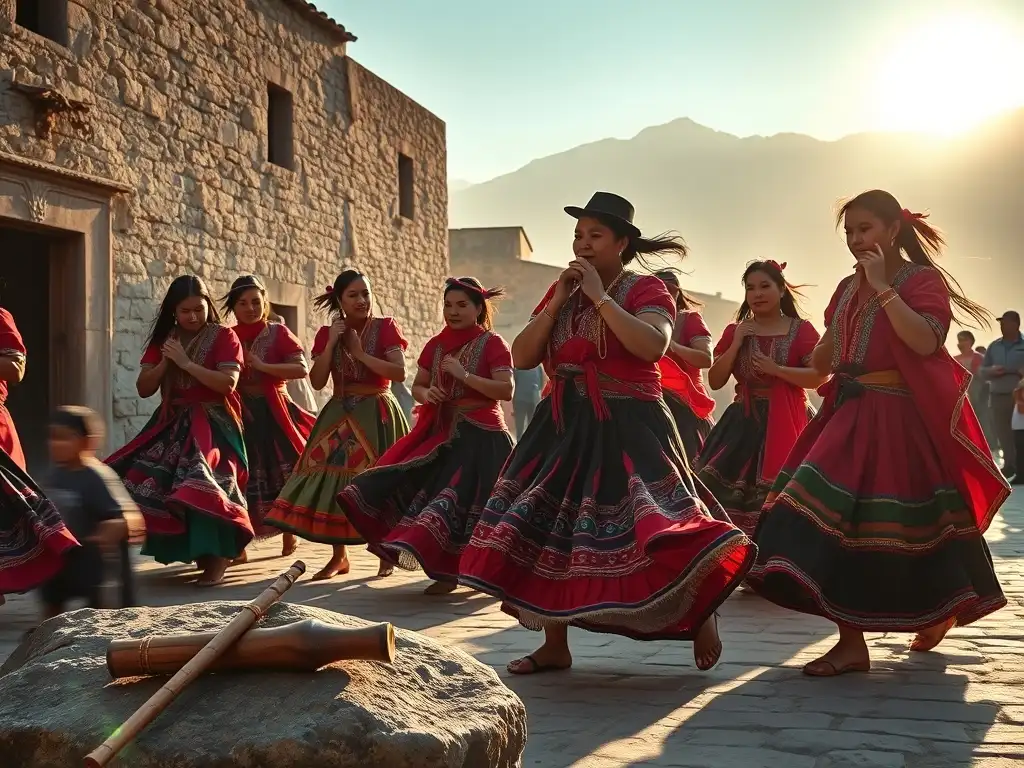
Ancient Andean music and dance weren't merely forms of entertainment; they were integral parts of religious practices, deeply intertwined with the Andean worldview and their connection to the supernatural. These performances served as powerful mediums for communicating with deities, ancestors, and the forces of nature. The rhythmic movements, melodic chants, and the sounds of instruments created a sacred atmosphere, believed to bridge the gap between the human and spiritual realms.
Rituals involving music and dance were performed throughout the year, often coinciding with agricultural cycles, significant astronomical events, and important life transitions. This holistic approach to religious expression highlights the importance of sensory experience in shaping Andean spirituality. The vibrant tapestry of sounds and movements wasn't just observed; it was lived, actively shaping the relationship between the Andean people and their cosmology.
The intensity and emotional depth involved suggest a profoundly spiritual experience, far removed from the modern perception of music and dance as mere leisure activities. The legacy of these practices continues to resonate in contemporary Andean communities, demonstrating their enduring significance.
Musical Instruments Used in Andean Religious Ceremonies
The soundscape of Andean religious ceremonies was rich and varied, relying on a diverse array of instruments, each with its own symbolic meaning and specific role. The pututu, a long shell trumpet, was often used to announce important events and summon participants to ceremonies. Its deep, resonant sound was believed to carry messages to the gods and ancestors.
The antara, a panpipe instrument, produced a series of melodic tones, often used in complex musical arrangements that reflected the layered complexity of the Andean worldview. Percussion instruments like the tinku, a type of drum, provided rhythmic accompaniment, setting the tempo and energy of the ceremonies. Smaller, handheld instruments like the quena (a type of flute) and the sensing (a type of whistle) added melodic variation and provided a more intimate, personal connection to the spiritual realm.
The choice of instruments for a specific ceremony was not arbitrary. Different instruments were associated with different deities or spirits, and their use was carefully considered to ensure the effectiveness of the ritual. For example, the deep tones of the pututu might be associated with powerful earth deities, while the brighter sounds of the antara might be used in ceremonies related to the sun or celestial bodies.
This nuanced understanding of the symbolic power of sound highlights the sophisticated nature of Andean musical practices and their integral role in their religious system. The meticulous craftsmanship involved in creating these instruments further underscores their sacred significance. Archaeological evidence reveals intricate details and decorative elements on many recovered instruments, suggesting a deep respect for the objects and the power they embodied.
Andean Dance as a Form of Prayer and Devotion
Andean dance wasn't simply a visual spectacle; it was a form of prayer and devotion, a physical manifestation of spiritual connection. The movements, often highly stylized and symbolic, represented the interactions between humans and the supernatural world. Specific gestures, postures, and footwork were associated with particular deities or events, carrying meaning far beyond mere aesthetics.
For instance, certain movements might mimic the flight of birds, the flow of rivers, or the growth of crops, reflecting the close relationship between the Andean people and the natural world. The dancers weren't simply performing; they were embodying the very essence of the spiritual forces they sought to honor.
The communal aspect of Andean dance is equally significant. Many ceremonies involved large groups of dancers, often organized into formations that mirrored cosmological patterns or the structure of Andean society. This collective participation served to strengthen the bond between the community and the divine, creating a powerful sense of shared identity and purpose. The rhythmic synchronization of movements and the shared experience of the music fostered a sense of unity and spiritual harmony.
The energy generated by these large-scale performances was believed to amplify the effectiveness of the ritual, creating a powerful conduit for communication with the supernatural. This collective expression of faith further emphasizes the social and spiritual cohesion of Andean communities. The legacy of these dances endures in many contemporary Andean communities, acting as a living testament to the enduring power of this form of spiritual expression.
Exploring Specific Andean Musical Traditions
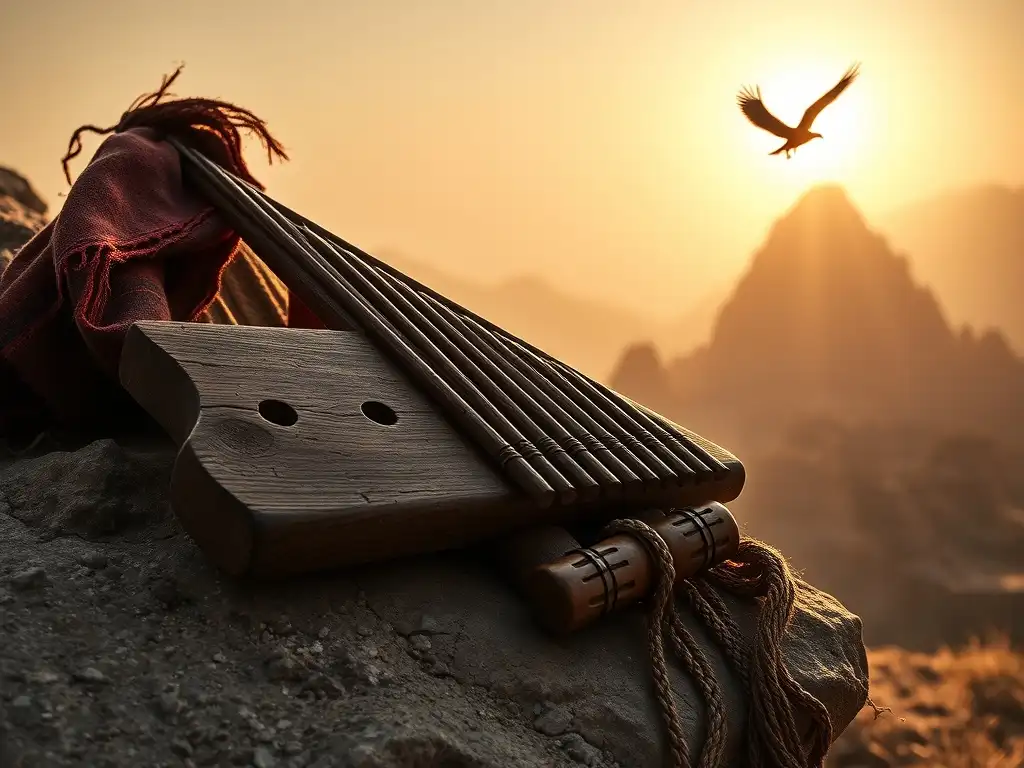
This section delves into the unique musical and dance traditions of specific Andean cultures, examining their styles, instruments, and socio-religious significance. Understanding these diverse expressions provides crucial insight into the complex relationship between music, dance, and the supernatural in ancient Andean societies. The vibrant soundscapes of these civilizations weren't merely entertainment; they were integral to religious rituals, agricultural cycles, and social cohesion, reflecting a profound connection with the Ancient Andean music and dance traditions.
The Sounds of the Inca Empire: Music and Dance of the Tawantinsuyu
The Inca Empire, spanning vast territories across the Andes, fostered a rich and diverse musical landscape. While written musical notation is absent, archaeological evidence and Spanish chronicles offer glimpses into their sonic world. Inca music heavily relied on wind instruments like the antara (panpipes) and pututu (shell trumpet), along with percussion instruments such as drums and rattles. The antara, particularly, held symbolic importance, often associated with deities and sacred ceremonies. The number of pipes within an antara could vary, potentially representing different deities or aspects of the cosmos.
The Inca's music wasn't solely instrumental. Vocal traditions, likely incorporating chants and songs related to agricultural cycles, religious rituals, and royal celebrations, played a pivotal role. These vocal performances were often intertwined with elaborate dances, reflecting a strong connection between music and movement in Inca culture. These dances, often performed in large groups, served both religious and social functions, reinforcing communal identity and expressing devotion to the gods.
Descriptions from Spanish chroniclers detail impressive displays of coordinated movements, costumes, and musical accompaniment, suggesting a highly structured and formalized dance tradition. Unfortunately, much of the specific details regarding melodies, rhythms, and dance steps remain lost to time. Further research and analysis of archaeological findings could shed more light on these vital aspects of Inca culture.
Moche Music and Dance: Depictions in Art and Pottery
The Moche civilization (100-800 CE), known for its sophisticated artistry, left behind a wealth of visual representations that offer valuable clues about their musical and dance practices. Moche pottery, in particular, depicts scenes of elaborate ceremonies featuring musicians and dancers. These depictions show individuals playing various instruments, including panpipes similar to the antara, drums, and possibly stringed instruments, though the precise details are often difficult to ascertain.
The Moche artistic representations consistently link music and dance with religious rituals and ceremonies. Pottery often shows musicians performing before elite figures or deities, suggesting the important role music played in religious contexts. The dancers depicted often wear elaborate costumes and masks, indicating a strong ritualistic aspect to their performances.
The style and movements of the dancers, while not fully understood, suggest a dynamic and expressive dance tradition, likely reflecting the culture's complex cosmology and beliefs. The Moche's artistic legacy provides a unique window into the cultural significance of their music and dance, offering a tangible link to their spiritual beliefs and social practices. However, the absence of surviving musical instruments limits our ability to reconstruct the actual sounds of Moche music.
Nazca Musical Practices: The Use of Antara and Drums
The Nazca culture (100 BCE – 800 CE), famous for its enigmatic geoglyphs, also possessed a rich musical tradition. While direct evidence is scarce, archaeological discoveries suggest the use of instruments such as the antara and various types of drums. The antara, a staple across many Andean cultures, likely played a significant role in Nazca religious ceremonies and social gatherings. The diversity of drum types, however, suggests a more varied percussive landscape than what we currently understand.
The integration of music and dance within Nazca society remains an area requiring further investigation. While there is limited direct evidence of dance depictions in their art, the presence of musical instruments strongly suggests that dance was an integral part of their cultural and religious expressions. It's plausible that, similar to other Andean cultures, Nazca music and dance were deeply intertwined with their cosmological beliefs and agricultural practices.
The lack of detailed depictions, however, makes it challenging to reconstruct the specifics of their dances and the overall sonic landscape of their society. Further archaeological research and interdisciplinary studies are needed to fully understand the role of music and dance in Nazca life.
Tiahuanaco Rhythms: The Significance of the Siku and Wankara
The Tiahuanaco culture, flourishing in the Bolivian Altiplano between 500 and 1000 CE, left behind a legacy not only in monumental architecture but also in captivating musical traditions. While written musical scores haven't survived, archaeological evidence and surviving traditions among indigenous communities offer glimpses into their sonic world. The siku, a panpipe instrument, played a central role, its haunting melodies believed to have been integral to religious ceremonies and agricultural rituals.
The unique construction of the siku, with its paired rows of pipes producing harmonious intervals, suggests a sophisticated understanding of musical acoustics. Its sound, often described as ethereal and otherworldly, resonates with the high-altitude landscape of the Altiplano, further enhancing its spiritual significance.
The repetitive nature of the siku music may have been used to induce trance-like states during ceremonies, facilitating communication with the divine. The rhythmic structure of siku playing, with its emphasis on cyclical patterns, reflects the cyclical nature of Andean cosmology.
The wankara, a type of celebratory dance associated with the Tiahuanaco culture, further illustrates the importance of music and movement in their religious practices. Though the exact choreography of the original wankara is lost to time, surviving forms of this dance in modern Andean communities provide valuable clues. These dances often involve intricate footwork and stylized gestures, accompanied by the siku and other percussion instruments.
The wankara served not only as a form of entertainment but also as a communal act of worship, strengthening social bonds while honoring the deities. The vigorous movements and intense rhythms of the wankara could have been intended to awaken and connect with the energies of the earth and the spirits. The use of masks and costumes in some wankara performances suggests a symbolic connection to the supernatural, possibly representing deities or ancestral spirits.
The vibrant colors and intricate designs of these costumes further emphasize the importance of visual aesthetics in their religious expressions. Further research into Tiahuanaco iconography and surviving textile fragments may reveal additional clues about the specific musical and dance traditions associated with their deities. Analysis of the surviving instruments and their construction techniques can help us better understand the sophistication of their musical technology and its role in their spiritual world.
The Connection Between Andean Music, Dance, and Deities
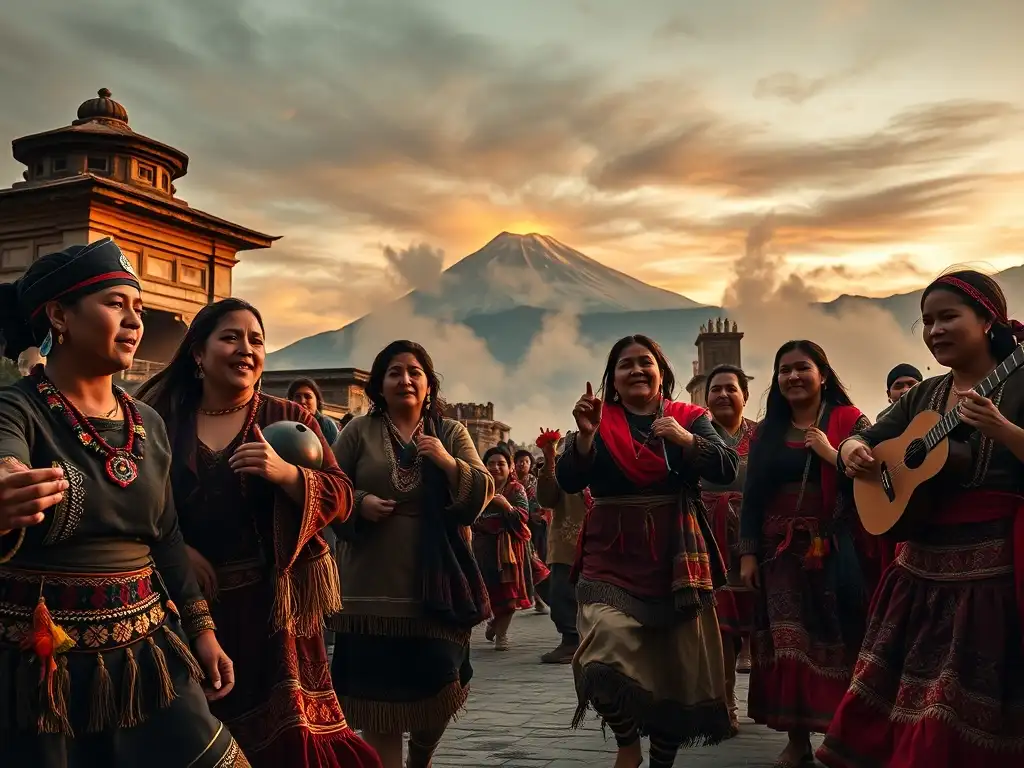
Ancient Andean music and dance weren't merely forms of entertainment; they were integral components of religious practice, deeply intertwined with the Andean cosmovision and the worship of deities. These artistic expressions served as powerful conduits for communication with the supernatural world, a means to appease deities, request favors, and celebrate the cyclical nature of life and the cosmos. The rhythmic movements, the melodic chants, and the intricate instrumentation weren't simply aesthetic choices; they were carefully crafted rituals designed to evoke specific responses from the divine realm.
The intensity and precision of these performances highlight the profound significance placed upon them within Andean society. Evidence from archaeological sites, surviving textiles depicting musical scenes, and ethnomusicological studies all point to the deeply spiritual nature of Andean music and dance.
Music and Dance as a Means of Communication with Andean Gods
Music and dance in the Andes acted as a bridge between the human and divine realms. The carefully orchestrated movements, often mimicking the actions of animals or celestial bodies, were believed to resonate with the energies of specific deities. For example, certain dances might imitate the flight of a condor to honor the god of the mountains, while others could mimic the movements of the sun to appease Inti, the sun god.
The musical accompaniment, often featuring instruments like the pututo (a long, ceremonial trumpet), the antara (panpipes), and the tinku (a type of drum), served to amplify the ritualistic power of the dance. The sounds themselves were thought to possess spiritual potency, capable of reaching the ears of the gods and influencing their actions.
The use of specific rhythms and melodies further enhanced the communicative aspect, creating a sophisticated system of symbolic language understood by both the performers and the deities. The intricate interplay between music and dance was not arbitrary; it was a carefully constructed system of communication designed to establish a direct line to the divine.
Deities Associated with Music and Dance in Andean Cosmovision
Various Andean deities were closely associated with specific musical instruments, dance styles, and rituals. While specific details vary across different Andean cultures (Inca, Moche, Nazca, etc. ), several recurring themes emerge.
For instance, the Mama Killa (Moon Goddess) was often associated with nocturnal dances and softer, more melancholic melodies, reflecting the moon's gentle and mysterious nature. In contrast, the Pachamama (Earth Mother) was often celebrated through dances that emphasized fertility and abundance, using instruments that evoked the sounds of the earth, such as drums and rattles. Furthermore, deities associated with specific geographic locations or natural phenomena also had their own unique musical and dance traditions.
For example, mountain deities might be honored with vigorous dances mimicking the movements of animals inhabiting those heights, accompanied by the powerful sounds of the pututo. This strong correlation between deities and specific musical and dance forms underscores the integral role of these arts in Andean religious life. Further research into specific regional variations would illuminate the rich diversity of these practices.
Inti, the Sun God, and the Role of Music in Solar Festivals
Inti, the sun god, held a central position in Andean cosmology, and his worship was heavily reliant on music and dance. Solar festivals, often elaborate and multi-day events, featured complex musical performances and dances designed to honor Inti's life-giving power. These festivals were crucial for the agricultural cycle, ensuring successful harvests and the prosperity of the community.
The Inti Raymi, the most famous of these festivals, involved grand processions, elaborate costumes, and musicians playing a variety of instruments, all focused on celebrating the sun's power. The music played during these festivals was often characterized by bright, energetic rhythms and melodies, reflecting the sun's warmth and vitality. The dances were similarly vibrant, often involving large groups of performers moving in synchronized patterns, creating a visually stunning and spiritually powerful spectacle.
The Inti Raymi and other solar festivals demonstrate the crucial role of music and dance in maintaining a harmonious relationship with Inti and securing the community's well-being. The precise details of the musical scores and choreography for these festivals remain largely unknown, awaiting further archaeological and anthropological investigation.
Legacy of Ancient Andean Music and Dance
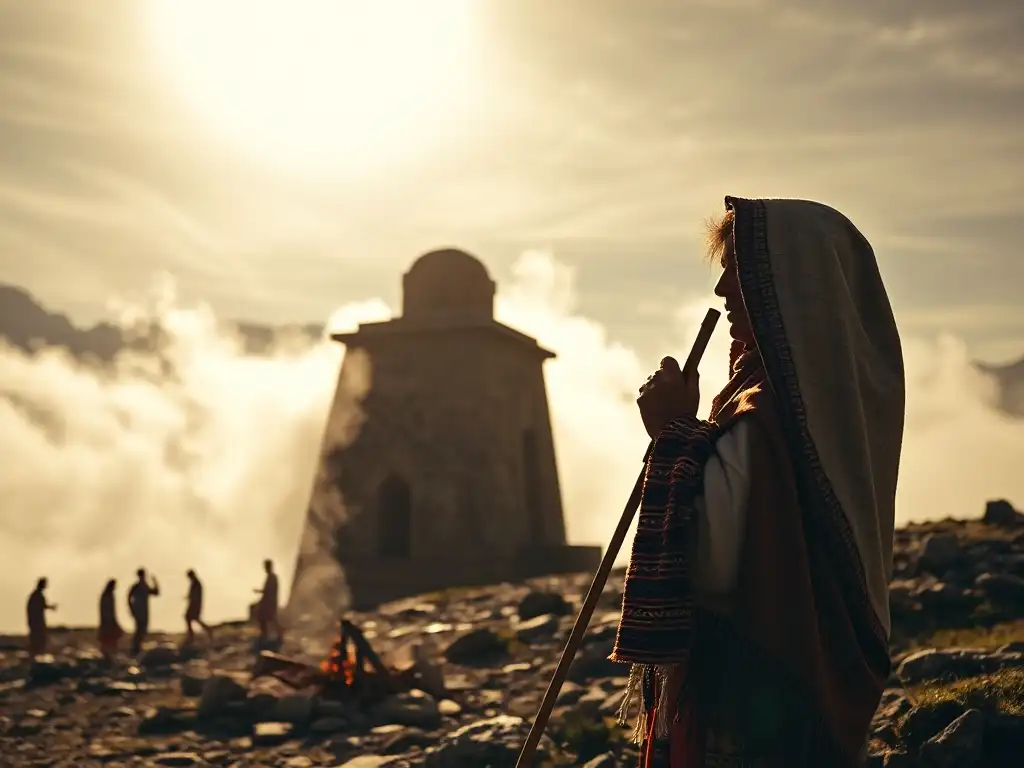
Ancient Andean music and dance weren't merely forms of entertainment; they were deeply interwoven with religious beliefs, agricultural cycles, and social structures. These practices served as vital links between the human and spiritual realms, facilitating communication with deities and ancestors. The rhythmic complexity and intricate melodies weren't accidental; they reflected a sophisticated understanding of the cosmos and the natural world.
Archaeological evidence, such as depictions on pottery and textiles, reveals the importance of music and dance in daily life, rituals, and ceremonies. Instruments like the pututu (a shell trumpet), antara (panpipes), and various drums played crucial roles, each with its unique sonic character associated with specific deities or events. The movements in dances, often mimicking animal behaviors or agricultural processes, also held symbolic meaning, illustrating the interconnectedness of humanity and nature.
For example, the vibrant dances celebrating harvest festivals weren't just celebratory; they were rituals ensuring future prosperity, reinforcing the belief in reciprocal relationships with the earth and its bounty. The legacy of this deep connection between music, dance, and spirituality continues to resonate in contemporary Andean cultures.
Contemporary Andean Music and Dance: Preserving the Traditions
Despite the passage of centuries, the spirit of ancient Andean music and dance persists. Contemporary Andean communities actively preserve these traditions, passing down knowledge and skills through generations. While modern instruments and influences sometimes blend in, the core essence—the rhythmic structures, melodic patterns, and spiritual significance—remain central.
Many communities organize festivals and celebrations where traditional music and dance take center stage. These events are not merely performances; they are living expressions of cultural heritage, reaffirming community identity and spiritual connection. For example, the Tinkus dance, with its powerful rhythms and intense movements, continues to be performed in various Andean regions, embodying themes of struggle, community, and resistance.
The preservation efforts also extend to the creation of music schools and cultural centers dedicated to teaching traditional instruments and dance forms. These initiatives play a vital role in safeguarding this invaluable cultural heritage for future generations, ensuring the continuation of ancient Andean musical and dance practices. The dedication to preserving these traditions highlights the enduring power of ancient Andean music and dance in shaping contemporary cultural identity.
The Influence of Ancient Andean Rhythms on Modern Music
The influence of ancient Andean rhythms extends far beyond the Andes themselves. These unique sonic textures have captivated musicians and composers globally, inspiring a rich tapestry of contemporary musical styles. The distinct pentatonic scales and complex rhythmic patterns found in ancient Andean music have been incorporated into various genres, from folk and world music to jazz and even electronic music.
The use of traditional Andean instruments, such as the charango (a small Andean lute) and the zampoña (panpipes), in modern compositions further enhances the cross-cultural dialogue. The incorporation of these ancient rhythms often adds a layer of depth and cultural richness to modern works, allowing for a captivating fusion of past and present.
Many contemporary musicians actively seek to incorporate elements of ancient Andean music into their own creative endeavors, recognizing the powerful emotional resonance and unique aesthetic qualities of these ancient musical traditions. This cross-cultural pollination showcases the enduring relevance and global appeal of Ancient Andean music.
Fusion of Andean Rhythms with Contemporary Musical Styles
The fusion of Andean rhythms with contemporary musical styles represents a dynamic and evolving landscape. Artists are creatively blending traditional Andean melodies and instruments with modern genres, resulting in innovative and captivating soundscapes. For instance, we see the integration of Andean panpipes with electronic beats, creating a unique blend that appeals to both traditional and modern audiences.
This innovative approach not only preserves ancient musical traditions but also introduces them to a wider, global audience. This fusion often involves collaborations between Andean musicians and artists from different cultural backgrounds, fostering a vibrant exchange of musical ideas and techniques. The result is a vibrant and diverse musical tapestry that showcases the enduring power and adaptability of ancient Andean rhythms in a contemporary setting.
This ongoing process of creative cross-pollination ensures that ancient Andean music remains a vital and evolving force in the global music scene. The fusion demonstrates the continued relevance and transformative potential of Ancient Andean music and dance in the 21st century.
Experiencing the Power of Andean Music and Dance Today
The vibrant traditions of ancient Andean music and dance, deeply intertwined with their spiritual beliefs and cosmology, continue to resonate powerfully in contemporary Andean culture. While the exact forms and rituals may have evolved, the core essence—the connection to the divine through rhythmic movement and melodic expression—remains palpable. This enduring legacy manifests in various ways, offering modern audiences opportunities to engage with and appreciate this rich cultural heritage.
Understanding these contemporary expressions helps us grasp the profound significance ancient Andean music and dance held for their creators. The rhythmic pulse of the tinya, the haunting melodies of the zampoña, and the graceful movements of traditional dances all speak to a spiritual depth that transcends time.
Andean Festivals and Cultural Events: Opportunities to Witness Performances
Numerous festivals and cultural events throughout the Andes provide exceptional opportunities to witness authentic performances of ancient Andean music and dance. These events often recreate ancient rituals, albeit adapted for modern contexts. For example, the Inti Raymi festival, celebrating the Inca winter solstice, features elaborate processions and dances reenacting scenes from Inca mythology.
These performances aren't just entertainment; they are living expressions of faith and cultural identity. Participants and spectators alike are enveloped in the energy of the music and dance, experiencing a tangible connection to the past. The vibrant costumes, intricate choreography, and powerful music create an immersive experience that transports the audience to another time and place.
Detailed observation reveals subtle nuances in the movements and melodies, reflecting the specific beliefs and traditions of different Andean communities. Even smaller, local festivals often incorporate elements of ancient Andean music and dance, showcasing the enduring influence of these traditions on everyday life. These events present a unique chance to observe the interplay between the ancient and the modern, witnessing how these powerful traditions continue to shape Andean identity.
Learning the Art of Andean Instruments: Workshops and Classes
For those seeking a more active engagement with ancient Andean music and dance, numerous workshops and classes offer opportunities to learn to play traditional instruments and master the intricate steps of Andean dances. Learning to play instruments like the charango, quena, or zampoña provides a deeper understanding of the musical scales and rhythms that were so integral to ancient Andean spiritual practices. These workshops often incorporate historical context, explaining the significance of the instruments and their role in ceremonies and rituals.
Similarly, dance classes teach not only the steps but also the symbolic meanings behind the movements, fostering a more holistic appreciation of the art form. The experience is not merely about acquiring technical skills; it's about connecting with a rich cultural heritage and gaining a personal understanding of the spiritual power embedded within the music and dance.
Many instructors are themselves descendants of Andean communities, ensuring the authenticity and continuity of these traditions. This hands-on approach allows for a deeper engagement with the cultural heritage and offers a unique perspective on the ancient Andean worldview.
The Enduring Spiritual Power of Andean Music and Dance
The enduring power of ancient Andean music and dance lies not just in its artistic merit but in its profound connection to the spiritual realm. The music and dance were integral components of religious ceremonies and rituals, serving as mediums for communication with the divine. Through rhythmic patterns and specific melodies, Andean people sought to invoke deities, appease spirits, and maintain harmony with the cosmos.
The movements of the dances often mimicked the actions of nature, animals, or deities, further reinforcing the connection between the earthly and the spiritual realms. Even today, many Andean communities continue to utilize music and dance in religious ceremonies, preserving the ancient traditions and demonstrating their continuing spiritual significance. The emotional impact of these performances, even on modern audiences unfamiliar with the specific rituals, attests to the inherent power of these artistic forms to evoke profound feelings of awe and reverence.
The legacy of ancient Andean music and dance offers a powerful reminder of the enduring connection between humanity and the divine, expressed through the universal language of rhythm, melody, and movement. This enduring spiritual power is what sets ancient Andean music and dance apart, making it a vibrant and compelling subject of study for both scholars and enthusiasts alike.
Frequently Asked Questions
What role did music and dance play in ancient Andean cultures?
Music and dance were integral to Andean life, deeply intertwined with religious beliefs, social structures, and daily activities. They served to connect with the divine and honour ancestors.
What instruments were commonly used in ancient Andean music?
Ancient Andean music utilized a variety of instruments, including the panpipes (antara), drums (tinku), and flutes. These instruments were often made from natural materials like wood, bone, and reeds.
How did Andean dance styles reflect the culture and environment?
Dance styles reflected the geography and spiritual beliefs of different Andean cultures. For example, dances often mimicked animals or agricultural practices, reflecting their importance to daily life.
Are there any surviving examples of ancient Andean music or dance traditions?
While written musical notation is scarce, many dance traditions and musical styles persist in modern Andean communities. These traditions often incorporate elements of ancient practices.
Where can I learn more about ancient Andean music and dance?
You can explore museums, archaeological sites, and ethnomusicology resources for further information. Many documentaries and books also delve into this rich cultural heritage.
Final Reflection: Echoes of the Andes, Whispers of the Divine
The vibrant rhythms and spiritual depth of ancient Andean music and dance remain powerfully relevant today, a testament to the enduring human need to connect with something greater than ourselves. In a world increasingly fragmented and disconnected, the ancient traditions of the Andes offer a potent antidote, a pathway to rediscovering our own inner harmony and our connection to the natural world. These are not merely historical artifacts; they are living expressions of a profound spiritual heritage.
The enduring legacy of Andean music and dance is evident in its continued practice and evolution, a testament to its ability to transcend time and cultural shifts. Its influence can be seen in contemporary Andean music, which often incorporates traditional elements into modern styles, demonstrating a vibrant continuity. The music's ability to evoke a sense of awe and wonder, to connect us to the earth and the cosmos, remains as potent as ever. Music is the universal language of mankind.
– Henry Wadsworth Longfellow. This quote, while not specifically about Andean music, perfectly encapsulates the power of this ancient art form to transcend linguistic and cultural barriers, speaking directly to the soul.
Consider the profound implications of this ancient tradition. How can you incorporate the principles of connection, community, and reverence for nature, so powerfully embodied in Andean music and dance, into your own life? Take a moment to listen to the echoes of the Andes, to feel the rhythm of the earth beneath your feet, and to allow the ancient wisdom of this culture to inspire your own journey of self-discovery and spiritual growth. Let the music guide you, and discover the divine within.
Embrace the Rhythm of the Andes!
Thank you for exploring the vibrant world of Andean music and dance! You've discovered how these art forms connect us to the rich cultural heritage and spiritual heart of the Andes. Now, let's deepen that connection and take your experience further.
- **Immerse yourself in traditional Andean rhythms** by joining a local workshop. Feel the music resonate within you!
- **Share the joy of Andean music and dance** with friends and family, fostering cultural appreciation and understanding.
- **Connect with your community** by volunteering at or attending local events celebrating Andean traditions.
How will you integrate the enchanting sounds and movements of the Andes into your daily life? Share your thoughts below!