
Honoring the Departed: Andean Festivals and Celebrations of Ancestors

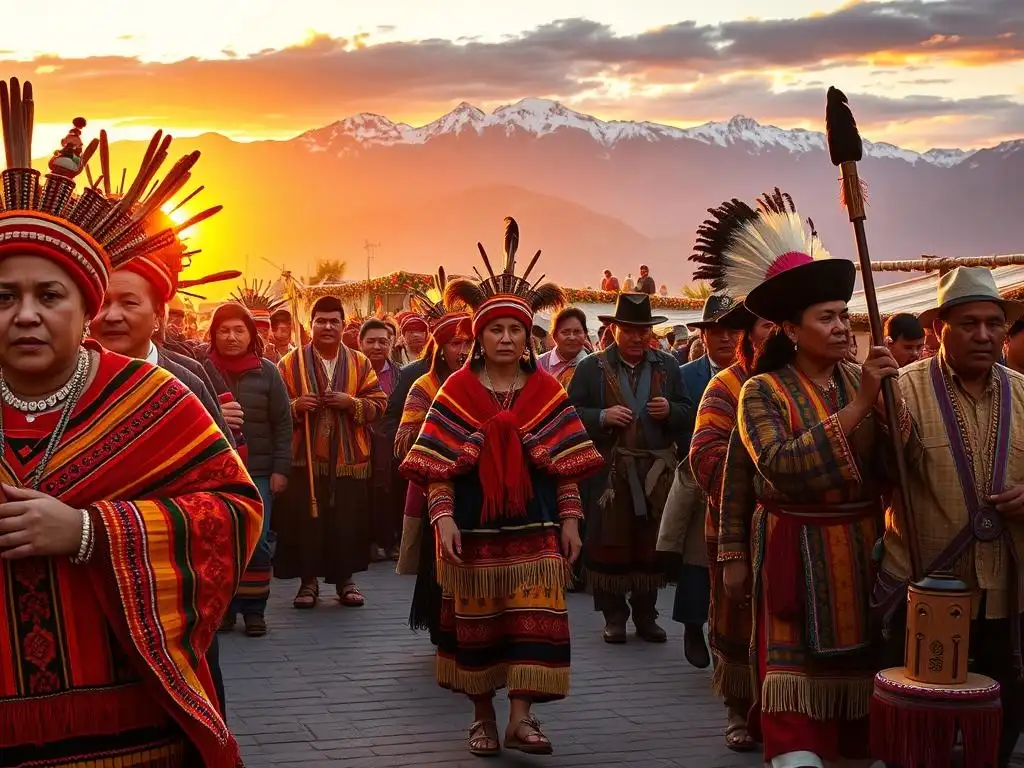
Step into a world lost to time, yet vibrantly alive in tradition. Journey with us through the breathtaking landscapes and captivating cultures of the Andes, where ancient echoes resonate in breathtaking artistry and awe-inspiring feats of engineering. Uncover the profound spiritual connection to the past, as we delve into the mesmerizing world of Andean ancestor festivals. Prepare to be astonished by the enduring legacy of these remarkable civilizations and the profound ways they continue to honor their departed. Discover how these vibrant celebrations illuminate their cosmology and worldview—a story waiting to unfold before you.
- Andean Ancestor Festivals: Honoring the Departed in Andean Civilizations
- The Significance of Ancestor Veneration in Andean Cosmology
- Key Andean Festivals Celebrating the Deceased
- Rituals and Practices in Andean Ancestor Festivals
- The Connection Between Andean Ancestor Festivals and Agriculture
- The Enduring Legacy of Andean Ancestor Veneration
- Frequently Asked Questions
- Final Reflection: Echoes of the Past, Whispers of the Future
- **Celebrate and Connect with Your Ancestors Today! **
Andean Ancestor Festivals: Honoring the Departed in Andean Civilizations
The Andes Mountains, a spine of towering peaks running down the western edge of South America, are not just a geographical feature; they are a cradle of civilization, rich in history, culture, and a deeply spiritual connection to the ancestors. For the ancient Andean peoples – including the Incas, Moche, Nazca, and Tiahuanaco – life and death were inextricably linked, forming a continuous cycle of existence. This profound belief is vividly expressed in their elaborate rituals and festivals dedicated to honoring the departed, a vital aspect of their cosmology and worldview.
This article delves into the fascinating world of Andean ancestor festivals, exploring the diverse practices and beliefs surrounding death and the veneration of those who came before. We will examine how these celebrations offer valuable insights into the complex social structures, religious practices, and rich cultural heritage of these remarkable civilizations.
Understanding these festivals is key to understanding the very fabric of Andean society and its enduring legacy. The significance of these “Andean ancestor festivals” cannot be overstated; they were not simply commemorative events but integral parts of the Andean worldview, shaping their daily lives and influencing their relationship with the cosmos.
The Significance of Ancestor Veneration in Andean Culture
Ancestor veneration wasn't merely a ritualistic practice in Andean societies; it was a cornerstone of their social and spiritual fabric. The deceased were believed to continue to exert influence on the living, acting as intermediaries between the human world and the supernatural realm. This belief fostered a deep respect for ancestors, who were seen as powerful protectors and guides.
Families maintained close ties with their departed relatives, offering prayers, gifts, and performing specific rituals to maintain a harmonious relationship. The concept of ayni, reciprocal exchange, extended beyond the living to include the ancestors, emphasizing the ongoing interdependence between generations. This created a strong sense of community and continuity, binding the past, present, and future together.
The continued influence of ancestors was also reflected in the intricate burial practices, which often included elaborate grave goods and meticulously constructed tombs designed to ensure the comfort and well-being of the deceased in their afterlife. Detailed records, though scarce in some cases, suggest offerings were tailored to the social status and individual life of the ancestor.
Numerous festivals throughout the Andean calendar year were dedicated to ancestor veneration. While specific practices varied between different cultures and regions, common themes emerge. For example, the Inti Raymi, the Inca festival celebrating the winter solstice, involved significant offerings and prayers to the sun god, Inti, but also incorporated rituals honoring deceased Inca rulers and prominent figures.
These rituals often involved elaborate processions, sacrifices (often symbolic in later periods), and feasts. The Moche civilization, known for its exquisite pottery depicting scenes of daily life and ritual, also left behind archaeological evidence of elaborate funerary practices and ceremonies indicating a strong emphasis on ancestor worship. Similarly, the Nazca people, famous for their enigmatic geoglyphs, also demonstrated reverence for their ancestors through specific burial rituals and offerings.
Further research is needed to fully understand the specifics of each culture’s practices, but the overall importance of ancestor worship remains undeniable. The diversity of practices across different Andean cultures highlights the rich tapestry of beliefs and customs surrounding death and the afterlife.
Modern Expressions of Andean Ancestor Festivals
While the Inca Empire and many other pre-Columbian Andean cultures no longer exist in their original forms, the deep-rooted tradition of ancestor veneration persists in various forms in contemporary Andean communities. Many indigenous communities continue to hold annual festivals and ceremonies honoring their ancestors, adapting ancient traditions to modern contexts. These celebrations often involve music, dance, storytelling, and the preparation of traditional foods, all reflecting a continuity of cultural practices.
These modern expressions of Andean ancestor festivals demonstrate the enduring power of these traditions, highlighting their continued importance in shaping the cultural identity and spiritual lives of Andean peoples today. The resilience of these traditions, despite centuries of colonization and cultural change, stands as a testament to the enduring strength of ancestral ties.
These modern festivals also offer opportunities for researchers and the wider public to engage with and learn from this rich cultural heritage, fostering a deeper understanding of Andean history and identity. Further research into these modern practices would provide valuable insight into the evolution of these traditions and their continued significance.
The Significance of Ancestor Veneration in Andean Cosmology
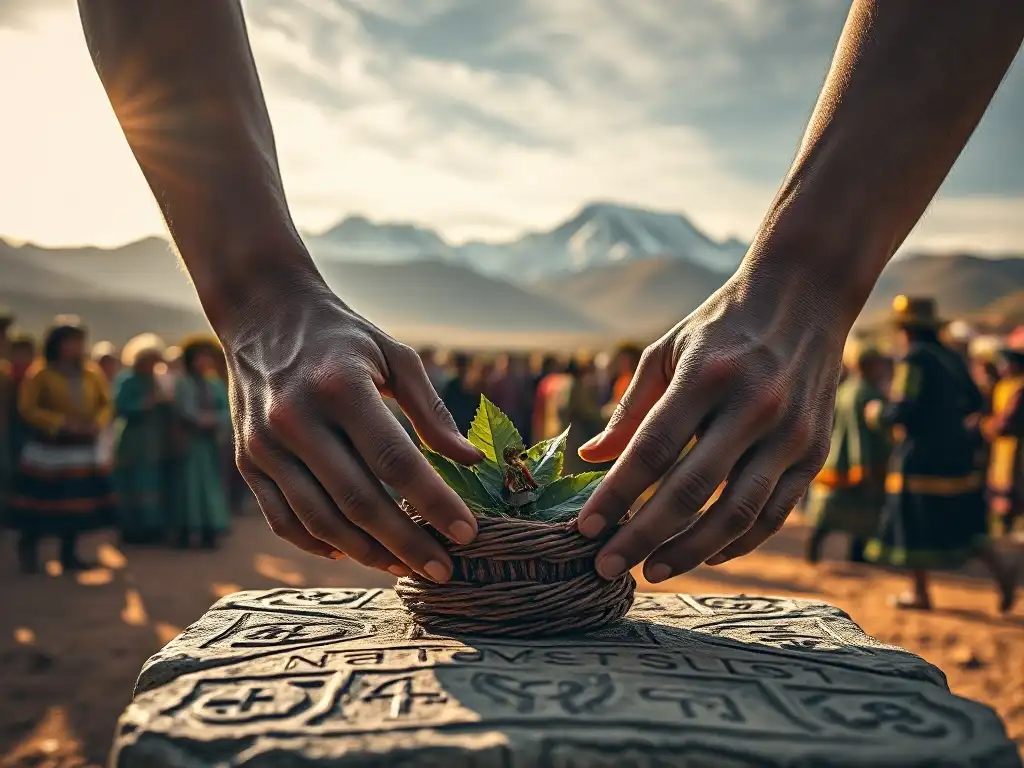
Ancestor veneration wasn't merely a cultural practice in the Andes; it was a cornerstone of their cosmology, deeply intertwined with their understanding of life, death, and the cosmos itself. The Andean worldview saw the world as a dynamic, interconnected system where the living and the dead coexisted, constantly interacting and influencing each other. This belief system shaped their social structures, agricultural practices, and even their artistic expressions. Understanding the profound significance of ancestor veneration is crucial to comprehending the complexities of Andean cultures and their enduring legacy.
The reverence for ancestors wasn't a passive remembrance; it was an active engagement, ensuring the continued well-being and prosperity of the community. This active engagement manifested in various rituals and festivals, ensuring the continuous flow of energy and blessings from the ancestral realm. This intricate relationship between the living and the dead is a central theme explored in numerous Andean ancestor festivals.
The Andean Worldview and the Cycle of Life and Death
The Andean worldview didn't perceive death as an ending but as a transformation, a continuation of existence in a different realm. Life and death were seen as cyclical, inextricably linked, and constantly interacting. Death wasn't a separation but a transition to a state of being that continued to influence the living world.
This cyclical perspective is beautifully reflected in their agricultural practices, where the sowing of seeds mirrored the cyclical nature of life and death, representing rebirth and renewal. The ancestors, residing in the spirit world, were believed to possess immense power and influence over the living. Their continued presence was essential for the prosperity and well-being of the community, influencing harvests, health, and overall societal harmony.
This belief fostered a deep respect and reverence for the departed, leading to elaborate rituals and ceremonies aimed at maintaining a positive relationship with the ancestral realm. Understanding this cyclical view of life and death is crucial to grasping the central role of ancestor veneration in Andean culture. The continuous interaction between the living and the dead shaped their daily lives, impacting decisions from planting crops to resolving conflicts.
The Role of Ancestors in Andean Society and Beliefs
Ancestors weren't simply remembered; they were active participants in the lives of the living. They were considered powerful intermediaries between the human world and the supernatural realm, capable of influencing events and providing guidance and protection. This belief system is evident in numerous Andean myths and legends, where ancestors frequently play pivotal roles in shaping the destinies of communities and individuals. Their influence extended to various aspects of Andean society, including:
- Agriculture: Successful harvests were often attributed to the benevolent intervention of ancestors. Rituals were performed to appease them and ensure bountiful crops.
- Governance: Rulers often claimed ancestral lineage, using it to legitimize their authority and maintain social order. Their actions were often viewed as reflecting the wishes of their ancestors.
- Healing: Shamans and healers frequently invoked the aid of ancestors during healing ceremonies, believing their spiritual power could cure illnesses and restore balance.
- Social Harmony: Respect for ancestors fostered a strong sense of community and social cohesion. Their shared heritage and ancestral ties bound people together, promoting unity and cooperation.
The importance of ancestors in Andean society is further emphasized by the elaborate burial practices and the construction of monumental structures, such as mausoleums and chullpas, designed to honor and house the remains of the deceased. These structures served not only as burial sites but also as focal points for ongoing ancestor veneration, highlighting the enduring significance of the deceased in the lives of the living.
The legacy of these practices continues to influence modern Andean communities, demonstrating the enduring power of ancestral veneration in shaping their cultural identity. The legacy of Andean ancestor festivals is a testament to this enduring connection.
Key Andean Festivals Celebrating the Deceased
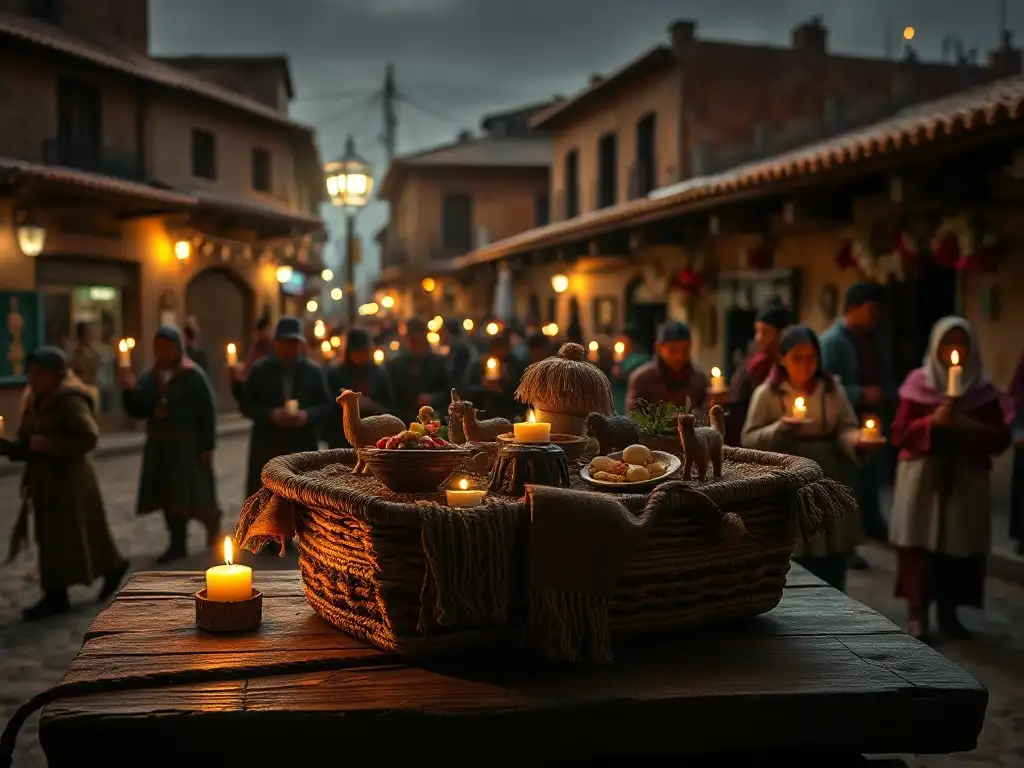
This section delves into the vibrant tapestry of Andean festivals dedicated to honoring ancestors, highlighting the unique blend of indigenous traditions and, in some cases, the influence of Catholicism. These celebrations aren't merely somber commemorations; they are dynamic expressions of Andean cosmology, reflecting a deep-seated belief in the continued presence and influence of the departed on the living. Understanding these festivals offers crucial insight into the Andean worldview and its enduring legacy. The term "Andean ancestor festivals" encompasses a rich diversity of practices, reflecting regional variations and evolving beliefs.
Inti Raymi: A Celebration of the Sun and Ancestral Lineage
Inti Raymi, meaning "Festival of the Sun," is perhaps the most famous Andean festival. Observed during the winter solstice (June 24th), it's not solely a celebration of the sun god Inti but a powerful affirmation of the interconnectedness between the living, the deceased, and the cosmos. The Inca empire meticulously planned this festival, which involved elaborate rituals, processions, and sacrifices, all designed to ensure the sun's continued benevolence and the prosperity of the empire.
While the Spanish conquest suppressed many aspects of Inti Raymi, modern-day celebrations strive to revive its essence. These revivals often incorporate elements of ancestral veneration, with participants offering prayers and tributes to their ancestors, recognizing their role in shaping the present. The festival's vibrant costumes, music, and dances reflect a deep spiritual connection to the land and the ancestors who inhabited it.
It is a powerful reminder of the enduring influence of Andean ancestor festivals on contemporary Andean culture. The energy and communal spirit of Inti Raymi underscore the importance of remembering and honoring the past to build a stronger future. The festival's enduring popularity is a testament to the deep-rooted belief in the power and presence of ancestors.
All Saints' Day and All Souls' Day: Blending Andean Traditions with Catholicism
The arrival of Catholicism introduced All Saints' Day (November 1st) and All Souls' Day (November 2nd) to the Andean region. However, these Catholic holidays didn't simply replace existing traditions; instead, they blended seamlessly with pre-existing Andean ancestor veneration practices. Families visit cemeteries, decorating graves with flowers, candles, and offerings of food and drink – a clear continuity with traditional Andean customs of providing sustenance for the departed.
The blending is evident in the way families simultaneously honor Catholic saints and their Andean ancestors. Prayers and offerings are made to both, reflecting a syncretism that characterizes many aspects of Andean religious practice today. This demonstrates the adaptability and resilience of Andean beliefs, incorporating new elements while retaining core values. The convergence of Catholic and Andean traditions during these festivals is a testament to the enduring strength of Andean ancestor veneration. The shared act of remembering and honoring loved ones transcends religious boundaries, creating a powerful sense of community and shared heritage.
Qoyllur Rit'i: Pilgrimage and Celebration of the Apus
Qoyllur Rit'i, a unique pilgrimage and festival held annually near Cusco, Peru, highlights the Andean reverence for the apus—mountain spirits considered sacred and powerful entities. While not explicitly focused on deceased ancestors in the same way as Inti Raymi or the All Saints' and All Souls' Days celebrations, Qoyllur Rit'i indirectly connects to ancestor veneration through its emphasis on the sacredness of the land and the spiritual world.
The festival involves a multi-day trek to a high-altitude shrine, where participants engage in rituals of cleansing and renewal. The apus are seen as protectors and guides, and the pilgrimage is a demonstration of respect and gratitude. Through this connection with the spiritual realm, participants indirectly honor their ancestors, who are believed to inhabit and influence the natural world.
The arduous journey and the intense spiritual experiences highlight the depth of Andean spirituality and its enduring connection to the land and its powerful entities. The festival's popularity underscores the continued significance of Andean beliefs in the sacredness of nature and the interwoven relationship between the living and the spiritual world, thereby contributing to the rich tapestry of Andean ancestor festivals.
Día de los Difuntos: Honoring the Departed Throughout the Andes
Día de los Difuntos, or Day of the Dead, is a profoundly significant holiday across the Andes, although its specific manifestations vary considerably between different Andean communities. While sharing similarities with the Mexican celebration of the same name, the Andean Día de los Difuntos retains a unique character shaped by local traditions and beliefs. It's not simply a single day of remembrance, but rather a period, often extending over several days, during which families gather to honor their ancestors.
This involves a powerful combination of spiritual practices, culinary traditions, and communal gatherings. The emphasis is placed not on mourning, but on celebrating the continued presence of the deceased within the community's spiritual fabric.
The preparations for Día de los Difuntos often begin weeks in advance. Families clean and decorate the graves of their loved ones, often creating elaborate displays with flowers, candles, and offerings of food and drink. These offerings are not mere symbolic gestures; they are believed to nourish and sustain the spirits of the departed during their visit to the land of the living.
The types of food offered vary regionally, often reflecting local agricultural products and culinary traditions. For example, in some communities, humitas (steamed corn cakes) and chicha (a fermented corn beverage) are common offerings, while other areas might feature different local specialties. The act of preparing and presenting these offerings is itself a significant act of reverence and connection with the ancestors.
The atmosphere during Día de los Difuntos is generally one of joyful remembrance, rather than somber mourning. Families and communities gather at cemeteries, sharing stories, laughter, and memories of their deceased loved ones. Music and dance often play a central role in these gatherings, further enhancing the celebratory atmosphere.
The belief that the spirits of the ancestors are present during this time fosters a powerful sense of connection across generations, reinforcing the social fabric of Andean communities. It’s a time to reaffirm family bonds and to strengthen the spiritual link between the living and the dead, emphasizing the cyclical nature of life and death within the Andean worldview. The vibrant colors, the shared meals, and the lively music all contribute to a unique and deeply moving experience, highlighting the enduring importance of ancestor veneration in Andean culture.
The celebration is not just about remembering those who have passed; it’s about actively integrating them into the ongoing life of the community. This vibrant expression of Andean Andean ancestor festivals showcases the enduring power of ancestral memory and its profound influence on contemporary Andean life.
Rituals and Practices in Andean Ancestor Festivals
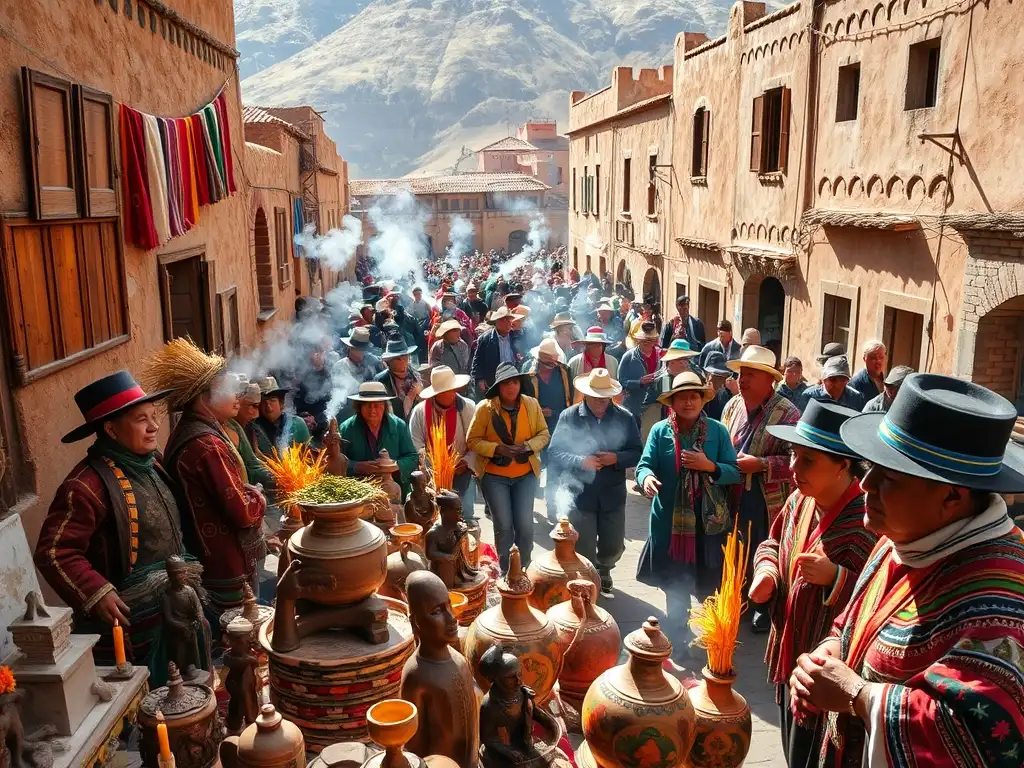
This section delves into the diverse rituals and practices observed during Andean ancestor festivals, highlighting the deep reverence and intricate ceremonies involved in honoring the departed. These practices weren't merely commemorative events; they were vital components of the Andean worldview, reinforcing social structures and ensuring the continued well-being of the community. The specific rituals varied across different Andean cultures—Inca, Moche, Nazca, and Tiahuanaco, to name a few—reflecting unique beliefs and traditions.
However, common threads of offering, remembrance, and symbolic representation consistently emerge. Understanding these practices offers a crucial insight into the complex relationship between the living and the dead within Andean cosmology. The emphasis on continuity and reciprocity between the realms of the living and the dead is a recurring theme in Andean ancestor festivals, shaping their significance and enduring legacy.
Offerings and Sacrifices to the Ancestors
Offerings and sacrifices formed the cornerstone of many Andean ancestor festivals. These weren't simply acts of appeasement; they were expressions of respect, gratitude, and a desire to maintain a harmonious relationship with the ancestral spirits. The types of offerings varied considerably depending on the specific culture and the occasion.
For example, the Inca might offer chicha (a fermented corn beverage), coca leaves, and llama wool, while the Moche might include elaborate ceramic vessels and even human sacrifices in particularly significant ceremonies. The act of offering itself was crucial; it was believed to strengthen the bond between the living and the dead, ensuring the ancestors' continued protection and guidance.
The location of the offerings was also significant. Many were placed within huacas (sacred sites), often mountains or caves considered to be portals to the spirit world. Other offerings might be buried with the deceased or placed on family altars within the home. The careful placement and preparation of these offerings underscore the meticulous attention to detail characteristic of Andean ancestor veneration.
Archaeological evidence consistently reveals the elaborate nature of these offerings, providing tangible proof of the profound importance attached to this aspect of Andean ancestor festivals. The careful selection of objects, their arrangement, and the context of their placement all contribute to a complex tapestry of ritual meaning. For instance, the inclusion of specific agricultural products could signify a request for a bountiful harvest, demonstrating the practical applications of these spiritual practices.
Music, Dance, and Storytelling in Commemoration
Music, dance, and storytelling played vital roles in Andean ancestor festivals, serving as powerful mediums for expressing grief, remembering the past, and reaffirming community bonds. The rhythmic beats of drums, the haunting melodies of panpipes, and the graceful movements of dancers all worked together to create an atmosphere of intense emotional engagement. These performances weren't simply entertainment; they were integral parts of the ritual, believed to bridge the gap between the living and the dead.
The stories shared during these festivals often recounted the deeds and legacies of ancestors, transmitting cultural knowledge and values across generations. These narratives helped to solidify family lineages and strengthen community identities.
The music and dance styles varied significantly across different Andean cultures. The Inca, for example, might have employed elaborate processions featuring musicians and dancers in ornate costumes, while the Nazca might have focused on more intimate gatherings with simpler musical instruments and less formalized dance routines. However, the fundamental purpose—to honor the ancestors and reinforce community ties—remained consistent.
Moreover, the use of specific musical instruments and dance styles often held symbolic meaning, reflecting the unique beliefs and traditions of each culture. For example, certain instruments might be associated with specific deities or ancestral figures, adding layers of symbolic significance to the performances. The preservation of these traditional musical and dance forms continues to play a vital role in maintaining the cultural heritage of Andean communities today.
The Role of Textiles and Symbolic Objects in Ancestral Rites
Textiles and symbolic objects held profound significance in Andean ancestor festivals, serving as powerful vehicles for expressing reverence and communicating with the spirit world. Elaborately woven textiles, often adorned with intricate designs and vibrant colors, were frequently used as offerings or worn during ceremonies. These textiles weren't simply decorative items; they embodied the spiritual energy and cultural identity of the community. The specific designs and motifs woven into the textiles often carried symbolic meaning, representing ancestral figures, deities, or natural elements.
Furthermore, other symbolic objects, such as intricately carved wooden figures, ceramic vessels, and precious metals, also played crucial roles in these rites. These objects were often imbued with spiritual power and used to facilitate communication with the ancestors. The creation of these objects themselves was often a ritualistic act, involving meticulous craftsmanship and careful attention to detail. The use of specific materials and techniques further enhanced the spiritual potency of the objects.
For instance, the use of gold and silver, materials associated with the sun and the moon, might signify a connection to the divine realm. The careful preservation of these artifacts by Andean communities is a testament to their enduring significance as tangible links to the past and spiritual world. The meticulous detail and symbolic richness of these objects provide invaluable insights into the cosmology and spiritual beliefs of the Andean civilizations.
The Use of Coca Leaves in Divination and Offerings
Coca leaves, Erythroxylum coca, held—and continue to hold—a profoundly significant role in Andean cultures, far exceeding their recreational use. In ancestor veneration festivals, coca plays a vital part in both divination and offerings. The practice of cocado, or coca leaf reading, is a complex form of divination used to communicate with the spirit world and seek guidance from ancestors.
A practitioner, often a respected elder or shaman, carefully spreads a small quantity of coca leaves on a flat surface, interpreting their arrangement and orientation to understand messages from the departed. The intricate patterns formed by the leaves are believed to reveal the ancestors' wishes, warnings of impending events, or guidance on matters of importance. This isn't a simple yes or no answer; interpretations can be nuanced and require significant experience.
The use of coca in offerings is equally crucial. During ancestor festivals, carefully prepared bundles of coca leaves, often accompanied by other offerings like food, k'eros (ceremonial cups), or small figurines, are presented to the spirits of the ancestors. These offerings are not simply gifts; they're a form of communication, a way to appease and honor the departed, and to request their continued protection and blessings.
The act of offering coca leaves is a deeply respectful gesture, acknowledging the ancestors' continued presence and influence in the lives of the living. The coca itself is considered a sacred plant, imbued with spiritual energy, making it an appropriate mediator between the living and the dead. The specific arrangement of the coca leaves within the offerings, along with the accompanying items, can carry specific symbolic meanings, further reinforcing the communication with the spirit world.
The meticulous preparation of these offerings highlights the profound reverence held for the ancestors and the importance of maintaining a harmonious relationship with them. The burning of the coca leaves as part of the offering is often performed to ensure the spirits receive the message. The smoke itself is seen as a conduit to the spiritual realm.
The Connection Between Andean Ancestor Festivals and Agriculture
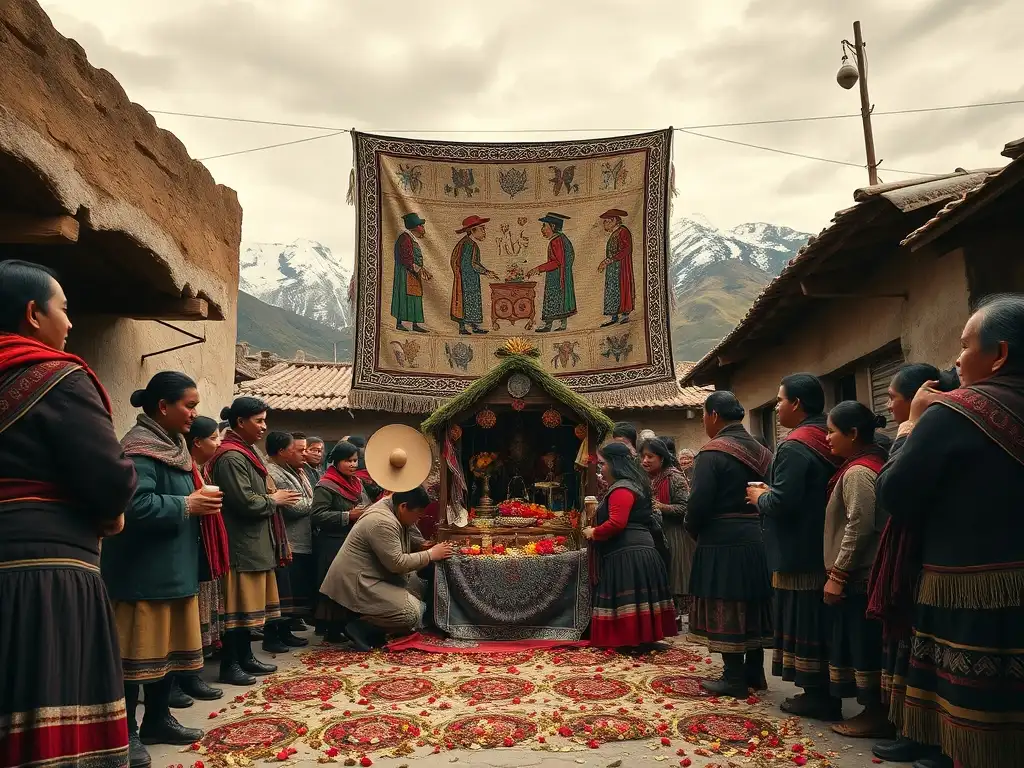
Andean ancestor festivals weren't merely solemn commemorations; they were deeply intertwined with the agricultural cycle, reflecting a profound understanding of the interconnectedness between the living and the departed. The success of the harvest, the very sustenance of life, was inextricably linked to the appeasement and veneration of ancestors. This intricate relationship shaped the timing, rituals, and offerings of these crucial ceremonies. Understanding this connection unveils a sophisticated worldview that prioritized harmony between the human realm and the spirit world.
The cyclical nature of Andean agriculture, mirroring the cyclical nature of life and death, further solidified this bond. The land, the crops, and the ancestors were all part of a holistic ecosystem, each influencing and supporting the others. Failure to honor the ancestors was believed to result in poor harvests, disease, and other misfortunes.
The Reciprocity Between the Living and the Dead in Andean Beliefs
Central to Andean ancestor veneration is the concept of ayni, a principle of reciprocity and mutual obligation. This wasn't a one-way street of supplication; rather, it involved a continuous exchange of energy and favor between the living and the dead. The living provided offerings – food, drink, textiles, and other precious items – to their ancestors during festivals.
These offerings weren't simply gestures of respect; they were seen as essential sustenance for the ancestors in the afterlife, ensuring their continued well-being and influence. In return, the ancestors were believed to provide protection, good fortune, and bountiful harvests. This reciprocal relationship fostered a sense of community that extended beyond the boundaries of the physical world.
The ancestors weren't distant, forgotten entities; they were active participants in the lives of the living, their influence felt in every aspect of daily life, particularly in agriculture. The success of the harvest was a testament to the strength of this reciprocal bond.
Ancestral Influence on Crop Fertility and Harvests
The belief in the ancestors' direct influence on crop fertility was pervasive throughout Andean societies. Many festivals coincided with crucial agricultural moments – planting, growth, and harvest. For instance, the Capac Raymi, the Inca festival celebrating the solstice, involved rituals aimed at ensuring the fertility of the land and the success of the upcoming harvest. Offerings of coca leaves, chicha (fermented corn beer), and other agricultural products were made to ensure the ancestors' continued support.
Furthermore, the spirits of deceased farmers were believed to directly influence the growth and health of crops. Their accumulated knowledge and experience were seen as a vital force in ensuring a successful harvest. Failure to honor them could result in crop failure, leading to famine and hardship. Detailed accounts from Spanish chroniclers often describe elaborate ceremonies designed to promote agricultural productivity, highlighting the importance of ancestral veneration in Andean farming practices.
The Agricultural Calendar and its Relation to Ancestral Festivities
The Andean agricultural calendar was intimately linked to the cycle of ancestral festivals. The timing of these celebrations wasn't arbitrary; they were carefully planned to coincide with key phases of the agricultural year. This synchronization reflected a deep understanding of the natural world and the importance of aligning human activities with the rhythms of nature and the spirit world.
For example, festivals celebrating the planting season involved rituals designed to ensure the successful germination of seeds, while harvest festivals acknowledged the ancestors' role in bringing the crops to fruition. This calendrical integration wasn't merely a matter of tradition; it was a practical strategy for ensuring agricultural success. By harmonizing human actions with the natural and spiritual worlds, Andean communities sought to maximize their chances of a bountiful harvest, thus ensuring the survival and prosperity of their communities.
This intricate system underscores the profound significance of ancestor veneration within the broader context of Andean life and culture. The festivals were not isolated events, but integral parts of a larger system designed to maintain balance and prosperity.
The Enduring Legacy of Andean Ancestor Veneration
Andean ancestor veneration, a cornerstone of Andean cosmology, persists as a vibrant and evolving tradition. For millennia, Andean cultures have maintained a profound connection to their ancestors, believing that the spirits of the deceased remain active participants in the community's life. This belief system isn't merely a historical curiosity; it's a living force shaping contemporary Andean societies.
The legacy is evident in a multitude of ways, from the meticulous preservation of ancestral sites to the continued practice of rituals aimed at honoring and communicating with the departed. This deep-rooted respect for ancestors influences social structures, agricultural practices, and even political decision-making. The enduring strength of this tradition highlights its fundamental role in the Andean worldview and its remarkable resilience in the face of external influences.
Understanding this legacy provides crucial insight into the complex tapestry of Andean cultures and their unique relationship with time, space, and spirituality. The profound impact of this belief system extends far beyond the realm of the spiritual, impacting the very fabric of Andean life.
Contemporary Expressions of Andean Ancestral Traditions
Even today, numerous Andean communities actively maintain ancestral traditions. These aren't static practices; rather, they're dynamic expressions that adapt to modern contexts while retaining their core essence. For example, the pago a la tierra (payment to the earth), an offering of gratitude for the land's bounty, continues to be a vital agricultural ritual in many communities. This practice involves leaving coca leaves, chicha (a fermented corn beverage), and other offerings at sacred sites.
Similarly, mesas (ritual offerings) are still prepared, albeit sometimes incorporating modern elements alongside traditional ones. These mesas are carefully constructed arrangements of offerings intended to communicate with the spirits of ancestors and request their guidance and protection. The vibrant colors and symbolic objects used in mesas reflect the intricate cosmology and the strong connection between the living and the departed. Furthermore, many communities continue to celebrate ancestral festivals, often tied to specific agricultural cycles or historical events, demonstrating the living presence of ancestral memory within daily life.
These festivals often involve music, dance, and communal feasting, reaffirming the bond between the living and the dead. The continuation of these practices underscores the enduring power of Andean ancestor veneration in shaping the social and spiritual lives of contemporary Andean communities. The ongoing adaptation of these traditions highlights their resilience and their ability to navigate the challenges of modernity while preserving their core values.
The Importance of Preserving Andean Ancestral Knowledge
The preservation of Andean ancestral knowledge is not merely a historical endeavor; it is a crucial undertaking for the continued well-being of Andean communities. This knowledge encompasses a vast array of practices, beliefs, and traditions, including agricultural techniques, medicinal practices, and spiritual rituals passed down through generations. The loss of this knowledge represents a significant threat to both cultural identity and environmental sustainability.
Many indigenous communities are actively working to document and protect this heritage through various initiatives, such as oral history projects, community-based museums, and educational programs. These efforts are essential for safeguarding the rich tapestry of Andean culture and ensuring that future generations can benefit from the wisdom of their ancestors. Preserving this knowledge is also essential for understanding the complex relationship between Andean societies and their environment.
Traditional agricultural practices, for instance, often demonstrate remarkable ecological sensitivity and resilience, offering valuable lessons for sustainable development in the face of climate change. The preservation of this knowledge is thus not only a matter of cultural heritage but also a vital contribution to global sustainability efforts. Furthermore, the continued transmission of this knowledge strengthens community bonds, fostering a sense of shared identity and purpose.
The Impact of Ancestor Veneration on Modern Andean Identity
Ancestor veneration plays a crucial role in shaping modern Andean identity. It provides a sense of continuity and connection to a rich and complex past, grounding individuals within a larger historical narrative. This connection to ancestors fosters a sense of collective responsibility and shared heritage, strengthening community bonds and promoting social cohesion.
The reverence for ancestors is not merely a historical practice; it is a living force that shapes perceptions of self, community, and the world. The values and beliefs associated with ancestor veneration, such as respect for elders, community cooperation, and a deep connection to the land, continue to influence social norms and behaviors. This enduring influence is evident in various aspects of modern Andean life, from family structures and social hierarchies to political movements and artistic expressions.
The continued practice of ancestral traditions contributes significantly to the preservation of Andean cultural identity in a rapidly changing world. The strength of this connection serves as a powerful source of resilience and cultural pride, enabling Andean communities to navigate the challenges of globalization while maintaining their unique cultural heritage. The ongoing adaptation and transformation of these traditions reflect the dynamic nature of Andean identity and its capacity for renewal.
Frequently Asked Questions
What are Andean ancestor festivals?
Andean ancestor festivals are ceremonial events honoring deceased relatives. These celebrations, deeply rooted in Andean spirituality, involve various rituals and offerings to connect with the ancestors and seek their blessings. They are vital to maintaining cultural identity and continuity.
Which Andean cultures celebrate ancestor festivals?
Many Andean cultures, including the Inca, Moche, Nazca, and Tiahuanaco, had and continue to have traditions of ancestor veneration. Modern celebrations often blend pre-Columbian practices with Catholic influences, creating unique syncretic festivals.
What are some common practices during these festivals?
Common practices include making offerings of food and drink, performing music and dance, and visiting ancestral burial sites. Families often gather to share stories and remember their ancestors, strengthening family bonds and community ties.
How important are these festivals to Andean communities?
These festivals are extremely important, serving as a way to honor the past, maintain cultural heritage, and seek guidance from ancestors. They are integral to the social and spiritual fabric of Andean communities.
Where can I learn more about specific Andean ancestor festivals?
To learn about specific festivals, research individual Andean cultures like the Incas or explore resources on Andean religious practices and traditions. Many museums and academic institutions offer valuable information.
Final Reflection: Echoes of the Past, Whispers of the Future
The vibrant traditions surrounding Andean ancestor festivals remain powerfully relevant today, a testament to the enduring strength of cultural memory and the profound human need to connect with those who came before us. These celebrations are not merely historical relics; they are living, breathing expressions of community, faith, and the cyclical nature of life itself. They offer a vital counterpoint to the often isolating pace of modern life, reminding us of our interconnectedness across generations.
The enduring impact of these festivals on the Andean cultural landscape is undeniable. They serve as a crucial mechanism for transmitting values, beliefs, and historical knowledge, ensuring the continuity of a rich heritage. The past is never dead. It's not even past.
– William Faulkner. This quote perfectly encapsulates the enduring power of these ancestral celebrations; they are not static events, but rather dynamic forces shaping present-day Andean identity and continuing to influence future generations. The vibrant colors, the rhythmic music, the shared meals – these are not simply rituals, but the very fabric of a living culture.
Consider the profound implications of these traditions. How can we, in our own lives, better honor the memories and legacies of our ancestors? How can we foster stronger connections with our own communities and build bridges across generations? I invite you to reflect on the power of remembrance, to seek out the traditions that bind you to your past, and to find ways to celebrate the lives of those who shaped who you are today. Let the echoes of the Andean festivals inspire you to create your own meaningful rituals of remembrance and connection.
**Celebrate and Connect with Your Ancestors Today! **
Thank you for exploring the rich tapestry of Andean traditions and discovering how their festivals honor the departed. This journey reveals not only history, but also a deeper connection to your heritage. Now, let's put this knowledge into practice!
Here are some ways to engage with these meaningful traditions and honor your ancestors:
- **Participate in a local cultural festival** celebrating ancestral heritage—experience the vibrant rituals firsthand!
- **Create a home altar** to honor loved ones and reflect on their legacies. Invite family and friends to share their memories and contribute to the tribute.
- **Share your newfound knowledge** with others—start a conversation, or share your insights on social media to inspire your community!
As you reflect on these celebrations, consider how you will keep the memory of your ancestors alive in your own life and community. We'd love to hear your thoughts!