
The Shaman's Connection to Nature: Understanding the Sacredness of the Andean Landscape

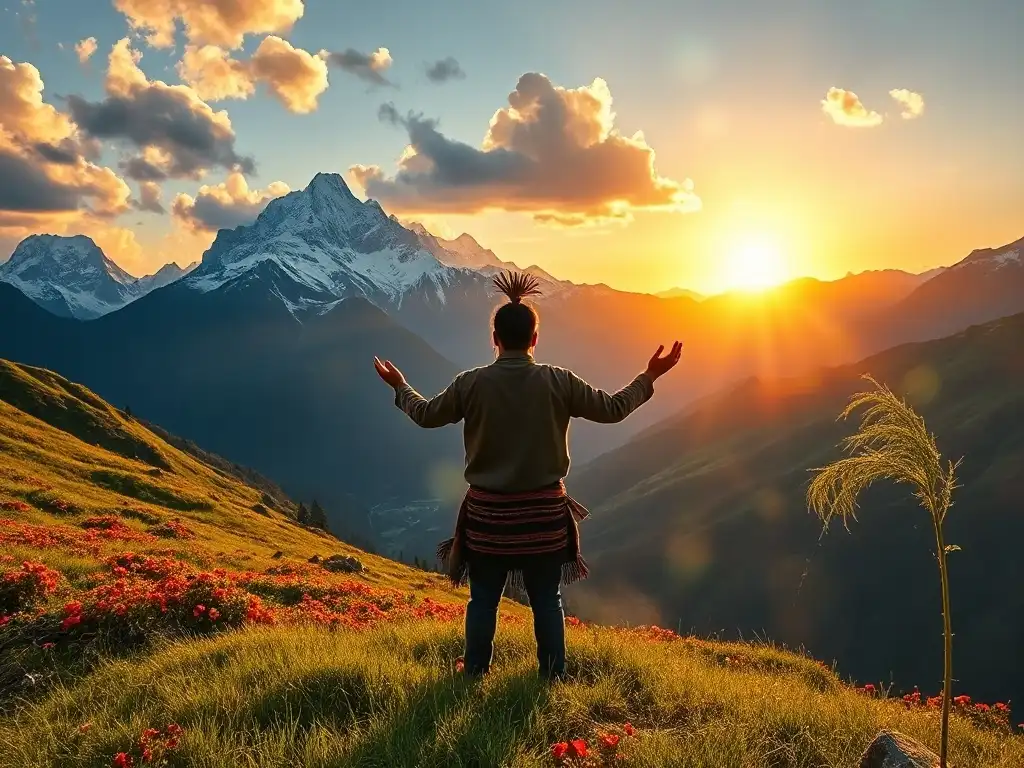
Unravel the mysteries of the Andes! Journey beyond the breathtaking landscapes and discover the profound Andean shamanistic nature connection that shaped these ancient civilizations. From the Incas to the Nazca, their intricate relationship with the sacred mountains and celestial bodies holds secrets waiting to be unveiled. Prepare to be captivated by a world where the spiritual and physical realms intertwined—a world where nature wasn't just a backdrop, but the very essence of life itself. Dive into the heart of Andean religion and cosmovision and uncover the truth behind this extraordinary bond.
- Andean Shamanistic Nature Connection: The Sacred Andean Landscape
- The Andean Shaman: A Bridge to the Natural World
- Sacred Geography and the Andean Shaman
- Rituals and Ceremonies of Andean Shamans
- The Shaman’s Connection to Animals in the Andes
- The Legacy of Andean Shamanism
- Conclusion: Appreciating the Shaman's Bond with Andean Nature
-
Frequently Asked Questions
- What is the significance of nature in Andean shamanism?
- How did Andean shamans connect with the natural world?
- What role did mountains play in Andean shamanistic practices?
- How did the Andean worldview influence the relationship between humans and nature?
- What evidence exists to support the Andean shaman's connection to nature?
- Final Reflection: Reclaiming the Sacred Thread of Andean Nature
- Reconnect with Nature's Sacredness Today!
Andean Shamanistic Nature Connection: The Sacred Andean Landscape
The Andean worldview is profoundly intertwined with the natural world, a relationship deeply understood and facilitated by its shamans. This article explores the crucial connection between Andean shamans and nature, revealing how the landscape itself was considered sacred, imbued with spiritual power, and integral to their rituals and practices.
We'll delve into the various ways in which the Andean shaman utilized their intimate knowledge of the environment – from towering mountains and fertile valleys to the intricate ecosystems of the Amazon basin – to connect with the spiritual realm and serve their communities. Understanding this connection is key to grasping the complexity and richness of Andean religion and cosmovision, a belief system where the lines between the human, the spiritual, and the natural blurred seamlessly.
This exploration will uncover the profound reverence for Pachamama (Mother Earth) and the intricate web of life that shaped Andean shamanistic practices, highlighting the enduring legacy of this spiritual tradition.
The Sacred Mountains (Apu) and their Significance
The towering Andes mountains, known as Apus, weren't merely geographical features to the Andean people; they were considered sacred entities, powerful deities possessing agency and influence over the lives of the communities inhabiting their slopes. Shamans acted as intermediaries, communicating with these mountain spirits through rituals, offerings, and carefully observed ceremonies.
These rituals often involved pilgrimages to high-altitude sites, where shamans would perform sacred dances, make offerings of coca leaves and other sacred items, and enter altered states of consciousness to receive guidance and blessings from the Apus. The health and well-being of the Apus were intrinsically linked to the prosperity and fertility of the land, making shamanic stewardship of this relationship paramount.
Detailed records, though limited, suggest specific rituals varied based on the particular Apu and the needs of the community, reflecting a nuanced and deeply personalized connection to the mountain spirits. These practices weren't solely the domain of elite shamans; community participation in many rituals was essential, demonstrating a widespread understanding of the sacredness of the Apus.
Pachamama: The Earth Mother and Source of Life
Central to Andean cosmology is Pachamama, the Earth Mother, a powerful deity representing the fertile earth, source of all life, and a provider of sustenance. Shamans played a vital role in maintaining a harmonious relationship with Pachamama, ensuring her continued generosity and protection. Their rituals often involved offerings to the earth – burying coca leaves, food, and other precious items – to appease her and express gratitude for her bounty.
Agricultural cycles were deeply intertwined with these rituals, with shamans performing ceremonies to ensure successful harvests and to ward off natural disasters that could threaten the community's survival. The health of Pachamama was directly correlated with the well-being of the people, emphasizing the holistic and interconnected nature of the Andean worldview. Evidence suggests that the understanding and respect for Pachamama extended beyond the shamanic elite, permeating all aspects of Andean life.
Water and its Spiritual Significance in Andean Shamanism
Water, a precious resource in the often-arid Andean landscape, held immense spiritual significance. Shamans recognized the life-giving power of water and its connection to the spiritual realm. They performed rituals at springs, rivers, and lakes, seeking blessings and guidance from the water spirits.
These rituals often involved purification ceremonies, where individuals would bathe in sacred waters to cleanse themselves spiritually and physically. The control and management of water resources were also closely linked to shamanic practices, with shamans sometimes playing a crucial role in the construction and maintenance of irrigation systems, reflecting their intimate knowledge of the environment and its spiritual dynamics. The intricate relationship between water and shamanism underscores the Andean understanding of the interconnectedness of all living things and the importance of respecting and maintaining the balance of the natural world.
Plants, Animals, and the Web of Life in Andean Shamanic Practice
Andean shamans possessed extensive knowledge of the local flora and fauna, understanding their medicinal properties and their spiritual significance. They used plants in their rituals and healing practices, employing them as entheogens to facilitate communication with the spirit world and as remedies to treat various ailments. Animals too, held symbolic and spiritual importance, often serving as messengers or intermediaries between the human and spiritual realms.
The shaman's deep understanding of the interconnectedness of all living beings within the ecosystem was crucial to their role as healers and spiritual guides. This intimate knowledge of the natural world wasn't just practical; it was deeply spiritual, reflecting a profound respect for the intricate web of life that sustained Andean communities. The use of specific plants and animals in rituals often varied regionally, demonstrating the adaptability and nuanced understanding of local ecosystems within Andean shamanistic practices.
The Andean Shaman: A Bridge to the Natural World
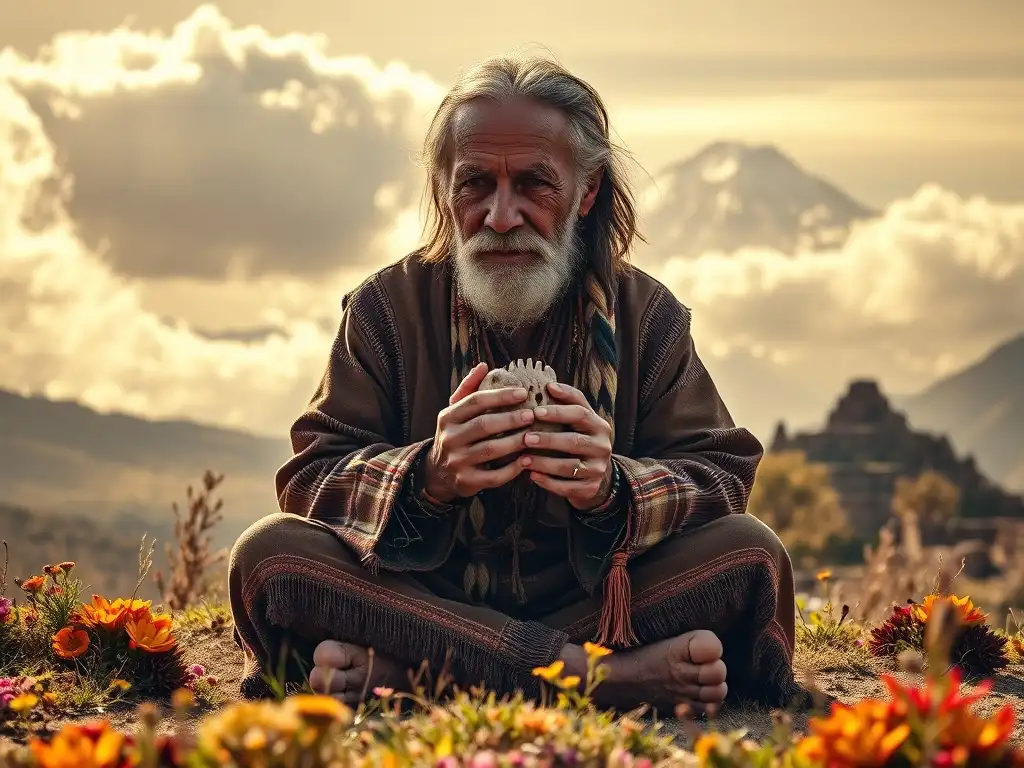
The Andean shaman wasn't merely a religious figure; they were a vital link between the human and spiritual realms, deeply interwoven with the natural world. Their understanding of the Andean landscape wasn't simply geographical; it was profoundly spiritual, informed by a cosmology that saw mountains, rivers, and even plants as sentient beings, imbued with power and agency. This intricate relationship, central to the Andean concept of Pachamama (Mother Earth), shaped every aspect of shamanistic practice, from healing rituals to agricultural ceremonies.
Understanding this connection is key to grasping the profound significance of Andean shamanistic nature connection. The Andean shaman's expertise wasn't limited to spiritual matters; they were often consulted on matters of agriculture, health, and even social conflict, highlighting their multifaceted role within the community. Their knowledge of medicinal plants, astronomical cycles, and the subtle energies of the land was considered invaluable.
The Shaman's Role in Andean Cosmovision
Andean cosmovision, a holistic worldview encompassing the spiritual and physical, placed the shaman at its heart. They were interpreters of the cosmos, mediating between the human world (Kay Pacha), the underworld (Ukhu Pacha), and the upper world (Hanan Pacha). This tripartite structure wasn't simply a geographical division but a representation of interconnected realities.
The shaman's ability to traverse these realms was crucial for maintaining cosmic balance and ensuring the well-being of the community. For example, during agricultural cycles, shamans would perform rituals to appease Pachamama, ensuring a bountiful harvest. These rituals often involved offerings of coca leaves, chicha (fermented maize beverage), and other sacred items, reflecting the deep respect for the land's fertility and the interconnectedness of human and natural cycles.
The shaman's role extended beyond simple appeasement; they were also seen as healers, utilizing their knowledge of medicinal plants and spiritual techniques to cure illnesses perceived as imbalances within the individual or the community. Their actions were deeply intertwined with the natural world, utilizing elements of the landscape in their healing practices.
Understanding the Andean Shaman's Spiritual Practices
The Andean shaman's spiritual practices were diverse and complex, reflecting the rich tapestry of Andean cultures. One key element was the use of hallucinogenic plants, such as San Pedro cactus and ayahuasca, to induce altered states of consciousness and facilitate communication with the spirit world. These practices weren't recreational; they were carefully orchestrated rituals aimed at gaining spiritual insight, diagnosing illnesses, and connecting with ancestral spirits. The shaman's journey wasn't merely a personal one; it was considered a journey on behalf of the community, aimed at restoring balance and harmony within the cosmos.
Another important aspect of their practice involved the interpretation of dreams and omens, considered vital sources of information about the future and the spiritual realm. The shaman's ability to decipher these signs was crucial for guiding the community and ensuring its prosperity. Furthermore, the shaman's training was rigorous and often involved years of apprenticeship under experienced practitioners, emphasizing the importance of acquiring the necessary knowledge and skills to navigate the spiritual world responsibly.
This intensive learning process ensured the continuity of shamanistic traditions and the preservation of the intricate knowledge system underlying Andean shamanistic nature connection. The training encompassed not only spiritual techniques but also a deep understanding of the natural world, including medicinal plants, astronomical cycles, and the various energies present in the landscape. The entire practice was deeply rooted in the Andean concept of reciprocity, emphasizing the importance of giving back to Pachamama and maintaining a harmonious relationship with the natural world.
Sacred Geography and the Andean Shaman
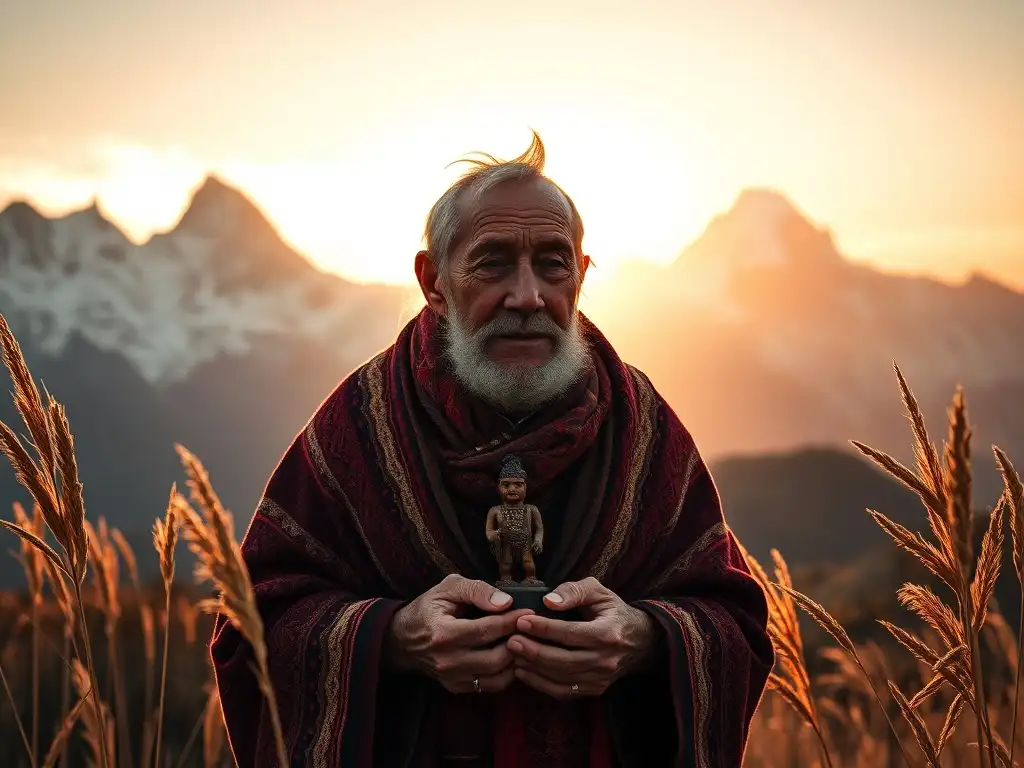
The Andean shaman's power and efficacy were intrinsically linked to the landscape. Their understanding of the Andean shamanistic nature connection wasn't merely a philosophical concept; it was a lived reality, deeply woven into their daily practices and spiritual beliefs. The mountains, rivers, and earth itself were not simply geographical features; they were sentient beings, powerful entities that played active roles in the spiritual lives of the Andean people. This section will explore the profound relationship between the Andean shaman and the sacred geography that defined their world.
The shaman served as an intermediary, facilitating communication and interaction between the human realm and the spiritual forces inhabiting the natural world. This symbiotic relationship shaped their rituals, healing practices, and overall worldview. Understanding this connection is crucial to comprehending the depth and complexity of Andean shamanism.
The Significance of Mountains (Apus) in Andean Shamanism
The towering Andes mountains, known as Apus, were considered sacred deities, possessing immense spiritual power. For the Andean shaman, the Apus were not simply majestic peaks; they were living entities, guardians of the land and its people. Shamans would undertake arduous journeys to reach mountaintops, engaging in rituals and offerings to appease and connect with these powerful spirits. These rituals often involved coca leaf offerings, prayers, and sometimes even human sacrifice, depending on the specific Andean culture and historical period.
The act of climbing itself was a spiritual journey, a physical manifestation of their quest to connect with the divine. The mountain's heights symbolized the connection between the earthly and celestial realms, allowing the shaman to access higher spiritual planes and communicate with the gods. Evidence suggests that specific mountains held particular significance for different Andean communities, with certain Apus being associated with particular deities or natural forces.
The knowledge of these sacred sites was passed down through generations of shamans, forming a rich and complex tapestry of sacred geography. This intricate knowledge system demonstrates the profound Andean shamanistic nature connection and the central role of the mountains in their spiritual lives. For example, the Apu Ausangate in Cusco is still revered today and is the site of numerous pilgrimages.
Rivers and Water Sources (Yaku) : Vital Elements for Andean Rituals
Water, represented by Yaku, held immense significance in Andean cosmology, viewed as a life-giving force and a powerful spiritual entity. Rivers and springs were not merely sources of hydration; they were conduits of sacred energy, connecting the earthly world with the underworld and the celestial realms. Shamans utilized water in numerous rituals, employing it for purification, divination, and healing ceremonies.
The movement of water, its constant flow, symbolized the cyclical nature of life, death, and rebirth. Certain water sources were considered particularly sacred, often associated with specific deities or spirits. These sacred sites served as focal points for shamanic rituals, where offerings were made and prayers were uttered, seeking blessings and protection from the powerful water spirits.
The shaman's understanding of the hydrological systems and their relationship to the spiritual world was essential for maintaining balance and harmony within the community. The use of water in ritual contexts highlights the intricate Andean shamanistic nature connection, showcasing the shaman's ability to harness the power of nature for spiritual purposes. For instance, the ritual washing of individuals or objects was a common practice, believed to cleanse them of negative energies and restore spiritual equilibrium.
The Earth Mother (Pachamama) and the Shaman's Connection
The concept of Pachamama, the Earth Mother, is central to Andean cosmology. Pachamama is seen as a nurturing and life-giving force, providing sustenance and supporting all life on Earth. For the Andean shaman, Pachamama was not simply a concept but a tangible entity, a powerful deity with whom they had a direct relationship. Shamans engaged in rituals and offerings to Pachamama, seeking her blessings for the harvest, for protection, and for healing.
These offerings, often consisting of coca leaves, food, and other precious items, were seen as a way of showing respect and maintaining a harmonious relationship with the Earth Mother. The shaman's connection to Pachamama was crucial for the well-being of the community. Their ability to communicate with and appease Pachamama was essential for ensuring the fertility of the land and the prosperity of the people.
The deep reverence for Pachamama reflects the profound Andean shamanistic nature connection, demonstrating the interconnectedness of the spiritual and material worlds in Andean thought. The annual celebration of Pachamama Raymi, for example, is a testament to the enduring importance of this connection, with communities offering gifts and prayers to the Earth Mother to ensure a bountiful harvest. The detailed rituals and practices surrounding Pachamama highlight the intricate relationship between the Andean shaman and the natural world, showcasing the power and significance of their spiritual connection.
Rituals and Ceremonies of Andean Shamans
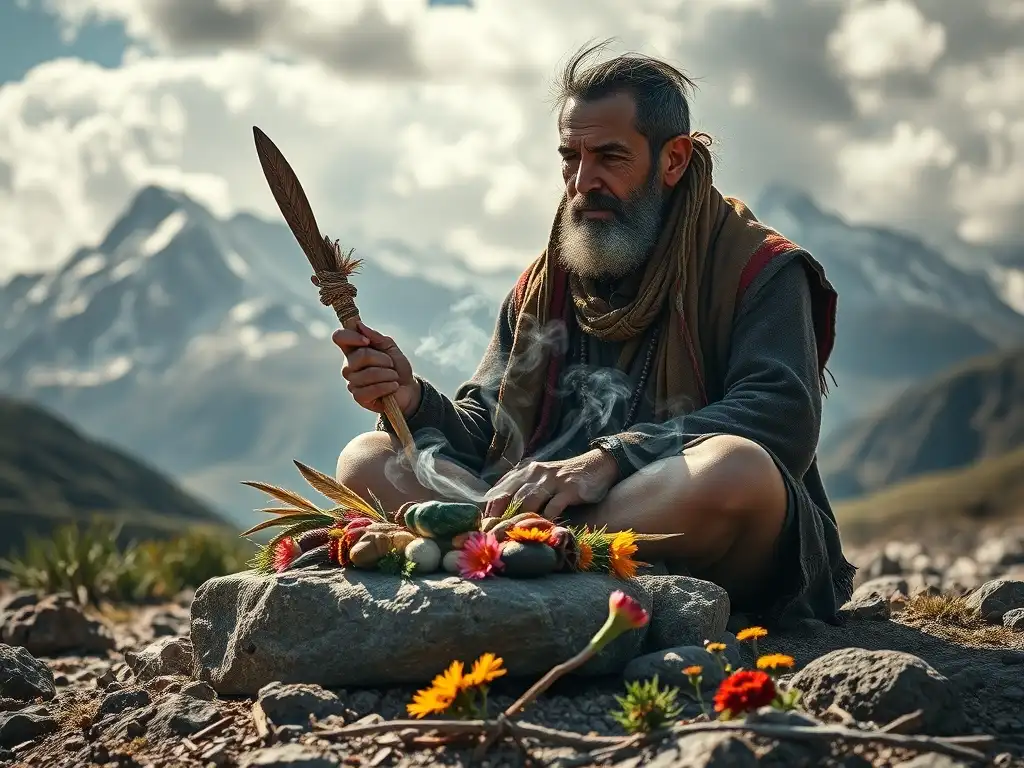
This section delves into the intricate rituals and ceremonies practiced by Andean shamans, focusing on their profound connection with the natural world. Understanding these practices offers crucial insight into the Andean shamanistic nature connection, revealing a deeply spiritual relationship between the shaman, the landscape, and the cosmos. The ceremonies weren't simply religious observances; they were vital components of maintaining societal harmony, ensuring successful harvests, and healing both individuals and the community. The effectiveness of these rituals was intrinsically linked to the shaman's ability to successfully interact with the apus (mountain spirits) and other powerful entities inhabiting the Andean landscape.
Connecting with Nature Spirits through Andean Rituals
Andean rituals were meticulously designed to foster communication with the apus, wakas (sacred places), and other nature spirits. These weren't passive meditations; they involved complex procedures, often involving specific offerings, chants, and movements choreographed to align with the rhythms of the natural world. For instance, the timing of certain ceremonies coincided with solstices or equinoxes, highlighting the importance of celestial cycles in their spiritual understanding.
The shaman, acting as an intermediary between the human and spirit worlds, would often utilize specific tools and techniques. These might include rhythmic drumming to induce altered states of consciousness, the burning of incense to purify the space, and the use of specific symbolic objects representing elements of the natural world – feathers, stones, or water, for example.
The success of the ritual was judged not just by the shaman's skill, but also by the perceived response from the spirits, often manifested through natural phenomena like a sudden change in weather or the appearance of a specific animal. Detailed ethnographic studies [specific information pending] could further illuminate the regional variations in these practices.
The rituals were not solely for individual benefit. Many were communal events, strengthening social bonds and reinforcing shared beliefs about the interconnectedness of all living beings within the Andean ecosystem. The participation of the community further solidified the shaman's role as a vital member of society, responsible for maintaining the delicate balance between humanity and the natural world.
The Use of Sacred Plants (Coca, San Pedro) in Shamanic Practices
The Andean shamanistic nature connection was profoundly influenced by the use of sacred plants, most notably coca and San Pedro cactus. These plants weren't merely recreational substances; they were considered sacred tools facilitating communication with the spirit world and enhancing the shaman's ability to diagnose and heal.
Coca, chewed in small quantities, provided the shaman with increased alertness and endurance, crucial for lengthy rituals and journeys into remote areas. It was believed to sharpen the senses and enhance the shaman's ability to perceive the subtle energies of the environment. San Pedro cactus, on the other hand, was used to induce powerful visionary experiences, allowing the shaman to directly interact with the spirit world and receive guidance or diagnoses.
The use of these plants was deeply ritualized, often accompanied by prayers, offerings, and specific preparations to ensure a safe and effective experience. The shaman's knowledge of the proper dosage and preparation methods was crucial, highlighting the significant responsibility entrusted to them. Improper use was believed to have serious consequences, emphasizing the sacredness of these plants within the Andean shamanistic framework. The precise methods of preparation and administration varied across different Andean cultures, reflecting the diversity of shamanic traditions within the region. Further research into specific regional practices [specific information pending] would enrich our understanding of these techniques.
The Andean Ceremony of Despacho
The despacho ceremony is a quintessential example of the Andean shamanistic nature connection. This offering ceremony represents a profound act of reciprocity between humans and the spirit world, involving the careful creation of a miniature landscape filled with symbolic objects representing various aspects of the natural world.
The despacho is meticulously crafted, often incorporating coca leaves, incense, flowers, miniature figurines, precious stones, and other items representing elements like earth, water, air, and fire. These components are arranged in a specific pattern, reflecting the shaman's intention and the desired outcome of the ceremony – it could be a healing, a request for good fortune, or a simple expression of gratitude. The creation of the despacho itself is a meditative process, allowing the shaman to focus their intention and connect with the spiritual energies they are seeking to invoke.
The final act of the ceremony involves burning or scattering the despacho, symbolically releasing the offering to the spirits. This act is seen as a powerful act of giving back to the earth and the cosmos, reinforcing the cyclical nature of life and the importance of maintaining balance within the Andean ecosystem.
The despacho ceremony beautifully encapsulates the Andean worldview, emphasizing the interconnectedness of humanity and nature, and the shaman's role as a facilitator of this sacred exchange. The significance of specific elements within the despacho and regional variations in its preparation [specific information pending] are areas requiring further exploration.
The Shaman’s Connection to Animals in the Andes
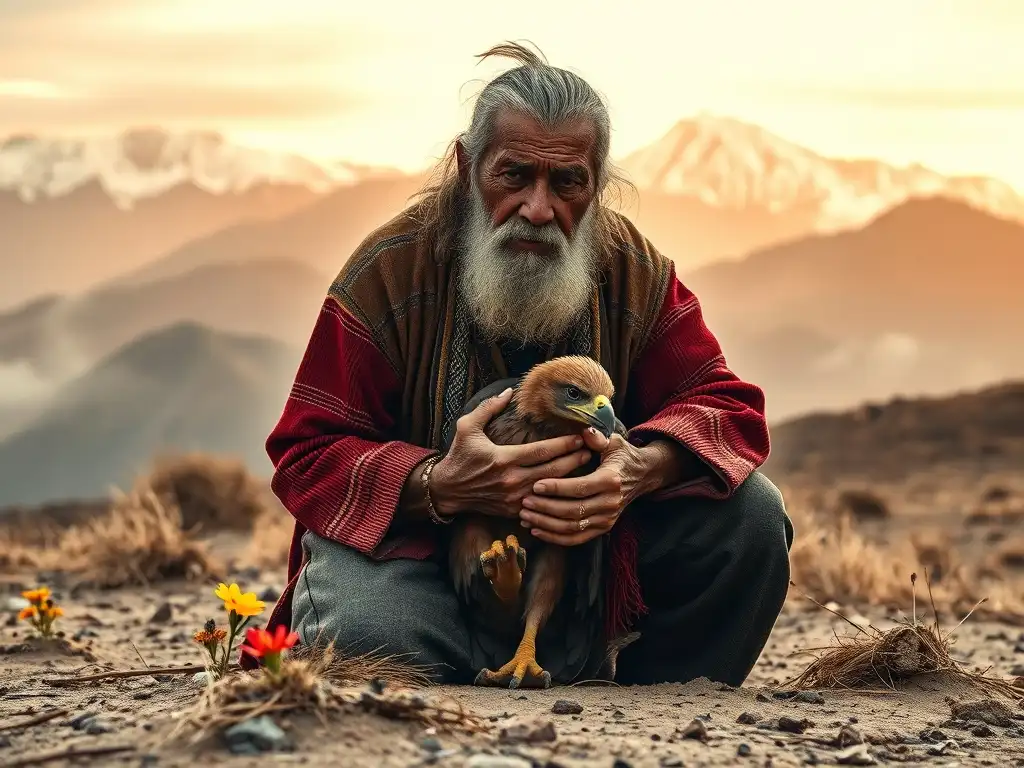
The Andean shamanistic nature connection is profoundly expressed through the shaman's intricate relationship with the animal kingdom. Animals weren't merely creatures to be hunted or feared; they were integral parts of the Andean worldview, acting as powerful intermediaries between the human and spiritual realms. This deep-seated reverence manifested in various ways, from the adoption of animal totems to the incorporation of animal imagery in rituals and ceremonies.
The understanding of this connection is key to unlocking a deeper comprehension of Andean spirituality and its profound impact on the landscape. The power and symbolism associated with specific animals shaped Andean shamanistic practices and beliefs, leaving an enduring legacy in their art, mythology, and societal structures.
Animal Totems and Their Symbolic Meaning
Andean shamans often adopted animal totems, powerful symbols representing specific characteristics and spiritual attributes. These totems weren't randomly chosen; they were carefully selected based on individual experiences, visions, or inherited lineage. The choice of a specific animal totem reflected the shaman's unique spiritual path and their connection to the natural world. For instance, the puma, representing strength, power, and nocturnal prowess, might be chosen by a shaman focused on healing or protection.
The llama, symbolizing community, endurance, and fertility, could be associated with shamans working with agricultural matters or community well-being. Detailed records of specific totem associations are scarce, but anthropological studies suggest a rich diversity of animal totems, each carrying nuanced meaning within specific Andean communities. Further research is needed to fully document the range of animal totems and their interpretations across different Andean cultures.
The Andean Shaman’s Relationship with the Condor
The condor ( Vultur gryphus) holds a position of unparalleled significance in Andean shamanistic beliefs. This majestic bird, soaring high above the Andes, was considered a sacred messenger, connecting the earthly realm with the celestial world. The condor's ability to fly to great heights symbolized the shaman's capacity to enter altered states of consciousness and communicate with the spirit world. Shamans often invoked the condor's power during healing rituals, believing its spiritual energy could facilitate the healing process.
The condor's keen eyesight was also associated with shamanic insight and the ability to perceive hidden truths. Many Andean artifacts, including textiles and pottery, depict condors, further highlighting their importance in Andean cosmology and shamanistic practice. The representation of the condor often incorporates symbolic elements such as the sun and the mountains, reinforcing its connection to the Andean landscape and the broader cosmological system.
The Serpent (Amaru) and Its Importance in Shamanic Beliefs
The serpent, or Amaru, is another pivotal animal in Andean shamanistic traditions. Unlike Western representations, the Amaru wasn't solely a symbol of evil or temptation. Instead, it represented the life force, fertility, and the powerful energies of the earth. In Andean cosmology, the Amaru was often associated with water sources, underground rivers, and the life-giving forces within the earth.
Shamans frequently incorporated Amaru imagery into rituals related to fertility, healing, and the abundance of the land. The Amaru's connection to water and the underworld highlights its role as a conduit between different realms of existence, mirroring the shaman's ability to traverse these planes. The Amaru's undulating form also mirrored the cyclical nature of life, death, and regeneration, an essential aspect of Andean spiritual thought.
The portrayal of the Amaru in Andean art often emphasizes its connection to water and its serpentine form, reflecting its crucial role in Andean shamanistic beliefs and practices. The varied symbolism and importance of the Amaru across different Andean cultures necessitates further research to fully understand its diverse interpretations. 🐍
The Legacy of Andean Shamanism
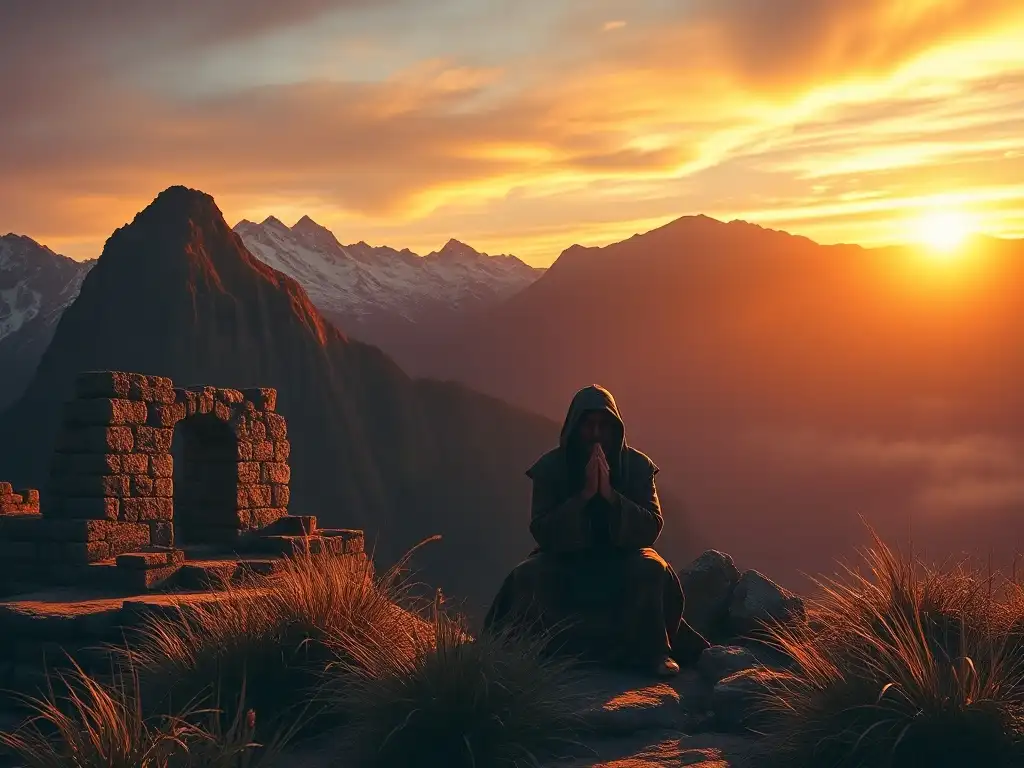
Andean shamanism, a complex and multifaceted spiritual practice, boasts a rich legacy stretching back millennia. Its influence permeates the cultural fabric of the Andes, shaping beliefs, rituals, and the very understanding of the relationship between humanity and the natural world. This enduring legacy is not merely a historical curiosity; it's a living tradition, constantly evolving yet rooted in ancient practices.
The core of this legacy rests on a profound connection between the shaman, the community, and the ayllu, the Andean kinship system, which fundamentally links individuals to the land and its resources. This intricate web of relationships forms the basis of Andean cosmology and underpins the shaman's role as a mediator between the human and spiritual realms.
The shaman's power stems not from individual mastery alone, but from their intimate understanding of and participation in the cyclical rhythms of nature. This connection is not passive; it’s an active engagement, a continuous dialogue with the spirits of mountains, rivers, and the elements themselves.
The Influence of Ancient Shamanic Traditions in Modern Andean Culture
Despite the impact of colonization and globalization, many ancient shamanic traditions continue to thrive in modern Andean communities. These traditions manifest in various ways, often subtly interwoven into daily life. For instance, the use of medicinal plants, a cornerstone of Andean shamanic healing, persists, with knowledge passed down through generations.
Traditional ceremonies, such as paqos (Andean priests) conducting rituals involving coca leaves and offerings to apus (mountain spirits), remain integral parts of community life, demonstrating the enduring power of ancient practices. Furthermore, the vibrant textile art of the Andes often incorporates symbolic representations of shamanic beliefs and cosmological concepts. These intricate designs, passed down through generations, serve as visual records of a deep-rooted spiritual connection to the environment and the ancestors.
The persistence of these traditions highlights the resilience of Andean culture and the enduring importance of the shaman in maintaining its spiritual and cultural integrity. The continued reverence for sacred sites, such as mountain peaks and caves, further underscores the ongoing relevance of the shamanistic nature connection in shaping contemporary Andean identity. This enduring legacy is a testament to the deep-seated connection between the Andean people and their ancestral past.
Preserving the Knowledge of Andean Shamanistic Nature Connection
The preservation of Andean shamanistic knowledge is crucial for maintaining cultural heritage and promoting sustainable practices. This requires a multifaceted approach, including documenting traditional practices, supporting indigenous communities in their efforts to protect their ancestral lands, and fostering educational initiatives that promote understanding and respect for Andean spirituality. Oral traditions play a vital role in transmitting knowledge, but these traditions are vulnerable to loss without concerted efforts to record and archive them.
The creation of accessible databases of medicinal plant knowledge and shamanic rituals could aid in preserving this invaluable information. Moreover, supporting indigenous-led initiatives focused on sustainable land management is crucial, as the protection of sacred sites and ecosystems is intrinsically linked to the preservation of Andean shamanistic practices.
This includes advocating for policies that recognize and protect indigenous land rights, promoting ecotourism that respects local cultures, and empowering local communities to manage their resources sustainably. The protection of "Andean shamanistic nature connection" is not just a matter of preserving cultural heritage; it is also crucial for environmental sustainability and the well-being of future generations.
The Future of Andean Shamanism in a Changing World
The future of Andean shamanism in a rapidly changing world presents both challenges and opportunities. The encroachment of modern lifestyles, urbanization, and environmental degradation pose significant threats to traditional practices. However, there's also growing global interest in Andean spirituality and indigenous knowledge systems, which can be harnessed to promote cultural preservation and sustainable development.
This renewed interest offers the potential for greater understanding and appreciation of Andean shamanism, providing opportunities for collaboration between indigenous communities and researchers to safeguard traditional practices. The challenge lies in balancing the preservation of ancient traditions with the need to adapt to modern realities. This includes finding ways to integrate traditional knowledge with modern scientific understanding, promoting intercultural dialogue, and fostering sustainable economic opportunities that support indigenous communities in their efforts to protect their cultural heritage.
The future of Andean shamanism hinges on the ability of Andean communities to navigate these complexities while upholding the core values of their rich spiritual legacy. The preservation of the "Andean shamanistic nature connection" is therefore not just a matter of historical preservation, but a key element in shaping a sustainable and culturally rich future for the Andean region.
Conclusion: Appreciating the Shaman's Bond with Andean Nature
This exploration of the Andean shamanistic nature connection reveals a profound intertwining of spirituality, practice, and the physical environment. The Andean worldview wasn't simply a belief system; it was a lived experience deeply rooted in the landscape. Understanding this connection is crucial to appreciating the complexity and sophistication of Andean civilizations.
The shaman, far from being a detached spiritual leader, acted as a vital bridge between the human and supernatural realms, mediating the relationship between the community and the powerful forces of nature. Their practices were not arbitrary rituals but carefully crafted actions designed to maintain harmony and balance within the delicate ecosystem. The success of Andean societies, in many ways, rested on this intricate relationship.
The Profound Spirituality of Andean Shamans
Andean shamans weren't simply healers or diviners; they were spiritual guides whose role extended far beyond the individual. Their profound spirituality was intricately linked to the cyclical rhythms of the Andes—the changing seasons, the movement of the celestial bodies, and the life cycles of plants and animals. Their knowledge, passed down through generations, encompassed a vast understanding of medicinal plants, astronomical cycles, and the intricate web of relationships within the Andean ecosystem.
This knowledge wasn't merely theoretical; it was experiential, honed through years of rigorous training and direct interaction with the natural world. For example, their understanding of medicinal plants wasn't limited to their chemical properties; it included their spiritual significance and their place within the broader cosmological framework. They understood the ayni, the principle of reciprocity, extending this understanding to their relationship with nature.
This meant that any interaction with the natural world—harvesting plants, hunting animals—required a respectful offering and acknowledgement of the spirit within. The shaman's role was to ensure this reciprocity was maintained, fostering a harmonious relationship between humanity and the environment.
The Importance of Recognizing the Sacredness of the Andean Landscape
The Andean landscape wasn't just a source of resources; it was a sacred space imbued with spiritual power. Mountains, rivers, and other geographical features were considered sacred entities, inhabited by spirits and deities. This sacredness permeated every aspect of Andean life, influencing their agricultural practices, their social structures, and their artistic expressions. Recognizing this sacredness is key to understanding the Andean shamanistic nature connection.
The shamans' rituals and ceremonies were often performed in specific locations within the landscape, chosen for their spiritual significance. For example, mountaintops were frequently used for ceremonies, connecting the community to the celestial realm. Similarly, rivers and springs were considered sacred sources of life, requiring respect and proper stewardship. The Inca's sophisticated agricultural techniques, like terracing, weren't simply practical solutions to challenging terrain; they were a testament to their deep respect for the land and their desire to work in harmony with nature.
Their understanding of the interconnectedness of all things – a fundamental tenet of Andean cosmology – shaped their worldview and practices. Ignoring this sacredness is to fundamentally misunderstand the heart of Andean culture and its enduring legacy. Further research into specific regional variations in Andean shamanistic practices and their connection to the unique characteristics of the local landscape would enrich our understanding of this complex relationship.
Frequently Asked Questions
What is the significance of nature in Andean shamanism?
Nature holds paramount importance in Andean shamanism. It's seen as a sacred entity, integral to spiritual practices and understanding of the cosmos. Shamans interact directly with nature spirits and forces.
How did Andean shamans connect with the natural world?
Andean shamans used various techniques to connect with nature, including plant-based medicines, rituals, and ceremonies performed in sacred landscapes. They sought visions and guidance from the natural world.
What role did mountains play in Andean shamanistic practices?
Mountains were considered sacred apus, or deities, embodying powerful spiritual forces. Shamans climbed mountains to commune with these spirits, seeking blessings, healing, and insight. They were vital to their spiritual journeys.
How did the Andean worldview influence the relationship between humans and nature?
The Andean worldview emphasizes a deep interconnectedness between humans and nature, viewing them as inseparable parts of a holistic cosmos. This perspective fostered a respectful and sustainable relationship with the environment.
What evidence exists to support the Andean shaman's connection to nature?
Archaeological findings, including ancient artifacts, depictions in textiles and ceramics, and ethnographic accounts, provide substantial evidence of the profound connection between Andean shamans and nature, demonstrating its central role in their spiritual beliefs and practices.
Final Reflection: Reclaiming the Sacred Thread of Andean Nature
The profound connection between Andean shamans and their environment remains profoundly relevant today, a vital counterpoint to the escalating ecological crisis threatening the planet. Understanding this ancient wisdom offers not just historical insight, but a crucial pathway towards a more sustainable and harmonious future. The intricate relationship between human spirituality and environmental well-being, so deeply woven into Andean culture, holds lessons we desperately need to heed.
The enduring legacy of Andean shamanism underscores the intrinsic value of respecting and revering the natural world. It challenges our anthropocentric worldview, reminding us that we are not separate from, but inextricably interwoven with, the ecosystems that sustain us. This interconnectedness, often overlooked in modern society, is beautifully captured in the words of a Quechua elder: The mountain is not just a mountain; it is our mother, our provider, our ancestor. To harm it is to harm ourselves.
This sentiment echoes across generations, highlighting the urgent need to reconsider our relationship with the natural world and the consequences of our actions.
Consider the wisdom shared within this article. Reflect on the deep spiritual connection the Andean shamans hold with their environment. How can you integrate this understanding into your own life? Can you find ways to foster a more respectful and reciprocal relationship with the natural world around you? The path towards a sustainable future begins with a shift in consciousness, a re-awakening of our own inherent connection to the Earth. Let the legacy of the Andean shamans inspire you to become a steward of our shared planet.
Reconnect with Nature's Sacredness Today!
Thank you for exploring the profound relationship between shamans and the Andean landscape. This is just the beginning of your journey to understanding this unique connection! Now, let's deepen your relationship with nature.
- Embrace the Sacred: Plan a visit to a nearby park, forest, or other natural area, or consider a retreat designed to foster a deeper connection with the healing power of the natural world.
- Share Your Insights: Discuss your experiences and newfound understanding with friends and family, or join an online community dedicated to Andean spirituality and environmental stewardship.
- Reflect Creatively: Keep a journal to record your reflections, or express your connection to the Andean landscape and its sacredness through art, poetry, or music.
How will you integrate a respect for the interconnectedness of humanity and nature into your daily life?