
The Enigmatic PreCeramic Andean Diet: What Did They Eat and How?

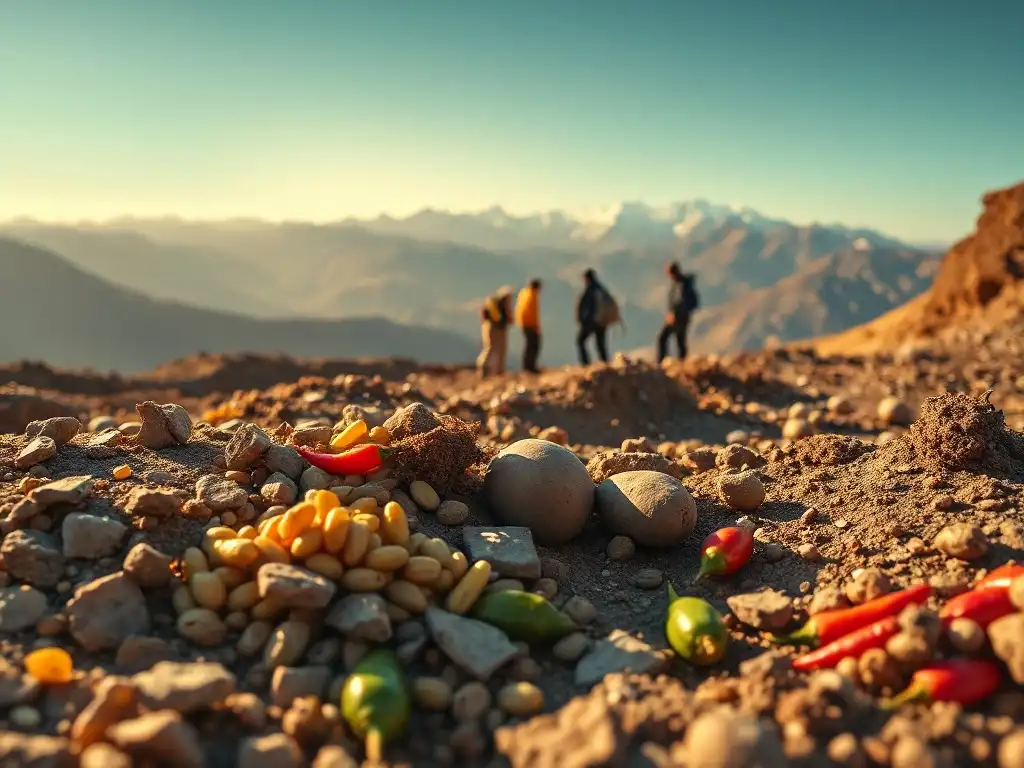
Step into a world lost to time, where towering mountains cradled civilizations of breathtaking ingenuity. Imagine a landscape teeming with life, long before the Inca, a world shaped by unique traditions and innovations. Our exploration of Andean Civilizations begins with a fascinating puzzle: the Preceramic Andean diet analysis. What secrets do the remnants of their meals hold? Uncover the mysteries of their sustenance and witness the remarkable adaptation of these ancient peoples – delve in to find out!
- Unveiling the Preceramic Andean Diet: A Deep Dive into Ancient Foodways
- Understanding the Preceramic Period in the Andes
- Analyzing the Preceramic Andean Diet: Food Sources and Dietary Habits
- Methods for Analyzing the Preceramic Andean Diet
- Implications of the Preceramic Andean Diet
- Conclusion: The Significance of Preceramic Andean Diet Analysis
-
Frequently Asked Questions
- What is the focus of "Preceramic Andean diet analysis"?
- How did researchers determine the diet of preceramic Andean populations?
- What were some of the staple crops in the preceramic Andean diet?
- How did the preceramic Andean diet compare to later Andean diets?
- What is the significance of studying the preceramic Andean diet?
- Final Reflection: Unearthing the Past, Nourishing the Present
- Unveil the Secrets of the Pre-Ceramic Andean Diet!
Unveiling the Preceramic Andean Diet: A Deep Dive into Ancient Foodways
The Preceramic period in the Andes (roughly 8000-1800 BCE) represents a crucial juncture in human history, witnessing the development of agriculture and the subsequent transformation of Andean societies. Understanding the dietary habits of these early inhabitants offers invaluable insights into their lifestyles, social structures, and the very origins of Andean civilization.
This article delves into the fascinating world of the Preceramic Andean diet, exploring what these early peoples consumed, how they obtained their food, and the implications of their dietary choices for their cultural development. A comprehensive analysis of the Preceramic Andean diet provides a crucial foundation for understanding the subsequent flourishing of complex Andean societies, highlighting the importance of agriculture and resource management in shaping their trajectory.
We'll explore the evidence from archaeological excavations, botanical remains, and isotopic analysis to piece together a picture of their daily sustenance. This investigation is key to understanding the "Preceramic Andean diet analysis" and its significance in shaping Andean history.
Reconstructing the Preceramic Andean Diet: Archaeological Evidence
Archaeological excavations across the Andean region have unearthed a wealth of information regarding the Preceramic diet. Sites like Guitarrero Cave in Peru have yielded evidence of early plant domestication, including squash and chili peppers. Analysis of plant remains, including pollen and phytoliths, allows researchers to identify the types of plants consumed, revealing a diverse range of wild and cultivated species.
Furthermore, the discovery of animal bones, such as those of camelids and various smaller mammals, indicates the importance of hunting and gathering in supplementing the plant-based component of their diet. The careful study of these remains, combined with isotopic analysis of human skeletal remains, provides a more complete understanding of the dietary composition and its variability across different regions and time periods. The meticulous work of archaeologists allows us to move beyond simple speculation and build a more accurate picture of this crucial aspect of Preceramic Andean life.
The Role of Agriculture in Shaping the Preceramic Andean Diet
The transition from a solely hunter-gatherer lifestyle to one incorporating agriculture was a transformative event in the Andes. The domestication of plants, particularly those well-suited to the Andean environment, significantly altered the diet. The cultivation of crops like potatoes, beans, and quinoa provided a more stable and reliable food source, leading to increased sedentism and population growth.
This shift towards agriculture is not merely a change in food source but a fundamental alteration in social organization, resource management, and the very fabric of Andean society. This agricultural revolution impacted every facet of their life, paving the way for the development of increasingly complex social structures and technological advancements in subsequent periods. The availability of surplus food allowed for specialization of labor and the development of social hierarchies.
Isotopic Analysis: Unraveling Dietary Habits Through Scientific Methods
Stable isotope analysis provides a powerful tool for investigating the Preceramic Andean diet. By analyzing the ratios of stable isotopes (like carbon and nitrogen) in human bone collagen, researchers can determine the relative proportions of plant and animal protein in the diet. This method allows for a quantitative assessment of dietary habits, revealing details not readily apparent from other archaeological evidence.
For example, isotopic analysis can highlight regional variations in diet, reflecting differences in environmental conditions and agricultural practices. Furthermore, it can reveal information about the consumption of specific plants and animals, helping to refine our understanding of the overall dietary composition and its fluctuations over time. The combination of isotopic analysis with other archaeological data provides a more comprehensive and nuanced understanding of Preceramic Andean foodways.
The Significance of the Preceramic Andean Diet in the Broader Context of Andean History
The Preceramic Andean diet is not simply a list of consumed foods; it is a window into the lives, adaptations, and innovations of the earliest Andean inhabitants. Their dietary choices reflect their relationship with their environment, their technological capabilities, and the social structures they developed. Understanding this foundational period is essential for comprehending the trajectory of Andean civilization, from its early stages to the rise of the Inca Empire.
The dietary practices of the Preceramic period laid the groundwork for the agricultural advancements and sophisticated food production systems that characterized later Andean societies. Their resourceful approach to food production and consumption set the stage for the remarkable cultural achievements that followed. The legacy of their ingenuity is evident in the enduring culinary traditions of the Andes.
Understanding the Preceramic Period in the Andes
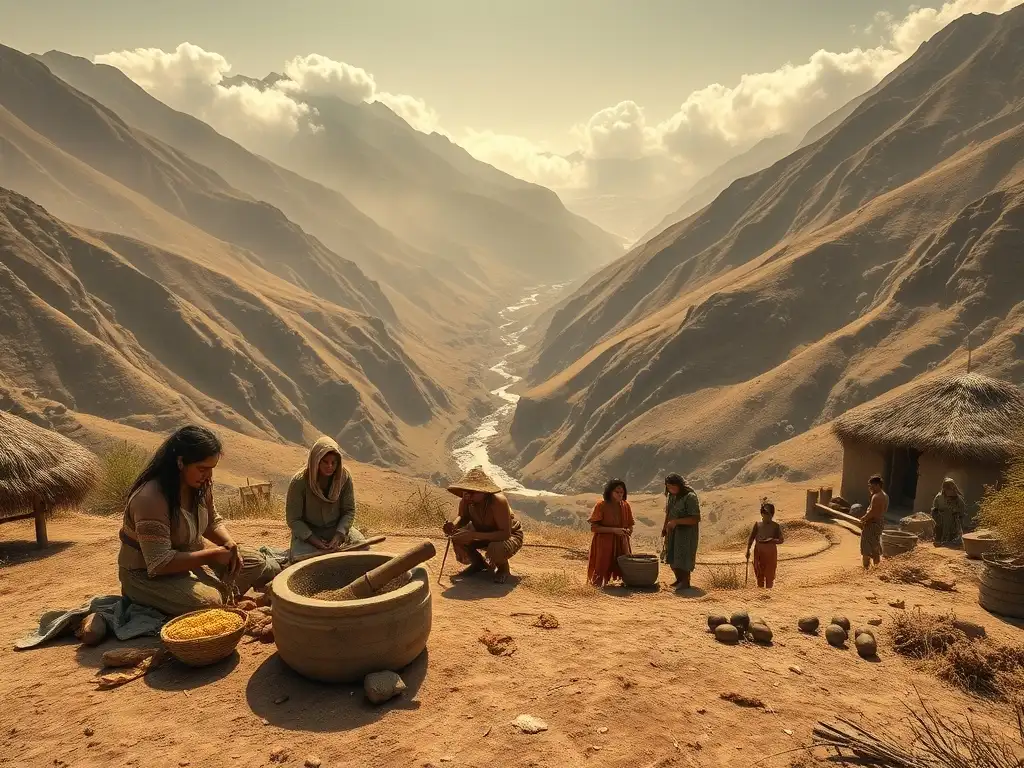
This section delves into the fascinating world of the Preceramic Andean diet, a crucial aspect of understanding the lifestyles and societal structures of these early Andean societies. Analyzing their dietary habits provides invaluable insights into their resource management, agricultural practices, and overall adaptation to the diverse Andean environment. A robust Preceramic Andean diet analysis reveals a complex picture, far removed from simplistic assumptions about hunter-gatherer lifestyles.
Defining the Preceramic Era: Time and Context
The Preceramic period in the Andes, spanning roughly from 8000 BCE to 1800 BCE, marks a significant chapter in human history. It's characterized by the absence of pottery, a defining feature used to chronologically categorize later Andean cultures. This era witnessed the initial stages of plant domestication and the development of increasingly complex social organizations. The timeframe, however, is not uniform across the entire Andean region.
Coastal and highland environments, due to their distinct ecological features, experienced differing paces of development. For instance, evidence suggests that coastal settlements might have exhibited some early signs of plant cultivation earlier than their highland counterparts. The precise dating often relies on radiocarbon dating of organic materials found at archaeological sites, which inherently carries a degree of uncertainty.
Further research and refinement of dating techniques continue to shape our understanding of this pivotal period. This nuanced understanding of the timeline is vital for accurate Preceramic Andean diet analysis. The variations in timing between different regions highlight the need for region-specific analyses rather than generalizations about the entire Andean region.
Key Characteristics of Andean Societies Before Ceramics
Preceramic Andean societies were far from monolithic. They exhibited a remarkable degree of diversity in their subsistence strategies, reflecting the varied environmental conditions. While some groups remained primarily reliant on hunting and gathering, others transitioned towards more intensive forms of food production. The development of agriculture, specifically the domestication of plants like squash, beans, and chili peppers, represents a monumental shift in human history. The emergence of agriculture fundamentally altered settlement patterns, leading to the establishment of more sedentary communities. This shift directly impacted the Preceramic Andean diet analysis as the reliance on cultivated crops increased.
This transition wasn't abrupt; it involved a gradual process of experimentation and adaptation. Archaeological evidence, including the analysis of plant remains and faunal assemblages, indicates a complex interplay between wild and cultivated resources. The initial domesticates were likely cultivated alongside continued reliance on wild plants and animals, offering a dietary diversity and resilience against environmental fluctuations. This dietary flexibility is a key aspect of understanding the successful adaptation of these early Andean communities.
Furthermore, the development of irrigation systems in certain regions facilitated more intensive agriculture and increased food production, contributing to population growth and social complexity. Future Preceramic Andean diet analysis should focus on the interplay between environmental factors and human decision-making in shaping dietary choices. Understanding this dynamic relationship is critical for a more complete understanding of the Preceramic period's complexities.
Analyzing the Preceramic Andean Diet: Food Sources and Dietary Habits
This section delves into the fascinating world of Preceramic Andean diets, providing a detailed analysis of the food sources and dietary habits of these early Andean societies. Understanding their nutritional intake offers crucial insights into their social structures, adaptation strategies, and overall lifestyle. The study of Preceramic Andean diet analysis relies heavily on archaeological evidence, including plant and animal remains, as well as isotopic analysis of human skeletal remains. This allows us to reconstruct a surprisingly detailed picture of their culinary landscape.
Plant-Based Staples in the Preceramic Andean Diet
Plant-based foods formed the cornerstone of the Preceramic Andean diet, providing the majority of calories and essential nutrients. The remarkable diversity of Andean flora allowed for a varied and nutritionally rich diet, even before the development of advanced agricultural techniques.
Root Crops: Potatoes, Oca, and Yuca in the Early Andes
Root crops played a pivotal role in the Preceramic Andean diet. While the precise cultivation techniques remain debated, evidence suggests early domestication of Solanum tuberosum (potato), Oxalis tuberosa (oca), and Manihot esculenta (yuca) were already underway. Archaeological excavations have unearthed remains of these crops at various sites, indicating their widespread consumption.
The nutritional value of these tubers is significant, providing carbohydrates, vitamins, and minerals crucial for survival in the high-altitude Andean environment. Isotopic analysis of human bones further supports their importance in the diet, revealing a high proportion of C3 plants (characteristic of tubers and other non-tropical plants) in the diet.
Andean Grains and Legumes: Quinoa, Amaranth, and Beans
Beyond root crops, early Andean societies also relied on grains and legumes. Chenopodium quinoa (quinoa) and Amaranthus caudatus (amaranth) – both highly nutritious pseudo-cereals – show evidence of early cultivation. Archaeobotanical findings indicate their presence in Preceramic sites, suggesting their integration into the daily diet. Legumes, including various types of beans, provided additional protein and fiber. The cultivation of these crops likely contributed to the increasing sedentism and population growth observed during this period. The versatility of these crops, capable of withstanding harsh environmental conditions, highlights the ingenuity of early Andean agricultural practices.
Wild Plants and Foraging in Preceramic Andean Societies
While cultivation was developing, wild plants continued to be a vital component of the Preceramic Andean diet. Foraging provided a diverse range of fruits, nuts, seeds, and other edible plants, supplementing the cultivated crops. This reliance on wild resources highlights the adaptability of these societies and their close relationship with their environment. Identifying the specific wild plants consumed requires further research, but analyses of pollen and plant macrofossils from archaeological sites are providing increasingly detailed information. The seasonal availability of these wild foods would have influenced dietary patterns throughout the year.
Animal Protein Sources in the Preceramic Andean Diet
Animal protein, while less prevalent than plant-based foods, still played a significant role in the Preceramic Andean diet, varying considerably depending on geographical location and environmental factors.
Hunting Practices and Animal Consumption in the Andes
Hunting was a crucial activity for obtaining animal protein. Evidence suggests the consumption of various animals, including camelids (llamas and alpacas), deer, and smaller game. The hunting techniques employed likely varied depending on the target animal, utilizing traps, snares, and possibly communal hunts. Archaeological findings – such as bone fragments and tools associated with hunting – provide valuable clues about hunting practices and the types of animals hunted. The contribution of hunting to the overall diet is difficult to quantify precisely, but isotopic analysis suggests it was more significant in some regions than others.
Fishing and Coastal Resources in the Preceramic Diet
Along the coast, fishing and the exploitation of marine resources were paramount. Coastal communities relied heavily on fish, shellfish, and other marine life for protein. The abundance of marine resources likely led to a diet richer in animal protein compared to their inland counterparts.
Archaeological evidence, such as shell middens and fish remains, clearly demonstrates the importance of marine resources in the coastal Preceramic Andean diet. The development of fishing techniques, including the use of nets and hooks, played a crucial role in securing these essential food sources. Further research, including detailed analysis of coastal sites, is needed to fully understand the diversity and seasonal availability of these marine resources.
Exploring Regional Variations in the Preceramic Andean Diet
The Preceramic Andean diet, spanning roughly 8000 to 1800 BCE, wasn't monolithic. Significant variations existed depending on the environment, impacting available resources and consequently, dietary habits. The diverse geography of the Andes—from the arid coast to the high-altitude highlands and the lush Amazon basin—shaped the culinary landscape and the nutritional intake of these early Andean communities. Understanding these regional differences is crucial for a complete picture of Preceramic Andean dietary practices and their impact on societal development.
The availability of specific resources directly influenced the development of unique food preparation techniques and cultural practices associated with food. This regional diversity underscores the adaptability and resourcefulness of these early Andean populations in utilizing the resources available to them. A nuanced approach to "Preceramic Andean diet analysis" must therefore account for this significant geographical variability.
Coastal Preceramic Diets: Focus on Seafood
Coastal communities thrived on the bounty of the Pacific Ocean. Archaeological evidence points to a diet rich in seafood, including fish (like anchovies and other small fish species), shellfish (such as mussels, clams, and oysters), and marine mammals. The abundance of these resources allowed for a protein-rich diet, supplemented by locally available plants.
Coastal settlements often featured specialized fishing tools and techniques, reflecting the importance of marine resources to their survival and prosperity. Analysis of skeletal remains from coastal sites reveals a high intake of omega-3 fatty acids, consistent with a diet heavy in seafood. The proximity to the sea fostered a strong connection between these early Andean people and the ocean, shaping not only their diet but also their culture and social structures.
The development of specialized fishing technologies is a testament to their deep understanding of the marine environment and its resources. This reliance on seafood likely contributed to the growth and prosperity of coastal settlements during the Preceramic period.
Highland Preceramic Diets: Emphasis on Tubers and Grains
The high-altitude Andes presented different challenges. The harsh climate limited the availability of certain food sources, but resourceful highland communities cultivated crops well-adapted to the challenging environment. Tubers, particularly potatoes (various species of Solanum that are ancestors of modern potatoes) and other root vegetables, formed the backbone of their diet. These provided essential carbohydrates and nutrients. Early forms of quinoa and other grains were also cultivated, contributing to dietary diversity.
Evidence suggests the development of sophisticated agricultural techniques, including terracing, to maximize crop yields in the mountainous terrain. Analysis of ancient plant remains found in highland settlements confirms the prevalence of these crops in their diet. The cultivation of these high-altitude crops demonstrates remarkable agricultural ingenuity and adaptation to challenging environmental conditions. The development of effective farming practices was essential for the survival and prosperity of these communities.
Amazonian Preceramic Diets: Understanding Forest Resources
The Amazonian region offered a completely different set of resources. Here, the focus shifted to the diverse flora and fauna of the rainforest. Hunting played a significant role, providing protein from animals like monkeys, birds, and other forest creatures.
Gathering also contributed significantly to their diet, with a wide range of fruits, nuts, and other forest products providing essential nutrients and carbohydrates. The complexity of the Amazonian ecosystem is reflected in the diversity of their diet. Archaeological evidence, although less abundant compared to coastal and highland sites, is gradually revealing more about their dietary habits and the sophisticated knowledge of forest resources possessed by these early inhabitants.
The Amazonian Preceramic diet represents a distinct adaptation to a rainforest environment, showcasing a deep understanding of the forest's resources and their sustainable use. Further research is needed to fully understand the nuances of this unique dietary landscape. The challenges in studying the Amazonian region, however, highlight the need for ongoing research and development of new methodologies for “Preceramic Andean diet analysis” in this complex environment.
Methods for Analyzing the Preceramic Andean Diet

Understanding the Preceramic Andean diet, a crucial aspect of comprehending their societal structures and adaptation strategies, requires a multi-faceted approach. Reconstructing their nutritional intake relies heavily on meticulous analysis of diverse evidence, combining archaeological findings with advanced scientific techniques. This section details the key methodologies employed in Preceramic Andean diet analysis, providing insights into the sophisticated techniques used to unravel the mysteries of their sustenance.
The analysis of this crucial aspect of their culture sheds light on their relationship with their environment and reveals significant details about their lifestyle and social organization. This detailed investigation is key to understanding the complexities of Preceramic Andean life.
Archaeological Evidence: Preserved Food Remains
Archaeological excavations provide direct evidence of the Preceramic Andean diet. The preservation of organic materials, however, is highly dependent on environmental factors. Arid or extremely dry climates, such as those found in certain coastal regions of Peru, offer the best chances for preservation. Careful excavation techniques, minimizing contamination, are paramount. The identification of preserved food remains constitutes a crucial primary source of information for Preceramic Andean diet analysis.
Microbotanical Analysis: Pollen and Phytoliths
Microbotanical analysis focuses on microscopic plant remains like pollen and phytoliths (silica bodies found in plants). Pollen grains, incredibly resistant to degradation, reveal the types of plants growing in the vicinity of settlements, indicating potential food sources. Phytoliths, similarly resilient, provide additional information about plant species, even when macro-remains are absent. The abundance and diversity of pollen and phytoliths in archaeological contexts can help reconstruct the overall plant landscape and infer the significance of various plants in the Preceramic Andean diet. This meticulous analysis provides a crucial layer of evidence beyond directly preserved food remains.
Macrobotanical Analysis: Seeds, Fruits, and Plant Parts
Macrobotanical analysis examines larger, visible plant remains such as seeds, fruits, and other plant parts. These remains, when found in association with human settlements or burials, offer direct evidence of plant consumption. Careful identification of these remains, using comparative collections and specialized botanical expertise, is critical. The analysis of size, shape, and degree of charring can also provide information about processing techniques and consumption patterns. For example, the presence of charred maize kernels would indicate the early domestication and use of this staple crop. The careful study of macrobotanical remains is a cornerstone of Preceramic Andean diet analysis.
Isotopic Analysis: Tracing Diet Through Bone Chemistry
Isotopic analysis offers a powerful indirect method for reconstructing the Preceramic Andean diet. By analyzing the stable isotopes (carbon, nitrogen, strontium) in human skeletal remains, researchers can infer dietary habits and geographical mobility. This method provides invaluable insights that complement the evidence from preserved food remains.
Carbon and Nitrogen Isotopes: Understanding Protein Consumption
Carbon and nitrogen isotope ratios in bone collagen reflect the types of proteins consumed. The ratio of 13 C to 12 C (δ 13 C) indicates the proportion of C3 (e.g., trees, shrubs) and C4 (e.g., maize, certain grasses) plants in the diet. Similarly, the ratio of 15 N to 14 N (δ 15 N) reflects the trophic level of the diet, indicating the relative importance of animal protein versus plant protein. By analyzing these isotope ratios, researchers can gain a comprehensive understanding of the protein sources in the Preceramic Andean diet. This powerful technique allows for inferences even when direct food remains are scarce or absent.
Strontium Isotopes: Identifying Geographic Origins of Diet
Strontium isotope analysis ( 87 Sr/ 86 Sr) can provide information about the geographic origin of an individual's diet during their lifetime. Different geological formations have distinct strontium isotope ratios. By comparing the strontium isotope ratios in human bone with those of local geological formations, researchers can determine whether individuals consumed food primarily from the local area or migrated from other regions. This information is invaluable for understanding mobility patterns and the exchange of resources within Preceramic Andean societies. The application of strontium isotope analysis adds another layer of complexity and nuance to the understanding of Preceramic Andean diet analysis.
Dental Analysis: Insights into Preceramic Dietary Habits
Dental analysis offers a powerful non-destructive method for reconstructing the diets of preceramic Andean populations. Teeth, remarkably resilient to the ravages of time, preserve a wealth of information about the foods consumed throughout an individual's life. By examining various aspects of dental remains, researchers can gain invaluable insights into the composition and consistency of the preceramic Andean diet.
This approach is particularly valuable because it provides direct evidence of food consumption, unlike other methods that might rely on inferences from plant or animal remains found at archaeological sites. The analysis of teeth allows for both a broad overview of dietary patterns within a population and detailed information on individual dietary habits.
This helps to paint a more complete picture of the complexity of food consumption in these early Andean societies. Variations in dental characteristics between different sites and time periods can also reveal important information about the adoption of new food sources or changes in agricultural practices.
Dental Wear Patterns and Oral Health
Dental wear patterns provide crucial information about the abrasiveness of the diet. Significant wear, particularly on the occlusal surfaces (chewing surfaces) of teeth, indicates a diet rich in hard, gritty foods. This could include grains, nuts, and tubers that required considerable chewing effort.
Conversely, less wear suggests a softer, more processed diet. The analysis of wear patterns is often combined with microscopic examination to identify specific types of wear, such as scratches or pits, which can help to pinpoint the types of foods consumed. For example, the presence of significant striations could indicate a diet heavily reliant on coarse grains or tough plant fibers.
Furthermore, the assessment of oral health, including the presence of caries (cavities) and periodontal disease, provides clues about the sugar content and overall quality of the diet. High rates of caries may suggest an increased intake of sugary foods, while periodontal disease can be linked to poor oral hygiene and a diet lacking in certain nutrients. By studying both wear patterns and oral health indicators in preceramic Andean populations, researchers can develop a more nuanced understanding of the challenges and successes of early Andean subsistence strategies.
Analysis of Dental Calculus for Dietary Traces
Dental calculus, or hardened plaque, is a particularly rich source of dietary information. This mineralized plaque can trap microscopic food particles and even phytoliths (plant silica bodies), providing direct evidence of the plants consumed. Advanced techniques such as phytolith analysis and starch grain analysis can identify specific plant species present in the calculus, offering a detailed picture of the plants forming part of the preceramic Andean diet. Moreover, stable isotope analysis of dental calculus can provide insights into the proportion of plant-based versus animal-based protein in the diet. This method examines the ratios of different isotopes of carbon and nitrogen in the calculus, revealing information about the trophic level of the consumed foods. For example, a higher proportion of 13 C might suggest a diet heavily reliant on C4 plants (like maize, though maize was not yet domesticated during the preceramic period), while nitrogen isotope ratios can provide information about the consumption of animal protein, whether from terrestrial or aquatic sources. The meticulous analysis of dental calculus thus adds another layer of detail to our understanding of the complexities of the preceramic Andean diet, moving beyond simple inferences to direct identification of consumed foods and the relative importance of different food sources.
Implications of the Preceramic Andean Diet
The Preceramic Andean diet, spanning roughly from 8000 to 1800 BCE, offers a fascinating window into the ingenuity and adaptability of early Andean populations. Analyzing the dietary remains—plant and animal—reveals not only what they ate but also how they interacted with their environment and shaped their societies. This analysis, crucial for understanding "Preceramic Andean diet analysis," unveils a complex picture far beyond simple sustenance.
The remarkable diversity of consumed foods and the development of early agricultural techniques point to a sophisticated understanding of their ecosystem and its potential. This section explores the key implications of this dietary analysis, moving beyond simple inventories to consider the broader societal and environmental context.
Nutritional Adaptation to the Andean Environment
The varied and challenging Andean geography directly impacted the Preceramic diet. High altitudes, diverse microclimates, and varying soil compositions presented unique nutritional challenges and opportunities. Analysis of skeletal remains reveals evidence of adaptation to these conditions. For instance, studies have shown higher bone density in some populations, potentially linked to a diet rich in calcium-rich plants and possibly supplemented by animal protein sources, reflecting a response to the high-altitude environment.
This adaptation wasn't uniform; coastal populations, for example, relied heavily on marine resources, exhibiting different skeletal markers compared to those residing in the highlands. The diversity in dietary strategies showcases a remarkable ability to exploit the varied resources available within the complex Andean environment. Detailed isotopic analysis of human remains helps researchers reconstruct the exact proportions of plant and animal components in their diets, offering a precise picture of regional dietary variations and nutritional adaptation.
The Role of Diet in the Development of Andean Societies
The Preceramic Andean diet played a pivotal role in the development of complex social structures. The transition from hunter-gatherer to agricultural lifestyles, evidenced through the dietary remains, fundamentally altered social organization. The cultivation of crops like squash, beans, and potatoes, along with the domestication of camelids (llamas and alpacas), fostered sedentarism and led to the emergence of larger, more stable settlements.
Access to a surplus of food, facilitated by agricultural innovation, likely contributed to social stratification and the development of specialized labor. The control and distribution of food resources became a crucial aspect of power dynamics, potentially influencing the formation of early political hierarchies. Further research into the spatial distribution of food remains within settlements could illuminate the social organization and potentially reveal evidence of early forms of trade and exchange networks built around food surpluses.
Insights into Early Agricultural Practices in the Andes
Analysis of plant remains from Preceramic sites provides invaluable insights into the development of early Andean agricultural practices. The discovery of diverse cultivated crops suggests a sophisticated understanding of plant domestication and adaptation to local conditions. Evidence of irrigation systems, even in the early stages of agriculture, indicates a high level of planning and cooperation within communities.
Furthermore, the presence of specific crop varieties in different regions suggests early experimentation with crop diversification and adaptation to varied microclimates. Careful study of ancient agricultural tools and techniques, combined with the analysis of soil samples from Preceramic sites, provides a comprehensive understanding of the evolution of agricultural practices and their contribution to the overall development of Andean societies.
This sophisticated approach to agriculture played a fundamental role in shaping the economic and social landscape of the Preceramic Andes, laying the foundation for the later flourishing of more complex civilizations. The development of these practices represents a remarkable feat of human ingenuity and adaptation, crucial for understanding the overall trajectory of Andean cultural development.
Conclusion: The Significance of Preceramic Andean Diet Analysis
Analyzing the preceramic Andean diet offers a crucial window into the development of complex societies in the Andes. Understanding their foodways provides invaluable insights into their social structures, economic strategies, and adaptation to diverse environments. This analysis goes beyond simply identifying consumed plants and animals; it illuminates the intricate relationship between humans and their environment, revealing how they shaped and were shaped by their surroundings.
The meticulous study of ancient diets allows us to reconstruct past agricultural practices, trade networks, and even social hierarchies, painting a vivid picture of daily life in these early Andean communities. Detailed preceramic Andean diet analysis helps us appreciate the ingenuity and resilience of these early inhabitants, laying the groundwork for the flourishing civilizations that followed.
This research is not just about the past; it also offers valuable lessons for contemporary challenges related to sustainable agriculture, food security, and resource management in the Andes and beyond. Understanding how past Andean populations successfully cultivated diverse crops and managed their resources in challenging environments can inform modern approaches to food production and environmental stewardship.
Key Findings and Future Research Directions
Our understanding of the preceramic Andean diet is constantly evolving, thanks to ongoing archaeological investigations and advancements in analytical techniques. Recent findings suggest a more diverse and sophisticated palate than previously imagined, with evidence of both wild and cultivated plants and a wider range of animal protein sources. However, significant gaps remain in our knowledge. Further research is needed to clarify the precise role of specific plants and animals in the diet, the extent of regional variations in food consumption, and the impact of climate change on food availability and agricultural practices.
| Finding Category | Key Finding | Future Research Directions |
|---|---|---|
| Plant Domestication | Evidence suggests early domestication of several key crops, including quinoa and various tubers. | Genetic analysis of ancient plant remains to trace domestication pathways and pinpoint origins. |
| Animal Protein Sources | A wider range of animal protein sources is being discovered than previously thought, including camelids, fish, and various small animals. | Isotopic analysis to determine the relative importance of different animal protein sources in the diet. |
| Seasonal Dietary Variation | Evidence suggests significant seasonal variation in dietary intake, reflecting the fluctuating availability of resources. | Detailed pollen analysis to reconstruct past vegetation and climate conditions. |
| Social Implications | Dietary differences may reflect social stratification and access to resources. | Excavation of a wider range of sites representing different social strata. |
Future research should also focus on applying innovative techniques like phytolith analysis and stable isotope analysis to gain a more precise understanding of dietary composition and food preparation methods. The integration of archaeological data with paleoclimatic reconstructions will also be crucial in understanding the interplay between environmental change and dietary adaptation.
A multidisciplinary approach, involving archaeologists, botanists, zoologists, and other specialists, is essential to unravel the complexities of the preceramic Andean diet and its implications for our understanding of Andean history and prehistory. This interdisciplinary approach will help us to improve the accuracy and depth of our interpretations, leading to a more comprehensive picture of early Andean life.
The Legacy of Preceramic Andean Foodways
The preceramic Andean diet laid the foundation for the agricultural practices and foodways that characterized subsequent Andean civilizations. The domestication of key crops, such as potatoes, quinoa, and beans, profoundly impacted the development of Andean societies. These plants provided a stable and nutritious food base, supporting population growth and the development of complex social structures.
The ingenuity and adaptability demonstrated by early Andean farmers in cultivating diverse crops in challenging environments continue to inspire today. Many of the crops cultivated during this period remain staples in the Andean diet, highlighting the enduring legacy of these early agricultural practices. The knowledge and techniques developed during the preceramic period played a crucial role in shaping the agricultural landscapes and food systems of the Andes, setting the stage for the remarkable achievements of later Andean cultures.
The legacy of these early foodways is not only visible in the continued cultivation of these crops but also in the rich culinary traditions that persist across the Andean region today. Understanding this legacy helps us to appreciate the long-term consequences of human interaction with the environment and the enduring significance of food in shaping Andean identity and culture.
Frequently Asked Questions
What is the focus of "Preceramic Andean diet analysis"?
Preceramic Andean diet analysis focuses on understanding the food consumption of Andean cultures before the invention of pottery, using methods like phytolith and pollen analysis of archaeological sites to reconstruct their diets. This helps us understand their agricultural practices and subsistence strategies.
How did researchers determine the diet of preceramic Andean populations?
Researchers utilize various methods, including analyzing plant remains (phytoliths and pollen) found at archaeological sites, studying animal bones, and examining human skeletal remains for isotopic signatures indicating dietary components. These techniques provide insights into plant and animal consumption.
What were some of the staple crops in the preceramic Andean diet?
Evidence suggests that early Andean diets included a variety of crops like squash, chili peppers, and beans. These crops were likely supplemented by foraging for wild plants and hunting animals. The precise mix varied by region and time period.
How did the preceramic Andean diet compare to later Andean diets?
While later Andean diets continued to feature many of the same crops, the introduction of pottery allowed for food storage and processing, leading to changes in agricultural practices and food preparation. This resulted in a more diverse and potentially more complex diet over time.
What is the significance of studying the preceramic Andean diet?
Studying preceramic Andean diets provides crucial insights into the development of agriculture in the Andes, the domestication of plants and animals, and the evolution of human societies in this region. It helps us understand the long-term adaptations of Andean cultures to their environment.
Final Reflection: Unearthing the Past, Nourishing the Present
Understanding the preceramic Andean diet isn't just about deciphering ancient menus; it's about recognizing the profound connection between food systems, environmental adaptation, and societal development—a connection that resonates deeply with our contemporary challenges. The insights gleaned from analyzing ancient dietary remains offer crucial perspectives on sustainable agriculture, resource management, and the resilience of human communities in the face of environmental change. These lessons are more relevant than ever in our current era of climate instability and food insecurity.
The ingenuity and adaptability displayed by the preceramic Andean populations, their ability to thrive in diverse and often challenging environments through careful cultivation and resource management, continues to inspire. Their sophisticated understanding of their ecosystems, reflected in their dietary choices, serves as a powerful reminder of the interconnectedness of all living things. The earth provides enough to satisfy every man's needs but not every man's greed.
- Mahatma Gandhi. This quote, while not directly related to the Andean context, perfectly encapsulates the crucial balance these early societies achieved, a balance we must strive to rediscover in our own time.
Consider the implications of this research. How can we apply the principles of sustainable agriculture and resource management learned from the preceramic Andes to address modern food security issues? How can we foster a deeper appreciation for the biodiversity of our own environments and the importance of preserving it? You, the reader, hold the power to translate this knowledge into action. By engaging with the past, we can better inform our present and shape a more sustainable future, one that values both our cultural heritage and the health of our planet.
Unveil the Secrets of the Pre-Ceramic Andean Diet!
Thank you for exploring the fascinating world of the Pre-Ceramic Andean diet with us! We hope you've gained valuable insights into the complex foodways of these ancient cultures. Now, let's delve even deeper!
Here's how you can continue your exploration:
- Explore related ancient diets: Compare the dietary habits of other early civilizations, such as those in Mesopotamia or the Mediterranean, to uncover surprising similarities and differences. This comparative approach can reveal much about the relationship between diet, environment, and cultural development.
- Experiment with Andean-inspired cuisine: Try recreating a dish inspired by Pre-Ceramic Andean ingredients like quinoa, potatoes, or various beans. Share your culinary creations and experiences on social media using relevant hashtags to connect with other enthusiasts.
- Join a community of like-minded individuals: Connect with others passionate about ancient diets and cultures through online forums, social media groups, or even local historical societies. Share your discoveries, ask questions, and exchange recipes – collaborative learning is key!
What aspect of the Pre-Ceramic Andean diet most captivates you, and why do you believe preserving this ancient knowledge is important for our understanding of the past and our present?