
Tiahuanaco's Hydraulic Prowess: Controlling Lake Titicaca's Waters

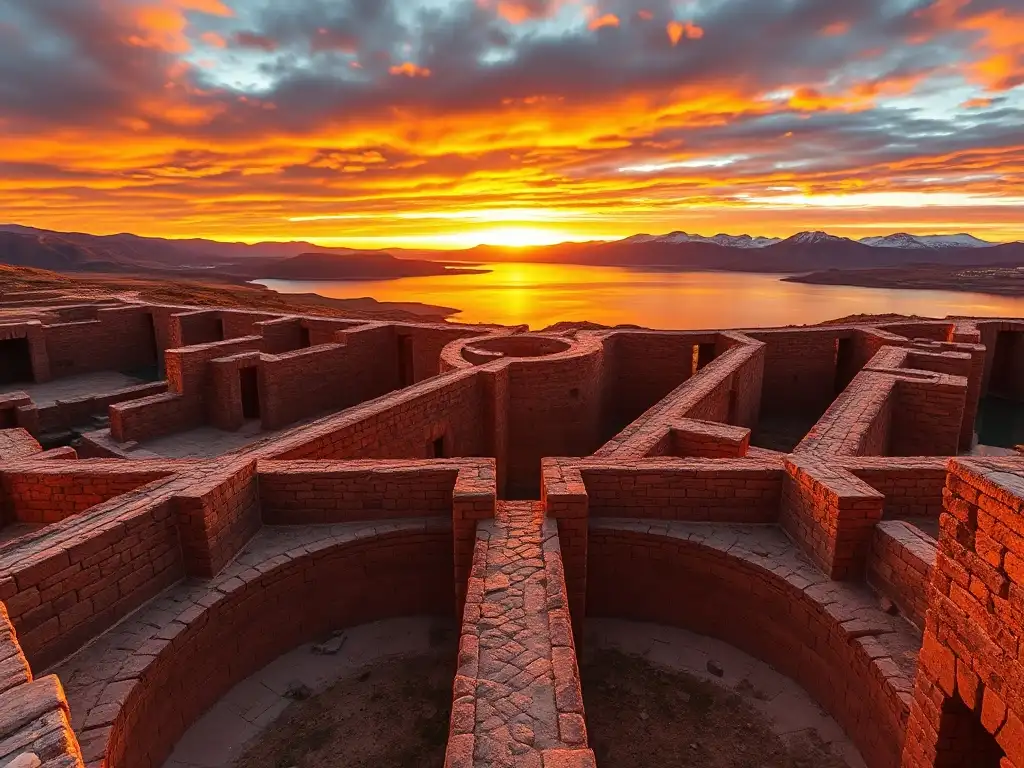
Step into a world lost to time, yet echoing with innovation. Imagine a civilization, flourishing amidst the towering Andes, mastering the very elements themselves. Prepare to be amazed by the ingenuity of the Andean peoples, especially the Tiahuanaco, whose mastery of water management remains a testament to their advanced understanding of engineering. Uncover the secrets behind their incredible Tiahuanaco water management techniques and discover how they shaped their world – a story waiting to unfold within the pages of our site. Explore the mysteries that lie ahead!
The remarkable civilization of Tiahuanaco, flourishing in the Andean highlands around Lake Titicaca between 500 and 1000 CE, left behind a legacy far beyond its iconic monumental architecture. This article delves into the sophisticated water management techniques employed by the Tiahuanaco people, crucial to their survival and the prosperity of their vast empire.
Their mastery of hydraulic engineering, particularly in the challenging environment of the Altiplano, showcases an impressive understanding of hydrology and a remarkable ability to harness the resources of Lake Titicaca for agriculture and urban development. We will explore the evidence of their ingenious systems, examining how these techniques contributed to their societal success and the lasting impact on subsequent Andean cultures.
Understanding Tiahuanaco's water management is key to understanding their remarkable civilization and its enduring influence on the region. This exploration will focus on the key elements of their "Tiahuanaco water management techniques," revealing a fascinating story of ingenuity and adaptation.
The Strategic Location and Challenges of Tiahuanaco
Tiahuanaco's location on the shores of Lake Titicaca presented both opportunities and significant challenges. While the lake provided a vital source of freshwater, the Altiplano's high altitude, arid climate, and unpredictable rainfall patterns demanded sophisticated solutions for irrigation and water distribution. The Tiahuanaco people faced the constant challenge of managing water scarcity, particularly during the dry season, and protecting their agricultural lands from flooding during periods of heavy rainfall.
Their success in overcoming these obstacles is a testament to their advanced understanding of hydrology and their innovative engineering skills. Archaeological evidence suggests a complex system of canals, aqueducts, and reservoirs, meticulously designed to regulate water flow and maximize agricultural productivity. [Specific details on rainfall patterns and water scarcity during the Tiahuanaco period pending].
Canals and Aqueducts: Engineering Marvels of the Altiplano
The Tiahuanaco civilization constructed an extensive network of canals and aqueducts to transport water from Lake Titicaca to their agricultural fields and urban centers. These weren't simply ditches; they were carefully engineered structures, often lined with stone to prevent erosion and leakage. Some canals were remarkably long, stretching for kilometers across the landscape, demonstrating significant planning and organizational capabilities. The precise methods used in their construction—techniques for cutting and fitting stone, methods for creating watertight seals, and the management of the workforce—are still being studied.
The aqueducts, in particular, show impressive engineering skills. They likely employed techniques similar to those found in other Andean cultures, utilizing gravity to move water along carefully graded channels. Evidence suggests the use of sophisticated surveying techniques to ensure a consistent slope, preventing blockages and ensuring efficient water flow. [Specific dimensions and lengths of major canals and aqueducts pending].
Reservoirs and Storage Systems: Preparing for the Dry Season
To mitigate the effects of the Altiplano's unpredictable climate, the Tiahuanaco people also built reservoirs to store water for use during the dry season. These reservoirs would have been crucial for ensuring a consistent water supply for irrigation and domestic purposes. The construction of these reservoirs would have required a significant investment of labor and resources, reflecting the importance of water management to the Tiahuanaco society.
[Information on the size and capacity of Tiahuanaco reservoirs pending]. The design and location of these reservoirs likely took into account factors such as topography, soil type, and proximity to agricultural lands. Furthermore, the maintenance of these systems would have been an ongoing process, requiring constant monitoring and repair.
The Legacy of Tiahuanaco's Water Management
Tiahuanaco's sophisticated water management techniques were not merely a technological achievement; they were integral to the social and political organization of the empire. Control over water resources would have been a source of power and influence, shaping the relationships between different communities and contributing to the stability of the state. The ingenuity displayed in their hydraulic engineering influenced subsequent Andean cultures, leaving a lasting legacy on water management practices in the region.
The knowledge and skills acquired by the Tiahuanaco people in managing water resources continue to be relevant today, offering valuable lessons for sustainable water management in arid and semi-arid regions. The study of their techniques provides valuable insights into the challenges and solutions associated with water scarcity in high-altitude environments. Their ingenuity serves as a powerful reminder of the importance of sustainable resource management.
- The Strategic Location and Challenges of Tiahuanaco
- Canals and Aqueducts: Engineering Marvels of the Altiplano
- Reservoirs and Storage Systems: Preparing for the Dry Season
- The Legacy of Tiahuanaco's Water Management
- How did the Tiahuanaco people manage water resources?
- What was the significance of Lake Titicaca to Tiahuanaco?
- What types of technology did Tiahuanaco use for water management?
- How did Tiahuanaco's water management impact their society?
- What evidence remains of Tiahuanaco's water management systems?
The Enigma of Tiahuanaco's Water Management
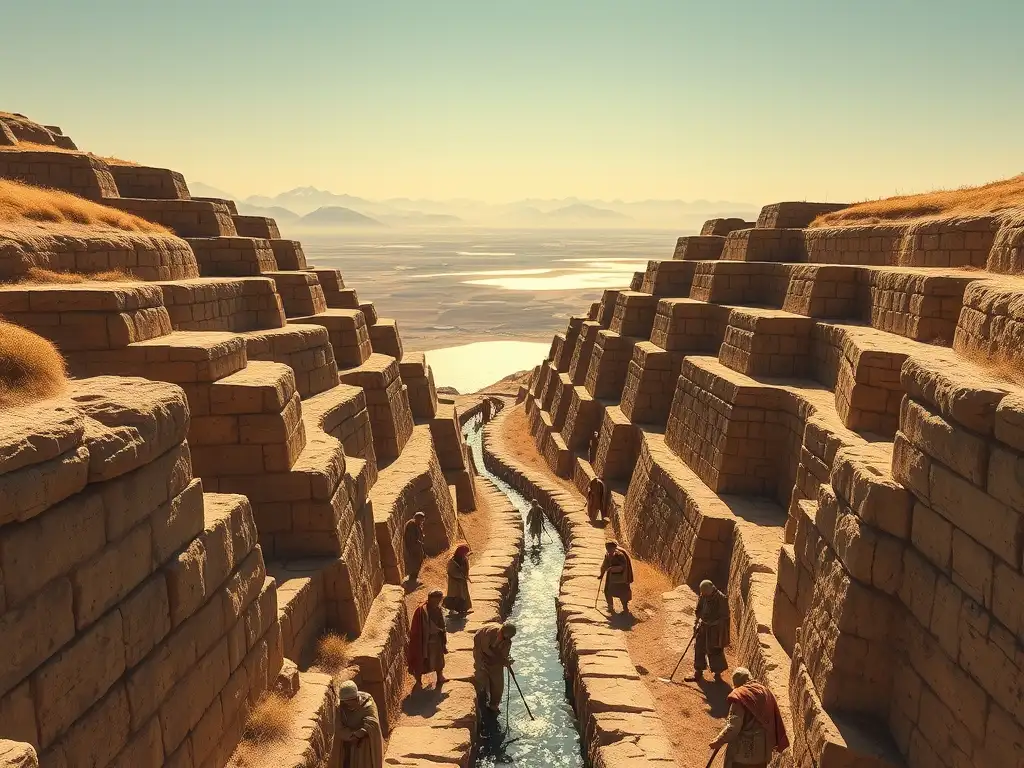
Tiahuanaco's remarkable achievements in architecture and urban planning are inextricably linked to its sophisticated water management techniques. The ability to control and distribute water in the high-altitude environment of the Altiplano was crucial for the civilization's survival and prosperity. This wasn't merely a matter of irrigation for agriculture; it involved a complex interplay of canals, aqueducts, reservoirs, and sophisticated understanding of hydrology, all contributing to a thriving urban center and supporting a large population.
The ingenuity displayed in their water management systems remains a subject of ongoing research and fascination, revealing a deep understanding of engineering principles far ahead of their time. Understanding these techniques provides valuable insights into the organizational capacity and societal structure of Tiahuanaco.
Their success in manipulating water resources offers a compelling case study in adaptation and resilience in a challenging environment. The very existence of Tiahuanaco as a major urban center is a testament to their mastery of "Tiahuanaco water management techniques".
Understanding the Significance of Water for Tiahuanaco Society
Water was far more than a resource for Tiahuanaco; it was a lifeblood, deeply intertwined with their religious beliefs and social organization. The scarcity of water in the Altiplano made its control a critical aspect of daily life, impacting agricultural production, domestic use, and even religious rituals. Archaeological evidence suggests that water access was carefully regulated, perhaps reflecting a hierarchical social structure where control over water resources conferred power and prestige.
The precise mechanisms of this control are still being investigated, but the sheer scale of their hydraulic works points to a highly organized and centralized system. We can infer a strong social cohesion and collaborative effort were necessary to construct and maintain such complex infrastructure.
Furthermore, the symbolic importance of water in Andean cultures, often associated with fertility and spiritual power, likely played a significant role in shaping their water management practices. The impressive scale of Tiahuanaco's waterworks likely served both practical and symbolic purposes.
The Geographical Context: Lake Titicaca and the Tiahuanaco Culture
Lake Titicaca, the highest navigable lake in the world, provided the primary water source for Tiahuanaco. However, harnessing its waters presented unique challenges. The lake's level fluctuates seasonally, and the terrain surrounding it is uneven, requiring sophisticated engineering to effectively channel and distribute water to the urban center and surrounding agricultural fields. Tiahuanaco's location, nestled between the lake and the surrounding highlands, dictated the necessity of complex systems for both water collection and distribution.
The precise mechanisms employed remain a subject of ongoing study, but evidence suggests a combination of canals, aqueducts, and possibly sophisticated reservoir systems played a key role. The construction of these systems required a deep understanding of topography, hydrology, and materials science. The ability to channel water across varying elevations and distances showcases the advanced engineering capabilities of Tiahuanaco's engineers and builders.
This sophisticated understanding of "Tiahuanaco water management techniques" allowed them to thrive in an otherwise challenging environment. Further research is needed to fully understand the intricacies of their hydraulic systems and their interaction with the fluctuating water levels of Lake Titicaca. Analyzing sediment cores and conducting detailed surveys of the surrounding landscape could shed further light on the extent and complexity of their water management infrastructure.
Tiahuanaco Water Control Infrastructure: Engineering Marvels
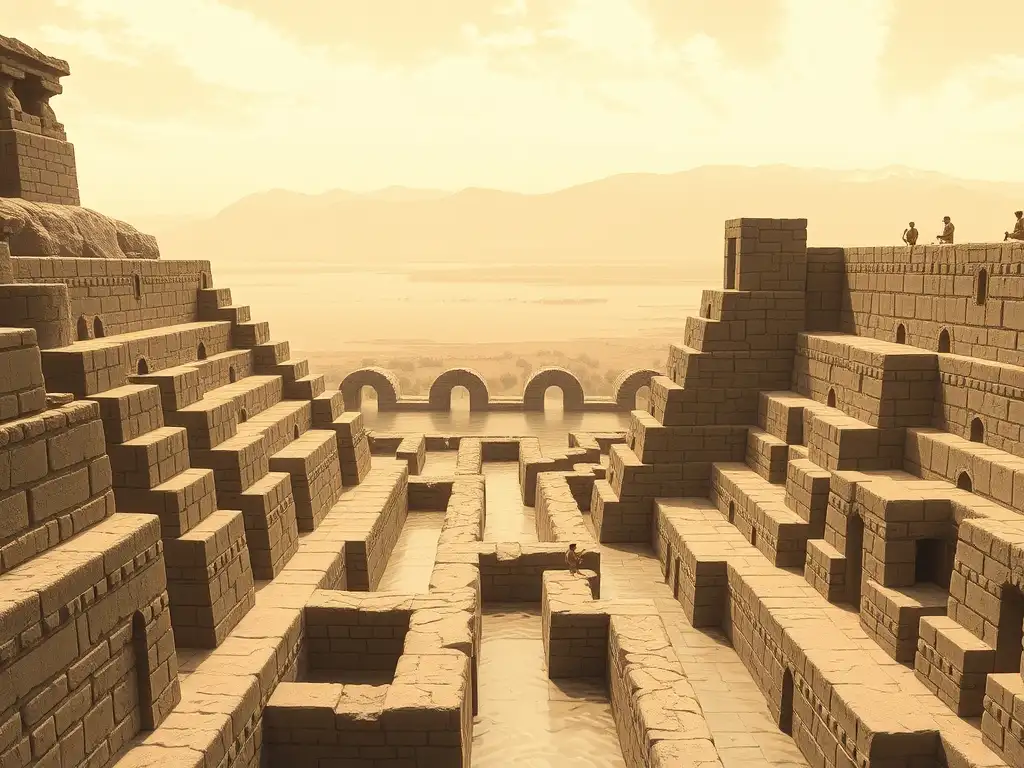
The Tiahuanaco civilization, flourishing in the Altiplano region of the Andes between approximately 500 and 1000 CE, demonstrated remarkable ingenuity in their water management techniques. Their survival and prosperity in a high-altitude environment with limited and unpredictable rainfall hinged on sophisticated systems for controlling and utilizing the waters of Lake Titicaca and its surrounding tributaries. These weren't simply rudimentary irrigation methods; they represented a complex interplay of engineering prowess, deep understanding of hydrology, and social organization.
Understanding Tiahuanaco's water management strategies provides crucial insight into their societal complexity and technological advancement. The scale and sophistication of their infrastructure far surpass what one might expect from a pre-Columbian society, highlighting their mastery of hydraulic engineering. This mastery is evident in their use of raised fields, intricate canal networks, and strategically placed reservoirs.
These elements, working in concert, formed a resilient and efficient system that secured agricultural productivity and sustained a substantial population. The success of their Tiahuanaco water management techniques contributed significantly to the civilization's remarkable longevity and influence in the Andes.
Raised Fields (Suka Kollus): Innovative Agricultural Practices
The Suka Kollus, or raised fields, represent one of the most striking examples of Tiahuanaco's innovative agricultural practices. These artificially elevated platforms, constructed from earth and often bordered by canals, created microclimates conducive to crop growth. The elevated position improved drainage, protecting crops from waterlogging and frost, common problems in the Altiplano's wet season. The canals, strategically placed around and between the Suka Kollus, provided a controlled water supply, ensuring consistent irrigation even during periods of drought.
Archaeological evidence suggests that the Suka Kollus were meticulously designed and constructed, with careful consideration given to soil type, water flow, and sun exposure. The precise dimensions and orientation of these fields varied depending on location and specific environmental conditions, demonstrating a nuanced understanding of local hydrology. Analysis of pollen and other organic remains found within the Suka Kollus indicates the cultivation of various crops, including potatoes, quinoa, and other Andean staples.
The efficiency of this system allowed the Tiahuanaco to maximize agricultural yields in a challenging environment, supporting a large population density. This sophisticated approach to agriculture highlights the deep understanding of the environment and the advanced planning and coordination required to implement such a large-scale project. It's a testament to the Tiahuanaco's ability to adapt and thrive in a challenging landscape.
Canals and Ditches: Directing Water Flow for Irrigation
Beyond the Suka Kollus, the Tiahuanaco constructed an extensive network of canals and ditches to manage water flow across the landscape. These waterways, often lined with stone to prevent erosion and enhance water retention, directed water from Lake Titicaca and its tributaries to irrigate agricultural fields and supply settlements. The canals varied in size and complexity, ranging from small ditches to larger channels capable of carrying significant volumes of water.
The precise routes of these canals were carefully planned to maximize efficiency and minimize water loss. Evidence suggests that some canals were designed to regulate water flow during different seasons, ensuring adequate irrigation during both wet and dry periods. This intricate network of canals required significant engineering skill and labor, reflecting the organized nature of Tiahuanaco society and the importance placed on water resource management.
The construction and maintenance of these canals involved collective effort and likely played a significant role in shaping social structures and community organization. The longevity of many of these canals is a testament to the durability of their construction and the effectiveness of their design. Analyzing the layout of these canals and their integration with other water management features provides crucial insights into the Tiahuanaco’s sophisticated understanding of hydraulic engineering and their ability to adapt their techniques to the unique challenges of the Altiplano.
Reservoirs and Water Storage: Ensuring a Consistent Water Supply
To ensure a consistent water supply, especially during dry periods, the Tiahuanaco also constructed reservoirs. These reservoirs, often built into the landscape or formed by diverting natural watercourses, played a critical role in supplementing irrigation systems and providing water for domestic use. While the exact number and capacity of these reservoirs are still under investigation, archeological findings reveal evidence of various types of water storage facilities. Some reservoirs may have been relatively small, serving local communities, while others were likely larger, supplying water to more extensive areas.
The construction of these reservoirs involved careful planning and engineering to ensure watertightness and prevent leakage. The use of stone lining and other techniques suggests a high level of technical skill. The strategic placement of reservoirs within the overall water management system highlights the Tiahuanaco's integrated approach to water resource management, demonstrating a holistic understanding of water availability and demand.
Further research into the construction techniques and the capacity of these reservoirs is needed to fully understand the extent of their contribution to the Tiahuanaco's agricultural success and societal stability. The presence of these reservoirs underscores their proactive approach to water resource management, mitigating the risks associated with the unpredictable nature of the Altiplano's climate. This forward-thinking approach to water storage significantly enhanced their resilience and contributed to the long-term sustainability of their civilization.
Hydraulic Engineering Techniques of Tiahuanaco
Tiahuanaco's sophisticated water management system wasn't simply a matter of luck or rudimentary methods; it was a testament to their advanced understanding of hydraulic engineering. Their techniques, honed over centuries, allowed them to thrive in a challenging high-altitude environment characterized by fluctuating water availability. These weren't isolated efforts; rather, they represented a complex interplay of knowledge and meticulous planning. Evidence suggests a deep understanding of water flow dynamics, channeling, and storage, significantly impacting their agricultural practices and urban development.
One key technique involved the construction of intricate canal systems. These canals, often lined with stone to prevent erosion and seepage, efficiently diverted water from Lake Titicaca and its tributaries to agricultural fields, even those located at considerable distances from the lake. The precision in their construction is remarkable, indicating a high level of surveying and engineering skills.
The gradient of these canals was carefully calculated to ensure a consistent flow of water, minimizing the risk of flooding or water stagnation. Archaeological findings reveal the use of various materials, including stone, clay, and possibly even plant-based sealants, to enhance the canals' durability and water-holding capacity. This attention to detail highlights their commitment to long-term water security.
Beyond canals, Tiahuanaco engineers employed sophisticated techniques for water storage. They built reservoirs and cisterns of varying sizes, utilizing local materials and adapting their designs to the topography. These structures played a crucial role in buffering against seasonal variations in water availability, ensuring a reliable water supply throughout the year.
The design and placement of these reservoirs likely considered factors such as water infiltration rates, soil properties, and the proximity to agricultural lands. The precise capacity of these structures, while not fully documented, undoubtedly allowed for effective water management, enabling the sustained cultivation of crops and the support of a substantial population. The integration of these storage systems with their canal network further enhanced the resilience of their water management strategy.
The ingenuity displayed in their water management techniques showcases their deep understanding of hydrological principles and their capacity to develop sustainable solutions within a challenging environment. This understanding extends beyond mere practicality; it reflects a sophisticated relationship with their environment, one that prioritized long-term sustainability and community well-being. Further research into these techniques promises to reveal even more about the remarkable engineering skills of the Tiahuanaco civilization.
Tiahuanaco Water Management Techniques: A Detailed Analysis
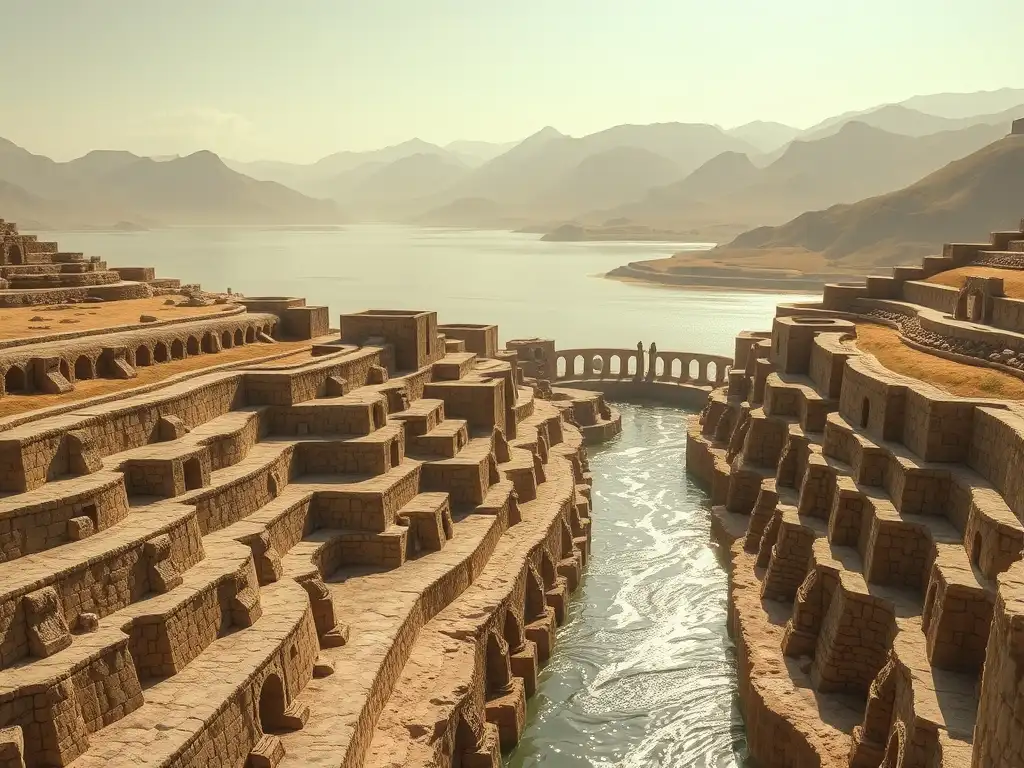
This section delves into the sophisticated water management strategies employed by the Tiahuanaco civilization, showcasing their remarkable engineering skills and their profound understanding of the hydrological dynamics of the Lake Titicaca basin. Their success in cultivating the challenging altiplano environment hinged on innovative solutions to water scarcity, surplus, and soil degradation. The ingenuity displayed in their water management systems stands as a testament to their advanced societal organization and technological capabilities.
Understanding these techniques provides crucial insight into the factors that contributed to the rise and longevity of the Tiahuanaco culture. We will explore their mastery of irrigation, flood control, and drainage, highlighting the intricate interplay between these elements in their agricultural practices.
Advanced Irrigation Systems: Optimizing Crop Yields
The Tiahuanaco people developed remarkably efficient irrigation systems to maximize crop yields in the high-altitude, arid environment surrounding Lake Titicaca. Their mastery of water distribution is evident in the extensive network of canals, aqueducts, and raised fields that channeled water from Lake Titicaca and its tributaries to agricultural areas. These systems weren't simply rudimentary ditches; they incorporated sophisticated techniques to control water flow and optimize its distribution.
Evidence suggests the use of carefully graded canals, designed to minimize water loss through seepage and evaporation. The canals were often lined with stones or clay to improve their efficiency and durability. Furthermore, the Tiahuanaco utilized a system of check dams and diversion weirs to regulate the water flow and direct it to specific fields as needed.
This allowed for precise control over irrigation, ensuring that crops received the appropriate amount of water at the optimal times. The precision of these systems is further emphasized by their ability to irrigate even the most challenging terrains, demonstrating a high level of engineering expertise.
Archaeological findings consistently reveal the meticulous planning and execution involved in the construction and maintenance of these sophisticated irrigation networks. The precise alignment of canals and the integration of various water control structures point to a sophisticated understanding of hydraulic principles and surveying techniques far ahead of their time.
Flood Control Measures: Protecting Agricultural Lands
Protecting agricultural lands from the devastating effects of flooding was crucial for the Tiahuanaco civilization. The proximity to Lake Titicaca, while providing a source of water, also posed a significant risk of flooding, particularly during the rainy season. To mitigate this risk, the Tiahuanaco implemented a range of flood control measures, demonstrating their proactive approach to water management.
These measures included the construction of strategically placed levees and embankments along the shores of Lake Titicaca and along riverbanks. These structures acted as barriers, preventing floodwaters from inundating agricultural fields. In addition, they likely employed a system of drainage channels and spillways to divert excess water away from cultivated areas.
These channels were cleverly integrated into the broader irrigation network, ensuring that excess water was effectively channeled away from vulnerable areas while simultaneously being utilized for irrigation purposes in other regions. The effectiveness of their flood control systems is evidenced by the extensive agricultural lands that thrived around Lake Titicaca for centuries, a testament to their ability to manage the risks associated with living in a flood-prone environment. The integration of flood control with irrigation systems showcases a holistic approach to water management, emphasizing the interconnectedness of their various strategies.
Drainage Systems: Preventing Waterlogging and Salinization
The Tiahuanaco's agricultural success also depended on effective drainage systems to prevent waterlogging and salinization of their fields. Waterlogging, the saturation of soil with water, can lead to root rot and reduced crop yields. Similarly, salinization, the accumulation of salts in the soil, can render land infertile. The Tiahuanaco recognized these risks and developed ingenious drainage systems to mitigate them.
These systems likely involved a combination of techniques including carefully constructed drainage ditches and channels that ran parallel to irrigation canals. These drainage systems were designed to carry excess water away from the fields, preventing waterlogging. Furthermore, the Tiahuanaco likely employed raised fields, a technique that improved drainage and reduced the risk of salinization by elevating the crops above the water table.
The strategic placement of drainage channels and the construction of raised fields demonstrate a deep understanding of soil hydrology and its impact on crop production. The combination of effective irrigation and drainage systems allowed the Tiahuanaco to maintain productive agricultural lands for an extended period, contributing significantly to the sustainability of their civilization. This sophisticated approach to drainage is another example of their advanced water management techniques, highlighting their understanding of the delicate balance required for successful agriculture in a challenging environment.
The Impact of Tiahuanaco Water Management on Society
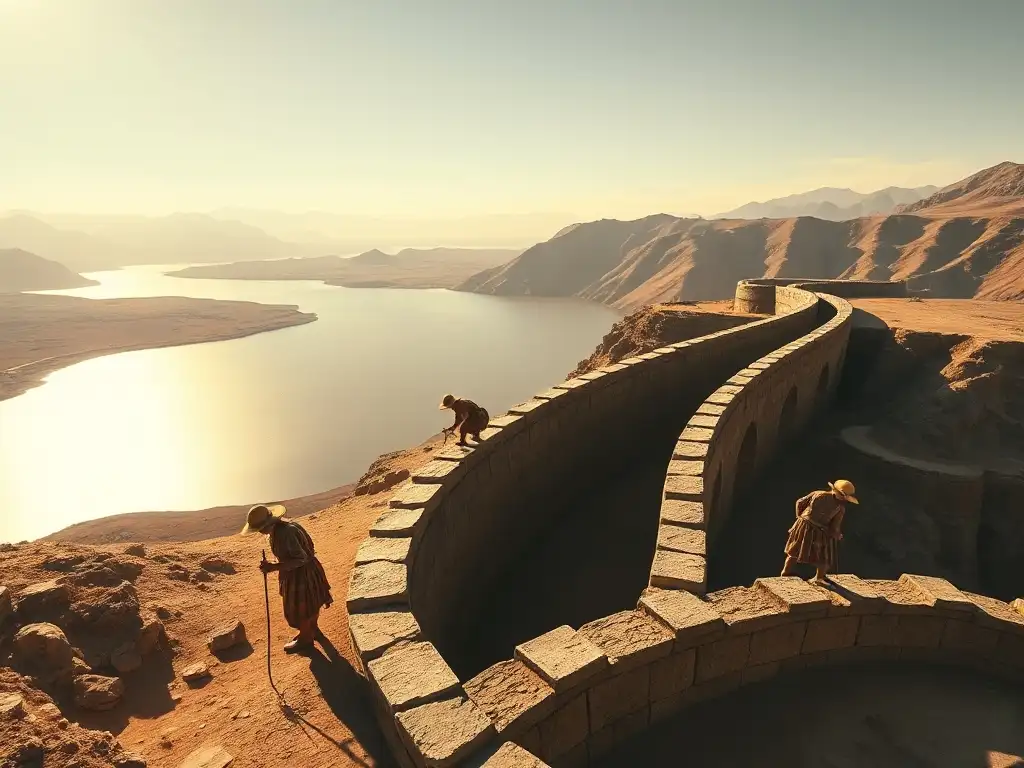
Tiahuanaco's sophisticated water management techniques were crucial to the city's growth and the prosperity of its inhabitants. Their mastery over the challenging terrain surrounding Lake Titicaca allowed them to create a remarkably stable and productive agricultural system, supporting a population estimated to be in the tens of thousands. This wasn't simply a matter of survival; the efficient distribution of water resources fostered a complex social structure, enabling specialization of labor and the development of a vibrant urban center.
The control of water wasn't just about irrigation; it was about controlling the very foundation of their society. The abundance of food, directly linked to their water management, fueled economic growth, social stability, and the creation of a powerful and influential civilization. Understanding their success in this area is key to understanding the rise and longevity of Tiahuanaco.
Supporting a Large Population through Efficient Agriculture
Efficient agriculture was the cornerstone of Tiahuanaco's success. Their ingenious system of canals, aqueducts, and raised fields (or suka kollus) allowed them to harness the waters of Lake Titicaca and its tributaries, even in areas that were naturally arid or prone to flooding. This allowed for the cultivation of a variety of crops, including potatoes, quinoa, and beans – staples of the Andean diet.
The raised fields, in particular, were a remarkable feat of engineering. These artificially constructed islands, built from layers of soil and reeds, provided excellent drainage and protected crops from frost and flooding. Estimates suggest that these suka kollus significantly increased agricultural yields, allowing the city to sustain a far larger population than would have been possible with traditional farming techniques.
The precise methods used to construct and maintain these fields are still being studied, but their effectiveness is undeniable, a testament to Tiahuanaco's deep understanding of hydrology and soil science. The impact on the population’s diet and health was profound, contributing to a strong and healthy workforce capable of supporting the city's ambitious building projects and complex social organization. The ability to produce consistent agricultural surpluses also likely played a major role in facilitating trade and interaction with neighboring communities.
The Role of Water Control in Tiahuanaco's Political Power
Control over water resources was intrinsically linked to political power in Tiahuanaco. The ability to manage and distribute water effectively meant the ability to control food production, a crucial factor in maintaining social order and political stability. Those who controlled the water had the power to reward loyal subjects with access to fertile land and punish dissenters by restricting their access to vital resources.
This control wasn't merely economic; it held significant symbolic weight. Water was viewed as a sacred resource, and the elite's ability to manage it reinforced their divine authority and legitimacy. The monumental architecture of Tiahuanaco itself, with its intricate water channels and sophisticated drainage systems, served as a powerful symbol of this control, demonstrating the city's mastery over nature and its ability to provide for its people.
The sophisticated organization required to manage such a complex system likely involved a highly centralized bureaucracy, further strengthening the power of the ruling class. Archaeological evidence suggests a close connection between religious rituals and water management, further highlighting the profound social and political implications of controlling this vital resource. The ability to command and distribute water underpins the very fabric of Tiahuanaco’s power structure.
Tiahuanaco's Legacy in Andean Water Management
The sophisticated water management techniques developed by the Tiahuanaco civilization left a lasting impact on Andean cultures. Their innovative approaches to irrigation, such as the use of raised fields and sophisticated canal systems, continued to be adapted and refined by later Andean societies, including the Inca. The principles of water management employed by Tiahuanaco were not only practical; they were deeply ingrained in the cultural and spiritual beliefs of the region.
The reverence for water as a life-giving force, evident in Tiahuanaco's architecture and religious practices, persisted for centuries, shaping the way Andean communities interacted with their environment. Even today, many Andean communities utilize variations of the techniques pioneered by Tiahuanaco, demonstrating the enduring legacy of this remarkable civilization's ingenuity and foresight in managing a precious and limited resource.
The understanding and application of Tiahuanaco's water management techniques continue to inform sustainable agricultural practices in the Andes, highlighting their long-term impact on the region's ecological and cultural landscape. The study of Tiahuanaco's legacy continues to offer valuable insights for modern water management challenges.
The Decline of Tiahuanaco and its Hydraulic Systems
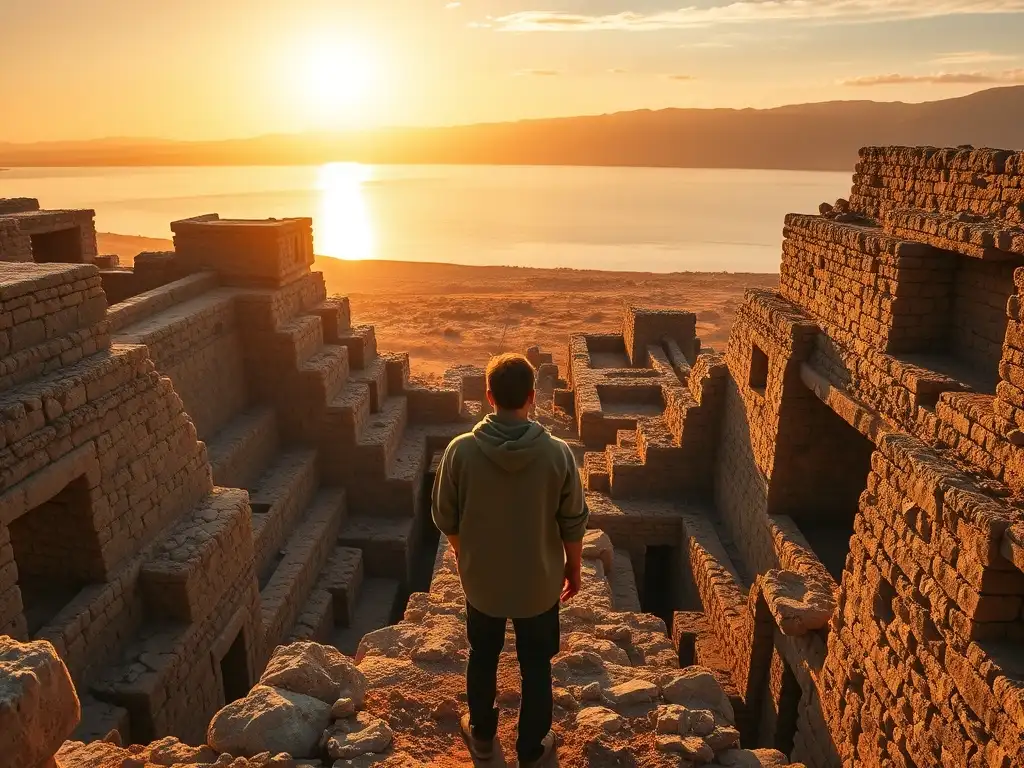
The remarkable hydraulic systems of Tiahuanaco, a testament to the civilization's ingenuity in managing the resources of Lake Titicaca, did not endure indefinitely. The city, once a thriving center of power and innovation, experienced a significant decline, and its sophisticated water management techniques gradually fell into disuse. Understanding this decline requires examining the interplay of environmental factors, societal changes, and potential external pressures. Pinpointing the exact timeline remains a subject of ongoing research, with estimates for the city's abandonment ranging from the 11th to the 13th centuries CE. 1 However, the deterioration of its intricate water infrastructure is undeniably linked to this period of decline. The once meticulously maintained canals, aqueducts, and sophisticated water distribution networks slowly succumbed to neglect, silting up, and ultimately ceasing to function effectively. This wasn't a sudden collapse, but rather a gradual process, mirroring the city's own slow fade from prominence. The evidence suggests a complex interplay of factors contributing to this decline, impacting the effectiveness of Tiahuanaco's innovative water management strategies.
Possible Reasons for the Abandonment of the Waterworks
Several hypotheses attempt to explain the abandonment of Tiahuanaco's impressive waterworks. One prominent theory centers on climate change. Evidence suggests a period of prolonged drought or altered rainfall patterns during the late pre-Columbian era, placing immense strain on the city's water resources.
The sophisticated systems, while impressive, may have been insufficient to cope with such drastic environmental shifts. This lack of adequate water supply would have severely impacted agriculture, the lifeblood of the Tiahuanaco civilization, leading to widespread famine and societal disruption. Further research into paleoclimatology is crucial to refine our understanding of the role of climate change in the city's decline.
Another compelling factor is internal societal pressures. The very complexity of Tiahuanaco's social and political structure might have contributed to its downfall. The concentration of power and resources in the hands of a ruling elite could have created internal instability, leading to conflicts and weakening the capacity for maintaining the intricate water management systems. Evidence of social unrest or internal power struggles, while not fully understood, could offer further insights into this aspect of Tiahuanaco's decline. This potential internal strife could have diverted resources and manpower away from the maintenance of the crucial infrastructure.
Finally, external pressures from rival groups cannot be discounted. While the exact nature and extent of any conflict remain unclear, the possibility of warfare or territorial disputes cannot be ignored. Such conflicts could have disrupted the city's stability, leading to the neglect of its infrastructure, including the vital water systems. Further archaeological investigations and comparative studies with neighboring cultures are needed to better understand the potential impact of external factors on Tiahuanaco’s fate. The combination of these factors likely contributed to the eventual abandonment of the city's remarkable water management techniques.
The Enduring Impact of Tiahuanaco's Engineering Expertise
Despite its decline, the legacy of Tiahuanaco's water management expertise remains significant. Its innovative techniques, showcasing a deep understanding of hydrology and engineering, represent a remarkable achievement in Andean technology. The sophisticated understanding of water channeling, storage, and distribution demonstrated by the Tiahuanaco people continues to inspire modern engineers and researchers. The ingenuity displayed in the construction and maintenance of their vast hydraulic networks serves as a powerful example of human adaptability and resourcefulness in the face of environmental challenges.
The knowledge gained from studying Tiahuanaco's water management systems offers valuable lessons for contemporary societies facing similar challenges. In an era marked by increasing concerns about water scarcity and climate change, understanding the successes and failures of past civilizations offers crucial insights for developing sustainable water management strategies. The meticulous planning and construction of Tiahuanaco's waterworks stand as a testament to the importance of long-term vision and sustainable practices in managing vital resources.
Their achievements in controlling and utilizing the waters of Lake Titicaca continue to inspire and inform our understanding of effective water management, even centuries later. The study of Tiahuanaco’s hydraulic prowess thus remains a crucial area of research for understanding both ancient Andean civilizations and contemporary challenges related to water resource management. The impact of their "Tiahuanaco water management techniques" resonates far beyond their time.
1 Further refinement of the timeline requires additional research and analysis of available archaeological data.
Conclusion: Tiahuanaco's Mastery of Lake Titicaca's Waters
The sophisticated water management techniques employed by the Tiahuanaco civilization represent a remarkable feat of Andean engineering and a testament to their deep understanding of their environment. Their ability to harness the resources of Lake Titicaca, a seemingly unpredictable and powerful force of nature, showcases an impressive level of societal organization and technological innovation.
This wasn't simply about irrigation; it was about controlling a vital resource that underpinned their entire societal structure, from agriculture and urban development to religious practices and social stability. The ingenuity displayed in their canals, aqueducts, and sophisticated water distribution systems provides valuable insights into their cultural values and their remarkable capacity for adaptation and innovation within a challenging geographical context.
The legacy of Tiahuanaco's water management continues to resonate today, offering valuable lessons in sustainable resource management and the importance of understanding the intricate relationship between human societies and their environment. Further research into the precise methods and materials used in their construction, along with a more comprehensive understanding of their societal organization, would further illuminate the full scope of their achievements.
The Importance of Tiahuanaco Water Management for Understanding Andean Civilizations
Tiahuanaco's mastery of water management offers a crucial lens through which to understand the broader context of Andean civilizations. Their sophisticated systems weren't isolated achievements; they reflect a common thread of ingenuity and adaptation found across various Andean cultures, each responding to the unique challenges of their respective environments. Studying Tiahuanaco's water management techniques allows us to appreciate the interconnectedness of various aspects of their culture – their agricultural practices, urban planning, religious beliefs, and social structures – all deeply intertwined with their relationship with water. The scale and complexity of their projects underscore their ability to mobilize significant labor forces and resources, highlighting the level of social organization and political power necessary to undertake such ambitious endeavors.
By comparing and contrasting Tiahuanaco's methods with those of other Andean cultures, we can gain a richer understanding of the diverse strategies employed to manage water resources across different ecological zones and historical periods. This comparative approach allows for a more nuanced appreciation of the evolution of Andean water management practices and their significance in shaping the trajectory of Andean societies. The enduring impact of Tiahuanaco's hydraulic prowess serves as a powerful reminder of the critical role of water in the development and sustainability of Andean civilizations and their enduring legacy.
Understanding their techniques provides a crucial piece of the puzzle in deciphering the complexities of Andean history and culture. Further research could focus on comparing Tiahuanaco's water management with that of contemporary cultures like the Nazca and Inca, potentially revealing commonalities and unique adaptations. The interplay between environmental pressures and technological innovation is a key theme that emerges from studying Tiahuanaco's water management, providing valuable insights into the broader processes of societal development and adaptation in the Andes.
Frequently Asked Questions
How did the Tiahuanaco people manage water resources?
The Tiahuanaco civilization developed sophisticated hydraulic systems, including canals, aqueducts, and reservoirs, to control and distribute water from Lake Titicaca and its tributaries for agriculture and urban needs. Their mastery of water management was crucial to their success.
What was the significance of Lake Titicaca to Tiahuanaco?
Lake Titicaca served as a vital source of water for the Tiahuanaco civilization. Its proximity allowed for the development of extensive irrigation systems supporting a large population and agricultural surplus. The lake also played a significant role in their religious beliefs.
What types of technology did Tiahuanaco use for water management?
Tiahuanaco utilized advanced engineering techniques to build canals, aqueducts, and sophisticated irrigation systems. They employed stone and earthworks, demonstrating a deep understanding of hydrology and hydraulic principles. Their complex water management infrastructure is still studied today.
How did Tiahuanaco's water management impact their society?
Effective water management allowed Tiahuanaco to support a large, dense population and develop a complex, stratified society. The control of water resources was essential for their agricultural productivity and economic stability. This control likely played a role in their political power.
What evidence remains of Tiahuanaco's water management systems?
Archaeological evidence, including remnants of canals, aqueducts, and reservoirs, still exists today. These physical structures demonstrate the scale and sophistication of their water management techniques. Further research continues to uncover more about their impressive engineering feats.
Final Reflection: The Enduring Legacy of Tiahuanaco's Water Wisdom
Tiahuanaco's mastery of water management wasn't just a feat of engineering; it was a testament to human ingenuity that continues to resonate in our era of climate change and resource scarcity. The sophisticated systems they developed to harness the power of Lake Titicaca offer invaluable lessons for sustainable water resource management in the face of increasingly unpredictable weather patterns and growing populations. Their achievements serve as a powerful reminder of the crucial link between societal advancement and responsible stewardship of our planet's resources.
The ingenuity of the Tiahuanaco people in manipulating and controlling the waters of Lake Titicaca is profoundly inspiring. Their understanding of hydrology and their ability to construct such complex and effective systems, despite the limitations of their technology, speaks volumes about their societal organization and their deep connection to their environment. Water is the driving force of nature.
- Leonardo da Vinci. This quote, though centuries removed from the Tiahuanaco civilization, perfectly encapsulates the importance of water and the profound understanding that the Tiahuanaco people possessed. Their legacy challenges us to reconsider our own relationship with water and to strive for similarly innovative and sustainable solutions to the challenges we face today.
Consider the implications of Tiahuanaco's success. What can we learn from their meticulous planning, their community-driven approach, and their deep understanding of their environment? You, the reader, are now equipped with a deeper appreciation for the sophistication of ancient Andean civilizations and the importance of sustainable water management. Let this knowledge inspire you to explore sustainable practices in your own life, whether it's conserving water at home, supporting responsible water management policies, or simply fostering a greater awareness of the preciousness of this vital resource. The legacy of Tiahuanaco calls us to action.
**Unveiling the Secrets of Tiahuanaco's Ingenious Water Management**
Thank you for joining us in exploring the remarkable hydraulic innovations of Tiahuanaco and the ways this ancient civilization mastered the waters of Lake Titicaca. We hope you've gained a deeper understanding of their achievements. Now, let's consider how we can build upon this knowledge.
- **Expand your knowledge:** Research other ancient civilizations renowned for their sophisticated water management systems, such as the Nabataeans or the ancient Egyptians, and examine their unique approaches to water resource management. Discover the fascinating stories behind their successes and failures.
- **Share your discoveries:** Discuss this incredible civilization and its ingenuity with friends, family, or in online forums dedicated to archaeology and ancient history. Help spread appreciation for Tiahuanaco's remarkable achievements.
- **Take action:** Consider supporting local initiatives focused on water conservation or archaeological preservation. Every contribution, no matter how small, helps protect our shared heritage and resources.
Which aspect of Tiahuanaco's water systems most captivates you, and how can we apply the lessons learned from their ingenuity to address modern water challenges?