
Dyes of the Andes: Natural Pigments and Their Significance in Textile Art

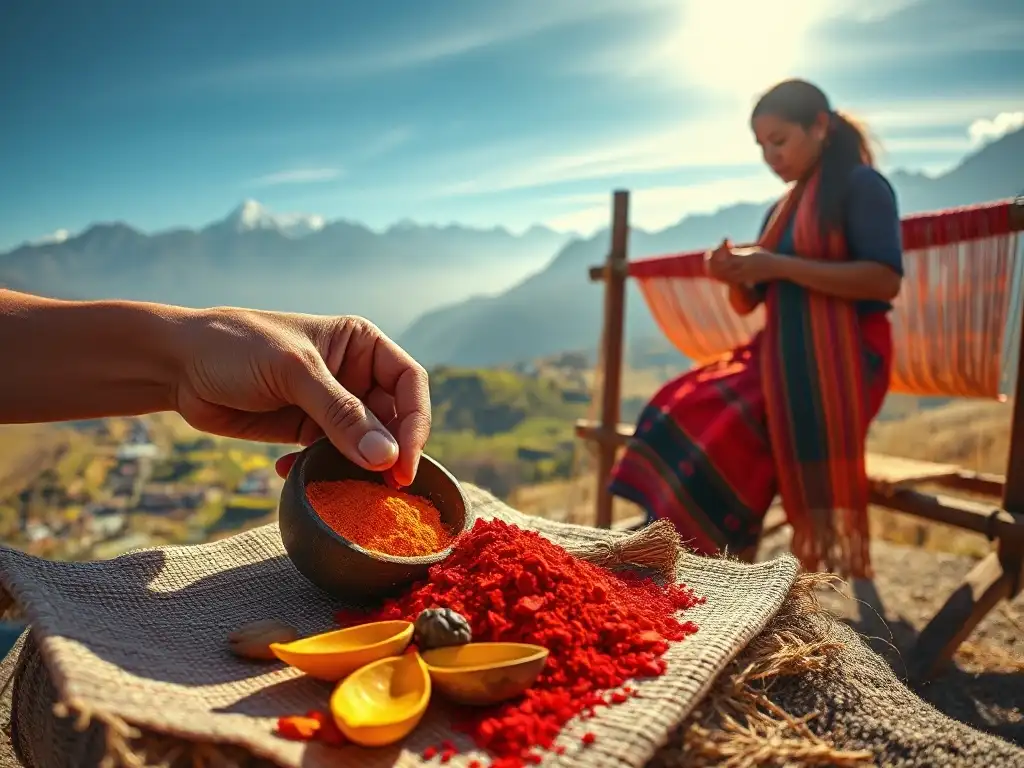
Unravel the mysteries of the Andes! Journey through millennia of vibrant culture, uncovering the secrets held within the breathtaking artistry of ancient civilizations. But what truly gave those iconic textiles their mesmerizing hues? Dive into the captivating world of Andean textile dye pigments – a story of ingenuity, symbolism, and the enduring legacy of the Incas, Moche, Nazca, and Tiahuanaco. Prepare to be amazed by the natural wonders that shaped a vibrant tapestry of history.
- Andean Textile Dye Pigments: Natural Colors of the Andes
- The Importance of Natural Dyes in Andean Textiles
- Sources of Andean Textile Dye Pigments
- The Process of Dyeing Andean Textiles
- Preservation and Legacy of Andean Dyeing Practices
- Conclusion: The Enduring Art of Andean Color
-
Frequently Asked Questions
- What natural sources did Andean civilizations use for textile dyes?
- How were these natural dyes applied to textiles?
- What is the significance of Andean textile dyes in their culture?
- Where can I learn more about the specific pigments used by, for example, the Inca?
- What makes Andean textile dye pigments unique?
- Final Reflection: The Enduring Legacy of Andean Textile Dyes
- Unveil the Vibrant World of Andean Dyes!
Andean Textile Dye Pigments: Natural Colors of the Andes
The vibrant textiles of the Andes Mountains are renowned worldwide for their breathtaking colors and intricate designs. These masterpieces, created by skilled artisans across various Andean civilizations like the Inca, Moche, Nazca, and Tiahuanaco, weren't achieved with synthetic dyes. Instead, the Andean people harnessed the power of nature, extracting pigments from plants, minerals, insects, and mollusks to create a stunning palette of hues.
This article delves into the fascinating world of Andean textile dye pigments, exploring the natural sources, the techniques employed, and the profound cultural significance embedded within these vibrant colors. Understanding these pigments offers a deeper appreciation for the ingenuity and artistry of Andean textile traditions and their enduring legacy.
We will uncover the secrets behind these remarkable colors, examining the specific sources and the processes involved in transforming natural materials into enduring dyes used to create iconic Andean textiles. This exploration will highlight the connection between Andean culture, its environment, and the artistry reflected in its textiles, demonstrating how the colors themselves held symbolic meaning and social importance.
Sources of Andean Textile Dye Pigments
The Andean palette was incredibly diverse, a testament to the region's rich biodiversity. Artisans meticulously sourced their pigments, carefully selecting materials based on their desired color and the properties of the dye. The following list showcases some key sources:
- Plants: Many plants provided a wide spectrum of colors. For example, cochineal insects, cultivated on prickly pear cacti, yielded a brilliant crimson red, highly valued and often used to denote royalty. Various species of plants like Tara pods provided rich browns and yellows, while others offered shades of green, blue, and purple. The specific species varied depending on the region and the desired shade. The exact species of plants used for certain colors in specific Andean regions is still under research, with many traditional techniques passed down orally rather than documented. More research is needed to fully catalog the complete range of plant-based dyes used.
- Minerals: Andean soils were rich in mineral deposits, providing a source of earthy tones. Ochres, for instance, yielded yellows, oranges, and reds, their intensity depending on the iron oxide content. Other minerals contributed to browns, blacks, and even some subtle blues. The location and specific composition of the mineral deposits influenced the resulting shades, leading to regional variations in color palettes. Analysis of surviving textiles reveals the diverse mineral sources used across different Andean civilizations.
- Insects: As mentioned above, the cochineal insect was a crucial source of vibrant red dyes. Its rarity and the complexity of its cultivation contributed to its high value within Andean societies. The unique properties of cochineal dye allowed for exceptionally bright and long-lasting colors. Research into other insects used for dyeing is ongoing, but cochineal remains the most prominently documented insect-derived pigment.
- Mollusks: Certain species of mollusks provided a source of purple and other deep shades. The precise species used and the extraction methods remain partially undocumented, requiring further research to fully understand this aspect of Andean dyeing traditions. The use of mollusks highlights the resourceful utilization of available resources by Andean artisans.
Dyeing Techniques and Processes
The process of transforming raw materials into vibrant dyes was a complex and skilled undertaking. It involved meticulous preparation of both the dye materials and the fibers themselves. The techniques varied across different Andean civilizations and regions, but some common steps included:
- Preparation of the dye: This involved grinding, crushing, or boiling the raw materials to extract the pigment. The methods employed depended on the specific source and the desired intensity of the color. Precise techniques for each plant, mineral, or insect would require further research to fully document.
- Mordanting: To ensure colorfastness, fibers were often treated with a mordant – a substance that helps the dye bind to the fibers. Common mordants included natural substances like tannins from tree bark or minerals like alum. The choice of mordant influenced both the final color and the durability of the dyed fabric. The intricacies of mordanting techniques varied significantly across different Andean regions and cultures.
- Dyeing process: The dyed fibers were typically immersed in the dye bath for varying periods, depending on the desired depth of color. The process often involved multiple dips to achieve the desired intensity. The exact duration and temperature of dyeing varied significantly depending on the dye source and desired results. This careful control over the process is a testament to the sophisticated knowledge of Andean artisans.
- Finishing: After dyeing, the fibers were rinsed, dried, and sometimes further processed to enhance the color or texture. The finishing techniques varied widely, reflecting the unique styles and traditions of different regions and communities. Further research into these techniques would illuminate the subtleties of Andean textile production.
The Cultural Significance of Andean Textile Colors
The colors used in Andean textiles weren't merely aesthetic choices; they carried deep cultural significance. Specific colors were associated with deities, social status, and specific events. For example, deep reds were often associated with royalty and power, while other colors held symbolic meanings related to the Andean cosmology and worldview. Understanding this symbolic dimension enriches our understanding of these remarkable textiles. More research is needed to fully interpret the complex color symbolism prevalent in various Andean cultures and regions. Detailed studies of existing textiles and surviving Andean texts offer important insights into the cultural context of color use.
Further Research Areas
Further research is needed to fully document the specific plant species used for various dyes, the precise techniques employed in different regions, and the complete range of cultural meanings associated with specific colors in Andean textiles.
The Importance of Natural Dyes in Andean Textiles
The vibrant hues adorning Andean textiles weren't the result of modern chemical dyes. Instead, these stunning colors stemmed from a deep understanding and masterful application of natural pigments sourced directly from the Andes' diverse ecosystem. This reliance on natural dyes wasn't merely a matter of practicality; it was intrinsically linked to the cosmology, spirituality, and social structures of Andean societies.
The process of dye extraction and application was itself imbued with ritualistic significance, further emphasizing the profound cultural importance of these pigments. The careful selection of specific plants and insects, combined with meticulous dyeing techniques, resulted in a breathtaking array of colors that served both practical and symbolic purposes. Understanding the importance of these natural dyes is crucial to appreciating the artistry and cultural depth of Andean textiles.
The availability of specific dye plants influenced the color palettes of different regions, creating regional variations in textile design and adding another layer of complexity to the study of Andean textile art. For example, the availability of cochineal insects in certain high-altitude regions resulted in the prevalence of intense reds and crimsons in textiles from those areas, while coastal regions might have utilized more blues and yellows derived from marine sources. This intricate relationship between geography, available resources, and resulting artistic expression underscores the rich tapestry of Andean textile traditions.
Traditional Andean Dyeing Techniques
Andean dyeing techniques were remarkably sophisticated, passed down through generations via oral tradition and practical apprenticeship. The process typically began with the careful harvesting of plant materials, often at specific times of the year to maximize pigment potency. These materials, including plants like tara (producing yellows and browns), achiote (reds and oranges), and various species of Rubia (reds), were meticulously prepared. This preparation could involve intricate steps like grinding, boiling, and fermentation, each crucial to releasing the desired pigments.
The dyeing process itself often involved multiple steps, with fabrics being immersed in mordant baths – solutions that fix the dye to the fibers – before being dyed. Different mordants, like those derived from minerals or plant materials, produced varied results, influencing the final color’s intensity and vibrancy. The use of these mordants showcases the advanced chemical knowledge possessed by Andean artisans.
Consider the meticulous layering of colors achieved through repeated dips in different dye baths, a testament to the skill and precision involved. The process wasn't solely about achieving color; it was a carefully choreographed dance between nature's offerings and the artisan's expertise, resulting in textiles that were both beautiful and durable. The longevity of some Andean textiles, with their colors remaining vibrant even after centuries, is a remarkable testament to the effectiveness of these traditional techniques.
The Cultural Significance of Color in Andean Art
Color in Andean art was far from arbitrary; each hue carried significant symbolic weight, reflecting the intricate cosmology and worldview of the Andean people. For example, red, often obtained from cochineal insects, was associated with blood, fertility, and the sacred, frequently appearing in ceremonial garments and textiles. Yellow, derived from plants like tara, represented the sun and gold, symbolizing power and divinity. Blue, a rarer color often obtained from indigo or marine sources, could signify the sky, water, and the distant, unknown realms.
The specific combinations of colors and their placement within a textile design served as a visual language, conveying complex messages about social status, religious beliefs, and cosmological narratives. Textiles weren't just clothing; they were living tapestries, imbued with meaning and spirituality. The intricate patterns, often incorporating geometric designs and zoomorphic motifs, further enriched the symbolic language of Andean textiles. These patterns were not merely decorative; they were coded narratives, conveying ancestral stories, clan identities, and spiritual beliefs.
By understanding the cultural significance of color and design, we can begin to decipher the rich tapestry of meaning woven into each Andean textile. Further research into specific regional variations in color symbolism and design motifs is needed to fully unravel the complexities of this visual language. The study of Andean textile art is an ongoing process of discovery, continually revealing new layers of meaning and complexity.
Sources of Andean Textile Dye Pigments
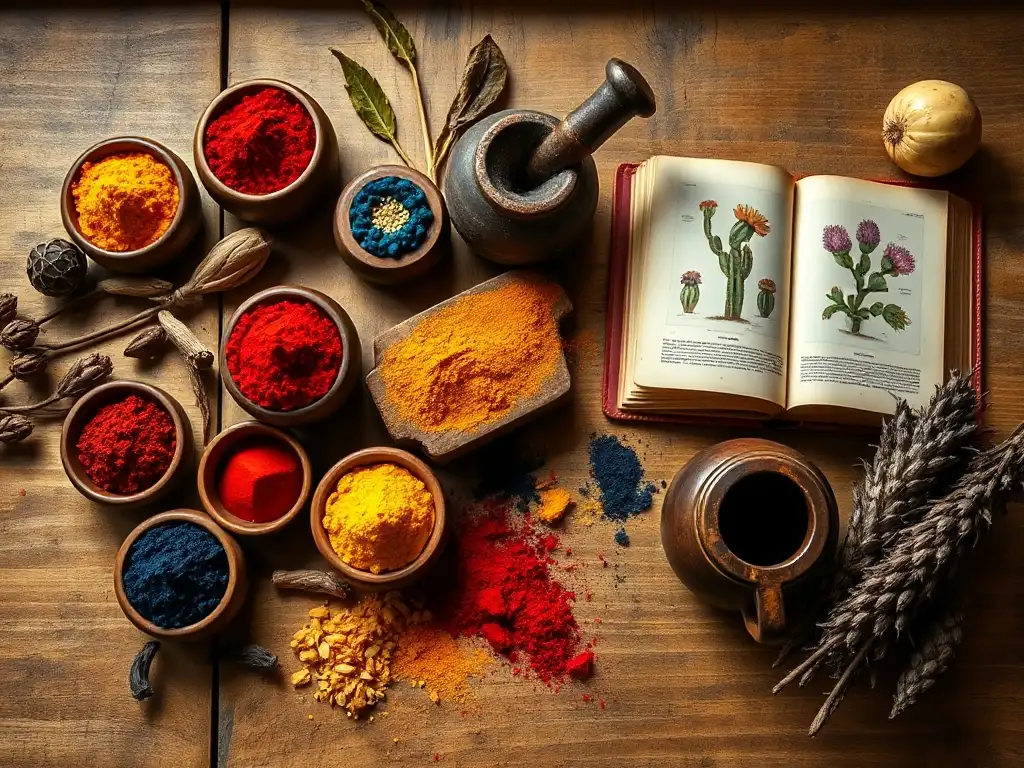
The vibrant colors adorning Andean textiles weren't achieved through synthetic dyes. Instead, ancient artisans skillfully harnessed the natural world, extracting pigments from a remarkable range of plant, insect, and mollusk sources. Understanding these sources reveals not only the technical mastery of Andean textile production but also the deep symbolic significance imbued within the chosen colors. The ingenuity and resourcefulness demonstrated in utilizing these "Andean textile dye pigments" is a testament to the enduring creativity of these civilizations. This section delves into the specific sources and the resulting color palettes.
Plant-Based Dyes: A Palette from Nature
The Andean highlands and coastal regions provided an astonishing array of plants yielding diverse hues for textile dyeing. The careful selection and preparation of these plant materials were crucial steps in achieving the desired shades and colorfastness. The process often involved multiple stages, including pre-treatment of the fibers and the use of mordants – substances that help the dye bind to the fabric.
Root Dyes: Relbunium, Chapi-chapi, Añil
Roots provided some of the most intense and long-lasting colors. Relbunium, for example, yielded a rich red-brown, while chapi-chapi offered various shades of yellow and orange depending on the processing techniques. Añil (indigo), a crucial dye worldwide, was also cultivated and utilized extensively in the Andes, offering deep blues and indigos. The intensity of the color varied based on the length of the fermentation process. Farmers carefully selected specific cultivars, and knowledge about optimal planting times and harvesting techniques was passed down through generations, ensuring consistent pigment quality.
Leaf Dyes: Eucalyptus, Nogal, Chilca
Leaves were another important source of dye. Eucalyptus leaves, though not exclusively Andean, were used to achieve subtle greens and grey tones. Nogal (walnut) leaves produced a range of browns, from light tan to deep chocolate, while chilca leaves offered a variety of yellows and golds, their exact shade dependent on factors such as the time of year and the specific species of chilca used. The variation in color, achievable through careful selection and processing, allowed for subtle shading and nuanced color palettes.
Flower Dyes: Kantuta, Retama, Molle
Flowers, with their delicate colors, contributed to the more pastel and lighter shades in Andean textiles. The kantuta, the national flower of Peru, likely played a role in providing reddish hues, though specific evidence on its widespread dyeing use is still being researched. Retama flowers, with their yellow blossoms, offered a vibrant yellow dye, while the flowers of the molle tree offered a range of yellows and oranges. The use of flower dyes, often more delicate than those derived from roots or leaves, required meticulous care in their preparation and application.
Fruit Dyes: Berries, Elderberry, Avocado
Fruits and berries provided a range of colors, adding to the Andean dyer's palette. Various berries yielded reds and purples of varying intensities. Elderberry produced a deep purple, while avocados, surprisingly, contributed to shades of brown and black. The precise colors obtained from fruits depended heavily on the ripeness of the fruit at harvest and the specific processing techniques employed. The availability of these fruits seasonally impacted the production schedule of the dyers, demonstrating a close relationship between the agricultural calendar and textile production.
Animal-Based Dyes: Insects and Mollusks
Beyond plants, Andean dyers also utilized insects and mollusks for their vibrant and highly prized colors. These sources provided dyes that were often more expensive and difficult to obtain, lending them a special significance in the resulting textiles.
Cochineal: The Precious Red of the Andes
Cochineal, a scale insect that feeds on prickly pear cacti, yielded carmine, a brilliant, intense red dye. This dye was highly valued, and cochineal insects were cultivated and harvested carefully. The process of extracting the dye was labor-intensive, requiring significant skill and time. The use of cochineal red in Andean textiles often indicated high status or special occasions. Its vibrant hue contributed significantly to the visual impact of ceremonial garments and elite textiles.
Purpura Pansa: The Andean Purple
The mollusk Purpura pansa provided a deep, rich purple dye—a color historically associated with royalty and power across many cultures. The extraction process was intricate and involved crushing the mollusks and allowing the secretions to oxidize, a process that required knowledge and patience. The rarity and difficulty of obtaining this pigment made purple-dyed textiles especially valuable and symbolic of wealth and prestige within Andean societies. The scarcity of this resource limited its use to elite garments and ceremonial items.
Mineral-Based Pigments: Earth Tones and Beyond
Mineral-based pigments provided the Andean textile artists with a rich palette of earthy tones and vibrant hues. These pigments, readily available throughout the Andes mountains, were crucial to the creation of their iconic textiles. The accessibility of these materials, coupled with their permanence and intensity, ensured their widespread use across various Andean cultures and throughout different time periods.
The extraction and processing techniques varied depending on the specific pigment and the region, reflecting a deep understanding of the local geology and its potential for artistic expression. Some pigments were simply ground and mixed with a binder, while others required more elaborate preparation, involving heating or combining with other substances to achieve the desired color and consistency. The careful selection and preparation of mineral pigments were essential steps in the creation of high-quality textiles, underscoring the artisans' deep knowledge and skill.
The enduring beauty and vibrancy of many surviving textiles are a testament to their mastery of these techniques. Moreover, the use of mineral pigments often held symbolic meaning, associating specific colors with deities, social status, or specific ceremonies. The choice of a particular color wasn't merely aesthetic; it was imbued with cultural and spiritual significance.
Clay-Based Pigments: Ochre, Umber, Sienna
Clay-based pigments, such as ochre, umber, and sienna, formed the backbone of many Andean textile color palettes. These pigments, derived from various types of clay minerals containing iron oxides and hydroxides, offered a range of earth tones, from pale yellows and oranges (ochres) to deep browns and reds (umbers and siennas). The variations in color depended on the specific mineral composition of the clay and the level of hydration.
For instance, yellow ochre, a common pigment in Andean textiles, is typically a hydrated iron oxide, while red ochre has a higher iron oxide concentration and a lower water content. The preparation of these pigments involved careful grinding and often mixing with a binding agent, such as gum arabic or plant sap, to create a paste suitable for dyeing. Evidence suggests that Andean artisans expertly controlled the shade and intensity of these pigments by adjusting the grinding process and the addition of other materials.
The widespread use of ochre, umber, and sienna across different Andean cultures highlights their importance as readily available and versatile pigments for textile production. The durability of these pigments ensured that the colors retained their vibrancy even after centuries of exposure to the elements.
Mineral Pigments: Copper Sulfate, Iron Oxide, Malachite
Beyond the earth tones provided by clays, Andean textile artists also utilized a variety of other mineral pigments to achieve a broader spectrum of colors. Copper sulfate, for example, yielded vibrant blues and greens, while different forms of iron oxide produced a range of reds, yellows, and browns. Malachite, a copper carbonate hydroxide mineral, provided intense green hues.
The sourcing and processing of these pigments likely involved more specialized knowledge than the extraction of clays. Obtaining copper sulfate, for instance, may have involved the deliberate oxidation of copper ores, requiring a deeper understanding of chemical processes. The use of these pigments showcases the sophisticated understanding of materials and chemical processes possessed by Andean artisans.
The vibrant and often unexpected colors achieved through the skillful application of these pigments demonstrate the advanced level of textile dyeing practices within Andean cultures. The use of these less common pigments sometimes indicated higher social status or a specific ritual context, adding another layer of complexity to the symbolic meaning of the textiles. The rarity and intensity of colors like the greens from malachite or the deep blues from copper sulfate added a sense of prestige and artistry to the garments and objects they adorned.
The Process of Dyeing Andean Textiles
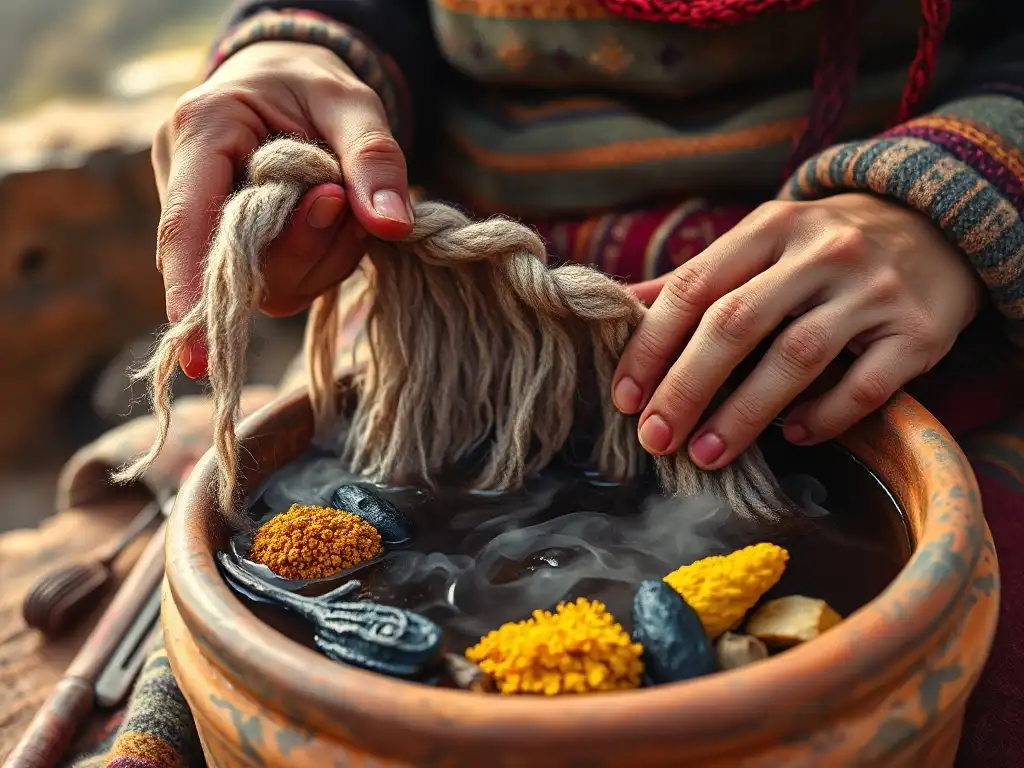
The vibrant colors adorning Andean textiles weren't achieved through synthetic dyes. Instead, ancient Andean artisans expertly harnessed the power of nature, extracting pigments from plants, insects, and minerals to create a stunning array of hues. Understanding the process of dyeing Andean textiles reveals a deep connection between the people and their environment, a sophisticated knowledge of chemistry, and a profound appreciation for artistic expression.
This process, passed down through generations, represents a significant aspect of Andean textile art and its cultural significance. The careful selection and preparation of dye materials, alongside the application techniques, resulted in textiles that were not only beautiful but also durable and imbued with symbolic meaning. The enduring legacy of these dyeing traditions showcases the ingenuity and artistry of Andean civilizations and their mastery of "Andean textile dye pigments."
Preparing the Natural Dye Baths
The creation of a natural dye bath was a meticulous process, beginning with the careful sourcing of raw materials. Different plants yielded different colors; for example, the cochineal insect produced a rich crimson, while various species of tarwi (Lupinus mutabilis) provided yellows and browns. Other sources included plants like achiote (Bixa orellana) for oranges and reds, and various lichens for yellows and greens. Mineral sources like clays and ochres contributed earthy tones.
Once gathered, the plant materials were often prepared through a series of processes. This might involve boiling, crushing, or fermenting to extract the color molecules. The exact method varied depending on the plant and the desired shade. For example, cochineal insects were often dried and then ground into a powder before being added to the dye bath.
The precise recipes and techniques were closely guarded secrets, passed down within families and communities. The concentration of the plant material in the water directly influenced the intensity of the final color, allowing artisans to fine-tune their shades with precision. This precise control over the dye bath demonstrates the advanced understanding Andean artisans had of the chemical properties of the plants and minerals they used.
Mordants: Fixing the Colors on Fibers
The use of mordants was crucial in achieving lasting color. Mordants are substances that act as a binding agent, helping the dye molecules adhere permanently to the fibers of the textile. Without a mordant, the dye would likely wash out easily, rendering the textile useless. Andean artisans employed a range of natural mordants, including:
- Alum: Derived from various minerals, alum acted as a common mordant, enhancing the vibrancy and permanence of many dyes.
- Quebracho: The bark of this tree provided tannins, which acted as a mordant, particularly effective with plant-based dyes.
- Potash: Obtained from wood ash, potash helped to fix colors and improve the overall quality of the dyed textiles.
The selection of the mordant was often determined by the type of dye being used and the desired color intensity. The fibers themselves (typically cotton, wool, or camelid fibers) also played a role in the mordanting process; certain fibers reacted differently to specific mordants. The entire process, from selecting the appropriate mordant to its careful application, demanded extensive knowledge and experience, showcasing the sophisticated understanding of chemical processes within Andean dyeing traditions. The effectiveness of the mordant was directly related to the longevity and vibrancy of the final textile, highlighting its critical role in the overall dyeing process.
Dyeing Techniques and Color Variations
Andean dyeing techniques were diverse and innovative. The most common method involved submerging the prepared fibers in the dye bath, often repeatedly, to achieve the desired depth of color. The temperature and duration of the dyeing process influenced the final shade.
Multiple dye baths, employing different plants or minerals, were used to create complex and layered colors. This approach allowed Andean artisans to create a wide spectrum of colors, ranging from delicate pastels to intense, bold hues. This mastery of color manipulation is a testament to their sophisticated understanding of color theory and their ability to manipulate natural resources to achieve desired results.
Furthermore, techniques like resist dyeing, where certain areas of the fabric are protected from the dye, were used to create intricate patterns and designs. This involved wrapping parts of the fabric, applying wax resist, or using other methods to prevent dye penetration. These resist techniques, combined with multiple dye baths and skillful manipulation of mordants, allowed for the creation of incredibly complex and visually stunning textiles.
This intricate work demonstrates not only technical skill but also the deep cultural significance of color and pattern within Andean societies. The precision and artistry evident in these techniques further underscore the sophisticated nature of "Andean textile dye pigments" and their application.
Preservation and Legacy of Andean Dyeing Practices
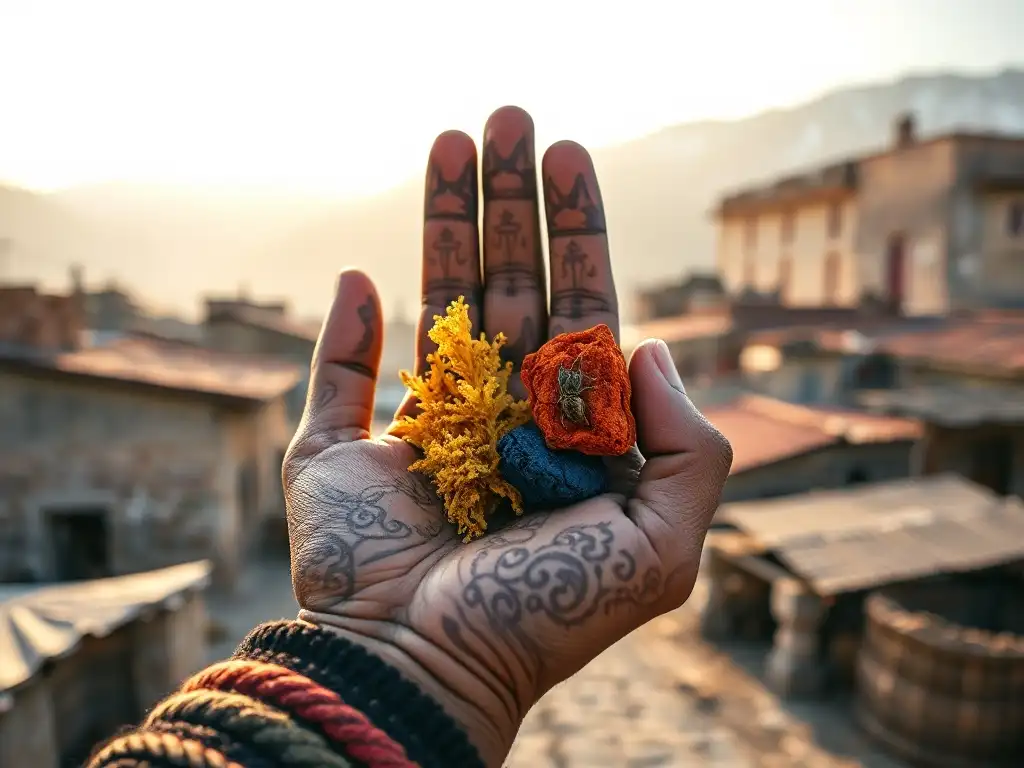
The vibrant hues of Andean textiles, a testament to the ingenuity and artistry of ancient civilizations, are deeply intertwined with the natural environment. The legacy of these dyeing practices, however, faces significant challenges in the modern era. Understanding the historical context and the current threats is crucial to ensuring the survival of this invaluable cultural heritage.
The continued use of traditional Andean dyes is not merely an aesthetic concern; it represents the preservation of a complex knowledge system passed down through generations, deeply connected to the land and its resources. This knowledge encompasses not only the specific techniques but also the spiritual and symbolic meanings associated with each color and dye source.
The loss of this knowledge would be an irreparable blow to the cultural identity of Andean communities. The survival of these practices is contingent on several factors, including access to resources, economic viability, and the transmission of knowledge to younger generations.
Contemporary Use of Traditional Andean Dyes
Despite the pressures of globalization and the availability of synthetic dyes, traditional Andean dyeing techniques persist in many communities. Artisans continue to utilize plants, insects, and minerals to create their distinctive colors. For example, the vibrant crimson of cochineal (derived from the cochineal insect) remains a prized color, used in both traditional and contemporary textile designs. Similarly, the earthy tones achieved through the use of achiote (annatto) seeds and the rich blues from indigo continue to be sought after.
However, the scale of production varies greatly. Some communities maintain large-scale operations, producing textiles for both local and international markets, while others engage in smaller-scale production, primarily for personal or community use. The economic viability of these practices is a critical factor, as the time and effort involved often result in a lower profit margin compared to synthetic alternatives.
Support for fair trade practices and the promotion of Andean textiles in international markets are crucial for ensuring the continued viability of these traditional methods. The demand for authentic, handcrafted textiles, often showcasing intricate designs and vibrant natural dyes, is increasing, offering a glimmer of hope for the preservation of these ancient skills. This growing appreciation for sustainable and ethically sourced products offers a pathway towards economic sustainability for Andean artisans.
The Importance of Protecting Indigenous Knowledge
The protection of indigenous knowledge related to Andean textile dyeing is paramount. This knowledge is not merely a set of technical instructions; it encompasses a rich tapestry of cultural beliefs, traditions, and spiritual practices. Each color holds symbolic meaning, reflecting the Andean worldview and cosmology. For instance, certain colors might be associated with specific deities, ceremonies, or social status.
The loss of this knowledge represents a profound cultural loss, eroding the connection between communities and their ancestral heritage. Efforts to protect this knowledge involve several strategies: documentation of traditional methods, establishment of community-based archives, and the promotion of educational initiatives aimed at preserving and transmitting this knowledge to future generations. This includes supporting apprenticeship programs, where experienced artisans mentor younger individuals, ensuring the continuity of these invaluable skills. Furthermore, promoting intellectual property rights for indigenous communities is essential to prevent the appropriation and commercialization of their traditional knowledge without proper recognition or compensation.
The preservation of Andean dyeing practices requires a multifaceted approach that addresses both the economic and cultural dimensions of this vital heritage. The vibrant colors of Andean textiles are not just aesthetically pleasing; they represent a living link to a rich cultural past, deserving of our utmost respect and protection. The future of Andean textile dyeing depends on our collective commitment to safeguarding this invaluable cultural legacy.
Conclusion: The Enduring Art of Andean Color
The Timeless Beauty of Natural Andean Textile Pigments
The vibrant hues adorning Andean textiles are not merely decorative; they represent a profound connection to the land, a testament to ingenuity, and a powerful expression of cultural identity. The use of natural Andean textile dye pigments, sourced directly from the diverse Andean ecosystem, speaks volumes about the sophisticated understanding of botany and chemistry possessed by ancient Andean artisans. These pigments, painstakingly extracted and prepared, imbued textiles with not only color but also symbolic meaning, reflecting social status, religious beliefs, and cosmological perspectives.
The enduring legacy of these techniques is evident in the surviving textiles, many of which retain their astonishing vibrancy despite the passage of centuries. This speaks to the durability and permanence achieved through the careful selection and preparation of the pigments. The meticulous processes involved, passed down through generations, ensured the creation of textiles of exceptional quality and artistic merit. These weren't simply garments; they were imbued with a spiritual essence, connecting the wearer to the ancestral past and the vibrant present.
Consider, for example, the deep reds derived from cochineal insects, prized for their intense color and symbolic association with power and royalty. Or the earthy browns and yellows extracted from various plants and minerals, representing the fertile land and the cycle of life and death. Each color held a specific significance, contributing to the rich tapestry of meaning woven into the textiles. The ability to precisely control the shades and tones allowed for intricate designs and complex narratives to be conveyed through color alone.
The study of Andean textile dye pigments offers a unique window into the intellectual and artistic achievements of these ancient cultures. It reveals a deep understanding of the natural world, a mastery of complex chemical processes, and a profound appreciation for the symbolic power of color.
The continued research and analysis of these pigments not only unveil the technical aspects of textile production but also enrich our understanding of the broader cultural context in which these magnificent textiles were created. The legacy of these pigments continues to inspire contemporary artists and textile enthusiasts alike, proving the timeless beauty and enduring significance of Andean color.
Modern Appreciation and Continued Research on Andean Textile Dye Pigments
The study of Andean textile dye pigments continues to captivate researchers today. Scientists are employing advanced techniques, such as spectroscopy and chromatography, to further analyze the composition of these pigments and gain a deeper understanding of the ancient techniques used in their extraction and application. This ongoing research not only helps preserve the knowledge of these traditional methods but also informs contemporary practices in natural dyeing. The quest to replicate the vibrant and long-lasting colors achieved by ancient Andean artisans is a driving force behind much of this modern research.
Furthermore, the growing interest in sustainable and eco-friendly dyeing practices has renewed focus on the use of natural pigments. The ancient Andean techniques, relying on readily available plant and mineral resources, offer a valuable model for contemporary textile artists and industry professionals seeking environmentally responsible alternatives to synthetic dyes. The exploration of these ancient methods can contribute significantly to the development of more sustainable practices in the textile industry, aligning with current global concerns about environmental protection and responsible resource management. This renewed interest demonstrates the enduring relevance of Andean knowledge in addressing modern challenges.
The preservation and promotion of this knowledge are crucial to safeguarding a vital part of Andean cultural heritage. Efforts to document traditional techniques, train new generations of artisans, and raise awareness about the significance of these pigments are essential for ensuring the continued appreciation and application of this ancient art form.
The legacy of Andean textile dye pigments transcends mere aesthetics; it represents a profound connection to the land, a testament to human ingenuity, and a vibrant expression of cultural identity that continues to resonate today. The future of this art form depends on our collective commitment to preserving and celebrating its rich history and profound significance.
The Symbolic Significance of Color in Andean Textiles [1]
The colors used in Andean textiles were not randomly chosen; each held a specific symbolic meaning deeply rooted in the culture's cosmology, religious beliefs, and social structures. For instance, red, often obtained from cochineal, symbolized power, royalty, and fertility. Yellow, derived from various plants, represented the sun, gold, and the sacred. While specific meanings could vary across different regions and time periods, a general understanding of color symbolism allows for a more profound appreciation of the intricate narratives woven into the textiles.
The complex interplay of colors in a single textile often conveyed a multifaceted message, combining social status, religious beliefs, and narratives from mythology. The careful selection and arrangement of colors were not merely aesthetic choices; they were integral to the meaning and purpose of the textile itself. Understanding this symbolic system is key to unlocking the rich cultural information embedded within these ancient artifacts. Further research into the specific iconography and color symbolism employed in different Andean cultures will continue to shed light on the nuanced meanings woven into these remarkable textiles.
| Color | Source(s) | Symbolic Meaning(s) |
|---|---|---|
| Red | Cochineal, certain plants | Power, royalty, fertility, blood, life force |
| Yellow | Various plants, minerals | Sun, gold, sacred, divinity, wisdom |
| White | Certain minerals, plant fibers | Purity, innocence, fertility, the moon, the Andes |
| Black | Certain minerals, plant extracts | Earth, fertility, mystery, death, the underworld |
| Brown/Beige | Various plants, minerals | Earth, land, harvest, stability |
[1] Further research is needed to fully understand the regional variations in color symbolism. Specific information pending.
Frequently Asked Questions
What natural sources did Andean civilizations use for textile dyes?
Andean cultures utilized a wide array of natural pigments derived from plants, insects, and minerals. Common sources included cochineal insects for reds, various plants for yellows and browns, and minerals like clays for earthy tones.
How were these natural dyes applied to textiles?
The process involved complex techniques varying across different cultures. Methods included mordanting the fabric to improve dye uptake and using different dye baths to achieve desired colors and shades.
What is the significance of Andean textile dyes in their culture?
Textiles dyed with these pigments held significant cultural value. Color and patterns conveyed social status, religious beliefs, and regional identity, acting as powerful forms of communication.
Where can I learn more about the specific pigments used by, for example, the Inca?
Researching specific Inca dyes requires exploring scholarly articles and books on Inca textile production. Museums with Andean collections often provide detailed information on pigment analysis and their cultural context.
What makes Andean textile dye pigments unique?
The diversity and vibrancy of the colors achieved using these natural pigments are remarkable. The techniques used, passed down through generations, represent a sophisticated understanding of botanical and mineral properties.
Final Reflection: The Enduring Legacy of Andean Textile Dyes
The vibrant hues of Andean textiles, born from the earth itself, continue to resonate today, a testament to the ingenuity and artistry of ancient cultures and a powerful symbol of enduring heritage. These natural pigments, far from being relics of the past, offer a compelling counterpoint to the synthetic dyes that dominate modern production, prompting us to reconsider our relationship with nature and the beauty of sustainable practices.
The enduring power of these dyes lies not only in their visual impact but also in their deep connection to Andean identity and cultural practices. The knowledge passed down through generations, the intricate techniques employed, and the spiritual significance imbued within each color tell a story far richer than any single thread. The colors are not just colors; they are the stories of our ancestors, the whispers of the mountains, and the songs of the rivers.
This sentiment, while paraphrased, encapsulates the profound connection between the Andean people and their artistic heritage, a connection that continues to inspire and inform contemporary artists and artisans.
Consider, for a moment, the impact of choosing natural dyes over synthetic alternatives. Think about the environmental consequences, the ethical implications, and the potential for revitalizing traditional crafts. You, too, can contribute to the preservation of this rich heritage by supporting artisans who utilize these ancient techniques, by seeking out naturally dyed textiles, and by appreciating the artistry and cultural significance embedded within each vibrant hue. Let the legacy of the Andean dyes inspire you to embrace sustainability, celebrate cultural diversity, and connect with the beauty of the natural world.
Unveil the Vibrant World of Andean Dyes!
Thank you for exploring the colorful world of natural pigments and their importance in Andean textile art! We hope you've discovered not only the beauty but also the rich cultural heritage these dyes represent. Now, let's delve deeper. Embrace this vibrant tradition in your own creative way!
**Here are some ways to engage further:**
- **Experiment with natural dyes! ** Research locally sourced plants and create your own textiles inspired by Andean artistry.
- Share your dyeing journey and results on social media using #AndeanDyes to connect with other enthusiasts.
- Explore workshops or online courses focusing on traditional Andean textile techniques to enhance your skills and appreciation.
What unique color or pattern will you create today, reflecting your personal connection to the beauty of Andean culture?