
Moche Metal Marvels: Unveiling the Craftsmanship of a Lost Civilization

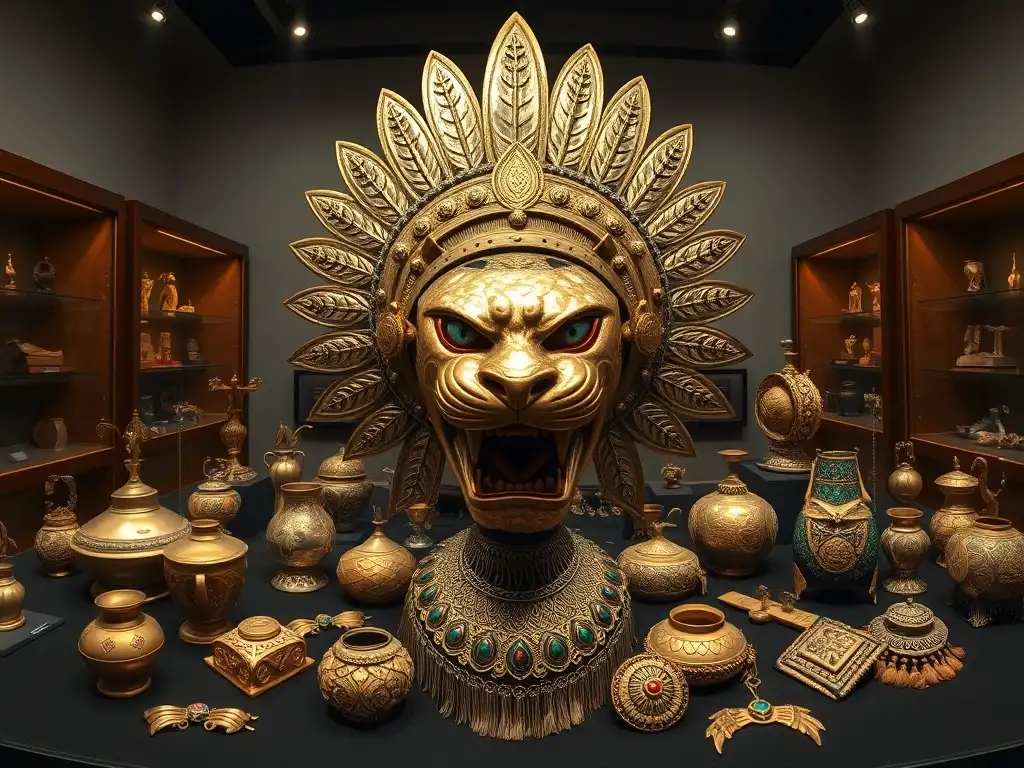
Step into a world lost to time, where artistry and ingenuity thrived amidst towering peaks and sprawling deserts. Prepare to be amazed by the Andean Civilizations, a realm of breathtaking artistry and sophisticated technology. But the story doesn't end there; delve into the intricate world of Moche metalwork techniques, a testament to the unparalleled skill of a civilization that continues to fascinate and inspire. Uncover their secrets and witness the legacy that remains... are you ready to explore?
The Moche civilization, flourishing along the northern coast of Peru from approximately 100 CE to 800 CE, left behind a legacy far beyond their impressive pyramids and intricate pottery. Their mastery of metalworking, a testament to their advanced technological prowess and artistic vision, stands as a pinnacle of ancient Andean craftsmanship.
This article delves into the fascinating world of Moche metalwork, exploring the techniques employed, the materials utilized, and the enduring significance of these exquisite artifacts, providing a comprehensive overview of the skills and artistry behind the "Moche metalwork techniques" that continue to captivate and inspire. We'll examine the intricate processes involved, from the initial acquisition of raw materials to the final polishing and embellishment of these stunning pieces, revealing the ingenuity and skill of these ancient artisans.
Prepare to be amazed by the technical sophistication and artistic brilliance of a civilization lost to time, but whose legacy remains vividly present in the gleaming surfaces of their extraordinary metalwork.
Sourcing and Preparation of Metals
The Moche were skilled in working with various metals, primarily gold, silver, copper, and alloys such as tumbaga (a copper-gold alloy). Acquiring these materials involved extensive trade networks and potentially the exploitation of local resources. The process began with the extraction of ores, likely through mining operations, followed by complex metallurgical procedures.
These would have included processes like smelting, refining, and alloying to achieve the desired properties and colors. The precise details of these processes remain partially understood, with ongoing research continually revealing new insights into Moche metallurgical techniques. We know they were capable of creating incredibly pure gold and silver, suggesting a high level of sophistication in their refining techniques. The meticulous preparation of the metals laid the foundation for the intricate artistry that would follow. Evidence suggests that they might have used crucibles made of clay or ceramic materials for smelting, and various tools for shaping and refining the metals. Further research into archeological findings is needed to fully understand the nuances of their metal preparation.
Moche Metalworking Techniques: Shaping and Decoration
Once the metals were refined, the Moche employed a variety of techniques to shape and decorate their artifacts. These techniques included hammering, casting, repoussé (hammering from the back to create raised designs), and filigree (creating delicate designs from thin wires). The level of control and precision displayed in their work is truly remarkable.
For example, the incredibly thin sheets of gold used in some artifacts demonstrate an advanced understanding of metal manipulation. They utilized various tools, likely made of stone or other durable materials, to achieve the desired forms and details. The creation of intricate designs, often depicting mythological figures, animals, and scenes of daily life, required a high degree of skill and patience.
Examples of Moche Metalworking Techniques
* **Lost-wax casting:** This complex technique allowed for the creation of intricate three-dimensional forms. * **Hammering and repoussé:** Used to shape and decorate sheets of metal, creating relief designs. * **Filigree:** The construction of intricate designs using thin wires, demonstrating exceptional dexterity. * **Inlay:** The embedding of precious stones or other materials into the metal surface for added embellishment.
The Significance of Moche Metalwork
Moche metalwork was not merely decorative; it held significant cultural and religious meaning. Many artifacts served ceremonial purposes, often associated with elite members of society and religious rituals. The imagery depicted on these objects provides valuable insights into Moche mythology, beliefs, and social structures. The meticulous craftsmanship and the use of precious metals reflect the high status and power associated with these items.
The discovery of elaborate grave goods, including richly adorned metal objects, highlights the importance of metalwork in Moche funerary practices. The survival of these artifacts, despite the passage of centuries, underscores their enduring cultural significance and the lasting legacy of Moche artistry. The exceptional quality and artistic merit of Moche metalwork ensure its continued prominence in the study of ancient Andean civilizations.
Analyzing the Legacy: Modern Interpretations and Ongoing Research
The study of Moche metalwork continues to fascinate scholars and researchers today. Advanced techniques like X-ray fluorescence spectroscopy are now used to analyze the composition of the alloys and identify the sources of the metals. This research helps us to better understand Moche trade networks and metallurgical practices.
Furthermore, ongoing excavations and the analysis of newly discovered artifacts continually refine our understanding of Moche metalworking techniques and their cultural significance. The enduring beauty and technical brilliance of these objects serve as a testament to the ingenuity and artistry of a remarkable ancient civilization, and the ongoing research helps us to appreciate the complexity and sophistication of their metalworking techniques even further. The study of Moche metalwork will undoubtedly continue to yield new discoveries and deepen our appreciation for this lost civilization.
- Sourcing and Preparation of Metals
- Moche Metalworking Techniques: Shaping and Decoration
- The Significance of Moche Metalwork
- Analyzing the Legacy: Modern Interpretations and Ongoing Research
- What were the primary metals used by Moche metalworkers?
- What techniques did Moche metalworkers use to create their artifacts?
- How did the Moche achieve such fine detail in their metalwork?
- What is the significance of Moche metalwork in understanding their culture?
- Where can I see examples of Moche metalwork today?
Introduction to Moche Metallurgy and its Significance
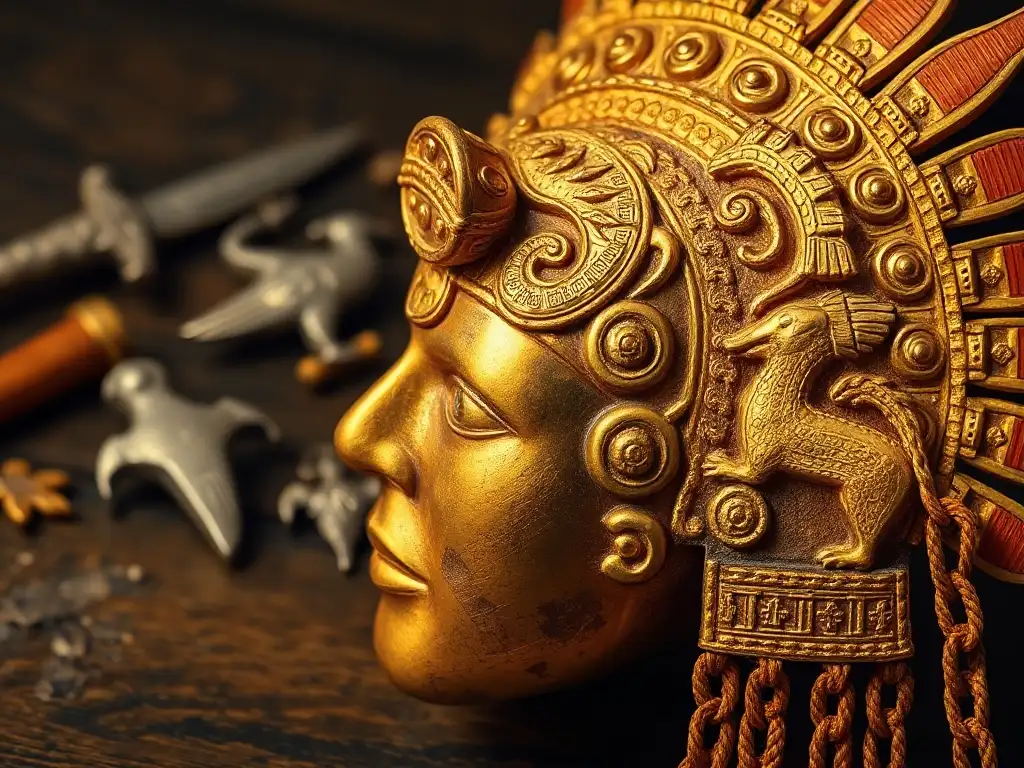
The Moche civilization (c. 100 – 800 CE), flourishing along the northern coast of Peru, left behind a remarkable legacy of artistic achievement, particularly in metalworking. Their mastery of metallurgy, far surpassing that of many contemporary cultures, speaks volumes about their sophisticated technological capabilities and social organization. Understanding Moche metalwork techniques reveals not only their impressive technical skills but also provides crucial insights into their religious beliefs, social hierarchies, and economic systems.
The production of these exquisite artifacts was a complex process, involving specialized knowledge, skilled labor, and access to valuable resources. The sheer diversity of Moche metal objects—from intricate jewelry and ceremonial vessels to weaponry and tools—testifies to the widespread integration of metal into various aspects of their daily lives and ritual practices.
The sheer artistry displayed in their work continues to amaze and inspire scholars and the public alike, solidifying the Moche's place as masters of ancient Andean metalworking. Analyzing the techniques employed allows us to reconstruct their workshops, understand their material sourcing, and appreciate the artistry involved in transforming raw materials into stunning, enduring works of art.
The Importance of Metal in Moche Society
Metal held significant symbolic and practical importance within Moche society. Its rarity and difficulty in processing contributed to its high value, making it a symbol of power, prestige, and divinity. Elaborately crafted metal objects, such as gold and silver jewelry, were likely reserved for the elite, reflecting their social status and access to resources. The use of metal in ceremonial contexts further underscores its religious significance.
For example, gold and silver often adorned funerary goods and ritual paraphernalia, suggesting a connection between metal and the afterlife or the supernatural realm. [Specific examples of religious use of metal pending]. Beyond its ceremonial role, metal played a crucial practical role. Metal tools, such as knives, chisels, and needles, facilitated various aspects of daily life, from agriculture to textile production.
The sophistication of these tools indicates a high level of technological advancement and a deep understanding of metallurgical processes. The presence of weaponry crafted from metal also highlights its importance in warfare and the maintenance of social order. The careful crafting and ornamentation of these items suggest that even functional objects held symbolic value and served as markers of social status.
Archaeological Discoveries of Moche Metal Artifacts
Numerous archaeological excavations have unearthed a wealth of Moche metal artifacts, providing invaluable evidence of their metallurgical expertise. Sites such as Sipán and Huaca de la Luna have yielded spectacular finds, including elaborate gold and silver headdresses, ornate necklaces, and finely crafted ceremonial vessels. The sheer quantity and quality of these discoveries highlight the scale of Moche metal production and the widespread use of metal throughout their society. These artifacts are not only aesthetically stunning but also offer significant clues about Moche technology.
For instance, the intricate details and precision of the metalwork demonstrate a mastery of techniques such as hammering, casting, soldering, and gilding. [Specific examples of techniques found on specific artifacts pending]. The discovery of metal workshops and associated tools further enriches our understanding of their manufacturing processes.
Analysis of the metal ores used, often sourced from geographically distant locations, reveals the extent of their trade networks and resource management strategies. The careful study of these discoveries continues to unveil new insights into the Moche civilization, enriching our understanding of their unique artistic and technological achievements and their place within the broader context of ancient Andean cultures. The ongoing research and analysis of these artifacts promise to further illuminate the remarkable story of Moche metalwork.
Moche Metalwork Techniques: A Deep Dive
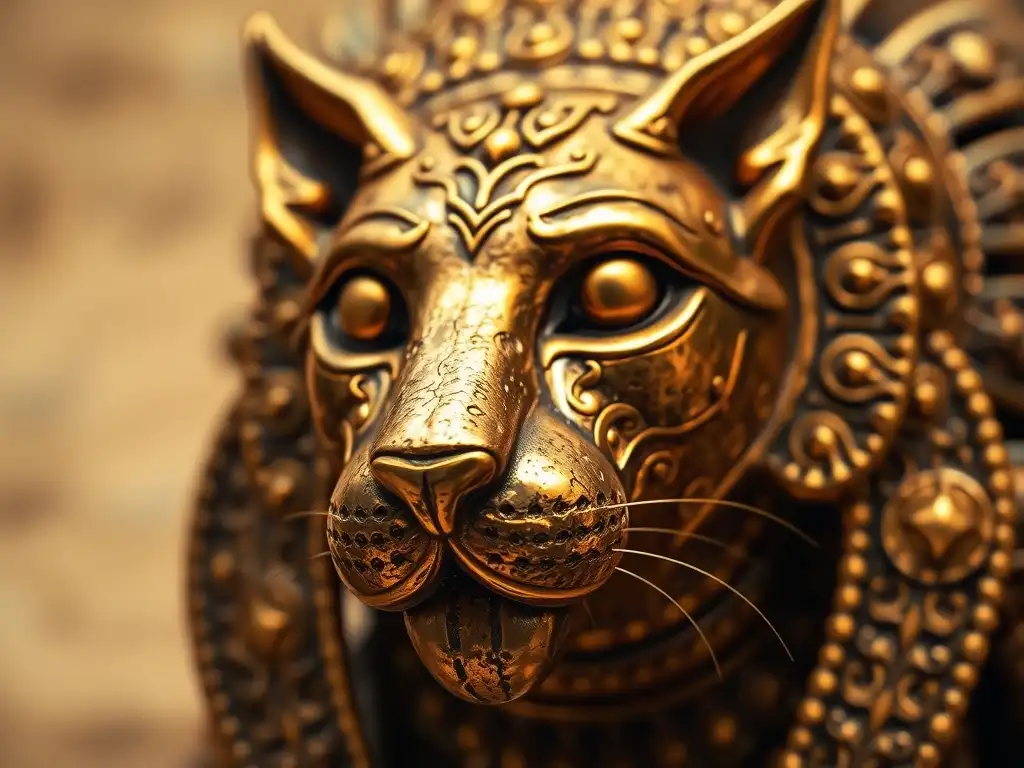
The Moche civilization (c. 100 – 800 CE) of northern Peru left behind a remarkable legacy of metalwork, showcasing exceptional artistry and sophisticated techniques. Their mastery of metalworking, particularly in gold and silver, reveals a deep understanding of metallurgy and a commitment to artistic excellence. This section delves into the specific processes employed by these skilled artisans, shedding light on the "Moche metalwork techniques" that continue to fascinate and inspire. The Moche's advanced metalworking wasn't merely decorative; it held significant religious and social importance, reflecting their complex worldview.
Understanding Moche Metalworking Processes
Moche metalworkers employed a range of techniques, demonstrating impressive dexterity and innovative approaches. Their processes generally involved several steps:
- Prospecting and Mining: The Moche sourced their precious metals from various locations along the northern Peruvian coast and possibly the Andes mountains. While the precise locations remain under investigation, evidence suggests they had established mining operations to extract gold, silver, and copper. The extent of their mining activities is still being uncovered through archaeological research.
- Refining and Alloying: Once extracted, the raw metals needed refinement to remove impurities. The Moche likely used techniques like cupellation, a process involving heating the metal to high temperatures to separate the precious metals from base metals. They also skillfully alloyed metals, combining gold with copper or silver to achieve specific colors and properties. For instance, adding copper to gold resulted in a richer, more varied palette of colors.
- Shaping and Forming: The Moche used a combination of techniques to shape the metal, including hammering, casting, and repoussé. Hammering involved repeatedly striking the metal to achieve the desired form. Casting involved melting the metal and pouring it into molds, allowing for the creation of complex shapes. Repoussé, a technique of hammering from the reverse side to create raised designs, was particularly masterful in their goldwork.
- Decoration and Finishing: Once shaped, the metal objects were often decorated with intricate designs. Inlay, where small pieces of another metal or material were inserted into the surface, was a common technique. They also used techniques like engraving, etching, and gilding to add further detail and enhance the visual appeal. Finally, polishing brought out the luster and shine of the finished piece. The final stages involved meticulous attention to detail, achieving a level of polish and finish that is remarkable even by today's standards.
Goldworking Techniques of the Moche Artisans
Moche goldwork is particularly renowned for its exquisite craftsmanship. They were masters of creating intricate, three-dimensional figures, often depicting deities, animals, and scenes from their mythology. Their techniques included:
- Lost-wax casting: This sophisticated technique allowed for the creation of highly detailed and complex forms. A wax model was created, covered in clay, and then heated, melting the wax and leaving a cavity. Molten gold was then poured into the cavity, and once cooled, the clay mold was broken away, revealing the gold object. This allowed for the creation of intricate jewelry and figurines.
- Granulation: This involved attaching tiny gold spheres to the surface of an object to create textured patterns. The precise method employed by the Moche for attaching these granules remains a subject of ongoing research, with theories ranging from the use of adhesives to sophisticated soldering techniques.
- Filigree: This delicate technique involved creating intricate designs from thin gold wires, soldered together to form complex patterns. The Moche's filigree work is astonishing in its precision and delicacy, demonstrating an exceptional level of skill and patience.
Silverworking in Moche Culture: Methods and Materials
While gold held a prominent place in Moche metalwork, silver also played a significant role. Moche silverwork, though less abundant than their goldwork, displays the same high level of skill and artistry. Their silver objects often featured intricate designs and a high level of polish. The techniques employed were similar to those used in goldworking, but with adaptations to account for the different properties of silver:
- Alloying with Copper: The Moche frequently alloyed silver with copper to alter its color and hardness. This allowed them to create a wider range of hues and to produce more durable objects.
- Repoussé and Chasing: These techniques were extensively used in silverwork to create detailed relief designs. Repoussé, as mentioned previously, involved hammering from the back of the metal sheet to create raised designs. Chasing involved further refining the surface details with fine tools from the front.
- Inlay and Decoration: Similar to their goldwork, Moche silver objects were often decorated with inlay techniques, using materials like turquoise or other semi-precious stones to enhance the aesthetic appeal. The careful placement of these inlays demonstrates an exceptional eye for detail and composition.
The Moche metalwork, whether in gold or silver, represents a remarkable achievement in ancient Andean technology and artistry. Their mastery of diverse techniques and their dedication to artistic expression continue to inspire awe and admiration. Further research promises to uncover even more about the intricacies of "Moche metalwork techniques" and their significance within the broader context of Moche culture.
Copper and Copper Alloy Metallurgy in Moche Society
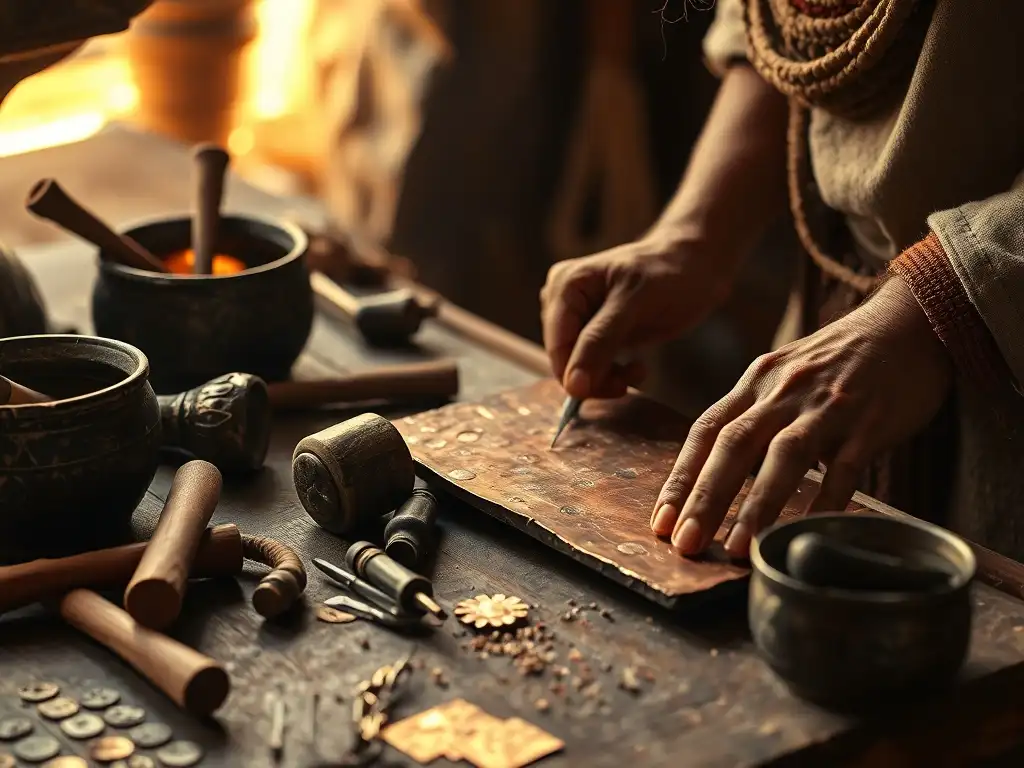
The Moche, a pre-Columbian civilization flourishing on Peru's northern coast from roughly 100 CE to 800 CE, were masters of metallurgy. Their expertise extended beyond simple shaping; they possessed a sophisticated understanding of copper and copper alloy metallurgy, crucial to their renowned metalwork. The Moche didn't simply mine copper ore; they refined it, demonstrating a knowledge of smelting techniques to extract the pure metal. Archaeological evidence reveals remnants of furnaces and smelting areas at various Moche sites, indicating a dedicated and organized approach to metal production.
This wasn't a haphazard process; the consistent quality of their artifacts suggests a controlled and repeatable process, likely passed down through generations of skilled artisans. Furthermore, their understanding extended to the creation of alloys. By combining copper with other metals like tin or arsenic, they produced bronze and other alloys with different properties, enhancing the durability, malleability, or aesthetic qualities of their finished pieces.
This control over alloy composition allowed for a diverse range of artistic expression and functional applications in their metalwork. The precise ratios of these alloys, often determined through sophisticated metallurgical analysis of surviving artifacts, reveal a remarkable level of technical sophistication for their time. The Moche's command of copper and its alloys was fundamental to their artistic and technological achievements.
The Use of Gilding in Moche Metalwork
Beyond their mastery of copper alloys, the Moche demonstrated exceptional skill in gilding—the application of a thin layer of gold to a base metal. This technique significantly enhanced the aesthetic appeal of their artifacts, transforming relatively common metals into objects of great luxury and prestige. The process likely involved a complex series of steps, beginning with the preparation of the base metal object—often copper or a copper alloy. The surface would have been meticulously cleaned and polished to create a smooth, receptive surface for the gold.
The gold itself would have been finely hammered into thin sheets or leaf, possibly using techniques involving mercury amalgamation for greater control and thinner sheets. Then, using a variety of methods – perhaps involving heat, pressure, or adhesives – the gold leaf was applied to the base metal. The precise methods remain debated among scholars, but the results speak for themselves: incredibly thin, seamlessly applied layers of gold that often remain intact even today. The Moche's gilding wasn't merely decorative; it often served symbolic purposes, associating the objects with power, divinity, and the elite class within their society.
The careful and precise application of gold, evident in the intricate details preserved on many gilded artifacts, underscores their exceptional skill and artistic vision. The use of gilding in Moche metalwork represents a pinnacle of their metallurgical and artistic achievements, showcasing their profound understanding of materials and their ability to transform them into objects of extraordinary beauty and cultural significance. The survival of these gilded pieces provides invaluable insights into the Moche's technical prowess and artistic sensibilities.
Types of Moche Metal Artifacts and their Function
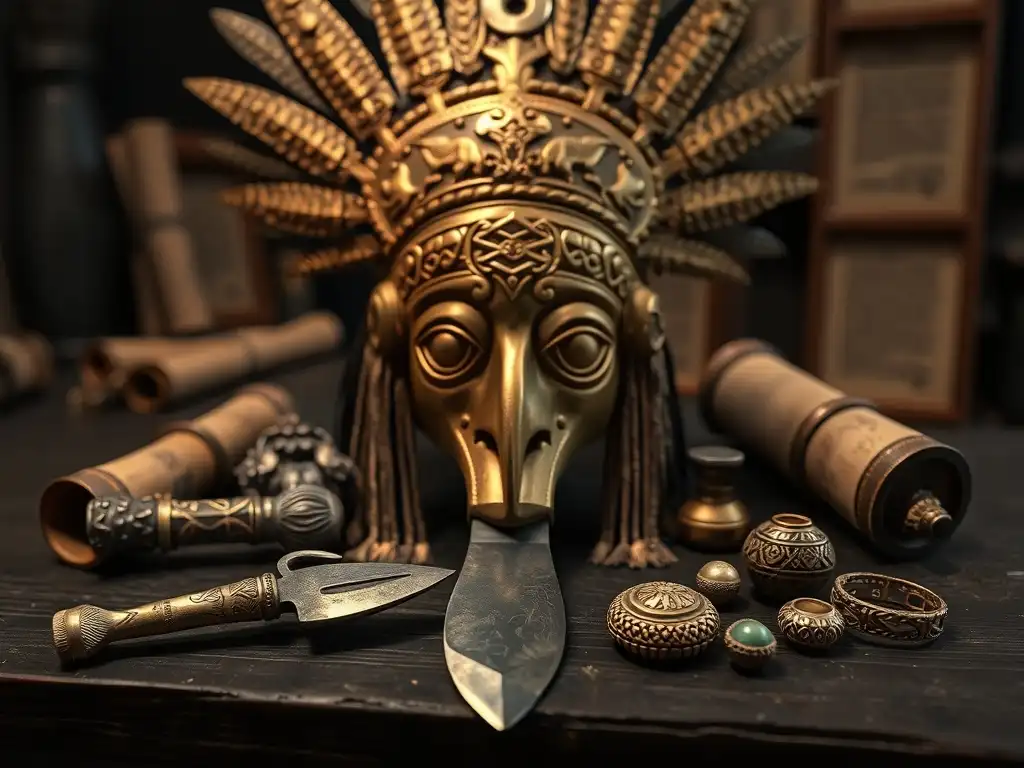
The Moche, a pre-Columbian civilization flourishing on the northern coast of Peru (circa 100-800 CE), were masterful metalworkers, renowned for their sophisticated techniques and aesthetically stunning creations. Their metalwork wasn't merely decorative; it played a crucial role in their society, reflecting their religious beliefs, social hierarchy, and daily life. Understanding the Moche metalwork techniques employed reveals a deep insight into their culture. This section explores the diverse types of Moche metal artifacts and their functional roles within their society. The sheer variety and complexity of these objects highlight the advanced metallurgical skills of the Moche artisans.
Moche Metal Ornaments and Jewelry
Moche metal ornaments and jewelry represent a significant portion of their surviving metalwork. These weren't simply adornments; they held symbolic meaning and often indicated social status. Elaborate necklaces, earrings, and headdresses were crafted from gold, silver, copper, and alloys, often incorporating intricate designs of mythical creatures, deities, and stylized plant and animal motifs.
For example, gold and copper alloy earrings depicting stylized hummingbirds—a significant bird in Moche iconography—have been unearthed. These intricate pieces showcase the Moche's ability to manipulate different metals and create detailed, three-dimensional forms. The use of gold, a precious and rare metal, likely signified high social standing, worn perhaps by elite members of society or individuals participating in religious ceremonies.
Further research into the chemical composition of these alloys could reveal more about the Moche metalwork techniques used, including the specific sources of metals and the processes used to create the alloys. The presence of certain metals in specific types of jewelry could also indicate a connection to different social groups or rituals.
Detailed analysis of the craftsmanship reveals the artisans' expertise in techniques such as hammering, repoussé (raising designs from the back of the metal sheet), chasing (smoothing and refining the surface), and soldering. The precision and detail present in even the smallest ornaments point to a high level of skill and specialized training passed down through generations. The vibrant colors achieved through the use of different alloys, patination, and inlays further enhanced the aesthetic appeal and symbolic significance of these pieces.
Moche Metal Masks and Headgear
Beyond ornamentation, Moche metalworkers created impressive masks and headgear. These artifacts, often crafted from copper, silver, and gold, played a vital role in religious rituals and funerary practices. Many masks depict stylized human faces, animal features, or supernatural beings, suggesting their connection to the Moche pantheon and cosmology. Some masks were designed to be worn, while others may have been used in ceremonies or placed within tombs as offerings.
The creation of these masks demonstrates a high level of skill in shaping and casting metal. Evidence suggests that the Moche employed lost-wax casting, a complex technique involving creating a wax model, covering it in clay, melting the wax, and pouring molten metal into the resulting mold. The precision required to create intricate details on these masks, particularly the facial features and headdresses, highlights the advanced state of their Moche metalwork techniques.
The use of different metals and alloys likely held symbolic meanings, reflecting the importance of the depicted figures in the Moche belief system. Further study of the iconography depicted on these masks can illuminate the Moche worldview and the role of metal artifacts within their religious practices.
The size and complexity of some headgear—often incorporating feathers, textiles, and other materials alongside metal components—suggests that their creation required the collaborative efforts of numerous artisans with specialized skills. The use of metal within these larger ensembles demonstrates its importance in signifying power and prestige within Moche society.
Moche Metal Tools and Weapons
While the Moche are renowned for their elaborate decorative metalwork, they also produced functional tools and weapons. These objects, although less visually striking than their ceremonial counterparts, provide valuable insights into their daily lives and warfare. Copper and bronze were commonly used to craft tools such as knives, needles, chisels, and awls, indicating their importance in various aspects of Moche life, from agriculture and textile production to woodworking and construction.
The Moche metalwork techniques employed in creating these tools were practical and efficient, prioritizing functionality over elaborate decoration. However, even these utilitarian objects often display a level of craftsmanship that surpasses mere functionality. The careful shaping of blades, the precision of joins, and the durability of the finished products point to a deep understanding of metallurgy and metalworking techniques.
Weapons such as spear points, knives, and possibly even metal-tipped clubs, reveal aspects of Moche warfare. The design and construction of these objects suggest a range of combat strategies and highlight the importance of metal in military technology. Analysis of the wear patterns on these weapons can provide further information about their use and the nature of Moche warfare.
The distribution of these tools and weapons across different Moche sites can also inform our understanding of trade networks and social organization. Further research into the metal composition and manufacturing processes of these objects would offer a more complete picture of Moche technological capabilities.
Moche Metal Religious and Ceremonial Objects
The Moche, renowned for their sophisticated metalworking techniques, crafted a diverse array of religious and ceremonial objects. These artifacts weren't merely decorative; they played crucial roles in their complex rituals and beliefs, reflecting the civilization's deep spiritual understanding of the world. The meticulous detail and artistry involved in their creation underscore their significance. Many pieces depict deities, mythical creatures, and scenes from their mythology, offering invaluable insights into Moche cosmology and worldview. The use of precious metals like gold and silver further emphasized the sacred nature of these objects.
One striking example is the numerous representations of the Aia Paec, a powerful deity often depicted as a feline or a human-feline hybrid. These figurines, meticulously crafted from hammered gold or silver, were likely used in rituals dedicated to this god. The intricate detail in their facial features, adornments, and postures suggests a profound understanding of the deity's power and attributes. Furthermore, the presence of these artifacts in elite tombs suggests that they held a position of great importance within Moche society, reserved for the highest religious figures or rulers.
Beyond the depictions of deities, Moche artisans also created ceremonial objects such as elaborate headdresses, breastplates, and staffs. These items, often adorned with intricate designs, were likely worn by priests or rulers during important ceremonies. The use of different alloys and techniques, such as gilding and inlay, created visually stunning and symbolically rich artifacts. The discovery of these pieces in carefully arranged contexts within tombs provides further evidence of their ceremonial purpose.
Analysis of these objects, combining archaeological context with metallurgical analysis, allows researchers to better understand the intricate workings of Moche religious practices and social hierarchies. The sheer craftsmanship involved, combined with the symbolic representations, points to a sophisticated belief system deeply intertwined with their exceptional metalworking abilities. The study of these religious and ceremonial objects, therefore, is crucial for understanding the Moche civilization's spiritual world and societal structure.
The Symbolism and Iconography in Moche Metalwork
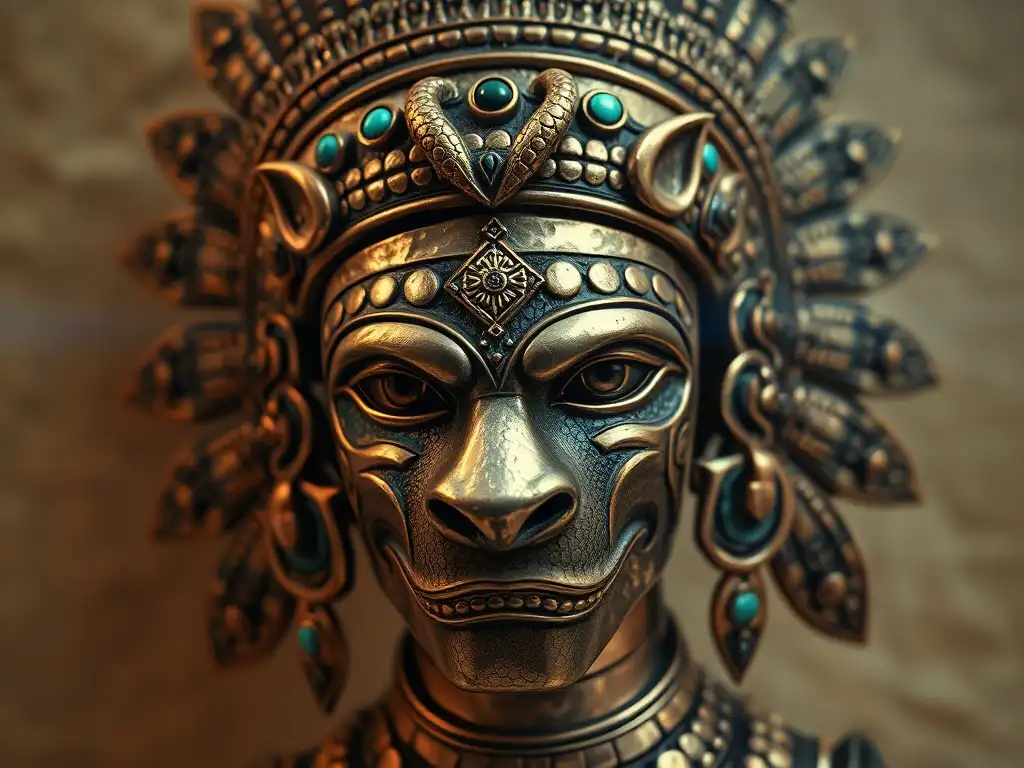
The Moche civilization, flourishing along the northern coast of Peru from roughly 100 to 800 CE, left behind a remarkable legacy of metalwork. Their artistry wasn't merely decorative; it was deeply imbued with symbolism, reflecting their complex religious beliefs, social structures, and worldview. Studying Moche metalwork techniques reveals not only their technical prowess but also the rich tapestry of their cultural narratives.
Understanding the iconography is key to deciphering the messages encoded within these exquisite artifacts. The careful selection of materials, the precision of the techniques employed, and the deliberate choice of imagery all contribute to the powerful impact of these pieces. The artisans weren't simply crafting objects; they were creating powerful statements.
Representing Moche Deities and Mythological Figures
Moche metalwork frequently depicts anthropomorphic deities and mythical creatures, often intertwined with intricate geometric patterns. These figures, frequently cast in gold, silver, copper, and alloys, represent key figures in their pantheon. For example, the depiction of a powerful, often-ferocious feline deity, possibly associated with warfare or hunting, is a recurring motif.
These representations aren't merely artistic renditions; they reflect the Moche's belief system and their interactions with the supernatural. The details, such as the positioning of limbs, the headdresses, and the accompanying symbols, provide valuable clues to their identity and significance. Scholars continue to debate the precise identity of many figures, with new interpretations emerging as more artifacts are discovered and analyzed.
The meticulous detail in these representations, even in smaller pieces, showcases the Moche's advanced metalworking techniques and their deep reverence for their deities. The use of different metals, like the combination of gold and copper, might also have symbolic meaning, potentially representing duality or opposing forces within their mythology.
The Meaning of Animal Motifs in Moche Metal Art
Beyond human figures, animals hold a prominent place in Moche metalwork. The representation of animals isn't arbitrary; each species carries specific symbolic weight. For instance, the frequent appearance of birds, such as condors and hummingbirds, may represent shamanistic journeys or communication with the spirit world.
Similarly, the depiction of marine creatures like fish and seabirds reflects the importance of the sea in their economy and spirituality. The realistic portrayal of these animals, achieved through sophisticated casting and repoussé techniques, underlines the Moche artisans' keen observation of the natural world. The level of detail in these animal representations often surpasses mere aesthetics; the posture, the expression, even the texture of the animal's fur or scales, are carefully rendered, suggesting a deep understanding of the animal's nature and its role within the Moche worldview.
Analyzing the prevalence and context of specific animal motifs in different artifacts offers insights into the Moche's understanding of the natural world and their place within it. The use of specific alloys or the incorporation of precious stones might further amplify the symbolic meaning of these animal representations.
The distribution and style of Moche metalwork suggest a strong correlation between access to these luxury items and social status. Elaborate gold and silver objects, often adorned with precious stones, were likely reserved for the elite, reflecting their power and prestige. The complexity of the metalworking techniques involved, requiring specialized skills and knowledge, further reinforces this connection.
This isn't simply a matter of material value; the artisanship itself served as a marker of social standing. The more intricate the design, the more skilled the artisan, and the higher the social status of the individual who possessed the object. Simpler metalwork, often using less precious materials, might have been accessible to a broader segment of the population, although it still demonstrates the widespread mastery of Moche metalworking techniques.
Further research into burial contexts and the distribution of metal artifacts across different Moche sites is crucial to fully understand the relationship between Moche metalwork and social hierarchy. The study of Moche metalwork techniques, therefore, provides valuable insights into the social dynamics and power structures of this fascinating civilization. Analyzing the type of metal used, the complexity of the design, and the presence of precious stones, allows researchers to better understand the social stratification within the Moche society.
The Legacy of Moche Metalworking
The Moche, a pre-Columbian culture flourishing on the northern coast of Peru from approximately 100 CE to 800 CE, left an indelible mark on Andean art and technology, particularly in the realm of metalworking. Their mastery of techniques, innovative designs, and the sheer artistry displayed in their surviving artifacts continue to inspire awe and fuel ongoing research. Understanding their Moche metalwork techniques is crucial to appreciating the broader development of Andean metallurgy.
The sophistication of their methods, combined with their rich iconography, established a foundation upon which later Andean cultures built. Their legacy extends far beyond their geographical location and temporal limitations; their influence can be traced in the stylistic choices and technical approaches of subsequent Andean metalworkers. The unique alloys, intricate casting processes, and detailed repoussé work employed by the Moche set a high benchmark that challenged and inspired generations of artisans.
Influence on Later Andean Metalworking Traditions
The Moche's impact on subsequent Andean metalworking traditions is undeniable. Their innovative techniques, such as the lost-wax casting method for creating complex three-dimensional forms, were adopted and refined by later cultures like the Chimú and Inca. The Moche's penchant for depicting realistic imagery, often portraying deities, animals, and scenes from daily life, directly influenced the iconographic styles of these later groups.
While stylistic choices evolved, the fundamental Moche metalwork techniques served as a basis for continued innovation. For example, the Chimú, known for their large-scale gold and silver objects, likely built upon the Moche's foundation in lost-wax casting, scaling up the process to create monumental works. The Inca, while employing different alloys and stylistic preferences, undoubtedly benefited from the centuries of accumulated knowledge and skill in metalworking passed down through generations, with the Moche playing a pivotal role in this lineage.
Analyzing the evolution of specific techniques, such as the use of tumbaga (a gold-copper alloy), reveals a clear connection and continuity between the Moche and their successors. The detailed craftsmanship and the technical sophistication evident in Moche artifacts demonstrate a high level of specialized knowledge that was passed on and adapted throughout the Andean region.
The Preservation and Study of Moche Metal Artifacts
The preservation of Moche metal artifacts presents unique challenges. The corrosive nature of the coastal environment, coupled with looting and illegal trafficking, has resulted in significant loss. However, numerous artifacts have survived, offering invaluable insights into Moche metalwork techniques. These artifacts are meticulously studied using a variety of methods, including X-ray fluorescence (XRF) to analyze the composition of alloys, microscopy to examine surface details, and 3D scanning to create digital models.
This multidisciplinary approach allows researchers to uncover the secrets of Moche craftsmanship, including the precise steps involved in casting, hammering, and finishing techniques. The study of these artifacts also sheds light on the social and religious context of Moche metalwork. The intricate designs, often depicting ritual scenes or mythological figures, reveal much about Moche beliefs and worldview.
Ongoing research continues to unveil new discoveries about the materials, methods, and meaning behind these extraordinary objects, refining our understanding of this remarkable civilization's artistic and technological prowess. Careful conservation efforts are crucial to ensuring that future generations can continue to learn from and appreciate these invaluable pieces of Andean heritage. The challenges remain significant, but the rewards of understanding these intricate artifacts are immeasurable.
Where to See Moche Metalwork: Museums and Collections
Numerous museums and collections around the world house impressive examples of Moche metalwork. These institutions offer opportunities to witness firsthand the artistry and technical skill of Moche artisans. Collections vary in size and scope, but many showcase iconic pieces such as ornate headdresses, intricately detailed vessels, and finely crafted tools.
A significant portion of the surviving Moche metal artifacts are held in museums in Peru, reflecting the country's rich cultural heritage. However, important collections can also be found in museums and research institutions internationally. These collections provide researchers and the general public with access to these remarkable objects, facilitating the study and appreciation of Moche metalwork techniques and the wider context of Andean art and culture.
Catalogs, online databases, and museum exhibitions serve as valuable resources for learning more about the specific pieces on display, their historical context, and the ongoing research surrounding them. Visiting these institutions offers an unparalleled opportunity to engage directly with the legacy of Moche metalworking, experiencing the enduring power of their artistry and the lasting impact of their technical innovations. It is a journey into the past, offering a glimpse into the ingenuity and skill of a lost civilization.
Ongoing Research in Moche Metallurgy
Ongoing research into Moche metallurgy continues to unveil fascinating details about their techniques and the societal implications of their metalworking practices. Archaeologists and metallurgists are employing advanced analytical techniques, such as X-ray fluorescence (XRF) spectroscopy and scanning electron microscopy (SEM), to analyze the composition of Moche artifacts and understand the precise methods used in their creation.
These studies are not only revealing the specific alloys used—often complex mixtures of copper, gold, silver, and other elements—but also shedding light on the sophisticated heat-treating processes employed to achieve the desired strength and durability. For instance, recent analyses have shown evidence of annealing and quenching in some Moche tools, demonstrating a level of metallurgical knowledge exceeding earlier assumptions.
The geographical sourcing of the raw materials used in Moche metalwork is another active area of research. By analyzing the isotopic signatures of the metals, researchers are tracing the origins of the ores back to specific Andean mining regions, providing valuable insights into the Moche trade networks and their economic organization.
Understanding the extent of their access to resources and the distances over which these materials were transported highlights the complex logistical challenges and sophisticated organizational structures necessary to support this thriving metalworking industry. This research is crucial for understanding the scale and scope of Moche metal production, and its impact on the wider Andean economy.
Furthermore, research is increasingly focused on the social context of Moche metalwork. Studies are examining the role of metal artifacts in Moche ritual practices, funerary customs, and elite status. The intricate designs and iconography found on many Moche metal objects are being analyzed to decipher their symbolic meanings and understand how metalwork served to express power, religious beliefs, and social hierarchies within Moche society.
By connecting the technical aspects of Moche metallurgy with their social and cultural context, researchers are building a more comprehensive understanding of this remarkable civilization's achievements. The ongoing investigation into lost-wax casting techniques, for example, not only reveals the technical proficiency but also offers a glimpse into the artistic vision and cultural significance of the resulting masterpieces. This holistic approach is vital for a truly nuanced appreciation of Moche metalwork's enduring legacy.
Frequently Asked Questions
What were the primary metals used by Moche metalworkers?
Moche artisans primarily utilized gold, silver, copper, and bronze, often combining them for intricate effects. They also employed alloys to achieve specific colors and durability.
What techniques did Moche metalworkers use to create their artifacts?
The Moche employed a range of techniques including lost-wax casting, hammering, repoussé, and gilding. These methods allowed for incredible detail and variety in their pieces.
How did the Moche achieve such fine detail in their metalwork?
The skill and precision of Moche metalworkers, combined with advanced techniques and specialized tools, allowed for the creation of remarkably detailed artifacts. Years of apprenticeship were likely required to master these skills.
What is the significance of Moche metalwork in understanding their culture?
Moche metalwork provides crucial insights into their religious beliefs, social hierarchy, and artistic capabilities. The objects often depict deities, rituals, and scenes of daily life.
Where can I see examples of Moche metalwork today?
Examples of Moche metalwork are housed in major museums worldwide, including the Larco Museum in Lima, Peru, and other significant collections. Many pieces also remain in situ at archaeological sites.
Final Reflection: The Enduring Legacy of Moche Metalworking
The intricate artistry of Moche metalwork remains a testament to the ingenuity and cultural depth of a civilization lost to time, yet its echoes resonate powerfully in our contemporary understanding of craftsmanship and artistic expression. The techniques employed, from the lost-wax casting to the masterful use of alloys and gilding, continue to inspire awe and challenge modern metallurgists. This sophisticated level of skill, achieved without the benefit of modern tools, serves as a potent reminder of human potential and the enduring power of artistic innovation.
The Moche's dedication to their craft, evident in the breathtaking detail and symbolic richness of their metalwork, speaks volumes about their societal values and spiritual beliefs. Their artistry wasn't merely decorative; it was deeply intertwined with their worldview, reflecting their cosmology, rituals, and social hierarchy. The artifacts are not just objects; they are windows into the soul of a civilization.
This quote encapsulates the profound impact the Moche's metalwork has had on our understanding of their culture, and it continues to shape our appreciation for pre-Columbian art and the broader history of human creativity.
Consider, for a moment, the meticulous skill involved in each piece, the countless hours of labor, the unwavering dedication to a vision. You too possess the capacity for such dedication, for such creative expression. Let the Moche metalworkers inspire you to pursue your own passions with the same unwavering commitment, to strive for excellence in your chosen field, and to appreciate the enduring power of human ingenuity. Let their legacy be a call to action, a reminder of the beauty and significance that can be achieved through dedication and skill.
**Unveil the Legacy of Moche Craftsmanship! **
Thank you for exploring the fascinating world of the Moche civilization with us! We hope you've gained valuable insights into their remarkable artistry and innovative metalworking techniques. Now, let's put that inspiration into action!
Here are some ways you can further engage with this captivating topic:
- **Explore** local museums and online exhibits showcasing ancient and modern metalwork to see the enduring influence of Moche artistry on contemporary artisans.
- **Share** your newfound knowledge! Discuss Moche craftsmanship with friends, family, or online using the hashtag #MocheMarvels.
- **Join** online communities dedicated to Andean civilizations to connect with fellow enthusiasts and expand your understanding.
What aspect of Moche artistry captivates you most, and how do you envision its revival in modern culture?