
The Significance of Dreams and Visions in Inca Religious Life

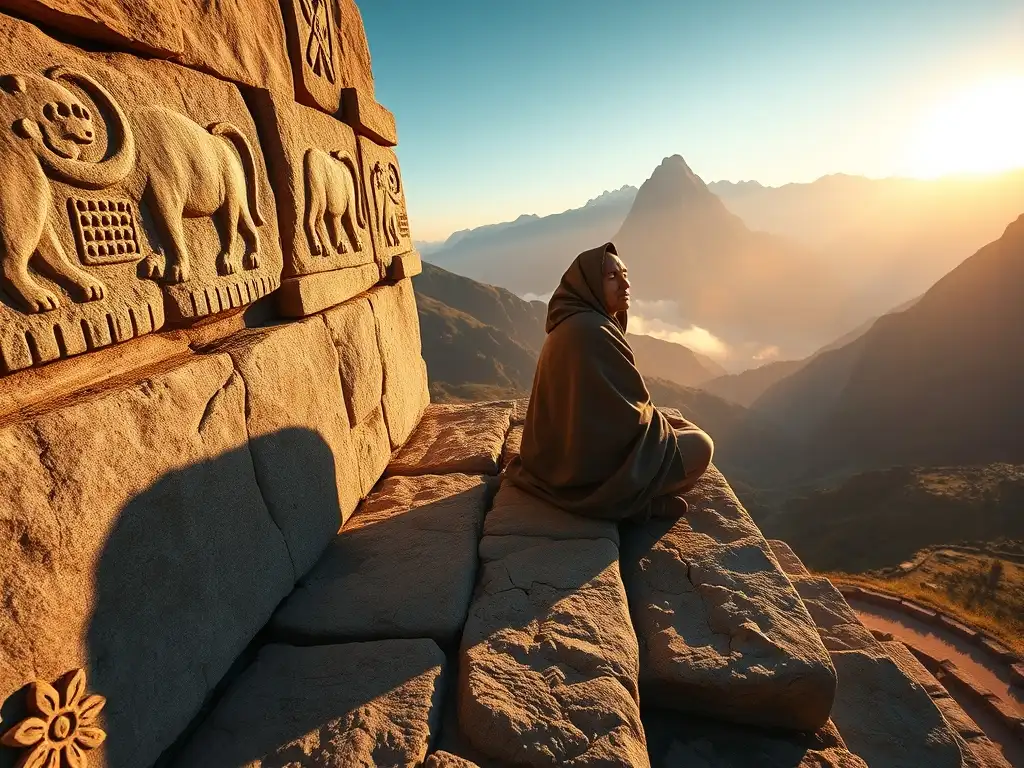
Dive into the enigmatic world of the Andes! Prepare to unravel the mysteries of a civilization that thrived on breathtaking ingenuity and a profound connection to the spiritual realm. For centuries, the Incas held dreams in high regard, weaving them into the very fabric of their religious life. But what secrets did these visions reveal? Discover the surprising religious significance of Inca dreams and unlock a captivating chapter in Andean history. Explore further to uncover the fascinating truths waiting within.
The Inca Empire, a civilization that flourished in the Andes Mountains from the 15th to the 16th century, possessed a complex and deeply spiritual worldview. Religion permeated every aspect of Inca life, from agricultural practices to political structures. Central to this intricate religious system was the profound importance placed on dreams and visions, considered powerful conduits to the unseen world and the divine.
This article delves into the significance of dreams and visions in Inca religious life, exploring their role in cosmology, divination, and the overall understanding of the relationship between the human and spiritual realms. Understanding the Inca interpretation of dreams offers a crucial insight into their beliefs, social structures, and the very fabric of their society.
We will examine how the Inca interpreted dreams, the rituals surrounding them, and their influence on decision-making at both individual and societal levels. This exploration will illuminate the profound impact of dreams on the Inca worldview and their enduring legacy.
Introduction to Inca Spirituality and the Realm of Dreams
Inca spirituality was deeply intertwined with the natural world. The Andes Mountains, with their towering peaks and unpredictable weather patterns, were revered as sacred spaces, home to powerful deities and spirits. The sun god, Inti, held supreme importance, followed by the moon goddess, Mama Killa, and a pantheon of other deities associated with elements of nature like mountains, rivers, and animals. Within this cosmological framework, dreams held a significant place.
They weren't merely fleeting nocturnal experiences but were considered powerful messages from the spirit world, offering guidance, warnings, or insights into the future. The Inca believed that during sleep, the soul left the body and journeyed to the spirit world, encountering deities, ancestors, or other supernatural beings. The content of these dreams, therefore, carried immense weight and influenced decisions ranging from personal choices to matters of state. The ability to interpret these dreams accurately was a highly valued skill, often attributed to priests and shamans who acted as intermediaries between the human and spiritual realms.
This interpretation wasn't arbitrary; it was based on a complex system of symbolism and understanding of the natural world and Inca mythology. Specific symbols appearing in dreams held particular meanings, often reflecting the concerns and anxieties of the dreamer and their community. For example, a recurring dream of a drought might be interpreted as a warning of impending famine, prompting communal rituals to appease the relevant deities and ensure a bountiful harvest.
The Role of Dreams in Inca Cosmology and Beliefs
Dreams were not simply interpreted in isolation but were understood within the broader context of Inca cosmology and beliefs. The Inca worldview was deeply hierarchical, reflecting the structure of their society. The concept of ayllu, the extended family unit, was fundamental to their social organization, and this concept extended into their understanding of the spiritual world. Ancestors were believed to continue to influence the lives of the living, and dreams often served as a means of communication with these departed relatives. Dreams could reveal the intentions of the gods, predict future events, or offer guidance on important decisions. For example, a dream of a specific animal might be interpreted as a sign from a particular deity, prompting a specific ritual or offering. Accurate dream interpretation was crucial for maintaining the balance and harmony of the ayllu and the broader Inca empire. The Inca believed that neglecting or misinterpreting these messages could have serious consequences, leading to misfortune or disrupting the cosmic order. 1 Furthermore, the Inca used dream interpretation to validate decisions made by leaders and to guide their actions. This highlights the significant political and social influence wielded by dreams within the Inca society, demonstrating that the spiritual realm was not separate from the everyday lives of the Inca people but rather deeply integrated into their social and political structures. The importance of dreams in Inca society is a testament to their profound belief in the interconnectedness of the physical and spiritual worlds.
1 Further research is needed to provide specific examples of Inca dream interpretations and their societal impact. [Specific examples of Inca dream interpretations and their societal impact pending]
Inca Dream Interpretation: Unveiling Divine Messages
Dreams held immense significance for the Inca, representing a direct line of communication with the divine realm and the ancestors. They weren't simply fleeting images of the night but powerful messages imbued with spiritual meaning, offering guidance, warnings, or prophecies. The Inca believed that during sleep, the soul journeyed to other realms, interacting with spirits and receiving insights inaccessible during waking hours. This belief underscored the importance of dream recollection and interpretation, shaping individual decisions and influencing communal actions.
The interpretation of dreams wasn't a casual activity; it was a serious undertaking with far-reaching consequences, affecting everything from personal choices to major political decisions. The accuracy and depth of the interpretation were paramount, as misinterpreting a divine message could lead to catastrophic outcomes. Thus, specialized individuals, known as yachaq, played a crucial role in deciphering these enigmatic messages.
Types of Inca Dreams and Their Meanings
Inca dream interpretation wasn't a monolithic system; the meaning of a dream varied greatly depending on its content, context, and the dreamer's social standing. Dreams involving deceased relatives were often interpreted as messages from the ancestors, offering guidance or warnings about future events. Dreams featuring natural phenomena, such as storms, earthquakes, or celestial alignments, were seen as omens related to the overall well-being of the community or the success of agricultural cycles.
For instance, a dream of abundant rainfall might foretell a bountiful harvest, while a dream of a devastating flood could signify impending hardship. Dreams of animals, particularly those considered sacred, like the condor or puma, held profound spiritual meaning, often indicating a connection to the Inca pantheon or a change in fortune. Detailed records of dream interpretations, unfortunately, are scarce, leaving many specific meanings shrouded in mystery.
However, anthropological research based on surviving accounts and related Andean traditions allows us to piece together a partial understanding of this complex system. Further research into surviving artifacts and oral traditions is needed to fully understand the diverse range of Inca dream symbolism.
The Importance of Yachaq (Dream Interpreters)
The yachaq, or shamans, were essential figures in Inca society, possessing specialized knowledge of dream interpretation and other esoteric practices. They weren't merely dream interpreters; they were spiritual healers, diviners, and intermediaries between the human and spiritual worlds. Their role extended beyond personal dreams, as they were often consulted by leaders to interpret dreams that could affect the entire empire.
The yachaq utilized various methods to interpret dreams, including analyzing the dream's symbolism, considering the dreamer's circumstances, and sometimes employing divination techniques such as reading coca leaves or interpreting the flight of birds. Their interpretations carried significant weight, influencing decisions on warfare, agriculture, and even royal succession. The social standing of the yachaq varied, with some being highly respected members of the community while others operated more on a local level.
Their expertise was essential for maintaining social harmony and ensuring the well-being of the Inca community. The loss of detailed accounts of yachaq training and methodology leaves gaps in our understanding of their techniques, a significant area requiring further study.
Visions and Trances in Inca Religious Practices
Beyond dreams, visions and trances played a crucial role in Inca religious practices, offering another avenue for communication with the supernatural. These experiences weren't viewed as abnormal or pathological; rather, they were considered powerful spiritual events, providing access to profound knowledge and divine guidance. Individuals who experienced visions or entered trances were often seen as possessing special spiritual gifts, capable of mediating between the human and spirit worlds. These experiences often occurred during rituals, ceremonies, and periods of intense spiritual devotion. The Inca utilized various methods to induce altered states of consciousness, facilitating these visionary experiences.
Induced Trances Through Ayahuasca and Chicha
The Inca used various substances to induce altered states of consciousness, including ayahuasca and chicha. Ayahuasca, a powerful hallucinogenic brew, was likely used in specific religious contexts, allowing participants to experience vivid visions and interact with spiritual entities. Chicha, a fermented corn beverage, was more widely consumed and, while less potent than ayahuasca, could also induce altered states of consciousness when consumed in large quantities during rituals.
These altered states were crucial for accessing the spiritual realm and receiving divine messages, directly impacting both individual and communal decision-making. The precise contexts and rituals surrounding the use of these substances remain partially understood, requiring further investigation into archaeological and anthropological evidence. The potential dangers and risks associated with their use were likely carefully managed within the strict religious framework.
The Power of Visions in Inca Rituals
Visions experienced during rituals played a vital role in validating religious practices and confirming the authority of religious leaders. A successful ritual often involved the appearance of visions, reinforcing the efficacy of the ritual and strengthening the faith of the participants. These visions weren't arbitrary; they were believed to be divinely orchestrated, providing confirmation of the ritual's purpose and its connection to the Inca cosmology.
The interpretation of these visions often fell to the yachaq, who would analyze the visions' symbolism and communicate their meaning to the community. The power dynamics within the Inca religion were inextricably linked to the ability to induce and interpret these visionary experiences, highlighting the central role of altered states of consciousness in Inca religious life. Further research is needed to uncover the specific rituals where these visionary experiences were most prominent and the methods used to ensure accurate interpretations.
The Significance of Prophetic Dreams in Inca Society
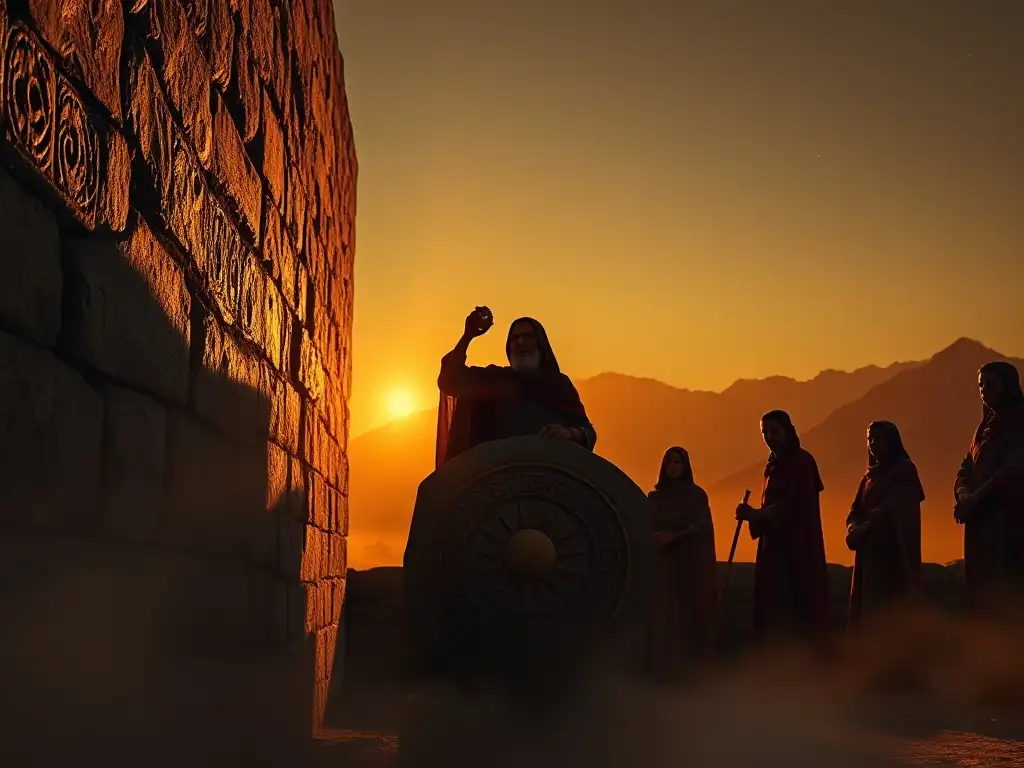
Inca society placed immense value on dreams, viewing them not merely as nocturnal fantasies but as potential sources of prophecy and divine communication. The ability to interpret dreams accurately was highly prized, and those skilled in this art held positions of significant influence within the community. Dreams were believed to offer insights into the future, providing warnings of impending dangers or predicting auspicious events.
This belief permeated all levels of Inca society, from the commoner to the Sapa Inca himself. The interpretation of dreams wasn't a casual affair; it was a serious undertaking often involving rituals and consultations with specialists. The accuracy and importance of the dream's message were judged based on the dreamer's standing and the context within which the dream occurred.
A dream experienced by a respected elder might carry more weight than one from a younger, less experienced individual. The meticulous record-keeping of the Inca, though primarily focused on administrative matters, likely included some documentation of significant dreams and their interpretations, though the extent of this practice remains a subject of ongoing research. The survival of such records would offer invaluable insight into the intricacies of Inca dream interpretation and its impact on their daily lives.
Dreams Foretelling Political Events and Omens
Dreams often played a crucial role in predicting political events and interpreting omens within the Inca empire. For example, a dream depicting a natural disaster, such as an earthquake or flood, might be interpreted as a warning of impending social unrest or military conflict. Conversely, a dream filled with positive imagery, like abundant harvests or victorious battles, could be seen as a favorable omen, suggesting a period of prosperity and peace.
These interpretations profoundly influenced the decisions made by Inca leaders. A dream foretelling a military defeat, for instance, might lead to a change in strategy or a postponement of planned campaigns. The interpretation of such dreams wasn't solely the responsibility of the Sapa Inca; it often involved consultations with priests and other religious figures who possessed specialized knowledge of dream symbolism and their political implications.
The weight given to these prophetic dreams highlights the significant role of the supernatural in Inca political decision-making. The interplay between the spiritual and political realms was undeniable, shaping the course of the empire's history. Historians continue to piece together the influence of dreams on Inca politics, using available archaeological evidence and interpretations of surviving chronicles.
Dreams as Guidance for Inca Sapa
The Sapa Inca, the supreme ruler of the Inca empire, was considered a divine figure, a descendant of the sun god Inti. His dreams held particular significance, often viewed as direct messages from the gods or ancestral spirits. These dreams were meticulously recorded and interpreted by specialized priests, who advised the Sapa Inca on crucial matters of state.
A dream might dictate military strategies, influence economic policies, or even guide decisions regarding succession to the throne. The Sapa Inca's dreams were not merely personal experiences; they were considered public affairs, bearing immense weight on the welfare of the entire empire. The process of interpreting these dreams was highly ritualistic, often involving elaborate ceremonies and offerings to appease the gods and ensure accurate guidance.
The Sapa Inca's reliance on dreams for governance underscores the deeply ingrained spiritual dimension of Inca political life, demonstrating the profound interconnectedness between the spiritual and secular realms. The influence of dreams on the actions of the Sapa Inca serves as a compelling illustration of the significant role that religious beliefs played in shaping the history of the Inca Empire.
The Connection Between Dreams and the Supernatural World
The Inca worldview encompassed a complex cosmology, where the supernatural played a dominant role in shaping daily life. Dreams were seen as a direct link to this supernatural world, a means of communication with deities, ancestral spirits, and other powerful entities inhabiting the realms beyond the physical. The Inca believed that during sleep, the soul could travel to these other worlds, experiencing events and receiving messages that held significant meaning in the waking world.
These experiences weren't merely subjective; they were believed to be real interactions with supernatural forces, carrying implications for the individual and the community. The interpretation of these dreams often involved identifying the specific deities or spirits involved, understanding the context of the dream's message, and determining the appropriate actions to be taken in response.
This intricate system of belief highlights the deeply spiritual nature of Inca culture and the profound importance given to dream interpretation. The connection between dreams and the supernatural world was not something to be taken lightly; it was a vital aspect of Inca religious life.
The Inca Belief in the Hanan Pacha and Uku Pacha
Inca cosmology was structured around three realms: the Hanan Pacha (upper world), the Kay Pacha (earthly world), and the Uku Pacha (underworld). Dreams were believed to bridge these worlds, allowing communication between the living and the inhabitants of the other realms. Dreams originating from the Hanan Pacha often conveyed messages from the gods, while those from the Uku Pacha might involve interactions with ancestral spirits or other powerful entities of the underworld.
Understanding the origin of a dream was crucial for its accurate interpretation. A dream originating from the Hanan Pacha, for example, might carry a message of divine guidance or warning, while a dream from the Uku Pacha could reveal insights into the ancestral world or offer guidance on matters of healing or fertility. The Inca's understanding of these different realms and their connection to dreams underscores the complexity and sophistication of their spiritual beliefs.
The significance of dreams within this cosmological framework is a testament to the profound influence of the supernatural in their lives. The intricate details of this belief system are still being researched and uncovered by archaeologists and anthropologists.
Dreams as a Bridge to the Ancestral Mallquis
The mallquis, ancestral spirits of significant individuals, played a crucial role in Inca religion. Dreams were considered a primary means of communicating with these powerful spirits, receiving their guidance, blessings, or warnings. Dreams involving mallquis might offer insights into the past, reveal hidden knowledge, or provide guidance on important decisions.
These dreams were often highly personal, reflecting the individual's relationship with their ancestors. The interpretation of such dreams often involved family elders or specialized priests who possessed knowledge of ancestral lineage and the symbolism associated with specific mallquis. The belief in the mallquis and the use of dreams as a means of communication with them demonstrate the enduring importance of ancestral veneration in Inca culture.
The ongoing study of Inca dream interpretation continues to shed light on the intricate relationship between the living and their ancestors, highlighting the crucial role of dreams in maintaining this connection across generations. The power of these ancestral spirits and their influence on Inca society through dreams is a testament to the deeply rooted spiritual fabric of their lives.
Inca Rituals to Honor and Interpret Dream Experiences
Inca society deeply revered dreams and visions, considering them direct communication from the spirit world or powerful deities. These weren't dismissed as mere figments of the imagination but were actively sought, interpreted, and incorporated into daily life and religious practices. The Inca believed that dreams provided crucial insights into the future, revealed hidden truths, and offered guidance from the ancestors.
This belief system permeated every aspect of their lives, from agriculture and warfare to personal decisions and leadership. The interpretation of dreams was not a casual affair; it was a serious undertaking often entrusted to specialized individuals, shamans or priests, possessing expertise in deciphering the symbolic language of the dream world. These interpreters played a vital role in Inca society, mediating between the human and spiritual realms.
Their interpretations guided important decisions, influencing everything from planting schedules to military campaigns. The weight given to dreams highlights the profound spiritual connection the Inca felt with the world around them.
Coca Leaf Readings and Animal Sacrifices Related to Dreams
The Inca utilized various methods to honor and interpret their dream experiences. One common practice involved coca leaf readings, a form of divination using coca leaves. The arrangement and interpretation of the leaves provided insights into the meaning of a specific dream. This wasn't a random process; specific patterns held specific meanings, passed down through generations of interpreters.
The results of these readings often guided subsequent actions. If a dream foretold misfortune, rituals might be performed to appease the spirits or avert the predicted calamity. Animal sacrifices were another significant aspect of dream interpretation. The type of animal sacrificed often correlated with the nature of the dream and the deity involved.
For example, a dream involving a llama might necessitate a llama sacrifice to honor the deity associated with that animal. These rituals weren't simply about appeasing the gods; they were believed to strengthen the connection between the dreamer, the spirit world, and the community. The entire process was embedded within a complex system of beliefs and practices that reinforced the importance of dreams within Inca society.
Sacred Sites Like Pachacamac Associated with Dream Interpretation
Specific sacred sites, such as Pachacamac, played a crucial role in dream interpretation. These locations, considered gateways to the spirit world, were believed to enhance the connection between the dreamer and the divine. People would journey to these sites to seek guidance through dreams or to perform rituals related to dream interpretations. Pachacamac, in particular, was a significant pilgrimage site, known for its powerful oracle and its association with fertility and prophecy.
The temple's priests were highly skilled in dream interpretation and offered guidance to those seeking answers to their dreams. The sacred geography itself was believed to amplify the power of dreams, enhancing their prophetic capacity. The combination of the sacred space and the expertise of the priests created a powerful environment for dream interpretation, reinforcing the significance of dreams within Inca religious life.
The Impact of Inca Dreams on Daily Life
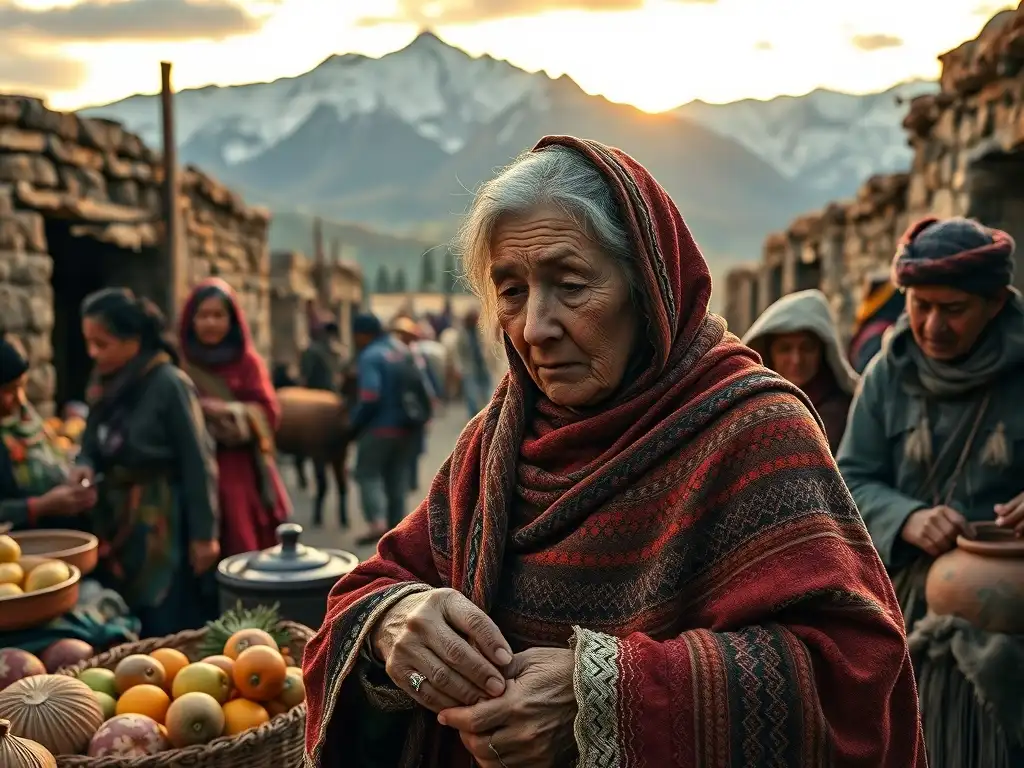
The Inca's deep respect for dreams extended far beyond religious rituals. Dreams significantly impacted their daily lives, influencing decisions related to agriculture, warfare, and even personal relationships. The interpretation of dreams guided the planting and harvesting seasons, determining when crops should be sown and when to expect a bountiful harvest. Dreams were considered a vital source of information, providing insights into the weather patterns, soil conditions, and the overall success of the agricultural cycle.
Similarly, dreams played a role in military strategy, providing warnings of impending attacks or suggesting tactical advantages. Leaders consulted dream interpreters before embarking on military campaigns, seeking guidance and ensuring the success of their endeavors. Even personal decisions, such as marriage or choosing a career path, were influenced by dreams and their interpretations. The pervasive influence of dreams demonstrates their integral role in shaping Inca society.
How Dreams Shaped Inca Agricultural Practices
Agricultural practices in Inca society were deeply intertwined with dream interpretation. Farmers frequently sought guidance from dreams to determine the optimal planting and harvesting times. Dreams often revealed auspicious or inauspicious dates, indicating when to sow seeds and when to expect a successful harvest. Dreams of abundant crops or fertile lands were considered positive omens, whereas dreams of drought, blight, or barren fields were interpreted as warnings requiring remedial action.
This reliance on dreams highlights the Inca's close connection to the natural world and their understanding of the intricate relationship between agriculture and the spiritual realm. The collective interpretation of dreams within the community ensured a shared understanding of the agricultural calendar and promoted cooperation among farmers. This close relationship between dreams and agricultural practices reflects the holistic worldview of the Inca, where the spiritual and the material were inextricably linked.
The Influence of Visions on Inca Art and Textiles
Visions also profoundly influenced Inca art and textiles. Many designs and motifs found in their artwork are believed to have originated from dreams or visions experienced by artists and artisans. These visions often depicted supernatural beings, mythological creatures, or scenes from the spirit world. The intricate designs found on Inca textiles, ceramics, and metalwork are considered visual representations of these visionary experiences.
The vibrant colors and symbolic imagery used in these artworks reflected the richness and complexity of Inca spiritual beliefs. The creation of art was not merely a technical skill but a spiritual practice, allowing the artist to express the visions received and share them with the community. The artistic expression of dreams served to reinforce the spiritual significance of dreams and visions within Inca culture. The enduring legacy of Inca art and textiles provides a powerful glimpse into their visionary world.
The Legacy of Inca Dream Interpretation and its Relevance Today
The Inca's profound respect for dreams and visions continues to resonate in contemporary Andean cultures. Their sophisticated understanding of the subconscious, manifested in their intricate dream interpretation practices, offers valuable insights into the human psyche and the connection between the spiritual and physical realms. While precise details of Inca dream dictionaries are scarce, surviving accounts from Spanish chroniclers and anthropological studies reveal a system that integrated dreams into the fabric of daily life and religious practices.
Dreams weren't merely fleeting nocturnal experiences; they were considered powerful messages from the gods, ancestors, or the huacas (sacred places or objects). Favorable dreams were seen as auspicious signs, guiding decisions related to agriculture, warfare, or even marriage. Conversely, negative dreams prompted rituals of purification and appeasement to avert potential misfortune.
This holistic approach to dream interpretation underscores the Inca's deep connection with the spiritual world and their belief in the interconnectedness of all things. The legacy of this sophisticated approach to understanding dreams continues to inform contemporary Andean spiritual practices, highlighting the enduring relevance of Inca wisdom.
Contemporary Andean Perspectives on Dream Beliefs
Modern Andean communities still place significant value on dreams. Many indigenous communities in the Andes continue to utilize traditional methods of dream interpretation, often passed down through generations within families. These interpretations often incorporate elements of Inca cosmology and mythology, reflecting the enduring influence of the ancient civilization’s beliefs.
For example, the appearance of specific animals or natural phenomena in dreams might hold specific meanings, echoing the symbolic language found in Inca iconography and narratives. Furthermore, the role of yatiri (shamans) in interpreting dreams persists in many communities. These spiritual leaders possess specialized knowledge and act as intermediaries between the dream world and the waking world, providing guidance and support to individuals seeking understanding of their dreams.
Studies of contemporary Andean dream beliefs reveal a fascinating continuity with Inca traditions, highlighting the resilience of ancient spiritual practices in the face of colonization and modernization. The interpretation of dreams remains a vital component of Andean spiritual life, demonstrating the enduring power of Inca beliefs in shaping the cultural landscape. The continued importance of dream interpretation in contemporary Andean societies underscores the lasting legacy of Inca spiritual practices and their relevance to understanding the relationship between dreams and spiritual well-being.
Lessons from Inca Spirituality on Inner Knowing
The Inca reverence for dreams provides valuable lessons for contemporary individuals seeking a deeper understanding of their inner selves. Their approach emphasizes the importance of paying attention to the subtle messages our subconscious mind communicates through dreams. By acknowledging the power of dreams, we can tap into a rich source of self-knowledge and gain insights into our unconscious desires, fears, and aspirations.
The Inca's holistic approach, which seamlessly integrated dreams into their daily lives and spiritual practices, offers a model for incorporating dream awareness into our own lives. By actively engaging with our dreams, through journaling, reflection, or seeking guidance from spiritual practitioners, we can foster a deeper connection with our intuition and enhance our self-awareness.
In this sense, the Inca legacy encourages a more mindful and introspective approach to life, emphasizing the importance of listening to the wisdom of our inner selves as revealed through dreams. The Inca worldview shows us that our dreams are not mere fantasies but valuable tools for personal growth and spiritual development.
Conclusion: The Enduring Power of Dreams and Visions in Inca Religious Life
The Inca's profound respect for dreams and visions was not merely a superstitious belief, but a cornerstone of their religious and social life. Their sophisticated system of dream interpretation, integrated into daily life and religious rituals, reveals a deep understanding of the human psyche and the power of the subconscious. The lasting impact of Inca dream beliefs is evident in contemporary Andean cultures, where traditional dream interpretation practices continue to thrive.
The Inca legacy offers valuable lessons for modern individuals seeking self-discovery and spiritual growth through dream awareness. By acknowledging the significance of dreams and visions, we can tap into a rich source of inner knowledge and foster a deeper connection with our intuition. The enduring power of dreams and visions in Inca religious life serves as a testament to the timeless wisdom embedded within these ancient traditions and their continued relevance in contemporary society.
The study of Inca dream beliefs offers a unique perspective on the enduring human fascination with dreams and their connection to spirituality. The richness and complexity of this belief system continue to inspire and intrigue researchers and spiritual seekers alike.
- Introduction to Inca Spirituality and the Realm of Dreams
- The Role of Dreams in Inca Cosmology and Beliefs
- Inca Dream Interpretation: Unveiling Divine Messages
- Visions and Trances in Inca Religious Practices
- The Significance of Prophetic Dreams in Inca Society
- The Connection Between Dreams and the Supernatural World
- Inca Rituals to Honor and Interpret Dream Experiences
- The Impact of Inca Dreams on Daily Life
- The Legacy of Inca Dream Interpretation and its Relevance Today
- Conclusion: The Enduring Power of Dreams and Visions in Inca Religious Life
Frequently Asked Questions
What role did dreams play in Inca society?
Dreams held significant importance in Inca society. They were believed to be messages from the divine realm, offering guidance and warnings. Interpretations often influenced decisions at all levels of society.
How did the Inca interpret dreams?
Inca dream interpretation was complex, often involving shamans or skilled interpreters who deciphered the symbolism within the dreams. Specific dream imagery was associated with particular meanings, relating to the individual, community, or even the Inca empire.
What was the relationship between dreams and religious rituals?
Dreams were intrinsically linked to Inca religious practices. Individuals might have dreams that inspired pilgrimages to sacred sites or prompted them to participate in specific ceremonies. Dreams were considered a form of divine communication directly impacting religious life.
Did the Inca believe all dreams were significant?
Not all dreams were considered equally important. Dreams that were particularly vivid, recurring, or featured powerful symbols were deemed more significant. These were often seen as direct messages from deities or ancestral spirits.
How did Inca dreams relate to their understanding of the afterlife?
Dreams provided a potential link to the spirit world and the afterlife. Dreams of deceased relatives or encounters with supernatural beings were believed to offer insights into the spiritual realm and the fate of the departed. This strengthened the spiritual connection between the living and the dead.
Final Reflection: Echoes of the Andes: Dreams and Visions in the Inca World
The intricate relationship between dreams, visions, and religious practice in Inca society remains profoundly relevant today. Our own fascination with the subconscious, the search for meaning in the inexplicable, and the enduring power of spiritual experiences directly mirror the Inca worldview. The echoes of their beliefs resonate even now, reminding us of the universal human need to understand the unseen forces shaping our lives.
The Inca's deep reverence for dreams and visions, as pathways to the divine and sources of crucial knowledge, profoundly shaped their social structure and daily lives. Their belief system, far from being a relic of the past, offers a powerful counterpoint to our often overly rational and materialistic world. Dreams are the royal road to the unconscious,
as Carl Jung famously stated, and the Inca understood this intuitively, weaving dreams into the very fabric of their existence. Their sophisticated understanding of the subconscious, expressed through their rituals and interpretations, continues to inspire awe and provoke reflection on the power of the human mind.
Consider the Inca's profound respect for dreams and visions; how might you incorporate a similar openness to intuition and inner guidance into your own life? Embrace the mystery, the whispers of your own subconscious. Listen to the stories your dreams tell, and allow yourself to explore the rich tapestry of your inner world. By acknowledging the power of dreams and visions, you too can unlock a deeper understanding of yourself and the world around you, echoing the wisdom of a civilization that understood the profound connection between the seen and the unseen.
Embrace the Power of Your Dreams Today!
Thank you for exploring the fascinating world of Inca religious life and the profound significance of dreams and visions. You've gained invaluable insights into how these elements shaped their culture and spirituality. Now, let's apply this knowledge to your own life.
Here are some practical steps you can take:
- Keep a Dream Journal: Begin recording your dreams and visions each morning. Reflect on their possible meanings and how they relate to your daily experiences.
- Explore Andean Spirituality: Deepen your understanding of Inca spiritual practices. Research rituals that appeal to you, or consider attending a workshop to experience these traditions firsthand.
- Share Your Discoveries: Discuss your insights and reflections with friends, family, or online communities. Engage in conversations about the importance of dreams in personal growth and cultural understanding.
How has your understanding of dreams evolved after learning about their crucial role in Inca civilization? Share your thoughts below!