
Tiahuanaco's Enigmatic Leaders: Unraveling the Secrets of Power

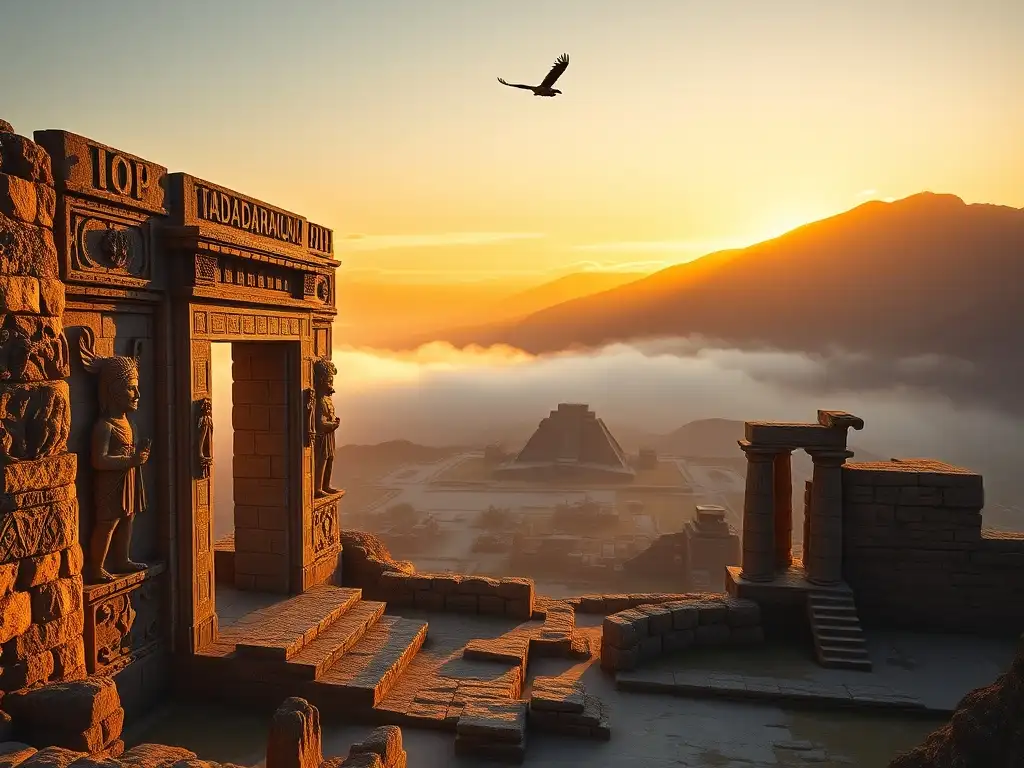
Step into a world lost to time, where the towering structures of Tiahuanaco whisper tales of a powerful empire. Intrigued by the enigmatic leaders who shaped this ancient Andean civilization? Uncover the mysteries surrounding their reign and the legacy they left behind in our exploration of Tiahuanaco leaders history. Prepare to be captivated by their fascinating stories – a journey into the heart of Andean power awaits.
The sprawling ruins of Tiahuanaco, nestled high in the Altiplano of modern-day Bolivia, whisper tales of a powerful and sophisticated civilization that flourished between 500 and 1000 CE. This enigmatic culture, renowned for its monumental architecture, intricate artistry, and advanced agricultural techniques, remains shrouded in mystery, particularly regarding the individuals who wielded its immense power.
Unraveling the history of Tiahuanaco's leaders is a complex undertaking, relying on a careful interpretation of archaeological findings, limited textual evidence, and the piecing together of fragmented narratives. This article delves into the known and speculated roles of Tiahuanaco's leaders, exploring the nature of their authority, the mechanisms of their power, and their lasting impact on the Andean world.
We will examine what archaeological evidence reveals about their lives, their governance, and their influence on the development of this fascinating pre-Columbian society, providing crucial context for understanding Tiahuanaco's rise and eventual decline. Understanding these leaders is key to understanding the culture itself – its successes, its challenges, and its enduring legacy.
The Challenges of Reconstructing Tiahuanaco's Leadership
Reconstructing the precise nature of Tiahuanaco's leadership structure presents significant challenges. Unlike civilizations that left behind extensive written records, Tiahuanaco's history is primarily gleaned from archaeological evidence. The absence of a deciphered writing system means that our understanding relies heavily on the interpretation of monumental architecture, intricate ceramics, and the careful analysis of burial sites. This lack of direct textual accounts forces scholars to rely on indirect evidence and comparative studies with other Andean cultures, making definitive conclusions difficult.
Moreover, the very definition of "leader" in this context requires careful consideration. Did Tiahuanaco have a single supreme ruler, a council of elites, or a more complex, possibly theocratic, system of governance? The answer, likely, is nuanced and multifaceted.
Interpreting Monumental Architecture as Evidence of Power
The monumental architecture of Tiahuanaco offers tantalizing clues about its leadership. The massive structures, such as the Kalasasaya platform and the Puerta del Sol (Sun Gate), required immense organizational capabilities and a highly stratified society to construct. The precision of the stonework and the scale of the projects suggest a centralized authority capable of mobilizing significant labor resources.
The intricate carvings on these structures, often depicting stylized figures and symbolic imagery, may represent rulers or deities, but their exact meaning remains a subject of ongoing debate among researchers. The placement of specific artifacts within these structures also offers insights into ritual practices and the symbolic representation of power. Further research into the construction techniques and the organization of labor could shed more light on the leadership's role in these massive undertakings.
For example, were there specialized architects and engineers, and how were they organized? This requires meticulous analysis of the stonework itself and the surrounding landscape.
Analyzing Burial Practices and Elite Goods
The analysis of Tiahuanaco burial sites provides further evidence of social stratification and leadership. The presence of elaborate grave goods, such as finely crafted textiles, gold ornaments, and ceremonial objects, suggests a distinct elite class. The scale and complexity of these burials, in comparison to simpler burials, indicate a significant difference in social status.
However, determining the exact role of the individuals interred in these elite graves requires careful consideration of the context of the burial, the types of artifacts found, and their symbolic significance within Tiahuanaco culture. Further research into the isotopic analysis of skeletal remains could provide insights into the diet and lifestyle of these individuals, potentially offering clues to their social standing. Furthermore, studying the spatial distribution of elite burials in relation to major structures could help define the relationship between leadership and the broader community.
The Role of Religion and Ideology in Tiahuanaco Leadership
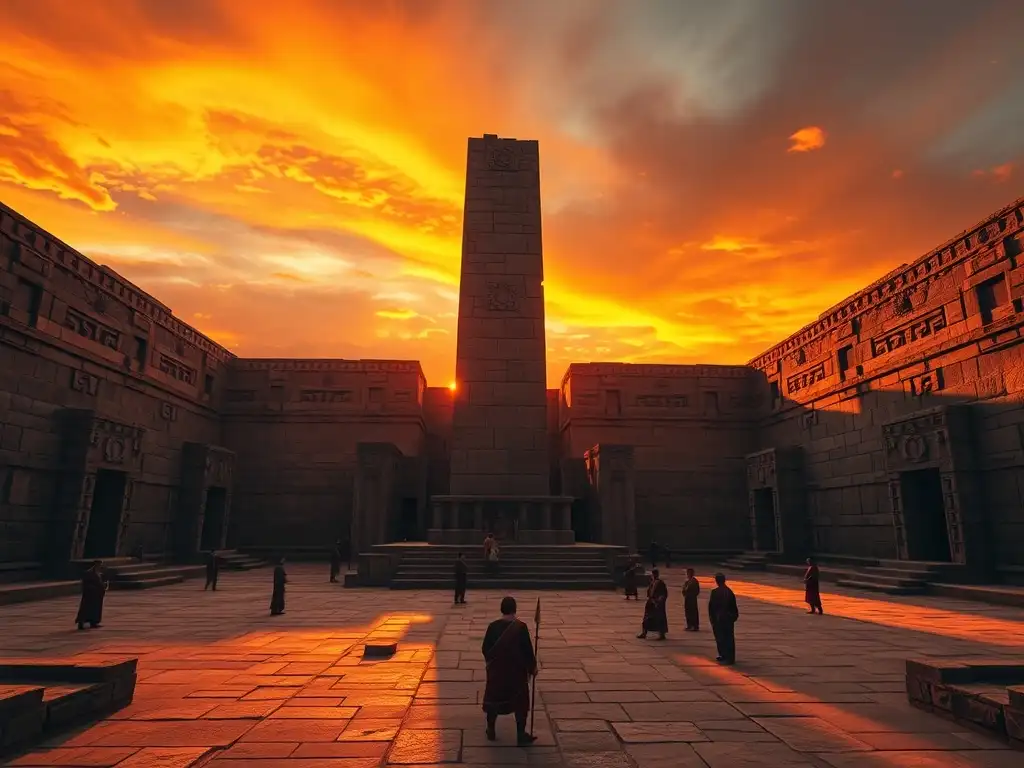
The strong religious element present in Tiahuanaco art and architecture suggests that religious leaders played a crucial role in shaping the civilization's leadership structure. The intricate iconography found throughout the site, often depicting deities and mythical creatures, indicates a complex religious belief system that likely intertwined with political power. The possibility of a theocratic leadership, where religious and political authority were closely linked, remains a compelling area of research.
Further study of the religious iconography and its evolution over time could help illuminate the nature of this relationship. This includes exploring the symbols' meanings and how they changed over the various phases of Tiahuanaco's history. The analysis of ritual objects found in both elite and commoner burials may shed light on the extent to which religious practices permeated all levels of society.
Unanswered Questions and Future Research
Despite significant progress in understanding Tiahuanaco's history, many questions about its leadership remain unanswered. Future research should focus on integrating interdisciplinary approaches, combining archaeological evidence with anthropological, ethnohistorical, and comparative studies. The development of new technologies, such as advanced imaging techniques and isotopic analysis, will undoubtedly contribute to a more nuanced understanding of Tiahuanaco's leaders and their society.
A comprehensive database of all known Tiahuanaco artifacts, including their contextual information, would facilitate collaborative research and accelerate progress in this field. The ultimate goal is to construct a more complete picture of Tiahuanaco’s complex social structure, moving beyond speculation and towards a more evidence-based understanding of its enigmatic leaders and their enduring legacy.
- The Challenges of Reconstructing Tiahuanaco's Leadership
- Interpreting Monumental Architecture as Evidence of Power
- Analyzing Burial Practices and Elite Goods
- The Role of Religion and Ideology in Tiahuanaco Leadership
- Unanswered Questions and Future Research
- Who were the leaders of Tiahuanaco, and what is known about them?
- What kind of power structure did Tiahuanaco have?
- How did Tiahuanaco leaders maintain control over their vast empire?
- What is the significance of the Tiahuanaco's religious beliefs in its leadership?
- What are the main sources of information about Tiahuanaco's leaders?
The Mystery Surrounding Tiahuanaco Leadership
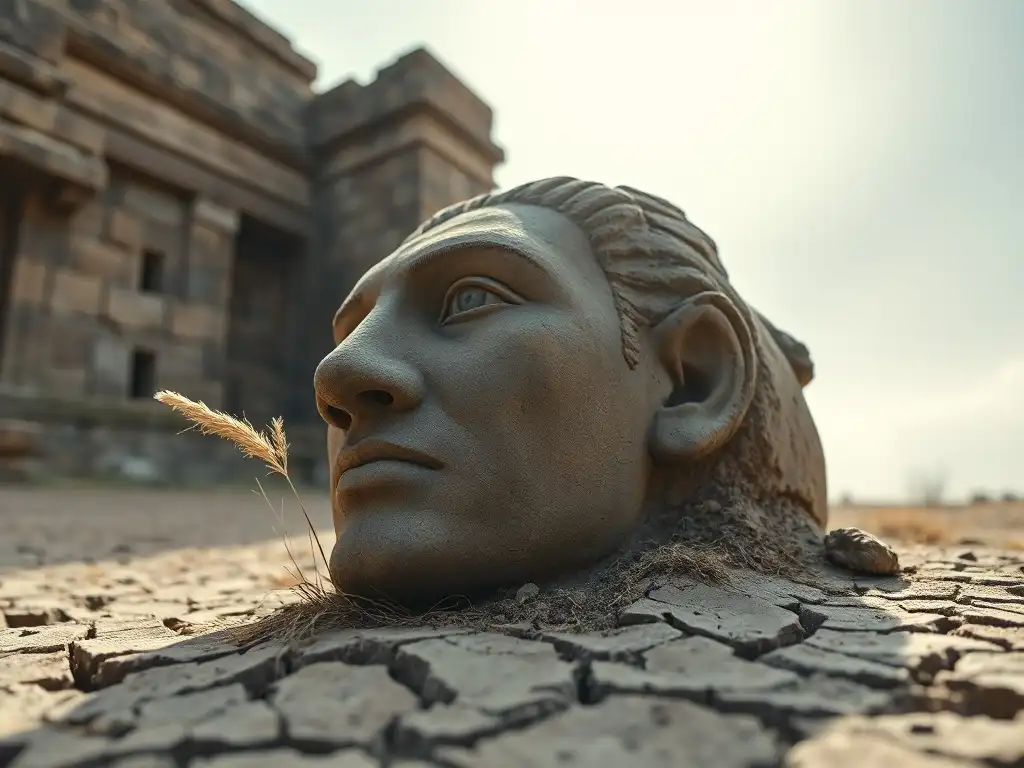
The history of Tiahuanaco, a powerful pre-Columbian civilization flourishing in the Andes between approximately 300 and 1000 CE, remains shrouded in mystery, especially concerning its leadership. Unlike some other Andean cultures that left behind extensive written records, Tiahuanaco's political organization and the identities of its key leaders are largely inferred from archaeological evidence and interpretations of iconography.
This lack of direct historical accounts presents significant challenges to historians and archaeologists attempting to reconstruct the intricate tapestry of Tiahuanaco's power dynamics and the roles of its rulers. Understanding the complexities of Tiahuanaco leadership requires careful consideration of the available evidence and an acknowledgement of the inherent uncertainties involved.
The very nature of power in Tiahuanaco, whether centralized under a single supreme leader or distributed amongst a ruling elite, continues to be a subject of scholarly debate, fueling ongoing research and fueling our fascination with this enigmatic civilization. The quest to uncover the true nature of Tiahuanaco's leadership is a journey through the fascinating, and often frustrating, world of archaeological interpretation.
Understanding the Political Structure of Tiahuanaco
Reconstructing Tiahuanaco's political structure is a complex undertaking. While the presence of monumental architecture, sophisticated urban planning, and a vast irrigation system points towards a highly organized society, the exact nature of its political organization remains debated. Some scholars propose a centralized state ruled by a powerful religious-political elite, perhaps a single paramount ruler or a council of leaders. This interpretation is often supported by the discovery of elaborate burial sites containing rich grave goods, suggesting a hierarchical social structure with distinct levels of power and prestige.
The iconography found on Tiahuanaco artifacts, often depicting figures in elaborate headdresses and regalia, is also cited as evidence for a ruling class. However, other researchers argue for a more decentralized system, with power distributed among various regional leaders or clans, perhaps united under a loose confederation. The absence of clear visual representations of a single, consistently depicted supreme ruler adds weight to this alternative perspective.
The scale of public works, however, strongly suggests some form of centralized authority capable of mobilizing large-scale labor forces. Further research, particularly focusing on the analysis of settlement patterns and the distribution of material culture, is crucial to refine our understanding of Tiahuanaco's political landscape. The question of whether Tiahuanaco was ruled by a single, powerful leader or by a council of elites remains a central point of contention amongst researchers specializing in Andean civilizations and Tiahuanaco leaders history.
Challenges in Identifying Specific Tiahuanaco Rulers
The identification of specific Tiahuanaco rulers poses an even greater challenge than understanding the overall political structure. Unlike many other ancient civilizations, Tiahuanaco has not yielded readily identifiable royal inscriptions or dynastic records. The absence of a written language significantly hampers efforts to name and trace individual rulers through time.
Archaeologists rely on indirect evidence, such as the analysis of burial contexts, the stylistic analysis of artifacts associated with particular sites, and interpretations of iconographic representations, to attempt to identify potential rulers. However, these methods are inherently interpretive and prone to ambiguity. For example, the discovery of a richly furnished tomb might suggest the burial of a high-ranking individual, possibly a ruler, but without additional contextual information, it is difficult to definitively confirm their status or even their identity.
Furthermore, the stylistic changes observed in Tiahuanaco art over time may reflect changes in ruling dynasties or shifts in power, but definitively connecting specific stylistic phases to named rulers remains an extremely difficult task. The lack of direct evidence makes assigning names and constructing lineages of Tiahuanaco rulers a daunting, ongoing process reliant on careful interpretation of fragmentary evidence.
Lack of Written Records: The Archaeological Puzzle
The absence of a written language in Tiahuanaco presents a significant obstacle to understanding its history, particularly the role and identity of its leaders. Unlike civilizations that left behind detailed chronicles or inscriptions, Tiahuanaco's story must be pieced together from archaeological finds. This means relying heavily on material culture – the objects and structures left behind – to interpret social structures and political organization.
Monumental architecture, such as the iconic Puerta del Sol (Sun Gate), and the sophisticated urban planning of the city itself, provide evidence of a complex and organized society, capable of large-scale construction projects. However, these structures offer little in the way of direct information about the individuals who orchestrated their construction or the political system that made them possible. The intricate carvings and iconography found on Tiahuanaco artifacts, while providing clues to religious beliefs and possibly social hierarchies, rarely offer clear information about specific rulers or their actions.
The challenge lies in interpreting these silent records, carefully analyzing the evidence, and acknowledging the limitations imposed by the absence of written documentation. This necessitates a multidisciplinary approach, combining archaeological findings with anthropological insights and the knowledge gained from related Andean cultures, to construct a more complete, albeit necessarily incomplete, picture of Tiahuanaco's past and its enigmatic leaders. This ongoing effort to decipher the "silent" history of Tiahuanaco is a testament to the enduring power of archaeological investigation and the enduring fascination with this remarkable civilization.
Evidence of Elite Power in Tiahuanaco Society
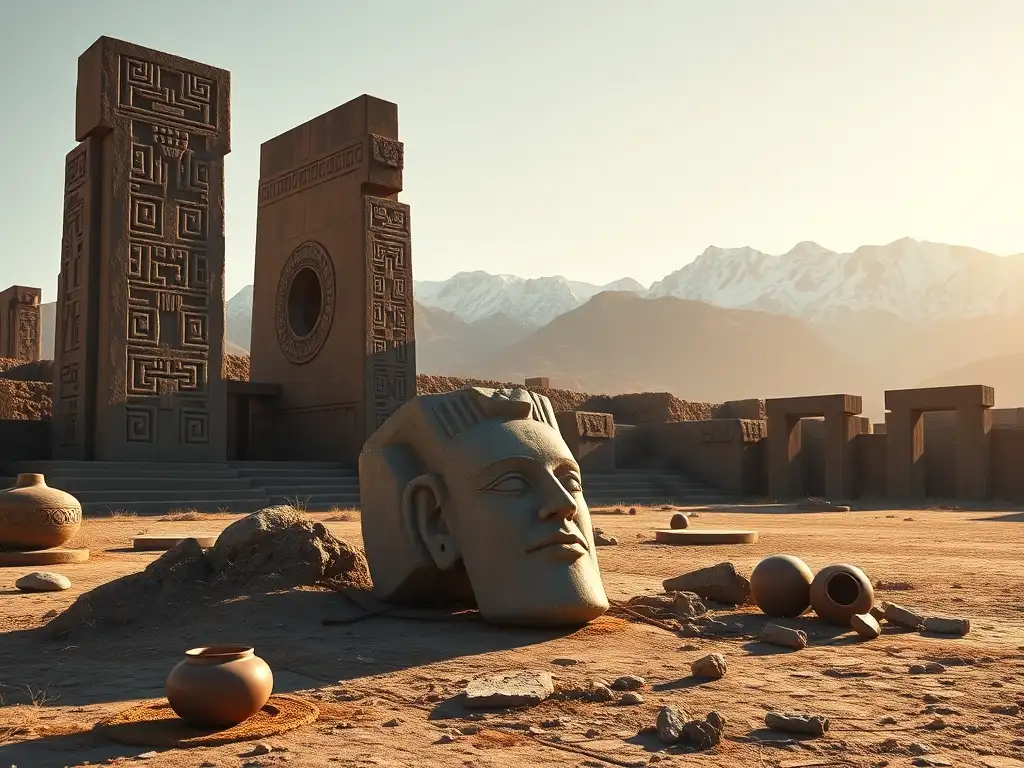
The formidable power structure of Tiahuanaco society is not readily apparent from surviving textual records, as the civilization lacked a writing system in the conventional sense. However, a wealth of archaeological evidence, particularly in monumental architecture and artistic representations, reveals a complex system of elite power and social stratification. Understanding the ways in which Tiahuanaco leaders projected their authority is key to deciphering the history of this enigmatic civilization.
This section will explore the architectural marvels and artistic iconography that serve as compelling testaments to the power wielded by Tiahuanaco's elite. Analyzing these aspects provides crucial insight into the political landscape and social hierarchy of this influential Andean culture. The study of Tiahuanaco leaders' history relies heavily on these non-textual sources.
The scale and sophistication of Tiahuanaco's architecture stand as powerful symbols of the elite's control over resources and labor. The sheer magnitude of these constructions, coupled with their intricate design and precise execution, speaks volumes about the organizational prowess and the centralized authority necessary to undertake such ambitious projects. The ability to mobilize and manage vast workforces underscores the power and influence wielded by those who directed these endeavors. This control extended beyond mere physical labor; it encompassed expertise in engineering, astronomy, and religious symbolism, all essential components in the construction of these impressive structures.
The Akapana Pyramid and its Symbolic Importance
The Akapana Pyramid, one of Tiahuanaco's most iconic structures, is believed to have served as a central religious and administrative hub. Its terraced design, intricate internal chambers, and elaborate water management systems point to a sophisticated understanding of engineering and cosmology.
The pyramid's prominent location within the city complex further emphasizes its importance as a symbol of elite power and religious authority. The precise function of its internal structures remains a subject of ongoing debate among scholars, but its sheer scale and complexity undoubtedly served to reinforce the authority of the ruling class.
Analyzing the material composition of the Akapana, including the different types of stone used and the construction techniques employed, reveals insights into the resources controlled by Tiahuanaco leaders and the level of organization required for its construction. Further research is needed to pinpoint the exact timeline of the Akapana's construction and its subsequent modifications, which would further illuminate the evolving power dynamics within Tiahuanaco society.
Kalasasaya and the Significance of Public Spaces
The Kalasasaya platform, another remarkable structure, showcases the Tiahuanaco elite's ability to control and manipulate public space. Its vast open area, surrounded by monumental stone walls and intricately carved monoliths, served as a focal point for public gatherings and ceremonies. The placement of monoliths, some depicting powerful figures, strategically controlled the flow of people and reinforced the visual dominance of the ruling class.
This controlled public space facilitated the dissemination of ideology and the reinforcement of the elite's authority. The meticulous arrangement of the stones, their precise alignment, and the careful selection of materials all suggest a high level of centralized planning and control, underscoring the power of the individuals or groups responsible for its creation. Further research into the calendrical and astronomical alignments of Kalasasaya could reveal additional insights into the ideological underpinnings of Tiahuanaco leadership.
Beyond architecture, the artistic expressions of Tiahuanaco provide further evidence of a highly stratified society where elite power was visually reinforced. The iconography employed in Tiahuanaco art, particularly in the carved monoliths and ceramics, reflects the social hierarchy and the symbolic representation of power.
Iconography as a Reflection of Social Hierarchy
The stylistic conventions and the specific motifs used in Tiahuanaco art clearly distinguish elite figures from commoners. Powerful individuals are often depicted wearing elaborate headdresses, adorned with symbolic regalia, and positioned in prominent locations within artistic compositions. These visual cues serve to reinforce their status and authority.
The repeated use of certain symbols, such as staffs, scepters, and specific types of clothing, further underscores the codified nature of power and status within Tiahuanaco society. Detailed analysis of the iconography, including the use of color, posture, and accompanying symbols, allows us to decipher the complex social hierarchy and the ways in which power was visually represented. Further research is needed to fully understand the symbolism of specific motifs and their evolving significance over time.
Depictions of Powerful Figures in Tiahuanaco Art
Specific examples of artistic representations of powerful figures in Tiahuanaco art include the iconic "Bennett Monolith" and other large-scale carvings. These monoliths often feature individuals in elaborate costumes, holding symbolic objects, and adopting postures that suggest authority and power.
The detail and skill displayed in these carvings demonstrate the high level of artistic expertise available to the elite and the resources they commanded. Studying the stylistic changes in these depictions over time can help us trace the evolution of power structures and the rise and fall of specific leaders or ruling lineages.
The careful examination of these artistic representations, coupled with analyses of the materials used and the techniques employed, provides essential insights into the worldview and self-representation of Tiahuanaco's elite. More detailed studies of individual artifacts and their context within the wider archaeological record are needed to fully grasp the nuances of Tiahuanaco's visual culture and its relationship to power.
Burial Practices and Elite Status in Tiahuanaco
The study of Tiahuanaco burial practices offers invaluable insights into the structure of its society and the markers of elite status. Unlike simpler burials found in less privileged areas, the interment rituals of the elite were elaborate and symbolic, reflecting their elevated position within the complex social hierarchy. Archaeological evidence reveals a clear distinction between the burial practices of commoners and those of the ruling class, highlighting the importance of death rituals in reinforcing social distinctions.
The careful placement of bodies, the inclusion of opulent grave goods, and the construction of monumental tombs all served to emphasize the power and prestige of the deceased elite. These practices weren't simply about disposing of the dead; they were powerful statements about social order and the enduring influence of the ruling class even beyond life.
Understanding these nuances allows us to piece together a more comprehensive picture of Tiahuanaco's social dynamics and the mechanisms that maintained its power structure. The careful excavation and analysis of these burial sites continue to yield new information, refining our understanding of Tiahuanaco's social organization.
Elaborate Tombs and Grave Goods
The tombs of Tiahuanaco's elite are far from simple graves. Instead, they represent significant architectural achievements, often constructed with carefully selected stones and intricate designs. These structures, sometimes located within larger complexes or even incorporated into monumental architecture, showcase the immense resources and skilled labor at the disposal of the ruling class.
Furthermore, the grave goods found within these elaborate tombs are strikingly different from those associated with commoner burials. While commoner graves might contain only basic utilitarian objects, elite tombs are filled with an abundance of precious artifacts. These include finely crafted ceramics, gold and silver ornaments, textiles of exceptional quality, and even items of exotic origin, suggesting extensive trade networks controlled by the elite.
The sheer quantity and quality of these grave goods serve as tangible evidence of the wealth and power accumulated by Tiahuanaco's leaders and their families. The careful arrangement of these artifacts within the tombs also suggests a complex system of beliefs and rituals surrounding death and the afterlife. The diversity of the objects further supports the idea of a stratified society with significant differences in access to resources and wealth.
Evidence of Social Stratification Through Burials
The stark contrast between elite and commoner burials provides compelling evidence of social stratification in Tiahuanaco society. Commoner burials are typically simpler, lacking the elaborate architecture and rich grave goods found in elite tombs. They often contain only a few basic possessions, reflecting a simpler lifestyle and limited access to resources.
This disparity isn't just a matter of individual wealth; it reflects a deeply ingrained social hierarchy where access to resources, status, and even the quality of afterlife rituals were determined by one's position within the social structure. The careful study of these burial sites, comparing the size, location, contents, and construction techniques of various tombs, has allowed archaeologists to reconstruct a detailed picture of Tiahuanaco's social pyramid. The evidence strongly suggests that burial practices were a key mechanism by which the elite maintained their power and reinforced social divisions.
The systematic differences in burial practices serve as a powerful visual representation of the social inequalities that characterized Tiahuanaco society, further solidifying the understanding of the power dynamics within the civilization. The analysis of skeletal remains also contributes to this understanding, with some studies suggesting differences in diet and overall health between elite and commoner populations. This data, combined with the evidence from grave goods and tomb construction, paints a vivid picture of a highly stratified society where power and privilege were clearly defined and meticulously maintained.
Theories on Tiahuanaco's Ruling Class
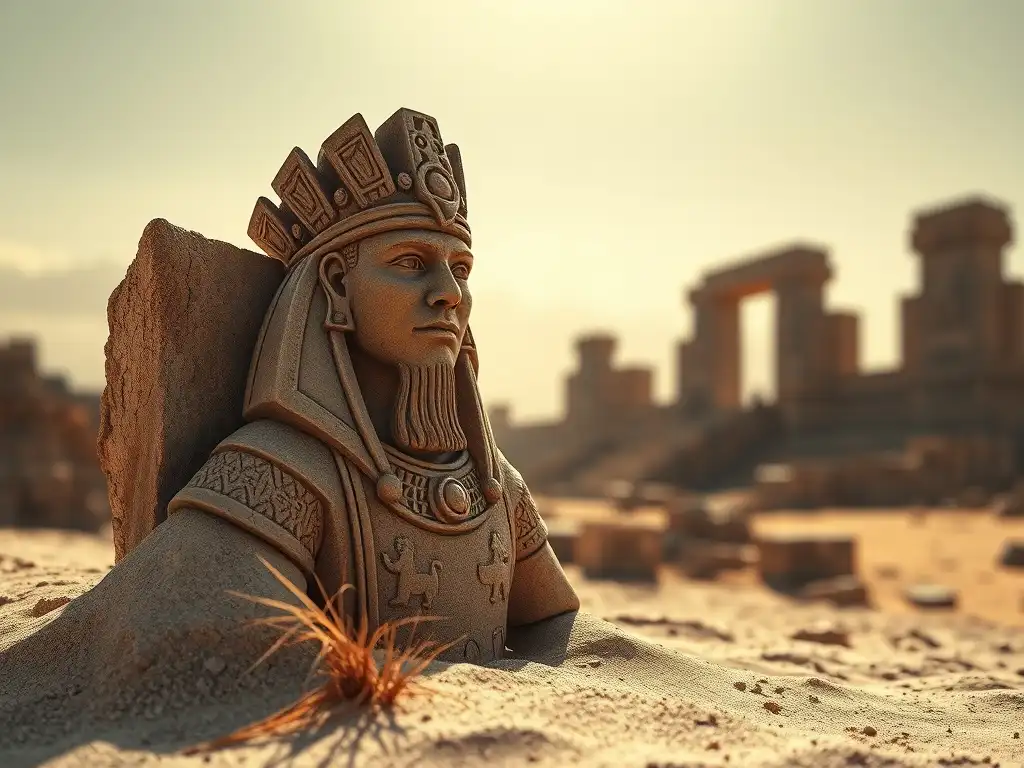
Unraveling the complexities of Tiahuanaco's political structure remains a significant challenge for archaeologists and historians. The absence of a comprehensive written record leaves us relying on archaeological evidence, iconography, and careful interpretation of limited textual sources from later Andean cultures that mention Tiahuanaco. Several compelling theories attempt to explain the nature of Tiahuanaco's ruling class and how power was wielded in this enigmatic civilization. Understanding Tiahuanaco leaders history requires considering various perspectives on the organization of their society.
The Role of Priests and Religious Leaders in Tiahuanaco
The imposing religious architecture of Tiahuanaco, characterized by monumental structures like the Kalasasaya and the Gate of the Sun, strongly suggests the significant role of religious leaders in the society. The intricate iconography adorning these structures depicts deities and ritualistic scenes, hinting at a powerful priestly class deeply intertwined with the political sphere.
Religious Authority and Political Power
It's plausible that religious authority translated directly into political power. Priests, acting as intermediaries between the divine and the earthly realm, could have held significant sway over the populace. Control over religious practices, including elaborate ceremonies and rituals, might have been a crucial element in maintaining social order and consolidating power.
The construction and maintenance of the monumental architecture itself would have required substantial organization and labor, further strengthening the priests' position as central figures in society. Evidence suggests that the monumental structures were not just temples, but also served civic and administrative functions, reinforcing this close relationship between religious and political power.
The Importance of the Sun God Viracocha
Viracocha, the creator god, features prominently in Tiahuanaco iconography. His representation on the Gate of the Sun and other artifacts suggests his central role in the religious beliefs of the civilization. The leaders, possibly priests themselves or closely associated with them, may have claimed divine legitimacy through their connection to Viracocha. This divine mandate would have solidified their authority and legitimized their rule, providing a powerful ideological basis for their control. Further research into the iconography and its interpretation could reveal more about the specific ways in which Viracocha's cult impacted the political structure.
The Hypothesis of a Hereditary Ruling Line
Another theory posits the existence of a hereditary ruling line in Tiahuanaco. This hypothesis is based on the observation of certain patterns in the archaeological record, though definitive proof remains elusive.
Evidence of Lineage and Succession
While direct evidence of a dynastic succession is lacking, the consistency in architectural style and iconographic motifs across different periods suggests a degree of continuity in leadership. The meticulous planning and execution of monumental construction projects also imply a stable and organized power structure capable of long-term planning and resource management, characteristics often associated with hereditary rule.
Analysis of burial sites, though challenging due to the limited preservation of organic materials, might reveal clues about family relationships and succession patterns among the elite. However, more detailed research and comparative studies with other Andean cultures are needed to strengthen this hypothesis.
The Possibility of Dynastic Rule
The possibility of a dynastic rule in Tiahuanaco opens up fascinating avenues of research. If confirmed, it would provide a framework for understanding the long-term stability and expansion of the civilization. The identification of specific rulers and their family ties would allow for a more nuanced understanding of decision-making processes and the distribution of power within the society.
This would also contribute significantly to our understanding of Tiahuanaco leaders history and its societal dynamics. Further investigation into the social stratification and kinship structures of Tiahuanaco is crucial to fully evaluate this hypothesis. The discovery of additional royal tombs or inscribed artifacts could provide the definitive evidence needed to support or refute this theory.
Alternative Perspectives on Tiahuanaco Governance
While the traditional view often depicts a centralized, hierarchical power structure in Tiahuanaco, alternative perspectives challenge this notion. Some scholars suggest a more complex system of governance, perhaps involving a council of elites rather than a single, all-powerful ruler. This interpretation is supported by the intricate iconography found on Tiahuanaco artifacts, which often depict multiple figures of seemingly equal importance, engaged in ritualistic or administrative activities. The lack of clear evidence of a single, dominant figure in the archaeological record also fuels this debate. Instead of grand palaces or monumental tombs associated with a supreme leader, the archaeological sites reveal a network of interconnected structures, hinting at a distributed power system.
This doesn't necessarily negate the existence of powerful individuals, but it suggests that their authority might have been more nuanced and less absolute than previously assumed. The complexity of the social organization suggests that governance might have been a shared responsibility, with decisions made through consensus or negotiation among different groups and influential figures. Further research into the societal structures and the distribution of resources is crucial to fully understand the dynamics of power within Tiahuanaco society. The absence of overtly opulent burial sites, unlike those found in other Andean civilizations, further supports the idea of a less rigidly hierarchical structure. Instead of concentrating wealth and power in the hands of a single ruler, it's possible that resources were distributed more evenly amongst the elite.
This distributed model of power would have required a different set of social mechanisms to maintain order and stability, potentially relying on religious authority, kinship ties, or a combination of both. This alternative perspective on Tiahuanaco's governance offers a richer and more nuanced understanding of the civilization's social and political landscape. It challenges us to move beyond simplistic models of power and consider the complexities of social organization in pre-Columbian societies. The ongoing debate highlights the importance of considering multiple interpretations when studying ancient civilizations and the need for further interdisciplinary research to solve the mystery of Tiahuanaco's enigmatic leaders.
The Influence and Legacy of Tiahuanaco Leaders
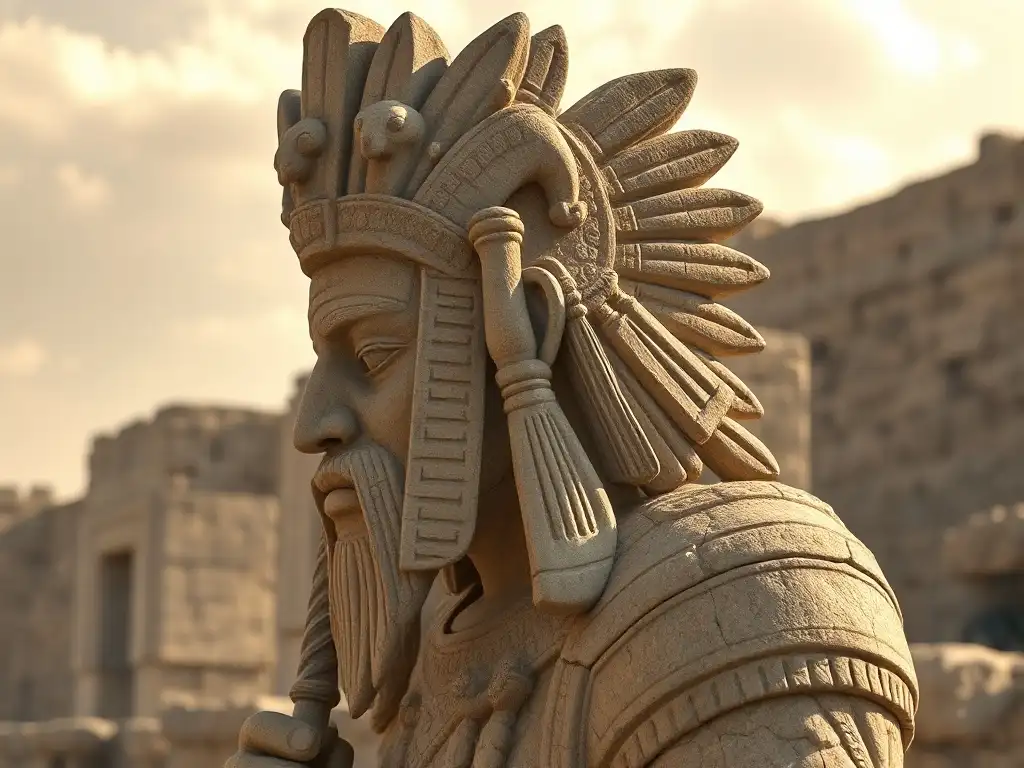
The enigmatic leaders of Tiahuanaco left an indelible mark on Andean history, shaping not only the political landscape of their time but also profoundly influencing subsequent civilizations. Their legacy extends beyond mere territorial control; it encompasses a sophisticated system of resource management, groundbreaking agricultural techniques, and a powerful cultural influence that resonated for centuries. Understanding the impact of Tiahuanaco's leaders is crucial to comprehending the trajectory of Andean civilization. This section delves into their significant contributions, focusing on the expansion of their empire, their economic prowess, and their lasting cultural impact.
Tiahuanaco's Expansion and Control of Resources
Tiahuanaco's leaders orchestrated a remarkable expansion, establishing control over a vast territory encompassing the Altiplano region and extending its influence to neighboring areas. This expansion wasn't solely a military feat; it was a strategic maneuver driven by the need to control vital resources. Their ability to manage and distribute resources effectively was a key factor in maintaining their power and sustaining their civilization. The intricate network of roads and infrastructure they developed facilitated the movement of goods and people, solidifying their control over the region. Evidence suggests the utilization of advanced surveying techniques 1 to optimize resource allocation across their expansive dominion. This meticulous planning allowed for efficient resource management, contributing significantly to the longevity and prosperity of the Tiahuanaco civilization. The careful organization of agricultural lands, water systems and mining operations all contributed to a powerful and stable economy.
Trade Networks and Economic Power
The Tiahuanaco leaders skillfully leveraged their control over resources to establish extensive trade networks. These networks facilitated the exchange of goods such as textiles, ceramics, and precious metals, generating significant economic power. The distinctive Tiahuanaco style of pottery and textiles, discovered in archaeological sites across a wide geographical area, provides compelling evidence of their far-reaching trade connections.
This trade wasn't merely a means of economic gain; it also served as a vehicle for cultural exchange and the dissemination of Tiahuanaco ideology. The economic strength derived from these trade networks allowed the leaders to fund large-scale public works projects, further solidifying their authority and prestige. Analysis of traded goods reveals a complex system of exchange, suggesting a sophisticated understanding of economics and market dynamics far beyond simple bartering.
Agricultural Innovations and Surplus Production
The success of Tiahuanaco also hinged on significant agricultural innovations. The leaders implemented advanced irrigation systems and terracing techniques to maximize crop yields in the challenging altiplano environment. This allowed for surplus production, providing the population with food security and freeing up labor for other activities such as construction, craft production, and the expansion of the empire. The ability to produce agricultural surpluses was critical to supporting a large population and a complex social hierarchy.
Archaeological evidence, including the remnants of sophisticated irrigation canals and raised fields, points to a level of engineering and agricultural understanding that was remarkably advanced for its time. The surplus production generated through these innovations was a cornerstone of Tiahuanaco's power, providing the resources necessary to sustain its growth and influence. This mastery of agriculture is a testament to the ingenuity and leadership of Tiahuanaco's rulers.
The Impact of Tiahuanaco Leadership on Later Andean Societies
The influence of Tiahuanaco's leaders extended far beyond their own time. Their legacy is clearly visible in the cultural and political development of subsequent Andean societies. The sophisticated administrative systems, architectural styles, and religious beliefs of Tiahuanaco had a profound and lasting impact on later civilizations, particularly the Inca Empire.
Cultural Diffusion and Ideological Influence
Tiahuanaco's cultural influence spread widely through trade, migration, and conquest. Many aspects of Tiahuanaco culture, including its religious iconography, architectural styles, and artistic motifs, were adopted and adapted by later Andean societies. The characteristic stepped pyramids and monumental architecture of Tiahuanaco served as inspiration for subsequent builders.
The spread of Tiahuanaco religious beliefs, possibly involving a sun god and other deities, is evident in the iconography found in later Andean cultures. The dissemination of Tiahuanaco's cultural and religious practices significantly contributed to the formation of a shared Andean identity that transcended individual ethnicities and kingdoms. This cultural diffusion created a sense of unity and common heritage across the Andean region.
Influence on the Inca Empire
The Inca Empire, one of the most powerful and influential Andean civilizations, shows clear evidence of Tiahuanaco's impact. Many aspects of Inca culture, including its administrative structures, architectural styles, and religious practices, bear a striking resemblance to those of Tiahuanaco. The Inca's highly centralized administrative system, for example, may have been influenced by the sophisticated organizational capabilities of Tiahuanaco.
Moreover, the Inca's adoption of certain religious beliefs and practices further underscores the enduring legacy of Tiahuanaco's leaders. The Inca state's impressive architectural feats also reflect the influence of Tiahuanaco's monumental architecture. The legacy of Tiahuanaco’s leaders played a crucial role in shaping the Inca Empire, contributing to its success and leaving an enduring mark on Andean civilization.
1 Further research is needed to specify the exact surveying techniques employed.
The Decline of Tiahuanaco and the Fate of its Leaders
The decline of Tiahuanaco, a process spanning several centuries rather than a single catastrophic event, remains a subject of ongoing scholarly debate. Several factors likely contributed to its gradual weakening and eventual abandonment. Environmental changes, including prolonged droughts and shifts in agricultural productivity, undoubtedly played a significant role. The intricate irrigation systems that sustained Tiahuanaco's large population may have become less effective, leading to food shortages and social unrest. This environmental stress likely exacerbated existing societal tensions, potentially weakening the central authority and its ability to maintain control.
Evidence suggests a shift in power dynamics within the region. While the exact nature of this shift remains unclear, it's plausible that rival groups, perhaps from Aymará populations or other Andean cultures, challenged Tiahuanaco's dominance. Archaeological findings indicate a decrease in the quality and quantity of Tiahuanaco-style artifacts in outlying regions, suggesting a weakening of its influence and control over trade networks. This loss of economic power further contributed to the city's decline.
The fate of Tiahuanaco's leaders during this period is largely unknown. We lack detailed historical records that offer specific accounts of their lives and deaths. However, we can infer potential scenarios based on the archaeological evidence and broader patterns of societal collapse in ancient civilizations.
Some leaders might have died of natural causes, while others may have perished in conflicts or been deposed in power struggles. The absence of elaborate burial sites comparable to those of earlier rulers suggests a possible decline in the ritualistic veneration of leaders, reflecting the changing social and political landscape. It's also possible that some leaders, facing the inevitable decline of their civilization, might have migrated to other regions, carrying with them knowledge and traditions that influenced subsequent Andean cultures.
The mystery surrounding their ultimate fate adds to the intrigue of Tiahuanaco's legacy, leaving ample room for future research and discovery. Uncovering more details about the lives and deaths of these leaders would greatly enhance our understanding of this pivotal era in Andean history.
Unveiling the Secrets: Future Research on Tiahuanaco Leadership
The history of Tiahuanaco's leadership remains shrouded in mystery, despite significant archaeological discoveries. Unlocking the complexities of their power structures requires a multifaceted approach, combining traditional archaeological methods with cutting-edge technologies and interdisciplinary collaboration. Further research into Tiahuanaco leaders' history is crucial to gain a more complete understanding of this influential Andean civilization. This section outlines key avenues for future investigation that could significantly enhance our knowledge of Tiahuanaco’s enigmatic rulers.
Ongoing Archaeological Investigations and Discoveries
Continued excavation and survey work at Tiahuanaco and its associated sites are paramount. While significant progress has been made, many areas remain unexplored or partially investigated. Focusing on areas like the Akapana pyramid, the Kalasasaya temple complex, and surrounding residential areas could yield crucial insights into the daily lives of elites and the broader social structure. For example, uncovering more intact residential structures associated with high-status individuals could reveal details about their material culture, indicating their specific roles and power within the society.
The discovery of additional monumental architecture, inscriptions, or even royal tombs could provide direct evidence of leadership succession, political alliances, and the nature of religious authority. Careful documentation of artifacts, including ceramics, textiles, and metalwork, found in these contexts will be vital in understanding the symbolic representation of power and the social stratification within the Tiahuanaco state. Detailed analysis of the spatial distribution of artifacts can also help researchers understand the organization of the city and the differential access to resources and prestige items.
The identification of new sites in the broader Tiahuanaco region could also shed light on the extent of their influence and the nature of their interactions with neighboring communities. This could provide a more nuanced understanding of the dynamics of power and influence within the Andean region during the Tiahuanaco period. Careful stratigraphic analysis is also critical to establishing chronological sequences and understanding the evolution of leadership over time.
New Technologies and Methodologies for Analysis
The application of advanced technologies offers exciting prospects for understanding Tiahuanaco leadership. For instance, non-invasive geophysical techniques, such as ground-penetrating radar (GPR) and magnetometry, can be used to map subsurface features and identify previously unknown structures without damaging the site. This could lead to the discovery of hidden tombs, ceremonial centers, or other significant features related to the elite.
Furthermore, advanced imaging techniques, like 3D laser scanning and photogrammetry, can create highly detailed digital models of existing structures, allowing for more precise analysis of architectural features and the identification of subtle details that might be missed during traditional fieldwork. These digital models can also be used to create virtual reconstructions of the city, providing a more comprehensive understanding of its layout and the spatial organization of power. Chemical analysis of artifacts and human remains can provide insights into diet, health, and social status, potentially revealing clues about the lives and lifestyles of Tiahuanaco's leaders.
Isotopic analysis of human remains, for example, could reveal where leaders were born and raised, potentially revealing information about inter-regional political relationships and alliances. Finally, the application of DNA analysis to human remains could reveal family relationships among the elite, clarifying patterns of succession and kinship. The use of these advanced technologies, coupled with traditional archaeological methods, will provide a more complete and nuanced understanding of Tiahuanaco's leaders and their role in the society.
The Importance of Interdisciplinary Collaboration
Understanding Tiahuanaco leadership necessitates a collaborative approach. Archaeologists need to work closely with specialists from other disciplines, including anthropologists, historians, art historians, and linguists. Anthropological studies can provide insights into the social and political organization of the society, while historical analysis can place Tiahuanaco within a broader chronological and geographical context.
Art historians can analyze the iconography of Tiahuanaco art to understand the symbolism of power and the representation of leaders. Linguistic research, if applicable, could help decipher inscriptions and reveal information about the beliefs and ideologies of the elite. This interdisciplinary approach is crucial for moving beyond isolated findings and constructing a comprehensive and nuanced understanding of Tiahuanaco's leaders and their impact on society.
Combining expertise from various fields allows for a more holistic interpretation of the available evidence, leading to a more robust and accurate reconstruction of Tiahuanaco's history. The collaborative effort will not only help unravel the secrets of Tiahuanaco's leaders but also contribute to a broader understanding of complex social structures and power dynamics in ancient Andean societies. This integrated approach is essential for a comprehensive understanding of Tiahuanaco leadership, fostering a more robust and complete narrative of this influential civilization.
Frequently Asked Questions
Who were the leaders of Tiahuanaco, and what is known about them?
The identities of Tiahuanaco's leaders remain largely enigmatic. While archaeological evidence suggests a complex hierarchical society, specific names and details about individual rulers are scarce. Religious figures likely held significant power.
What kind of power structure did Tiahuanaco have?
Tiahuanaco's power structure was likely hierarchical, with a ruling elite controlling resources and labor. Evidence suggests a theocratic element, where religious leaders held considerable influence alongside, or perhaps above, political leaders. The exact nature of the relationship between religious and secular power remains debated.
How did Tiahuanaco leaders maintain control over their vast empire?
Maintaining control involved a combination of military might, religious authority, and economic control. The impressive infrastructure suggests organized labor and effective administration, while the standardization of artifacts hints at centralized power. The exact methods, however, remain a subject of ongoing research.
What is the significance of the Tiahuanaco's religious beliefs in its leadership?
Religious beliefs were deeply intertwined with the power structure. Leaders likely held priestly roles, using religious authority to legitimize their rule and maintain social order. Religious rituals and ceremonies likely played a crucial role in reinforcing their power and influence.
What are the main sources of information about Tiahuanaco's leaders?
Information comes primarily from archaeological findings, such as monumental architecture, ceremonial objects, and burials. While written records are lacking, careful analysis of these materials offers clues about the society's organization and the role of its leaders.
Final Reflection: Echoes of Power in the Andes
The legacy of Tiahuanaco's enigmatic leaders continues to resonate today, a testament to the enduring power of sophisticated societal structures and ambitious engineering feats. Their sophisticated understanding of astronomy, agriculture, and urban planning, coupled with their ability to mobilize vast resources for monumental construction projects, stands as a remarkable achievement in pre-Columbian history. Understanding their methods offers valuable insights into the complexities of early civilizations and the enduring human drive for societal advancement.
The influence of Tiahuanaco's culture extends far beyond its geographical boundaries, shaping the cultural landscape of the Andes for centuries to come. Its artistic motifs, religious beliefs, and administrative systems left an indelible mark on subsequent Andean societies. The very mystery surrounding these leaders fuels ongoing research and inspires awe, reminding us of the vast unknowns that still exist in our understanding of the past. The past is never dead. It's not even past.
- William Faulkner. This quote perfectly encapsulates the enduring relevance of Tiahuanaco's story and its continued impact on our understanding of human history.
Consider the echoes of Tiahuanaco's ambition in your own life. What monumental tasks do you strive for? What structures, both physical and societal, do you hope to build? Let the story of Tiahuanaco's leaders inspire you to pursue your own goals with unwavering determination and a deep appreciation for the enduring power of human ingenuity. Embrace the challenge of unraveling the mysteries of your own world, just as archaeologists continue to uncover the secrets of this fascinating ancient civilization.
Unlock the Mysteries of Tiahuanaco's Leaders!
Thank you for exploring the fascinating world of Tiahuanaco with us! By uncovering the secrets of its enigmatic rulers, you've gained valuable insights into the rich history and cultural significance of this ancient civilization. Let's build on this knowledge and explore ways to further engage with this remarkable culture.
Here are some exciting next steps:
- Dive deeper: Research a specific ruler, such as the enigmatic figure of Puma Punku's architect, or a particular monument like the Gate of the Sun, and share your findings with friends or on social media to spark conversations about Andean history.
- Visit Tiahuanaco: Plan a trip to Bolivia to explore the site firsthand. Experiencing its majesty in person will bring this ancient history to life in a profoundly moving way.
- Join a community: Connect with fellow history enthusiasts by joining online forums dedicated to Andean civilizations or visiting local museums that showcase their artifacts and culture.
What aspects of Tiahuanaco's leadership most intrigue you, and how would you like to explore them further?