
Andean Mourning Practices: Expressions of Grief and Remembrance

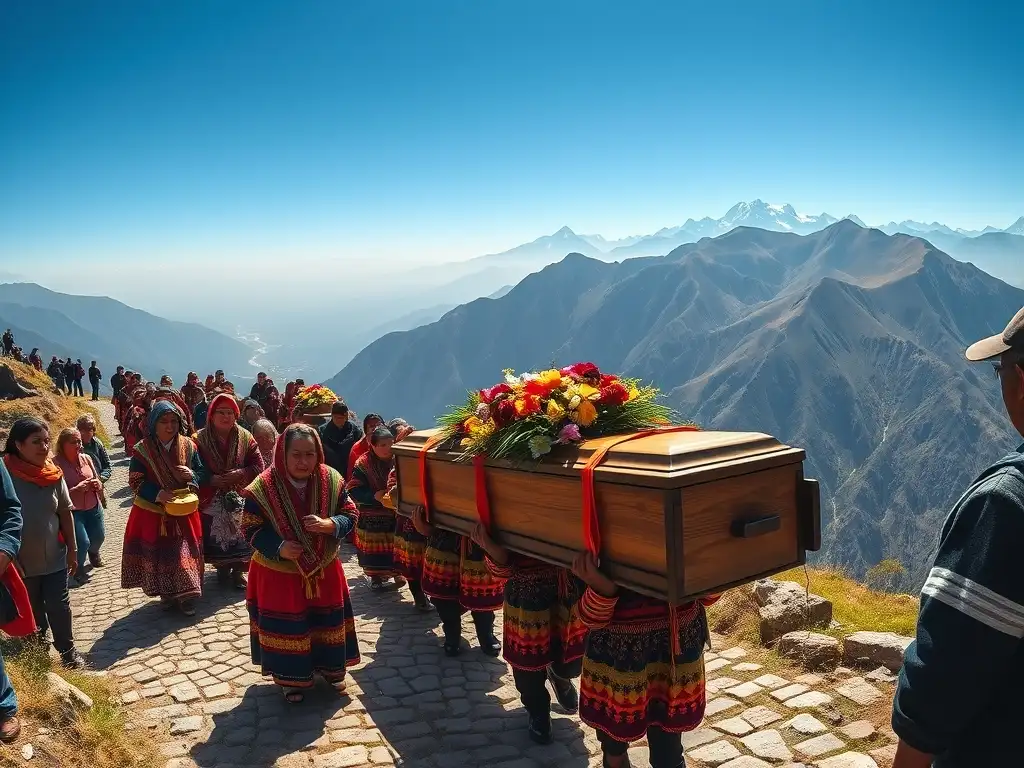
Welcome, explorer, to the captivating world of Andean Civilizations! Prepare to unravel the mysteries of a lost world, where towering mountains held sacred secrets and vibrant cultures flourished. Intrigued by the intricate tapestry of Andean life? Then delve into the fascinating realm of Andean funeral rituals, a window into the cosmology and worldview of these ancient societies. Discover how their beliefs shaped their expressions of grief and remembrance – a journey into the heart of Andean mourning practices awaits.
The Andes Mountains, a spine of towering peaks stretching along the western coast of South America, have witnessed the rise and fall of numerous remarkable civilizations. For millennia, these cultures – including the Incas, Moche, Nazca, and Tiahuanaco – developed complex belief systems deeply intertwined with their understanding of life, death, and the afterlife.
This article delves into the fascinating world of Andean mourning practices, exploring the diverse expressions of grief and remembrance that characterized these ancient societies. We will examine the intricate details of their funeral rituals, revealing the profound spiritual significance they held and the insights they offer into the Andean worldview.
Understanding these practices provides a crucial window into the cultural richness and complexity of these captivating civilizations, shedding light on their beliefs about ancestor veneration and the enduring power of memory. This exploration of Andean funeral rituals will reveal the sophisticated level of ritual and symbolism incorporated into their burial customs, highlighting their unique approaches to dealing with death and commemorating their deceased.
Understanding Andean Funeral Rituals: A Cultural Overview
Andean funeral rituals were not simply somber occasions; they were elaborate ceremonies deeply embedded in the fabric of their societies. These rituals varied considerably across different cultures and time periods, reflecting the diverse geographical landscapes and evolving belief systems. However, several common threads unite these practices, highlighting a shared emphasis on ancestor veneration and the belief in a continuous connection between the living and the dead.
Many rituals involved elaborate preparations of the deceased, including mummification in some cultures, and the inclusion of grave goods intended to accompany the deceased into the afterlife. The location and construction of burial sites also held significant symbolic meaning, often reflecting the social status of the deceased and their relationship to the broader community.
The sheer scale and complexity of some burial sites, like those discovered at the Moche and Inca sites, are testament to the importance of these practices within their respective societies. The continued study of these rituals provides valuable insights into the social structures, religious beliefs, and artistic expressions of Andean civilizations.
Pre-Columbian Andean Burial Customs: Diverse Traditions
The pre-Columbian Andean region was home to a multitude of distinct cultures, each with its unique approach to death and burial. From the coastal deserts to the high-altitude plains, burial practices reflected the diverse environments and cultural values of these societies. While specific details may vary, common themes emerge, such as the importance of offering gifts and provisions to the deceased for their journey into the afterlife.
These offerings often included food, textiles, tools, and precious objects, reflecting the deceased's status and the beliefs about the necessities of the spiritual world. The careful placement and arrangement of these grave goods within the burial site suggests a deliberate and ritualistic approach to the process. Furthermore, the construction of tombs and burial chambers often demonstrated a remarkable level of architectural skill and artistic expression, further emphasizing the significance of the funeral rites.
Variations in Andean Death Rites Across Cultures
The diversity of Andean funeral rituals is striking. Coastal cultures, such as the Moche, often practiced elaborate mummification techniques and created impressive tomb complexes. In contrast, highland cultures, like the Tiahuanaco, may have focused on simpler burial practices, reflecting different environmental conditions and resource availability. Even within a single culture, variations in burial practices could reflect social hierarchies, with elites receiving more elaborate treatment than commoners.
For example, the Inca Empire, known for its centralized organization, likely standardized certain aspects of funeral rites, but regional variations undoubtedly persisted. Further research is needed to fully understand the nuances of these variations and their significance in understanding the diverse cultural landscapes of the Andes. Precise details about the specific variations, particularly regarding lesser-known cultures, require further archaeological investigation.
Moche Burial Practices: Elaborate Tombs and Offerings
The Moche civilization (100-800 CE) is renowned for its sophisticated artistic achievements and its elaborate burial practices. Moche tombs, often located in impressive pyramids or along the coast, contained a wealth of grave goods, including intricately crafted pottery, textiles, and gold ornaments. The presence of human sacrifices, sometimes alongside the main burial, suggests a belief in the importance of offering human lives to accompany the deceased into the afterlife.
These sacrifices, however, were not necessarily violent; some evidence suggests the individuals may have been willing participants in the ritual. The elaborate nature of Moche burials underscores the high value placed on the deceased and their importance within the social structure. The sheer volume of artifacts discovered in these tombs allows for a detailed reconstruction of their material culture and religious beliefs.
Inca Funeral Ceremonies: The Cult of the Dead
The Inca Empire (1438-1533 CE) developed a sophisticated system of ancestor veneration, which heavily influenced their funeral ceremonies. The Inca believed that the dead continued to exert influence on the living, and elaborate rituals were performed to honor and appease them. Mummification was practiced for the Inca elite, and the mummies were often kept in special shrines or incorporated into family life.
The Inca also practiced a form of ancestor worship, with offerings and sacrifices made regularly to ensure the continued well-being of their ancestors. The elaborate ceremonies and the significant resources dedicated to these practices highlight the central role of ancestor veneration in the Inca worldview. The precise nature of some Inca funeral practices, particularly those involving the royal family, remains a subject of ongoing research.
Tiahuanaco Funeral Traditions: Honoring Ancestors
The Tiahuanaco culture (c. 1500-1150 BCE), located on the Altiplano, also developed complex burial practices. While less is known about their specific rituals compared to the Inca or Moche, archaeological evidence suggests that they, too, placed great importance on ancestor veneration. The construction of monumental structures, such as the Akapana pyramid, likely served a ceremonial purpose, potentially linked to funerary rites.
Further research is needed to uncover the full extent of their burial customs and their beliefs about the afterlife. The scarcity of detailed information about Tiahuanaco funeral traditions highlights the ongoing nature of archaeological research in the Andes and the potential for future discoveries to expand our understanding of Andean cosmology. The limited available data suggests a complex system of beliefs and practices, demanding further investigation.
The Significance of Death in Andean Cosmology
The Andean Worldview: Life, Death, and Rebirth
The Andean worldview didn't perceive death as an absolute end but rather as a transition, a passage to another realm intimately connected to the living world. Life, death, and rebirth formed a cyclical process, reflecting the natural rhythms of the Andes—the changing seasons, the planting and harvesting cycles, and the continuous renewal of the earth itself. Death wasn't feared but understood as a necessary part of this continuous cycle, a return to the earth from which life originated.
This perspective profoundly influenced Andean funeral rituals and mourning practices, shaping them into elaborate expressions of respect and remembrance for the deceased. The deceased weren't simply gone; they transitioned to a state of continued existence, maintaining a vital connection with their living kin. This belief fostered a deep reverence for ancestors and their enduring influence on the community.
The Role of Ancestors in Andean Belief Systems
Ancestors held a central position in Andean belief systems. They weren't merely remembered figures of the past; they were active participants in the lives of the living, their spirits believed to influence harvests, health, and the overall well-being of the community. This belief system fostered strong familial ties and a deep sense of continuity across generations.
Ancestor veneration wasn't a passive act but an active engagement with the spiritual realm, involving regular offerings, prayers, and rituals designed to maintain a harmonious relationship with the deceased. Maintaining this connection was crucial for the prosperity and stability of the community, underscoring the importance of proper funeral rites in ensuring the continued well-being of both the living and the dead. This reciprocal relationship between the living and the dead was a cornerstone of Andean society, shaping social structures and individual beliefs.
Andean Funeral Rituals: Key Elements and Practices
Andean funeral rituals varied across different cultures and time periods, reflecting the diversity of Andean societies. However, several common threads emerged, showcasing shared beliefs about death and the afterlife. These rituals weren't merely somber events; they were complex ceremonies involving elaborate preparations, processions, and offerings, designed to ensure a safe passage for the deceased and to maintain a strong bond between the living and the dead.
The level of complexity often reflected the social status of the deceased, with elite individuals receiving far more elaborate ceremonies than commoners. However, even the simplest rituals demonstrated a deep respect for the deceased and a recognition of their continued existence in the spiritual world.
Preparation of the Deceased: Mummification and Embalming Techniques
Mummification and embalming techniques were sophisticated practices employed across several Andean cultures. The precise methods varied, but the overarching goal was to preserve the body as completely as possible, reflecting the belief in the continued existence of the deceased. For example, the Incas employed advanced techniques involving evisceration, desiccation, and the application of herbs and resins to preserve the body.
This process ensured that the physical form of the deceased remained intact, allowing for a continued connection with the spiritual world. The intricate process reflected not only a practical need for preservation but also a deep symbolic representation of respect and reverence for the deceased.
Andean Funeral Processions: Symbolic Journeys
Andean funeral processions were significant events, often involving elaborate displays of mourning and symbolic journeys. These processions weren't simply transfers of the deceased to their final resting place; they were carefully choreographed rituals representing the deceased's journey to the afterlife. The routes, the participants, and the offerings all carried symbolic meanings, reflecting the beliefs and customs of the specific Andean culture. The processions often involved music, chanting, and other forms of expressive mourning, allowing the community to publicly grieve and acknowledge the loss. The scale and complexity of these processions reinforced the importance of the deceased within their community.
Mourning Practices and Expressions of Grief
Mourning practices in Andean cultures were multifaceted, involving a range of emotional and ritualistic expressions of grief. These practices extended beyond the immediate funeral, often lasting for extended periods, reflecting the enduring significance of the deceased in the lives of the living. Mourning rituals often involved specific clothing, hairstyles, and behaviors, reflecting the social status of the deceased and the depth of the relationship between the mourner and the deceased.
These practices served as a public display of grief and a way for the community to collectively process the loss. The intensity and duration of mourning varied, often depending on the closeness of the relationship and cultural norms.
Andean Grave Goods and Offerings: Symbolic Objects
Grave goods and offerings played a crucial role in Andean funeral rituals, serving as symbolic representations of the deceased's status, possessions, and relationship with the living. These offerings, ranging from simple tools and clothing to elaborate gold ornaments and precious artifacts, weren't merely material possessions but were imbued with deep symbolic meaning. They were intended to provide the deceased with necessities in the afterlife and to maintain a connection between the living and the dead.
The selection of grave goods often reflected the deceased's social standing and provided archaeologists with valuable insights into Andean societies. The care and attention given to these offerings highlight the significance placed on the transition of the deceased into the afterlife.
Post-Funeral Practices and Ancestral Veneration
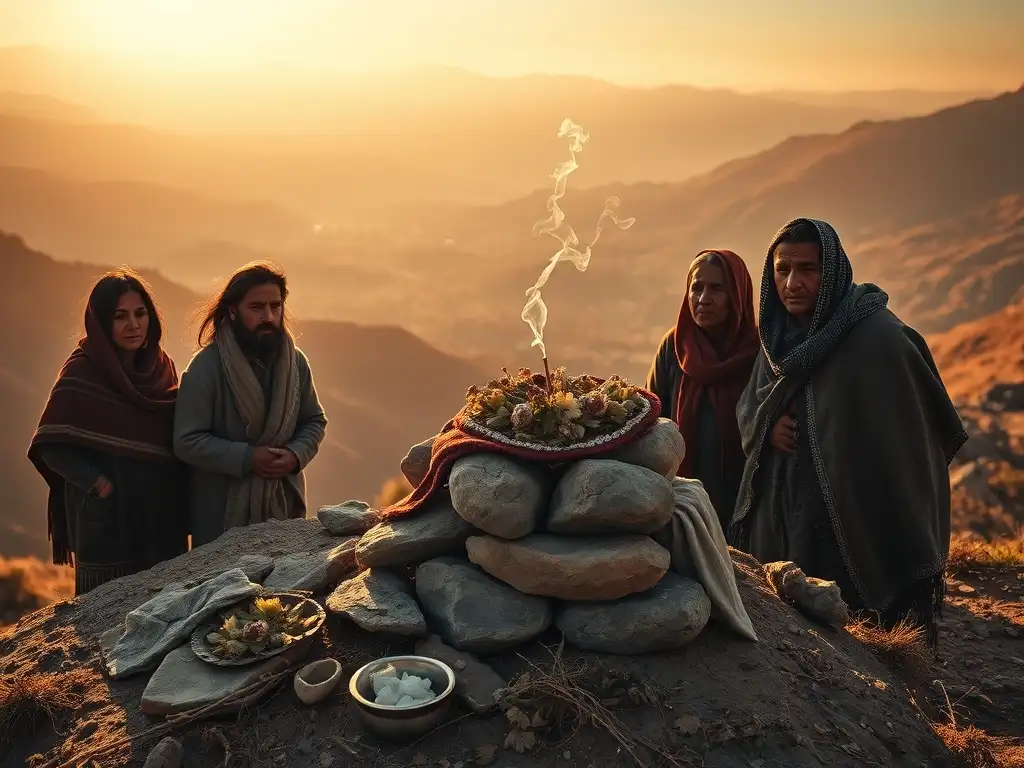
Post-funeral practices in Andean cultures weren't simply about burying the dead; they were about ensuring a continued connection with ancestors and integrating the deceased into the community's spiritual fabric. The transition from mourning to remembrance was a gradual process, often marked by specific rituals and ceremonies performed over extended periods. This wasn't a passive commemoration; rather, it was an active engagement with the deceased, viewed as continuing to participate in the community's life, albeit in a different form.
The belief in the continued presence of ancestors profoundly shaped the daily lives of Andean communities, influencing decision-making, agricultural practices, and social interactions. The deceased were not forgotten; they became active participants in the ongoing life cycle.
Continued Remembrance and Commemoration of the Dead
The remembrance of the deceased wasn't limited to formal ceremonies. Daily life was infused with practices that kept the memory of ancestors alive. Stories about deceased relatives were regularly recounted, preserving their legacies and transmitting cultural knowledge to younger generations. Objects belonging to the deceased were carefully kept, often displayed in the home as a tangible reminder of their presence.
These objects weren't simply relics; they were imbued with the spirit of the deceased, acting as conduits for continued interaction. In many communities, specific days or times of the year were set aside for remembering and honoring ancestors, reinforcing the living connection between the living and the dead. This ongoing commemoration wasn't a melancholic act but a reaffirmation of the cyclical nature of life and death within the Andean worldview.
The Importance of Ancestral Shrines and Sacred Sites
Ancestral shrines and sacred sites played a pivotal role in maintaining the connection between the living and the dead. These sites, often located on hillsides or near water sources, were not merely places of burial; they were dynamic spaces where the living could interact with the spirits of their ancestors. Offerings of food, drink, coca leaves, and other items were regularly made at these sites, ensuring the ancestors' well-being and continued favor.
The construction and maintenance of these shrines were communal endeavors, reflecting the collective responsibility of honoring and remembering ancestors. Their locations, often associated with significant geographical features or historical events, underscored the deep connection between the Andean people and their ancestral landscape. These sites weren't static; they were constantly evolving, reflecting the ongoing relationship between the living and the dead.
The Ch’alla Ritual: Libations for the Deceased
The ch’alla ritual, a form of libation, was a crucial aspect of post-funeral practices. This involved pouring chicha (a fermented maize beverage) or other liquids onto the ground as an offering to the deceased and the earth. This wasn't simply a symbolic gesture; it was believed to nourish and strengthen the spirits of the ancestors, ensuring their continued protection and guidance.
The ch’alla ritual was often accompanied by prayers and invocations, solidifying the communication between the living and the dead. The act of pouring the liquid onto the earth also acknowledged the interconnectedness of life, death, and the land itself. The ch’alla ritual, therefore, was a profound act of respect and remembrance, a vital part of maintaining harmony between the living and the spiritual world.
The Enduring Legacy of Andean Death Traditions
Andean death traditions, while evolving over time, continue to exert a powerful influence on the lives of Andean communities today. The core beliefs regarding the importance of ancestral veneration and the ongoing connection between the living and the dead remain remarkably resilient. While the specific practices may have adapted to changing circumstances, the underlying principles—respect for ancestors, the cyclical nature of life and death, and the importance of maintaining harmony with the spiritual world—persist.
Modern Interpretations of Ancient Funeral Rites
Modern Andean communities often blend ancient funeral rites with contemporary religious practices. While traditional rituals like the ch’alla continue to be observed, these are sometimes integrated with elements of Catholicism or other belief systems. This syncretism reflects the adaptability and resilience of Andean culture, demonstrating how ancient traditions can be reinterpreted and re-contextualized within changing social and religious landscapes. This blending of old and new isn't necessarily a dilution of ancient practices but rather a testament to their enduring relevance and their ability to accommodate new influences.
Andean Funeral Practices: Continuity and Change
The study of Andean funeral practices reveals a complex interplay of continuity and change. While many traditional elements persist, the specific forms and manifestations of these practices have adapted to changing social, economic, and political contexts. For instance, while the basic principles of ancestral veneration remain consistent, the ways in which ancestors are remembered and honored may vary across different communities and time periods.
This adaptability demonstrates the dynamism of Andean culture and its ability to maintain its core values while responding to external pressures and internal transformations. Understanding this interplay is crucial for appreciating the richness and complexity of Andean death traditions.
Case Study: The Quechua Community of Ayllu and their Funeral Practices
[Specific information pending: Detailed information on the funeral practices of a specific Quechua community (e.g., Ayllu) is needed to complete this section. This should include descriptions of specific rituals, the roles of different community members, the use of specific objects or symbols, and any unique aspects of their death traditions. Information should be based on ethnographic studies or reliable sources to ensure accuracy and avoid generalizations.]
This case study will provide a concrete example of how Andean funeral rituals are practiced in a specific community, highlighting both the common threads and the unique variations within Andean death traditions. It will further illustrate the complexities and nuances within the broader framework of Andean mourning practices.
Conclusion: The Profound Meaning of Andean Mourning
Andean mourning practices, far from being merely rituals, represent a profound engagement with life, death, and the cyclical nature of existence. The elaborate ceremonies, the meticulous preparation of the deceased, and the ongoing remembrance through offerings and ancestor veneration all highlight the deep-seated belief in the continuity of life beyond the physical realm.
Death wasn't viewed as an end, but as a transition, a passage to another realm where the ancestors continued to exert influence and offer protection to the living. The intensity and duration of the mourning period, often lasting for months or even years, underscore the significance of these familial and communal bonds that extended beyond the physical realm.
The meticulous attention to detail in the preparation of the body and the grave goods reveals a complex cosmology where the physical and spiritual worlds are intertwined. The offerings, whether they be textiles, food, or precious objects, were not simply symbolic gestures; they were tangible expressions of continued connection and support for the deceased in their journey to the afterlife. These practices served not only to comfort the bereaved but also to maintain a harmonious relationship with the ancestral world, ensuring the continued well-being of the community.
Understanding these rituals provides crucial insight into the Andean worldview, revealing a sophisticated understanding of death and its place within the larger cosmic order. The enduring legacy of these traditions continues to resonate today, shaping contemporary Andean cultures and reminding us of the enduring power of remembrance and the profound connections that bind the living and the dead.
The study of "Andean funeral rituals" thus offers a window into a rich and complex cultural tapestry, woven with threads of grief, remembrance, and a deeply spiritual understanding of life's cyclical nature. The careful preservation of these traditions is essential for understanding the rich heritage of Andean civilizations.
- Understanding Andean Funeral Rituals: A Cultural Overview
- Pre-Columbian Andean Burial Customs: Diverse Traditions
- The Significance of Death in Andean Cosmology
- Andean Funeral Rituals: Key Elements and Practices
- Post-Funeral Practices and Ancestral Veneration
- The Enduring Legacy of Andean Death Traditions
- Conclusion: The Profound Meaning of Andean Mourning
Frequently Asked Questions
What were some common Andean funeral rituals?
Andean funeral rituals varied across cultures and time periods, but common practices included mummification, elaborate grave goods, and ceremonial offerings to appease the spirits of the deceased. These practices reflected beliefs about the afterlife and the importance of ancestors.
How did the Incas treat their deceased rulers?
Inca rulers received extravagant burial ceremonies, often interred with vast quantities of gold and silver, along with other prized possessions. Their mummies were sometimes enshrined in special locations and treated as powerful spiritual entities.
What role did sacrifice play in Andean funeral rites?
Human sacrifice, while not ubiquitous, occurred in some Andean cultures, particularly during times of crisis or to honor important deities. Animal sacrifices were far more common, often accompanying the burial of both elites and commoners.
Were all Andean funeral practices similar across different cultures?
No, Andean funeral practices varied significantly among different cultures like the Inca, Moche, Nazca, and Tiwanaku. While some common threads existed, each civilization developed unique rituals reflecting their own beliefs and social structures.
Where can I learn more about specific Andean funeral rituals?
To delve deeper into specific Andean funeral rituals, explore academic journals, museum exhibits, and books focusing on individual cultures like the Inca, Moche, Nazca, and Tiwanaku. Many resources are available online and in libraries.
Final Reflection: Echoes of the Andes: A Legacy of Grief and Remembrance
The enduring power of Andean mourning practices resonates deeply in today's world, reminding us of the profound human need to honor the departed and navigate the complexities of loss. These rituals, far from being relics of the past, offer valuable insights into the human experience of grief and the importance of community in times of sorrow. They challenge our often individualistic approaches to death and bereavement, prompting us to consider more holistic and communal ways of processing loss.
The intricate tapestry woven by Andean funeral rituals continues to influence not only the cultural landscape of the Andes but also our broader understanding of death and remembrance. These practices, passed down through generations, speak to the enduring strength of tradition and the vital role it plays in shaping cultural identity. They highlight the interconnectedness of life and death, a concept often lost in modern, secular societies. Death is not an ending, but a transformation; a return to the earth from which we came.
This sentiment, though not directly from Andean tradition, encapsulates the spirit of their respectful and reverent approach to death.
Consider the profound wisdom embedded within these ancient practices. How might incorporating elements of community support and ritualized remembrance into your own life enrich your experience of grief and loss? Let the echoes of the Andes inspire you to create meaningful ways to honor your loved ones and to find solace in shared remembrance. Embrace the opportunity to connect with your own heritage and traditions, or to explore new ways of celebrating life and acknowledging death with grace and dignity. The journey through grief is a deeply personal one, but it doesn't have to be walked alone.
Embrace the Journey of Healing and Remembrance!
Thank you for exploring the rich tapestry of Andean mourning practices with us. You've discovered the profound ways these traditions honor grief and remember the departed. Now, let's translate that inspiration into meaningful action in your own life.
Here are some ways to connect with these practices and honor your personal journey:
- Create a Personal Ritual: Design a commemorative practice inspired by Andean traditions. This could be as simple as lighting a candle in memory of a loved one, or writing a letter expressing your feelings. Perhaps you'll create a small altar with meaningful objects.
- Share Your Insights: Discuss your newfound understanding with friends and family. Consider hosting a gathering to share stories and explore the significance of remembrance together.
- Explore and Expand Your Knowledge: Deepen your understanding of Andean culture by visiting local museums or participating in community events that celebrate these traditions. You might even find a local group dedicated to Andean culture to connect with.
How do you define remembrance, and how can you integrate it into your daily life? Share your reflections below, and let's connect on this meaningful path.