
The Tools of Survival: Exploring the Ingenuity of Andean Resource Management

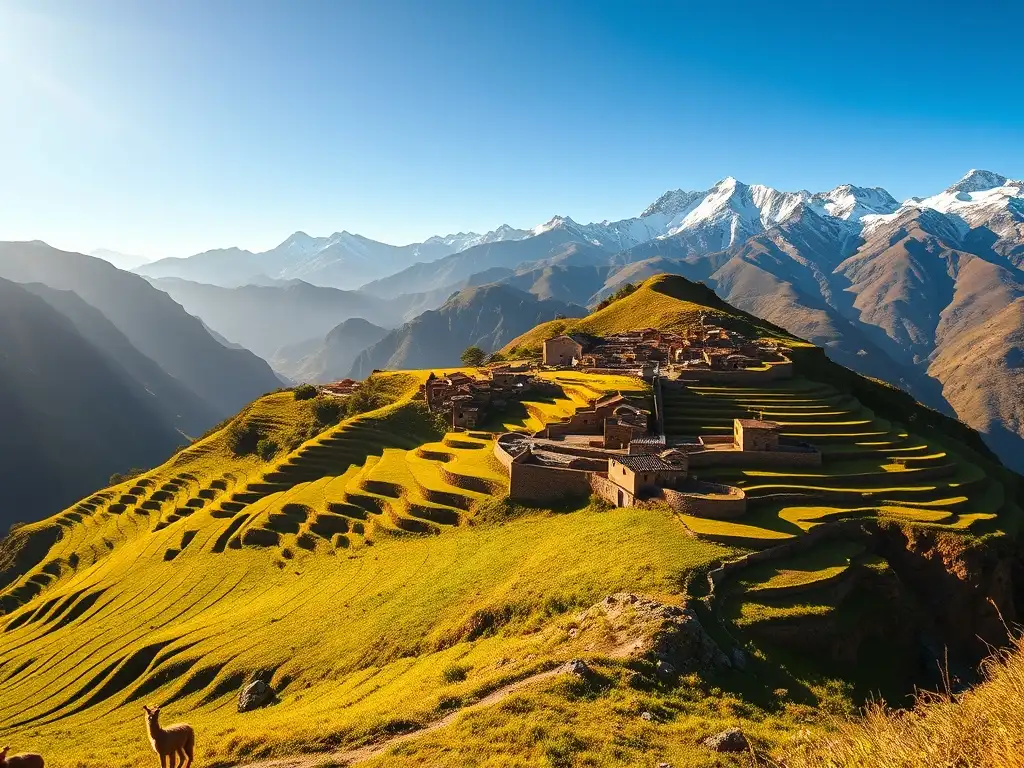
Uncover the secrets whispered on the wind across the Andes! For centuries, magnificent civilizations thrived in this challenging landscape, mastering techniques that continue to astound us. Imagine a world where intricate irrigation systems transformed arid deserts into fertile valleys, and sophisticated agricultural practices sustained vast populations. This journey into the heart of Andean civilizations resource management will reveal the ingenuity and resilience that allowed these remarkable societies to flourish. Prepare to be captivated by the stories of their innovative solutions and the lasting legacy they left behind.
-
Andean Civilizations Resource Management: Tools of Survival
- Introduction to Andean Resource Management Practices
- Agricultural Tools and Techniques in Ancient Andes
- Andean Water Management Technologies
- Tools for Andean Animal Husbandry
- Mining and Metalworking Tools in Andean Civilizations
- Andean Textile Production Tools
- Storage and Preservation Methods in Ancient Andes
- Conclusion: Legacy of Andean Ingenuity in Resource Management
-
Frequently Asked Questions
- What innovative techniques did Andean civilizations use for water management?
- How did the Incas manage their agricultural resources?
- What role did llamas and alpacas play in Andean resource management?
- How did Andean civilizations adapt to diverse ecological zones?
- What evidence reveals the sophistication of Andean resource management?
- Final Reflection: The Enduring Legacy of Andean Ingenuity
- Unleash Your Inner Explorer: Dive into Andean Ingenuity!
Andean Civilizations Resource Management: Tools of Survival
The Andes Mountains, a formidable yet fertile landscape, cradled some of the most innovative and resilient civilizations the world has ever known. For centuries, cultures like the Inca, Moche, Nazca, and Tiahuanaco thrived in this challenging environment, not in spite of its difficulties, but because of their remarkable understanding and mastery of resource management.
This article delves into the ingenious tools and techniques employed by these Andean civilizations, showcasing their profound knowledge of agriculture, water management, and sustainable practices that allowed them to flourish in a seemingly unforgiving terrain. We will explore how their resourcefulness shaped their societies and left a lasting legacy on the region, offering valuable insights into sustainable living even today.
Understanding their strategies provides a fascinating glimpse into the ingenuity of these ancient peoples and their profound connection to the land – a connection that defined their survival and prosperity. This exploration of Andean civilizations resource management is crucial to understanding their remarkable achievements and the enduring relevance of their sustainable practices.
Introduction to Andean Resource Management Practices
Andean civilizations weren't simply passive inhabitants of their environment; they were active participants, shaping and adapting the landscape to their needs. Their success hinged on a deep understanding of their surroundings and a sophisticated approach to resource management. This wasn't merely about survival; it was about creating thriving societies capable of supporting large populations and complex social structures.
Their practices encompassed a wide range of strategies, from highly developed agricultural techniques to intricate water management systems, all meticulously designed to maximize yields and minimize environmental impact. The interconnectedness of these practices highlights a holistic approach to resource management, far ahead of its time. This integrated system ensured the long-term sustainability of their communities and their relationship with the environment.
The ingenuity of their methods serves as a testament to their deep understanding of ecological principles and their ability to adapt to the unique challenges of the Andean region. Their resourcefulness, evident in every aspect of their daily lives, continues to inspire and inform modern approaches to sustainable living.
Agricultural Tools and Techniques in Ancient Andes
The backbone of Andean civilizations was their agriculture. The steep slopes and varied altitudes of the Andes presented significant challenges, requiring innovative solutions to cultivate food. The ingenious tools and techniques developed by these civilizations allowed them to maximize limited arable land and adapt to diverse climatic conditions.
Their agricultural practices were not just about producing food; they were deeply intertwined with their spiritual beliefs and social organization. The success of their agricultural systems is a testament to their ability to combine practical knowledge with a profound understanding of their environment. This section will explore some of the key agricultural tools and techniques employed by these ancient Andean cultures, highlighting their ingenuity and effectiveness.
The Chaquitaclla: Andean Foot Plow and its Significance
The chaquitaclla, a unique foot-powered plow, is a prime example of Andean ingenuity. This simple yet effective tool allowed farmers to cultivate even the most challenging terrains, significantly increasing agricultural productivity. Its design, with its multiple tines and foot-operated lever, enabled efficient soil preparation, even on steep slopes. The chaquitaclla’s effectiveness stemmed from its ability to minimize soil disturbance, promoting water retention and reducing erosion.
Its widespread use across various Andean cultures underscores its importance in their agricultural practices. The chaquitaclla's enduring legacy is a testament to the effectiveness of simple, yet ingenious, tools in maximizing agricultural output in challenging environments. Its design reflects a deep understanding of soil mechanics and the specific needs of Andean agriculture.
Terracing and Irrigation Systems: Optimizing Land Use
The construction of extensive terrace systems is another hallmark of Andean ingenuity in resource management. These terraces transformed steep slopes into cultivatable land, dramatically increasing agricultural productivity. This involved meticulous planning and engineering, creating a series of level platforms that captured rainwater and prevented soil erosion.
Combined with intricate irrigation systems, these terraces enabled the cultivation of a wide variety of crops, supporting large populations. The scale and sophistication of these systems highlight the advanced engineering skills and collaborative efforts of Andean communities. Accurate data on the precise dimensions and water flow management of these systems across different Andean cultures is still being researched, but their impact on the success of Andean civilizations is undeniable.
Andean Crop Rotation and Soil Conservation Methods
Andean farmers employed sophisticated crop rotation and soil conservation methods to maintain soil fertility and prevent erosion. These practices involved rotating different crops, allowing the soil to recover nutrients and preventing the depletion of essential minerals. They also utilized various techniques to reduce erosion, such as planting cover crops and building stone walls to stabilize slopes.
This holistic approach to agriculture ensured long-term sustainability, minimizing the environmental impact of intensive farming. Specific examples of crop rotation cycles used by different Andean cultures vary and require further research, but the underlying principle of maintaining soil health was universally applied. The long-term success of Andean agriculture underscores the importance of sustainable practices in ensuring food security and environmental stewardship.
Andean Water Management Technologies
Andean civilizations, renowned for their ingenuity, developed sophisticated water management systems crucial for their survival in diverse and often challenging environments. Their mastery of hydraulic engineering allowed them to thrive in both high-altitude regions with limited rainfall and coastal areas susceptible to droughts. Understanding their approach to water resource management offers valuable insights into their remarkable adaptability and resilience.
The success of these systems was directly tied to the civilizations' understanding of their environment and the ability to adapt existing technologies to the unique challenges of each region. This ability allowed for the support of large populations and the development of complex societies. Their achievements continue to inspire modern-day water management strategies, particularly in arid and semi-arid regions facing similar challenges.
Canal Systems and Aqueducts: Engineering Marvels
The construction of intricate canal systems and aqueducts stands as a testament to the advanced engineering skills of the Andean peoples. These impressive feats of infrastructure transported water over significant distances, often across challenging terrain, to irrigate agricultural fields and supply settlements with a reliable source of drinking water. For example, the Inca Empire's impressive network of canals, some spanning hundreds of kilometers, facilitated the cultivation of crops in otherwise arid regions.
These weren't simply ditches; they incorporated sophisticated techniques like graded channels to control water flow, strategically placed reservoirs for storage, and ingenious diversion systems to manage seasonal variations in water availability. The precision and scale of these projects highlight a deep understanding of hydrology and a remarkable capacity for collective labor. Many of these systems are still in use today, a testament to their durability and effectiveness.
Rainwater Harvesting and Storage Techniques
Beyond canal systems, Andean civilizations implemented effective rainwater harvesting and storage techniques. These techniques were particularly vital in regions with unpredictable rainfall patterns. They constructed intricate systems of terraces, strategically designed to capture and retain rainwater, minimizing runoff and maximizing water infiltration into the soil. In addition, they built reservoirs, often using stone and earth, to store rainwater for use during dry periods.
The size and design of these reservoirs varied based on local needs and available resources. This combination of techniques allowed them to ensure a consistent water supply for both domestic and agricultural needs, even in areas with limited access to rivers or streams. This thoughtful approach to water conservation demonstrates a profound understanding of the importance of water resource management for long-term survival.
Management of Water Resources in Arid Regions
The management of water resources in arid regions presented unique challenges for Andean civilizations. The scarcity of water necessitated innovative solutions to ensure the survival of their populations and the success of their agricultural practices. They employed a variety of strategies, including the careful selection of drought-resistant crops, the development of efficient irrigation systems tailored to the specific conditions of arid environments, and the implementation of sophisticated water rationing systems to ensure equitable distribution.
Evidence suggests that they also developed a deep understanding of local hydrology, adapting their water management strategies to the specific characteristics of each region, including variations in rainfall, soil type, and topography. This adaptability allowed them to successfully cultivate crops and support thriving communities in some of the most challenging environments on Earth.
Tools for Andean Animal Husbandry
Andean civilizations developed sophisticated techniques for animal husbandry, relying heavily on camelids like alpacas and llamas for fiber, meat, and transportation. Their success in managing these resources was crucial to their economic and social structures. The development of specialized tools and techniques demonstrates their practical knowledge of animal behavior and their ability to adapt their practices to the unique challenges of the Andean environment. The management of these animals was not only a crucial economic activity but also deeply intertwined with their spiritual beliefs and social practices.
Andean Animal Domestication and Selective Breeding
The domestication of alpacas and llamas represents a significant achievement in Andean agricultural technology. Through generations of selective breeding, they developed distinct breeds optimized for specific purposes, such as fiber production (alpacas) or burden-carrying (llamas). This process required a deep understanding of animal genetics and a keen observation of animal characteristics.
The careful selection of breeding pairs ensured the maintenance of desirable traits and the improvement of overall herd quality over time. This sophisticated approach to animal breeding underlines the advanced agricultural knowledge of Andean civilizations and their ability to manipulate natural resources to meet their needs. Archaeological evidence suggests a long history of careful animal management, with evidence of specialized breeds dating back centuries.
Shepherding Tools and Techniques
Shepherding played a vital role in Andean societies. The herding of camelids required specialized tools and techniques to manage large herds effectively. These tools often included simple but effective instruments for shearing, such as specialized knives and combs, and equipment for transporting and processing fiber.
Herding techniques involved intricate knowledge of animal behavior, grazing patterns, and predator avoidance. The movement of herds across vast landscapes demanded sophisticated planning and coordination, reflecting a deep understanding of both the animals and the environment. This knowledge was often passed down through generations, demonstrating the importance of traditional practices in maintaining sustainable resource management.
Management of Alpacas and Llamas Resources
The management of alpaca and llama resources was integral to the economic and social fabric of Andean societies. These animals provided a wide range of essential resources, including fiber for textiles, meat for sustenance, and dung for fertilizer. Careful management practices ensured the sustainability of these resources, preventing overgrazing and maintaining herd health.
Evidence suggests sophisticated systems were in place to track herd size, manage breeding cycles, and allocate resources efficiently. This resource management was not solely economic; it was also deeply embedded within their social structures, with ownership and access to animals playing significant roles in social status and wealth distribution. The sustainable management of these resources demonstrates the Andean civilizations' ability to balance economic needs with ecological sustainability.
Mining and Metalworking Tools in Andean Civilizations

Extraction Methods and Mining Tools
Andean civilizations, renowned for their mastery of metallurgy, employed sophisticated techniques for extracting valuable ores. Evidence suggests the use of various tools, including stone hammers, chisels, and picks, for breaking apart rock faces and accessing mineral veins. These tools, often made from hard volcanic rock like andesite, were carefully shaped and honed to maximize efficiency.
The scale of some mining operations, such as those at Cerro de Pasco in Peru, indicates a highly organized and labor-intensive process, requiring considerable planning and coordination. Furthermore, the construction of extensive tunnel systems, some extending hundreds of meters into mountainsides, demonstrates a remarkable understanding of geology and engineering, far surpassing simple surface mining techniques.
The development of these mining techniques was crucial for the Andean civilizations' access to copper, bronze, gold, and silver, which fueled their technological advancements and economic growth. The organization required to support these large-scale operations also points to advanced social structures and resource allocation strategies.
Smelting and Metalworking Technologies
Once extracted, ores needed to be processed to obtain pure metals. Andean civilizations developed sophisticated smelting techniques, utilizing furnaces constructed from clay or stone. These furnaces, often fueled by charcoal, allowed for the high temperatures necessary to melt ores and separate the metal from impurities. Archaeological evidence reveals the use of bellows to increase airflow and achieve higher temperatures.
The development of alloys, such as bronze (a combination of copper and tin), demonstrates a high level of metallurgical knowledge and experimentation. The ability to consistently produce high-quality metal was vital for creating durable and effective tools, weapons, and ornaments. This control over the smelting process was a significant technological achievement that significantly impacted the Andean civilizations' ability to manage their resources efficiently and create advanced technologies. The sophistication of their metallurgical techniques allowed for the creation of complex objects, reflecting a deep understanding of material science and engineering.
The Use of Metals in Tools and Artifacts
The mastery of metalworking enabled Andean civilizations to create a wide array of tools and artifacts. Copper and bronze tools, such as axes, chisels, knives, and adzes, were used for agriculture, construction, and woodworking. Gold and silver were utilized for ceremonial objects, ornaments, and prestige items, reflecting their social and economic value. The careful shaping and decoration of metal artifacts demonstrate a high level of craftsmanship and artistic skill.
The widespread use of metal tools significantly enhanced agricultural productivity, construction capabilities, and overall resource management. The durability of metal tools, compared to stone or bone equivalents, increased efficiency and reduced the need for frequent replacement, contributing to sustainable resource utilization. The strategic use of different metals for specific purposes showcases a deep understanding of material properties and their optimal applications.
Andean Textile Production Tools
Spinning and Weaving Techniques
Andean textile production was a complex and highly skilled process. Spinning involved twisting fibers together to create yarn, using tools such as spindle whorls and drop spindles. These simple yet effective tools allowed for the creation of strong and even yarns, essential for high-quality textiles. Weaving involved interlacing yarns on a loom to create fabric.
Looms varied in complexity, ranging from simple backstrap looms to more elaborate upright looms. The use of different weaving techniques, such as tapestry and brocade, allowed for the creation of intricate designs and patterns. These techniques showcased the advanced knowledge of Andean civilizations in textile production and their ability to transform raw materials into valuable resources. The development of sophisticated weaving techniques facilitated the creation of durable and aesthetically pleasing textiles, which played a significant role in their society.
Tools for Working with Fibers and Dyes
The production of textiles involved more than just spinning and weaving. Andean artisans used a variety of tools to prepare fibers, including combs and carders for cleaning and aligning fibers. They also developed sophisticated techniques for dyeing fibers using natural pigments derived from plants, minerals, and insects. The creation of vibrant and long-lasting dyes required a deep understanding of chemistry and plant properties.
The tools used for dyeing, such as mortars and pestles for grinding pigments, and vessels for mixing dyes, reflect a level of technological advancement and resourcefulness. The mastery of dyeing techniques allowed for the creation of textiles with symbolic and cultural significance, further emphasizing the role of textiles in Andean resource management and social organization. The complex processes involved in textile production highlight the ingenuity and skill of Andean artisans.
The Importance of Textiles in Resource Management
Textiles played a vital role in Andean resource management. They were not merely clothing; they served as a form of currency, storage, and social status. The durability of textiles, combined with their versatility, made them a valuable asset.
Textiles were used to create bags and containers for storing food and other resources. They were also used for shelter and protection from the elements. The intricate designs and patterns woven into textiles often held cultural and symbolic significance, reflecting the social hierarchy and resource distribution within Andean societies.
The ability to produce high-quality textiles in large quantities demonstrates the Andean civilizations' capacity for efficient resource management and their sophisticated understanding of the properties of natural materials. The use of textiles as a form of currency highlights their economic importance and their role in facilitating trade and economic exchange within the Andean region. The creation and use of textiles was integral to the success and sustainability of Andean civilizations.
Storage and Preservation Methods in Ancient Andes
The ingenuity of Andean civilizations in resource management is perhaps most evident in their sophisticated systems for storing and preserving food. Facing diverse and challenging environments, from arid coastal deserts to high-altitude plains, these cultures developed innovative techniques to ensure the survival of their communities throughout the year. Their success hinged on a deep understanding of their environment and the development of technologies specifically tailored to their needs.
The challenges posed by unpredictable weather patterns, including droughts and floods, underscored the necessity for effective storage and preservation methods. The survival of these civilizations depended on their ability to anticipate and mitigate potential food shortages. This proactive approach to resource management is a testament to their advanced understanding of agricultural practices and environmental adaptation.
The sheer scale of their storage facilities, coupled with the sophistication of their preservation techniques, speaks volumes about their organizational capabilities and societal structures. These weren't merely individual efforts; they were collective endeavors requiring coordination and planning on a community-wide level.
Andean Granaries and Food Storage Systems
Andean granaries, often constructed from stone or adobe brick, stand as powerful symbols of the civilizations' resourcefulness. These structures varied significantly in size and design depending on the specific needs of the community and the local environment. Some were small, individual structures designed for family use, while others were monumental complexes capable of holding vast quantities of food, demonstrating the scale of surplus generated and the importance of collective storage. The design itself was crucial for effective preservation.
Granaries were typically elevated to protect stored goods from moisture and rodents. Ventilation systems were often incorporated to prevent mold and spoilage. The strategic placement of granaries, often in elevated or dry locations, further minimized the risk of damage from flooding or pests.
The construction techniques, reflecting a deep understanding of local materials and building practices, ensured the durability and longevity of these structures. Archaeological evidence reveals the careful planning and construction involved, showcasing the high level of skill and expertise possessed by Andean builders. The meticulous construction of these granaries reflects not only a practical approach to food security but also a deep understanding of architectural principles and material science.
Techniques for Food Preservation
Beyond storage, the Andean civilizations employed a variety of ingenious techniques to preserve food, significantly extending its shelf life. Drying, a common method across various cultures, played a pivotal role in Andean food preservation. Fruits, vegetables, and meats were sun-dried or air-dried, reducing moisture content and inhibiting microbial growth.
Freezing at high altitudes also provided a natural preservation method, allowing for the long-term storage of certain foods. Furthermore, Andean communities developed sophisticated techniques of fermentation, allowing them to create foods like chicha, a fermented maize beverage, which not only extended the shelf life of maize but also provided a source of nutrients and calories. The knowledge of these preservation techniques was passed down through generations, ensuring the continuity of food security within the community.
These techniques were not only essential for survival during lean times but also contributed to a diversified diet, improving nutritional intake and overall health. The mastery of these methods highlights the Andean peoples' intimate knowledge of their environment and their ability to adapt traditional techniques to their specific needs.
Management of Surplus and Distribution
The ability to manage and distribute surplus food was essential to the stability and prosperity of Andean societies. Complex systems of redistribution, often linked to religious or political structures, ensured that food resources reached those in need. This involved sophisticated record-keeping systems, possibly using quipu (knotted cords) to track the amount of stored food and distribute it effectively. This intricate system of resource management ensured social cohesion and prevented widespread famine, even in times of scarcity.
The equitable distribution of resources played a vital role in maintaining social harmony and reducing internal conflict within the community. The evidence suggests that the management of surplus was not merely a practical measure but also a key element of the social and political organization of Andean societies. The efficiency and fairness of the distribution systems are indicative of a well-organized and cohesive society.
Conclusion: Legacy of Andean Ingenuity in Resource Management
The Andean civilizations’ mastery of resource management, particularly in storage and preservation, stands as a testament to their ingenuity and adaptability. Their sophisticated granaries, diverse preservation techniques, and effective distribution systems ensured the survival and prosperity of their communities for centuries. The legacy of their resource management strategies continues to inspire awe and admiration, offering valuable lessons for contemporary societies facing challenges of food security and sustainable resource utilization.
Understanding their approaches provides insights into sustainable agriculture, community organization, and the importance of proactive planning in the face of environmental uncertainties. Their achievements serve as a powerful reminder of the profound connection between human ingenuity and environmental adaptation, highlighting the remarkable ability of ancient civilizations to thrive in challenging environments.
Their strategies are a compelling example of how a deep understanding of the natural world and effective social organization can lead to lasting success. The study of Andean resource management offers valuable lessons for modern societies seeking sustainable solutions to global food security challenges.
Frequently Asked Questions
What innovative techniques did Andean civilizations use for water management?
Andean civilizations developed sophisticated systems like terracing and canals to manage water resources effectively, particularly in challenging mountainous terrains. They also built reservoirs and aqueducts for irrigation and domestic use.
How did the Incas manage their agricultural resources?
The Incas implemented a highly organized system of agricultural production, including terraced farming on steep slopes and the use of waru waru (raised fields) to maximize crop yields and conserve water. They also employed a complex system of labor organization and redistribution of resources.
What role did llamas and alpacas play in Andean resource management?
Llamas and alpacas were crucial for transportation of goods and provision of wool and meat. Their dung served as fertilizer, enhancing agricultural productivity. They were integral to the sustainable livelihoods of Andean communities.
How did Andean civilizations adapt to diverse ecological zones?
Andean societies developed distinct strategies tailored to vertical ecological zones, a concept known as verticality. This involved utilizing different resources from diverse altitudes, leading to complex agricultural systems and specialized economies.
What evidence reveals the sophistication of Andean resource management?
Archaeological findings such as extensive irrigation networks, well-preserved storage facilities, and the organization of agricultural terraces demonstrate the advanced understanding and management of resources by Andean civilizations. These systems ensured sustainable livelihoods for centuries.
Final Reflection: The Enduring Legacy of Andean Ingenuity
The sophisticated resource management strategies employed by Andean civilizations remain a potent lesson for our own time, a stark reminder of the delicate balance between human needs and environmental sustainability. Their innovative techniques, developed over millennia, offer crucial insights as we grapple with the pressing challenges of climate change and resource depletion in the 21st century. The ingenuity displayed by these ancient societies serves as a powerful counterpoint to our often unsustainable practices.
The impact of Andean resource management extends far beyond the archaeological record; it continues to resonate in the cultural practices and ecological knowledge of contemporary Andean communities. Their deep understanding of their environment, passed down through generations, represents a living testament to the enduring power of sustainable living. The earth does not belong to us; we belong to the earth.
This sentiment, though not directly from an Andean source, perfectly encapsulates the profound respect for nature that underpins their resource management strategies and offers a powerful critique of our modern, often exploitative relationship with the planet.
Consider the ingenuity of the waru waru agricultural system, the intricate terrace farming, and the sophisticated water management techniques. These weren't simply technological achievements; they were expressions of a deep philosophical connection to the land. You too can cultivate a deeper understanding of your relationship with the environment. Examine your own consumption habits, explore sustainable practices in your daily life, and learn from the wisdom of past civilizations. Let the enduring legacy of Andean resource management inspire you to become a more mindful steward of our shared planet.
Unleash Your Inner Explorer: Dive into Andean Ingenuity!
Thank you for joining us on this journey through the remarkable resource management techniques of Andean civilizations. Your interest highlights the fascinating ways these ancient communities thrived in challenging environments. Let's put this newfound knowledge to practical use!
- Explore further: Visit local museums or cultural centers to deepen your understanding of Andean history and ingenuity.
- Join the conversation: Share your thoughts on social media or in the comments below about how these impressive survival strategies can inform our own approaches to resource management.
- Inspire others: Organize a community discussion or workshop on sustainable living, drawing inspiration from the innovative practices of the Andean peoples.
As you reflect on these ancient, yet remarkably effective techniques, consider how the innovative resource management strategies of the Andes can inspire more sustainable practices in your own life and community.