
Moche Cosmology: Exploring the Sacred Order of the Universe

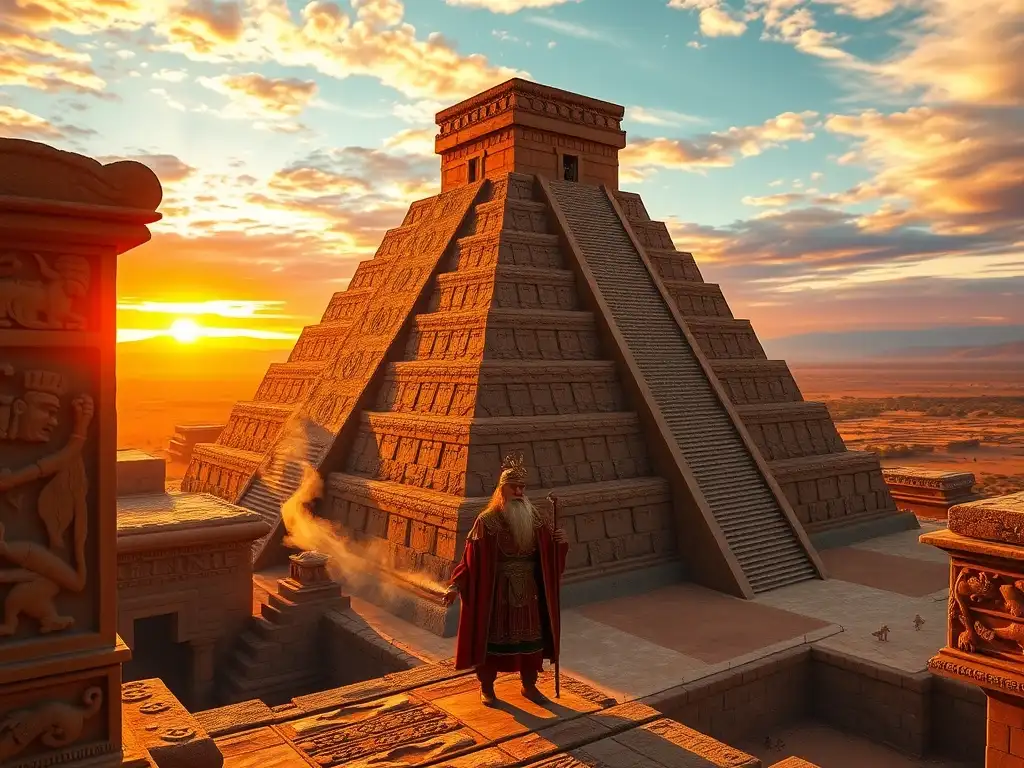
Step into a world lost to time, yet echoing with the vibrant spirit of the Andes. Prepare to unravel the mysteries of a civilization that defied the harsh landscape to build empires of breathtaking ingenuity. This journey begins with the Moche, a culture whose mastery of art and engineering was surpassed only by the depth of their religious beliefs. Discover the secrets of their cosmology and the sacred order that shaped their lives – a story waiting to be unveiled in "Moche Cosmology: Exploring the Sacred Order of the Universe." Dare to delve deeper?
The Moche civilization, flourishing along the northern coast of Peru from approximately 100 CE to 800 CE, left behind a remarkable legacy of art, architecture, and intricate social structures. Understanding their religious beliefs is crucial to comprehending the very fabric of their society. This exploration delves into Moche cosmology, examining how their understanding of the universe shaped their rituals, art, and daily lives.
We will uncover the profound connection the Moche people held with the natural world, revealing how their religious beliefs were deeply intertwined with their perception of the cosmos, ultimately providing a richer understanding of the keyword: "Moche religious beliefs". This article will analyze their beliefs through the lens of cosmology, examining the key elements of their worldview and their impact on their culture.
We'll explore how their sophisticated irrigation systems, impressive architecture, and vibrant artistic expression all stemmed from a deeply spiritual understanding of the world around them. Prepare to journey into the fascinating and complex religious landscape of the Moche.
Understanding Moche Religious Beliefs Through Cosmology
The Moche worldview was profoundly shaped by their environment. Living in a geographically challenging coastal desert, the Moche developed a sophisticated understanding of water management, agriculture, and the power of nature. Their cosmology, therefore, reflected this intimate relationship with the natural world.
Their religious beliefs were not abstract concepts but were deeply embedded in their daily lives, influencing everything from their agricultural practices to their elaborate burial rituals. Evidence suggests a strong belief in a pantheon of gods and goddesses, many associated with natural forces like the sea, the sun, and the moon. The Moche revered powerful deities, often depicted in their stunning ceramics and monumental architecture.
These depictions, full of symbolic meaning, offer invaluable insights into their complex religious system. Careful analysis of these artistic representations allows us to piece together fragments of their cosmology, revealing a vibrant and intricately layered belief system. Further research into archaeological findings continues to enrich our understanding of their spiritual world.
The Role of the Sea and the Moon in Moche Cosmology
The Pacific Ocean played a vital role in Moche life, providing sustenance and shaping their worldview. The sea was not merely a source of food but also a powerful, almost divine entity. Many Moche ceramic representations depict powerful sea deities, often depicted battling monstrous waves or riding mythical creatures.
These depictions suggest a complex relationship with the ocean, a source of both life and danger. Similarly, the moon held significant cosmological importance. Its cyclical nature, mirroring the rhythms of agriculture and the tides, likely contributed to its sacred status.
Evidence from Moche iconography indicates the moon goddess held a prominent position within their pantheon, possibly linked to fertility and the cyclical nature of life and death. The careful observation of celestial bodies, combined with their agricultural needs, likely shaped their understanding of time and the cosmos. The interplay between the sea and the moon, two powerful forces in their lives, reflects the intricate web of beliefs that characterized Moche religion.
Moche Iconography and the Depiction of Deities
Moche artistry provides unparalleled access to their religious beliefs. Their ceramics, often exquisitely detailed, depict a wide array of deities and mythological scenes. These representations are not merely decorative but serve as powerful visual narratives, offering glimpses into their complex cosmology.
For example, the recurring motif of a decapitated warrior, often found in Moche pottery, may symbolize sacrifice and the cyclical nature of life and death, a key aspect of their religious practices. The intricate details in these artworks—the expressions on the faces of the figures, the gestures of their hands, the symbols adorning their clothing—all contribute to a deeper understanding of their worldview.
Further research into the symbolism employed in Moche iconography is essential to fully grasp the nuances of their religious beliefs, providing a more complete picture of the Moche spiritual landscape. The sheer variety of artistic expressions found throughout their artifacts is a testament to the richness and complexity of their religious practices.
The Impact of Moche Cosmology on Daily Life
Moche cosmology wasn't confined to religious rituals and artistic expression; it permeated every aspect of their daily lives. Their sophisticated irrigation systems, for example, were not simply engineering feats but also reflected their deep understanding of water as a sacred and life-giving force. The construction of monumental structures, such as the Huacas del Sol y de la Luna, likely served both practical and religious purposes, reflecting the interconnectedness of their spiritual and material worlds.
Even seemingly mundane activities, such as agriculture and fishing, were likely infused with ritualistic practices, reinforcing their belief in the sacred nature of the natural world. The very fabric of Moche society was woven together by a shared cosmology, ensuring the harmonious functioning of their complex social structures.
Further investigation into Moche social organization will undoubtedly uncover more evidence of the pervasive influence of their cosmology on their daily lives. The holistic nature of their belief system is a testament to its profound impact on the Moche civilization.
- Understanding Moche Religious Beliefs Through Cosmology
- The Role of the Sea and the Moon in Moche Cosmology
- Moche Iconography and the Depiction of Deities
- The Impact of Moche Cosmology on Daily Life
- What were the most important deities in the Moche religion?
- How did Moche religious beliefs influence their art?
- What role did sacrifice play in Moche religious practices?
- What is known about Moche funerary practices and their connection to their beliefs?
- How did the Moche cosmology differ from that of other Andean cultures?
The Moche Worldview: A Tripartite Universe
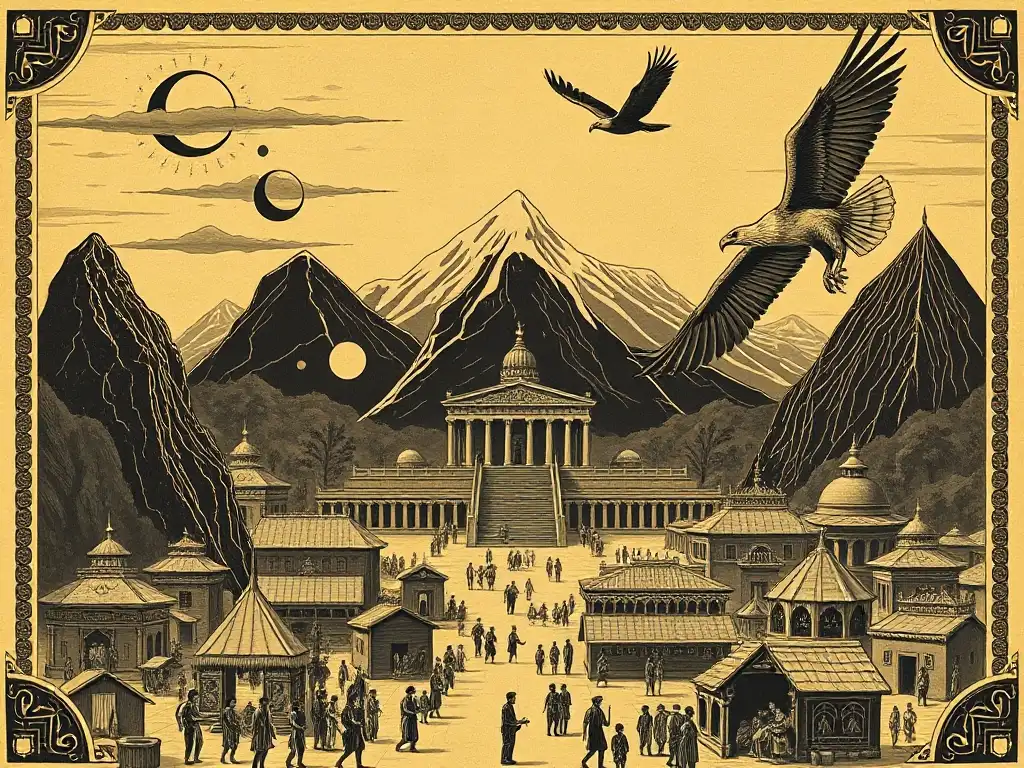
The Moche, a pre-Columbian civilization flourishing along the northern coast of Peru (circa 100-800 CE), possessed a sophisticated and complex cosmology reflected in their art, architecture, and burial practices. Their understanding of the universe wasn't a simple duality of good and evil, but rather a dynamic interplay between three distinct realms: the Hanan Pacha (upper world), the Kay Pacha (earthly world), and the Uku Pacha (underworld). This tripartite structure profoundly influenced Moche religious beliefs and shaped their daily lives, from agricultural practices to elaborate funerary rituals. Understanding this worldview is crucial to interpreting the intricate iconography prevalent in their ceramics and metalwork, providing valuable insights into their spiritual beliefs and social structures. The Moche's deep connection to these three realms underscores the importance of maintaining balance and harmony within their sacred order. Their religious beliefs were intricately woven into the fabric of their society, permeating every aspect of their existence.
The Hanan Pacha: The Celestial Realm in Moche Thought
The Hanan Pacha, or upper world, represented the realm of the gods, celestial beings, and the sun. Moche iconography frequently depicts anthropomorphic deities, often associated with celestial bodies or natural phenomena. The sun, a prominent symbol in Moche religious beliefs, was likely considered a powerful deity, providing life-giving energy to the earthly realm.
Evidence suggests the Moche observed astronomical events, potentially using them to guide agricultural cycles and religious ceremonies. Depictions of celestial beings, often adorned with elaborate headdresses and regalia, are found on numerous ceramic vessels, suggesting a hierarchical structure within the Hanan Pacha. These representations often showcase vibrant colors and intricate details, highlighting the importance of these divine figures in Moche cosmology.
Furthermore, the Moche's sophisticated understanding of astronomy, as evidenced by their potential use of astronomical cycles for agricultural planning, further demonstrates the significance of the Hanan Pacha in their daily lives and religious practices. This careful observation of the heavens demonstrates a deep spiritual connection to the celestial realm. The power and influence of the celestial world were deeply ingrained in Moche religious beliefs, shaping their understanding of the universe and their place within it.
The Kay Pacha: The Earthly Plane and Moche Daily Life
The Kay Pacha, or earthly plane, was the realm of human existence, encompassing the natural world and the Moche society itself. This realm was not merely a stage for human activity but a sacred space interwoven with the spiritual. Moche agriculture, heavily reliant on the unpredictable coastal climate, reflects a deep understanding of the natural world's power and capriciousness.
Their elaborate irrigation systems, testament to their ingenuity and engineering skills, suggest a profound respect for the land and its resources, reflecting their religious beliefs concerning the balance of nature. The imagery found on Moche pottery frequently depicts scenes of daily life, including farming, fishing, and warfare, emphasizing the integration of the sacred and the mundane.
The depiction of these activities isn't merely representational; it's a symbolic portrayal of the Moche's relationship with their environment and their belief in the interconnectedness of all things within the Kay Pacha. This close relationship with the land is a key element of Moche religious beliefs, demonstrating a profound reverence for the natural world and its life-sustaining forces.
The Uku Pacha: The Underworld and Moche Funerary Practices
The Uku Pacha, or underworld, represented the realm of the ancestors and the forces of death and rebirth. Moche funerary practices offer significant insights into their beliefs concerning this realm. Elaborate tombs, often containing richly adorned individuals accompanied by grave goods, suggest a belief in an afterlife and the continued importance of the deceased in the community.
The Moche's sophisticated mummification techniques, along with the inclusion of offerings within the tombs, further support the notion that the Uku Pacha was not a desolate realm but a place of continued existence and influence. The presence of elaborate grave goods, including finely crafted ceramics and precious metals, indicates a belief in the continued needs and status of the deceased in the afterlife. The careful preparation of the bodies and the selection of burial goods highlight the significance of funerary rituals in Moche religious beliefs.
The intricate details of these burial practices highlight the importance of the Uku Pacha and its connections to the living world, emphasizing the cyclical nature of life and death within the Moche worldview. The reverence shown in Moche funerary practices provides a profound understanding of their beliefs regarding the afterlife and the enduring influence of their ancestors.
Moche Deities and Supernatural Beings: Guardians of the Cosmos
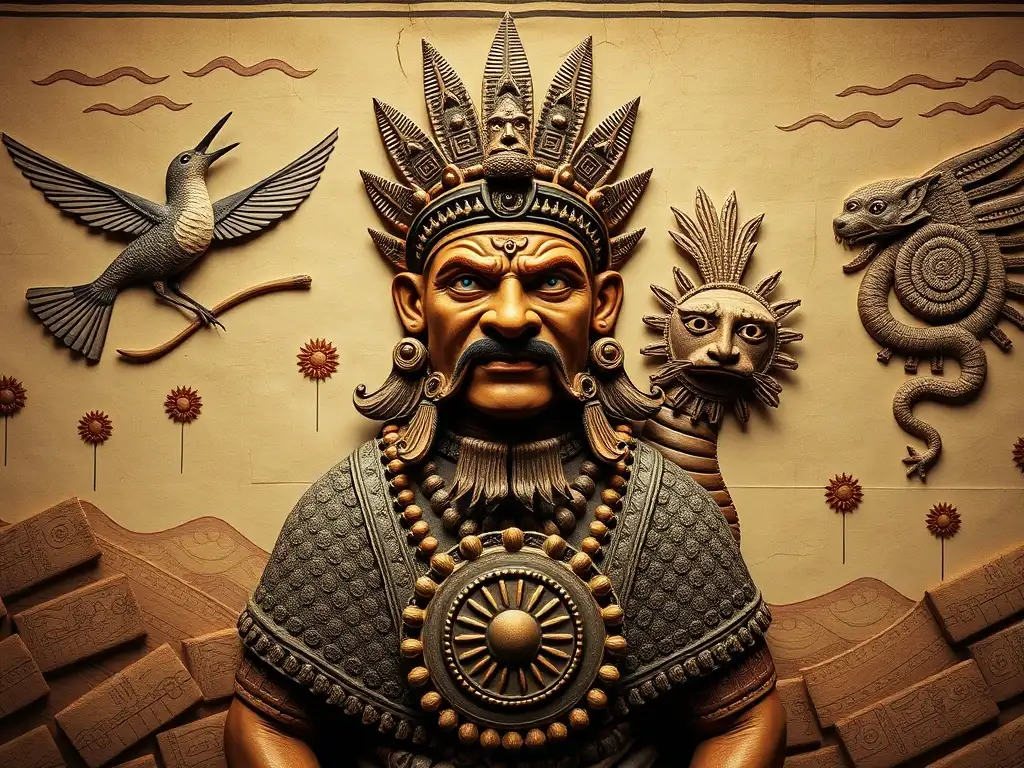
The Moche worldview, deeply intertwined with their agricultural success and coastal environment, was populated by a pantheon of powerful deities and supernatural beings. Understanding Moche religious beliefs requires appreciating the intricate interplay between these figures and the cyclical rhythms of nature. Unlike many other ancient cultures, the Moche didn't leave behind extensive written texts detailing their beliefs.
Instead, our understanding is painstakingly pieced together from their remarkable artistic legacy: the intricately detailed ceramics, monumental architecture, and stunning metalwork offer glimpses into their sacred order. These artifacts reveal a complex cosmology where the actions of humans were directly linked to the whims of powerful supernatural forces, reflecting a deep respect for the natural world and a sophisticated understanding of its cycles.
The Moche believed that appeasing these deities through ritual and sacrifice was crucial for ensuring bountiful harvests, successful fishing expeditions, and the overall well-being of their society. This section will examine some key figures within this vibrant pantheon.
Ai Apaec: The Decapitator God and His Role in Moche Rituals
Ai Apaec, perhaps the most iconic Moche deity, is frequently depicted in a terrifying manner: a fanged, often decapitating figure, associated with both creation and destruction. His image frequently appears on Moche pottery, often in scenes of human sacrifice. While the exact nature of his role remains a subject of scholarly debate, the prevalence of his imagery suggests his paramount importance within their cosmology.
Some scholars believe Ai Apaec represented a force of nature, embodying the destructive power of volcanoes or earthquakes, while simultaneously representing the renewal and fertility that followed such catastrophic events. The ritualistic decapitations depicted may not have been solely violent acts but also symbolic representations of the cycle of life, death, and rebirth, crucial to the Moche understanding of the universe. Analysis of Moche iconography reveals that Ai Apaec's association with sacrifice was likely a means to appease his power and ensure the continuation of life and prosperity.
The ferocity of his depiction underscores the Moche belief in the power of both creation and destruction within the natural world. Further research is needed to fully understand the nuances of Ai Apaec's complex symbolism and his multifaceted role within Moche religious practices.
The Moon God: Influence on Moche Agriculture and Cycles
The Moche civilization relied heavily on agriculture, and their religious beliefs reflect this dependence. The moon, a celestial body intimately connected to the agricultural cycles, held significant importance in their cosmology. While a definitive, singular “Moon God” figure isn’t consistently depicted, lunar symbolism is pervasive in Moche art.
Representations of crescent moons, celestial bodies, and nocturnal scenes frequently appear on pottery and other artifacts, demonstrating the moon's connection to fertility and the life-giving powers of the night. The cyclical phases of the moon, mirroring the planting and harvesting seasons, would have profoundly impacted the Moche's agricultural practices and their understanding of time. The moon's influence on the tides, crucial for their coastal fishing activities, also reinforced its significance within their cosmology.
This highlights the practical and spiritual interconnectedness between celestial events and daily life in Moche society. The regular observation and interpretation of lunar cycles were likely integral to their religious calendar and the timing of important rituals connected to agriculture and fishing.
Sea Deities: The Importance of the Ocean in Moche Cosmology
The Pacific Ocean was a vital resource for the Moche, providing sustenance through fishing and shaping their very existence. Their religious beliefs naturally reflected this crucial relationship. While specific named "Sea Gods" are not explicitly identified in the archaeological record, depictions of marine life – whales, sharks, seabirds, and various fish – are commonly found in Moche art.
These representations are not merely decorative; they likely symbolize powerful sea deities or represent the ocean's inherent power and life-giving capabilities. The ocean's unpredictable nature, its capacity for both bounty and destruction, is reflected in the sometimes ambivalent portrayal of marine creatures in Moche iconography. Some depictions showcase the beauty and abundance of the sea, while others depict ferocious predators, highlighting the ocean’s duality.
The importance of the ocean in Moche cosmology is further underscored by the elaborate rituals and offerings connected to fishing and maritime activities. The careful balance between harnessing the ocean's resources and respecting its power was likely a cornerstone of Moche religious practice, demonstrating a profound understanding of their dependence on this vital element. Further research into the symbolism of specific marine creatures depicted in Moche art could shed more light on the specific deities associated with the sea.
Mythical Creatures: Depictions of Power and Supernatural Forces
The Moche worldview was richly populated by a diverse pantheon of deities and, importantly, a fascinating array of mythical creatures. These beings, often depicted in striking detail on ceramics and textiles, weren't mere figments of imagination; they represented powerful forces shaping the Moche understanding of the universe and their place within it. Their presence in Moche art suggests a deep engagement with the supernatural, reflecting anxieties, hopes, and the inherent uncertainties of life. These weren't passive observers; they were active participants in the cosmic drama, influencing harvests, warfare, and the very fabric of Moche society.
The representation of these creatures varied significantly, reflecting the complexity of the Moche belief system. Some were benevolent, associated with fertility and abundance, while others were terrifying, embodying chaos and destruction. This duality, the interplay of positive and negative forces, is a recurring theme in Moche art and likely mirrored their understanding of the natural world – a world where bountiful harvests could be quickly decimated by floods or droughts. The careful depiction of these creatures, with their intricate details and often ferocious expressions, suggests a level of reverence, perhaps even fear, towards these powerful entities.
One particularly striking example is the recurring motif of the "demonic" feline. These creatures, often depicted with sharp claws, fangs, and piercing eyes, are usually shown in dynamic poses, suggesting aggression or supernatural power. They are not simply decorative elements; their prominent placement on many artifacts indicates their significant role in Moche cosmology.
These weren't merely "monsters," but rather powerful forces, possibly representing aspects of the natural world, such as predators or the unpredictable forces of nature that the Moche had to contend with. Their presence serves as a constant reminder of the precariousness of life and the need to appease the supernatural powers.
Further research into the iconography of these mythical creatures could reveal more nuanced interpretations of their symbolic meaning. For instance, the specific attributes of these creatures – their colours, postures, and accompanying symbols – may indicate specific roles or powers within the Moche pantheon. Analyzing these details alongside the archaeological context of their discovery could provide valuable insights into the beliefs and practices of the Moche people.
The study of Moche religious beliefs continues to be an active field of research, with new discoveries constantly reshaping our understanding of this fascinating civilization. The careful study of these mythical creatures promises to reveal further layers of complexity within their rich and vibrant cosmology.
Sacred Spaces and Rituals: Connecting with the Moche Cosmos
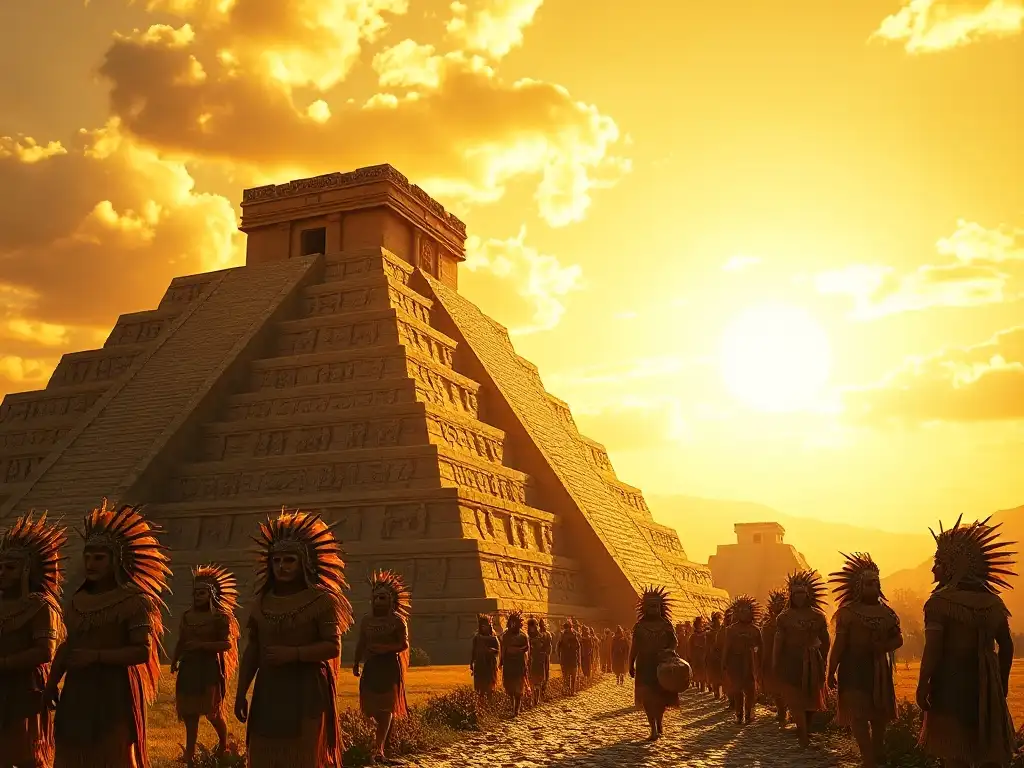
The Moche civilization, renowned for its sophisticated artistry and engineering, possessed a deeply ingrained religious system that permeated all aspects of their lives. Understanding Moche religious beliefs requires examining their sacred spaces and rituals, which served as crucial conduits to their cosmos. Their worldview was intricately woven with a profound respect for nature, ancestors, and a complex pantheon of deities reflected in their elaborate ceremonies and the construction of monumental structures.
The Moche believed that maintaining a harmonious relationship with the supernatural world was essential for prosperity and the continuation of their society. This belief system is vividly depicted in their art, architecture, and archaeological findings. The study of Moche religious practices offers invaluable insight into their societal structures, political systems, and overall worldview.
Huacas: Moche Temples and Centers of Religious Activity
Huacas, the sacred places of the Moche, were not merely architectural marvels; they were living embodiments of religious power. These structures, ranging from monumental pyramids to smaller shrines, served as focal points for rituals, ceremonies, and community gatherings. Many huacas were strategically situated near water sources, emphasizing the Moche's reverence for water as a life-giving force and a symbol of fertility. The construction of these huacas involved massive labor, suggesting a highly organized society with a strong religious hierarchy.
The scale and complexity of these sites indicate the immense importance of religious practices within Moche society. Archaeological evidence reveals the presence of elaborate murals, intricate carvings, and offerings within these structures, further underscoring their significance as centers of religious activity. For example, the Huaca del Sol and Huaca de la Luna near Trujillo, Peru, stand as testament to the Moche's architectural prowess and religious fervor.
These sites, with their impressive dimensions and elaborate decorations, provide compelling evidence of the Moche’s deep-seated religious beliefs and their dedication to honoring their deities. The intricate details found within these structures, such as depictions of deities and ritual scenes, provide crucial insights into their cosmology and religious practices. Analysis of the artifacts unearthed within these huacas further illuminates the nature of Moche religious rituals and their connection to the wider cosmic order.
Moche Ritual Sacrifices: Their Significance in Maintaining Cosmic Order
Moche religious beliefs were intrinsically linked to the practice of ritual sacrifice. While often viewed through a modern lens of brutality, these sacrifices were deeply ingrained in their worldview and served as a crucial mechanism for maintaining cosmic order and ensuring the prosperity of their society. Evidence suggests that sacrifices included both human and animal offerings. Human sacrifice, often involving individuals of high social standing, may have been seen as an ultimate offering to appease deities or to ensure successful harvests.
Animal sacrifices, on the other hand, were likely more commonplace, reflecting the Moche's connection to the natural world and their dependence on its bounty. The careful preparation and placement of these offerings within huacas or burial sites suggest a highly ritualized process imbued with deep symbolic meaning. The Moche's belief in the interconnectedness of the natural and supernatural worlds is clearly demonstrated in their sacrificial practices.
Interpretations of these sacrifices vary, but the prevailing consensus is that they represented a fundamental aspect of Moche religious beliefs and their attempts to maintain a balance between the human and divine realms. Further research is needed to fully understand the nuances of these practices and their socio-political implications within Moche society. The precise motivations behind these sacrifices remain a subject of ongoing scholarly debate, highlighting the complexity of interpreting ancient religious beliefs.
Shamanism in Moche Society: Interpreting and Influencing the Spiritual World
Shamanism played a pivotal role in Moche religious beliefs, acting as a bridge between the earthly and spiritual realms. Moche shamans, likely individuals with specialized knowledge and abilities, were believed to possess the power to communicate with deities, ancestors, and other supernatural entities. Their role extended beyond simple mediation; they were crucial in interpreting omens, predicting the future, and influencing the natural world through ritual practices. Evidence of shamanic practices is found in Moche art, which often depicts figures in trance-like states, adorned with elaborate headdresses and regalia.
These depictions suggest the importance of altered states of consciousness in shamanic rituals. The use of hallucinogenic substances, such as San Pedro cactus, may have played a role in facilitating these experiences. Furthermore, the discovery of elaborate grave goods associated with presumed shamans indicates their high status within Moche society. The intricate iconography found on these artifacts provides further insights into their beliefs and practices.
The study of Moche shamanism offers a fascinating glimpse into their understanding of the spiritual world and the role of religious specialists in their society. The complex interplay between shamanic practices and other aspects of Moche religious beliefs requires further investigation to fully appreciate the richness and depth of their spiritual worldview. Understanding the role of shamans provides crucial context for interpreting other aspects of Moche religious beliefs and their impact on daily life.
Moche Art as a Reflection of Their Religious Beliefs
Moche religious beliefs are profoundly intertwined with their artistic expressions. Their pottery, goldwork, and textiles aren't merely decorative; they serve as powerful visual representations of their cosmology and spiritual practices. The intricate detail and vibrant colors used in their artwork aren't arbitrary choices; they convey complex narratives about their gods, rituals, and worldview. Analyzing Moche art provides invaluable insight into their deeply held religious convictions.
For example, the famous Moche portrait vessels vividly depict individuals, often elites or shamans, engaged in ritualistic activities or adorned with symbolic regalia. These aren't simply portraits; they are visual records of religious ceremonies, offering glimpses into the social hierarchy and the importance of religious leadership within Moche society. The expressions on the faces of these figures, the postures they adopt, and the objects they hold all contribute to a richer understanding of Moche religious practices and their significance.
Furthermore, the iconography present in Moche art—the recurring motifs, symbols, and figures—provides crucial clues to their religious beliefs. Certain animals, such as jaguars, birds of prey, and snakes, frequently appear, suggesting their symbolic importance in Moche mythology. These creatures often represent deities or powerful forces in the Moche cosmos, reflecting their close relationship with the natural world and their animistic beliefs. The careful study of these recurring motifs allows researchers to decipher the complex symbolism embedded within Moche art and reconstruct aspects of their religious narratives.
The use of color also plays a significant role in conveying religious meaning. Specific colors were likely associated with particular deities or spiritual concepts, reflecting a sophisticated understanding of color symbolism. For instance, the prevalence of certain pigments in depicting specific deities might indicate their association with specific natural phenomena, such as the sun, the moon, or the sea.
Further research into the pigment composition and its symbolic associations is needed to fully unlock the secrets embedded within Moche color palettes. This meticulous attention to detail reveals the depth and complexity of Moche religious thought and its expression through art. The Moche's artistic skill wasn't simply a matter of aesthetics; it was a powerful tool for communicating their spiritual beliefs and ensuring the continuity of their religious traditions.
The Moche Cosmic Cycle: Birth, Death, and Rebirth
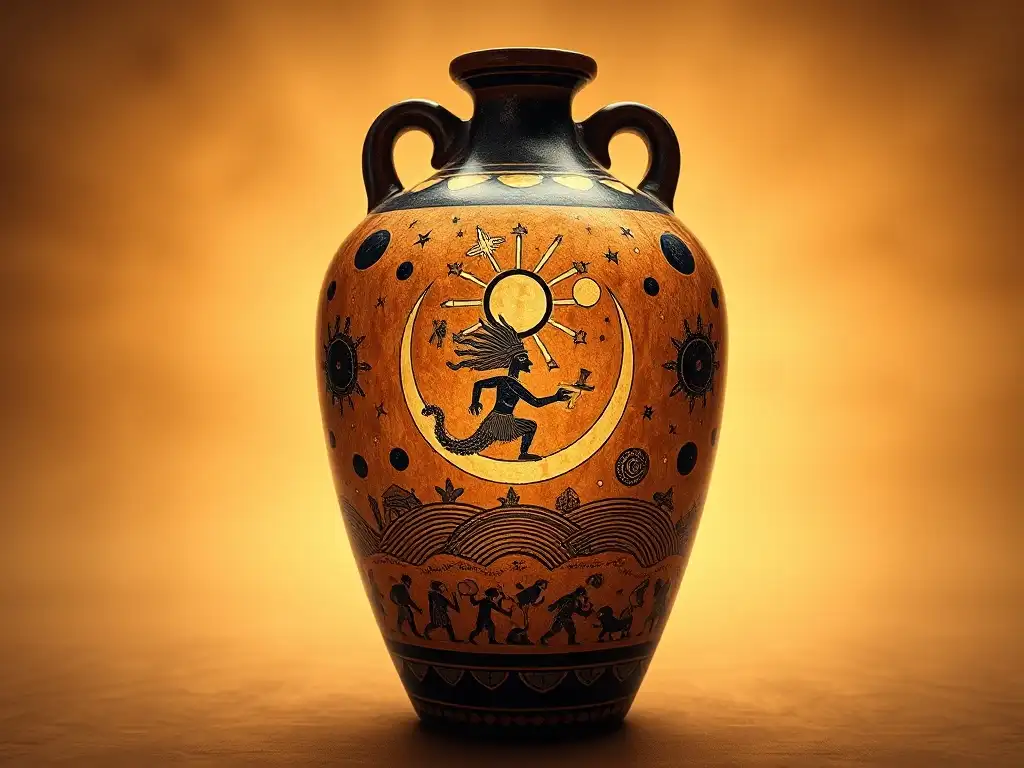
The Moche worldview was deeply intertwined with a cyclical understanding of the cosmos, a continuous process of creation, destruction, and renewal mirroring the natural world around them. This cyclical perspective is vividly depicted in their art, particularly in their pottery and metalwork, which often portray scenes of life, death, and rebirth. Unlike linear conceptions of time, the Moche perceived time as a continuous flow, where endings are simply transformations into new beginnings.
This understanding permeated all aspects of their lives, from agricultural practices to their elaborate religious rituals. The constant interplay between opposing forces—life and death, creation and destruction—formed the fundamental basis of their cosmology, a dynamic equilibrium that was essential to maintaining order in their world.
Understanding this cyclical nature is crucial to interpreting many of the Moche's religious beliefs and practices. Their belief in a continuous cycle impacted their agricultural practices, with their planting and harvesting cycles mirroring the cyclical nature of the universe.
The Sun's Journey: Symbolism in Moche Religious Practices
The sun played a central role in Moche religious beliefs, representing the life-giving force and the cyclical nature of time. Moche iconography frequently depicts the sun's journey across the sky, often associating it with the deity Ai Apaec, a powerful figure sometimes represented with a jaguar-like face and feathered headdress. The sun's daily journey, from sunrise to sunset, and its annual cycle, reflecting the changing seasons and agricultural cycles, were fundamental to their cosmology.
This symbolism is evident in the numerous depictions of solar motifs found on Moche ceramics and textiles. The sun's power was not only seen as a source of life and warmth but also as a force capable of destruction, highlighting the cyclical nature of creation and destruction inherent in their worldview. For example, the depiction of Ai Apaec often includes elements of both creation and destruction, emphasizing the dual nature of the sun's power.
The Moche carefully observed the sun's movements, using it as a guide for their agricultural practices and religious rituals, demonstrating the deep integration of their cosmology into everyday life. Detailed astronomical observations likely played a significant role in the timing of their ceremonies and agricultural activities. Further research into Moche astronomical knowledge is needed to fully understand the intricate relationship between their religious beliefs and their observations of the celestial bodies.
The Concept of Reincarnation in Moche Spirituality
Reincarnation, or the cyclical rebirth of the soul, was a significant aspect of Moche religious beliefs. Although direct textual evidence is lacking, the recurring motifs of death and rebirth in Moche art strongly suggest a belief in the soul's continuous cycle. The depiction of individuals emerging from or being swallowed by the earth, for example, could symbolize the transition between life and the afterlife, and subsequent rebirth.
The emphasis on ancestor veneration further supports this interpretation, as the ancestors were not merely remembered but considered to be actively involved in the lives of the living. The reverence shown to the deceased suggests a belief in their continued existence in some form, indicating a possible belief in the cyclical nature of life and death. Further analysis of Moche burial practices and associated grave goods might reveal additional clues about their beliefs regarding the afterlife and reincarnation.
The presence of specific objects in burials could hint at beliefs about the journey of the soul and the transition to the next life. [Specific examples of grave goods and their symbolic meaning pending].
Cosmic Balance: Maintaining Harmony in the Moche World
The Moche believed in maintaining a delicate balance within the cosmos – a harmony between the celestial and terrestrial realms. This cosmic balance was crucial for ensuring prosperity and avoiding chaos. Disruptions to this balance, such as natural disasters or social unrest, were often interpreted as signs of imbalance, requiring ritual intervention to restore harmony. The Moche's elaborate religious ceremonies, frequently involving human sacrifice, were believed to be essential for maintaining this cosmic equilibrium.
The sacrifices were not simply acts of violence but rather offerings intended to appease the gods and restore balance to the world. The selection of sacrificial victims, often individuals of high social standing, suggests that these individuals were perceived as being particularly important in maintaining the delicate balance of the cosmos. The elaborate rituals and the careful preparation of the sacrificial offerings underscore the importance of these actions in the Moche worldview.
The Moche's deep understanding of the interconnectedness of the natural world and the spiritual realm is highlighted by their emphasis on maintaining this cosmic balance, demonstrating a holistic and integrated worldview. Further research into the specific rituals and their symbolic meanings is needed to fully grasp the complexity of their efforts to maintain cosmic harmony. [Detailed analysis of specific Moche rituals and their connection to maintaining cosmic balance pending].
Moche Cosmology and Its Impact on Daily Life
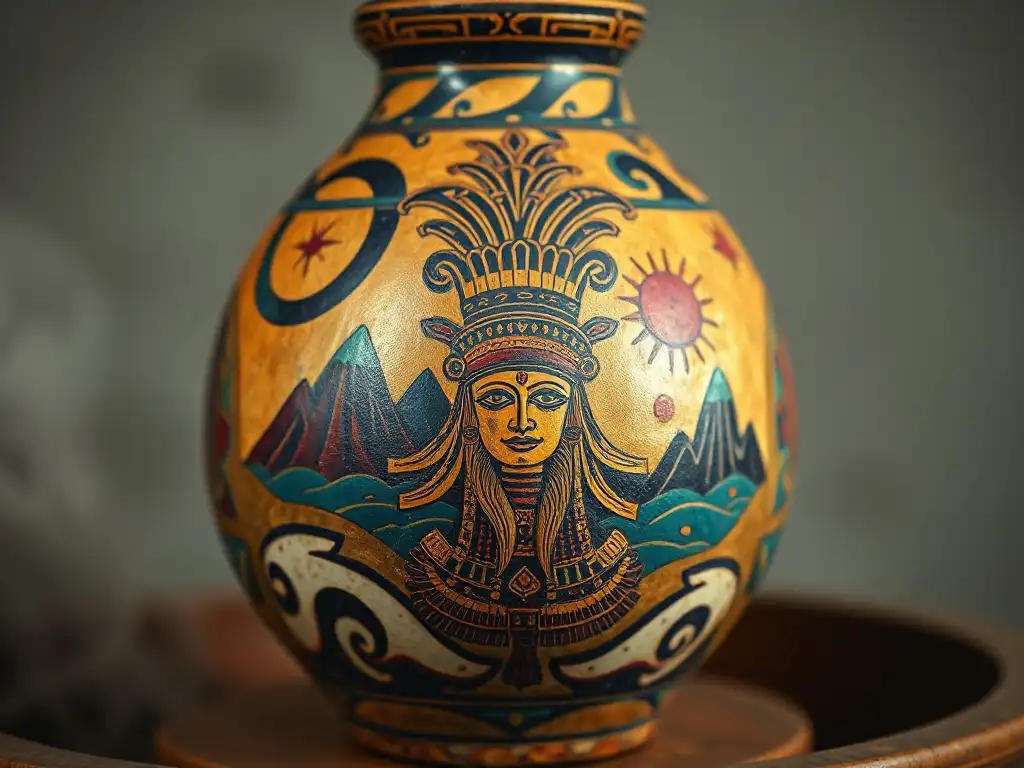
The Moche worldview, a complex tapestry woven from astronomical observations, agricultural practices, and ancestor veneration, profoundly shaped their daily lives. Their religious beliefs weren't confined to temples and rituals; instead, they permeated every aspect of Moche society, from the planting of crops to the construction of monumental architecture. Understanding Moche cosmology is key to deciphering their intricate social structures, artistic expressions, and technological achievements.
The Moche people, deeply connected to the rhythms of nature and the cycles of the cosmos, saw their existence as inextricably linked to the celestial order. This understanding influenced their agricultural practices, social hierarchies, and artistic representations, leaving an enduring legacy in the archaeological record. Further research into specific Moche sites and artifacts could provide even richer insights into the nuances of their cosmological beliefs and their practical implications.
Moche Agriculture and its Connection to the Celestial Cycles
Moche agriculture, the cornerstone of their economy and society, was intimately tied to their understanding of the cosmos. The Moche meticulously observed the movements of the sun, moon, and stars, using this knowledge to predict the best times for planting and harvesting. Evidence suggests they employed sophisticated irrigation systems, demonstrating a deep understanding of hydrology and celestial mechanics.
For example, the intricate canal systems found in the Moche valleys, precisely aligned with astronomical events, attest to their advanced knowledge. The cyclical nature of agriculture mirrored their perception of the cyclical nature of the universe, reinforcing the interconnectedness between the terrestrial and celestial realms. Their agricultural success, directly linked to their cosmological understanding, contributed significantly to the development of a complex and stratified society.
Precise details regarding the specific astronomical events tracked by the Moche and their correlation to agricultural practices require further investigation. However, the existing evidence strongly suggests a sophisticated level of astronomical observation directly informing their agricultural practices. This connection underscores the central role of cosmology in Moche daily life.
The Moche social hierarchy, characterized by a powerful elite and a stratified population, was deeply intertwined with their religious beliefs. The elite, often depicted in elaborate tombs and ceremonial contexts, were considered intermediaries between the human and divine realms. Their power and authority stemmed from their perceived connection to the supernatural forces that governed the cosmos.
The elaborate burial rituals, including the offerings of gold, silver, and human sacrifices, underscore the importance of maintaining a harmonious relationship with the supernatural world. The Moche believed that the actions of the living directly impacted the balance of the cosmos. Therefore, the social order, with its strict hierarchies, served to maintain this balance and ensure the prosperity of the entire society.
Further research is needed to fully elucidate the complex interactions between social status, ritual practices, and cosmological beliefs within Moche society. Analyzing the iconography found on elite Moche artifacts could shed more light on the specific roles and responsibilities of the ruling class in mediating between the human and divine spheres. The intricate interplay between religion and social structure remains a significant area of study in Moche archaeology.
Moche Art and Architecture as Manifestations of Cosmological Beliefs
Moche art and architecture serve as powerful visual representations of their cosmological beliefs. Their pottery, renowned for its intricate detail and realistic depictions of deities, mythical beings, and scenes of daily life, vividly portrays their understanding of the universe. The portrayal of the supernatural world and its interaction with the human world is a recurring theme, further emphasizing the integral role of religion in Moche society. Monumental constructions, such as the Huaca del Sol and Huaca de la Luna, were not merely architectural feats but also powerful expressions of their cosmological worldview.
Their design, layout, and ornamentation reflect a deep understanding of the cosmos and its influence on human affairs. The use of specific colors, symbols, and motifs in their art and architecture further reinforces the importance of cosmology in their culture. For example, the recurring motif of the serpent, often associated with water and fertility, highlights the vital role of these elements in their worldview.
Detailed analysis of Moche iconography, in conjunction with architectural studies of their major ceremonial centers, offers a valuable pathway to deciphering the complex relationship between their art, architecture, and cosmological beliefs. The visual language embedded within their creations provides invaluable insights into the Moche perception of the universe and their place within it. The careful study of these artistic and architectural expressions allows us to deepen our understanding of Moche religious beliefs and their profound impact on their civilization.
Legacy of Moche Cosmology: Insights into Andean Spirituality
The Influence of Moche Religious Beliefs on Later Andean Civilizations
The Moche's sophisticated cosmology wasn't a fleeting phenomenon; its influence reverberated through subsequent Andean cultures. While the exact mechanisms of transmission remain a subject of ongoing research, elements of Moche religious beliefs are discernible in the iconography and practices of later civilizations, particularly the Chimú and Inca. The emphasis on ancestor veneration, a core tenet of Moche spirituality, continued to hold significant weight.
Evidence suggests the Chimú, for instance, incorporated Moche-style burial practices and adopted similar representations of deities and mythical creatures in their own art. The Inca, known for their vast empire and complex religious system, might have integrated certain Moche cosmological concepts into their own worldview, albeit adapting and reinterpreting them within their broader framework. The persistence of certain motifs, such as the depiction of specific celestial bodies or the use of similar ritualistic objects, points towards a continuity of spiritual ideas across different Andean societies.
Further research focusing on comparative iconography and archaeological contexts is crucial to fully understand the extent and nature of this cultural inheritance. This transmission wasn't necessarily a direct replication; rather, it involved a process of adaptation and syncretism, where older beliefs were integrated and reinterpreted within the context of newer cultural systems. The study of this cultural exchange provides valuable insights into the dynamic nature of Andean religious thought and its evolution over centuries.
Exploring Moche Cosmology Through Archaeological Evidence
Moche cosmology is primarily understood through the meticulous analysis of their archaeological remains. Their elaborate burial sites, often containing richly decorated grave goods, offer invaluable clues. The presence of specific artifacts, such as intricately crafted gold and silver ornaments depicting celestial bodies (the sun, moon, and stars), along with representations of deities and mythical creatures, provides direct evidence of their beliefs. For example, the frequent depiction of the Ai Apaec, a fearsome deity often associated with both creation and destruction, highlights the Moche understanding of a complex and dynamic universe.
Furthermore, the analysis of Moche pottery, particularly the iconic portrait vessels, reveals a wealth of information regarding their pantheon of gods and goddesses, their rituals, and their worldview. These vessels often depict scenes of religious ceremonies, sacrifices, and interactions between humans and supernatural beings. The precision and detail in these depictions allow researchers to reconstruct aspects of their religious practices and understand their cosmological beliefs with remarkable accuracy.
Additionally, the architectural layout of their ceremonial centers and temples, often aligned with astronomical features, further strengthens our understanding of their astronomical knowledge and its connection to their religious beliefs. The careful excavation and analysis of these sites continue to yield new insights into the intricate and fascinating Moche cosmology. The combination of these diverse sources – grave goods, pottery, and architecture – provides a holistic picture of their spiritual world, allowing for a more nuanced and comprehensive understanding of "Moche religious beliefs".
The Enduring Importance of Understanding Moche Spiritual World
Understanding Moche cosmology is not merely an academic exercise; it holds significant contemporary importance. By studying their beliefs, we gain a deeper appreciation for the richness and complexity of ancient Andean cultures and their unique perspectives on the universe. Their sophisticated understanding of astronomy, their intricate religious rituals, and their profound respect for their ancestors offer valuable insights into human spirituality and the development of religious systems across different cultures.
Moreover, the Moche's artistic expressions, vividly depicting their cosmology through pottery and metalwork, serve as a testament to their creativity and ingenuity. Preserving and interpreting these artistic achievements helps us connect with a past civilization and appreciate their unique contribution to human history and artistic expression. The study of Moche religious beliefs enriches our understanding of pre-Columbian history and contributes to a more inclusive and comprehensive narrative of the past.
Finally, the enduring legacy of Moche cosmology reminds us of the interconnectedness of cultures and the importance of preserving and respecting the diverse spiritual heritage of humanity. The continued research and study of Moche religious beliefs are crucial for ensuring that their unique perspective on the world is not forgotten and that their cultural legacy continues to inspire and inform future generations.
Frequently Asked Questions
What were the most important deities in the Moche religion?
The Moche pantheon was complex, but key deities included the Ai Apaec, a powerful deity often depicted as a fanged being, and various representations of nature, like the sea and the moon. Their importance is evidenced in their prominent roles in Moche iconography.
How did Moche religious beliefs influence their art?
Moche art is deeply intertwined with their religious beliefs. Ceramics, metalwork, and textiles frequently depict deities, rituals, and mythological scenes, offering invaluable insights into their cosmology. These artifacts are primary sources for our understanding.
What role did sacrifice play in Moche religious practices?
Sacrifice, including human sacrifice, played a significant role in Moche religion. While the exact reasons remain debated, it's believed sacrifices were made to ensure good harvests, appease deities, or mark important events. Evidence is found in archaeological discoveries.
What is known about Moche funerary practices and their connection to their beliefs?
Moche funerary practices were elaborate and reflected their religious beliefs. Elaborate tombs and grave goods, including offerings of food, textiles, and even sacrificed individuals, suggest a belief in an afterlife and the importance of providing for the deceased in the next world.
How did the Moche cosmology differ from that of other Andean cultures?
While sharing some common threads with other Andean cultures, the Moche cosmology had unique aspects. Their focus on fertility, warfare, and specific deities like Ai Apaec sets them apart. Further research is needed to fully understand the nuances of their beliefs compared to those of the Inca or Nazca.
Final Reflection: Echoes of the Moche Cosmos in Our Modern World
The intricate cosmology of the Moche civilization, far from being a relic of the past, continues to resonate with us today. Its vibrant imagery and complex mythology offer a powerful lens through which to examine our own relationship with the natural world and the enduring human quest for meaning. The sophisticated understanding of the cosmos held by the Moche, expressed through their art and rituals, challenges our assumptions about ancient societies and their capacity for intellectual and spiritual depth.
The Moche's deep connection to the cyclical nature of life and death, as reflected in their iconography of deities and natural forces, remains profoundly relevant in a world grappling with environmental challenges and existential anxieties. The universe is not a cold, indifferent machine, but a living, breathing entity that responds to our actions.
This sentiment, though modern in its articulation, echoes the Moche belief in a dynamic, interconnected cosmos where human actions had direct consequences. Their worldview, steeped in reverence for the natural world, serves as a poignant reminder of our own responsibility towards the planet and the delicate balance of life.
Consider, for a moment, the intricate details of Moche ceramics and textiles. Let their vibrant colors and symbolic narratives stir your imagination. What can we learn from their profound understanding of the cosmos?
How can we integrate their respect for the natural world into our own lives? The legacy of the Moche is not merely a collection of artifacts and ruins, but a powerful testament to the enduring human spirit and the timeless search for meaning within the vast expanse of the universe. Let their story inspire you to explore your own connection to the cosmos and to find your place within the grand tapestry of existence.
Unveil the Mysteries of Moche Cosmology!
Thank you for exploring the fascinating world of Moche cosmology with us! We hope you've gained valuable insights into their unique worldview, inspiring both curiosity and wonder. Now, let's delve even deeper.
Here's how you can continue your exploration:
- Dive Deeper: Research the remarkable Moche archaeological sites and consider a visit to experience their legacy firsthand. The sheer scale and artistry of their remains is truly breathtaking.
- Join Our Community: Share your thoughts on Moche beliefs and how they might connect with modern cosmological understanding in our discussion forum. We'd love to hear your perspectives!
- Spread the Word: Share this article with friends who might appreciate learning about ancient civilizations and their captivating worldviews.
What aspect of Moche cosmology most captivates you, and how do you believe it might inform our contemporary understanding of the universe?