
The Art of Gilding: The Secrets of Andean Surface Treatment Techniques


Dive into a world lost to time, yet shimmering with enduring brilliance. For centuries, the Andes Mountains have held secrets whispered on the wind – secrets now revealed through the mastery of ancient Andean civilizations. Prepare to be captivated by the artistry of their lost techniques, particularly the intricate and breathtaking Andean gold leaf techniques. Discover how these ingenious cultures transformed humble metals into objects of unparalleled beauty and power, a legacy that continues to fascinate and inspire. Unravel the mysteries within…
- The Art of Gilding: Unveiling Andean Gold Leaf Techniques
- Andean Metallurgy: A Legacy of Innovation
- Exploring Andean Surface Treatment Techniques
- Pre-Columbian Gilding Methods: A Detailed Look
- Variations in Andean Gilding Techniques
- Materials Used in Andean Gilding
- The Enduring Legacy of Andean Gilding
-
Frequently Asked Questions
- What unique techniques did Andean civilizations use for gold leaf?
- How did the Incas contribute to Andean goldworking?
- What role did gold play in Andean societies?
- Besides gold leaf, what other surface treatment techniques did Andean artisans use?
- Where can I learn more about Andean gold leaf techniques?
- Final Reflection: The Enduring Legacy of Andean Gold
- Unveil the Beauty of Andean Gilding Techniques!
The Art of Gilding: Unveiling Andean Gold Leaf Techniques
The art of gilding, the application of thin layers of gold to surfaces, reached remarkable heights in the Andean region. Long before European contact, skilled artisans of civilizations like the Incas, Moche, Nazca, and Tiahuanaco developed sophisticated techniques for working with gold, creating dazzling objects of religious, ceremonial, and personal significance. This article delves into the fascinating world of Andean gold leaf techniques, exploring the processes, materials, and artistry behind these enduring masterpieces.
We will uncover the secrets of their metallurgical expertise, examining how these ancient cultures transformed malleable gold into intricate designs and breathtakingly delicate adornments. Understanding these techniques provides invaluable insight into the ingenuity and cultural sophistication of the Andean civilizations and their mastery of metallurgy. The enduring legacy of their goldwork continues to inspire awe and wonder, prompting ongoing research and study into the "Andean gold leaf techniques" employed by these remarkable societies.
Sourcing and Preparation of Gold
The Andean civilizations possessed extensive knowledge of gold deposits throughout their territories. Evidence suggests they utilized both alluvial gold (found in riverbeds) and lode gold (extracted from veins in rock). The extraction process likely involved techniques such as panning, sluicing, and potentially more advanced methods depending on the specific civilization and period. Once extracted, the gold underwent a rigorous purification process.
While the precise methods remain a subject of ongoing research, it's likely they involved techniques like cupellation (heating the gold to remove impurities) and possibly even more advanced chemical treatments. The purified gold was then hammered into thin sheets, or leaf, often achieving astonishing levels of thinness, demonstrating a high level of skill and patience. This meticulous preparation was crucial for achieving the desired effect in their intricate goldwork. The quality of the gold leaf directly impacted the final product's luminosity and durability.
Hammering and Shaping the Gold Leaf
The creation of gold leaf was a labor-intensive process requiring specialized tools and considerable expertise. Artisans used a variety of hammers, likely made from stone or metal, to gradually reduce the thickness of the gold. The hammering process was likely carried out on smooth surfaces, possibly anvil-like stones, to prevent damage to the delicate gold.
The process required great skill and precision to avoid tearing the gold leaf. The thinness achieved in some Andean gold leaf is truly remarkable, showcasing the mastery of the artisans. The resulting sheets were then meticulously shaped and cut to fit the specific object being decorated, whether it was a ceremonial mask, a piece of jewelry, or a religious artifact.
Application Techniques and Surface Treatments
The application of the gold leaf onto the desired surface involved several techniques. One common method involved the use of an adhesive, possibly a resin or gum derived from plants. This adhesive would be applied to the surface first, and then the gold leaf would be carefully laid onto it. Other techniques may have involved embedding the gold leaf into a base material, or using a combination of methods.
Once applied, the gold leaf was often further treated to enhance its durability and appearance. This could involve polishing, burnishing, or applying protective coatings. The specific techniques varied depending on the desired effect and the nature of the object being gilded. The intricate detail and preservation of many surviving pieces are testament to the effectiveness of these ancient surface treatment techniques.
The Cultural Significance of Andean Gilding

The use of gold in Andean cultures transcended mere aesthetics; it held profound religious and symbolic meaning. Gold, often associated with the sun and its power, was considered a sacred material. Elaborately gilded objects served as offerings to deities, adorned the bodies of elites, and were used in important ceremonies.
The intricate designs and patterns found on gilded artifacts often reflect complex cosmologies, beliefs, and social structures. The sheer amount of gold used in certain contexts, and the meticulous craftsmanship involved in creating these objects, underscores their immense cultural and spiritual significance within Andean societies. The artistry of Andean gilding, therefore, serves as a window into the rich cultural tapestry of these remarkable civilizations.
Modern Research and Preservation Efforts
Today, researchers continue to investigate the techniques employed by Andean artisans, utilizing advanced analytical methods to uncover further details about the materials and processes involved. Preservation of these fragile artifacts is also a major focus, as many pieces are susceptible to damage from environmental factors and the passage of time. Understanding the original techniques is crucial for the development of effective conservation strategies.
The ongoing research into "Andean gold leaf techniques" not only enhances our understanding of ancient Andean metallurgy but also helps ensure the preservation of this invaluable cultural heritage for future generations. The legacy of Andean gilding continues to inspire artists, scientists, and historians alike.
Andean Metallurgy: A Legacy of Innovation
The Significance of Metalworking in Andean Civilizations
Metalworking held immense significance for Andean civilizations, transcending mere utilitarian applications. The mastery of metallurgy was deeply intertwined with religious beliefs, social status, and political power. The ability to shape and adorn metals, particularly gold and silver, solidified the authority of elites and underscored their connection to the divine.
Elaborate gold and silver objects, often intricately crafted, served as symbols of power, wealth, and prestige. These weren't merely decorative items; they were active participants in religious rituals, signifying the connection between the earthly and spiritual realms. The control over metal resources and the expertise in crafting them became key factors in establishing and maintaining social hierarchies and political dominance across various Andean societies.
The sheer artistry and technical sophistication involved in Andean gold leaf techniques cemented their place as masters of metalworking in the ancient world. The development of these techniques, from the initial smelting of ores to the final polishing of intricate designs, reflects a profound understanding of materials science and artistic expression. This section will explore the development of Andean gold leaf techniques, showcasing their complexity and importance within the broader context of Andean civilization.
Early Metalworking Practices in the Andes
The earliest evidence of metalworking in the Andes dates back to approximately 2000 BCE, with the initial use of naturally occurring copper. These early practices involved hammering and annealing – a process of heating and cooling the metal to improve its malleability – to shape simple tools and ornaments. The shift from cold hammering to the incorporation of heat treatment represents a significant technological advancement, allowing for more intricate designs and larger pieces.
Early Andean metalworkers primarily focused on copper, likely due to its relative abundance and ease of working. As metallurgical knowledge progressed, they began experimenting with alloys, combining copper with other metals like arsenic or tin to create bronze, a stronger and more durable material. This innovation broadened the range of objects they could produce, expanding beyond basic tools to include more complex items such as weapons, adornments, and ceremonial objects.
The development of these early techniques laid the groundwork for the sophisticated metalworking practices that would characterize later Andean cultures, particularly their mastery of Andean gold leaf techniques. Further research is needed to fully understand the specific techniques used in these early phases, particularly concerning the precise methods of alloying and heat treatment. [Specific information pending: Detailed analysis of early Andean metallurgical sites and artifacts]
Copper and Silver Usage in Andean Metallurgy
Copper, as previously mentioned, was the primary metal used in early Andean metallurgy. Its malleability made it ideal for shaping into various forms. However, the discovery and subsequent utilization of silver marked a significant development in Andean metalworking. Silver, often found in association with copper ores, presented its own unique challenges and opportunities. While more difficult to work than copper, silver possessed a desirable aesthetic quality, adding a new dimension to Andean metalwork.
The combination of copper and silver, sometimes with the addition of gold, resulted in unique alloys that demonstrate a sophisticated understanding of material properties. Analysis of Andean artifacts reveals a remarkable consistency in alloy composition, suggesting a high degree of control over the metallurgical process. The use of silver expanded the range of applications, from functional tools to highly valued ceremonial objects. The incorporation of silver into Andean gold leaf techniques, however, requires further study.
[Specific information pending: Detailed chemical analysis of Andean silver and copper alloys and their role in gold leaf techniques]. The interplay between copper, silver, and gold showcases the increasingly sophisticated metallurgical knowledge and artistic skill that characterized Andean civilizations, a testament to their ingenuity and innovation. The careful manipulation of these metals, particularly in the creation of intricate gold leaf applications, stands as a remarkable achievement in ancient technology. 🥇
Exploring Andean Surface Treatment Techniques
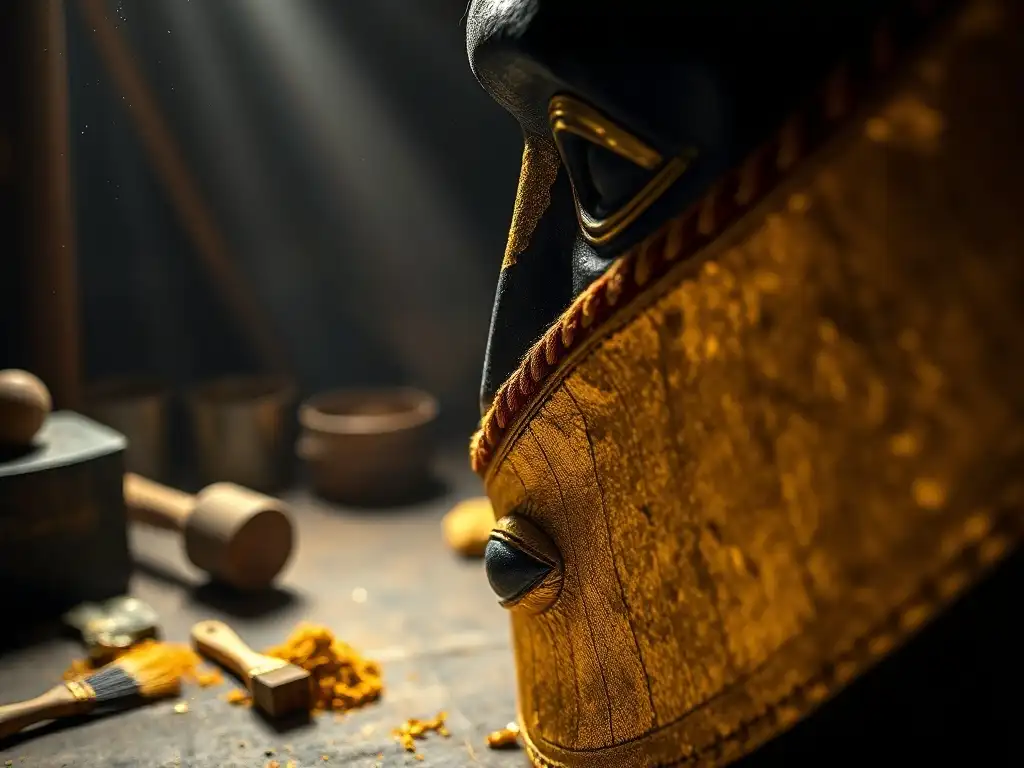
This section delves into the sophisticated surface treatment techniques employed by Andean civilizations, focusing on the artistry and technology behind their renowned gilding. We will examine the processes involved, the cultural significance of gold, and how gilded objects reflected social and political power structures. Understanding these techniques provides crucial insight into the advanced metallurgical capabilities and rich symbolic world of these ancient societies. The mastery of Andean gold leaf techniques represents a pinnacle of pre-Columbian artistry and technological prowess.
What is Gilding and its Importance?
Gilding, the application of a thin layer of gold to an object's surface, was a highly prized skill in the Andes. It wasn't merely a decorative process; it was a transformative one, elevating the value and perceived status of the object significantly. Andean artisans didn't simply apply gold; they manipulated it, creating incredibly intricate and durable finishes on a variety of substrates, including wood, stone, textiles, and even ceramics.
The importance of gilding stemmed from several factors: the inherent rarity and value of gold itself, the technical skill required for its application, and the symbolic power associated with the lustrous metal. The process itself involved several stages, from the preparation of the gold leaf (achieved through hammering techniques resulting in incredibly thin sheets) to the careful application and often subsequent polishing and burnishing. The sheer precision evident in many surviving examples speaks volumes about the dedication and expertise of these ancient Andean metalworkers.
The durability of many gilded objects, despite the passage of centuries, is a testament to the effectiveness of their techniques. Mastering these Andean gold leaf techniques was a mark of both skill and prestige.
The Role of Gold in Andean Cultures
Gold held profound symbolic significance across various Andean cultures. It wasn't simply valued for its monetary worth; it was deeply intertwined with religious beliefs, cosmology, and notions of power and divinity. In many Andean belief systems, gold represented the sun, a powerful deity associated with life, fertility, and cosmic energy.
This association imbued gilded objects with a sacred aura, transforming them into more than mere artifacts – they became powerful symbols of royal authority, religious power, and connection to the supernatural realm. The sheer quantity of gold used in some artifacts further underscores its importance. For example, the impressive goldwork found in the tombs of elite individuals demonstrates the extent to which gold was utilized to express status and power.
The meticulous craftsmanship involved in the creation of these pieces also speaks to the highly skilled workforce and the intricate organization of Andean societies. The use of gold wasn't limited to elite contexts, though its presence certainly indicated high status; smaller, more everyday objects sometimes incorporated gold leaf, signifying a shared cultural appreciation for the metal's symbolic value, even within less privileged segments of society.
Gilded objects served as potent symbols of social and political power within Andean societies. The use of gold was strictly controlled, often restricted to the elite classes, the ruling dynasty, and the religious hierarchy. The more elaborate and extensively gilded an object, the greater the status of its owner. This is clearly evidenced by the ornate gold adornments found in royal tombs, such as intricately crafted crowns, ceremonial masks, and richly decorated clothing.
These objects weren't just decorative; they were powerful statements of authority and legitimacy. The intricate designs often incorporated motifs related to deities, mythical creatures, and cosmological concepts, further reinforcing their symbolic importance and the power associated with them. The production of these gilded objects required a complex network of specialized artisans, indicating a high level of social organization and economic control.
The control over the production and distribution of gold, and therefore the creation of gilded artifacts, served as a crucial mechanism for maintaining social hierarchies and consolidating political power within these Andean civilizations. The sheer scale and complexity of some gilded pieces, requiring the coordinated efforts of numerous skilled individuals, vividly illustrates the sophisticated level of social and political organization within these ancient societies. Analysis of the distribution of gilded objects across different social strata provides further insights into the social and political dynamics of these remarkable cultures.
Pre-Columbian Gilding Methods: A Detailed Look
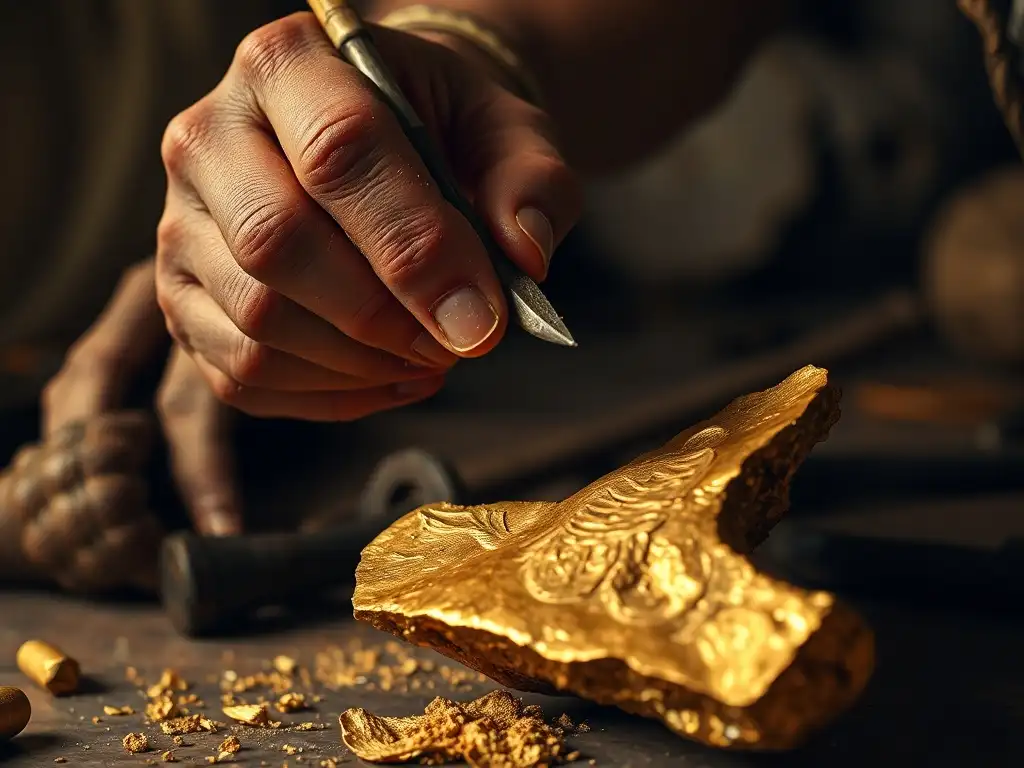
This section delves into the fascinating world of pre-Columbian gilding techniques employed by Andean civilizations. Mastering the art of applying gold leaf wasn't merely decorative; it was a testament to their advanced metallurgical skills and held significant symbolic and religious weight. The sheer artistry and precision evident in surviving artifacts highlight the sophisticated understanding these cultures possessed of material science and craftsmanship.
Analyzing these techniques reveals a complex interplay of artistry, technology, and cultural significance, offering valuable insights into Andean societal structures and beliefs. The use of gold, a precious metal imbued with spiritual meaning, underscores its importance in their worldview. Understanding these "Andean gold leaf techniques" is crucial to appreciating the full scope of their achievements.
Direct Application of Gold Leaf: Techniques and Tools
The most common method involved the direct application of incredibly thin gold leaf onto a variety of substrates, including wood, textiles, and even human remains. This wasn't a simple process; it required meticulous preparation and specialized tools. Archaeological evidence suggests the use of natural adhesives, likely derived from plant resins or gums.
These acted as a binding agent, securing the delicate gold leaf to the surface. The application itself likely involved careful manipulation using specialized tools, possibly including brushes made from fine animal hair or even human hair. The precision required to avoid tearing the extremely thin gold sheets speaks volumes about the skill level of Andean artisans.
The thickness of the gold leaf varied depending on the intended use and the desired effect. Thinner sheets were often used for intricate details, while thicker sheets were employed for larger, more prominent areas. The process was undoubtedly time-consuming and demanding, requiring a steady hand and considerable expertise. Furthermore, the preparation of the gold leaf itself was a complex process, involving hammering gold into incredibly thin sheets, a testament to their mastery of metallurgy. We can imagine the artisans working diligently, their movements precise and deliberate, transforming raw materials into objects of stunning beauty and spiritual significance.
Understanding the Andean Gold Leaf Process
The Andean gold leaf process wasn't a single, monolithic technique. Instead, it involved a complex series of steps, each demanding precision and skill. The process started with the sourcing and refining of the gold itself, likely from alluvial deposits throughout the Andes. This was followed by the laborious process of hammering the gold into incredibly thin sheets, a testament to their advanced metalworking techniques. Maintaining uniform thinness across such large sheets would have been a significant challenge, requiring years of apprenticeship and practice to master.
After the gold leaf was prepared, the next step involved preparing the substrate. This often included meticulous cleaning and smoothing of the surface to ensure proper adhesion of the gold leaf. The application of the adhesive, whether a plant-based resin or another material, would have been crucial in preventing the gold leaf from peeling or cracking.
Finally, the burnishing process, described in the next section, completed the process, giving the gilded object its characteristic luster and shine. The entire process highlights the sophisticated understanding of materials science and craftsmanship possessed by Andean artisans. The surviving examples of their work stand as a testament to their skill and artistry.
Burnishing Tools and Stone Anvils Used for Gilding
The final step in many Andean gilding techniques was burnishing, a process that compacted and smoothed the gold leaf, enhancing its brilliance and durability. This was accomplished using specialized tools, often made from highly polished stones like obsidian or hematite. These burnishing tools, carefully shaped and smoothed, would have been pressed firmly against the gold leaf, creating a smooth, even surface with a dazzling shine. The pressure exerted during burnishing was critical; too much pressure could damage the delicate gold leaf, while too little pressure would not achieve the desired effect.
Evidence suggests the use of stone anvils as well. These provided a stable and even surface against which to burnish the gold leaf, ensuring a consistent and uniform finish. The combination of burnishing tools and stone anvils created a powerful system for achieving a high-quality, long-lasting gilded finish.
The choice of materials for both the tools and anvils was likely deliberate, reflecting a deep understanding of the properties of different stones and their ability to achieve the desired effect without damaging the gold leaf. The meticulous nature of this final step reinforces the dedication and skill of the Andean artisans who created these stunning works of art. The remarkable preservation of many gilded artifacts is a testament to the effectiveness of their techniques.
This detailed look at Andean gold leaf techniques reveals a sophisticated understanding of metallurgy and craftsmanship, surpassing many contemporary techniques in terms of precision and aesthetic achievement. The dedication to detail and the mastery of the process are evident in the surviving examples, which continue to inspire awe and admiration.
The Use of Adhesives in Andean Gilding
The application of gold leaf, a hallmark of Andean artistry, relied heavily on effective adhesives to ensure the delicate sheets adhered securely to diverse substrates, including wood, textiles, and even ceramics. The choice of adhesive was crucial, impacting both the longevity and aesthetic quality of the gilded object. Archaeological evidence suggests a sophisticated understanding of adhesive properties, with artisans carefully selecting materials based on the substrate and the desired finish. The application process itself likely involved multiple stages, ensuring a strong and lasting bond.
For instance, preliminary preparation of the surface, perhaps involving smoothing and the application of a primer, would have been essential to create a receptive surface for the adhesive. The adhesive itself would then have been applied in a thin, even layer, allowing sufficient time for it to become slightly tacky before the gold leaf was carefully placed. The precise methods used for applying the gold leaf—whether using brushes, spatulas, or even fingers—remain a subject of ongoing research, with variations likely depending on the specific object and the artisan's skill.
The choice between applying the adhesive before or after the gold leaf may have also varied according to the artisan or the desired effect. Further research into the chemical composition of residues found on ancient gilded artifacts is crucial to understand these processes in more detail. This would allow for a more accurate reconstruction of the techniques used and improve our understanding of the artisans’ mastery of their craft.
Plant Resins and Animal Glues as Binding Agents
Andean artisans skillfully employed a range of natural adhesives derived from both plant and animal sources. Plant resins, particularly those from trees native to the Andes, provided a robust and durable binding agent. These resins, often collected and processed, offered varying levels of tackiness and adhesion, allowing artisans to tailor their choice to the specific application. The use of different plant resins, and the understanding of how their properties varied with processing techniques and age, demonstrates a considerable level of botanical knowledge.
For example, some resins might have been preferred for their flexibility, allowing for the gilding of objects subject to movement or vibration, while others may have been chosen for their strength and resistance to environmental degradation. Animal glues, obtained from sources like camelids (llamas and alpacas) or other available animals, offered a different set of properties. Animal glues, when properly prepared, provided strong bonds, especially effective when adhering gold leaf to harder surfaces like wood. The preparation of both plant resins and animal glues would have involved specific processes that required both knowledge and skill.
These processes, likely passed down through generations, involved careful heating, mixing, and filtration to achieve the desired consistency and adhesive properties. The precise ratios of plant resins and animal glues, as well as any additives used to modify their properties, remain subjects of ongoing investigation but are key to understanding the full range of Andean gilding techniques and their lasting impact. The discovery of new archaeological sites and the application of advanced analytical techniques continue to shed light on the specific materials and methods employed by these master craftsmen.
Variations in Andean Gilding Techniques
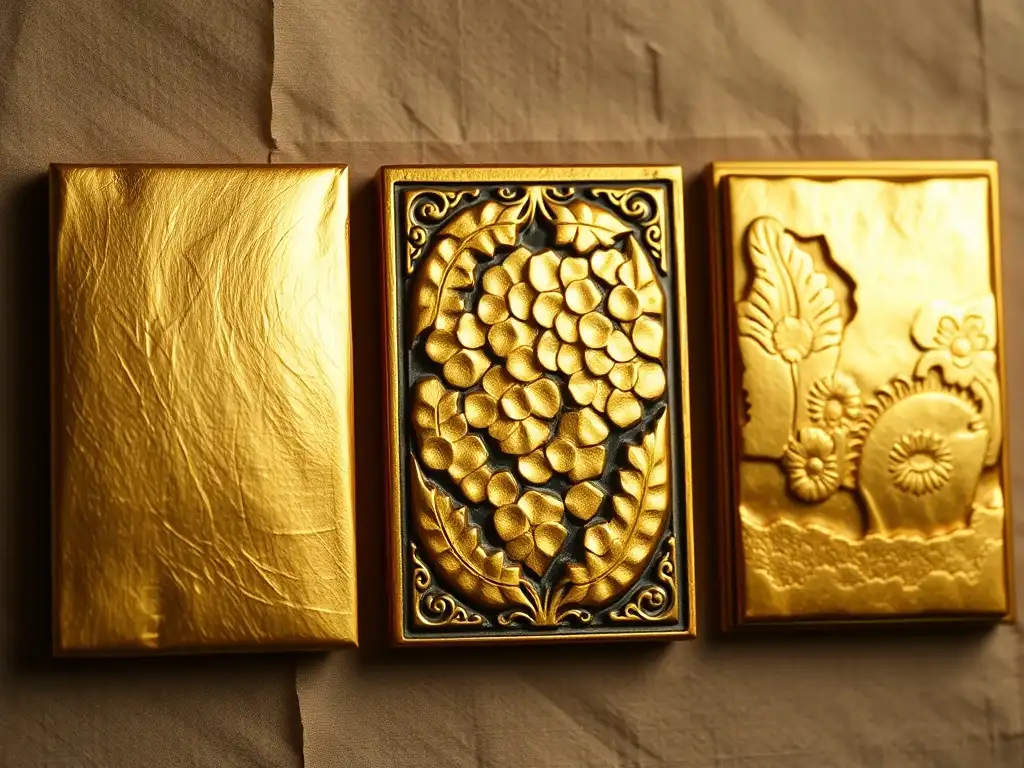
The mastery of gold working in the Andes was not monolithic; rather, it evolved and diversified across different cultures and time periods. While the overall goal—to create dazzling, gilded surfaces—remained consistent, the specific techniques and aesthetic preferences varied significantly. Understanding these variations provides crucial insights into the technological advancements and artistic sensibilities of each Andean civilization.
The term "Andean gold leaf techniques" itself encompasses a broad spectrum of practices, from the delicate application of hammered gold leaf to the more elaborate use of gold alloys and intricate surface decoration. This section explores some key differences in gilding styles across prominent Andean cultures.
The Moche Gilding Style: Depiction of Mythological Creatures
Moche artisans, renowned for their sophisticated metalworking, employed gilding techniques primarily to embellish ceremonial objects and elite grave goods. Their gilding style was characterized by a meticulous attention to detail and a preference for depicting mythological creatures and scenes of ritualistic importance. Instead of large, uninterrupted expanses of gold leaf, Moche goldsmiths often used smaller, intricately shaped pieces of gold leaf, carefully applied and sometimes inlaid with other materials like turquoise or lapis lazuli.
This allowed for a more dynamic and expressive use of the gold, creating a three-dimensional effect that enhanced the narrative qualities of the object. For instance, the gold-leaf embellishments on Moche ceremonial vessels often depict scenes of warfare, shamanistic rituals, or encounters with supernatural beings. These detailed depictions, achieved through painstakingly applied gold leaf, showcase the high level of skill and artistic vision of Moche artisans.
The process likely involved hammering the gold into incredibly thin sheets, then carefully cutting and shaping the pieces before adhering them to the base material using an adhesive, possibly a resin or natural gum. Evidence suggests that some Moche gilding also incorporated the use of mercury amalgamation, allowing for a more fluid and malleable application of the gold.
The prevalence of mythological creatures in Moche gilding points to the strong religious and ideological significance of gold within their society. Gold wasn't just a valuable material; it was imbued with spiritual power, reflecting the cosmology and beliefs of the Moche people.
Inca Gilding: Emphasis on Large-Scale Architectural Decoration
Inca gilding, unlike the Moche style, often focused on large-scale architectural decoration. While the Incas certainly produced exquisite gold objects, their application of gilding expanded to monumental structures, showcasing their imperial power and control. They used gold leaf more liberally, creating expansive gilded surfaces on temples, palaces, and other important buildings. This suggests a shift in the social and symbolic meaning of gold. While still valued as a precious metal, its use in Inca architecture underscored the emperor's divine authority and the empire's wealth and power.
The Inca technique may have involved the application of gold leaf to a prepared surface, possibly using a type of adhesive similar to that employed by the Moche. However, the scale of the Inca projects required a more efficient and potentially different application method. [Specific information pending on Inca gilding application techniques and adhesives used]. Further research is needed to fully understand the precise techniques and logistics involved in gilding Inca structures. The sheer size and grandeur of these gilded surfaces is a testament to the Inca's organizational capacity and mastery of engineering, in addition to their goldsmithing skills.
Chimú Gilding Techniques Using Hammered Gold Sheets
The Chimú, who succeeded the Moche, also demonstrated remarkable skill in gold working, but their gilding techniques differed somewhat. While they continued the tradition of creating intricately detailed gold objects, they also utilized hammered gold sheets more extensively than the Moche. This approach allowed for the creation of larger, more substantial gilded surfaces on objects such as masks, ornaments, and ceremonial vessels.
The Chimú often combined hammered gold sheets with other techniques, such as repoussé (hammering from the back to create a three-dimensional effect) and chasing (hammering from the front to refine details). This resulted in a distinctive style characterized by a combination of bold, planar surfaces and finely worked details. [Information needed on specific Chimú adhesives and preparation methods]. Their use of hammered gold sheets, compared to the smaller, more fragmented gold leaf applications of the Moche, might reflect differences in the availability of gold resources or changes in aesthetic preferences.
The resulting pieces are often characterized by a greater sense of weight and solidity, contrasting with the finer details found in Moche gilding. The skillful manipulation of hammered gold sheets testifies to the advanced metallurgical understanding and artistic ingenuity of Chimú artisans. Their work represents a notable chapter in the rich history of Andean gold leaf techniques.
Regional Variations in Gold Leaf Application
The application of gold leaf, a hallmark of Andean artistry, wasn't a monolithic process. Significant regional variations existed, reflecting both access to resources and unique aesthetic preferences. For instance, the Moche culture, known for its intricate metalwork and elaborate funerary practices, employed gold leaf in a distinctly different manner than the Inca, who, while also masterful goldsmiths, prioritized larger-scale projects and a more austere style in some instances.
The Moche often used extremely thin gold leaf, almost like a delicate paint, layering it onto intricately shaped objects, creating a shimmering effect. This technique required exceptional skill and patience, as the thinness of the leaf made it highly susceptible to tearing.
Evidence suggests they might have used natural adhesives derived from plants, a subject still under research, to secure the gold to their often complex, three-dimensional forms. The precision involved in applying gold leaf to their castings of humans and animals is truly breathtaking, showcasing an advanced understanding of both metallurgy and artistic expression.
In contrast, the Inca, while also utilizing thin gold leaf, often incorporated larger sheets into their work. Their monumental gold objects, such as the iconic Tumis (ceremonial knives), often showcase larger areas covered in gold leaf, sometimes in conjunction with other precious metals like silver or copper.
This suggests a different approach, perhaps prioritizing the overall effect of a gilded surface rather than the minute details found in Moche work. The Inca's imperial reach also likely influenced the standardization of some techniques across their vast empire, although regional stylistic variations still persisted.
Archaeological finds reveal differences in the purity of the gold used, the thickness of the leaf, and even the methods employed for applying it, suggesting a degree of local adaptation within the broader Inca artistic tradition. The Inca’s mastery of hammering techniques allowed them to create incredibly thin sheets of gold, which could then be applied with greater ease to larger surfaces.
The Nazca culture, renowned for their ground drawings and sophisticated textile work, also engaged in goldworking, although on a seemingly smaller scale compared to the Moche or Inca. While less abundant, their gold artifacts often display a different aesthetic, featuring simpler, more geometric designs sometimes inlaid with other materials. The application of gold leaf in Nazca pieces seems to have been more focused on highlighting specific motifs or elements within a larger composition, rather than covering entire surfaces.
This suggests a different artistic philosophy, one that prioritized strategic application over extensive coverage. Further research into Nazca goldworking techniques is needed to fully understand their distinct approach to gold leaf application and the specific materials and methods they employed. The scarcity of surviving examples, however, presents a challenge for comprehensive analysis.
Finally, the Tiahuanaco culture, known for its monumental architecture and sophisticated stonework, also left behind examples of gold craftsmanship, though often in smaller quantities than other Andean civilizations. Their goldwork, from what we can ascertain, showcased a style distinct from the others, often characterized by simpler, more symbolic designs. The application of gold leaf may have been more utilitarian in some cases, used to enhance the appearance of functional objects rather than purely decorative ones.
Further research is crucial to define more accurately the specifics of their gold leaf application techniques, as the surviving examples are relatively few and often fragmented. A comparative study of the different Andean cultures' techniques could shed light on the cultural exchanges and independent developments that shaped the unique characteristics of each region's approach to gold leaf application.
Materials Used in Andean Gilding
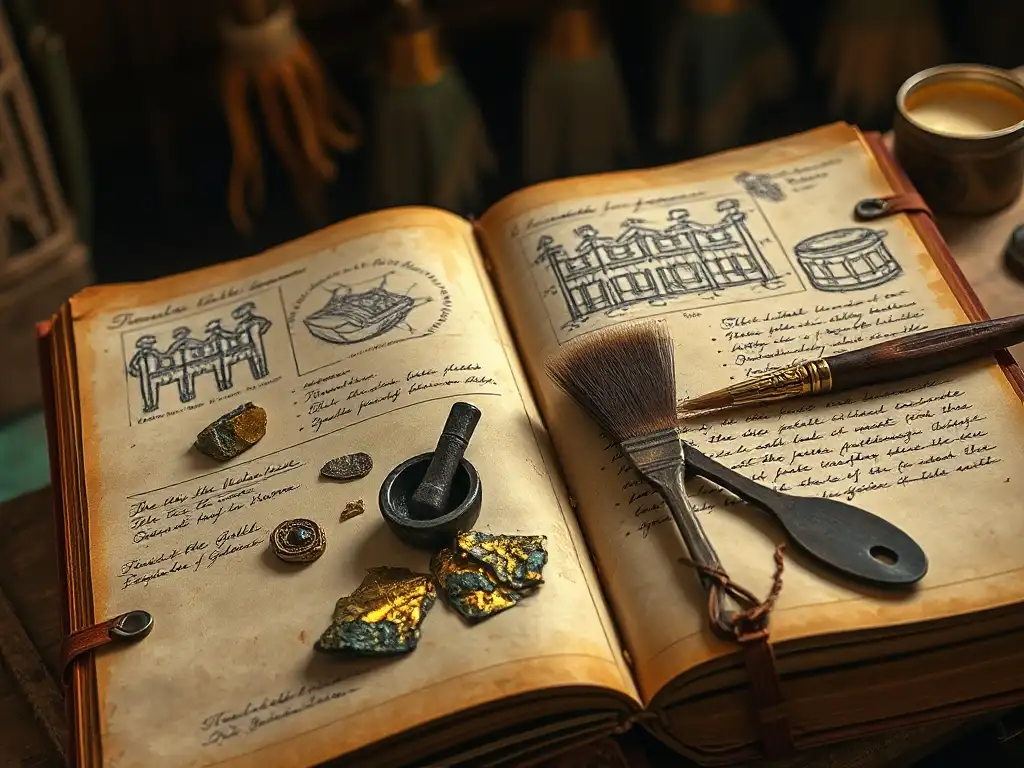
The artistry of Andean goldwork, renowned for its intricate detail and shimmering surfaces, relied heavily on specific materials, carefully selected and expertly manipulated. Understanding these materials is key to appreciating the sophistication of Andean gold leaf techniques. Beyond the obvious importance of gold itself, other elements played crucial supporting roles in achieving the desired aesthetic and structural integrity of the finished pieces.
These included mercury, various alloys, and even organic substances like resins and pigments. The quality and source of these materials directly impacted the final product's brilliance and longevity. The procurement and handling of these resources reveal a deep understanding of metallurgy and resource management within Andean societies.
Gold Sources in the Andes
The Andes Mountains were a treasure trove of gold, with numerous rivers and veins yielding the precious metal. The specific locations varied across different Andean cultures and time periods. For instance, the Muisca civilization of Colombia was famous for its gold workings, while the Inca Empire controlled vast territories rich in gold deposits.
The extraction methods varied from simple panning in riverbeds to more sophisticated techniques involving mining shafts and tunnels, indicating a progressive understanding of mining and resource management. Archaeological evidence reveals the existence of extensive mining operations, some quite elaborate, suggesting a significant investment of labor and expertise. The Inca, for example, are known to have employed a complex system of labor organization for mining activities, further highlighting the importance of gold acquisition to their economy and worldview.
Detailed analysis of recovered gold artifacts reveals that the Andean artisans were discerning in their selection of gold sources. The purity and malleability of the gold were likely important factors in determining its suitability for gilding. Differences in the chemical composition of gold from various sources may have influenced the characteristics of the finished products, such as color variations and resistance to corrosion. [Specific information on gold purity levels and alloying in different Andean regions pending].
Hammering and Annealing Gold for Leafing
Creating gold leaf required a meticulous process of hammering and annealing. The process began with relatively large nuggets or ingots of gold, which were first shaped using basic hammering techniques. This initial shaping reduced the size and thickness of the gold, making it easier to work with in subsequent steps. The key to creating gold leaf, however, lay in the repetitive hammering and annealing cycle.
Hammering was done using specialized stone hammers and anvils, carefully chosen for their hardness and smoothness to prevent damage to the delicate gold. This process involved carefully striking the gold repeatedly, gradually reducing its thickness and increasing its surface area. The repetitive hammering work-hardened the gold, making it brittle. This is where annealing came into play.
Annealing involves heating the gold to a specific temperature, then allowing it to cool slowly. This process relieves the internal stresses built up during hammering, restoring the gold’s malleability. The process was repeated countless times, with each cycle progressively thinning the gold until it reached the desired thinness for leafing. The temperature control during annealing was crucial, as overheating could damage the gold, while insufficient heating would not restore its malleability.
[Specific temperature ranges and annealing techniques used by different Andean cultures pending]. The skill and precision required for this process were remarkable, demonstrating the high level of metallurgical expertise within Andean societies. This mastery is evident in the incredibly thin, yet strong, gold leaf found on many artifacts.
The Role of Other Metals in Gilding
While gold was the star of Andean gilding, other metals played supporting roles, impacting both the aesthetics and functionality of the final product. Mercury, for example, was crucial in the amalgamation process, used to collect and refine gold from ores. The use of mercury, however, was not without risks, exposing artisans to the toxic effects of mercury vapor. [Specific data on the prevalence of mercury use and its health impacts on Andean artisans pending].
Other metals, such as copper and silver, were sometimes alloyed with gold to alter its properties. Alloying could change the color of the gold, adding variations in hue and tone, or increase its hardness and durability. This demonstrates the sophisticated understanding of metallurgy within Andean cultures, going beyond simply using pure gold and exploring the possibilities of alloying to achieve specific artistic and functional outcomes.
The proportions of these alloys likely varied across different regions and time periods, reflecting diverse artistic preferences and resource availability. The careful control of alloy composition is a testament to the advanced metallurgical techniques employed by Andean artisans. The precise ratios of these alloys and their impact on the final product's properties require further research.
[Specific examples of Andean gold alloys and their properties pending]. The use of these metals showcases a sophisticated understanding of material science and its application in achieving desired aesthetic and functional outcomes in Andean goldwork.
Application of Copper Alloys as a Base Layer
The meticulous preparation of the surface before the application of gold leaf was crucial in Andean gilding. A key aspect of this preparation involved the use of copper alloys as a base layer. These alloys, often containing varying proportions of copper, tin, and other trace elements, provided a stable and durable foundation for the subsequent application of gold.
The choice of specific alloy composition likely varied depending on the desired properties, such as malleability, hardness, and resistance to corrosion. Archaeological evidence suggests that artisans possessed a sophisticated understanding of metallurgy, allowing them to tailor the alloy composition to meet the specific requirements of each piece. This careful selection ensured the longevity of the gilded artifacts, many of which have survived for centuries.
The application of the copper alloy base wasn't a simple process. It involved several steps, starting with the creation of thin sheets of the alloy, likely through hammering and annealing techniques. These sheets were then carefully shaped and fitted to the object being gilded, often requiring considerable skill and patience, especially for complex forms.
The surface of the copper alloy base was meticulously smoothed and polished to create an even and reflective surface, essential for the adhesion of the gold leaf and the overall quality of the finished piece. Any imperfections in the base layer would have been readily apparent in the final gilded artifact, highlighting the high level of craftsmanship involved.
The artisans' mastery of hammering and polishing techniques ensured a perfectly smooth and even surface, ready to receive the precious gold. Evidence from surviving artifacts indicates a high degree of precision in this process, suggesting a long apprenticeship and specialized training for those who worked with these materials.
Furthermore, the use of copper alloys wasn't solely about creating a stable base. The color and reflectivity of the copper alloy likely also played a role in enhancing the overall visual effect of the finished gilded piece. The subtle interplay between the gold leaf and the underlying copper alloy could create a rich and nuanced effect, adding depth and complexity to the artwork.
This deliberate use of the copper alloy as a base layer demonstrates the Andean artisans’ sophisticated understanding of both material properties and aesthetic considerations in their goldworking techniques. The interplay between the base metal and the gold leaf showcases their artistry and attention to detail—an artistic approach that is a hallmark of Andean goldsmithing.
The Enduring Legacy of Andean Gilding
The mastery of goldworking in the Andes stands as a testament to the ingenuity and artistic prowess of ancient Andean civilizations. Their sophisticated techniques, particularly in gilding, resulted in breathtaking artifacts that continue to fascinate and inspire today. The legacy of Andean gilding extends beyond the aesthetic; it speaks volumes about their advanced metallurgical understanding and their deeply ingrained cultural and spiritual beliefs.
The meticulous application of gold leaf, often in conjunction with other materials like silver and copper, demonstrates a profound understanding of material properties and surface treatments, far exceeding the capabilities of many contemporary societies. The sheer quantity and quality of surviving gilded objects, from intricate jewelry to monumental religious structures, highlight the widespread adoption and importance of this technique across different Andean cultures and time periods.
This enduring legacy is not only evidenced by the surviving artifacts themselves but also by the ongoing research and analysis that continue to unravel the secrets of their creation. Understanding these techniques provides invaluable insights into the social, economic, and religious structures of these remarkable civilizations.
Preservation of Andean Gilded Artifacts
Preserving Andean gilded artifacts presents unique challenges. The delicate nature of gold leaf, coupled with the effects of time, environmental factors, and potential previous improper handling, requires specialized conservation techniques. Deterioration can manifest in various forms: flaking, corrosion, and the loss of adhesive binding the gold leaf to the underlying substrate.
Conservators employ a multi-pronged approach, often involving meticulous cleaning to remove accumulated dirt and grime, stabilization of the gold leaf using consolidants, and careful repair of damaged areas using techniques that are as minimally invasive as possible. The choice of materials and methods is crucial, as inappropriate treatments can cause further damage. Advanced techniques such as X-ray fluorescence (XRF) spectroscopy are utilized to analyze the composition of the gold leaf and underlying materials, aiding in the development of tailored conservation strategies.
Detailed documentation of each stage of the conservation process is essential, ensuring that future researchers and conservators have access to valuable information. This meticulous work ensures that these invaluable pieces of Andean heritage are preserved for generations to come, allowing continued study and appreciation of the artistry and technical skill involved in their creation. The preservation of these artifacts is not just about maintaining their physical integrity; it's about safeguarding a vital part of our shared cultural heritage.
Modern Applications of Andean Gilding Techniques
While the techniques used by Andean artisans were honed over centuries, their underlying principles remain relevant to modern applications. Modern goldsmiths and artisans continue to draw inspiration from these ancient methods, adapting them to contemporary materials and contexts. For example, the ancient Andean understanding of creating durable bonds between gold leaf and various substrates informs modern techniques in gilding a variety of materials, from wood and plaster to metal and even glass.
The knowledge of creating patinas and surface treatments, which were integral to Andean gilding, continues to be studied and refined, resulting in a wider range of aesthetic effects. Moreover, the use of natural pigments and resins, prevalent in Andean gilding, has seen a resurgence in recent years, fueled by a growing interest in sustainable and environmentally friendly materials.
The study of ancient Andean gold leaf techniques offers valuable insights into the creation of long-lasting, aesthetically pleasing, and historically informed gilding, providing a rich source of inspiration for modern practitioners. Analyzing the chemical composition of the ancient gold leaf and its binding agents allows for the replication of these techniques, enabling a deeper understanding and appreciation of the ancient craft.
Inspiration for Modern Jewelry Design
The exquisite artistry of Andean goldwork, particularly their mastery of gilding, serves as a powerful source of inspiration for contemporary jewelry designers. The intricate designs, symbolic imagery, and sophisticated techniques employed by Andean artisans continue to captivate and inform modern aesthetics. Many contemporary designers incorporate elements of Andean style, such as geometric patterns, zoomorphic motifs, and the use of multiple metals, into their creations.
The vibrant colors achieved through the combination of gold leaf and other materials, a hallmark of Andean gilding, also find their way into contemporary designs. Furthermore, the sustainable and ethical approach to material use, often evident in ancient Andean practices, resonates with the growing trend towards responsible sourcing and production in the modern jewelry industry.
The study of Andean gold leaf techniques provides a wealth of inspiration for creating unique, historically informed, and aesthetically pleasing jewelry that honors the legacy of Andean artistry while adapting it to modern sensibilities. The enduring appeal of Andean goldwork lies in its ability to seamlessly blend technical mastery with profound cultural and spiritual significance, inspiring generations of artists and designers.
Scientific Analysis of Andean Gilding Techniques
The enduring allure of Andean gold artifacts stems not only from their aesthetic beauty but also from the sophisticated metallurgical techniques employed in their creation. Modern scientific analysis has provided invaluable insights into the processes used by Andean artisans to achieve such remarkable results in gilding, revealing a level of technical expertise previously underestimated. Techniques like X-ray fluorescence (XRF) spectroscopy and scanning electron microscopy (SEM) have been instrumental in uncovering the secrets behind the application and durability of Andean gold leaf.
For instance, studies using XRF have identified the precise composition of the gold alloys used, revealing variations in purity and the intentional addition of other metals like silver and copper to achieve specific colors and workability. These analyses have shown that Andean goldsmiths possessed a deep understanding of metallurgy, carefully controlling the alloying process to achieve desired properties. The results often demonstrate a surprising consistency in alloy composition across different artifacts and time periods, suggesting the existence of standardized techniques and perhaps even specialized workshops dedicated to alloy production.
SEM analysis, on the other hand, provides microscopic detail on the surface treatment itself. It allows researchers to examine the structure of the gold leaf, revealing the thickness, layering, and any evidence of surface treatments like polishing or burnishing. Such analyses have shown that Andean goldsmiths achieved incredibly thin gold leaf, sometimes only a few micrometers thick, demonstrating exceptional skill in hammering and shaping the metal. Furthermore, the microscopic examination often reveals traces of other materials, such as resins or pigments, used in conjunction with the gold leaf to enhance its appearance or create specific visual effects.
The application techniques themselves are also a subject of ongoing research. Some evidence suggests the use of mercury amalgamation, a process where gold is mixed with mercury to create a malleable paste that can be easily applied to a surface. However, the precise methods used for applying the gold leaf, whether through hammering, pressing, or other techniques, remain a topic of debate among researchers.
Further investigation using advanced imaging techniques and material analysis is needed to fully elucidate the subtleties of these processes. The combination of metallurgical analysis with archaeological context provides a more complete picture of Andean goldsmithing practices, shedding light on the cultural and technological significance of these remarkable artifacts. Understanding these techniques not only allows us to appreciate the artistry but also provides insights into the social organization and technological advancements of Andean societies.
Frequently Asked Questions
What unique techniques did Andean civilizations use for gold leaf?
Andean goldsmiths were masters of hammering thin sheets of gold into incredibly fine leaf, sometimes thinner than modern techniques allow. They also employed alloying with other metals to achieve different colors and workability.
How did the Incas contribute to Andean goldworking?
The Incas inherited and expanded upon existing techniques, creating large-scale gold objects for religious and political purposes. Their mastery of repoussé and casting is particularly noteworthy.
What role did gold play in Andean societies?
Gold held immense symbolic significance, representing the sun and its power, and was used in religious ceremonies, royal adornment, and elite burials. It was a mark of prestige and power.
Besides gold leaf, what other surface treatment techniques did Andean artisans use?
Beyond gold leaf, Andean artisans employed techniques like inlay, plating, and granulation, often combining these methods for intricate and visually stunning effects. Copper alloys were also frequently used.
Where can I learn more about Andean gold leaf techniques?
You can explore museums with Andean collections, research academic articles on Andean metallurgy, and visit sites dedicated to pre-Columbian art and archaeology. Many resources are available online.
Final Reflection: The Enduring Legacy of Andean Gold
The meticulous artistry of Andean goldworking, far from being a relic of the past, continues to resonate deeply in contemporary craft and design. The techniques explored in this article—from the precise hammering and meticulous application of gold leaf to the innovative use of alloys and surface treatments—represent not just a lost art, but a powerful testament to human ingenuity and cultural resilience. These methods offer a profound understanding of material manipulation and artistic expression that transcends time and geography.
The enduring influence of Andean goldworking is undeniable, shaping our understanding of pre-Columbian societies and inspiring contemporary artists and artisans alike. The sheer technical skill involved, coupled with the symbolic power imbued in the finished pieces, continues to fascinate and inspire. Gold, in its brilliance and malleability, became a canvas for expressing the Andean worldview, a material embodiment of their cosmology and beliefs.
This quote encapsulates the profound connection between the material and the spiritual, a connection that continues to inform our appreciation of art and craftsmanship.
Consider the intricate details, the painstaking effort, the deep cultural significance woven into each piece of Andean goldwork. Now, consider how you can apply this understanding of dedication and artistry to your own life. What seemingly impossible task can you approach with the same level of precision and passion? What hidden beauty can you uncover in the materials and processes around you? Let the legacy of Andean goldsmiths inspire you to find your own unique brilliance and leave your own enduring mark on the world.
Unveil the Beauty of Andean Gilding Techniques!
Thank you for exploring the intricate world of Andean gilding with us! We hope you've gained valuable insights into the artistry and history of these remarkable techniques. Now, let's delve deeper into this captivating tradition.
- Take a hands-on gilding workshop: Many are available; find one near you to practice your new skills!
- Share your passion: Inspire friends and family to appreciate the beauty and artistry of Andean craftsmanship.
- Connect with contemporary artisans: Follow relevant artists on social media to see how these ancient techniques are being reinterpreted today.
What aspect of Andean gilding most captivates you, and how might you incorporate it into your own creative work?