
The Rhythms of Exchange: Seasonal Barter Practices in the Andes

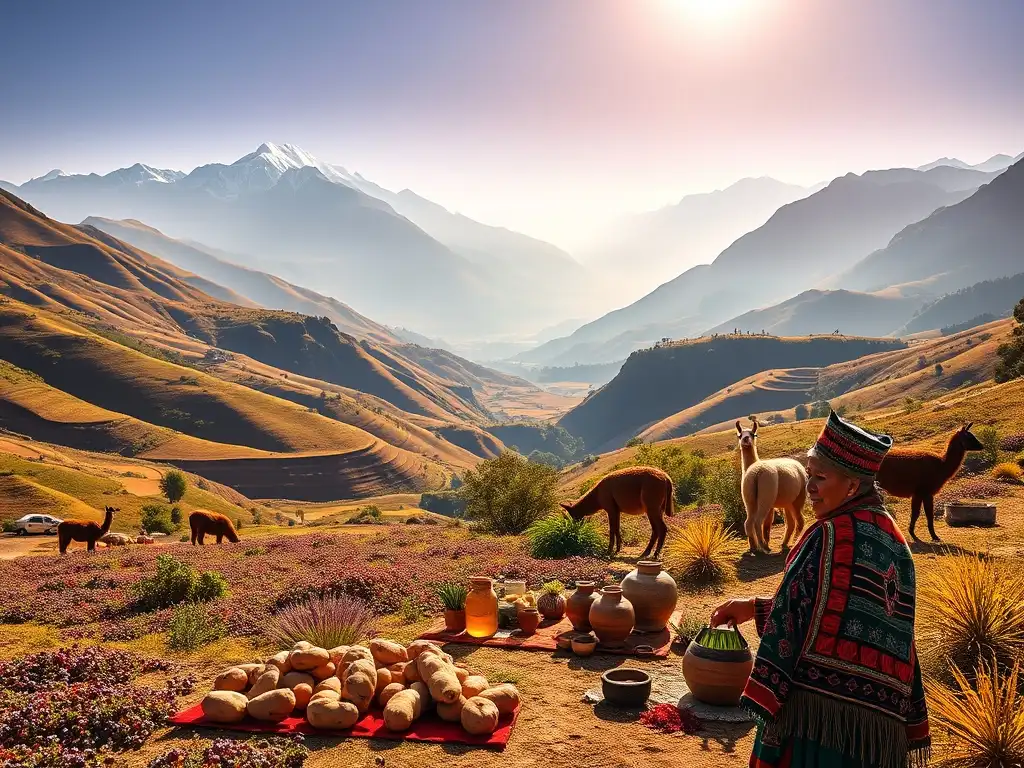
Step into a world lost to time, yet echoing with the vibrant pulse of ancient Andean life. Imagine a society where the rhythm of the seasons dictated not only the harvest, but also the intricate dance of Andean seasonal barter systems. This wasn't mere trade; it was a complex tapestry woven from agricultural cycles, social structures, and spiritual beliefs. Discover the secrets behind this fascinating system and unlock the mysteries of how these remarkable civilizations thrived. Prepare to be amazed.
The Andes Mountains, a spine of towering peaks and fertile valleys, nurtured a complex tapestry of ancient civilizations. For millennia, these societies developed intricate systems of exchange, not solely reliant on centralized markets or monetary systems, but profoundly shaped by the rhythms of the Andean environment. This article delves into the fascinating world of Andean seasonal barter systems, exploring how the cyclical nature of agriculture and resource availability dictated the timing, types of goods exchanged, and the social dynamics inherent in these vital economic interactions.
We will examine how the changing seasons influenced the flow of goods between different communities, highlighting the ingenuity and adaptability of these pre-Columbian societies in managing their resources and fostering reciprocal relationships. Understanding these seasonal barter practices provides crucial insight into the resilience and sophistication of Andean economies, revealing a nuanced picture far beyond simple notions of trade.
The Influence of the Agricultural Calendar
The Andean agricultural calendar, dictated by the altitude, microclimates, and the annual cycle of rains and dry seasons, profoundly impacted the timing and nature of barter exchanges. The availability of specific crops, like potatoes, maize, quinoa, and coca, directly correlated with the frequency and scale of trade events. For instance, the harvest of potatoes in higher altitudes coincided with the need for coastal communities to exchange fish and salt.
This seasonal synchronicity created a predictable rhythm of exchange, fostering inter-community cooperation and resource redistribution. Detailed records, though scarce, suggest that certain communities specialized in specific crops, creating a network of reciprocal exchange based on seasonal surpluses and deficits.
This wasn't simply a matter of individual transactions; rather, it involved established routes and customary practices rooted in long-standing social relationships. The successful functioning of these systems relied heavily on accurate prediction of the harvest cycles and a deep understanding of the environmental factors influencing agricultural productivity.
Key Goods and Their Seasonal Availability
The goods exchanged within Andean seasonal barter systems were incredibly diverse, reflecting the ecological richness of the region. High-altitude communities traded surplus potatoes, quinoa, and llama wool, while lower-altitude groups offered cotton, maize, fruits, and fish. Coastal regions contributed salt, an essential preservative and commodity highly valued throughout the Andes. The timing of the availability of each product directly determined the peak periods of exchange.
For example, the trading of dried fish, crucial for preservation during the lean months, would have intensified during the post-harvest season when surpluses of other goods were available for exchange. Precious metals and crafted goods, like ceramics and textiles, also played a role, but their exchange was often tied to specific ritual events or social obligations, adding a layer of complexity beyond purely utilitarian trade. The sheer variety of goods exchanged underscores the intricate interconnectedness of the Andean economy.
Andean seasonal barter systems weren't merely economic transactions; they were deeply embedded within the social and ritual fabric of Andean life. Exchange events often coincided with festivals and religious ceremonies, strengthening social bonds and reinforcing reciprocal obligations between communities. The act of exchange itself became a ritualized process, involving specific protocols and social etiquette. The success of the exchange wasn't solely determined by the quantity or quality of goods but also by the adherence to these customary practices.
This highlights the importance of social capital and trust in maintaining the stability and functionality of these systems. The lack of documentation makes it challenging to provide specific examples of rituals, but archaeological evidence suggests the significance of feasts and communal celebrations during these events. Further research is needed to fully elucidate the complex interplay between economics and ritual in Andean barter systems.
Challenges and Adaptations
The Andean environment presented numerous challenges to the seasonal barter systems. Unpredictable weather patterns, crop failures, and natural disasters could disrupt the flow of goods and create imbalances in the exchange networks. Communities developed ingenious strategies to mitigate these risks, including the creation of storage facilities for surplus goods and the establishment of flexible exchange mechanisms that allowed for adjustments based on changing circumstances. Evidence suggests the use of various forms of credit or debt systems, allowing communities to overcome temporary shortages and maintain long-term reciprocal relationships. The adaptability of these systems is a testament to the resilience and ingenuity of Andean societies in managing their resources and navigating environmental uncertainties. The study of these adaptation strategies provides valuable lessons for understanding the dynamics of sustainable resource management in challenging environments.
Further research into specific Andean cultures (e.g., the Incas, Moche, Nazca, and Tiwanaku) will shed more light on the nuances of their respective seasonal barter practices. The complexity and sophistication of these systems should not be underestimated; they represent a remarkable achievement in pre-Columbian economic organization.
- The Influence of the Agricultural Calendar
- Key Goods and Their Seasonal Availability
- Social and Ritual Aspects of Barter
- Challenges and Adaptations
Understanding Andean Seasonal Barter Networks
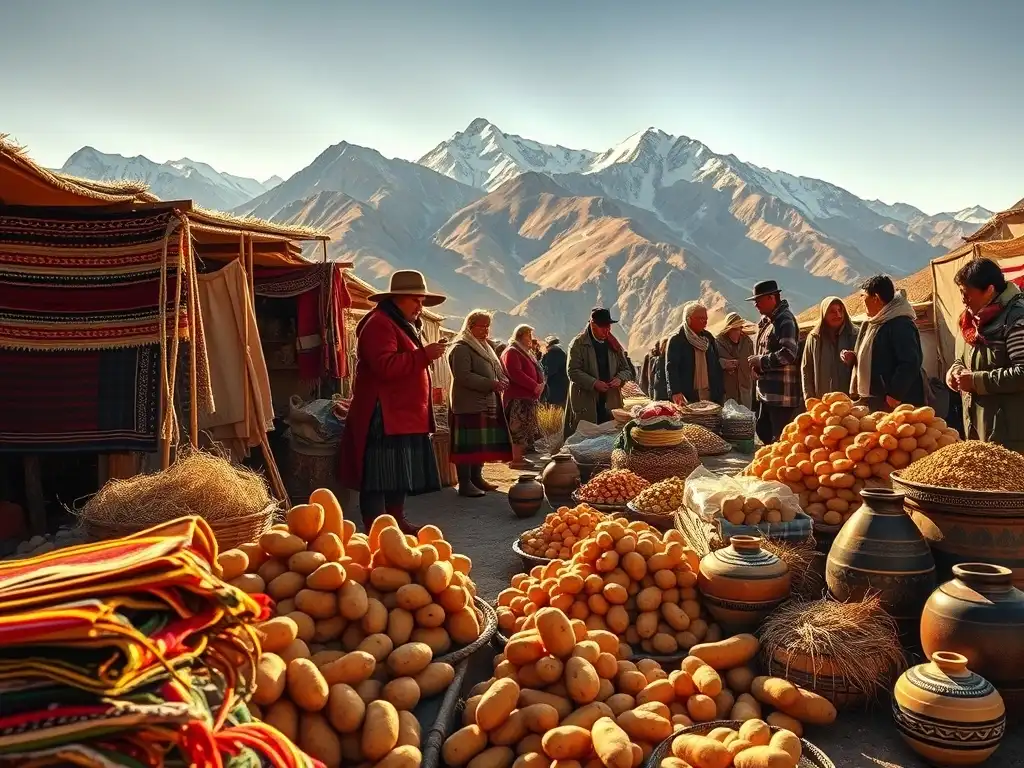
This section delves into the intricacies of Andean seasonal barter systems, exploring their significance within the broader context of Andean economies and social structures. Understanding these systems requires moving beyond a simplistic view of trade and recognizing the deeply embedded cultural and social dimensions of exchange. These weren't merely economic transactions; they were vital components of maintaining social harmony, reinforcing alliances, and ensuring the survival of communities across diverse ecological zones.
The Andean seasonal barter systems represent a sophisticated adaptation to the region's unique environmental challenges and the cyclical nature of agricultural production. The timing of exchanges, the goods involved, and the social obligations surrounding them all contributed to a complex and dynamic economic landscape. Analyzing these systems allows us to appreciate the ingenuity and resilience of Andean societies in managing resource allocation and social relationships.
The sheer diversity of goods exchanged, from agricultural products to textiles and precious metals, reflects the richness and complexity of Andean economies and their intricate trade networks. Further research is needed to fully quantify the volume of goods exchanged through these systems, but existing archaeological and ethnographic evidence points to a significant role in sustaining Andean communities. The keyword, "Andean seasonal barter systems," encapsulates the core focus of this analysis.
The Significance of Reciprocity in Andean Societies
Reciprocity formed the bedrock of Andean social organization. It wasn't simply a matter of exchanging goods; it was a fundamental principle governing social relations, shaping obligations, and defining community membership. The concept of ayni, a Quechua term encompassing reciprocal labor and exchange, permeated all aspects of Andean life. This system ensured the equitable distribution of resources and fostered cooperation amongst community members.
Seasonal variations in agricultural yields meant that communities often found themselves with surpluses in certain periods and shortages in others. The ayni system facilitated the movement of goods and labor between communities, mitigating the effects of these fluctuations and ensuring community survival. This reciprocal exchange wasn’t limited to material goods; it extended to social services, such as assistance during planting and harvesting seasons, construction projects, and ritual ceremonies. The failure to reciprocate could have serious social consequences, potentially leading to social exclusion and undermining community cohesion.
The system was not based on strict accounting, but rather on trust and ongoing social obligations, demonstrating a deep understanding of social capital and its importance in maintaining community stability. This social dimension is crucial to understanding the true significance of Andean seasonal barter systems. The system's success depended not only on the availability of goods, but also on the strong social bonds that underpinned the exchange.
Defining Seasonal Barter: A Key Economic Activity
Andean seasonal barter systems were characterized by their temporal specificity. The timing of exchanges was dictated by the agricultural calendar and the availability of specific goods. For example, communities located in higher altitudes, specializing in potato cultivation, would exchange their surplus potatoes for other products from lower altitudes during the harvest season. This exchange wasn't random; it followed established patterns and routes, forming intricate networks of exchange that connected communities across diverse ecological zones.
These networks weren’t static; they adapted to changing environmental conditions and social dynamics. The goods exchanged reflected the unique ecological niches occupied by different communities. High-altitude communities offered potatoes, quinoa, and llama wool, while lower-altitude communities provided cotton, maize, coca leaves, and other tropical products. The scale of these exchanges varied, ranging from small-scale exchanges between neighboring communities to larger-scale interactions involving multiple groups.
Archaeological evidence, such as the discovery of storage facilities and trade routes, provides insights into the organization and scale of these seasonal exchanges. However, much remains unknown about the precise mechanisms governing these exchanges, the role of intermediaries, and the extent to which they contributed to the overall Andean economy. Further research utilizing both archaeological and ethnohistorical data is essential for a comprehensive understanding of these vital economic and social practices. The study of these "Andean seasonal barter systems" provides a valuable lens through which to understand the adaptive strategies and resilience of Andean civilizations.
The Annual Cycle and Barter Practices
The Andean region's diverse geography and climate profoundly influenced the timing and nature of seasonal barter systems. Understanding the intricate relationship between agricultural cycles and exchange networks is crucial to appreciating the complexity of Andean economies. The cyclical nature of Andean life, dictated by the agricultural calendar, directly impacted when and what goods were exchanged.
This wasn't a chaotic system; rather, it was a finely tuned mechanism reflecting centuries of adaptation and ingrained social structures. The "Andean seasonal barter systems" were not merely transactional; they were deeply embedded in the social fabric, reinforcing kinship ties and solidifying community bonds. This section delves into the specifics of this annual cycle and its impact on barter practices.
Agricultural Calendar and Exchange Schedules
The Andean agricultural calendar wasn't a rigid, uniform system across all regions. Variations existed based on altitude, microclimates, and specific crops cultivated. However, a general pattern emerges. The hawanaku (the agricultural year) was divided into distinct periods, each associated with specific planting, harvesting, and exchange activities.
For instance, the rainy season (typically November to April) saw the exchange of seeds, tools, and labor. Communities often collaborated on large-scale irrigation projects, a form of reciprocal exchange essential for successful harvests. The dry season (May to October) focused on the exchange of harvested goods. This period witnessed bustling markets and fairs where surpluses were traded for needed goods not produced locally.
Detailed records of these schedules, while scarce, suggest a sophisticated understanding of resource management and timing. Archaeological evidence, including storage facilities and the remains of market places, supports the existence of planned and organized exchange events. Further research into local chronicles and ethnohistorical accounts could reveal even more nuanced details about the precise timing and organization of these exchange schedules.
Specific Crops and Goods Traded Seasonally
The goods exchanged varied considerably depending on the season and the specific ecological niche. High-altitude communities, often specializing in livestock such as llamas and alpacas, traded wool, meat, and hides for agricultural products from lower elevations. Lower-altitude communities, with their fertile valleys and diverse crops, exchanged maize, potatoes, beans, coca leaves, and fruits. Coastal communities contributed fish, shellfish, and salt.
The timing of these exchanges was critical. For example, the harvest of maize, a staple crop, triggered a wave of barter activity, with surplus maize traded for other necessities. Similarly, the availability of specific fruits, such as chirimoyas or lúcuma, dictated their exchange periods.
This seasonal variation created a vibrant, dynamic exchange network, ensuring the distribution of resources across diverse ecological zones. A fascinating aspect was the exchange of luxury goods, such as textiles, pottery, and precious metals, which often followed established trade routes and were involved in more ceremonial and elite exchange systems, rather than the daily necessities-based bartering. Specific data on quantities and types of goods traded seasonally is still under investigation; more comprehensive archaeological analysis is needed to fully quantify these patterns.
The Role of Climate in Bartering Activities
Climate played a decisive role in shaping Andean seasonal barter systems. Unpredictable weather patterns, such as droughts or floods, significantly impacted agricultural yields and, consequently, the availability of goods for exchange. Periods of scarcity often resulted in increased competition and price fluctuations, potentially leading to social tensions. Conversely, abundant harvests fostered increased exchange activity and strengthened community bonds.
The ability to adapt to these climatic variations was crucial for the survival of Andean communities. Evidence suggests that communities developed strategies for risk mitigation, such as storing surplus food and diversifying their crops, to buffer against the impacts of climate variability. The exchange of goods also served as a form of social insurance, allowing communities to share resources during times of hardship.
Further research into paleoclimatic data, coupled with archaeological evidence, can shed more light on the precise relationship between climatic events and the fluctuations in Andean barter systems. Understanding this interconnectedness is crucial for a complete picture of Andean resilience and adaptability. The impact of El Niño events, for example, warrants detailed investigation to understand their influence on the timing and nature of exchange activities.
Regional Variations in Andean Barter
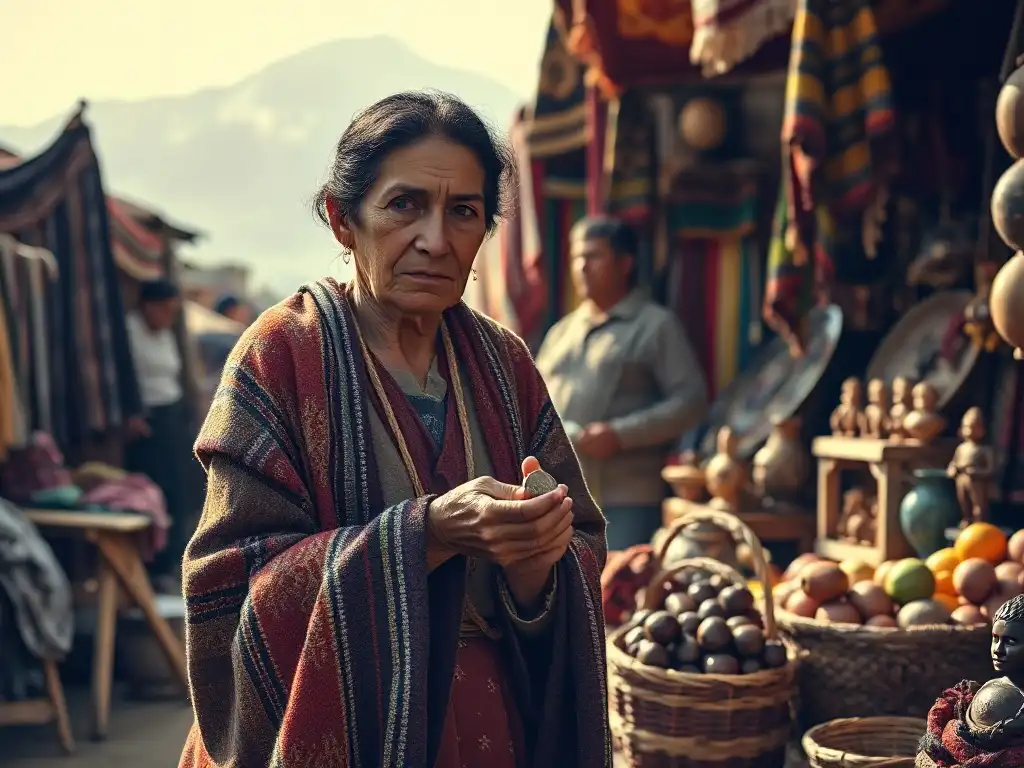
The Andean region, far from being a monolithic entity, presented a diverse tapestry of ecological zones and cultures, each impacting the specifics of their seasonal barter systems. Understanding the nuances of these regional variations is crucial to appreciating the complexity of Andean exchange networks. Altitude, climate, and available resources directly influenced the types of goods exchanged and the timing of these exchanges.
While a common thread of reciprocal gifting and seasonal cycles underpinned many practices, the specific goods and the mechanisms of exchange differed significantly across the Andes. The keyword "Andean seasonal barter systems" is relevant because it directly addresses the core topic of this section, highlighting the seasonal aspect crucial to understanding these economic practices.
Barter Practices in the Highlands of the Andes
The highlands, characterized by their challenging terrain and variable climates, saw barter systems heavily influenced by agricultural cycles. The availability of potatoes, quinoa, and other staple crops dictated the timing and nature of exchanges. For example, in the potato-growing regions, the harvest season (typically between April and June) fueled a period of intense trading activity.
Farmers would exchange surplus potatoes for textiles, tools, or llama wool from neighboring communities situated at different altitudes with different resources. This system promoted inter-community cooperation and resource distribution, mitigating the risks associated with unpredictable weather patterns. Furthermore, the exchange wasn't solely based on immediate needs; it also involved the exchange of ritual goods, reinforcing social bonds and solidifying alliances, demonstrating a complex interplay between economic and social structures.
The timing of these exchanges was intimately tied to the agricultural calendar, with specific festivals often coinciding with peak trading periods. Archaeological evidence, such as the discovery of storage facilities near ancient highland settlements, underscores the importance of storing surplus goods for later exchange.
Coastal Trade and Seasonal Exchange of Goods
The coastal regions of the Andes, with their abundant marine resources and distinct climate, developed different barter systems. Fishing communities, for instance, would exchange dried fish, shellfish, and salt for agricultural products from the highlands. This exchange was facilitated by established trade routes and, in some cases, specialized transport systems. The timing of these exchanges was largely dictated by the fishing season and the availability of specific marine species. The dry season (typically between May and October) often saw an increase in trade activity as fish stocks were preserved for later exchange. Coastal communities also traded valuable resources like cotton, used for textiles, significantly influencing the overall Andean exchange network. The “Andean seasonal barter systems” were thus shaped by the availability of both terrestrial and marine resources, creating complex and dynamic interactions between coastal and highland communities. These seasonal patterns demonstrate a sophisticated understanding of resource management and ecological interdependence.
Amazonian Influence on Andean Barter Systems
The Amazonian rainforest, while geographically distinct, exerted a significant influence on Andean barter systems, particularly in the eastern slopes of the Andes. Goods such as exotic feathers, medicinal plants, and hardwoods were highly valued in the Andes and were exchanged for highland products. The timing of these exchanges was influenced by seasonal river navigation, as many trade routes relied on navigable rivers.
The rainy season (typically between November and March) often hindered trade, while the dry season facilitated easier transport. This interaction demonstrates the interconnectedness of different ecological zones within the broader Andean context. The exchange of Amazonian goods brought not only material resources but also cultural exchange, with Amazonian motifs and practices influencing Andean art and rituals.
Understanding the Amazonian influence is critical to fully grasping the scope and complexity of "Andean seasonal barter systems," showcasing the vast network of exchange that extended beyond the confines of the Andes themselves. Further research is needed to fully quantify the volume and impact of this Amazonian trade on the overall Andean economy.
The Mechanics of Andean Barter
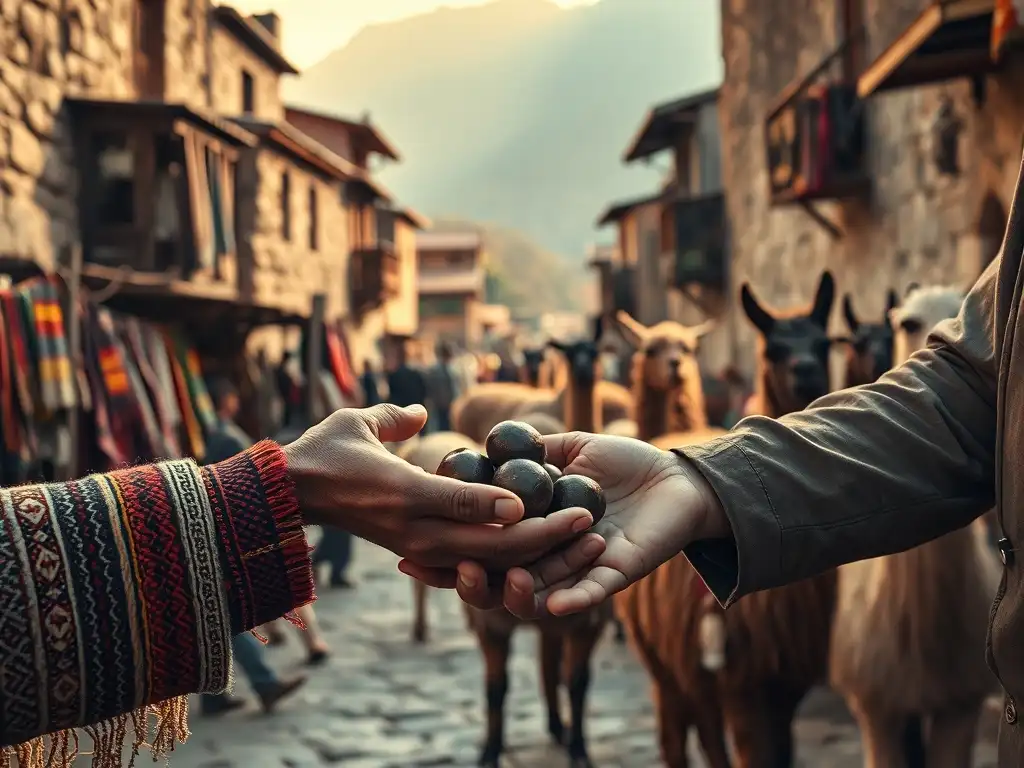
This section delves into the practicalities of Andean seasonal barter systems, exploring the intricate processes involved in these vital economic interactions. Understanding these mechanics reveals the sophistication and resilience of ancient Andean economies, significantly shaped by the cyclical rhythms of nature and agriculture. The seasonal nature of Andean agriculture dictated the timing and nature of exchanges, creating a complex web of reciprocal obligations and carefully negotiated transactions. Analyzing these mechanics illuminates the social fabric woven into the very act of exchange.
Identifying Bartering Partners and Relationships
Identifying suitable exchange partners was not a random process in Andean communities. Relationships, often established through kinship ties, reciprocal obligations (ayni), and established trade routes, played a crucial role. These weren't anonymous transactions; they were deeply embedded within the social structure. For instance, communities situated at different altitudes, each specializing in specific crops due to varying climatic conditions, would engage in predictable exchanges. A high-altitude community producing potatoes might regularly barter with a lower-altitude community specializing in coca leaves or cotton. This established pattern of interaction fostered trust and predictability, minimizing risks inherent in less structured barter systems.
The system wasn't solely based on immediate needs; long-term relationships and mutual benefit were prioritized. This fostered stability and ensured the continuity of essential goods across the diverse Andean landscapes. The strength of these relationships was paramount; a breach of trust could have significant social and economic repercussions within the tightly knit Andean communities. Records, though scarce, suggest the existence of mechanisms for resolving disputes and maintaining the integrity of these vital exchange networks.
The choice of partner was also influenced by factors like the quality and quantity of goods available. A community with an abundant harvest would have more negotiating power and a wider range of options for barter partners. Conversely, a community experiencing a poor harvest might need to be more flexible in its negotiations, potentially accepting less favorable terms to secure essential goods. This dynamic element underscores the fluidity and adaptability of these Andean seasonal barter systems.
The Negotiation Process in Andean Exchanges
Negotiation in Andean barter wasn't a cutthroat competition but rather a carefully choreographed social dance. It was a process that involved intricate communication, often facilitated by respected community members or specialists. The process frequently involved more than just the exchange of goods; it involved establishing and strengthening social bonds. The exchange wasn't simply a transaction; it was a social act reflecting the values and norms of the Andean societies.
The process often involved symbolic gestures, ceremonial rituals, and the sharing of food and drink, creating a convivial atmosphere conducive to agreement. Verbal communication, supplemented by non-verbal cues, played a key role. Understanding the subtle nuances of communication was essential for successful negotiation. The ability to read body language and interpret unspoken messages was crucial. Failure to do so could easily lead to misunderstandings and a breakdown in the exchange.
While the specifics of the negotiation process vary across different Andean cultures and time periods, the underlying principle remained consistent: a focus on maintaining harmonious relationships and achieving mutually beneficial outcomes. The emphasis was on building trust and ensuring that the exchange reflected the balanced reciprocal relationships that underpinned Andean society. This emphasis on social harmony significantly shaped the dynamics of the Andean seasonal barter systems.
The Value and Measurement of Goods in Barter
Determining the relative value of goods in Andean seasonal barter systems was a complex process, lacking standardized units of measurement like money. Instead, value was determined through a combination of factors, including the utility of the goods, their scarcity, the labor involved in their production, and their cultural significance. For example, a llama, essential for transportation and wool production, would have held significantly higher value than a smaller quantity of less essential goods.
The relative value of goods also fluctuated seasonally. The value of a particular crop, like maize or potatoes, would rise and fall depending on the harvest. A poor harvest would drive up the value of these essential staples, while a bountiful harvest would lead to a decrease in their value. This dynamic valuation system reflects the close relationship between the Andean economy and the natural environment.
Furthermore, the exchange wasn't always based on a strict quantitative equivalence. Factors like social status, kinship ties, and reciprocal obligations could influence the terms of the exchange, resulting in what might appear to be unequal exchanges from a purely quantitative perspective. These seemingly unequal exchanges often served to reinforce social bonds and maintain balance within the community over time. In essence, the Andean seasonal barter systems operated within a complex social and economic framework where the concept of value transcended simple quantitative measures. This nuanced understanding is crucial to grasping the intricacies of Andean exchange networks.
Types of Goods Traded in Andean Barter Systems
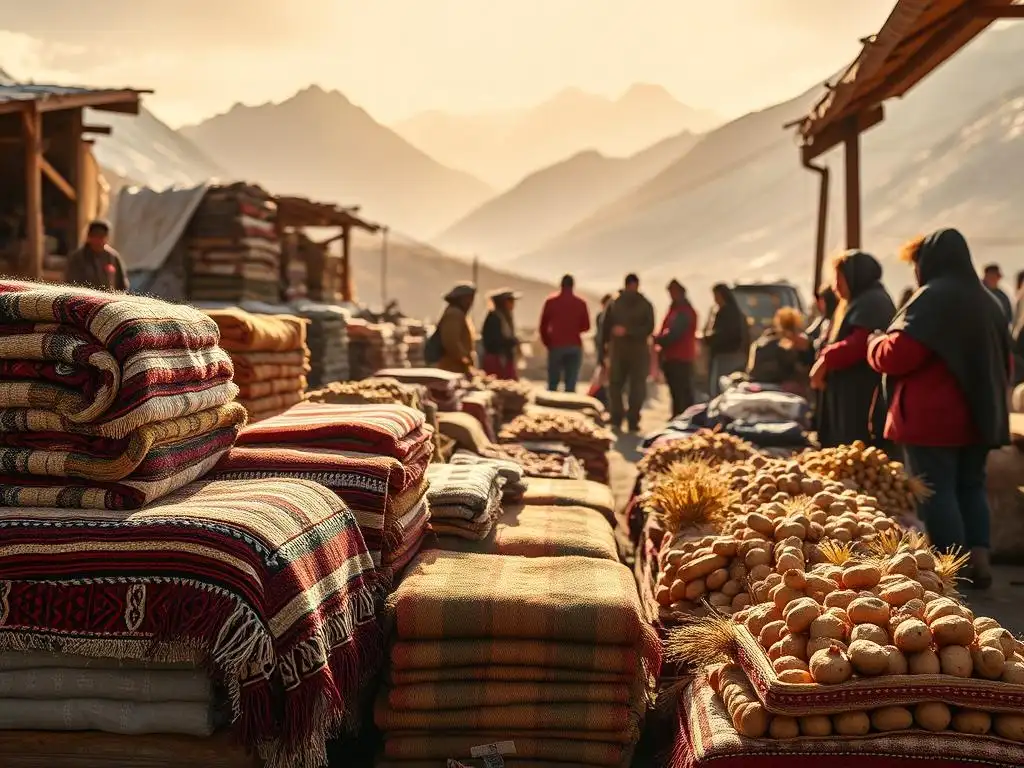
The vibrant tapestry of Andean seasonal barter systems was woven from a diverse array of goods, reflecting the ingenuity and resourcefulness of the Andean peoples. These systems, far from being haphazard exchanges, followed established patterns influenced by altitude, climate, and the cyclical nature of agricultural production. Understanding the types of goods exchanged provides crucial insight into the complexity and sophistication of these ancient economies.
The seasonal nature of the exchanges meant that the availability and desirability of certain goods fluctuated throughout the year, leading to dynamic shifts in trade networks and bargaining power. This section will explore the major categories of goods involved in these fascinating Andean seasonal barter systems.
Agricultural Products: Potatoes, Quinoa, and More
Agricultural products formed the backbone of Andean barter systems. The varied geography of the Andes, ranging from coastal deserts to high-altitude plains, fostered a remarkable diversity of crops. This biodiversity directly translated into a rich variety of goods exchanged seasonally. Potatoes, in their countless varieties adapted to different altitudes and climates, were a staple.
Imagine the bustling marketplaces, overflowing with sacks of papa amarilla, papa negra, and countless other potato types, each prized for its unique flavor and culinary application. Similarly, quinoa, a nutritional powerhouse, was another crucial commodity, its grains traded widely across different ecological zones. Other essential agricultural products included maize (corn), beans, squash, and various fruits depending on the season and the specific region.
The timing of harvests significantly impacted the flow of these goods. For instance, the harvest of high-altitude crops like quinoa might coincide with the need for coastal fish or salt in highland communities, creating a natural impetus for exchange. The intricate interplay between agricultural cycles and trade networks highlights the sophisticated understanding of seasonal rhythms held by Andean communities.
Detailed records of these exchanges are unfortunately scarce, leaving room for further research to fully reconstruct the intricate dynamics of these agricultural trades. However, archaeological evidence, combined with ethnohistorical accounts, provides glimpses into the scale and importance of agricultural goods in Andean seasonal barter.
Animal Products: Wool, Meat, and Hides
Animal husbandry played a vital role in the Andean economies, contributing significantly to the goods exchanged through seasonal barter. Alpaca and llama wool, prized for its warmth and softness, formed a crucial component of these systems. Different wool qualities, based on the animal's breed and the time of shearing, impacted their value.
Finely spun wool, perhaps from a specific breed of alpaca, would command a higher price, perhaps exchanged for a larger quantity of agricultural goods or crafted items. The meat of these animals, and of other livestock like guinea pigs (cuy), also featured prominently in these exchanges, providing essential protein sources for communities. Hides, used for clothing, shelter, and various other purposes, were another valuable commodity, their value fluctuating depending on quality and the season.
The seasonal availability of animal products also played a significant role in the timing of trade. For example, the shearing of alpacas and llamas typically occurred during specific times of the year, creating a surge in wool availability and influencing the timing of related barter transactions. The seasonal availability of certain animal products further shaped the dynamic exchange networks, highlighting the interconnectedness between pastoral practices and broader economic activities. More research is needed to fully understand the specific seasonal patterns of animal product exchange, including the variations across different Andean regions.
Crafted Items: Textiles, Pottery, and Tools
Beyond agricultural and animal products, the sophisticated craftsmanship of the Andes contributed significantly to the goods exchanged through seasonal barter. Textiles, renowned for their intricate designs and vibrant colors, were highly valued. These textiles weren't merely clothing; they were imbued with symbolic meaning and often served as markers of social status. Fine textiles, adorned with intricate weavings and complex patterns, would likely have been exchanged for goods of equivalent or greater value.
Pottery, ranging from utilitarian vessels to elaborate ceremonial pieces, also played a crucial part in seasonal barter. Different styles and qualities of pottery, reflecting regional specializations and artistic traditions, were traded across different areas. The exchange of pottery also reflected cultural interactions and the diffusion of ideas across the Andes.
Tools, essential for agriculture and other activities, were another category of goods exchanged. These tools, ranging from simple digging sticks to more sophisticated metal implements, were vital for survival and productivity. The quality and type of tools exchanged would vary based on the specific needs of the communities involved, and their value would reflect the labor involved in their creation.
The seasonal nature of agricultural activities would naturally influence the demand for certain types of tools, further emphasizing the dynamic interplay between seasonal needs and barter practices. The precise exchange rates and seasonal patterns of these crafted goods remain an area requiring further investigation, but their importance within the wider Andean seasonal barter systems is undeniable.
The Socio-Cultural Impact of Barter
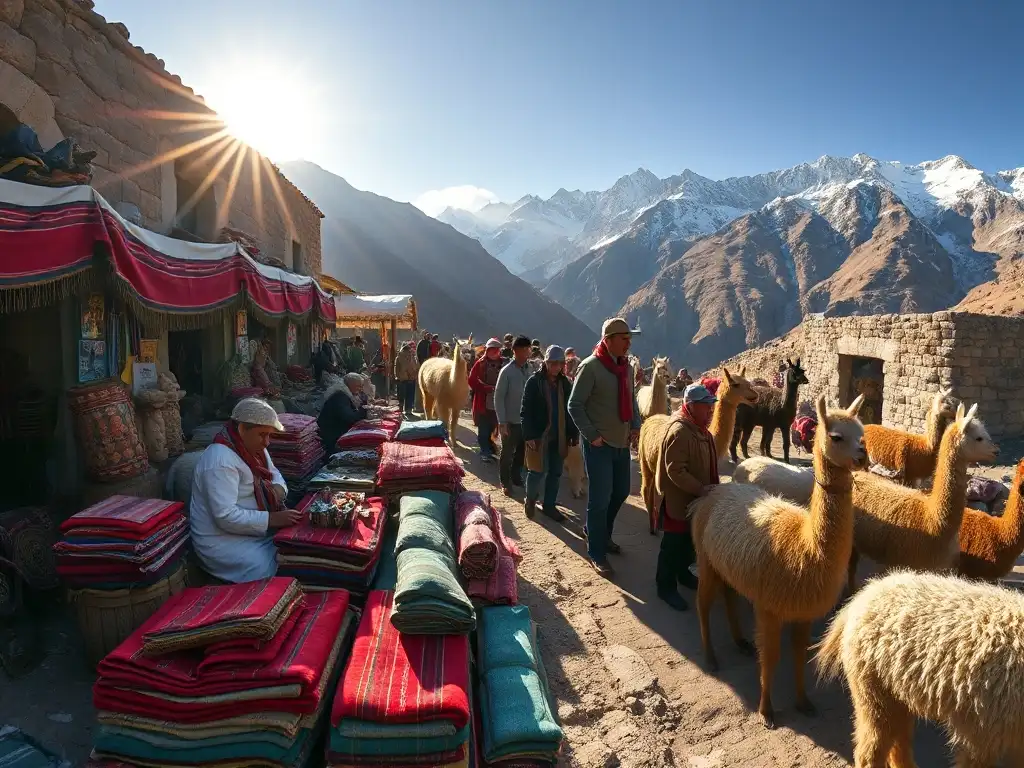
The Andean seasonal barter systems weren't merely economic transactions; they were deeply embedded within the social fabric of Andean communities. The rhythmic exchange of goods played a crucial role in shaping social structures, reinforcing alliances, and defining community identities. Understanding these systems requires moving beyond a purely economic analysis and embracing a holistic perspective that considers their socio-cultural significance.
The frequency and scale of these exchanges varied depending on the specific community and the time of year, but their impact on social cohesion remained consistently powerful. Analyzing archaeological evidence alongside ethnographic studies reveals a complex interplay between economic necessity and social ritual. This section will explore the multifaceted social impact of these vital systems.
Andean seasonal barter systems served as powerful mechanisms for maintaining and strengthening social ties within and between communities. The act of exchanging goods wasn't simply a transaction; it was a ritualized interaction that reaffirmed relationships, fostered trust, and solidified alliances. Regular participation in these exchanges, often involving multiple families and communities, created a network of reciprocal obligations that bound individuals together. For example, the exchange of llama wool for agricultural products not only met economic needs but also reinforced existing kinship ties and fostered new relationships between pastoral and agricultural communities.
This reciprocal exchange fostered a sense of interdependence and mutual support, crucial for survival in challenging Andean environments. The absence of participation could signal social isolation or even conflict, highlighting the social significance of these seemingly simple transactions. The seasonal nature further amplified this effect, providing regular opportunities for social interaction and reaffirmation.
Barter as a Form of Community Celebration
Many Andean seasonal barter systems were integrated into broader community celebrations and festivals. The exchange of goods wasn't just a practical activity; it became a vibrant social event, often accompanied by music, dance, and feasting. These gatherings provided opportunities for socializing, strengthening community bonds, and celebrating shared cultural traditions. The sheer volume of goods exchanged during these festivals, often exceeding immediate needs, suggests that the symbolic and social aspects were paramount.
Think of it as a vibrant marketplace intertwined with a community festival – a blend of economic activity and social ritual. The festivities surrounding the exchange reinforced social cohesion and fostered a sense of collective identity, binding individuals together through shared experiences and celebrations. Archaeological evidence suggests the presence of designated spaces or structures for these events, further supporting the idea of their importance as social gatherings.
The Symbolic Value of Traded Goods
Beyond their practical use, the goods exchanged in Andean seasonal barter systems often held significant symbolic value. Certain items, such as specific types of textiles, ceramics, or agricultural products, might have carried cultural or religious significance, representing status, power, or spiritual beliefs. The exchange of these symbolically charged goods served to reinforce social hierarchies, express alliances, and even communicate religious beliefs.
For instance, the exchange of finely crafted textiles might have been restricted to elite members of society, reinforcing their social standing. Similarly, the exchange of specific agricultural products during harvest festivals could have signified abundance and prosperity, strengthening community bonds and reinforcing shared cultural values. The careful selection and presentation of goods during these exchanges underscore the importance of symbolic communication alongside economic transaction.
Understanding the symbolic dimensions of these exchanges is vital for comprehending the full impact of Andean seasonal barter systems on Andean society. Further research into specific communities and their unique traditions would illuminate the diverse symbolic meanings associated with traded goods across the Andean region.
The Legacy of Andean Barter Systems
The legacy of Andean barter systems is profound, extending far beyond the realm of mere economic exchange. These systems, deeply interwoven with the fabric of Andean societies for millennia, reflect a complex interplay of social structures, ecological knowledge, and spiritual beliefs. Understanding their historical significance provides crucial insights into the resilience and adaptability of Andean cultures.
The intricate networks of exchange, operating on a seasonal basis, facilitated not only the distribution of goods but also the consolidation of social bonds and the reinforcement of community identities. The persistence of certain aspects of these systems even into the modern era highlights their enduring importance in shaping Andean life. Analyzing these historical practices allows us to understand the deep-rooted connection between Andean communities and their environment, a relationship shaped by the rhythms of the agricultural cycle and the careful management of resources.
The seasonal availability of specific goods – from potatoes and quinoa to textiles and tools – dictated the timing and nature of exchanges, creating a dynamic and responsive economic model. This model differed significantly from later market-based economies, emphasizing reciprocity, mutual obligation, and the maintenance of social harmony over profit maximization. Moreover, the Andean barter systems were often integrated with religious and ceremonial practices, further highlighting their social and cultural significance.
Modern Adaptations of Traditional Barter
While formal monetary systems now dominate Andean economies, remnants of traditional barter practices persist in many communities. These adaptations often involve a blending of traditional and modern exchange methods. For example, in remote highland communities, farmers might still exchange surplus potatoes for handcrafted textiles or tools, supplementing these transactions with cash for essential goods not readily available locally.
This hybrid approach demonstrates the flexibility and resilience of traditional exchange systems in adapting to changing economic realities. The continuation of these practices underscores the enduring value of direct exchange, particularly in areas with limited access to markets or where trust and social connections are prioritized over purely monetary transactions. The persistence of these systems also reflects a resistance to the homogenizing forces of globalization and a conscious effort to maintain cultural heritage.
Specific examples include the continued exchange of agricultural products during local festivals or community work projects, where reciprocity and mutual assistance remain central to the exchange process. Ethnographic studies suggest that these practices provide valuable social safety nets and contribute to community cohesion, even as cash economies increasingly prevail. The survival of these adapted barter systems indicates a deeper cultural significance than mere economic necessity, highlighting the enduring importance of traditional Andean values.
The Relevance of Barter in Contemporary Andean Communities
The relevance of barter in contemporary Andean communities extends beyond mere economic function; it plays a crucial role in maintaining social cohesion and cultural identity. In many communities, the act of exchanging goods is not merely a transaction but a social ritual, reinforcing kinship ties and solidifying community bonds. These exchanges often take place during festivals, celebrations, or communal work projects, fostering a sense of shared purpose and mutual obligation.
The continued prevalence of barter systems in some areas demonstrates a resilience against the pressures of globalization and a deliberate effort to preserve traditional practices. This is especially true in communities striving to maintain their cultural autonomy and resist the homogenizing influences of external markets. Data on the frequency and scale of barter practices is unfortunately limited and requires further research, but anecdotal evidence and ethnographic studies consistently point to its ongoing significance.
This continued relevance underscores the importance of understanding the socio-cultural dimensions of Andean economic systems, recognizing that they are not simply economic but deeply embedded in the social and spiritual lives of Andean peoples. Further research focusing on the specific communities and their unique adaptations of barter is needed to fully grasp the nuances and complexities of this dynamic aspect of Andean life.
Preserving the Cultural Heritage of Andean Exchange Networks
Preserving the cultural heritage of Andean exchange networks requires a multifaceted approach that acknowledges both the economic and socio-cultural dimensions of these systems. This involves not only documenting existing practices but also supporting initiatives that promote their continuity. Efforts to preserve traditional knowledge related to resource management, agricultural techniques, and craft production are crucial, as these practices are intrinsically linked to the seasonal rhythms of exchange.
Supporting local artisans and farmers, who are the custodians of these traditions, is equally vital. This can involve initiatives promoting fair trade practices, providing access to markets, and fostering sustainable development strategies that do not undermine traditional economic systems. Moreover, educational programs that highlight the historical significance and cultural value of Andean barter systems can contribute to raising awareness and fostering appreciation for this important aspect of Andean heritage.
The preservation of these networks is not merely about maintaining economic practices; it’s about safeguarding a fundamental aspect of Andean identity and cultural resilience. This requires collaborative efforts between researchers, policymakers, and community members to ensure that these valuable traditions are not lost to the pressures of modernization. The challenge lies in finding a balance between preserving traditional practices and adapting to the realities of a changing world, ensuring that the rich legacy of Andean exchange networks continues to thrive.
Frequently Asked Questions
What were Andean seasonal barter systems?
Andean seasonal barter systems were complex networks of exchange deeply intertwined with the agricultural calendar. Communities traded goods based on seasonal availability, creating a vibrant economic system. This system fostered interdependence and cooperation between different groups.
How did the agricultural calendar influence these systems?
The agricultural cycle directly determined what goods were available for exchange at specific times of the year. For example, surplus potatoes in the harvest season would be traded for other goods scarce at that time. This cyclical nature shaped the entire barter system.
Which Andean civilizations used seasonal barter systems?
Many Andean civilizations, including the Incas, Moche, Nazca, and Tiahuanaco, utilized seasonal barter systems, albeit with regional variations. The specifics of their systems are still being uncovered by archaeologists. Evidence suggests widespread use across various groups.
What types of goods were commonly exchanged through barter?
Exchanged goods varied greatly depending on the altitude and ecological zone. Common items included agricultural products (potatoes, maize, coca), textiles, ceramics, metals, and even labor. The specific items reflected the diverse resources of each region.
How did these barter systems contribute to Andean societal structure?
Seasonal barter systems reinforced social ties and fostered relationships between different communities. The system facilitated resource distribution and helped maintain economic stability. This economic interdependence played a crucial role in Andean social organization.
Final Reflection: The Enduring Legacy of Andean Exchange
The intricate systems of seasonal barter in the Andes, far from being relics of the past, offer a potent model for sustainable resource management and community building in our increasingly globalized world. These ancient practices, deeply intertwined with the rhythms of nature, hold crucial lessons for navigating the challenges of climate change and economic inequality that resonate powerfully today. The resilience and adaptability demonstrated by Andean communities over centuries provide a compelling counterpoint to the often unsustainable practices of modern economies.
The profound connection between Andean communities and their environment, fostered through these reciprocal exchange systems, is a testament to the power of collective action and shared responsibility. These practices are not merely economic transactions; they are deeply embedded in social fabric, reinforcing kinship ties and fostering a sense of shared identity. The land is not merely something to be exploited, but a living entity with which we are inextricably bound.
This sentiment, echoing through generations of Andean communities, underscores the ethical and ecological wisdom inherent in their approach to resource management.
Consider the implications of this for your own life. How can we, in our own communities and daily interactions, cultivate a similar sense of reciprocity and respect for the natural world? Can we find ways to move beyond purely transactional relationships and embrace more sustainable and equitable systems of exchange? Let the rhythms of the Andes inspire you to re-imagine the possibilities of connection, cooperation, and a more harmonious relationship with the planet.
Unleash the Spirit of Barter: Join the Andean Community!
Thank you for exploring the fascinating world of seasonal bartering in the Andes. You've discovered unique traditions that highlight community, resourcefulness, and cultural exchange. Now, let's put this knowledge to practical use!
Here's how you can further connect with these vibrant practices:
- Join your local exchange network: Seek out local groups or initiatives that facilitate the trading of goods and services. Direct participation offers a powerful way to experience the spirit of bartering firsthand.
- Share your newfound knowledge: Discuss what you've learned with friends and family. You might inspire others to explore bartering themselves!
- Attend cultural events: Look for festivals celebrating Andean traditions or similar exchange systems. Immersing yourself in these events deepens your understanding and appreciation for cultural exchange.
How will you integrate bartering into your life to build stronger community bonds?