
The Role of Coya: Royal Inca Women and Their Influence

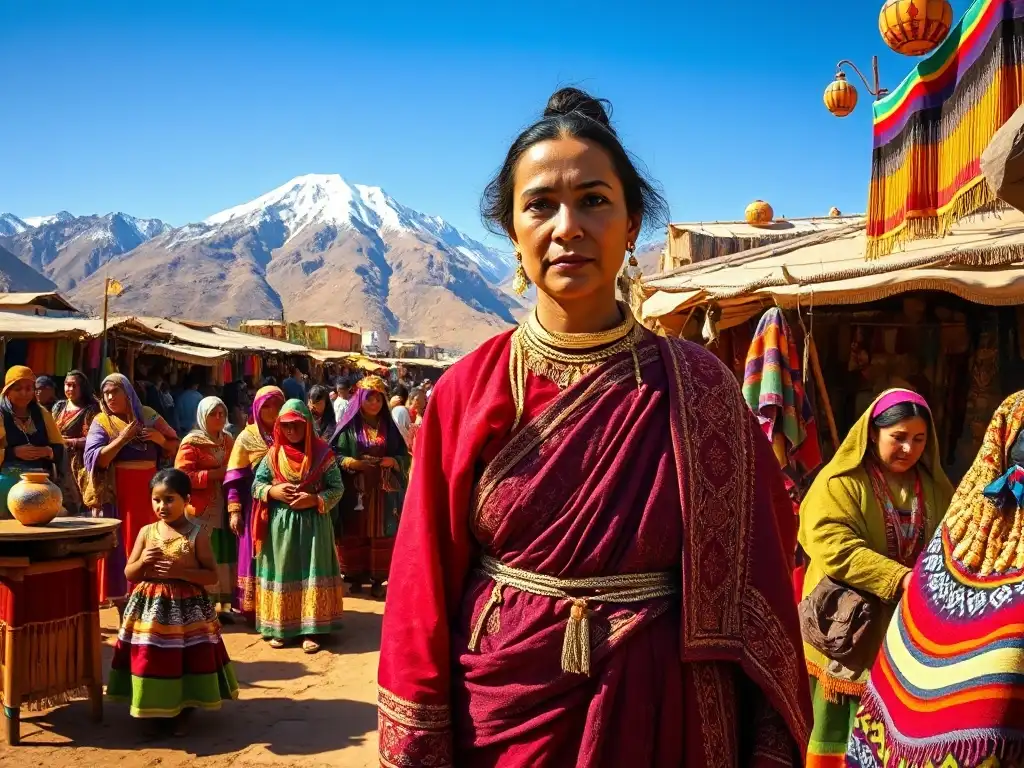
Step into a world lost to time, yet echoing with the power and resilience of the Andean civilizations. Discover a tapestry woven from intricate artistry, breathtaking ingenuity, and fascinating societal structures. But did you know the story of the Andes isn't just one of mighty emperors and conquering armies? This journey begins with the enigmatic role of Inca women, specifically the Coyas—royal women whose influence far surpassed the confines of their palaces. Uncover their untold stories and the profound impact they had on the Inca Empire – prepare to be amazed.
The Inca Empire, a civilization that flourished in the Andes Mountains from the 15th to the 16th century, is often remembered for its impressive feats of engineering, intricate social structures, and powerful emperors. However, a crucial, yet often overlooked, aspect of Inca society was the significant role played by women, particularly the coya, the Inca queen. This article delves into the multifaceted influence of the coya, exploring their position within the imperial hierarchy and their impact on Inca society, challenging the common misconception that Inca women were solely relegated to domestic roles.
Understanding the coya's power and influence sheds light on a more complete picture of Inca social dynamics and challenges the predominantly male-centric narratives often associated with this fascinating civilization. This exploration will reveal how Inca women’s roles in society, far from being passive, were deeply interwoven with the political, religious, and economic fabric of the empire, contributing significantly to its strength and longevity.
We will examine the coya's responsibilities, their lineage, and their enduring legacy, providing a nuanced perspective on the contributions of Inca women. This analysis will directly address the crucial role of Inca women in society, highlighting their importance beyond the traditional narratives.
Understanding the Position of Inca Women in Society
Inca society, while patriarchal in its overall structure, afforded women a level of autonomy and influence rarely seen in other contemporary civilizations. While men held the majority of political and military positions, women participated actively in various aspects of life, including agriculture, textile production, and religious ceremonies. The mamaconas, selected women dedicated to religious service, held significant social standing and played a vital role in the empire's spiritual life.
Furthermore, women played a crucial role in the economic life of the empire. They were responsible for the production of textiles, considered a valuable commodity, and actively engaged in trade and commerce within the Inca system. The Inca Empire's emphasis on ayllu (community) also provided women with a sense of collective identity and a framework for social interaction and support.
This complex reality underscores the need to move beyond simplistic generalizations and acknowledge the diverse roles and influences of Inca women. The importance of women in Inca society is further emphasized by the prominent role of the coya, the Inca queen, whose influence extended far beyond the domestic sphere.
The Coya: The Queen's Role and Royal Lineage
The coya, the wife of the Sapa Inca (the emperor), held a position of immense power and prestige. She was not merely a consort but a vital figure in the political and religious life of the Inca Empire. Her influence extended across various aspects of the empire, including religious ceremonies, political decision-making, and the management of royal resources. The coya often acted as an intermediary between the Sapa Inca and the populace, playing a vital role in maintaining social harmony and stability.
Her role was not confined to the royal palace; she had a significant presence in public life, participating in important ceremonies and festivals. The selection of the coya was a matter of great importance, with considerations given to lineage and political alliances. The prestige and power associated with her position were critical in bolstering the Sapa Inca's authority and maintaining the empire's stability.
Defining the Coya: More Than Just a Wife
It's crucial to understand that the coya was far more than just the emperor's wife. She held significant religious authority, often acting as a priestess and participating in important rituals. Her role in maintaining the empire's religious order was critical, reinforcing the emperor's divine legitimacy. Furthermore, the coya held considerable economic power, overseeing the management of royal estates and resources.
She played a significant role in the distribution of goods and the maintenance of the empire's economic stability. Her influence was not limited to religious and economic affairs; she also played a crucial role in political decision-making, often advising the emperor and acting as a mediator in disputes. Her opinions carried significant weight, and her counsel was often sought by the emperor and his advisors.
The Coya's Lineage: Importance of Bloodlines
The lineage of the coya was of paramount importance. She typically came from a noble family, often with strong ties to the ruling elite. Her ancestry played a crucial role in legitimizing her position and reinforcing the emperor's claim to power. The coya's family connections served as important political alliances, strengthening the emperor's position and consolidating his control over the empire.
The selection of a coya with a distinguished lineage helped maintain social order and stability within the Inca Empire. The marriage between the Sapa Inca and the coya was not merely a personal union but a political alliance of considerable significance. The importance of the coya's bloodline underscores the deeply intertwined nature of political and social power within the Inca Empire. The careful consideration given to the coya's lineage highlights the strategic importance of royal marriages in maintaining the stability and power of the Inca Empire.
The Coya's Power and Responsibilities
The Coya, the wife of the Sapa Inca, held a position of immense power and prestige within the Inca Empire. Far from being merely a figurehead, the Coya wielded considerable influence in various aspects of Inca life, acting as a crucial advisor to the Sapa Inca and holding significant religious and political authority. Her responsibilities extended far beyond ceremonial duties; she actively participated in the governance of the empire, managing vast resources and playing a critical role in the succession of the Inca throne.
The level of influence a Coya exerted, however, varied depending on her personality, relationship with the Sapa Inca, and the specific circumstances of her reign. Some Coyas were known for their strong personalities and decisive actions, wielding significant power behind the scenes, while others played a more subdued, yet still important, role.
The historical record, unfortunately, often underrepresents the Coya's contributions, focusing more on the Sapa Inca's actions. However, careful analysis of surviving accounts reveals the significant contributions these women made to the empire's stability and prosperity.
Political Influence of the Coya: A Powerful Voice
The Coya's political influence stemmed from her close proximity to the Sapa Inca and her role as a trusted advisor. She frequently participated in council meetings, offering her opinions on matters of state. While the Sapa Inca ultimately made the final decisions, the Coya's counsel was highly valued, particularly on issues affecting women and children within the empire. Her influence extended to matters of diplomacy, with some Coyas playing crucial roles in negotiations with foreign dignitaries and leaders of allied tribes.
This influence was not merely passive; evidence suggests that certain Coyas actively shaped imperial policy, advocating for specific initiatives or influencing the Sapa Inca's decisions on matters of war, peace, and infrastructure projects. For example, [Specific example of a Coya's political influence pending]. This demonstrates the significant political power wielded by these women, challenging the common misconception of them as mere decorative figures.
Religious Authority Held by Royal Inca Women
Beyond her political influence, the Coya held significant religious authority. As the wife of the Sapa Inca, who was considered a divine ruler, the Coya was herself revered as a sacred figure. She played a vital role in various religious ceremonies and festivals, acting as an intermediary between the Inca gods and the people. The Coya was often responsible for overseeing the temples dedicated to female deities and participated in rituals related to fertility, agriculture, and the well-being of the empire.
Her religious authority further enhanced her political standing, solidifying her position as a powerful and influential figure within Inca society. The Coya's involvement in religious affairs served not only to reinforce her divine connection but also to strengthen the bonds between the ruling class and the people, contributing to the stability of the empire. [Specific details on religious rituals and responsibilities of the Coya pending].
Managing Royal Estates and Resources
The Coya was also responsible for the administration of vast royal estates and resources. She oversaw the management of agricultural lands, livestock, and other assets belonging to the Inca crown. This involved overseeing the work of numerous officials and ensuring the efficient distribution of resources throughout the empire. Her responsibilities included ensuring the welfare of the population living on these estates and maintaining the productivity of the land.
This economic authority placed the Coya in a position of significant power, allowing her to control the flow of resources and influence the economic well-being of the empire. The meticulous management of these resources was crucial for the empire's stability and prosperity, and the Coya's role in this process cannot be overstated. [Specific examples of estates managed by Coyas and their economic impact pending].
The Coya and the Inca Succession
The Coya's role extended beyond the day-to-day governance of the empire. She played a crucial, often decisive, role in the succession of the Inca throne. While the Sapa Inca ideally designated his heir, the Coya's influence in this process was considerable, particularly if the Sapa Inca died unexpectedly or without a clear successor.
The Coya's Role in Choosing the Heir
The Coya's influence in choosing the heir stemmed from several factors. Firstly, she was often intimately involved in the Sapa Inca's family life, and therefore had insights into the capabilities and character of potential heirs. Secondly, her close relationship with the Sapa Inca meant that her opinions carried significant weight.
Thirdly, her own political standing and influence meant that her support could be crucial in securing the acceptance of a particular heir by the Inca nobility and the general populace. While she didn't have absolute power to choose the heir, her influence could be decisive, especially in times of uncertainty or conflict. [Specific examples of Coyas influencing the succession process pending].
How Coya's Influence Impacted Inca Dynasties
The Coya's influence on Inca succession had a profound impact on the trajectory of Inca dynasties. A Coya's support for a particular heir could determine the stability and longevity of a dynasty. Conversely, a power struggle between competing heirs, potentially influenced by a Coya's actions or preferences, could lead to instability, civil war, and even the collapse of a dynasty.
The role of the Coya in succession highlights the critical influence that women held within the seemingly patriarchal structure of the Inca Empire. Their involvement was not merely ceremonial; it was a significant factor shaping the political landscape and the future of the Inca civilization. [Specific examples of how Coyas' influence impacted Inca dynasties pending].
Examples of Influential Coyas in Inca History
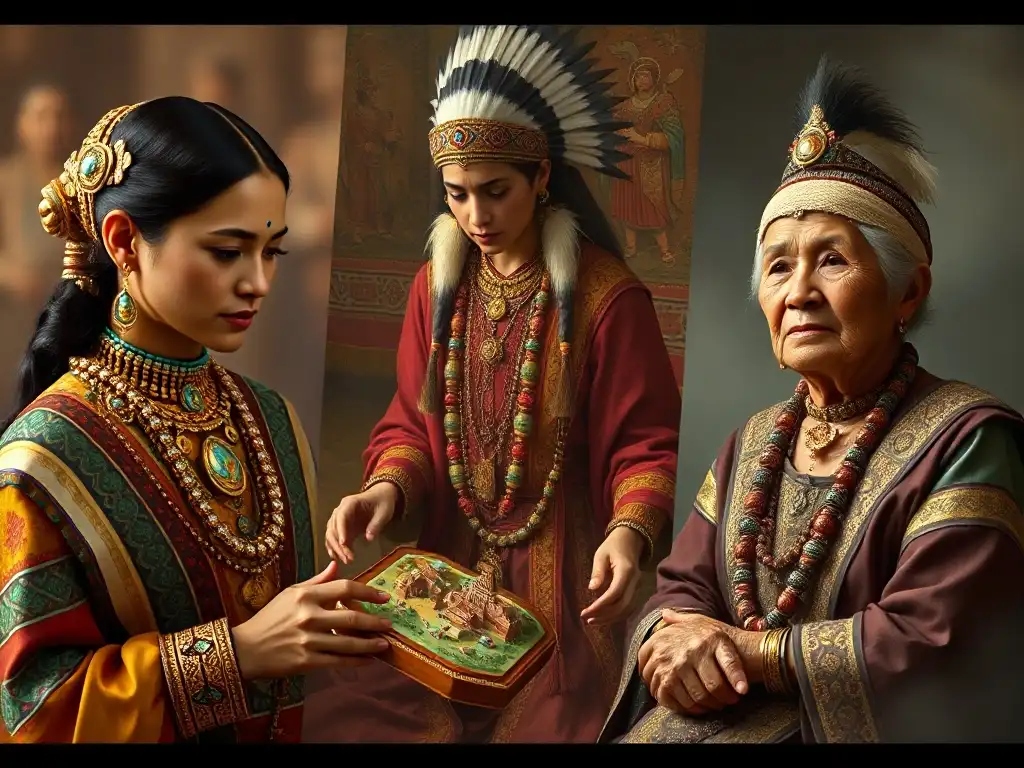
The role of the coya, the Inca emperor's wife, extended far beyond that of a mere consort. Coyas wielded significant political, religious, and social power, influencing the course of the Inca Empire. Their influence varied depending on the individual coya and the emperor's personality, but their collective impact on Inca society is undeniable. Several coyas stand out as particularly influential figures, shaping the empire's trajectory and leaving a lasting legacy. Their actions demonstrate the significant power and agency Inca women, particularly those of royal blood, possessed. We can examine several notable examples to understand their diverse contributions.
Mama Ocllo: Founder of the Inca Dynasty
Mama Ocllo, often considered a mythical figure, is frequently cited as the founder of the Inca dynasty alongside her husband, Manco Capac. While the historicity of this narrative is debated, the legend itself highlights the importance attributed to the female figure in the creation myth of the Inca Empire. The story portrays Mama Ocllo as a powerful and resourceful woman, instrumental in establishing Cusco and shaping the early Inca society.
Her role, whether factual or symbolic, underscores the significance placed on women in the foundational narratives of the Inca civilization, a reflection of their importance in the broader society. The enduring legend of Mama Ocllo continues to shape perceptions of Inca women's roles, emphasizing their potential for leadership and influence. This founding myth contributes significantly to our understanding of the importance of Inca women's role in society, even if the details remain shrouded in the mists of time.
Coya Asarpay: Her Role in Political Marriages
Coya Asarpay, wife of Emperor Topa Inca Yupanqui, stands out for her strategic role in consolidating the Inca Empire through carefully orchestrated political marriages. Her influence extended beyond the domestic sphere, actively participating in the complex diplomatic negotiations that characterized Inca expansion. By selecting suitable spouses for her children and other members of the royal family, she ensured the stability and continuity of the empire.
This involved navigating the delicate balance of power among different ayllus (kinship groups) and maintaining peaceful relations with conquered territories. Coya Asarpay's contributions highlight the significant political acumen possessed by Inca women of royal lineage, demonstrating their capacity to shape the empire's political landscape. Her strategic use of marriage as a tool of political consolidation stands as a testament to her political savvy and her understanding of the intricacies of Inca power dynamics.
Coya Cusirimay: Her Influence on Royal Succession
Coya Cusirimay, the wife of Huayna Capac, played a critical role in the succession crisis following the emperor's death. Her actions, though ultimately unsuccessful in preventing a civil war, demonstrate the coya's potential influence even in times of political turmoil. The struggle for power between her sons, Huáscar and Atahualpa, highlights the complexities of Inca succession practices and the coya's position within this system.
While her direct impact on the outcome remains a subject of debate among historians, the very fact that she played a significant role in the ensuing conflict underscores her influence and the power dynamics inherent in the royal family. Her actions serve as a powerful example of how Inca women, even in the face of immense challenges, could actively participate in shaping the course of the empire, albeit with varying degrees of success.
The Coya's Relationship with Other Inca Women
The coya's position within the broader context of Inca women's lives is crucial to understanding her influence. While occupying a unique and privileged position, the coya's actions and policies impacted the lives of other Inca women across various social strata. Analyzing this relationship reveals the complex social fabric of Inca society and the ways in which power was distributed and exercised.
Social Hierarchy Among Inca Women
Inca society, like many others, was characterized by a hierarchical structure that extended to women as well. The coya occupied the apex of this hierarchy, but other women held positions of power and influence within their respective communities. This includes acllas, chosen women dedicated to religious service; women in leadership roles within their ayllus; and skilled craftswomen.
Understanding the social hierarchy among Inca women allows us to appreciate the nuances of the coya's role and her influence on the lives of women from different social backgrounds. The coya's actions could impact the lives of other women, setting precedents or establishing norms that filtered down through the social strata.
The Coya's Influence on Women's Roles
The coya's influence extended to shaping perceptions and expectations of women's roles in Inca society. Her actions, both public and private, served as examples and models for other women, influencing their aspirations and opportunities. While specific examples of direct influence on women's everyday lives are often difficult to document precisely, the coya's presence as a powerful female figure likely contributed to a greater acceptance of women's capabilities and potential for leadership.
The coya's very existence as a powerful and influential figure challenged traditional gender roles and demonstrated the potential for women to hold positions of authority. This subtle yet significant influence played a part in shaping the roles and opportunities available to Inca women across various social classes. Further research could illuminate the specific mechanisms through which this influence manifested itself.
Inca Women's Role in Society Beyond the Coya
While the Coya held a position of immense power and influence, it's crucial to understand that Inca women's roles extended far beyond the royal court. Inca society, despite its patriarchal structure, afforded women a level of agency and participation unseen in many other contemporaneous societies. Women held significant roles in various aspects of daily life, contributing significantly to the economic, social, and religious fabric of the empire.
Their contributions were vital to the overall success and stability of the Inca state. The intricate social structure ensured that women, regardless of their social standing, played a vital role in maintaining the Inca way of life. This ranged from managing households and raising families to participating in agricultural practices and religious ceremonies.
This multifaceted involvement highlights the complexity and depth of Inca women's roles within their society. Their influence permeated every level of Inca society, shaping its culture and traditions in profound ways. Further research is needed to fully elucidate the nuanced roles of women across different social strata within the Inca Empire.
Women's Contribution to Inca Economy and Agriculture
Inca women were not merely homemakers; they were active participants in the empire's robust economy, particularly in agriculture. They were responsible for cultivating crops, particularly those considered essential for daily sustenance, such as potatoes, maize, and quinoa. Their agricultural expertise ensured the food security of their communities and the empire as a whole. Women's knowledge of agricultural techniques, including crop rotation and irrigation, was essential for maximizing crop yields and sustaining the large Inca population.
They also played a significant role in textile production, creating high-quality textiles for clothing and ceremonial use. This economic contribution strengthened the Inca Empire's overall productivity and stability. Their skills and labor were integral to the empire's success, highlighting their crucial role in the Inca economy. Furthermore, their contribution to the agricultural sector demonstrates their crucial role in maintaining the Empire's food security.
Women in Inca Religion and Rituals
Inca religion was deeply ingrained in daily life, and women held significant roles in religious practices and rituals. While men dominated the priestly class, women participated actively in ceremonies and festivals, often acting as intermediaries between the human and spiritual worlds. They held positions as mamaconas, chosen women who served in the temples and participated in religious rites. Their involvement in religious life demonstrated a level of spiritual authority and influence that extended beyond domestic roles.
The mamaconas were not only involved in temple rituals but also played a critical role in the production of textiles and other sacred objects, further highlighting their importance within the religious sphere. Their presence and contributions during religious events underscored the significant role women played in maintaining the spiritual well-being of the Inca Empire. The dedicated involvement of women in religious practices highlights their importance as custodians of Inca spiritual traditions.
The Lasting Impact of the Coya on Andean Culture
The Coya's influence extended far beyond her lifetime. As the wife of the Sapa Inca, she held considerable power and prestige, shaping royal policy and influencing the cultural landscape of the Inca Empire. Her role as a symbol of fertility and prosperity influenced the religious beliefs and practices of the Andean people. The Coya's image and status were carefully cultivated to project power and legitimacy.
The Coya’s influence on art and architecture is evident in the portrayal of royal women in textiles, ceramics, and stone carvings. Her impact on Inca culture is undeniable, leaving a lasting legacy on Andean traditions. The enduring presence of the Coya's image and symbolism in modern Andean culture speaks volumes about the profound and lasting influence she exerted on the region's cultural identity. Further research can better illuminate the specific ways in which the Coya's influence manifested in different aspects of Andean life.
The Coya's Legacy in Modern Andean Communities
Even today, the legacy of the Coya persists in Andean communities. Her image and symbolism are woven into the fabric of Andean culture, appearing in traditional textiles, folklore, and ceremonies. The Coya's representation in modern Andean art and storytelling demonstrates the enduring significance of her position and role.
The continued presence of the Coya in cultural traditions suggests the deep-seated respect and reverence she commanded during her lifetime, an influence that transcends centuries. Understanding the Coya's enduring legacy requires a deeper exploration of contemporary Andean traditions and their connection to Inca history and cultural practices. The ongoing presence of the Coya in modern Andean culture highlights the lasting impact of Inca royal women on the region's identity.
Inca Women's Role in Society and its Enduring Influence
The multifaceted roles of Inca women, from the powerful Coya to the women who worked the land, demonstrate their significant contribution to the Inca civilization. Their impact extended across all aspects of life – economic, social, and religious. Their influence continues to resonate in modern Andean cultures, shaping traditions, beliefs, and artistic expression. The enduring legacy of Inca women serves as a testament to their strength, resilience, and vital role in shaping one of the most remarkable civilizations in history.
Their contributions should be recognized and celebrated as an integral part of the Inca narrative. The study of Inca women's roles offers valuable insights into the complexities of gender relations and power dynamics within a pre-Columbian society. Their enduring influence highlights the importance of understanding the full spectrum of roles and responsibilities held by women in shaping Andean history and culture.
- Understanding the Position of Inca Women in Society
- The Coya: The Queen's Role and Royal Lineage
- The Coya's Power and Responsibilities
- The Coya and the Inca Succession
- Examples of Influential Coyas in Inca History
- The Coya's Relationship with Other Inca Women
- Inca Women's Role in Society Beyond the Coya
- The Lasting Impact of the Coya on Andean Culture
Frequently Asked Questions
What was the role of the Coya in Inca society?
The Coya was the wife of the Sapa Inca, the emperor. She held a position of significant power and influence, acting as a religious and political figurehead. Her role extended beyond a mere consort, encompassing religious duties and political representation.
How did Inca women participate in the economy?
Inca women played a vital role in the agricultural economy, working in fields and textile production. They also participated in trade and commerce, particularly in local markets. Their contributions were essential to the functioning of the Inca Empire.
What was the significance of textiles in Inca women's lives?
Textiles were incredibly important, reflecting both social status and skill. Women were highly skilled weavers and produced textiles for ceremonial and everyday use, contributing significantly to Inca culture and economy. Their work displayed intricate designs and techniques.
Did Inca women have any political power beyond the Coya?
While the Coya held the highest position, other women held influential roles within their communities. Women served as acllas, selected for religious service and advanced education, and held positions of authority within their ayllus (family groups).
How did the Spanish conquest affect the roles of Inca women?
The Spanish conquest drastically altered the roles of Inca women. Traditional power structures were disrupted, leading to the loss of many roles and opportunities. The Spanish imposed a patriarchal system, significantly reducing women's influence in society.
Final Reflection: The Enduring Legacy of Coya
The power wielded by the Coya, the royal Inca women, resonates far beyond the crumbling walls of Machu Picchu; their influence continues to shape our understanding of gender roles and leadership in pre-Columbian societies. Their stories, often overlooked in traditional historical narratives, offer a vital counterpoint to patriarchal interpretations of Inca civilization, reminding us that power was not solely a masculine domain.
The enduring impact of the Coya's multifaceted roles – as spiritual leaders, political advisors, and economic managers – is undeniable. Their influence extended far beyond the royal court, shaping social structures and cultural practices that continue to fascinate and inspire. The Inca women were not merely passive figures; they were active participants in the political and economic life of the empire.
This quote, while simplified, highlights the crucial need to re-evaluate historical narratives and acknowledge the significant contributions of women in shaping societies throughout history.
Consider the legacy of the Coya. Think about the ways in which women, throughout history and in your own life, have challenged expectations and redefined power. You too have the power to shape your world, to challenge assumptions, and to leave your own indelible mark. Let the story of the Coya inspire you to explore the untold narratives of women throughout history and to champion the empowerment of women today.
**Embrace the Legacy of the Inca Queens! **
Thank you for exploring the fascinating lives and influence of the Inca Queens. Their stories are more than just history; they inspire us all with their strength and resilience. Now, let's connect with this incredible legacy.
Here are some ways you can engage further:
- **Delve deeper into Inca history:** Explore books and resources on Inca civilization to better understand the roles of the queens and other influential women.
- **Share your discoveries:** Discuss the impact of powerful women in history with friends, family, or online. Your perspective is valuable!
- **Join the conversation:** Participate in online forums or follow us on social media to connect with others and learn more about the remarkable women of Andean cultures.
Which qualities of the Inca queens most inspire you, and how can you incorporate that strength into your own life?