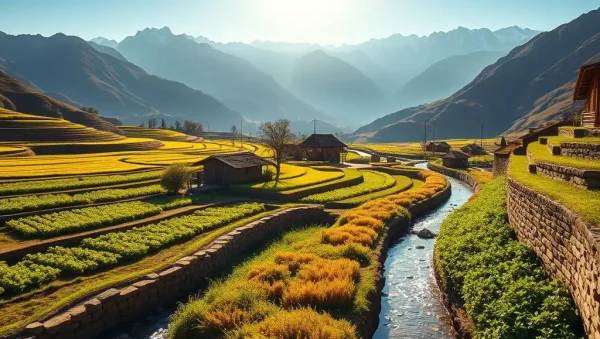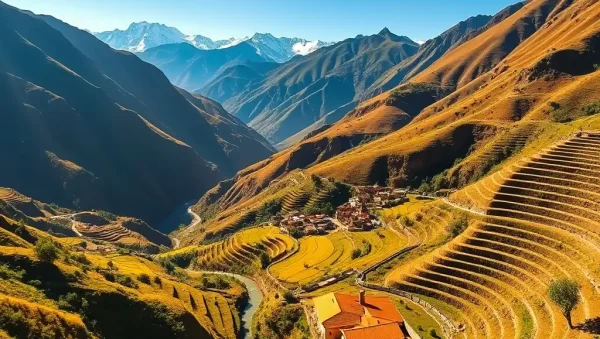
Andean Architecture and Engineering

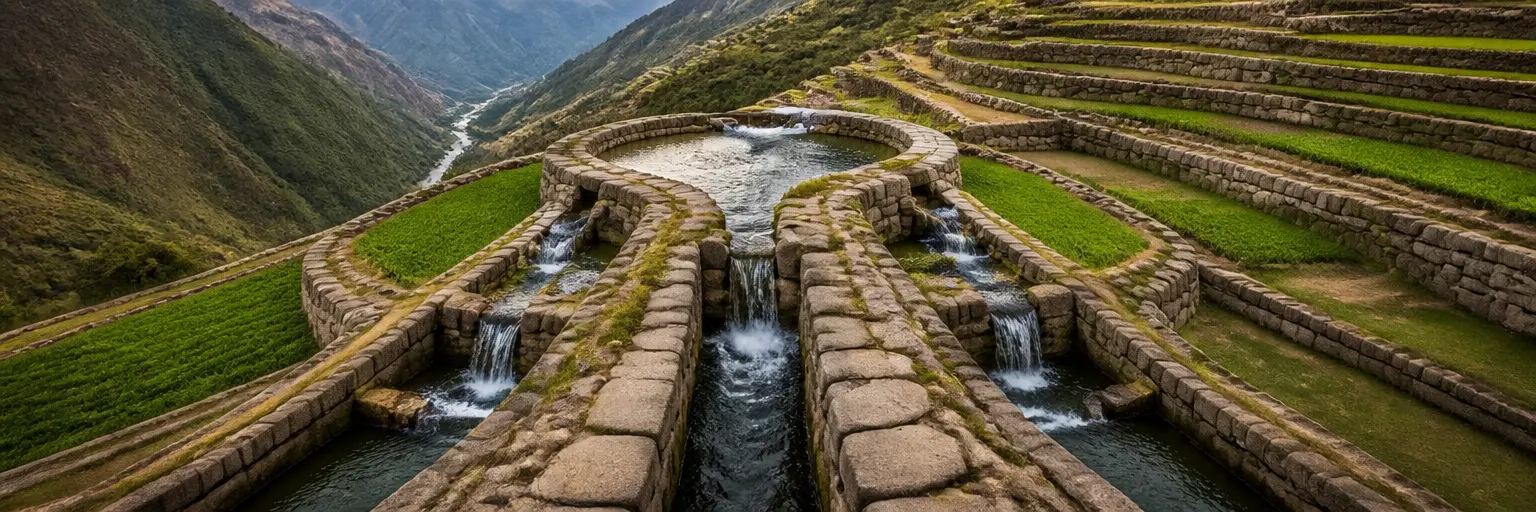
Discover how ancient Andean civilizations mastered irrigation systems and water management to transform challenging landscapes into productive agricultural regions. Explore the ingenious canals, terraces, reservoirs, aqueducts, and drainage networks developed by the Incas, Moche, Nazca, and Tiahuanaco to conserve water, control flooding, and support thriving communities. 💧🌄 These remarkable achievements in Andean engineering reveal advanced environmental knowledge, sustainable agriculture, and lasting innovations that continue to inspire modern water management.
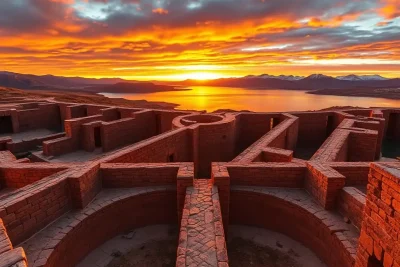
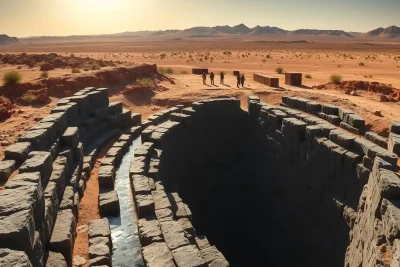
Discover how ancient Andean civilizations designed advanced irrigation systems and water management technologies to support agriculture, cities, ceremonial centers, and mountain communities. This subcategory explores the engineering knowledge of the Incas, Moche, Nazca, Tiahuanaco, and other Andean cultures, revealing how they controlled rivers, captured springs, stored rainfall, and transported water across some of the most challenging landscapes in the Americas. Learn how ancient Andean hydraulic engineering adapted to deserts, highlands, valleys, and steep mountain terrain through canals, reservoirs, terraces, aqueducts, fountains, and drainage networks.
Readers can explore how Andean civilizations developed water management systems suited to dramatic changes in altitude, climate, and geography. From the arid coastal deserts of Peru to the elevated plateaus and fertile intermontane valleys, engineers observed natural water cycles and transformed them into reliable systems for farming, settlement, and ritual activity. Articles examine how local materials, stonework, soil conditions, and seasonal rainfall influenced the construction of canals and water infrastructure.
This section also explains the relationship between technology and the environment. Rather than treating water as an unlimited resource, ancient communities used careful planning to reduce erosion, protect fields, distribute water fairly, and preserve springs and wetlands. These examples offer valuable insight into sustainable water management, climate adaptation, and traditional ecological knowledge in the Andes.
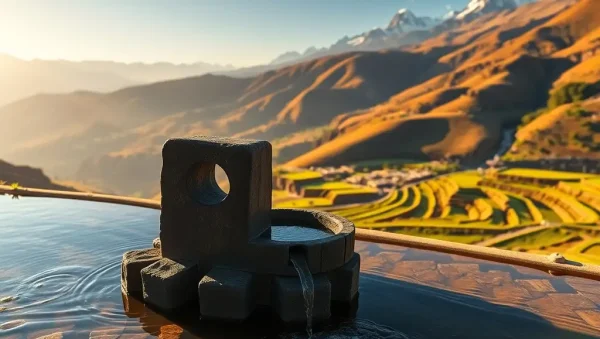
Learn about the sophisticated Inca irrigation canals, aqueducts, fountains, reservoirs, and agricultural terraces that supported the expansion of the Inca Empire. Inca engineers connected springs, streams, and storage basins with carefully calculated channels, often using precisely cut stone to control the movement and flow of water. These systems supplied farms, royal estates, public spaces, roads, and ceremonial complexes.
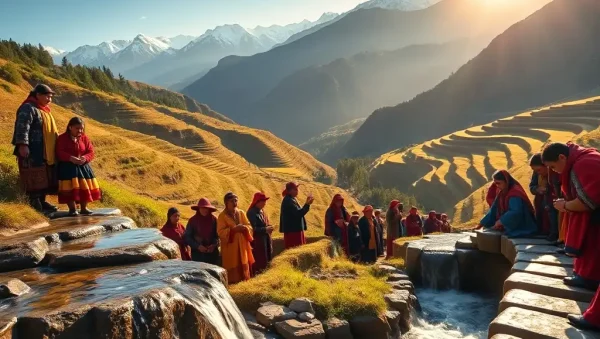
Readers will also discover how water distribution was integrated into Inca architecture and administration. At sites such as Machu Picchu, Tipón, Ollantaytambo, and Cusco, hydraulic features demonstrate the importance of gravity-fed channels, controlled outlets, drainage, and ritual water use. The evidence reveals a complex relationship between Inca engineering, agriculture, religion, political authority, and urban planning.
Explore how the Moche civilization transformed one of the driest environments in the world through extensive coastal irrigation networks. Moche communities constructed canals that redirected river water toward agricultural fields, allowing them to grow maize, beans, cotton, gourds, and other crops in desert valleys. These systems required detailed knowledge of river behavior, slope, soil, seasonal flooding, and long-distance water distribution.
This section examines the archaeological remains of Moche canals, reservoirs, agricultural landscapes, and settlements near monumental centers such as Huaca del Sol and Huaca de la Luna. Readers can learn how irrigation supported population growth, craft production, trade, and political power, while also considering the challenges caused by floods, droughts, sediment accumulation, and El Niño climate events.
Discover the remarkable Nazca puquios, spiral-shaped access points and underground channels that helped collect, transport, and maintain groundwater in the arid southern Peruvian valleys. These hydraulic structures demonstrate how Nazca communities developed practical methods for accessing water beneath the desert surface, especially where rivers were seasonal or unreliable.
Readers can expect explanations of how puquios may have functioned as ventilation shafts, maintenance entrances, and water collection points. The section also considers ongoing archaeological and environmental research into Nazca water technology, including debates about construction methods, chronology, community labor, and the relationship between underground aqueducts, agriculture, settlement patterns, and ceremonial landscapes.
Learn how Tiahuanaco, also known as Tiwanaku, used raised fields, canals, drainage channels, reservoirs, and wetland management to cultivate crops in the high-altitude environment surrounding Lake Titicaca. These agricultural systems helped regulate soil moisture and temperature, making it possible to produce food despite frost, seasonal changes, and difficult growing conditions.
This section explores the connection between Tiahuanaco hydraulic engineering and broader highland civilization. Readers will find information about water control in raised-field agriculture, the use of wetlands and lake resources, and the organization of labor needed to construct and maintain these landscapes. The evidence highlights the importance of collective planning, environmental observation, and long-term resource management.
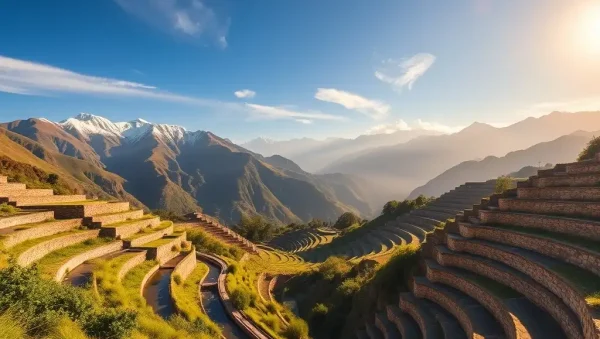
Discover the architectural details that made Andean water systems effective and durable. Ancient builders used precisely shaped stone, channels, spillways, retaining walls, sediment traps, and carefully graded surfaces to manage water flow. Some canals were built into terraces or mountain slopes, while others passed through urban areas, plazas, temples, and agricultural fields.
Readers can explore construction techniques, tool use, labor organization, and the practical knowledge required to maintain hydraulic infrastructure. The study of stone joints, channel dimensions, water outlets, and drainage patterns provides valuable information about ancient Andean engineering and helps explain how these systems survived for centuries in challenging environments.
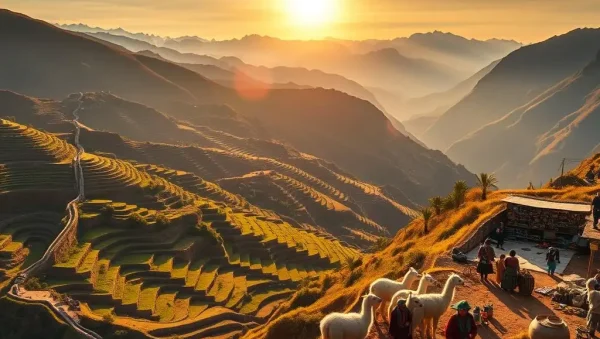
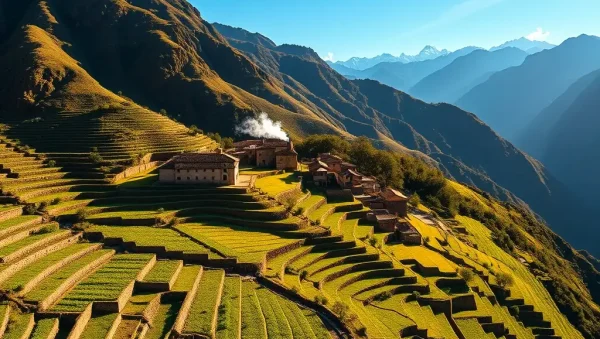
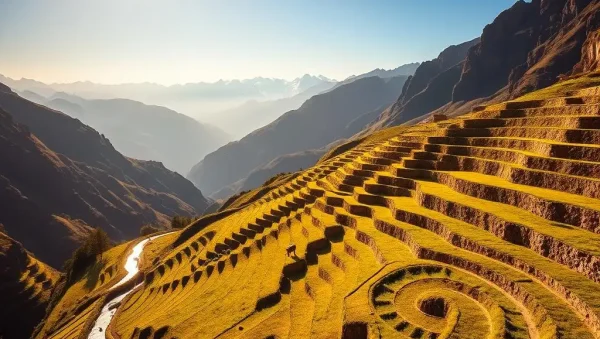
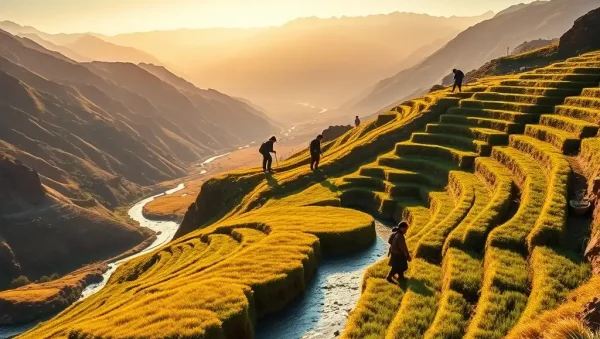
Ancient Andean irrigation systems were closely connected to terrace farming, soil conservation, crop diversity, and climate resilience. Agricultural terraces reduced erosion, improved water retention, and created cultivable land on steep slopes. Combined with canals, reservoirs, and carefully selected crops, these techniques allowed communities to manage unpredictable rainfall and extreme changes in temperature.
This section shows why Andean water management remains relevant today. Modern researchers, farmers, and conservation projects are studying traditional canals, terraces, and wetland systems to address water scarcity, soil degradation, drought, and changing climate conditions. The ancient Andes offer important lessons in decentralized infrastructure, community stewardship, and sustainable agriculture.
Explore how archaeologists, historians, engineers, hydrologists, and local communities investigate ancient Andean hydraulic infrastructure. Research methods may include archaeological surveys, satellite imagery, geographic information systems, field measurements, ceramic analysis, soil studies, water-flow modeling, and the examination of colonial accounts and Indigenous traditions.
Readers will also learn about the threats facing these sites, including urban expansion, agricultural modernization, erosion, looting, pollution, climate change, and the loss of traditional maintenance practices. Preservation efforts are essential for protecting canals, puquios, terraces, reservoirs, and ceremonial water features as part of the cultural heritage of Peru, Bolivia, Ecuador, Chile, and the wider Andean region.
Andean civilizations used canals, aqueducts, reservoirs, fountains, terraces, raised fields, drainage channels, and underground water systems. The specific design depended on local geography, climate, water availability, and agricultural needs. Coastal societies often redirected river water through desert canals, while highland communities used terraces, wetlands, and gravity-fed channels.
The Incas managed water through an integrated network of canals, springs, fountains, reservoirs, agricultural terraces, and drainage systems. Water was used for farming, domestic needs, public architecture, roads, and ritual ceremonies. Inca engineers carefully controlled water flow with stone channels and outlets, while state authorities organized labor for construction and maintenance.
Nazca puquios were underground or partially underground water systems designed to access and transport groundwater in arid valleys. Their spiral openings provided access for ventilation, inspection, and maintenance. These aqueducts helped sustain agriculture and settlement in regions where surface water was seasonal or scarce.
Irrigation systems made it possible to grow crops in deserts, steep valleys, and high-altitude environments. They supported food production, population growth, trade, urban development, religious centers, and political power. Reliable water management also helped communities respond to droughts, seasonal flooding, and other environmental challenges.
Modern societies can learn from the Andean emphasis on local adaptation, community participation, water conservation, soil protection, and climate resilience. Traditional canals, terraces, raised fields, and wetland systems demonstrate how sustainable infrastructure can work with natural landscapes rather than against them. These approaches remain valuable for addressing water scarcity and climate change.