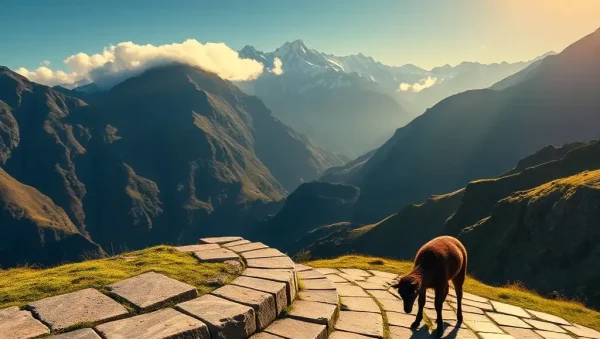
Andean Architecture and Engineering

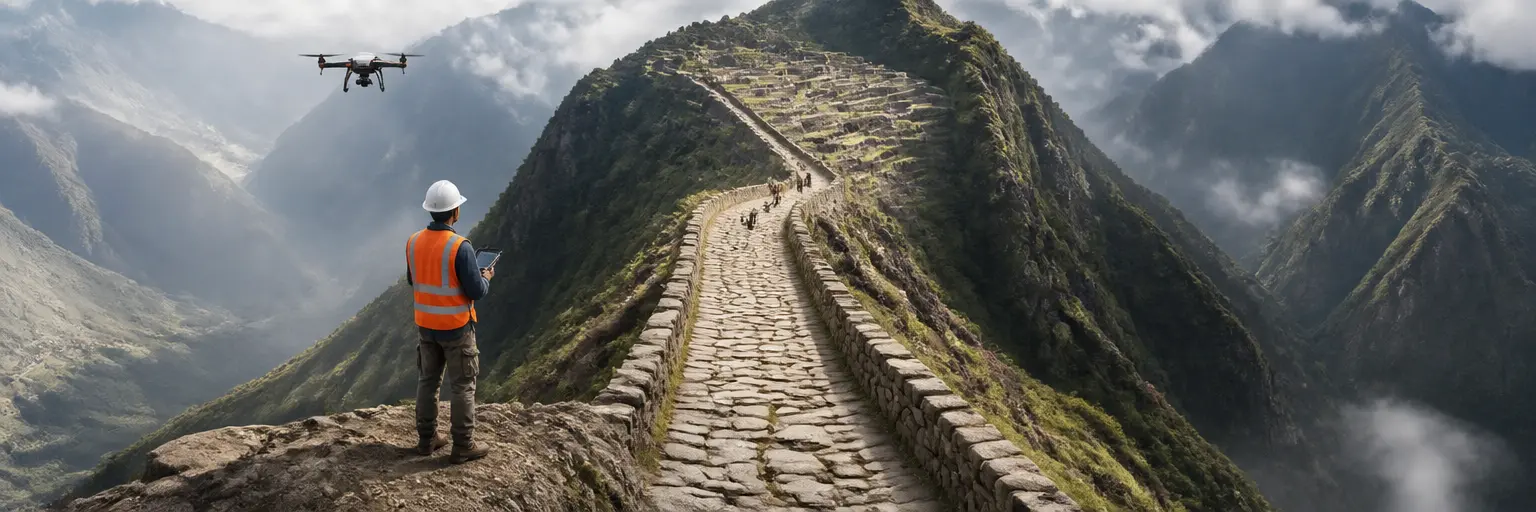
Discover the remarkable roads and infrastructure of the Inca Empire 🏔️—a vast engineering network of stone-paved routes, suspension bridges, terraces, tunnels, tambos, and drainage systems that connected the Andes across challenging terrain. Explore how Inca engineers supported travel, communication, agriculture, trade, and imperial administration through ingenious designs built without modern machinery. 🛤️ Learn how this enduring legacy reflects the innovation, organization, and architectural mastery of Andean civilizations.
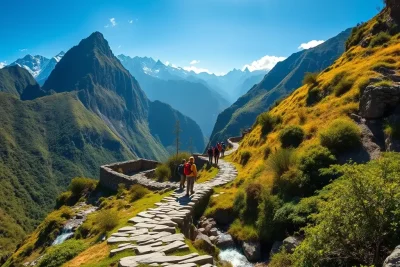
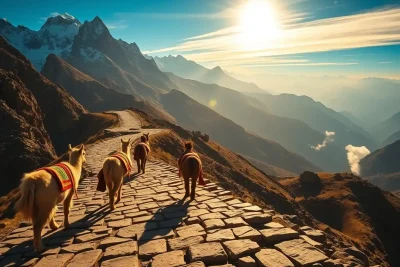
Discover the remarkable roads and infrastructure of the Inca Empire, a vast network of highways, bridges, tunnels, terraces, storage facilities, and administrative centers that connected the Andes from Ecuador to Chile and Argentina. This subcategory explores Inca engineering, Andean architecture, ancient transportation systems, and imperial infrastructure, revealing how the Inca state organized labor, resources, communication, agriculture, and trade across some of the most challenging landscapes in the world.
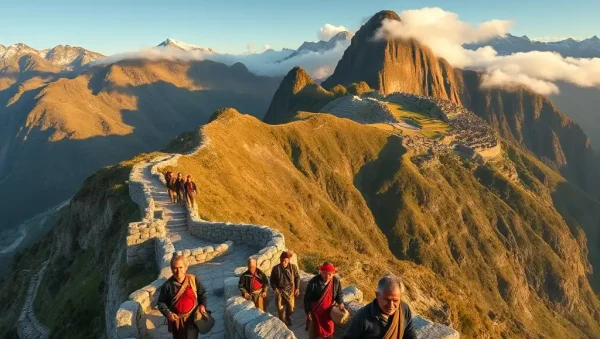
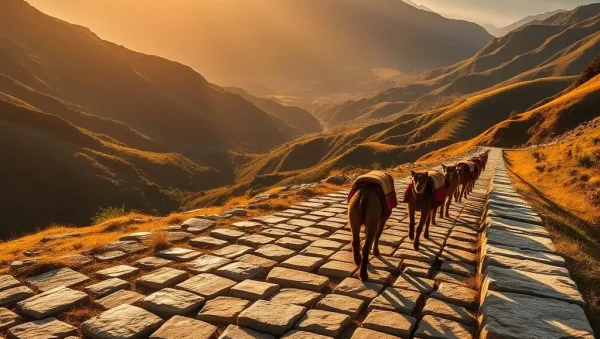
Learn about the Qhapaq Ñan, or Great Inca Road, one of the most impressive transportation systems in the ancient Americas. Stretching across mountains, deserts, valleys, and high plateaus, this interconnected network linked Cusco with distant provinces, military outposts, ceremonial sites, and administrative centers.
Articles in this section examine Inca roads, imperial expansion, ancient Andean travel, road construction techniques, and communication across the Inca Empire. Readers can explore how carefully planned routes supported armies, officials, merchants, pilgrims, and the famous relay runners known as chasquis.
Explore the ingenuity of Inca bridges, including suspension bridges made from woven grass, stone bridges, rope crossings, and elevated pathways. These structures allowed travelers to cross deep gorges, fast-flowing rivers, and steep mountain ravines where conventional roads would have been impossible.
This section explains how Andean builders used local materials, collective labor, engineering knowledge, and regular maintenance to create durable crossings. Discover the design and cultural importance of famous bridges such as the Q’eswachaka, as well as the role of bridges in trade, administration, warfare, and regional integration.
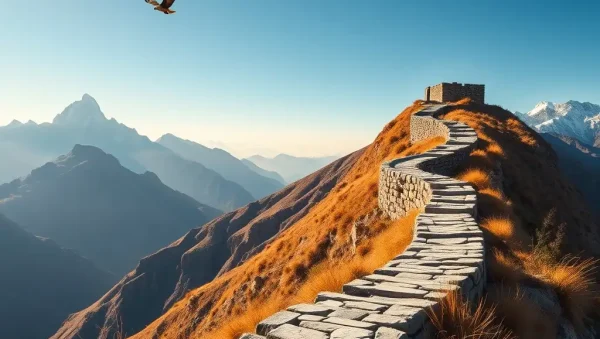
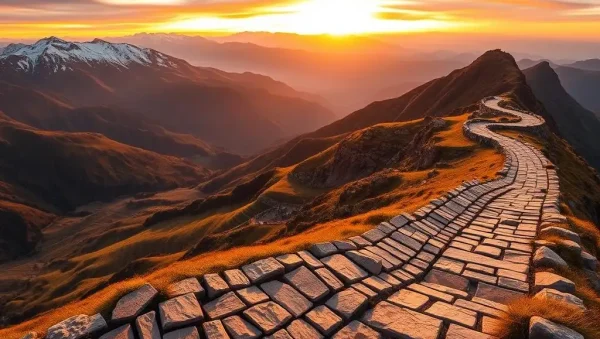
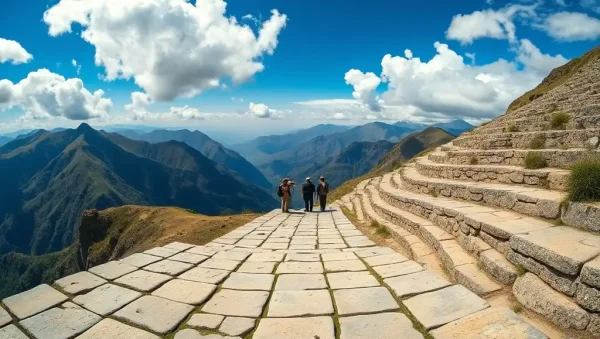
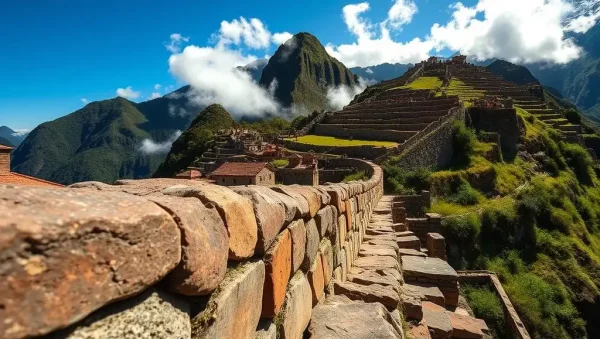
Investigate the sophisticated stonework that supported Inca roads and settlements. Carefully fitted masonry, retaining walls, stairways, drainage channels, and paved surfaces helped stabilize routes on unstable slopes and protected them from erosion, landslides, and heavy rainfall.
Readers will learn how Inca construction methods adapted to the Andes, including the use of terraces to control water and improve agricultural production. Topics include polygonal masonry, seismic resistance, hillside engineering, and the relationship between Inca architecture, landscape management, and environmental adaptation.
Discover the canals, aqueducts, reservoirs, fountains, and irrigation systems that made life and agriculture possible throughout the Inca Empire. These waterworks demonstrate the advanced understanding of hydraulic engineering in the Andes and the importance of water control to imperial power.
This subcategory explores how Inca communities directed mountain streams, reduced soil erosion, supplied ceremonial centers, and supported crops at different elevations. Expect detailed information about Andean irrigation, agricultural terraces, water distribution, climate adaptation, and sustainable infrastructure.
Learn about tambos, qullqas, waystations, and other facilities built beside or near the Inca road system. These sites provided food, clothing, shelter, supplies, and logistical support for travelers, soldiers, state officials, and labor crews moving through the empire.
Articles reveal how storage and administrative infrastructure helped the Inca government manage distant territories without a conventional written alphabet. Explore the connection between qullqa storage systems, taxation through labor, state redistribution, military logistics, and imperial administration.
Examine how the Inca road network enabled rapid communication through relay runners called chasquis. Positioned at strategic distances along major routes, these messengers carried verbal instructions, information, and selected goods between provincial centers and Cusco.
This section explains how roads functioned as more than transportation routes: they were instruments of political control, military coordination, economic management, and cultural exchange. Readers can discover how communication infrastructure helped unite diverse Andean peoples across a vast and difficult territory.
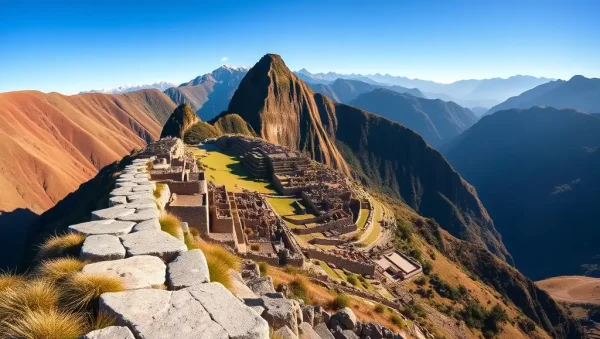
Explore the archaeological remains of the Qhapaq Ñan and related Inca infrastructure found across modern Peru, Bolivia, Ecuador, Colombia, Chile, and Argentina. Surviving roads, bridges, terraces, settlements, and ceremonial structures provide essential evidence for understanding Andean history.
Learn how archaeologists, historians, conservationists, and local communities study and protect these sites. Topics include Inca archaeological sites, UNESCO World Heritage preservation, heritage tourism, ancient engineering research, and the conservation of Andean cultural landscapes.
The Qhapaq Ñan was the extensive road network created and expanded by the Inca state. It connected Cusco with provinces, settlements, religious sites, military locations, agricultural regions, and administrative centers throughout the Andes.
The complete Qhapaq Ñan network is estimated to have extended for more than 30,000 kilometers. Its routes crossed modern-day Colombia, Ecuador, Peru, Bolivia, Chile, and Argentina, although the exact length continues to be studied by researchers.
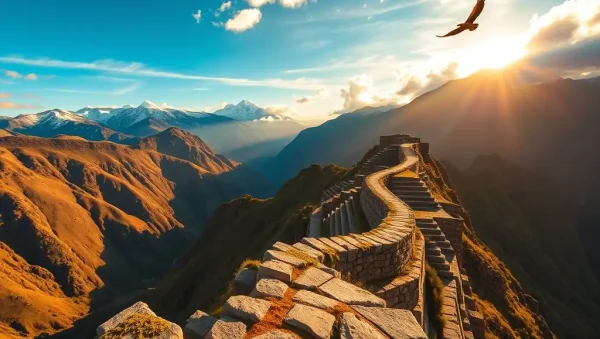
Inca engineers used stone paving, stairways, drainage channels, retaining walls, ramps, and carefully graded paths. Construction methods varied according to local terrain, climate, and available materials, allowing roads to function across steep slopes, deserts, wetlands, and high-altitude passes.
Tambos were roadside stations that provided shelter, food, supplies, and administrative support. They helped travelers, armies, officials, and messengers move efficiently through the empire and formed an important part of Inca logistical planning.
Yes. Several ancient Inca paths remain active as walking routes, local travel corridors, and cultural trails. Grass suspension bridges such as the Q’eswachaka are also rebuilt and maintained by local communities, preserving traditional Andean knowledge and engineering practices.