Andean Architecture and Engineering

Discover the ingenuity of ancient Andean construction techniques 🏔️—from precisely fitted stonework and earthquake-resistant masonry to terracing, drainage systems, and monumental engineering. Explore how Inca, Moche, Nazca, and Tiahuanaco builders transformed challenging landscapes through sustainable materials, advanced planning, and remarkable craftsmanship. 🔨✨
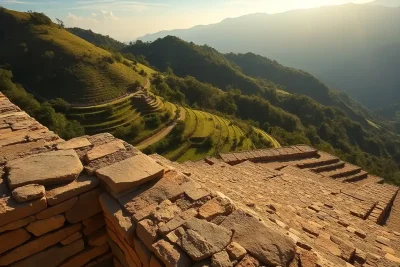
Discover how the ancient Andean civilizations transformed steep mountains, high plateaus, deserts, and river valleys into enduring architectural landscapes. This subcategory explores the construction techniques of the ancient Andes, including Inca stone masonry, agricultural terraces, adobe architecture, monumental platforms, suspension bridges, roads, canals, and earthquake-resistant design. Learn how the Incas, Moche, Nazca, Tiahuanaco, Wari, and other Andean cultures combined engineering knowledge, local materials, environmental adaptation, and spiritual beliefs to create some of South America’s most remarkable structures.
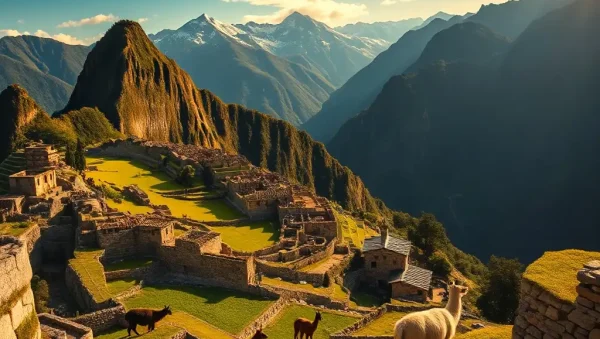
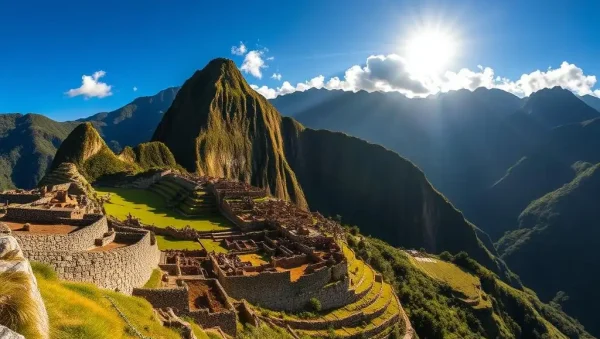
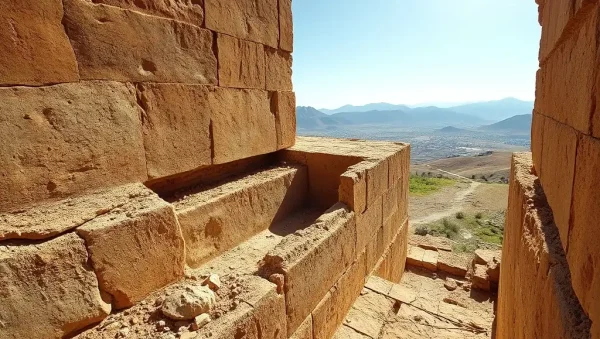
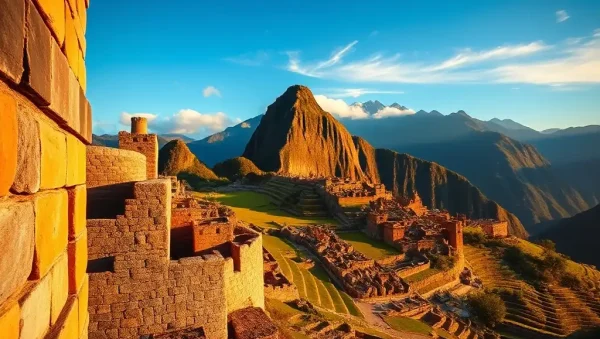
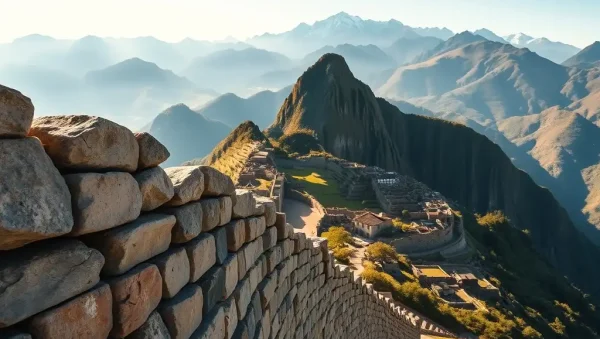
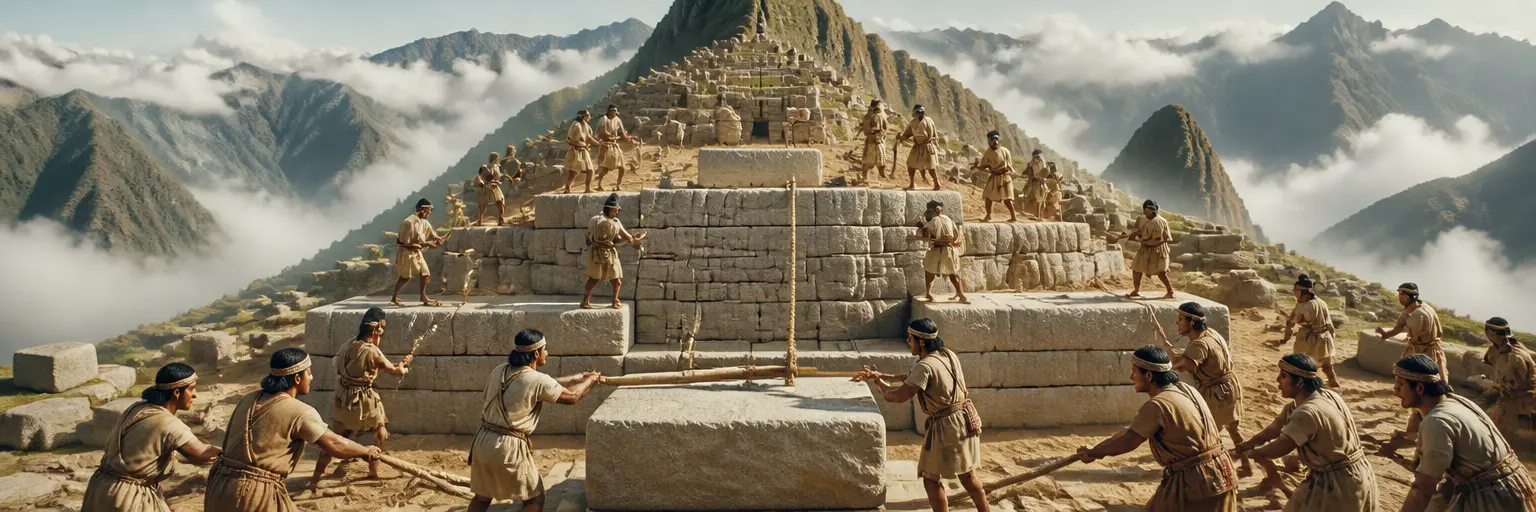
Explore the advanced Inca stone construction techniques used at sites such as Machu Picchu, Sacsayhuamán, Ollantaytambo, and Cusco. Articles in this section explain how builders selected, shaped, transported, and fitted massive stones without modern machinery. Readers can learn about polygonal masonry, finely dressed blocks, ashlar construction, trapezoidal doorways, and the use of carefully interlocking stones.
This section also examines why Inca walls were designed to withstand frequent earthquakes in the Andes. Discover how sloping walls, flexible joints, wide foundations, and precisely fitted stones contributed to the seismic resistance of Inca architecture. Content connects engineering principles with the political, religious, and ceremonial importance of imperial construction.
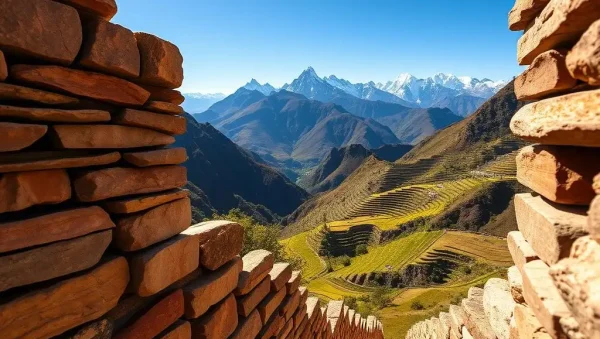
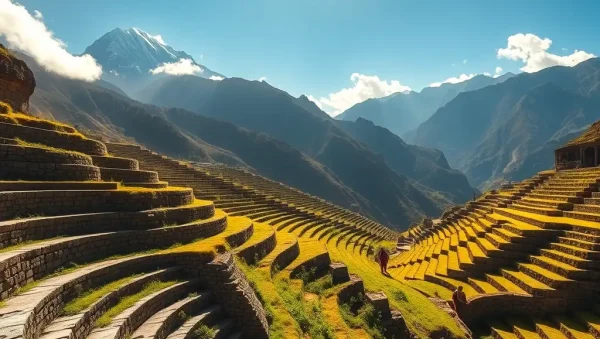
Learn how Andean societies engineered mountainsides through agricultural terraces, known as andenes. These stepped landscapes reduced soil erosion, improved drainage, retained moisture, and created productive farmland at different elevations. Discover the layered construction of terraces, including retaining walls, gravel drainage systems, fertile soil, and carefully managed irrigation channels.
Readers can also explore how terraces helped ancient communities adapt to extreme altitude, seasonal rainfall, frost, and difficult terrain. The subcategory explains the connection between terrace agriculture, food security, climate management, and population growth, showing why Andean farming technology remains relevant to sustainable agriculture and mountain conservation today.
Examine the use of adobe bricks and earthen construction among the Moche, Chimú, Nazca, and other coastal civilizations. Because the Pacific coast offered limited rainfall but abundant clay and desert soil, builders developed enormous adobe temples, ceremonial compounds, palaces, pyramids, and defensive structures. Explore the production, drying, arrangement, and maintenance of mudbrick architecture.
This section highlights famous adobe monuments such as Huaca del Sol, Huaca de la Luna, Chan Chan, and other pre-Columbian sites. Readers will discover how wall decoration, relief sculpture, painted surfaces, foundations, and controlled access reflected religious beliefs, social hierarchy, political authority, and the organization of ancient Andean cities.
Discover the sophisticated water management systems of the ancient Andes, including irrigation canals, reservoirs, fountains, aqueducts, drainage channels, and ceremonial water installations. Ancient engineers designed these systems to move water across steep slopes, dry valleys, and urban settlements while limiting erosion and preserving agricultural land.
Content in this section explains how hydraulic engineering supported farming, urban development, ritual practices, and public health. Learn how Andean communities observed mountain watersheds, seasonal flows, springs, and rainfall patterns to create durable systems that connected architecture with the natural environment.
Explore the Qhapaq Ñan, the vast Inca road network that connected the Andes from Colombia to Chile and Argentina. Articles cover paved roads, stairways, causeways, tunnels, retaining walls, suspension bridges, tambos, and mountain passes. Readers will learn how construction crews adapted routes to cliffs, ravines, deserts, wetlands, and high-altitude landscapes.
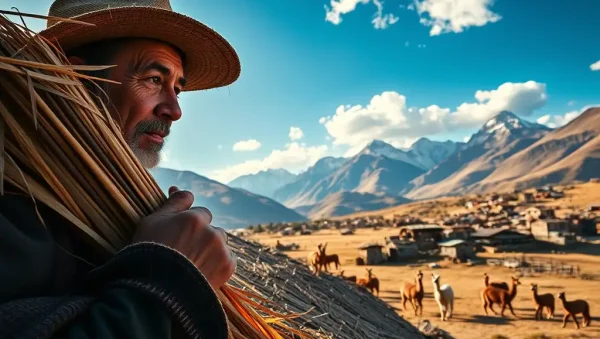
This section also examines traditional Andean suspension bridges made from woven grass, including the famous Q’eswachaka bridge. Discover how rope technology, community labor, maintenance traditions, and imperial administration enabled communication, trade, military movement, and the exchange of goods and ideas across the Inca Empire.
Understand how ancient Andean builders responded to earthquakes, landslides, intense sunlight, heavy rains, frost, and dramatic temperature changes. The earthquake-resistant architecture of the Andes included sloped walls, trapezoidal openings, flexible masonry, strong foundations, and construction methods that allowed structures to absorb movement instead of collapsing.
Readers will also explore how regional climate influenced building materials and forms. Stone was especially important in highland areas, while adobe dominated many coastal settlements. By studying these choices, this subcategory reveals how ancient architecture was shaped by local geology, available resources, altitude, climate, and long-term environmental knowledge.
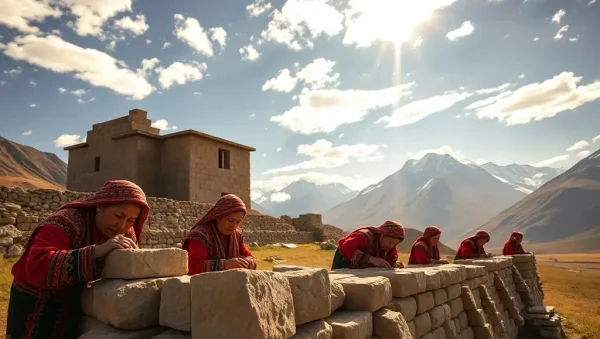
Inca builders shaped stones using hard tools, abrasion, pecking, and repeated fitting. Their precision stone masonry created tightly interlocking walls with irregular polygonal blocks, reducing weak points and helping structures withstand earthquakes. The exact tools and labor organization varied by location and period.
Sloping walls improved structural stability and helped distribute weight toward broad foundations. Combined with trapezoidal doors and windows, flexible joints, and carefully fitted stones, this design supported the seismic resilience of Inca buildings in an earthquake-prone region.
Common materials included stone, adobe, mudbrick, clay, wood, reeds, grasses, gravel, and compacted earth. Highland civilizations relied heavily on stone, while coastal cultures such as the Moche and Chimú frequently used adobe. Materials were selected according to climate, geology, availability, and the purpose of each structure.
Agricultural terraces created level planting surfaces on steep slopes while reducing erosion and conserving water. Their layered foundations improved drainage, retained fertile soil, and moderated temperature. These Andean farming terraces allowed communities to cultivate crops across multiple ecological zones.
Many major projects were coordinated by rulers, religious authorities, or regional governments. The Incas used systems of community labor, often associated with mit’a, to build roads, terraces, temples, canals, and administrative centers. Construction also depended on specialized artisans, engineers, farmers, transport workers, and local communities.