Digital Resources for Andean History

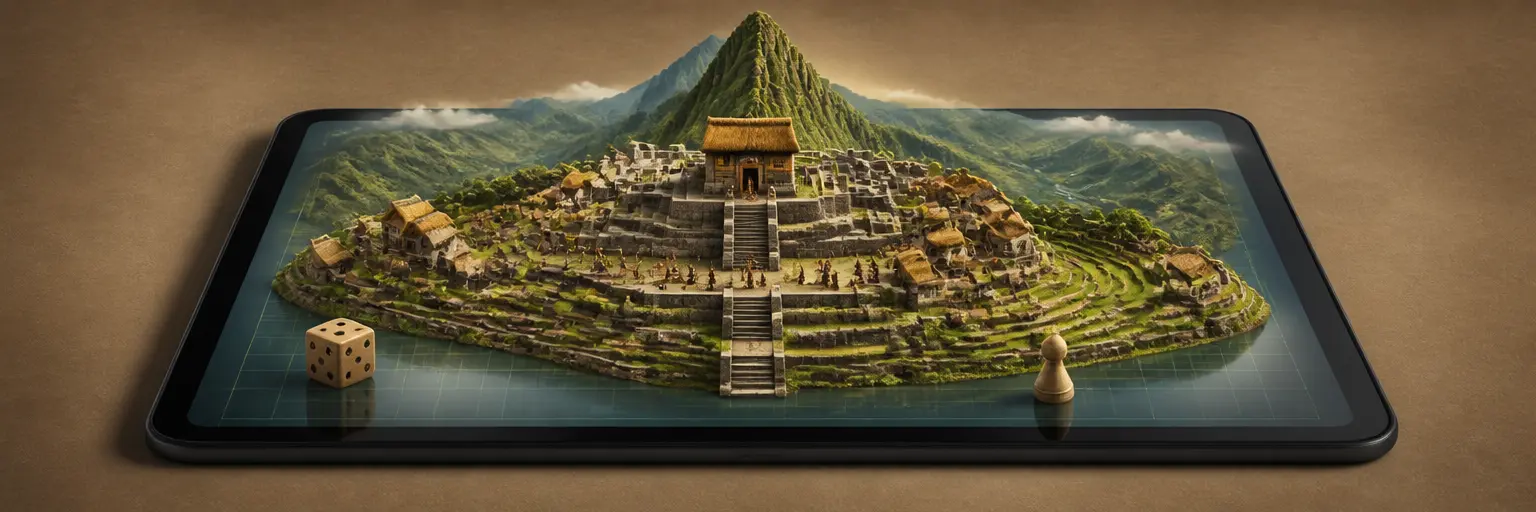
🎮 Explore the fascinating world of the Inca Empire through interactive educational games and historical simulations! Discover Andean culture, ancient technology, daily life, geography, and key events while learning through engaging challenges designed for students, educators, and history enthusiasts. 🏔️ These immersive digital resources make Inca history memorable, encourage critical thinking, and bring the achievements of one of South America’s greatest civilizations to life.
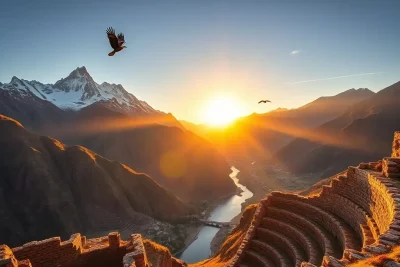
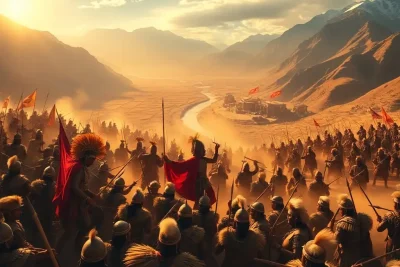
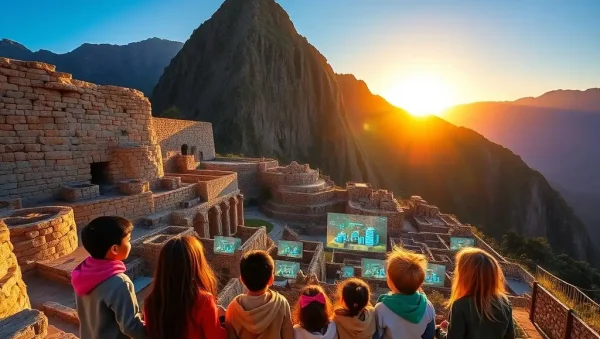
Discover interactive educational games and simulations about the Incas designed to make Andean history engaging, memorable, and accessible. This subcategory from Andean Civilizations offers digital resources that help students, teachers, families, and history enthusiasts explore the Inca Empire, its society, economy, technology, religion, architecture, and relationship with the Andes through immersive learning experiences. From virtual reconstructions of Cusco and Machu Picchu to strategy activities about agriculture, trade, roads, and governance, these resources transform the study of Inca civilization into an active journey of discovery.
Interactive games allow learners to investigate major events, historical figures, and everyday life in the Tawantinsuyu, the vast territory governed by the Inca state. Users may explore the rise of the Inca Empire, the role of Sapa Inca rulers, the organization of ayllus, and the importance of Cusco as a political and religious center.
Unlike passive reading, educational simulations encourage players to make decisions, analyze evidence, and understand historical cause and effect. These activities support experiential learning while introducing key topics such as Inca expansion, administration, social organization, cultural exchange, and the encounters that transformed the Andes during the sixteenth century.
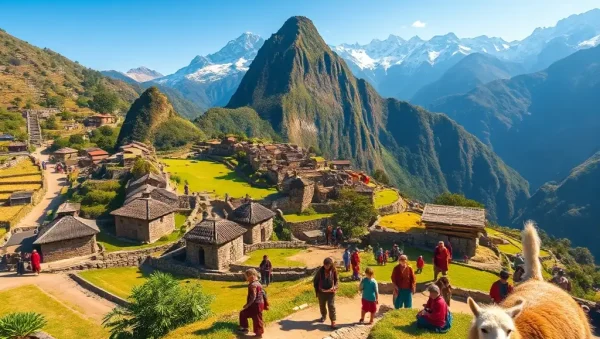
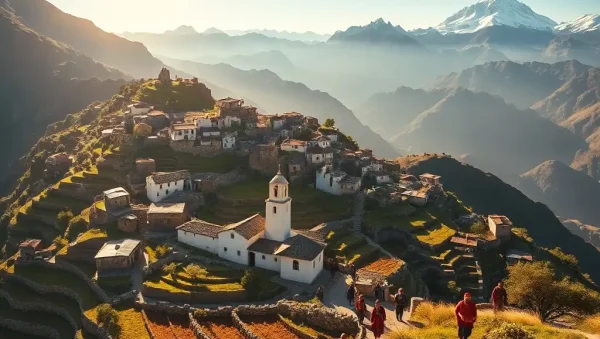
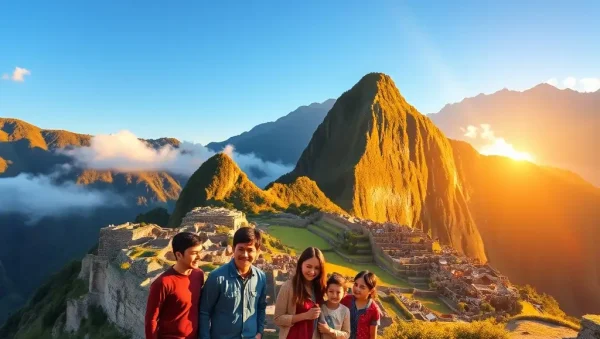
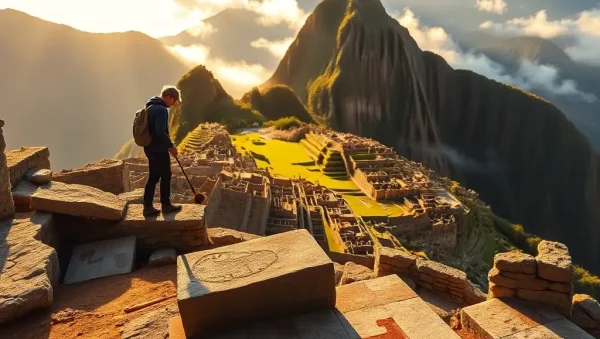
Virtual explorations and digital reconstructions provide opportunities to visit important places connected with Inca civilization. Learners can examine the design of Machu Picchu, follow sections of the Qhapaq Ñan, investigate temple complexes, and study how settlements were adapted to steep mountain landscapes.
These immersive resources combine historical information with visual discovery, helping users understand Inca architecture, engineering, geography, and environmental knowledge. Maps, panoramic views, interactive models, and location-based challenges can make the Andes easier to visualize while encouraging curiosity about archaeological sites and cultural heritage.
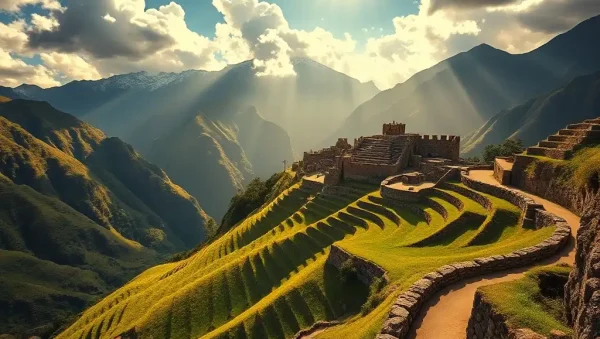
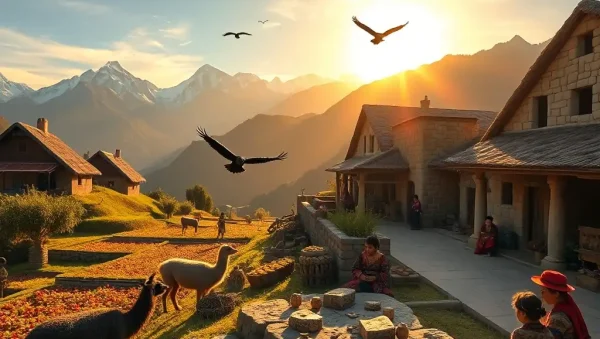
Many Inca educational games focus on how people managed resources in challenging highland environments. Players may plan agricultural terraces, organize irrigation, store crops in qullqas, or select suitable crops for different altitudes. These scenarios demonstrate the importance of potatoes, maize, quinoa, camelids, and other resources in Andean life.
Economic simulations also introduce the mit’a labor system, reciprocal exchange, redistribution, llama caravans, and long-distance communication. By solving practical problems, learners gain a deeper understanding of Inca technology and sustainable mountain adaptation without reducing complex historical systems to simple memorization exercises.
Well-designed digital games about the Incas encourage learners to compare sources, identify perspectives, interpret archaeological evidence, and distinguish between historical fact and later legend. Activities may include examining oral traditions, colonial accounts, artifacts, architecture, maps, and visual representations of the Inca past.
These resources can strengthen critical thinking, historical reasoning, research skills, and media literacy. Instead of presenting the Inca Empire as a static subject, simulations invite users to ask meaningful questions about power, identity, cultural diversity, resistance, leadership, and the long-term effects of colonial encounters.
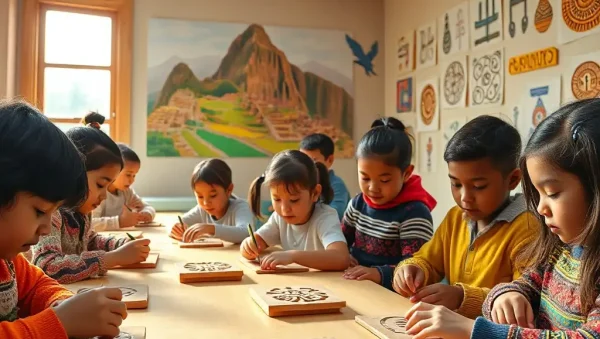
Teachers can use Inca-themed games and simulations as introductory activities, lesson supplements, review exercises, or project-based learning tools. They may support units on Andean history, ancient civilizations, archaeology, geography, indigenous cultures, and Latin American heritage across different age groups.
Families and independent learners can also use these digital materials to explore the Inca Empire at their own pace. Quizzes, missions, puzzles, simulations, and interactive maps make it easier to adapt learning to different interests and abilities while encouraging discussion about cultural preservation and the continuing legacy of the Andes.
Educational content about the Incas should present the civilization with historical accuracy and respect for the living Indigenous cultures of the Andes. Games and simulations can introduce Quechua language, religious beliefs, community traditions, artistic practices, clothing, music, and relationships with the natural world while avoiding stereotypes or overly simplified portrayals.
Readers can expect resources that connect the Inca past with broader Andean history, including the Moche, Nazca, and Tiahuanaco civilizations. This wider perspective highlights cultural continuity, regional diversity, and the lasting influence of Andean knowledge, art, agriculture, and engineering.
Educational games about the Incas are interactive digital activities that teach history, culture, geography, archaeology, technology, and daily life in the Inca Empire. They may include quizzes, strategy challenges, virtual tours, puzzles, role-playing scenarios, and resource-management simulations.
Students can explore Inca government, social organization, religion, agriculture, architecture, trade, roads, engineering, geography, and colonial encounters. Many simulations also develop skills in problem-solving, decision-making, historical interpretation, and critical thinking.
Yes. Teachers can integrate them into lessons about ancient civilizations, Andean history, Indigenous cultures, archaeology, and Latin American studies. They can be used for individual work, group activities, homework, review sessions, or project-based learning.
Many resources are designed for children and early learners, while others are more appropriate for secondary students or adults. Teachers and families should review the learning objectives, reading level, historical content, and technical requirements before selecting a game.
Interactive resources help learners understand historical systems by allowing them to explore places, interpret evidence, and make decisions. They connect information with action, making complex ideas such as Andean geography, Inca administration, agricultural adaptation, and cultural heritage easier to remember and discuss.