
Discover Inca Society: Simulation Games Examining Social Hierarchies and Customs

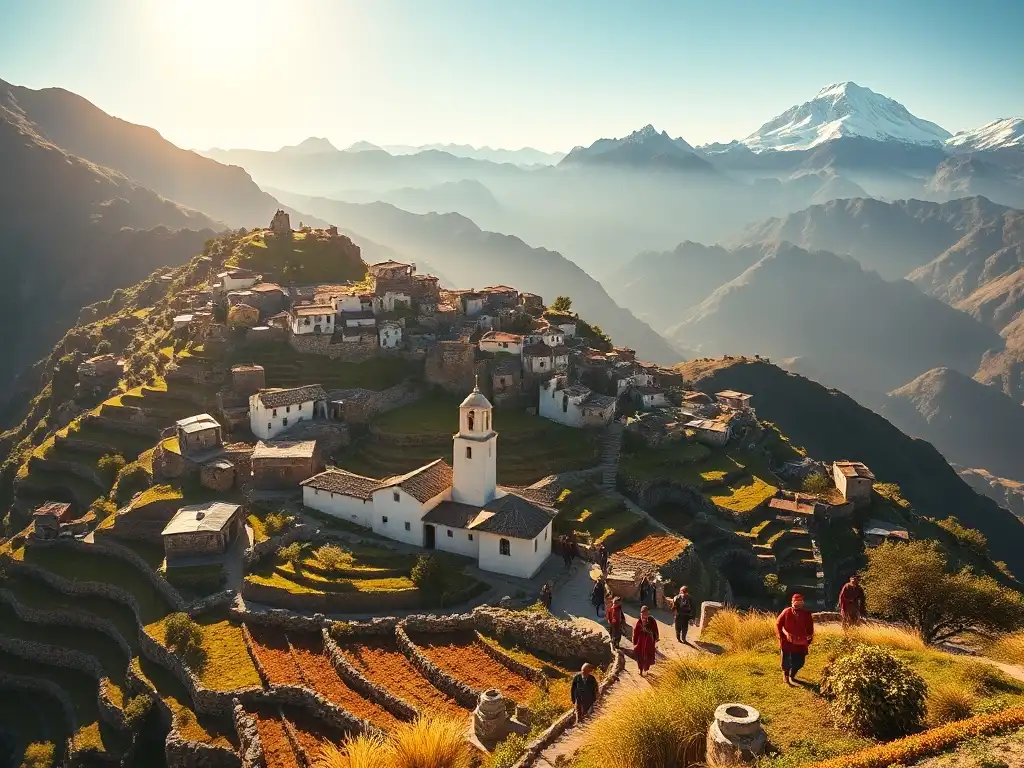
Step into a world lost to time, yet echoing with the power of the Andes! Prepare to unravel the mysteries of the Inca, Moche, Nazca, and Tiahuanaco civilizations – their breathtaking artistry, intricate social structures, and astonishing engineering feats. But what if you could experience this history firsthand? Dive into our exploration of Inca social hierarchy simulation games, a fascinating new way to understand the complexities of this remarkable society. Discover how these digital tools illuminate the past and unlock the secrets of a civilization that continues to captivate us.
- Understanding Inca Social Structure Through Interactive Games
- Top Inca Social Hierarchy Simulation Games: A Detailed Look
- Comparing Inca Society Simulation Games: Features and Learning Outcomes
- Maximizing Your Learning: Tips for Engaging with Inca Society Simulations
- Conclusion: Immersing Yourself in the World of the Incas through Simulation
-
Frequently Asked Questions
- What kind of simulation games explore Inca social hierarchies?
- How accurate are these Inca simulation games in depicting social structures?
- Are there games focusing specifically on Inca daily life within the social hierarchy?
- Where can I find these Inca social hierarchy simulation games?
- What aspects of Inca culture do these games typically cover beyond the social hierarchy?
- Final Reflection: Echoes of the Andes: Gaming, Learning, and the Inca Legacy
- Explore the Depths of Inca Society Today!
The Inca Empire, a marvel of ancient engineering and societal organization, continues to fascinate historians and enthusiasts alike. Its complex social structure, intricate agricultural systems, and sophisticated administrative techniques remain subjects of intense study. Understanding the intricacies of Inca society, however, can be challenging.
Traditional methods of learning, while valuable, often lack the engaging and immersive quality necessary to truly grasp the nuances of this remarkable civilization. This article explores how interactive simulation games offer a unique and powerful tool for exploring the Inca social hierarchy and daily customs, making the study of this fascinating culture more accessible and enjoyable. We'll delve into the reasons why simulations are effective learning tools and examine how these games can bring the vibrant world of the Inca Empire to life, transforming passive learning into an active and memorable experience.
By engaging with these digital recreations, we can gain a deeper appreciation for the ingenuity and complexity of Inca life, fostering a more comprehensive understanding of their remarkable achievements. Prepare to embark on a journey through time, using the power of interactive simulation games to unravel the secrets of Inca society and its intricate social structure. This exploration will be particularly useful for educators and students seeking engaging and effective ways to learn about Inca civilization, focusing on the keyword phrase "Inca social hierarchy simulation games."
Traditional textbook learning about the Inca social hierarchy often presents information in a linear, detached manner. While providing essential factual knowledge, this approach can struggle to convey the dynamic nature of Inca society and the lived experiences of its members. Simulation games, however, offer a revolutionary alternative. By actively participating in a simulated Inca environment, learners experience the social hierarchy firsthand.
They aren't just reading about the ayllu system; they are navigating its complexities as virtual members of the community. This immersive approach fosters deeper understanding and retention. Furthermore, simulations can effectively demonstrate the interconnectedness of different social classes and their roles within the broader Inca societal structure. For example, a simulation might require players to manage resource allocation, demonstrating how the curacas (local leaders) interacted with the yanaconas (specialized workers) and the commoners, revealing the intricate web of obligations and responsibilities that defined Inca social relations.
The interactive nature of these games also allows for experimentation and exploration. Players can make choices, observe the consequences, and learn from their mistakes, leading to a more profound and personalized learning experience. This active learning approach significantly enhances knowledge retention compared to passive methods. The use of simulations also allows for diverse learning styles to be accommodated; visual learners benefit from the game's interface, while kinesthetic learners engage through active participation.
The Power of Immersive Learning: Inca Culture and Customs through Games
Beyond simply illustrating the social hierarchy, Inca-themed simulation games can vividly portray the cultural practices and daily customs of this fascinating civilization. Imagine participating in a virtual capacocha ceremony, learning about the significance of this ritual sacrifice within the Inca worldview. Or perhaps managing a virtual quipu, the intricate knotted-cord system used for record-keeping, gaining a hands-on understanding of Inca record-keeping technologies. These immersive experiences bring the past to life, making abstract concepts tangible and relatable.
Furthermore, these simulations often incorporate accurate historical details, such as Inca architecture, clothing, and agricultural techniques, enriching the learning experience and promoting a more nuanced understanding of Inca civilization. Consider a game where players must navigate the challenges of Inca agriculture, including terrace farming and irrigation systems. This not only illustrates the ingenuity of Inca engineering but also highlights the importance of agriculture within the Inca social structure.
Successfully managing these aspects would directly impact a player’s standing within the simulated society, reinforcing the connection between social standing and economic productivity. The ability to visualize and interact with these elements allows for a deeper appreciation of the ingenuity and complexity of Inca life, transforming abstract concepts into concrete experiences. This immersive approach significantly enhances the learning process, making it more engaging and memorable for players of all ages and learning styles.
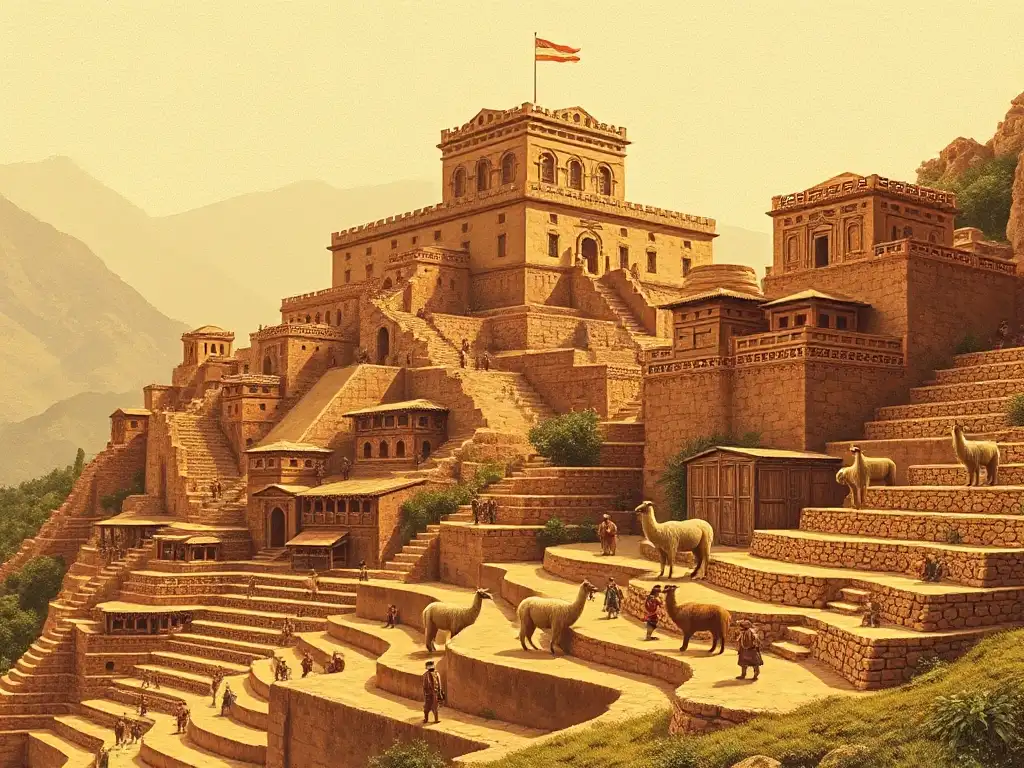
This section dives deep into the mechanics of popular simulation games that allow players to engage with and understand the intricate social hierarchy of the Inca civilization. We will analyze how these games represent the Inca power structure, social classes, and unique cultural aspects, providing insights into their strengths and weaknesses in portraying this complex historical society. Understanding these nuances offers a valuable educational tool for anyone interested in learning more about Inca social structures.
Europa Universalis IV: Conquest of Paradise: Experiencing the Inca Power Structure
Europa Universalis IV: Conquest of Paradise, a DLC for the grand strategy game Europa Universalis IV, offers a unique perspective on the Inca Empire. While not exclusively focused on Inca society, it provides a compelling simulation of its political and social dynamics during the period of European contact. The game allows players to experience the challenges and opportunities faced by the Inca rulers, navigating internal power struggles and external threats.
Key Features of Europa Universalis IV: Inca Hierarchy Mechanics
The game effectively models the Inca's centralized power structure, with the Sapa Inca at its apex. Players must manage their relationships with various noble families (curacas), balancing their power and loyalty to prevent rebellions. The game mechanics reflect the importance of mita, the Inca labor system, which is represented through resource management and manpower mobilization.
Successfully managing mita is key to economic prosperity and military strength. The game also incorporates religious elements, reflecting the significance of Inca religion in maintaining social order. However, the representation of ayllu community structures is less detailed, focusing more on the macro-level political aspects of the empire.
How Europa Universalis IV Depicts Inca Social Classes: From Sapa Inca to Commoners
Europa Universalis IV depicts a tiered social structure, although the granular detail is limited. The Sapa Inca is the ultimate authority, with their decisions impacting the entire empire. Below them, the curacas hold significant regional power, demanding careful management to maintain stability.
The game doesn't explicitly model individual commoners, but their collective impact is felt through manpower pools and resource production tied to mita. The game's focus on larger-scale political and economic strategies means the nuances of daily life for commoners are not deeply explored. Further research into the game's mechanics is needed to quantify the exact representation of social mobility within the game's simulation.
Monetization Opportunities: Accessing Europa Universalis IV
Europa Universalis IV is a premium title requiring a purchase to access the base game and its DLCs, including Conquest of Paradise. The game is available on various platforms [Platform information pending]. Consider the cost of the game and the time investment required before purchasing. The developers, Paradox Interactive, receive revenue directly from sales.
Civilization VI, another popular 4X strategy game, presents a different approach to simulating Inca society. While not as intricately detailed as some dedicated historical simulations, it captures key aspects of Inca culture and governance. The game's focus is broader, encompassing the entire civilization's development and interaction with other historical societies.
Exploring the Inca Social Pyramid in Civilization VI: Roles and Responsibilities
In Civilization VI, the Inca civilization’s unique abilities are tied to their social structures and resource management. The game emphasizes the Inca’s use of terraces for agriculture and their efficient infrastructure. However, the representation of the social hierarchy is more abstract. The player controls the entire civilization as a singular entity, rather than managing individual social classes directly. The game’s focus is on strategic decision-making at a high level, rather than the granular details of social interactions. The impact of the ayllu system is indirectly represented through unit production and resource gathering.
Unique Game Mechanics: Inca Labor Systems and Social Mobility
Civilization VI incorporates the Inca's unique strengths in infrastructure and resource management. The game mechanics reflect the efficiency of their agricultural practices and their capacity for large-scale construction projects. However, the game simplifies the complexities of mita, focusing on its benefit rather than its potential drawbacks or social consequences. Social mobility within the game is not explicitly modeled; the player's focus is on the overall advancement of the Inca civilization as a whole.
Where to Find Civilization VI and Support the Developers
Civilization VI is available on multiple platforms [Platform information pending] and requires a purchase. Purchasing the game directly from the developers, 2K Games, ensures they receive the full revenue. The game also has several expansion packs that add more depth to the gameplay experience. Considering these expansions can enhance the overall experience of playing as the Inca civilization.
Age of Empires II: The Conquerors, while not explicitly designed as an Inca social hierarchy simulator, offers a surprisingly rich environment for exploring aspects of Inca daily life and social interactions. The game's portrayal of Inca units, their roles, and their interactions within the game's economic and military systems provides a glimpse into the structured nature of Inca society. Players can observe the division of labor, with distinct units specializing in farming (representing the crucial agricultural base of Inca society), construction (reflecting the sophisticated architectural achievements), and warfare (highlighting the military organization).
The game’s resource management mechanics indirectly reflect the Inca's sophisticated systems of resource allocation and redistribution, essential for maintaining social order and supporting the large population. Though not a perfect representation, the game allows for an engaging, albeit simplified, exploration of some key aspects of Inca daily life.
The limitations, however, are also important to consider. The game's focus on warfare and conquest, for example, overshadows the complexities of Inca social organization and peaceful aspects of their society.
Inca Social Customs and Rituals: Simulated Experiences in Age of Empires II
While Age of Empires II doesn't explicitly model Inca religious rituals or ceremonies, the game's mechanics offer avenues for interpreting certain aspects of Inca social customs. For example, the construction of buildings and the management of resources can be viewed as a reflection of the mita system, the Inca's labor tribute system. Players must strategically allocate their workforce, mirroring the Inca's organization of labor for public works projects. The game's military structure, with its hierarchy of units and commanders, also offers a parallel to the Inca's military organization, reflecting the importance of military strength in maintaining social order and expanding the empire.
However, it's crucial to remember that these interpretations are indirect and simplified. The game lacks the nuanced detail necessary to truly represent the depth and complexity of Inca religious practices and social customs. Further research beyond the game is necessary for a complete understanding.
Interpreting Inca Social Dynamics: Relationships and Family Structures
Age of Empires II doesn't directly model family structures or interpersonal relationships within Inca society. The game's focus on large-scale military and economic operations prevents a detailed exploration of the intricate social dynamics within Inca families and communities. To understand these aspects, players must look beyond the game's mechanics and consult historical sources.
The game, however, can serve as a springboard for discussion about the broader social implications of the Inca’s system of governance and resource management. For example, the game's depiction of the Inca army's hierarchical structure could prompt discussions about the power dynamics within Inca society and how these influenced family structures and social interactions. The game's limitations in this area highlight the need for supplementary educational materials to provide a comprehensive understanding of Inca social dynamics.
Purchasing Age of Empires II: Supporting Educational Gaming
Purchasing Age of Empires II can be considered a form of supporting educational gaming, particularly when used in conjunction with other learning resources. The game, while not a dedicated educational tool, offers a unique and engaging way to introduce students to some aspects of Inca civilization. Its accessibility and relatively low cost make it a viable option for classroom or home use.
However, it's important to emphasize that the game should be used as a supplement to, not a replacement for, more traditional educational materials. Teachers and parents should guide students in critically analyzing the game's representation of Inca society and supplement it with accurate historical information.
By integrating the game strategically into a broader learning plan, educators can leverage its potential to enhance engagement and understanding of Inca civilization. The purchase contributes to the broader gaming market, potentially encouraging the development of more sophisticated and historically accurate educational games in the future.
Comparing Inca Society Simulation Games: Features and Learning Outcomes
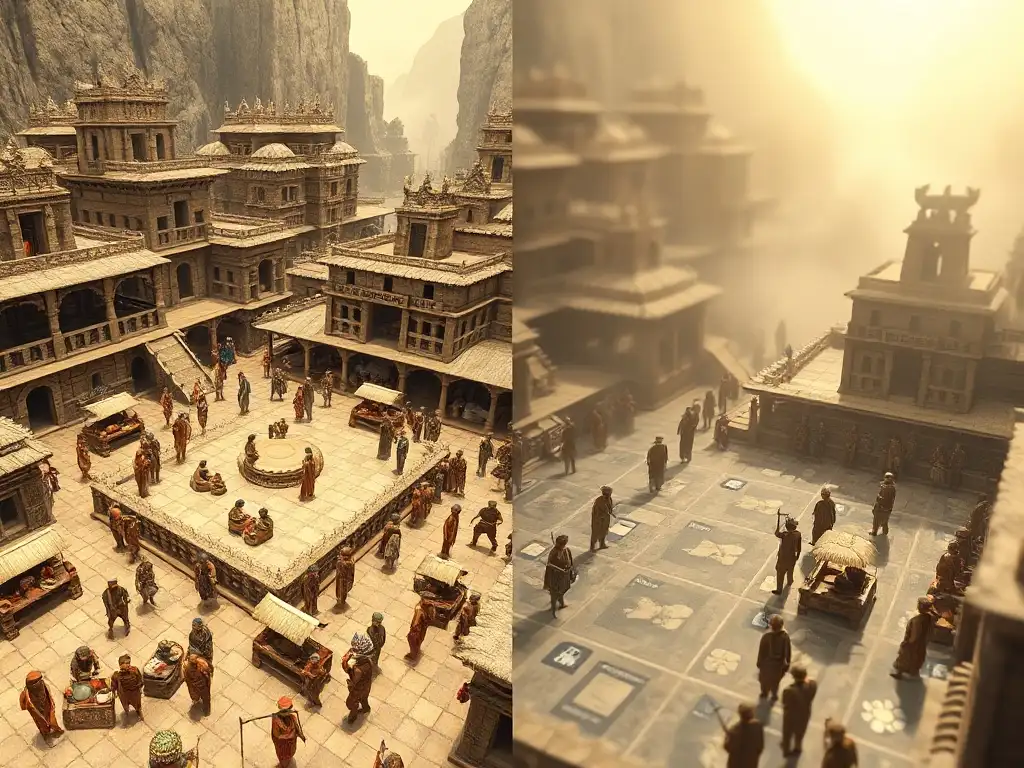
This section dives into a comparative analysis of several Inca society simulation games, focusing on their features and the learning outcomes they offer. We'll examine how these games represent the complex social hierarchy of the Inca Empire and the cultural norms that shaped daily life. The goal is to help you, the educator or inquisitive learner, identify the best fit for your needs and learning objectives related to "Inca social hierarchy simulation games."
Understanding the nuances of each game's approach to simulating Inca life is crucial for effective educational use. We will consider factors like game mechanics, historical accuracy, and overall engagement.
Different games employ various methods to represent the Inca social structure. Some might use a straightforward hierarchical system, visually represented by a pyramid or tree diagram, clearly showing the Emperor at the apex and the commoners at the base. Others might incorporate more nuanced gameplay mechanics.
For instance, one game might require players to manage resources and distribute them according to the established hierarchy, forcing players to understand the implications of the ayllu system and the responsibilities of different social groups. Another might focus on the role of the curaca, local leaders, in mediating between the central Inca government and the communities.
Consider a game where players start as a commoner and must work their way up the social ladder through completing tasks, accumulating wealth, and demonstrating loyalty. This approach can effectively teach the concept of social mobility (though limited in the Inca system) and the various pathways to advancement within the empire.
Conversely, a game that focuses on the responsibilities of a curaca might highlight the complexities of managing resources, resolving conflicts, and maintaining order within a community, thus emphasizing the importance of local leadership within the broader Inca structure. The best games offer a blend of these approaches, providing a holistic understanding of Inca social organization.
| Game Title | Gameplay Focus | Social Hierarchy Representation | Learning Outcomes |
|---|---|---|---|
| [Game Title 1 Pending] | Resource management, community development | Pyramid-based visual hierarchy | Understanding resource allocation, ayllu system |
| [Game Title 2 Pending] | Role-playing as a curaca | Network-based visual hierarchy | Local leadership, conflict resolution, community management |
| [Game Title 3 Pending] | Strategic empire building, conquest | Hierarchical tree diagram | Expansion strategies, imperial control, social impact |
Beyond the rigid structure of the Inca social hierarchy, understanding the cultural norms and values that underpinned it is essential. Some games excel at this by incorporating aspects of Inca religion, beliefs, and traditions into the gameplay. For example, a game might require players to participate in religious ceremonies or navigate social interactions according to Inca customs. This can lead to a deeper understanding of concepts like reciprocity ( ayni), communal work ( mita), and the significance of the Inca worldview.
Successful games don't just present facts; they create immersive experiences that allow players to live within the Inca system. A game might simulate the impact of religious festivals on daily life or demonstrate the importance of kinship ties and community obligations. The best educational games go beyond simply illustrating the hierarchy; they contextualize it within the rich tapestry of Inca culture and beliefs, providing a more nuanced and complete picture.
The incorporation of Inca art, mythology, and architecture into the game's design further enhances the learning experience, creating a more engaging and memorable simulation. The use of accurate terminology, such as ayllu, curaca, and mita, reinforces vocabulary acquisition and strengthens historical understanding.
Analyzing the game's narrative and dialogues is also crucial. Do they accurately reflect Inca values and beliefs? Do they avoid stereotypes and present a balanced representation of Inca society? These are critical questions to consider when evaluating a game's educational merit. The most effective games will use storytelling to illuminate the human side of the Inca world, making the learning experience both informative and emotionally resonant.
User Experience: Finding the Right Inca Simulation Game for You
The effectiveness of any educational game is also dependent on its user experience. Consider the target audience: Is the game suitable for younger students or more advanced learners? The game's interface, controls, and overall accessibility are crucial factors. A game with a poorly designed interface or confusing mechanics can hinder learning, regardless of its historical accuracy or educational value. Intuitive navigation, clear instructions, and engaging visuals are essential for a positive user experience. Furthermore, the availability of different difficulty levels can cater to diverse learning styles and abilities.
Many effective games incorporate feedback mechanisms that provide players with immediate information about their actions and their consequences within the simulated Inca society. This immediate feedback loop allows for iterative learning and helps players understand the cause-and-effect relationships within the complex Inca social system. A well-designed game will also provide opportunities for reflection and analysis, encouraging players to consider the broader implications of their decisions and their impact on the simulated society.
Features like leaderboards, achievements, and integrated learning resources (such as glossaries or historical information) can further enhance the learning experience and promote engagement. Ultimately, finding the right Inca simulation game involves carefully considering its educational value, gameplay mechanics, and user-friendliness to ensure an effective and enjoyable learning experience.
Maximizing Your Learning: Tips for Engaging with Inca Society Simulations
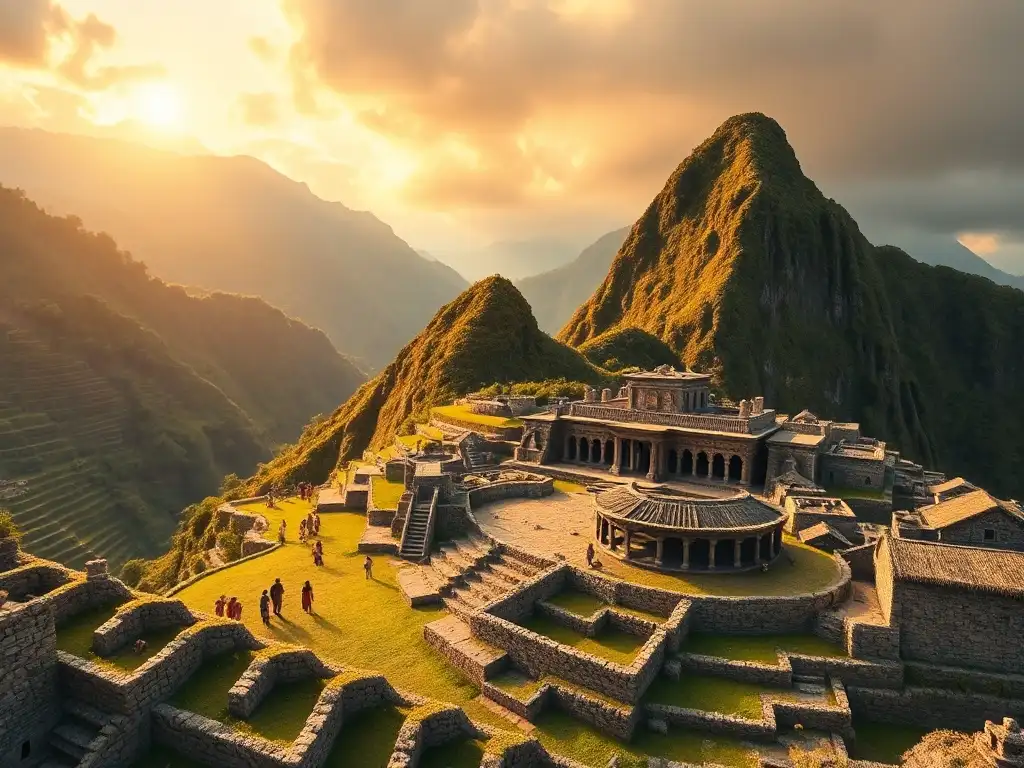
This section offers practical advice on maximizing the educational value of Inca social hierarchy simulation games. These games, while entertaining, are powerful tools for understanding complex historical dynamics. To truly benefit, consider these strategies:
Using Games for Research: Deepening Your Understanding of Inca Culture
Effective use of Inca social hierarchy simulation games requires a strategic approach. Don't just play— research. Begin by familiarizing yourself with the historical context. Read about Inca social structures, their agricultural practices (like the terracing techniques), and their religious beliefs. Understanding the ayllu system, for example, will significantly enhance your gameplay and understanding of community organization.
Then, approach the game systematically. Start with a single playthrough, focusing on understanding the basic mechanics and the consequences of your decisions. Note how different choices impact your social standing, resource management, and overall success within the simulated Inca society. Document your experiences. Keep a journal detailing your strategies, the challenges you faced, and the outcomes you observed. This detailed record will serve as valuable data for later analysis.
Subsequent playthroughs should involve experimenting with different strategies. Try different approaches to resource allocation, diplomacy, and conflict resolution. Compare the outcomes of these variations. This comparative analysis will reveal the subtle nuances of Inca society and the interconnectedness of various social, economic, and political factors. For instance, observe how different choices regarding tribute collection affect the stability of the ayllu and the overall prosperity of your simulated community.
Consider focusing on specific aspects of Inca culture in each playthrough. One game might focus entirely on agricultural strategies, while another explores the impact of religious practices on societal cohesion. This focused approach allows for a deeper, more nuanced understanding of individual aspects of Inca life. Remember, the goal isn't just to "win" the game but to learn from the experience.
Enhancing Classroom Learning: Inca Society Simulations as Educational Tools
Inca society simulation games are invaluable educational resources for both teachers and students. Their interactive nature makes learning engaging and memorable. Teachers can use these games to create dynamic learning experiences that move beyond passive lectures and textbook readings.
For example, instructors can assign students specific roles within the simulated Inca society, encouraging them to consider the perspectives of different social classes. This role-playing exercise promotes critical thinking and empathy, fostering a deeper understanding of social hierarchies and their implications. Post-game discussions can further analyze the decisions made, their consequences, and their historical context.
The games can also be used to stimulate debates and discussions on controversial topics. For instance, students can discuss the ethical implications of the mita system, the Inca labor tax, or the challenges faced by different social groups within the empire. These discussions encourage critical thinking and the development of historical analysis skills.
Furthermore, the use of these games allows for differentiated instruction, catering to diverse learning styles. Visual learners benefit from the game's graphics, while kinesthetic learners engage through the interactive gameplay. The games also offer opportunities for collaborative learning, encouraging teamwork and communication skills. The structured nature of the simulations allows for easily assessable metrics of student learning and understanding, providing valuable feedback for both teachers and students.
Exploring Further: Resources for Researching Inca History and Society
To further deepen your understanding of Inca history and society beyond the simulation games, explore a variety of reputable resources. Academic journals provide in-depth analyses of specific aspects of Inca life, offering a wealth of information on topics ranging from agricultural practices to religious beliefs. These resources offer a level of scholarly rigor that complements the engaging, yet simplified, experience provided by simulation games.
Consider exploring primary source materials whenever possible. While challenging to access, these original documents – such as surviving Inca texts and accounts from Spanish conquistadors – offer invaluable firsthand perspectives. Be aware, however, that primary sources often require careful interpretation and contextualization due to biases and potential inaccuracies.
Museums and archaeological sites offer another avenue for learning. Physical artifacts and reconstructed Inca structures provide tangible connections to the past, enriching your understanding of Inca culture and technology. These resources offer a multi-sensory experience that can reinforce and expand on knowledge gained through simulations. Remember to critically assess the information you find, cross-referencing sources to build a comprehensive and nuanced understanding of Inca society. The combination of simulation games and traditional research methods provides a powerful approach to learning about this fascinating civilization.
Conclusion: Immersing Yourself in the World of the Incas through Simulation
This exploration of Inca social hierarchy simulation games reveals a powerful tool for understanding a complex and fascinating civilization. By engaging with interactive simulations, learners move beyond passive absorption of facts and actively participate in reconstructing and interpreting Inca society. The dynamic nature of these games allows for experimentation, fostering critical thinking and problem-solving skills rarely achieved through traditional learning methods.
The ability to visualize the intricate web of relationships, responsibilities, and power dynamics within the Inca empire provides a depth of understanding unmatched by static textbook descriptions. The carefully constructed scenarios in these simulations offer a unique opportunity to grapple with the nuances of Inca social structures, challenging pre-conceived notions and encouraging a more nuanced perspective on this remarkable civilization. The potential for these games to inspire further research and a deeper appreciation for Andean history is undeniable.
Inca social hierarchy simulation games offer a transformative approach to history education. They provide a dynamic and engaging alternative to traditional methods, making the study of the Inca Empire more accessible and enjoyable for students of all ages. Instead of memorizing lists of rulers and dates, students actively participate in shaping the historical narrative. For example, a game might challenge players to manage resource allocation within a specific Inca ayllu (community), forcing them to consider the implications of their decisions on different social strata.
This hands-on experience reinforces abstract concepts like reciprocity and redistribution, core tenets of Inca economic and social organization. Furthermore, these games can be adapted to address various learning styles and skill levels, catering to diverse classroom needs. The interactive nature of these games also facilitates collaborative learning, encouraging discussion and debate among students as they navigate the complexities of the Inca world together.
Data collected from game play can also provide valuable insights into student understanding and inform future curriculum development. The impact on knowledge retention is significantly higher compared to passive learning methods, making simulation games a valuable asset in the modern history classroom. The use of these games can contribute to a more holistic and engaging learning experience, leading to a deeper understanding and appreciation of Inca civilization and its rich legacy.
Choosing the Right Game to Explore Inca Society
Selecting the appropriate Inca social hierarchy simulation game requires careful consideration of several factors. The target audience—whether elementary school students, high schoolers, or university undergraduates—will significantly influence the game's complexity and features. A game designed for younger audiences might focus on simpler economic interactions and social roles, while a game for older students could incorporate more intricate political dynamics and strategic decision-making. The game's historical accuracy is also paramount.
While some creative liberties are acceptable for engagement, the core mechanics and representations of Inca society should be grounded in scholarly research. The game's pedagogical design is equally crucial. Effective games incorporate clear learning objectives, provide feedback mechanisms to guide players, and offer opportunities for reflection and critical analysis. Finally, the game's accessibility and user-friendliness should be considered.
A well-designed game should be intuitive to navigate and provide a positive user experience, encouraging continued engagement and learning. Features like multiple difficulty levels, customizable scenarios, and built-in tutorials can enhance the game's overall effectiveness and appeal. The availability of supplementary materials, such as teacher's guides or online resources, can also significantly improve the educational value of the game.
Embracing New Technologies for Understanding Ancient Andean Civilizations
The development and application of Inca social hierarchy simulation games represent a significant advancement in the field of digital humanities. These games leverage the power of technology to create immersive and interactive learning experiences that enhance our understanding of ancient Andean civilizations. This approach contrasts sharply with traditional methods, which often rely on static representations of the past.
By employing cutting-edge technologies like 3D modeling, virtual reality (VR), and augmented reality (AR), developers can create highly realistic and engaging simulations that bring the Inca world to life. Moreover, the use of data visualization techniques allows for the presentation of complex information in a clear and accessible manner, making it easier for learners to grasp the intricacies of Inca social structures and power dynamics. The potential for future development is immense.
Imagine games that incorporate AI to simulate the responses of Inca leaders to player actions or games that utilize machine learning to personalize the learning experience based on individual student performance. This integration of technology offers exciting possibilities for enhancing the study of Andean history and fostering a deeper appreciation for the cultural achievements of the Inca Empire. The continued development and refinement of these technologies will undoubtedly lead to even more sophisticated and engaging simulations in the years to come, providing invaluable tools for both education and research.
Frequently Asked Questions
Several games offer simulations of Inca society, allowing players to experience the complexities of their social structures. These range from strategy games focusing on empire building to more detailed simulations of daily life. Look for games that specifically mention Inca social hierarchy in their descriptions.
The accuracy varies greatly. Some games prioritize gameplay over historical accuracy, while others strive for a more realistic representation of Inca social life. It's important to research the game's development and historical consultants before playing.
While many games focus on broader empire management, some offer more nuanced experiences of daily life within the Inca social structure. These might involve tasks like farming, crafting, or participating in religious ceremonies based on your social standing.
You can find these games on various online platforms, including Steam, GOG, and the app stores for mobile devices. Searching for keywords like "Inca civilization simulator," "Inca empire game," or "Inca society simulation" will yield relevant results.
Beyond social structure, many games incorporate elements of Inca religion, architecture, agriculture, and military strategies. Some may also feature aspects of Inca art and technology. The specific details vary widely depending on the game.
Final Reflection: Echoes of the Andes: Gaming, Learning, and the Inca Legacy
The intricate social structures of the Inca Empire, once confined to history books, are now accessible through the engaging medium of simulation games. This innovative approach not only makes learning about the past more enjoyable but also highlights the enduring relevance of understanding complex societal hierarchies in our modern world. The parallels between power dynamics, resource management, and social mobility in the Inca Empire and contemporary societies are striking and deserve further exploration.
The impact of these games extends beyond simple entertainment; they offer a powerful tool for fostering empathy and understanding of different cultures. By actively participating in the simulated lives of Inca citizens, players gain a deeper appreciation for the complexities of their society and the challenges faced by individuals within it. The past is never dead. It's not even past.
– William Faulkner. This quote perfectly encapsulates the enduring relevance of understanding the Inca, and indeed all past societies, as their echoes resonate in our present-day structures and interactions.
Consider the lessons learned from playing these simulations. How did the intricacies of the mita system, the ayllu community, and the emperor's authority shape your understanding of Inca society? More importantly, how can you apply this newfound knowledge to better understand the power dynamics and social structures within your own community and the world at large? Take the time to reflect on these questions, and use this newfound understanding to build a more empathetic and informed future.
Explore the Depths of Inca Society Today!
Thank you for exploring the fascinating world of Inca society with us! Through interactive simulations, you've gained valuable insights into this extraordinary culture and its complex social structures. Now, let's build on that knowledge.
Here are some ways to further your exploration of Inca civilization:
- Experience Inca life firsthand through engaging simulations that allow you to make decisions impacting the social fabric of their society.
- Share your newfound knowledge with friends, family, or online communities. Discuss what you've learned and its relevance to modern society. Spark a conversation!
- Connect with other enthusiasts by joining online forums or local groups dedicated to Andean cultures. Expand your understanding by interacting with like-minded individuals.
What aspect of Inca society most surprised you, and how will you apply this new perspective to your life? Share your thoughts below!