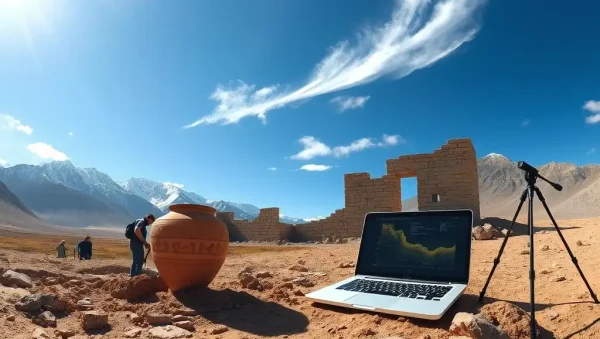
Digital Resources for Andean History


Discover the Andean world through innovative software and apps for exploring Andean culture 📱🏔️. Access interactive maps, virtual tours, archaeological discoveries, historical timelines, and multimedia stories that illuminate the traditions, achievements, and daily lives of the Incas, Moche, Nazca, and Tiahuanaco. Perfect for students, researchers, travelers, and culture enthusiasts, these digital resources make Andean history and heritage engaging, accessible, and easy to explore anytime.
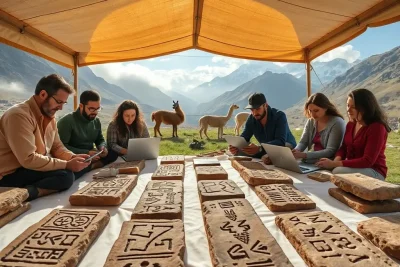
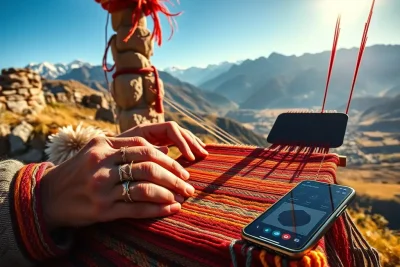
Discover a curated collection of software, mobile apps, educational platforms, and digital tools for exploring Andean culture within the broader history of the Inca, Moche, Nazca, and Tiahuanaco civilizations. This subcategory helps students, teachers, researchers, travelers, and history enthusiasts access engaging resources about Andean archaeology, ancient technology, Indigenous traditions, geography, art, architecture, languages, and historical sites. Explore interactive maps, virtual tours, digital archives, language-learning applications, museum tools, and research software designed to make the study of Andean history more accessible and informative.
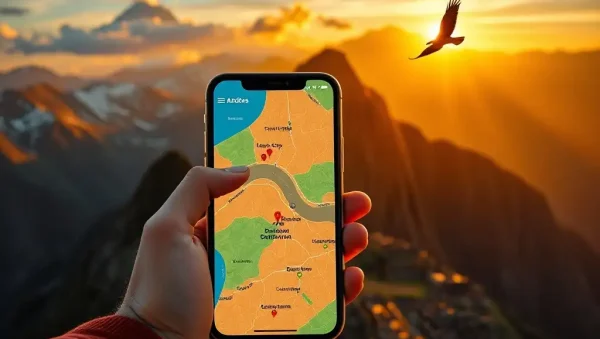
Interactive maps provide a dynamic way to understand the geography and expansion of ancient Andean civilizations. Readers can explore the Inca road system, sacred landscapes, archaeological sites, mountain valleys, coastal settlements, and highland communities through digital maps of the Andes. These tools often connect locations with timelines, images, cultural information, and historical descriptions.
Expect resources that make it easier to compare the territories of the Inca, Moche, Nazca, and Tiahuanaco cultures. Geographic information systems, location-based apps, and virtual mapping platforms can help users study how mountains, deserts, rivers, and trade routes influenced Andean civilization, settlement patterns, agriculture, religion, and communication.
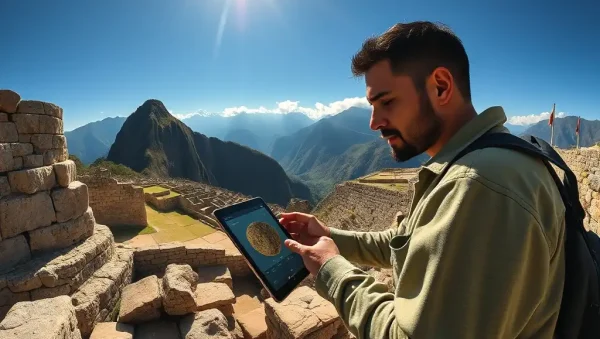
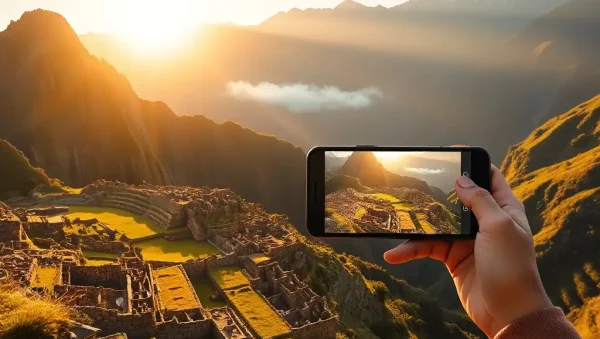
Virtual tour software and museum applications bring important Andean heritage sites to users around the world. Explore digital reconstructions, panoramic views, 3D models, and curated exhibitions related to Machu Picchu, Cusco, Chan Chan, Nazca, Tiwanaku, the Sacred Valley, and other significant locations connected with ancient Andean history.
These applications are especially useful for classroom learning and independent research because they offer visual access to archaeological architecture, ceramics, textiles, metalwork, sculpture, and ceremonial spaces. Look for platforms that include expert commentary, historical timelines, artifact descriptions, accessibility features, and reliable links to museums or academic institutions.
Educational apps can transform the study of Andean civilizations into an interactive learning experience. This section features tools with quizzes, flashcards, timelines, digital lessons, archaeological databases, and multimedia content focused on Inca history, Moche art, Nazca geoglyphs, Tiahuanaco culture, and pre-Columbian South America.
Students and educators can use these resources to reinforce lessons, review important historical events, and investigate key concepts such as Andean agriculture, ayllu communities, quipu recording systems, religious beliefs, engineering, trade, and social organization. Interactive learning software can also support project-based study and encourage users to evaluate historical evidence critically.
Language-learning applications offer valuable opportunities to explore the living cultural heritage of the Andes. Resources for learning Quechua, Aymara, and other Indigenous languages may include vocabulary exercises, pronunciation guides, common expressions, audio recordings, grammar lessons, and cultural explanations.
Learning an Andean language can deepen understanding of Indigenous identity, oral traditions, place names, worldview, and cultural continuity. Readers should look for apps created with input from native speakers, language specialists, and Indigenous communities. These tools are useful for travelers, researchers, educators, and anyone interested in preserving and appreciating the linguistic diversity of the Andes.
Creative software and digital archives make it easier to study the visual culture of Andean civilizations. Explore applications featuring Moche ceramics, Nazca designs, Inca masonry, Tiahuanaco sculpture, woven textiles, Indigenous patterns, and traditional artistic techniques. High-resolution images and searchable collections can reveal details that are difficult to see in standard publications.
Some tools also allow users to examine symbolism, geometry, color, iconography, and recurring motifs across different Andean cultures. Digital art resources and cultural databases can support classroom presentations, museum research, historical comparisons, and responsible creative projects inspired by ancient Andean design.
Travel applications can help visitors plan informed journeys through Andean cultural landscapes. Find digital guides for archaeological sites, museums, heritage routes, mountain communities, festivals, conservation areas, and historic cities such as Cusco and La Paz. Useful features may include offline maps, historical notes, audio guides, translation tools, transportation information, and visitor recommendations.
Responsible tourism tools can also encourage respectful engagement with Indigenous communities and protected heritage locations. Look for apps that promote cultural sensitivity, conservation, local guides, ethical photography, and sustainable travel practices. These resources help travelers appreciate Andean heritage without reducing complex cultures to simple tourist attractions.
Researchers can use specialized software and online databases to investigate Andean archaeology, anthropology, history, and cultural studies. Digital libraries, searchable artifact collections, academic repositories, citation tools, and data visualization platforms may provide access to scholarly articles, excavation reports, historical documents, photographs, and geospatial information.
These resources support detailed studies of ancient Andean technology, agriculture, architecture, religion, economy, social systems, and environmental adaptation. When evaluating a digital source, consider its authorship, institutional affiliation, publication date, references, and treatment of Indigenous knowledge. Reliable research tools should distinguish established evidence from speculation and present cultural information with care.
Not every app or website about Andean history offers accurate or culturally respectful information. Before downloading a resource, review its developer, update history, privacy policy, educational credentials, user feedback, and cited sources. High-quality digital resources should identify experts, museums, universities, archives, or community partners involved in their creation.
It is also helpful to compare information across multiple reputable sources. Choose platforms that avoid stereotypes, acknowledge ongoing Indigenous cultures, explain archaeological uncertainty, and separate historical evidence from legend or fictional interpretation. This approach ensures that digital exploration of Andean culture remains engaging, responsible, and academically useful.
Useful apps include interactive history platforms, archaeological site guides, virtual museum tours, educational games, digital maps, language-learning tools, artifact databases, and timeline applications. The best options cover subjects such as the Inca, Moche, Nazca, and Tiahuanaco civilizations while providing reliable explanations, visual materials, and references.
Yes. Many museums, universities, tourism organizations, and heritage institutions offer virtual tours, 3D models, panoramic experiences, and interactive maps of Andean archaeological sites. These resources can provide historical context and architectural details, although they should complement rather than replace responsible in-person visits when possible.
Yes. Several language-learning platforms offer lessons in Quechua, Aymara, and related regional varieties. Look for resources that identify the specific dialect, use recordings from native speakers, explain cultural context, and recognize that Indigenous languages remain living and diverse forms of communication.
Check whether the app lists qualified authors, institutional partners, references, publication dates, and clear information about its editorial process. Reliable resources avoid exaggerated claims, acknowledge archaeological debates, respect Indigenous communities, and distinguish documented evidence from mythology, speculation, or entertainment.
Many are suitable for education, especially those with quizzes, timelines, maps, lesson materials, primary sources, and citation information. Teachers should review each app before assigning it to students and encourage learners to compare digital content with books, academic sources, museum collections, and expert research on Andean history.