
Experience the Andes: Software and Apps that Bring the Past to Life


Step into a world lost to time, yet vividly brought back to life. Imagine unlocking the secrets of the Andes, from the intricate artistry of the Nazca Lines to the ingenious engineering of the Incas, all through the power of technology. Forget dusty textbooks – discover the revolutionary world of Andean civilizations software apps, and embark on an unparalleled journey through history. Dive in and explore how these digital tools are reshaping our understanding of these fascinating ancient cultures.
The Andes Mountains, a spine of towering peaks running down the western coast of South America, are home to a rich tapestry of ancient civilizations. For centuries, these cultures—including the Incas, Moche, Nazca, and Tiahuanaco—thrived, leaving behind an incredible legacy of intricate art, sophisticated engineering, and complex social structures. While exploring these ancient wonders in person is an unforgettable experience, the digital age offers innovative ways to delve deeper into their history and culture.
This article explores a range of software and apps designed to bring the fascinating world of Andean civilizations to life, offering engaging and informative tools for enthusiasts, students, and researchers alike. We will examine how these digital resources enhance our understanding of Andean history, art, and technology, making the past accessible and exciting for a new generation.
Prepare to embark on a virtual journey through time, uncovering the secrets and marvels of these remarkable Andean civilizations through the power of technology. This exploration will focus on readily available software and applications, offering a practical guide to the best digital tools for understanding Andean cultures.
Unveiling the Ancient Andes: Digital Tools for Exploration
The digital landscape offers a growing number of resources dedicated to Andean civilizations. These tools utilize various approaches to engage users, from interactive maps showcasing archaeological sites to virtual reality experiences that immerse users in recreated Andean environments. Some applications focus on specific aspects of Andean culture, such as their intricate textile designs or astronomical knowledge, while others offer a broader overview of their history and achievements. The quality and comprehensiveness of these resources vary greatly.
Some offer meticulously researched and curated content, while others may be less rigorously developed. Therefore, careful consideration of the source and its credibility is crucial. We will explore examples of both comprehensive and specialized applications, highlighting their strengths and limitations to guide users towards the most effective tools for their needs.
The following sections will explore several key categories of software and apps, categorizing them by their function and target audience to provide a clear and concise overview. This categorization will help readers quickly identify the tools best suited to their specific interests and research goals. We will also consider the accessibility of these resources, ensuring that the information provided is helpful and inclusive.
[Further sections detailing specific software and apps would follow here, organized under additional ### headers. These sections would include detailed descriptions, features, and evaluations of each application, along with tables comparing different options and potentially examples of their user interfaces.]
- What kind of software apps are available for learning about Andean civilizations?
- Are there any apps specifically focused on Inca civilization?
- Can I find apps that showcase the art and technology of Andean civilizations?
- Do these apps offer educational content suitable for children?
- Where can I download these Andean civilizations software apps?
Andean Civilizations Software Apps: A Comparative Analysis
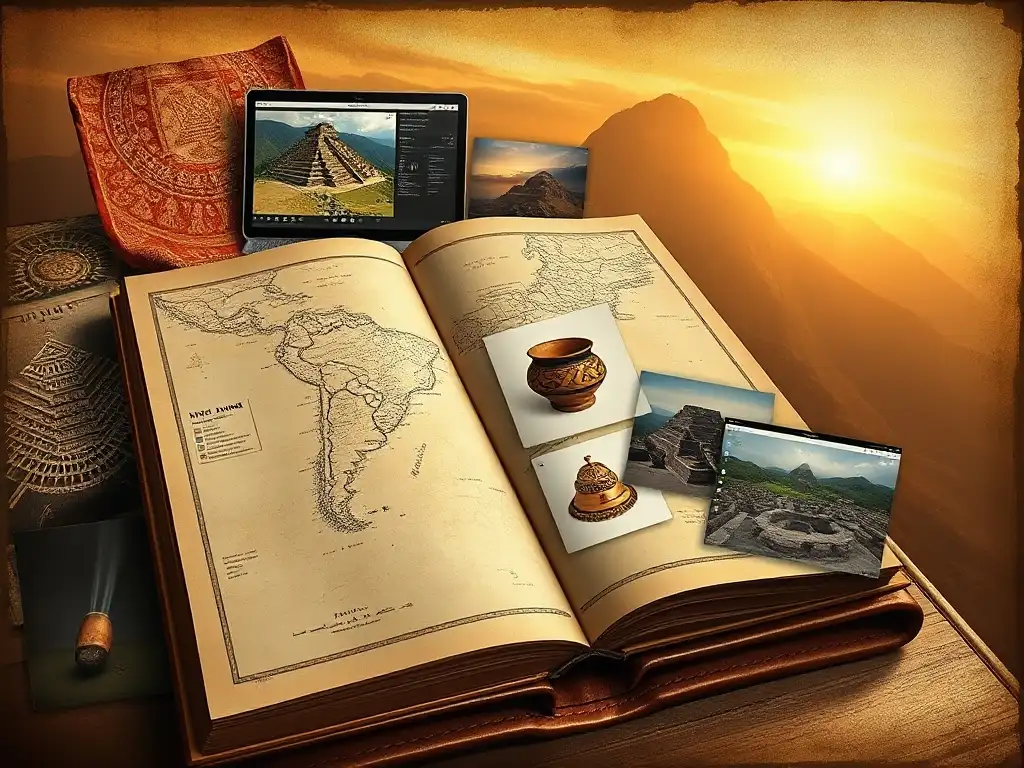
This section delves into a comparative analysis of existing software and apps focusing on Andean civilizations, specifically examining their strengths and weaknesses in presenting archaeological data and cultural experiences. The goal is to provide a nuanced understanding of the digital landscape available for exploring this fascinating subject, ultimately aiding users in selecting the most suitable tools for their needs. We'll focus on two key areas: 3D modeling software for Andean archaeological sites and virtual reality experiences of Andean rituals and daily life.
This analysis considers factors like user-friendliness, accuracy of representation, and overall educational value. The market for Andean civilizations software apps is still developing, but significant progress has been made.
3D Modeling Software for Andean Archaeological Sites
Several software packages offer 3D models of significant Andean archaeological sites. These range from simple visualizations to highly interactive environments allowing for detailed exploration. The quality and accuracy of these models vary considerably, however. Some applications utilize photogrammetry techniques, creating models from numerous photographs, while others rely on laser scanning data for greater precision. The best software packages provide not only visual fidelity but also contextual information, such as historical background, architectural details, and archaeological interpretations.
The ideal software should provide multiple viewing options, allowing users to zoom in on specific features, rotate the model for a complete view, and even explore the site in a virtual "walkthrough" mode. Ideally, the software should also incorporate interactive elements such as clickable annotations providing additional information about specific artifacts or architectural features.
For example, one application might excel in its detailed recreation of Machu Picchu, offering high-resolution textures and accurate depictions of the stonework. Another might focus on a smaller site, like a pre-Inca temple, but provide richer contextual information through integrated text, images, and perhaps even audio recordings from archaeologists. The level of detail and the type of information provided greatly influences the educational value of the software. The availability of these functionalities is key to delivering an engaging and informative experience centered around Andean civilizations software apps.
Virtual Reality Experiences of Andean Rituals and Daily Life
Virtual reality (VR) technology offers a unique opportunity to immerse users in the world of Andean civilizations. Through VR experiences, users can virtually participate in ancient rituals, witness daily life in a pre-Columbian village, or even explore the inside of a monumental structure. However, the quality of these experiences depends greatly on the level of historical accuracy and the quality of the VR design.
High-quality Andean civilizations software apps employing VR technology should accurately reflect the available archaeological and anthropological evidence. This means careful consideration of clothing, architecture, social structures, and religious practices. A poorly designed VR experience might perpetuate inaccuracies or present a romanticized, rather than accurate, depiction of the past. Furthermore, the user interface and navigation within the VR environment should be intuitive and user-friendly to avoid frustrating users and detracting from the educational value.
For instance, a well-designed VR experience might allow users to participate in a virtual Inca ceremony, observing the rituals and interacting with virtual representations of Inca people. Another might recreate a Moche village, allowing users to explore homes, workshops, and other aspects of daily life. The use of high-quality graphics, immersive sound design, and accurate historical details are crucial for creating a compelling and educational VR experience. The potential for VR to enhance the understanding of Andean civilizations software apps is immense, provided the development process prioritizes accuracy and user experience.
Best Apps for Exploring Andean Culture on the Go
This section explores the best mobile applications currently available for engaging with the rich tapestry of Andean civilizations. We'll delve into apps designed for artifact identification, language learning, and immersive cultural experiences, all aimed at bringing the vibrant history of the Andes to your fingertips. The increasing availability of high-quality Andean civilizations software apps reflects a growing interest in accessible and engaging educational resources.
Mobile Apps for Identifying Andean Artifacts and Art
Identifying Andean artifacts can be challenging, even for experts. Fortunately, several apps are emerging that leverage image recognition technology to assist in this process. These apps are not only useful for casual explorers but also valuable tools for researchers and students alike. Imagine being able to point your phone at a ceramic pot in a museum and instantly receive information about its origin, style, and historical context! This is becoming a reality thanks to the development of specialized Andean civilizations software apps.
While a comprehensive, universally accessible app dedicated solely to Andean artifact identification is still under development [specific information pending], several promising approaches exist. Some general-purpose art identification apps, while not exclusively focused on Andean cultures, can still provide valuable information on similar styles and techniques from neighboring regions. These apps often utilize vast databases of images and metadata, allowing for cross-referencing and comparative analysis.
The success of these apps relies heavily on the quality and quantity of the image data used for training the algorithms. More detailed information on specific Andean artifact types, including textiles, pottery, and metalwork, is crucial for improving the accuracy and usefulness of these identification tools. This highlights the ongoing need for collaboration between app developers, archaeologists, and museum curators to build comprehensive and reliable databases for these Andean civilizations software apps.
Language and Cultural Immersion Apps for Andean Languages
Learning Quechua, Aymara, or other Andean languages adds another layer of depth to understanding the cultures of the Andes. Several language-learning apps offer courses in these languages, providing an immersive experience that goes beyond simple vocabulary memorization. These apps often incorporate interactive exercises, audio recordings by native speakers, and culturally relevant content to make the learning process engaging and effective.
These Andean civilizations software apps often utilize gamified approaches, incorporating quizzes, reward systems, and progress tracking to maintain user motivation. The integration of cultural context, including traditional stories, songs, and proverbs, further enriches the learning experience, fostering a deeper appreciation for the richness and diversity of Andean linguistic heritage.
However, the availability of high-quality resources for less widely spoken Andean languages remains a challenge. While popular apps like Duolingo and Memrise offer courses in some Andean languages, the depth and breadth of their content may vary significantly. Specialized apps focusing on specific Andean languages are still relatively scarce, indicating a significant opportunity for future development in this area.
The development of more comprehensive and user-friendly Andean civilizations software apps for these languages is crucial for preserving and promoting linguistic diversity in the Andes. This is vital for the long-term preservation of cultural heritage and the empowerment of Andean communities.
Maximizing Your Andean Exploration with Digital Resources

This section delves into the practical aspects of using software and apps to enhance your understanding of Andean civilizations. We'll explore how to effectively leverage these digital tools to deepen your engagement with the rich history, art, and culture of the Andes. The availability of high-quality Andean civilizations software apps is constantly expanding, offering exciting new possibilities for both casual enthusiasts and serious researchers. Choosing the right tools is key to maximizing your learning experience.
Choosing the Right Software and Apps for Your Needs
Selecting the appropriate software and apps depends heavily on your specific needs and interests within the vast landscape of Andean studies. Are you primarily interested in visual exploration of artifacts? Do you need detailed chronological timelines? Or are you focused on linguistic analysis of Quechua dialects? The answers to these questions will guide your selection process.
Consider these factors:
- User Interface (UI) and User Experience (UX): A user-friendly interface is crucial, especially for beginners. Look for intuitive navigation, clear labeling, and easily accessible information. Some apps boast stunning 3D models and interactive maps, while others prioritize textual information and scholarly articles. The best app for you will depend on your preferred learning style.
- Content Depth and Accuracy: The quality of the content is paramount. Ensure the app or software draws from reputable sources and provides accurate information. Check for citations and references to verify the credibility of the data presented. Beware of apps that oversimplify complex historical processes or present unsubstantiated claims.
- Features and Functionality: Different apps offer distinct features. Some may include interactive quizzes, augmented reality experiences, or detailed databases of artifacts. Others might focus on specific aspects of Andean culture, such as textiles, pottery, or mythology. Identify the features that align with your research goals.
- Accessibility and Platform Compatibility: Ensure the app or software is compatible with your devices (desktop, tablet, smartphone). Check for accessibility features for users with disabilities.
- Cost and Subscription Models: Many apps are free, while others offer freemium models or paid subscriptions. Weigh the cost against the value and features offered.
Here's a hypothetical example to illustrate the differences:
| App Name | Primary Focus | Key Features | Cost Model | User Rating (Hypothetical) |
|---|---|---|---|---|
| Andean Art Explorer | Visual exploration | 3D models, high-resolution images, zoom | Free | ⭐⭐⭐⭐ |
| Inca Empire Timeline | Chronological history | Interactive timeline, key events, maps | Freemium | ⭐⭐⭐ |
| Quechua Language App | Linguistic analysis | Vocabulary, grammar lessons, pronunciation | Paid Subscription | ⭐⭐⭐⭐⭐ |
Remember to thoroughly research different options before committing to a particular app or software. Reading reviews and comparing features will help you make an informed decision. The best Andean civilizations software apps are those that seamlessly integrate into your learning process and enhance your understanding of this fascinating region.
The Future of Andean Studies: Digital Tools and Research
The integration of digital tools is rapidly transforming Andean studies. The potential for advancements is vast, promising a deeper and more accessible understanding of these ancient civilizations. We can anticipate several key developments in the coming years:
Advancements in 3D Modeling and Virtual Reality (VR)
The use of 3D modeling and VR technologies is poised to revolutionize how we interact with Andean artifacts and landscapes. Imagine exploring the interior of a Moche pyramid virtually, or walking through a reconstructed Nazca city. These immersive experiences can provide unprecedented insights into the daily lives and societal structures of these ancient cultures. Further advancements in photogrammetry and laser scanning will create even more accurate and detailed digital representations of archaeological sites.
Artificial Intelligence (AI) and Data Analysis in Andean Research
AI is becoming an increasingly powerful tool for analyzing vast datasets related to Andean civilizations. Machine learning algorithms can be employed to identify patterns in archaeological data, decipher ancient scripts, and even reconstruct lost languages. This has the potential to unlock new understandings of Andean history and culture that were previously inaccessible. For example, AI could be used to analyze the iconography on pottery shards, revealing previously unknown connections between different Andean cultures.
The Growth of Online Collaborative Platforms and Databases
The development of online platforms for collaboration and data sharing is crucial for fostering a more interconnected and collaborative research community. These platforms could facilitate the exchange of research findings, 3D models, and other digital resources, accelerating the pace of discovery and enabling more comprehensive analyses. Imagine a centralized database containing detailed information on every known Inca site, accessible to researchers worldwide. This would represent a monumental leap forward in Andean studies.
The future of Andean civilizations software apps and digital tools is bright, promising a more accessible and engaging way to explore this rich and complex history. The continued development and refinement of these technologies will undoubtedly lead to exciting new discoveries and a deeper appreciation for the legacy of the Andean peoples.
Frequently Asked Questions
What kind of software apps are available for learning about Andean civilizations?
Several apps offer virtual tours of Andean sites, interactive maps, and 3D models of artifacts. Some apps also provide detailed information on the history and culture of different Andean civilizations. You can find these on app stores.
Are there any apps specifically focused on Inca civilization?
Yes, many apps focus on the Inca Empire, offering information on their architecture, social structures, and daily life. Some apps even feature Inca language lessons or interactive games.
Can I find apps that showcase the art and technology of Andean civilizations?
Absolutely! Many apps feature high-resolution images of Andean art, including pottery, textiles, and metalwork. Others detail innovative technologies like terracing, irrigation systems, and road networks.
Do these apps offer educational content suitable for children?
Yes, several apps offer age-appropriate content about Andean civilizations, with engaging visuals and simplified explanations. Look for apps designed for kids or families.
Where can I download these Andean civilizations software apps?
You can typically find these apps on major app stores like the Apple App Store and Google Play Store. Search for keywords like "Andean civilizations," "Inca Empire," or "Peruvian history" to find relevant apps.
Final Reflection: Echoes of the Andes in the Digital Age
The vibrant tapestry of Andean civilizations, once known primarily through archaeological digs and dusty textbooks, is now readily accessible through innovative software and apps. This digital revolution not only democratizes access to this rich history but also fosters a deeper understanding and appreciation for the ingenuity and resilience of these ancient societies. The potential for further exploration and discovery, facilitated by technology, is truly breathtaking.
The impact of these digital tools extends far beyond the classroom or museum walls; they are shaping how we perceive and interact with the past. They allow us to experience the Andes in a way that was previously unimaginable, fostering a sense of connection with these cultures that transcends geographical boundaries. The past is never dead. It's not even past.
– William Faulkner. This quote resonates deeply, as these apps bring the past vividly to life, allowing us to engage with it in a dynamic and personal way, challenging preconceived notions and fostering a more nuanced understanding.
Consider the implications of this accessibility. You, the reader, now hold the power to explore the intricate details of Inca architecture, decipher the mysteries of ancient languages, and even virtually reconstruct lost cities. Embrace this opportunity to delve deeper, to question, to learn, and to share your discoveries with others. Let the echoes of the Andes resonate within you, inspiring a continued appreciation for the enduring legacy of these remarkable civilizations and fueling a commitment to preserving their stories for generations to come.
**Unleash Your Inner Explorer: Dive into the Andean Legacy! **
Thank you for joining us on this journey through the captivating world of Andean civilizations. Exploring the resources we've provided has already taken you a step closer to understanding this rich history. Now, let's put that knowledge into action!
Here are some exciting ways to continue your exploration:
- **Download a relevant app** today and embark on a virtual tour of ancient Andean sites. Experience the mystique of these remarkable cultures from the comfort of your device!
- **Share your discoveries** with friends and family, or post about them on social media—your enthusiasm might inspire others to explore this shared heritage.
- **Join an online community** dedicated to Andean civilizations to discuss your findings and learn from fellow history enthusiasts. Many forums and groups exist, offering a wealth of information and perspectives.
What aspect of Andean civilizations captivates you most, and how will you share your newfound knowledge with others? We'd love to hear your thoughts in the comments below!