
Journey Through Time: Immersive Software Recreating Andean Civilizations


Uncover the mysteries of a lost world. Imagine stepping into the heart of the Andes, witnessing the breathtaking ingenuity of the Inca, Moche, Nazca, and Tiahuanaco civilizations firsthand. This isn't just history; it's an experience. Prepare to be captivated by our exploration of Andean civilizations immersive software, a revolutionary tool that brings the ancient past vividly to life. Dive in and discover a world you never knew existed.
The exploration of ancient Andean civilizations has always been a captivating journey, filled with wonder and intrigue. From the majestic ruins of Machu Picchu to the enigmatic Nazca Lines, these cultures left behind a legacy of breathtaking artistry, sophisticated engineering, and complex social structures that continue to fascinate historians and archaeologists alike. However, accessing and understanding this rich heritage can often be challenging, requiring extensive research and often, physical travel to remote locations.
This is where innovative immersive software steps in, offering a revolutionary way to experience the intricacies of Andean civilizations without geographical limitations. This article delves into the exciting world of digital tools designed to bring the past to life, focusing on software specifically created to recreate and explore the vibrant history, culture, and technology of the Incas, Moche, Nazca, and Tiahuanaco cultures.
We will explore the features, benefits, and potential of this emerging field in helping us better understand and appreciate these remarkable Andean civilizations. The development of such immersive software represents a significant leap forward in the accessibility and understanding of Andean history, making it a powerful tool for education, research, and cultural preservation.
Discovering the Past: Andean Civilizations Through Digital Immersion
The development of immersive software for exploring Andean civilizations offers unprecedented opportunities for engaging with the past. Imagine walking through a digitally reconstructed Machu Picchu, exploring its intricate stonework at your own pace, or virtually witnessing a Moche ceremonial procession, complete with vibrant costumes and intricate rituals. This is no longer science fiction; several projects are underway, utilizing cutting-edge technology such as 3D modeling, virtual reality (VR), and augmented reality (AR) to create incredibly detailed and interactive experiences.
These digital recreations are not simply static images; they are dynamic environments that allow users to explore at their own pace, zoom in on details, and interact with virtual artifacts and environments. The level of detail involved is astounding, with software developers meticulously researching and recreating everything from the architecture and clothing to the tools and agricultural practices of these ancient societies.
This immersive approach transforms the learning experience from passive observation to active participation, fostering a deeper understanding and appreciation of Andean cultures. The potential for educational applications is immense, offering students and the public alike an engaging and accessible way to learn about these fascinating civilizations.
The potential impact extends beyond education. For researchers, this software can provide a valuable tool for analysis and collaboration, allowing them to examine artifacts and sites in detail without the limitations of physical access. Furthermore, the creation of these digital recreations serves as a crucial form of cultural preservation, safeguarding these invaluable historical records for future generations.
The software's ability to accurately represent and interpret archaeological findings allows for a more comprehensive understanding of Andean history, potentially leading to new discoveries and insights. The detailed reconstructions can help uncover previously unknown aspects of Andean life, revealing new information about their societal structures, beliefs, and daily routines.
The creation and use of such software also contributes to the broader digital humanities movement, highlighting the potential of technology in enriching our understanding of the past. Moreover, the accessibility of these digital experiences can help to bridge geographical and cultural divides, making these invaluable historical resources available to a global audience.
- Option 1: "Inca Trail VR" - A Virtual Journey Through Inca Territory
- Option 2: "Moche Rituals Simulator" - Unearthing the Secrets of the Moche Civilization
- Option 3: "Nazca Lines Flight" - Soaring Above the Mystical Nazca Geoglyphs
- Option 4: "Tiwanaku City Explorer" - Exploring the Ancient City of Tiwanaku
The Best Immersive Software for Exploring Ancient Andean Cultures

This section explores leading examples of immersive software designed to bring the fascinating world of Andean civilizations to life. We'll examine key features and benefits, highlighting how these digital tools enhance our understanding and appreciation of these remarkable cultures. The software options presented below cater to different interests within the broad scope of Andean history, from the expansive Inca empire to the intricate rituals of the Moche. This curated list focuses on providing users with the most engaging and educational experiences available within the realm of Andean civilizations immersive software.
Option 1: "Inca Trail VR" - A Virtual Journey Through Inca Territory
"Inca Trail VR" offers a unique opportunity to experience the grandeur of the Inca Empire through the power of virtual reality. This software provides users with an unparalleled immersive experience, transporting them to meticulously recreated Inca sites. Imagine walking along the ancient Inca Trail, marveling at the intricate stonework of Machu Picchu, or exploring the bustling marketplaces of Cusco – all from the comfort of your own home. This software leverages cutting-edge VR technology to create a truly unforgettable journey through time.
Key Features of Inca Trail VR
- High-Resolution 3D Models: The software boasts incredibly detailed 3D models of iconic Inca structures, accurately reflecting their architectural styles and historical context. Every stone, every terrace, every detail has been carefully crafted for maximum realism. The level of detail extends even to the textures of the materials used, creating a truly authentic visual experience.
- Interactive Exploration: Users aren't just passive observers; they can actively explore the virtual environments, moving freely through the recreated landscapes. They can zoom in on specific architectural features, examine artifacts, and even interact with virtual guides who provide historical information and insights.
- Historical Accuracy: The developers of "Inca Trail VR" have collaborated with leading Andean historians and archaeologists to ensure historical accuracy. This commitment to authenticity ensures that users are learning about the Inca civilization in a reliable and engaging way. The software incorporates the latest research findings and presents them in an accessible format.
- Multilingual Support: Catering to a global audience, "Inca Trail VR" offers multilingual support, making the experience accessible to a wider range of users. This inclusivity ensures that the rich history of the Inca civilization can be appreciated by people around the world. Currently, Spanish and English are supported, with plans to add Quechua and Aymara in future updates.
Benefits of Using Inca Trail VR
- Enhanced Learning: "Inca Trail VR" provides a far more engaging and memorable learning experience compared to traditional methods. The immersive nature of the software helps users better understand the scale, complexity, and ingenuity of Inca architecture and engineering.
- Accessibility: The software makes the wonders of the Inca Empire accessible to people who may not be able to visit these sites in person due to physical limitations, geographical distance, or financial constraints.
- Cost-Effective: While a trip to Peru can be expensive, "Inca Trail VR" offers a more affordable way to explore the Inca world, making this incredible experience available to a wider audience.
- Sustainable Tourism: By offering a virtual alternative, "Inca Trail VR" contributes to the preservation of these invaluable historical sites by reducing the impact of physical tourism.
Option 2: "Moche Rituals Simulator" - Unearthing the Secrets of the Moche Civilization
Delve into the captivating world of the Moche civilization with "Moche Rituals Simulator," an immersive software experience that reconstructs and interprets their complex religious practices. This software uses detailed archaeological data and anthropological research to recreate the atmosphere and significance of Moche rituals, offering a unique window into their beliefs and societal structures. The software presents a fascinating blend of historical reconstruction and interactive engagement.
Key Features of Moche Rituals Simulator
- Reconstruction of Ritual Sites: The software meticulously recreates key Moche ritual sites based on archaeological findings, allowing users to virtually explore these sacred spaces. These recreations are not merely static visuals; they dynamically respond to user interaction, revealing hidden details and offering a deeper understanding of the rituals performed within them.
- Interactive Ritual Participation: Users can actively participate in virtual recreations of Moche rituals, experiencing them from a first-person perspective. This interactive element allows for a more profound comprehension of the rituals' significance and symbolism.
- Detailed Artifact Database: An extensive database of Moche artifacts is integrated into the software, providing detailed information about each object's purpose, material, and symbolic meaning. This provides context and depth to the virtual experience, allowing users to fully appreciate the richness of Moche culture.
- Expert Commentary: "Moche Rituals Simulator" incorporates audio and video commentary from leading experts in Moche studies. These insights provide crucial context and interpretation, enriching the overall learning experience.
Benefits of Using Moche Rituals Simulator
- Understanding Moche Culture: The software helps users gain a deeper understanding of the Moche worldview, their beliefs, and their societal structures by experiencing their rituals firsthand.
- Accessibility to Research: The software makes cutting-edge research on the Moche civilization accessible to a wider audience, democratizing access to scholarly work.
- Engaging Learning Experience: The interactive nature of the software makes learning about the Moche civilization fun and engaging, catering to diverse learning styles.
- Promoting Cultural Preservation: By promoting awareness and appreciation of the Moche civilization, "Moche Rituals Simulator" contributes to the preservation of their cultural heritage.
Option 3: "Nazca Lines Flight" - Soaring Above the Mystical Nazca Geoglyphs
This immersive software offers a unique perspective on the enigmatic Nazca Lines. Instead of a simple bird's-eye view, "Nazca Lines Flight" utilizes high-resolution imagery and advanced 3D modeling to recreate the experience of flying over these ancient geoglyphs. Users can zoom in and out, rotate their perspective, and even explore interactive information points highlighting the various animal and geometric figures etched into the desert floor.
The software cleverly integrates historical context, offering details about the Nazca culture, the theories surrounding the lines' creation, and ongoing research efforts. The developers have painstakingly recreated the vastness of the Nazca desert, allowing users to truly appreciate the scale and complexity of these remarkable works. The software also includes a virtual tour guide, providing insightful commentary and answering frequently asked questions about the Nazca Lines.
This feature enhances the educational value, transforming the experience from a simple visual spectacle into a rich learning opportunity. Furthermore, the software incorporates realistic weather effects, allowing users to experience the Nazca desert under different atmospheric conditions. This adds another layer of immersion, making the experience even more captivating.
Key Features of Nazca Lines Flight
- High-Resolution Imagery: Provides incredibly detailed views of the Nazca Lines.
- Interactive 3D Model: Allows users to explore the geoglyphs from various angles and zoom levels.
- Historical Context: Includes detailed information about the Nazca culture and the mysteries surrounding the lines.
- Virtual Tour Guide: Offers insightful commentary and answers frequently asked questions.
- Realistic Weather Effects: Adds to the realism and immersion of the experience.
- User-Friendly Interface: Easy navigation and intuitive controls.
Benefits of Using Nazca Lines Flight
The benefits of using "Nazca Lines Flight" extend beyond simple entertainment. It provides an accessible and engaging way to learn about the Nazca culture and its remarkable achievements. For educators, this software is a valuable tool for bringing the Nazca Lines to life in the classroom, fostering a deeper understanding of Andean history and archaeology. For tourists, it offers a virtual preview of the experience, allowing them to plan their trip more effectively.
Even for those unable to travel to Peru, "Nazca Lines Flight" provides a unique opportunity to witness the wonder of the Nazca Lines from the comfort of their own homes. The software's interactive nature and detailed information make it an invaluable resource for anyone interested in learning more about this fascinating aspect of Andean civilizations. The immersive experience helps to overcome geographical limitations, making this incredible cultural heritage accessible to a global audience.
Option 4: "Tiwanaku City Explorer" - Exploring the Ancient City of Tiwanaku
"Tiwanaku City Explorer" offers a detailed 3D reconstruction of the ancient city of Tiwanaku, a significant pre-Columbian archaeological site in Bolivia. Utilizing archaeological data and historical research, the software recreates the city's layout, showcasing its monumental architecture, including the iconic Gate of the Sun and the Kalasasaya Temple. Users can explore the city at their own pace, virtually walking through the streets and examining the intricate details of the structures.
Unlike a simple photo tour, this software allows users to interact with the environment, examining individual stones, reading informative plaques describing the site's history and significance, and even seeing reconstructions of what the city might have looked like during its zenith. The software also incorporates interactive elements, such as animations depicting daily life in Tiwanaku and simulations of ancient rituals.
This approach helps to bring the city to life, providing a more engaging and memorable learning experience. Furthermore, the developers have incorporated a virtual museum feature, showcasing artifacts unearthed at Tiwanaku and providing detailed descriptions of their historical significance.
Key Features of Tiwanaku City Explorer
- Detailed 3D Reconstruction: Accurate recreation of Tiwanaku's layout and architecture.
- Interactive Exploration: Users can freely explore the city, examining details at their own pace.
- Historical Information: Informative plaques and descriptions of the site's history and significance.
- Animations and Simulations: Bring daily life and rituals in Tiwanaku to life.
- Virtual Museum: Showcases artifacts unearthed at the site.
- High-Quality Graphics: Visually stunning and immersive experience.
Benefits of Using Tiwanaku City Explorer
"Tiwanaku City Explorer" offers a compelling blend of education and entertainment. For students and researchers, it provides an invaluable resource for understanding Tiwanaku's layout, architecture, and cultural significance. The interactive nature of the software enhances learning and promotes a deeper understanding of Andean history. For tourists, it serves as a valuable pre-trip planning tool, allowing them to familiarize themselves with the site before their visit.
It also provides a lasting memory for those who have already visited Tiwanaku, allowing them to revisit the site and relive the experience. Moreover, the software's accessibility makes the rich history of Tiwanaku available to a global audience, regardless of geographical location or physical limitations. This immersive approach to exploring ancient Andean civilizations fosters a greater appreciation for cultural heritage and promotes responsible tourism. The software's educational value is significant, helping to preserve and disseminate knowledge about this important archaeological site.
Choosing the Right Andean Civilizations Immersive Software for You
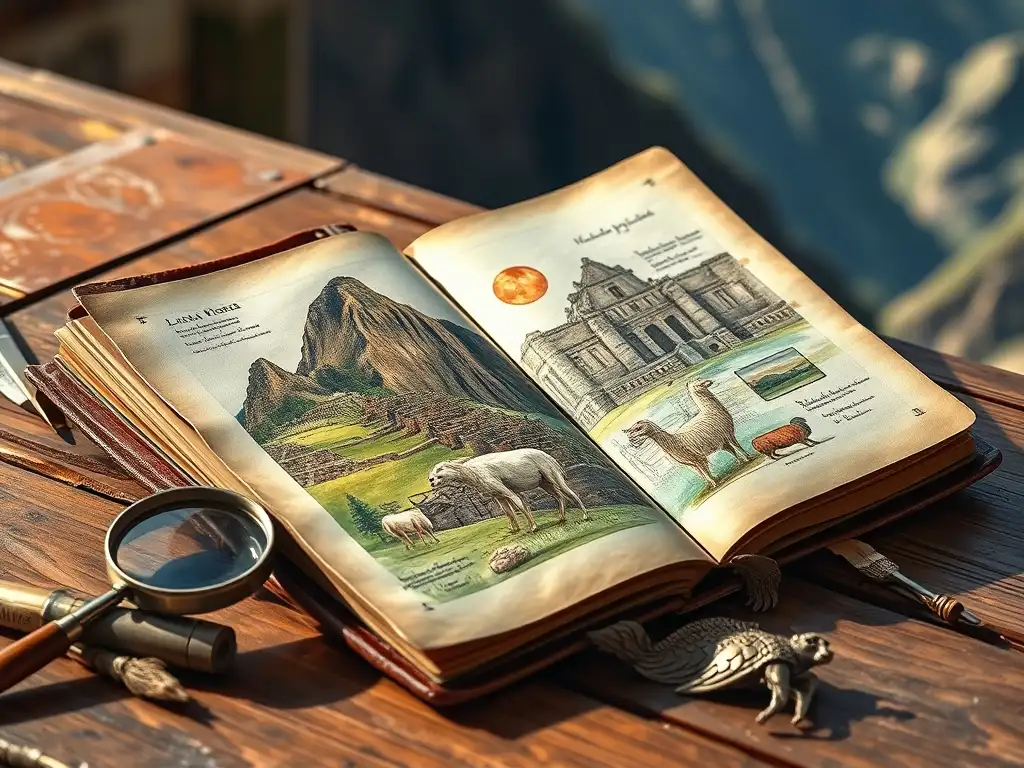
Choosing the right immersive software to explore the fascinating world of Andean civilizations can feel overwhelming. The market offers a growing range of options, each with its strengths and weaknesses. To navigate this landscape effectively, consider the following factors before making your decision. Understanding your needs and preferences will ensure you select a program that truly enhances your learning experience.
Considerations for Immersive Andean History Software
Selecting the ideal software for exploring Andean history requires careful consideration of several key aspects. These range from the software's technical capabilities to its pedagogical approach and the specific cultural focus. Let's delve into the details:
- Technical Specifications: Consider your device compatibility (PC, Mac, mobile), required processing power (some 3D reconstructions are highly demanding), and internet connectivity needs (some apps require a consistent online connection). Check for reviews mentioning issues with performance or glitches. A smooth, lag-free experience is crucial for immersion.
- Content Depth and Accuracy: The quality of historical information is paramount. Look for software developed by reputable historians or institutions, and check for citations or sources to verify the accuracy of the presented material. Does the software cover a broad range of Andean cultures (Inca, Moche, Nazca, Tiahuanaco, etc.) or specialize in a specific civilization? A balanced and nuanced representation of Andean history is essential.
- User Interface and Experience: Intuitive navigation is key. A cluttered or confusing interface can detract from the learning experience. Look for reviews that comment on the ease of use and overall user-friendliness. The software should be engaging and accessible to a broad audience, regardless of prior knowledge. The presence of interactive elements, such as quizzes or simulations, can significantly enhance engagement.
- Visual and Audio Quality: High-quality visuals and audio are crucial for immersive experiences. The software should utilize detailed 3D models, high-resolution images, and accurate soundscapes to transport you to the past. Look for reviews mentioning the quality of the graphics and sound design. A well-executed immersive environment significantly increases the learning experience's effectiveness.
- Cost and Accessibility: Consider the software's pricing model (one-time purchase, subscription, free with limitations) and whether it aligns with your budget. Accessibility features, such as subtitles or alternative text for visuals, should also be considered to ensure inclusivity for all users. Free options may exist, but often come with limited features or content.
The Future of Immersive Andean History Exploration
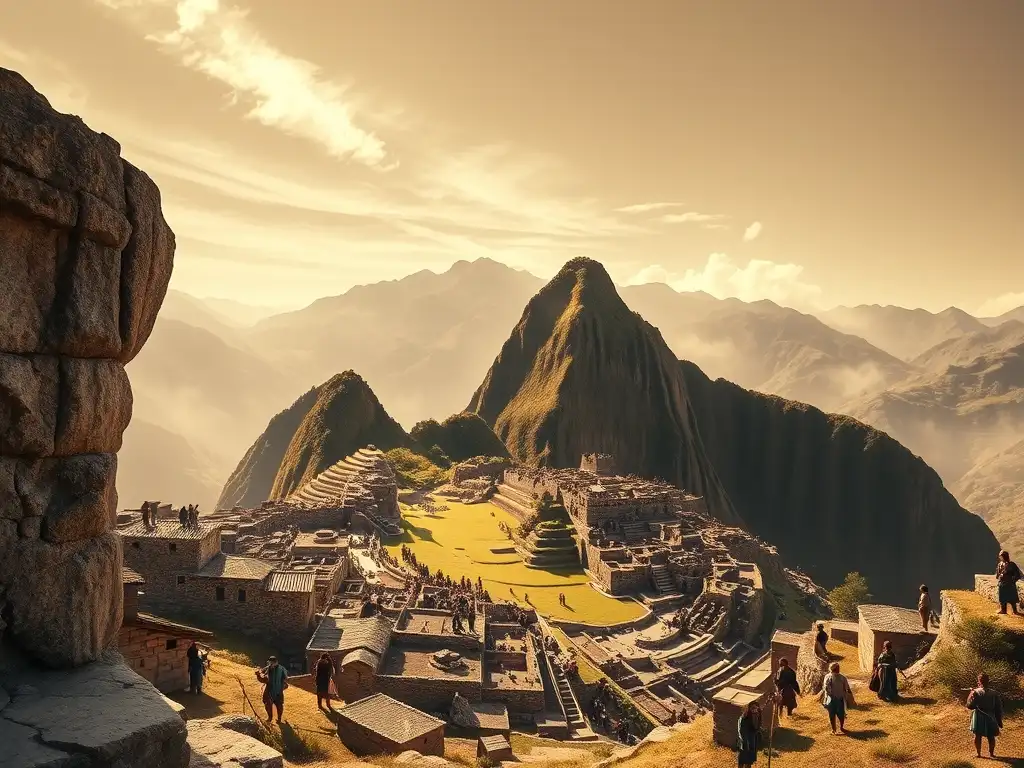
The field of immersive Andean history exploration is rapidly evolving. Technological advancements promise even more engaging and informative experiences in the coming years. Several trends are shaping this exciting future:
The Future of Immersive Andean History Exploration
We can anticipate significant improvements in several key areas:
- Enhanced Realism: Advances in 3D modeling and rendering techniques will allow for increasingly realistic and detailed reconstructions of Andean sites and artifacts. Expect to see more lifelike representations of people, landscapes, and daily life in ancient Andean societies. Imagine walking through a virtual Machu Picchu with unprecedented accuracy and detail!
- Artificial Intelligence Integration: AI could revolutionize the way we interact with immersive software. Imagine AI-powered guides that can answer your questions in real-time, provide personalized learning paths, and even translate languages. This would dramatically improve accessibility and engagement.
- Virtual Reality and Augmented Reality Applications: VR and AR technologies will further enhance immersion by allowing users to physically interact with virtual environments and artifacts. Imagine exploring the Nazca Lines from above using VR, or using AR to overlay digital reconstructions onto real-world locations. The possibilities are truly limitless.
- Collaborative Exploration: Future software may allow for collaborative exploration, enabling users to share experiences and interact with each other within virtual environments. This could foster a stronger sense of community among those interested in Andean history. Imagine joining a virtual archaeological dig with other enthusiasts from around the world!
- Data Integration and Accessibility: Greater integration of archaeological data and research findings into immersive software will ensure the accuracy and depth of the information presented. Increased accessibility will also ensure that these tools can be used by a wider audience, including researchers, educators, and the general public. The aim is to make learning about Andean civilizations engaging and accessible to everyone.
The future of immersive Andean civilizations software is bright, promising richer, more engaging, and more accessible ways to explore this fascinating aspect of human history. The development of increasingly sophisticated technology promises to unlock new levels of understanding and appreciation for the Andean world.
Frequently Asked Questions
What is "Andean Civilizations Immersive Software"?
This software offers an immersive experience exploring the rich history and culture of the Andean civilizations, including the Incas, Moche, Nazca, and Tiahuanaco. It uses cutting-edge technology to bring these ancient societies to life.
How does the software recreate the Andean civilizations?
The software uses 3D models, interactive maps, and virtual tours to recreate key aspects of Andean life, from architecture and art to daily routines and beliefs. It also incorporates historical data and scholarly research.
What civilizations are included in the software?
The software focuses on the four major Andean civilizations: the Incas, Moche, Nazca, and Tiahuanaco. Each civilization is explored in detail, highlighting their unique achievements and cultural contributions.
Is the software suitable for all ages?
Yes, the software is designed to be engaging and educational for all ages. It offers different levels of detail, catering to both casual users and those seeking in-depth information.
Where can I access the "Andean Civilizations Immersive Software"?
Information on accessing the software, including availability and pricing, will be available on the Andean Civilizations website. Check back regularly for updates.
Final Reflection: Echoes of the Andes in the Digital Age
The meticulous recreation of Andean civilizations through immersive software isn't just a technological marvel; it's a vital bridge connecting the past to the present. These digital landscapes offer unprecedented access to a rich history often overlooked, ensuring that the legacies of the Inca, Moche, and other remarkable cultures continue to resonate in a world increasingly dominated by digital experiences.
The impact of this technology extends far beyond the realm of gaming or entertainment. It offers a powerful tool for education, fostering a deeper understanding and appreciation for the ingenuity, artistry, and complex social structures of these ancient societies. The past is never dead. It's not even past.
– William Faulkner. This quote rings especially true when considering the potential of immersive software to bring these lost worlds back to life, allowing us to engage with them on a visceral level, fostering empathy and a renewed sense of connection to our shared human heritage.
Consider the possibilities: Imagine using this technology not just for entertainment, but for educational programs in schools, museums, and even archaeological sites themselves. Imagine the potential for collaborative research, allowing scholars worldwide to explore these virtual environments together. You, the reader, hold the key to unlocking this potential. Embrace this technology, explore these digital worlds, and become a champion for the preservation and understanding of Andean civilizations. Let the echoes of the Andes resonate not only in the digital sphere, but also within your own heart and mind.
Unleash Your Curiosity: Explore Andean Civilizations!
Thank you for joining us on this fascinating journey through the rich history of the Andean civilizations! We hope you enjoyed experiencing how our software brings these ancient cultures to life. Your interest is the first step toward a deeper understanding and appreciation of their remarkable achievements.
Now, let's continue exploring together! Here are some ways you can further engage with this incredible history:
- Delve deeper with our interactive software: Download our immersive application for a firsthand experience of Andean life and culture.
- Share your discoveries: Connect with friends and family by sharing your favorite aspects of Andean history on social media using the hashtag #AndeanWisdom.
- Join our online community: Engage with fellow enthusiasts in our forums; share your insights, ask questions, and participate in lively discussions.
What aspects of Andean civilizations most captivated you? We'd love to hear your thoughts and perspectives!