Pre-Incan Cultures of the Highlands

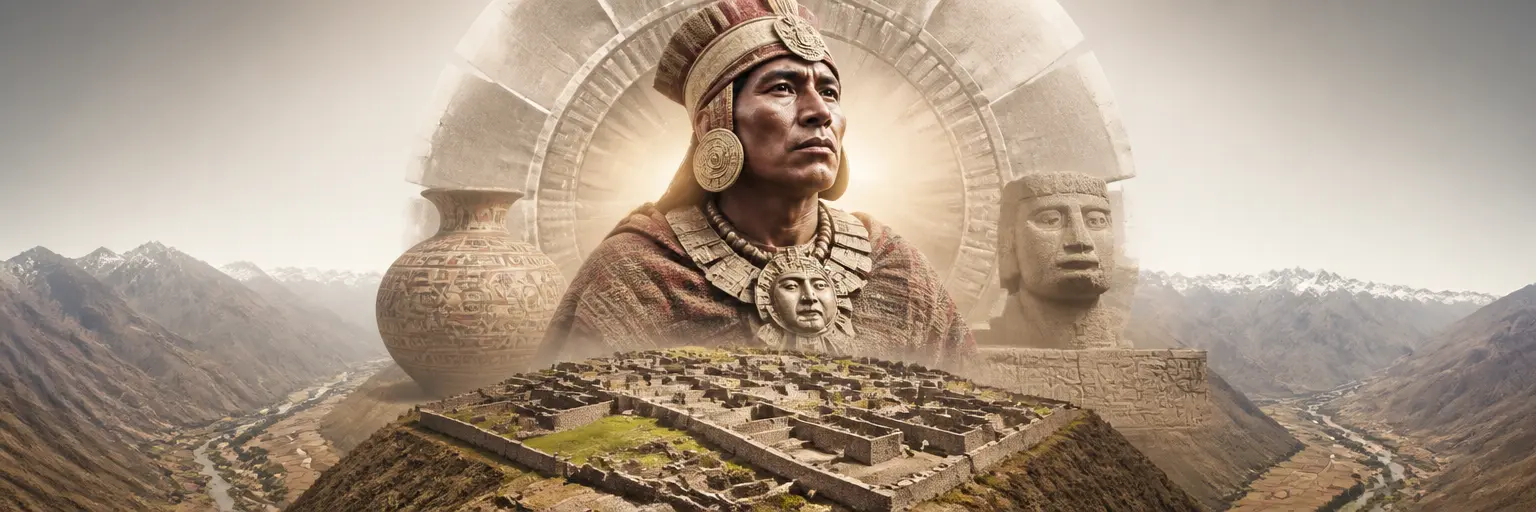
Explore the Huari Culture 🏺—one of the most influential Pre-Incan civilizations of the Andean highlands. Discover the Huari Empire’s remarkable achievements in urban planning, architecture, agriculture, textiles, ceramics, and regional administration. Learn how Huari traditions shaped Andean history and influenced later societies, including the Inca, through innovative technology, trade networks, and enduring cultural heritage. ⛰️
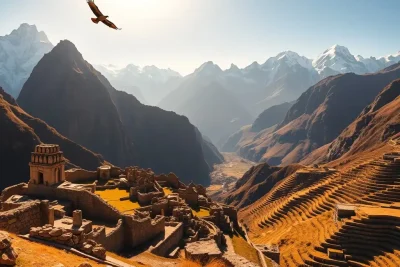
Discover the fascinating world of The Huari Culture, one of the most influential pre-Incan cultures of the highlands. Also known as the Wari civilization, this powerful Andean society flourished in the central Andes of Peru between approximately 600 and 1000 CE. Through archaeological discoveries, visitors can explore Huari history, urban planning, ceremonial architecture, religion, agriculture, textiles, ceramics, and the political systems that helped shape later Andean civilizations, including the Inca Empire.
The Huari culture emerged in the Ayacucho region of the Peruvian highlands and expanded during a period of major cultural transformation in the Andes. Its development was influenced by earlier traditions, including the Tiahuanaco civilization and other regional societies. Huari communities combined highland knowledge with ideas adopted from neighboring areas, creating a distinctive political, artistic, and religious tradition.
Readers can learn how Huari society grew from a regional power into one of the earliest expansive states in ancient Peru. Articles in this subcategory examine the chronology of the Wari civilization, its relationship with surrounding cultures, and the historical evidence that reveals how Huari leaders organized communities across challenging Andean landscapes.
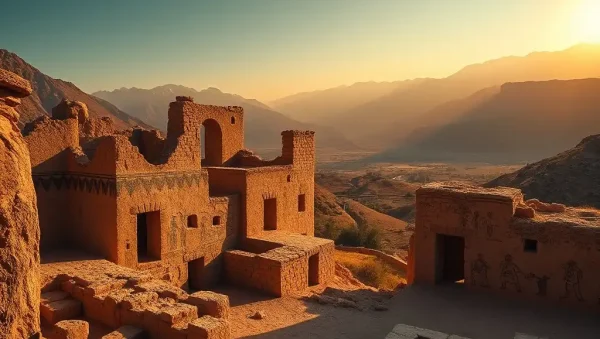
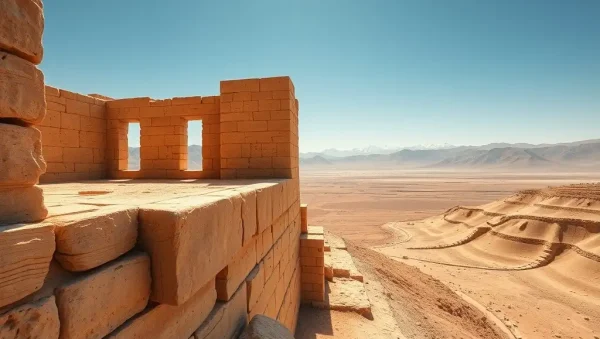
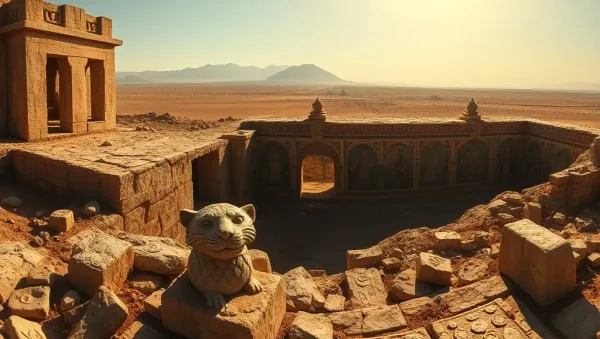
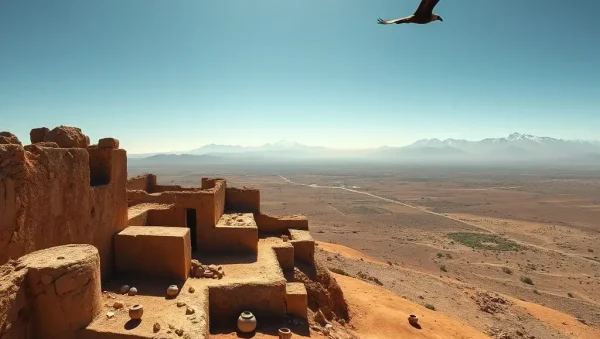
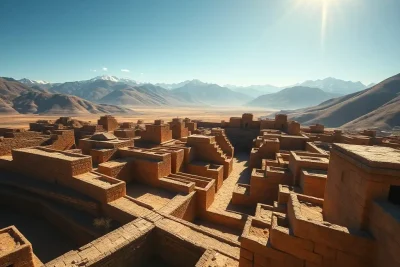
Huari architecture reflects advanced planning, strong administration, and a clear understanding of the highland environment. The capital, located near modern Ayacucho, featured residential compounds, ceremonial spaces, roads, plazas, storage facilities, and defensive structures. Sites such as Pikillaqta demonstrate the Huari ability to establish planned settlements far from their original homeland.
This section explores Huari archaeological sites, construction methods, stonework, administrative centers, and the layout of Wari cities. Readers can discover how architecture helped centralize power, manage resources, support trade, and connect distant provinces within a complex pre-Incan political system.
Huari art is recognized for its striking geometric patterns, stylized figures, supernatural beings, and carefully balanced compositions. Huari textiles are especially important because they display exceptional craftsmanship and preserve visual information about religion, social identity, and political authority. Their colors, motifs, and technical sophistication make Wari fabrics some of the most significant examples of ancient Andean art.
Huari ceramics also provide valuable evidence about daily life, ritual practices, and cultural connections. Expect detailed explanations of painted vessels, iconography, weaving techniques, and the symbolism found in Huari artwork. These resources help readers understand how artists communicated beliefs and reinforced the identity of this influential Andean civilization.
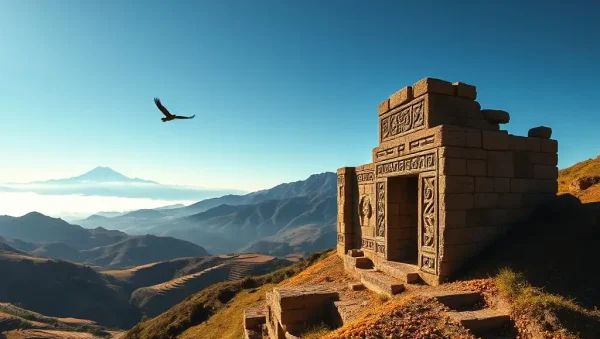
Religion played a central role in Huari society, influencing government, art, architecture, and community life. Huari iconography includes powerful deities, mythical creatures, ceremonial figures, and symbols associated with fertility, agriculture, water, and cosmic order. Some motifs reveal connections with the religious traditions of Tiahuanaco and other cultures of the central Andes.
Explore the spiritual world of the Wari civilization through discussions of temples, ritual objects, sacred imagery, and ceremonial activities. Huari religion was not separate from politics; religious authority helped legitimize leadership and unite communities across the empire’s extensive territory.
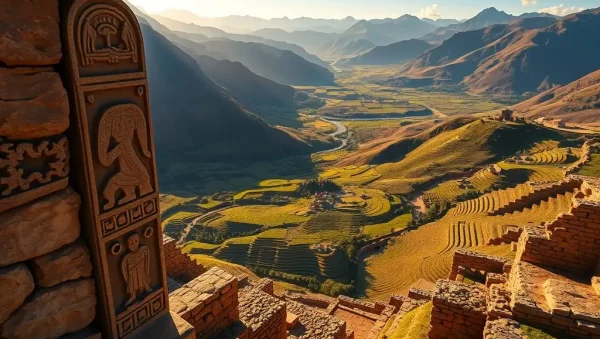
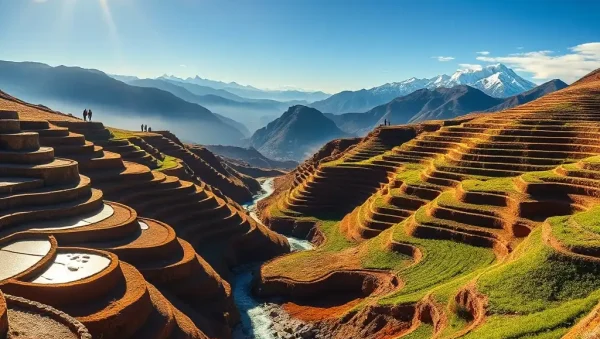
The Huari people developed effective strategies for living in high-altitude environments marked by steep slopes, limited farmland, and changing weather conditions. Terracing, irrigation, water management, storage facilities, and agricultural planning allowed communities to produce and preserve essential resources. These technologies supported population growth and helped sustain distant administrative centers.
This subcategory examines Huari agricultural technology, food storage, highland farming, trade networks, and environmental adaptation. Readers can discover how engineering and resource management contributed to the strength of the Huari state and influenced later developments in the Andes, including practices associated with the Inca Empire.
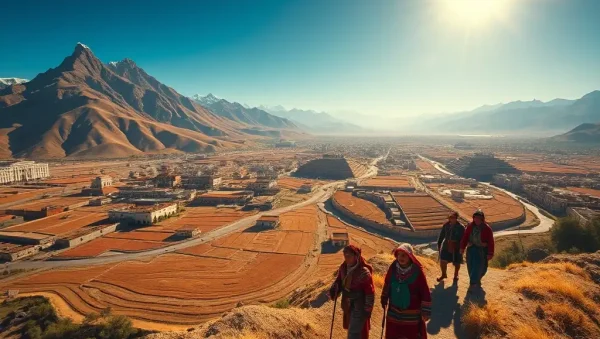
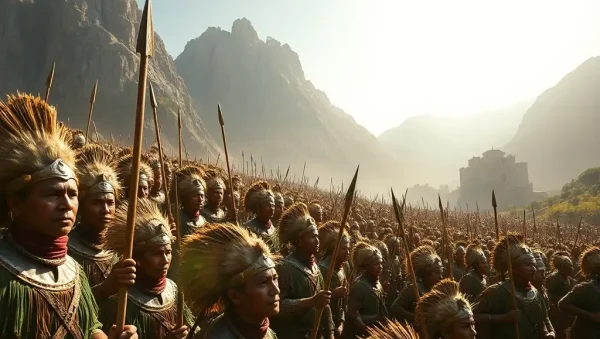
The Huari civilization established influence over broad areas of the Peruvian Andes, including parts of the highlands and coastal regions. Its expansion was supported by roads, administrative centers, economic networks, military power, and the movement of people and ideas. Rather than relying only on direct control, Huari authorities may have used regional alliances, economic integration, and ideological influence.
Learn how historians and archaeologists interpret Huari expansion, provincial settlements, trade routes, and the organization of this early Andean state. Content also explores how the Huari political model compares with the later Inca system and why the Wari civilization is often considered a major precursor to imperial organization in ancient Peru.
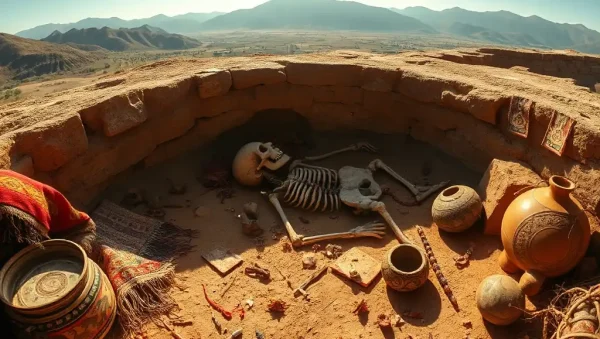
Huari society included farmers, artisans, administrators, religious specialists, merchants, warriors, and local communities with different responsibilities. Archaeological remains, burial practices, household objects, textiles, and food evidence offer clues about social hierarchy and everyday experiences. These discoveries provide a more complete view of Huari life beyond monuments and rulers.
Readers can explore family life, clothing, diet, craft production, ceremonies, social status, and community organization. By examining both ordinary settlements and elite centers, this section presents a balanced portrait of the people who created one of the most important pre-Incan civilizations of Peru.
Knowledge of the Huari culture continues to grow through archaeological excavations, laboratory analysis, remote sensing, and the study of museum collections. Researchers examine architecture, ceramics, human remains, textiles, plant remains, and settlement patterns to reconstruct Huari history. Because many questions remain open, new discoveries can change interpretations of the Wari state.
Find accessible explanations of major Huari archaeological discoveries, important excavation sites, dating methods, and current debates. The content on Andean Civilizations connects archaeological evidence with broader questions about power, cultural exchange, innovation, and the development of complex societies in the ancient Andes.
The Huari Culture, also called the Wari civilization, was a powerful pre-Incan society that developed in the Peruvian highlands around 600 CE. It created planned cities, extensive administrative centers, sophisticated art, and networks that connected different regions of the Andes.
The Huari civilization originated near Ayacucho in the central highlands of Peru. From this region, it expanded toward the coast and other Andean areas, establishing settlements and administrative centers such as Pikillaqta.
The Huari civilization flourished approximately between 600 and 1000 CE, although dates vary depending on the archaeological site and research method. Its period of influence came before the rise of the Inca Empire.
The Huari are known for their planned urban centers, impressive textiles, distinctive ceramics, religious iconography, agricultural engineering, and political expansion. Their achievements demonstrate a high level of organization and technological knowledge in the ancient Andes.
The Huari and Inca were different civilizations separated by several centuries, but the Huari may have influenced later Andean traditions. Their systems of roads, administration, architecture, agriculture, and resource management offer important comparisons for understanding the development of the Inca Empire.