Pre-Incan Cultures of the Highlands

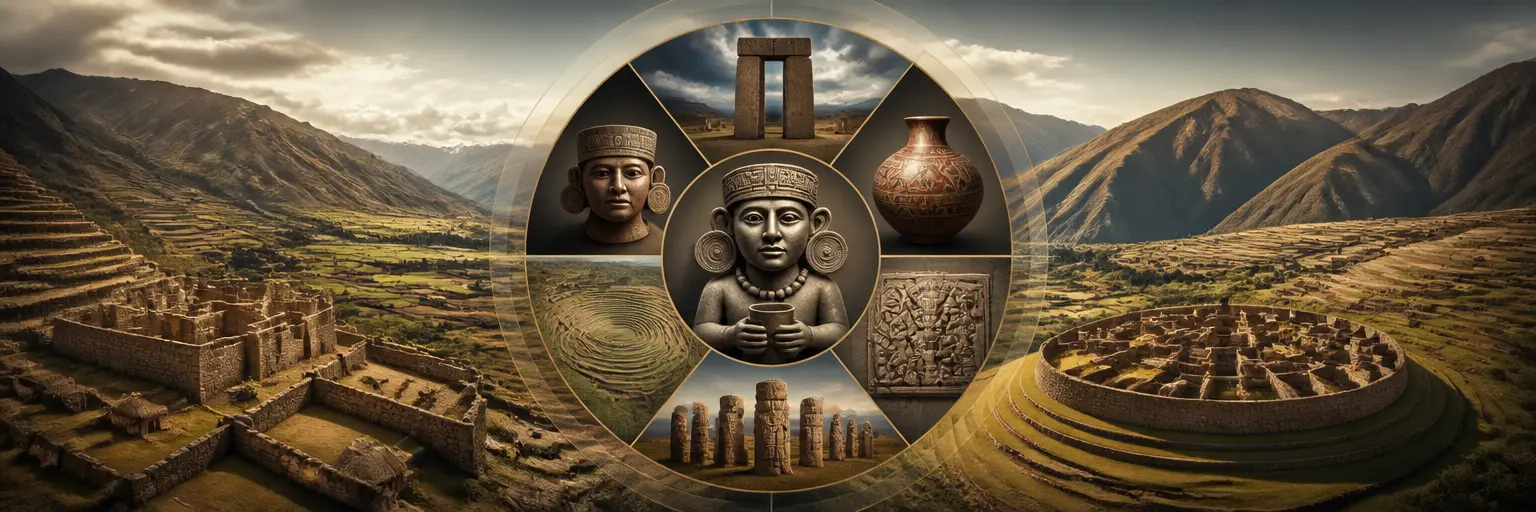
Explore the fascinating world of regional developments before the Incas 🏔️, where highland societies laid the foundations for Andean civilization through innovative agriculture, monumental architecture, advanced pottery, trade networks, and distinctive religious traditions. Discover how these influential cultures shaped the history of the Andes long before Inca expansion, revealing a rich heritage of pre-Incan civilizations, archaeology, technology, and cultural exchange across the highlands.
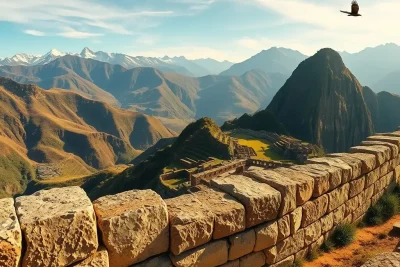
Discover the remarkable societies that shaped the Andes long before the rise of the Inca Empire. This subcategory explores regional developments before the Incas, focusing on the highland cultures, communities, technologies, belief systems, and political traditions that transformed the Andean world. From early settlements and ceremonial centers to agricultural innovation and long-distance exchange, readers can learn how diverse pre-Incan cultures created the foundations of Andean civilization.
Explore the origins and expansion of pre-Incan highland cultures across the Andes. Articles examine how communities adapted to steep valleys, high plateaus, rugged mountain environments, and changing climates while developing distinctive languages, customs, artistic traditions, and social structures.
Readers can expect accessible explanations of important regional developments, including the growth of villages, ceremonial settlements, chiefdoms, and early states. Discover how these societies contributed to the broader history of ancient Andean civilizations before the emergence of Inca power.
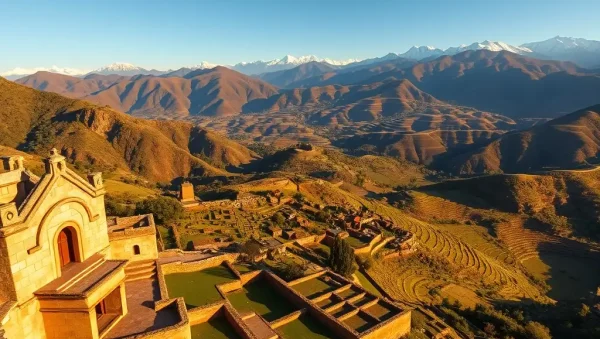
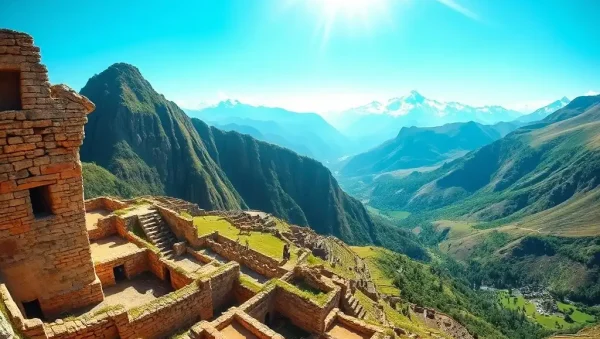
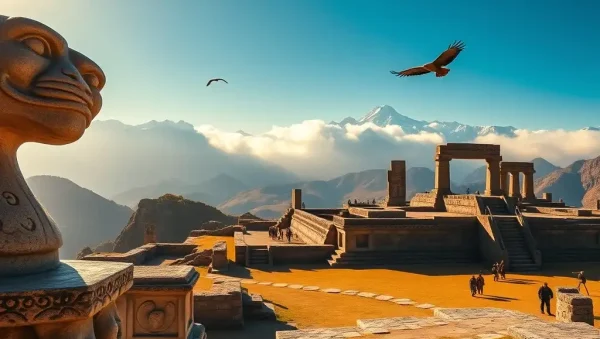
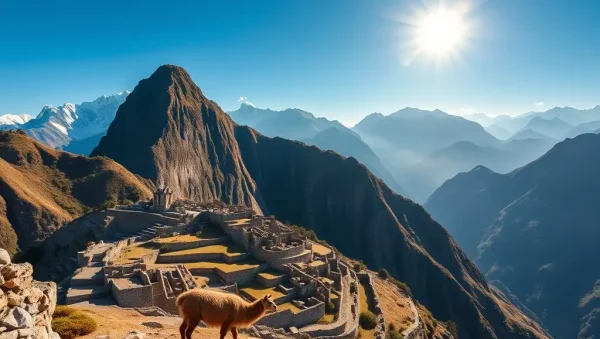
Learn about the archaeological sites that reveal the complexity of life before the Incas. This section covers highland temples, fortified settlements, public plazas, tombs, domestic areas, and ceremonial centers that provide evidence of pre-Inca architecture and urban development.
Detailed site-focused content helps explain how archaeologists interpret ruins, artifacts, settlement patterns, and sacred landscapes. Readers can explore the significance of regional centers associated with cultures such as Chavín, Pukara, Wari, Tiwanaku, and other highland traditions.
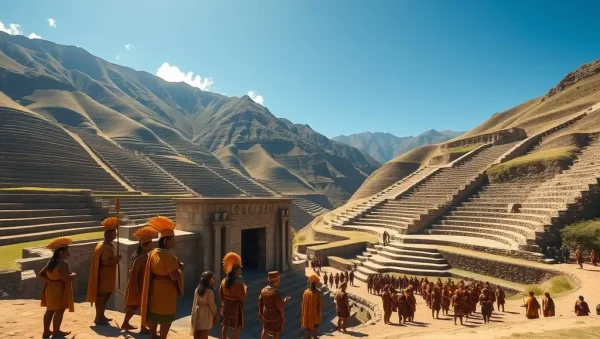
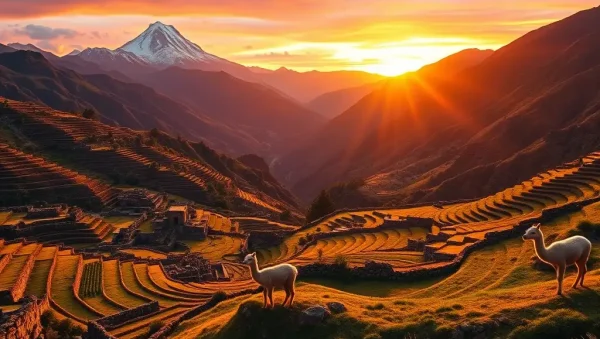
Discover how pre-Incan communities transformed difficult mountain environments through innovative farming and environmental management. Topics include terrace agriculture, irrigation canals, raised fields, soil conservation, camelid herding, and the cultivation of crops such as potatoes, quinoa, maize, and ají peppers.
Readers will learn how agricultural technology supported population growth, trade, religious institutions, and political organization. These developments demonstrate the practical knowledge and ecological expertise that later influenced the Inca agricultural system.
Explore the engineering achievements of early Andean societies, including stone construction, drainage systems, road networks, ceremonial platforms, and defensive structures. The subcategory highlights pre-Inca technology and explains how builders worked with local materials and challenging mountain terrain.
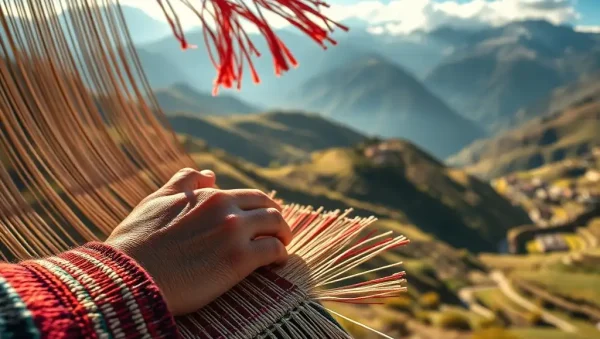
Articles also examine the development of textiles, pottery, metallurgy, tools, and transportation. By studying these technologies, readers can understand how regional communities expressed identity, organized labor, and increased their ability to build durable and influential societies.
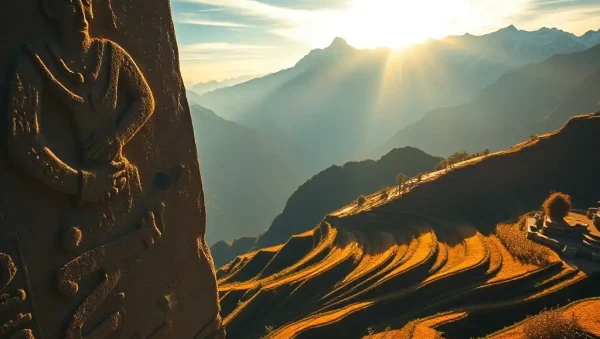
Investigate the art and spiritual beliefs of highland cultures before the Inca Empire. Readers can explore pottery designs, carved stone monuments, metalwork, textiles, murals, and ritual objects that reveal ideas about animals, ancestors, fertility, mountains, water, and the supernatural world.
This section explains how Andean religion and artistic symbolism connected communities to sacred landscapes. Comparisons between regional traditions help readers recognize the cultural exchange and shared religious themes that developed across the pre-Incan Andes.
Discover the networks that connected highland communities with coastal valleys, eastern forests, and distant regions. Articles explore the movement of goods such as obsidian, shells, coca, feathers, textiles, metals, food products, and ceremonial materials through pre-Inca trade routes.
Readers can also learn how migration, alliances, conflict, and cultural interaction shaped regional identities. These connections explain why technologies, artistic styles, religious concepts, and political practices spread across the Andes long before Inca expansion.
Study the emergence of local leaders, hereditary elites, ritual authorities, warrior groups, and administrative centers. This content examines how pre-Incan societies organized labor, controlled resources, managed agriculture, and established influence over neighboring communities.
Understanding these early political systems provides essential context for the later rise of the Inca state. Readers will discover that the Inca Empire inherited and adapted many earlier traditions involving taxation, labor organization, road building, diplomacy, and regional administration.
The phrase refers to the cultural, technological, economic, religious, and political changes that occurred in different Andean regions before the expansion of the Inca Empire. It includes the growth of settlements, agriculture, ceremonial centers, trade networks, and early states.
Important highland traditions included Chavín, Pukara, Tiwanaku, Wari, Recuay, and several local societies. Each culture had distinctive architecture, art, religious practices, and political structures, while also participating in broader networks of Andean exchange.
They used terraced fields, irrigation canals, raised agricultural platforms, crop diversification, and careful management of altitude and climate. These techniques allowed communities to cultivate potatoes, quinoa, maize, and other crops in challenging highland environments.
Pre-Incan societies created many of the traditions later used by the Incas, including road systems, terrace farming, labor organization, stone architecture, religious practices, and methods of governing diverse populations. Studying them reveals that Inca civilization developed from a long history of regional innovation.
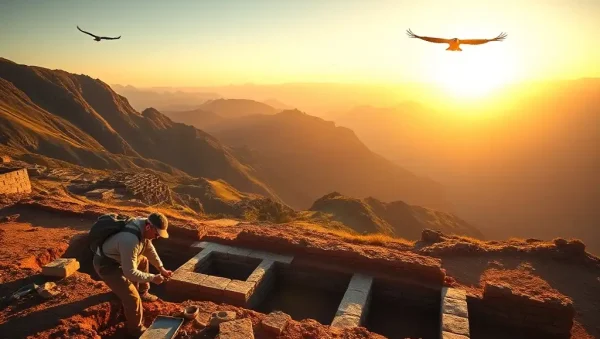
Archaeologists examine temples, settlements, tombs, pottery, textiles, tools, agricultural terraces, roads, carved stones, metal objects, human remains, and environmental evidence. Together, these sources help reconstruct the daily life, beliefs, economy, technology, and political organization of ancient Andean communities.