
More Than Meets the Eye: The Symbolic Significance of Andean Architectural Elements

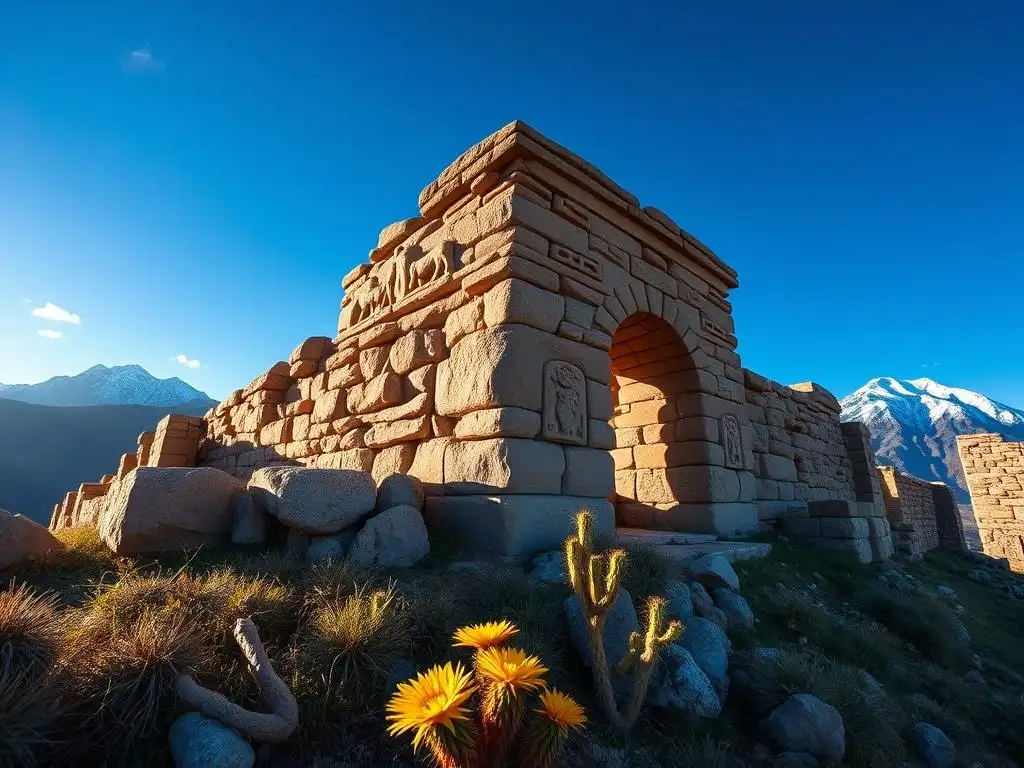
Welcome, explorer! Prepare to uncover a world lost to time, yet echoing with power and mystery. For centuries, the towering structures of the Andes have whispered secrets – secrets now within your grasp. Dive into the fascinating world of Andean architecture symbolic meaning, where intricate designs and monumental constructions reveal the profound beliefs and advanced engineering of ancient civilizations. What hidden narratives lie within these breathtaking landscapes? Unravel the enigma... and discover more than meets the eye.
The Andes Mountains, a spine of towering peaks running down the western coast of South America, are home to a rich tapestry of ancient civilizations. For millennia, these cultures—including the Incas, Moche, Nazca, and Tiahuanaco—constructed breathtaking architectural marvels that served not only practical purposes but also held profound symbolic meaning.
This article delves into the fascinating world of Andean architecture, exploring the hidden layers of symbolism embedded within these structures, revealing how seemingly simple elements spoke volumes about cosmology, social structures, and the relationship between humanity and the divine. Understanding this symbolic significance provides a deeper appreciation for the ingenuity and sophistication of these remarkable Andean societies and offers a new perspective on the ingenuity of their construction techniques.
We will explore how the careful placement of buildings, the use of specific materials, and the intricate designs themselves conveyed complex narratives, reflecting the spiritual beliefs and worldview of the people who built them. This exploration of Andean architecture symbolic meaning will illuminate the profound connection between the built environment and the cultural identity of these ancient Andean civilizations.
The Sacred Geometry of Andean Structures
Andean architects displayed a keen understanding of geometry and its symbolic implications. Many structures, from monumental sites like Machu Picchu to smaller residential buildings, demonstrate a deliberate use of geometric patterns and alignments. The precise orientation of buildings towards celestial events like solstices and equinoxes suggests a deep connection between the earthly realm and the cosmos.
For example, the placement of windows and doorways often followed specific astronomical alignments, allowing for the penetration of sunlight at particular times of the year, imbuing these events with sacred significance. This precise alignment wasn't simply a matter of practical construction; it was a deliberate act of symbolic representation, weaving the human world into the fabric of the universe.
Furthermore, the incorporation of geometric shapes such as squares, circles, and triangles within the architectural design further emphasizes this connection, with each shape likely holding a unique spiritual or cosmological meaning. The intricate interplay of these geometric elements created a powerful visual language, communicating complex ideas about the relationship between humanity and the divine.
The Use of Stone as a Symbolic Material
The choice of building materials in Andean architecture wasn't arbitrary. Stone, a readily available resource in the Andes, held deep symbolic significance, representing permanence, strength, and connection to the earth. The careful selection, shaping, and placement of stones reveal a level of craftsmanship and symbolic intentionality that goes beyond mere functionality. The massive stones used in structures like Sacsayhuamán, expertly fitted together without mortar, suggest not only incredible engineering prowess but also a profound respect for the earth and its resources.
The very act of shaping and fitting these stones into place represented a transformation, a symbolic act of creation mirroring the cosmological processes believed to have shaped the world. Different types of stone might also have carried specific symbolic associations, reflecting the beliefs and values of the builders. Further research is needed to fully understand the nuances of stone selection and its symbolic implications in different Andean cultures.
The size, location, and ornamentation of Andean structures often reflected the social hierarchy within the society. Monumental buildings, like palaces and temples, were typically larger and more elaborately decorated than residential structures, signifying the power and status of the elite. The use of specific architectural elements, such as intricate carvings, colorful pigments, and precious metals, further emphasized this social distinction.
The placement of buildings within a settlement also held symbolic weight, with strategically located structures indicating power and control. For instance, the location of temples and palaces on elevated points might symbolize their closeness to the divine and their dominance over the surrounding landscape. Conversely, the layout of residential areas could reveal insights into social organization and community structures.
The careful study of these spatial arrangements offers a valuable window into the social dynamics and power structures within the various Andean civilizations. Detailed archaeological studies continue to uncover further nuances in these relationships.
The Symbolism of Color in Andean Architecture
Color played a vital role in Andean architecture, with different pigments carrying symbolic meaning. While precise interpretations are often debated, colors like red (associated with blood, fertility, and power) and white (associated with purity and the sacred) frequently appear in murals and building decorations. The combination of colors, and their placement within the architectural design could create complex narratives and communicate intricate beliefs about the cosmos and the human condition. The use of pigments, derived from natural materials, further emphasizes the connection between the built environment and the natural world.
The creation of these pigments itself was a meticulous and symbolically significant process, further highlighting the importance of color in Andean worldview. Further research into the specific pigments and their sourcing could reveal even more about the symbolic meanings embedded in their use. 🎨
Further Research Areas
Future research should focus on:
- Detailed analysis of geometric patterns in different Andean architectural styles.
- Comparative studies of stone types and their symbolic associations.
- More in-depth analysis of color symbolism across various Andean cultures.
- The role of specific architectural elements (e.g., doorways, windows) in different Andean societies.
- The Sacred Geometry of Andean Structures
- The Use of Stone as a Symbolic Material
- Architectural Elements and Social Hierarchy
- The Symbolism of Color in Andean Architecture
- What is the main focus of Andean architecture?
- How did the Incas utilize symbolic meaning in their architecture?
- What symbolic meaning do specific architectural features hold?
- Which Andean civilizations are discussed in relation to symbolic architecture?
- Where can I learn more about the symbolic meaning of Andean architecture?
Unveiling the Symbolic World of Andean Construction
Introduction to the Symbolic Language of Ancient Andean Architecture
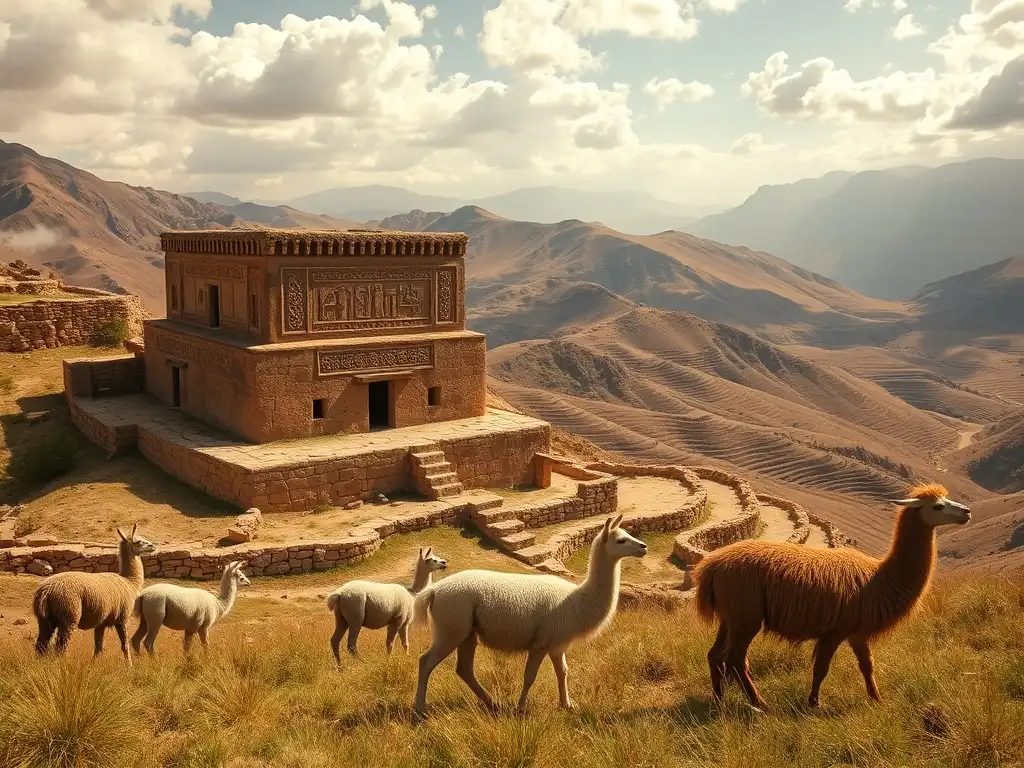
The study of Andean architecture reveals far more than just impressive feats of engineering; it unlocks a rich tapestry of symbolic meaning woven into every stone, every terrace, every intricate carving. Understanding this symbolic language is crucial to appreciating the worldview and beliefs of the ancient Andean civilizations. Their architecture wasn't merely functional; it was a powerful statement, a physical manifestation of their cosmology, social structures, and relationship with the natural world.
For example, the precise alignment of structures with celestial events like solstices and equinoxes suggests a deep understanding of astronomy and its incorporation into their sacred spaces. This wasn't accidental; it was deliberate, reflecting a profound connection between the earthly and the divine. The careful selection of building materials, the specific shapes and orientations of structures, and the intricate decorative elements all contribute to a complex system of symbolic communication that continues to fascinate and inspire researchers today.
Further research into specific sites and their unique features could reveal even more nuanced interpretations of this complex symbolic system. The meticulous placement of buildings within the landscape, for instance, often reflects a deep understanding of the environment and its spiritual significance. This intentional integration of architecture and nature is a hallmark of Andean building practices.
The Deep Meaning Behind Andean Building Materials
The choice of building materials in Andean architecture was far from arbitrary; each material carried its own symbolic weight, contributing to the overall meaning of the structure. Stone, for example, was often associated with permanence, strength, and the earth itself. Different types of stone might hold different symbolic meanings; polished, finely cut stones could represent elite status and power, while rougher, more naturally shaped stones might be used in contexts associated with the earth's raw power or the ancestors. The use of adobe bricks, made from mud and straw, speaks to a connection with the land and the agricultural cycle, symbolizing fertility and abundance.
The incorporation of wood, often scarce in the high Andes, suggests a spiritual significance and perhaps even a connection to specific deities or ancestral spirits. The intricate carvings and decorations found on many structures further amplify the symbolic meaning of the materials used, transforming simple building blocks into powerful expressions of cultural identity and religious beliefs. Detailed analysis of the chemical composition of pigments used in painted structures could provide further insight into their symbolic significance and the resources available to the builders. For instance, the use of specific ochre pigments might correlate with specific rituals or beliefs.
Understanding the symbolic significance of these building materials, therefore, is essential for a complete understanding of Andean architecture and its deeper cultural and religious context. Further research into specific sites and their material choices can further illuminate this rich symbolic landscape. For example, a comparative study of the materials used in elite versus commoner structures could provide valuable insights into social hierarchies and their reflection in architectural design.
Further Exploration: Specific Examples
Consider the use of obsidian in certain ceremonial contexts. Its sharp edges and volcanic origins might have been associated with power, sacrifice, or the underworld. Similarly, the use of gold, a precious and rare metal, undoubtedly held significant symbolic meaning, perhaps connected to the sun god or other powerful deities.
Key Symbolic Elements in Andean Architectural Design
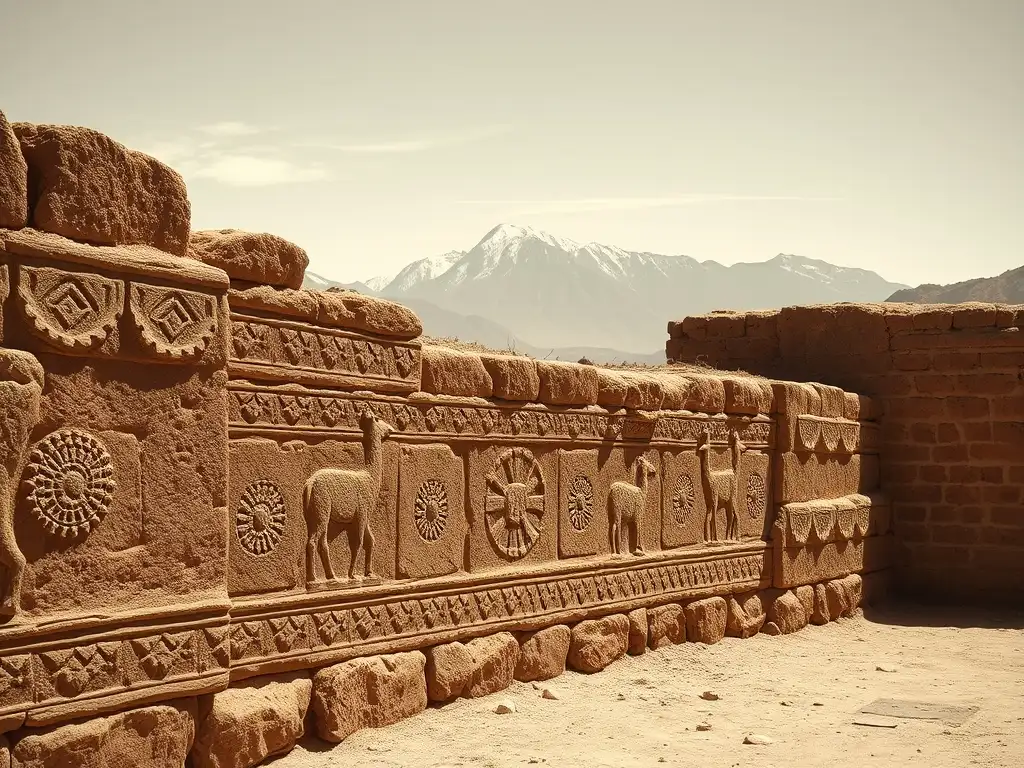
This section delves into the profound symbolic meanings embedded within the architectural designs of the Andean civilizations. Far from mere functional structures, Andean buildings served as powerful expressions of cosmology, social organization, and spiritual beliefs. Understanding these symbolic elements provides crucial insight into the worldview and sophisticated cultural practices of these remarkable societies.
Analyzing Andean architecture symbolic meaning reveals a complex tapestry woven from stone, geometry, and landscape manipulation. The careful placement of structures, the choice of materials, and the intricate details all contribute to a rich narrative that transcends the purely practical. We will explore key aspects of this symbolic language, focusing on the significance of stone, the role of geometry and spatial arrangement, and the multifaceted use of terraces.
The Significance of Stone in Andean Sacred Structures
Stone, a readily available resource in the Andes, transcended its materiality to become a potent symbol in Andean sacred architecture. It represented permanence, solidity, and the connection between the earthly and spiritual realms. The meticulous craftsmanship evident in Inca stonework, for example, wasn't simply a testament to technical skill; it was a reflection of the sacred nature of the structures themselves.
The precision fitting of stones, without mortar, symbolized the harmonious integration of the cosmos. The perfectly aligned blocks, often weighing several tons, were viewed as a manifestation of divine order and the mastery of human ingenuity in mimicking this cosmic order.
Consider the impressive walls of Sacsayhuamán near Cusco. The massive, precisely cut stones, some weighing over 100 tons, were not merely structural elements but a symbolic representation of the Inca's power and their connection to the earth and its energies. The intricate interlocking of these stones, without the use of mortar, further reinforces the idea of perfect harmony and enduring strength.
This wasn't just construction; it was a ritual act, a symbolic weaving of the earthly and spiritual realms. The very act of shaping and placing these stones was imbued with spiritual significance, a process that involved ritualistic offerings and ceremonies.
The Role of Geometry and Spatial Arrangement in Andean Cosmology
Andean cosmology was deeply intertwined with geometric principles and spatial arrangements. The layout of cities, temples, and other significant structures often reflected a sophisticated understanding of astronomy and the cyclical nature of time. Sacred sites were frequently aligned with celestial bodies, reflecting a profound connection between the earthly and heavenly realms. The use of specific geometric patterns, such as squares, circles, and spirals, carried symbolic meanings related to fertility, power, and cosmic order.
For example, the layout of many Andean cities reveals a deliberate arrangement based on cardinal directions and astronomical alignments. The placement of buildings, plazas, and pathways was often meticulously planned to reflect the movement of the sun, moon, and stars. This is particularly evident in the design of Machu Picchu, where the orientation of structures and terraces aligns with significant astronomical events.
The intricate network of paths and plazas in many Andean settlements further suggests a complex understanding of the spatial organization of both the physical and spiritual worlds. This deliberate spatial arrangement was not arbitrary; it aimed to create a microcosm of the cosmos, a sacred space reflecting the harmonious balance of the universe. The use of specific geometric shapes reinforced this cosmic mirroring.
The Use of Terraces: More Than Just Agriculture
While terraces are often associated with agricultural intensification, their significance in Andean cultures extended far beyond mere practicality. These meticulously constructed agricultural platforms served as powerful symbols of human control over nature and the ability to harness the land's resources. The terraced landscapes were not only productive agricultural systems but also visually striking, embodying the Andean civilizations' ability to transform and harmonize with their environment. The terraces were more than just agricultural solutions; they were also a powerful symbol of communal effort and social organization.
The construction and maintenance of extensive terrace systems required considerable communal effort, highlighting the importance of cooperation and social cohesion within Andean societies. Moreover, the terraces themselves often incorporated symbolic elements, such as specific geometric patterns or alignments with celestial bodies. The creation of these terraced landscapes served as a powerful statement of human ingenuity and control over the environment, a testament to the Andean people's ability to transform the harsh Andean terrain into productive and symbolically rich landscapes.
The visual impact of vast terraced fields cascading down mountain slopes was not merely aesthetic; it represented the triumph of human organization and ingenuity over the challenges of the natural world. This monumental undertaking served as a visual reminder of the community's collective strength and its spiritual connection to the land.
Understanding the Andean Concept of Orientation and Alignment
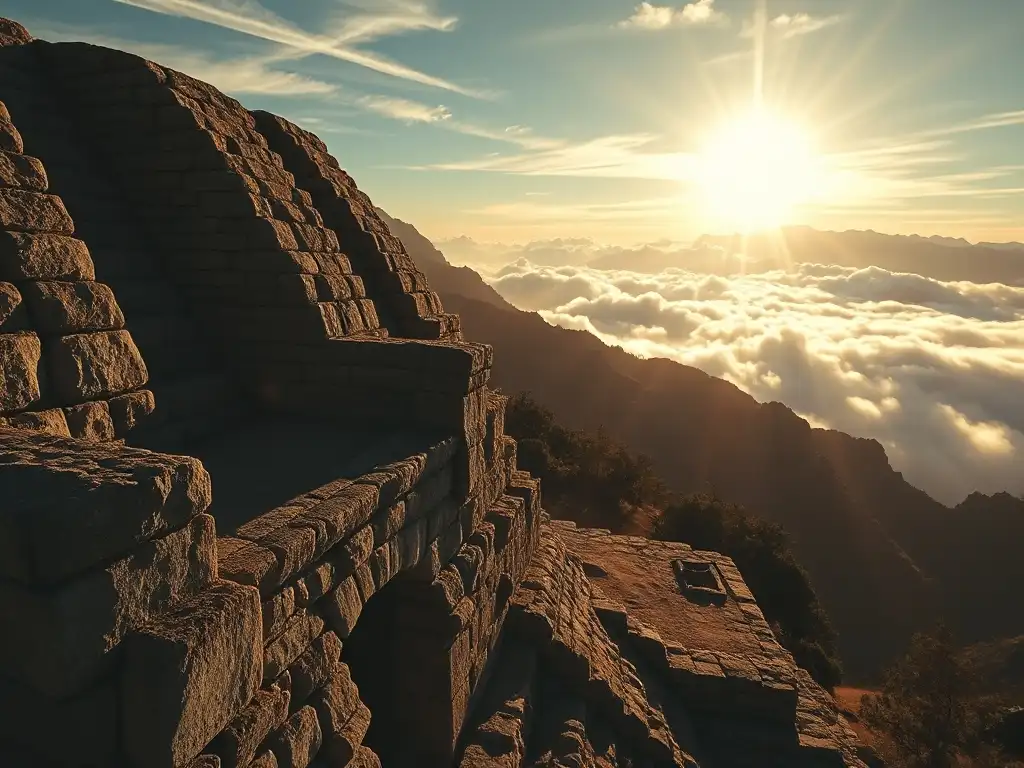
Andean architecture reveals a sophisticated understanding of astronomy and its symbolic integration into building design. The orientation of structures, often aligned with solstices or significant celestial events, wasn't merely a practical consideration; it held profound spiritual meaning. For example, many Inca sites, like Machu Picchu, are meticulously aligned with the cardinal directions, reflecting a deep connection to the cosmos and the cyclical nature of life and death.
This alignment wasn't arbitrary; it reinforced the worldview of the Inca, emphasizing their relationship with the sun, the moon, and the stars, viewing these celestial bodies as powerful deities influencing their lives. The precision involved in these alignments, often achieved without advanced instruments, speaks to the advanced knowledge and sophisticated understanding of astronomy possessed by Andean cultures. Further research into specific sites reveals even more nuanced alignments, suggesting a deeper understanding of celestial cycles than previously recognized.
For instance, some sites show alignments with specific constellations or stars linked to agricultural cycles or significant mythological figures. The precise orientation of these buildings reflects not only a masterful grasp of engineering but also a profound spiritual understanding of their place within the universe. This careful planning and execution served to create sacred spaces reflecting a harmonious relationship between the earthly and celestial realms.
The Meaning of Niches, Doors and Windows in Andean Structures
Niches, doors, and windows in Andean architecture were far more than mere functional elements; they served as powerful symbolic gateways and conduits. Niches, frequently found in walls throughout Andean structures, are believed to have held significant religious or ceremonial importance. Some scholars suggest they represented portals to the spirit world, while others propose they served as locations for offerings or sacred objects.
The size, placement, and number of niches within a structure likely held specific meaning, possibly related to the building's function or the deity it was dedicated to. The meticulous craftsmanship evident in many niches underscores their importance. Further research is needed to fully understand the regional variations in niche design and their symbolic significance across different Andean cultures.
Doors and windows, too, played a crucial role in the symbolic language of Andean architecture. Their placement and design often reflected a connection between the interior and exterior worlds, signifying transitions and thresholds. The shape, size, and materials used in constructing doors and windows could all contribute to their symbolic meaning.
For example, intricately carved doorways might have indicated a sacred or elite space, while simpler designs could have marked more utilitarian areas. The careful consideration given to these seemingly mundane architectural components highlights the holistic and symbolic approach to design characteristic of Andean cultures. The way light entered a building through strategically placed windows may also have been significant, perhaps creating specific patterns of illumination for rituals or ceremonies.
The study of Andean doors and windows, therefore, offers valuable insights into the worldview and religious practices of these ancient societies. The deliberate design choices regarding their size, placement, and ornamentation reveal a deep understanding of symbolic representation and the power of architectural elements to convey meaning.
Symbolism in Specific Andean Architectural Styles
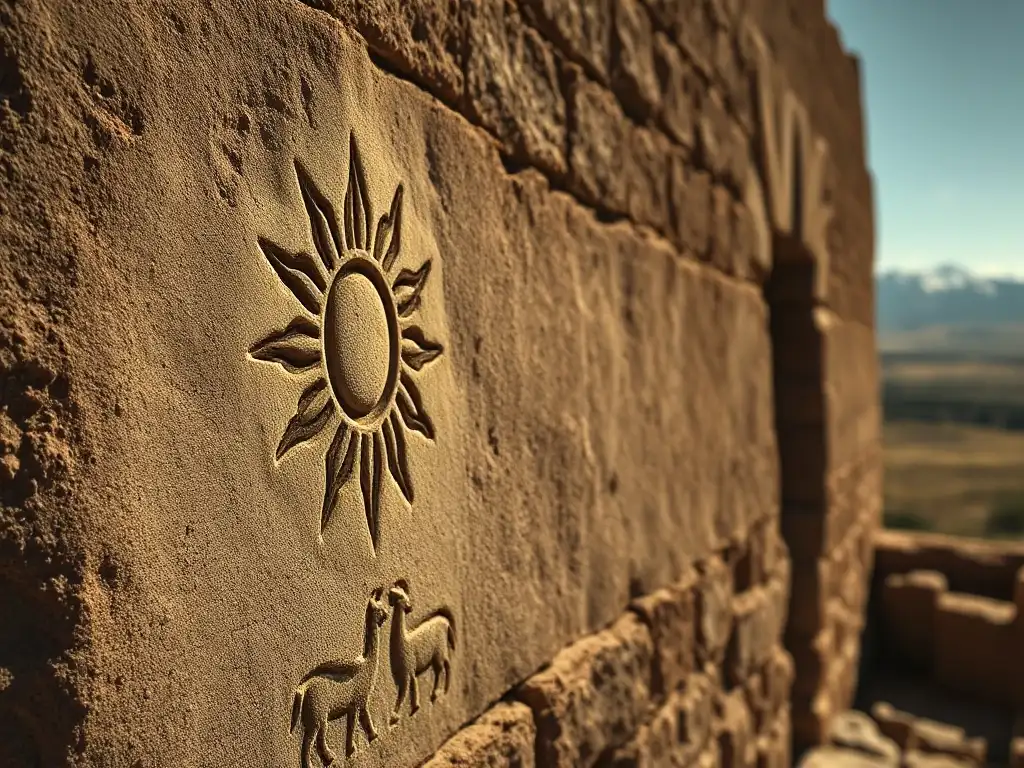
This section delves into the symbolic meanings embedded within the architectural styles of several prominent Andean civilizations, focusing on how specific design choices reflected power structures, religious beliefs, and cosmological understandings. We will explore the rich tapestry of symbolism woven into the very fabric of Andean architecture, providing a deeper appreciation for the ingenuity and sophistication of these ancient societies. Understanding the Andean architecture symbolic meaning unlocks a richer comprehension of their worldview.
Inca Architecture and its Royal Symbolism
Inca architecture, renowned for its precision and grandeur, wasn't merely functional; it was a powerful statement of imperial authority and cosmological beliefs. The Incas meticulously crafted their structures to reflect their worldview, using specific materials, shapes, and techniques to convey profound symbolic meanings. Their architectural choices weren't arbitrary; they were carefully planned to reinforce their power and legitimize their rule. The use of specific materials and styles also communicated the sacred nature of certain sites and the divine right of the Inca rulers.
The Symbolic Use of Ashlar Masonry in Inca Structures
The Incas' mastery of ashlar masonry – the precise fitting of massive, finely cut stones without mortar – is legendary. This wasn't simply a feat of engineering; it was a powerful symbolic statement. The perfectly fitted stones represented the Inca's control over nature and their ability to create order from chaos.
The seamless integration of the stones symbolized the unity and cohesion of the Inca empire, reflecting the ideal of a perfectly ordered society under the Inca's rule. The immense scale of many structures, built with these meticulously crafted stones, further emphasized the power and resources of the empire. Consider, for example, the walls of Sacsayhuamán – the precision and scale are awe-inspiring, communicating a message of imperial might.
The Meaning of Trapezoidal Shapes in Inca Design
The frequent use of trapezoidal shapes in Inca doorways, windows, and niches is another significant symbolic element. While the precise meaning remains debated, several interpretations suggest a connection to Andean cosmology and the representation of mountains, a sacred element in Inca beliefs. The trapezoidal shape might have symbolized the stability and permanence of the Inca empire, mirroring the enduring presence of the Andes themselves.
Furthermore, the converging lines of the trapezoid could have represented the converging paths leading to the Inca's divine authority. More research is needed to fully understand the nuanced meanings associated with this ubiquitous shape, but its intentional and consistent use suggests a profound symbolic significance.
Moche Architecture: Reflecting Power and Ritual
The Moche civilization, flourishing on the northern coast of Peru, created impressive architectural structures that served both practical and symbolic functions. Their architecture, often built from adobe bricks, reflected their complex social hierarchy and elaborate religious rituals. Unlike the Inca's emphasis on uniformity, Moche architecture showcased a greater stylistic diversity, reflecting the decentralized nature of their political organization and the importance of local deities and traditions.
The Iconography of Moche Pyramids and Temples
Moche pyramids and temples, often adorned with intricate murals and reliefs, served as prominent centers of religious and political power. These structures were not simply places of worship; they were physical manifestations of Moche cosmology and their belief system. The iconography depicted on these structures – often featuring deities, mythological creatures, and scenes of ritual sacrifice – provided visual narratives that reinforced Moche ideology and social order.
For example, the depiction of powerful warriors and priests on temple walls served to legitimize the ruling elite and their control over resources and religious authority. The scale and complexity of these structures also communicated the power and prestige of the Moche elite.
The precise interpretation of specific iconographic elements requires further detailed analysis, but the overall effect is a powerful visual representation of Moche beliefs and social structures. Further investigation into specific sites and their associated iconography is needed to fully unveil the symbolic richness of Moche architecture.
Tiahuanaco Architecture: Cosmic Connections
Tiahuanaco, a pre-Columbian city located near Lake Titicaca in modern-day Bolivia, stands as a testament to the sophisticated astronomical knowledge and symbolic worldview of its builders. The city's layout, monumental structures, and intricate carvings all point to a deep connection between the terrestrial and celestial realms. The precise alignment of buildings with solstices and equinoxes suggests a deliberate attempt to create a microcosm of the cosmos, mirroring the movements of the sun, moon, and stars.
This wasn't merely a practical consideration for agriculture; it was a fundamental aspect of their religious and cosmological beliefs. The very act of constructing these massive structures was a ritualistic undertaking, a way of physically embodying their spiritual understanding of the universe.
This integration of cosmology into architecture is unique to the Andean world and speaks volumes about the importance of astronomical observation in their society. The monumental scale of the structures further emphasizes the significance of these cosmic connections, signifying the power and influence of the celestial bodies on their lives.
The Gateway of the Sun and its Symbolic Significance
The Gateway of the Sun, a massive stone structure adorned with intricate carvings, is perhaps the most iconic symbol of Tiahuanaco architecture. Its central figure, often interpreted as a deity or a representation of the sun god, is surrounded by smaller figures and geometric patterns. Scholars have proposed various interpretations of these carvings, with many suggesting links to the Andean calendar and the cyclical nature of time.
The precise meaning remains debated, but the Gateway's elaborate design undoubtedly served a significant symbolic role, potentially functioning as a focal point for religious rituals and ceremonies. The meticulous craftsmanship and the sheer size of the structure underscore the importance placed upon this gateway, suggesting its role as a portal between the earthly and spiritual worlds, or perhaps a representation of the sun's power and influence.
Analyzing its detailed carvings and their placement reveals a complex system of symbols that likely held deep meaning for the Tiahuanaco people. Further research, including comparative analysis with other Tiahuanaco artifacts, is crucial to unraveling the full symbolic complexity of this remarkable structure.
The Use of Monoliths and their Meaning in Tiahuanaco
The use of massive monoliths, meticulously carved and precisely placed, is a defining characteristic of Tiahuanaco architecture. These monumental stones, some weighing several tons, were not simply structural elements but also powerful symbols. Their sheer size and imposing presence likely represented the power and authority of the ruling elite, while the intricate carvings on their surfaces conveyed complex religious and cosmological messages. The monoliths were often adorned with figures representing deities, mythical beings, and astronomical symbols.
The placement of these monoliths within the city's layout further reinforces their symbolic significance, suggesting a deliberate arrangement that reflected the Tiahuanaco worldview. The effort involved in quarrying, transporting, and erecting these colossal stones highlights the importance attached to them, reflecting the immense resources and labor invested in creating this symbolic landscape. The intricate carvings on these monoliths also suggest a high level of artistic skill and a deep understanding of symbolic representation.
Nazca Lines and Their Connection to Andean Architecture
The Nazca Lines, a series of massive geoglyphs etched into the desert surface of southern Peru, are perhaps the most famous examples of Nazca culture. While not strictly architectural in the traditional sense, their scale and complexity demonstrate a remarkable understanding of land surveying and spatial planning. The lines' connection to Andean architecture lies not in their physical construction as buildings, but in their role as a vast, landscape-scale expression of cosmological and religious beliefs.
The enormous effort required to create these geoglyphs suggests a significant societal investment and implies their crucial role in Nazca culture. Their connection to the built environment lies in their potential relationship to ceremonial centers and settlements, suggesting a deliberate integration of the landscape into the broader cultural and religious framework.
The Symbolic Relationship Between Nazca Geoglyphs and Built Environments
The exact relationship between the Nazca Lines and the built environments of Nazca settlements remains a subject of ongoing research and debate. However, some scholars suggest that the geoglyphs may have served as markers or pathways connecting sacred sites or settlements. The lines may also have been used for astronomical observations, aligning with celestial events and reflecting the importance of astronomical cycles in Nazca society.
The scale and precision of the lines suggest a sophisticated understanding of geometry and surveying, skills that would have been crucial in the construction of other Nazca structures. The combination of the monumental geoglyphs and the architectural remains provides a holistic picture of Nazca culture, suggesting a close relationship between their religious beliefs, their understanding of the cosmos, and their construction techniques.
Further investigation into the spatial relationship between the geoglyphs and the settlements is crucial for understanding the symbolic role these monumental figures played within the larger cultural context. The precise alignment of some geoglyphs with astronomical events suggests their connection to the calendar and the importance of astronomical observations.
Andean Architecture Symbolic Meaning: A Synthesis
This section delves into the profound symbolic meanings embedded within Andean architecture, exploring how these structures transcended mere functionality to become powerful expressions of cosmology, social organization, and spiritual beliefs. Understanding the symbolic language of Andean architecture provides crucial insight into the worldview and societal structures of these remarkable civilizations. We will examine how seemingly simple architectural elements held layers of complex meaning, revealing a sophisticated system of communication and representation.
This exploration will focus on the Inca, Moche, Nazca, and Tiahuanaco cultures, highlighting both common threads and unique regional variations in their symbolic architectural vocabulary. The keywords "Andean architecture symbolic meaning" will be explored throughout, showcasing the rich tapestry of meaning woven into these ancient structures.
The Interconnectedness of Symbolism and Function
Andean architecture wasn't simply about providing shelter or fulfilling practical needs; function and symbolism were inextricably intertwined. For example, the precise orientation of Inca structures, often aligned with celestial bodies like the sun and stars, demonstrates a profound understanding of astronomy and its integration into their worldview. This wasn't accidental; the alignment wasn't just a matter of convenience, but a deliberate act laden with symbolic weight, reflecting their cosmological beliefs and the perceived relationship between the earthly and celestial realms.
Similarly, the meticulously crafted stonework, often fitted together without mortar, symbolized precision, mastery, and the harmonious integration of human effort with the natural world. The monumental scale of certain structures, like the massive stone walls of Sacsayhuamán, further amplified this symbolic significance, conveying power, social organization, and the capacity for collective achievement. The meticulous detail in the construction, even in seemingly minor elements, speaks to a dedication that transcends mere practicality, suggesting a deep-seated belief in the power of symbolic representation.
This intricate interplay between function and meaning underscores the holistic approach of Andean builders, where every stone, every angle, and every dimension bore symbolic weight. Even the choice of materials, such as specific types of stone with particular colors or textures, likely held specific symbolic value, although further research is needed to fully elucidate these nuances.
Andean Architectural Symbolism as a Reflection of Worldview
The symbolic language of Andean architecture offers invaluable insights into the cosmology and worldview of these societies. The recurring motifs of spirals, zigzags, and stepped pyramids in various Andean cultures suggest a shared understanding of the cyclical nature of life, death, and rebirth. These forms likely represented the continuous flow of energy, the interconnectedness of the cosmos, and the cyclical patterns of nature. The Moche culture, known for its elaborate ceramic art, also expressed its worldview through architecture, though the specific meanings are often debated.
However, the impressive scale and sophistication of their adobe structures suggest a powerful and centralized society with a well-defined hierarchy. The Nazca lines, though not strictly architectural elements in the traditional sense, demonstrate a powerful connection between the earth and the cosmos, reflecting a cosmological outlook that extended beyond the built environment. The Tiahuanaco culture, with its monumental structures and intricate stone carvings, presents a different but equally fascinating symbolic landscape, reflecting their sophisticated religious beliefs and social organization.
Further study of the iconography and spatial arrangements within these structures is needed to fully unlock the complexities of their symbolic systems, but it’s clear these were not just buildings but powerful statements of belief. The intricate carvings and detailed designs found on many structures point to a sophisticated understanding of symbolism and its role in shaping society and reinforcing religious beliefs. The use of color, although often faded today, likely played a significant role in the symbolic meaning of these structures, adding another layer of complexity to their interpretation.
Legacy of Andean Symbolic Architecture
The enduring legacy of Andean symbolic architecture continues to inspire awe and fascination. Its influence can be seen in contemporary Andean art, culture, and even in the design of modern buildings. The symbolic meanings embedded within these structures resonate even today, providing a powerful connection to the past and offering valuable insights into the enduring human need for symbolic expression.
The study of Andean architecture, therefore, isn't merely a study of construction techniques; it's a journey into the heart of a rich and complex culture, revealing a worldview expressed through the precise placement of stones, the careful arrangement of spaces, and the meticulous crafting of symbolic forms. The enduring appeal of Andean architecture lies not only in its technical mastery but also in the profound symbolic meaning embedded within its very fabric. The legacy of these ancient builders is one of innovation, artistry, and a deep understanding of the symbolic power of the built environment.
Further research into the specific symbolic meanings of various architectural elements across different Andean cultures will undoubtedly enrich our understanding of these remarkable civilizations and their enduring influence. The study of Andean architecture continues to reveal new insights, demonstrating the importance of ongoing research and interdisciplinary collaboration to fully appreciate the rich tapestry of meaning woven into these ancient structures.
Frequently Asked Questions
What is the main focus of Andean architecture?
The main focus is on understanding the symbolic meaning embedded within the architectural elements of Andean civilizations. It goes beyond the purely functional aspects to explore the religious, social, and political significance of their structures.
How did the Incas utilize symbolic meaning in their architecture?
Inca architecture heavily employed symbolic elements like specific stonework techniques, terracing, and urban planning to represent their power, cosmology, and relationship with nature. Sacred sites were often integrated into the landscape to emphasize this connection.
What symbolic meaning do specific architectural features hold?
Different features, like specific types of stones, shapes of buildings, and orientation towards celestial bodies, all held unique symbolic meanings depending on the culture and context. For example, particular stones could represent deities or ancestors.
Which Andean civilizations are discussed in relation to symbolic architecture?
The article covers several key civilizations, including the Incas, Moche, Nazca, and Tiahuanaco, exploring the diverse ways each culture expressed symbolic meaning through their architecture. Each civilization’s unique beliefs and practices are highlighted.
Where can I learn more about the symbolic meaning of Andean architecture?
This article provides a starting point, but further research can be done through academic journals, books, and museum exhibits focused on Andean archaeology and anthropology. Exploring primary source materials whenever possible can also offer valuable insights.
Final Reflection: Echoes of the Andes: A Legacy in Stone
The enduring power of Andean architecture lies not just in its physical presence, but in its ability to resonate with contemporary concerns about cultural preservation, environmental stewardship, and the enduring strength of human ingenuity. These ancient structures whisper stories of a sophisticated civilization, a testament to their profound understanding of both the natural world and the spiritual realm. Their continued existence challenges us to consider our own relationship with the past and the legacy we are building for the future.
The intricate symbolism woven into every stone, every carving, every carefully planned alignment continues to fascinate and inspire. These structures are not simply buildings; they are living embodiments of a worldview, a complex tapestry of beliefs and practices that shaped a civilization. As we decipher their secrets, we gain a deeper understanding of ourselves and our place within the larger narrative of human history. The past is never dead. It's not even past.
- William Faulkner. This quote rings true when considering the ongoing relevance of Andean architecture and its continued ability to speak to us across millennia.
Consider the meticulous craftsmanship, the profound connection to the landscape, the enduring spiritual significance embedded within these structures. You, the reader, are now part of this ongoing conversation. Take a moment to reflect on the power of symbolism in your own life, and how the enduring legacy of Andean architecture can inspire you to appreciate the intricate details and deeper meanings present in the world around you. Let the echoes of the Andes resonate within you, prompting a deeper understanding of both the past and the future we are creating.
Thank you for exploring the fascinating world of Andean architecture with us! We hope you've gained valuable insights into the rich symbolism embedded within these incredible structures. Now, let's delve deeper into this remarkable heritage.
Here are some suggestions for further exploration:
- **Join our community** and subscribe to our newsletter for exclusive content about Andean architecture and culture.
- **Visit local museums and cultural centers** showcasing Andean art to experience this heritage firsthand.
- **Share your favorite architectural detail** from this article on social media and engage your friends in a discussion about its significance.
What aspect of Andean architecture most captivates you, and how might it inspire your own creative endeavors?