
The Art of Storytelling: Unveiling Myths and Legends of PreIncan Cultures

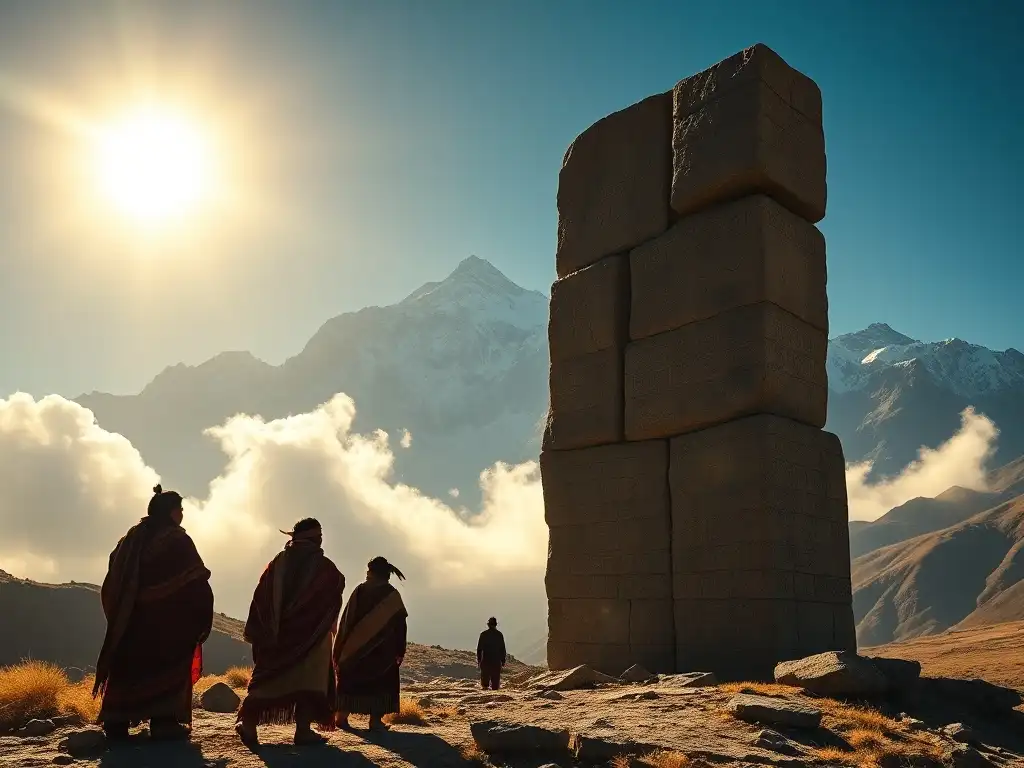
Step into a world lost to time, yet echoing with vibrant stories and enduring mysteries. Journey with us through the captivating realm of the Andean civilizations, where breathtaking artistry and sophisticated technology thrived. Discover the power of ancient narratives, and delve into the enigmatic world of PreIncan myths and legends—tales woven into the very fabric of the Andes. Prepare to be amazed by the rich tapestry of cultures that shaped this extraordinary region; their legacies await your exploration.
- The Art of Storytelling: Unveiling Myths and Legends of the Moche Civilization
- Exploring the Rich Tapestry of Moche Myths and Legends
- Decoding Moche Legends: Insights into their Worldview
- Moche Oral Traditions: Preserving History and Culture
- Case Studies of Specific Moche Myths and Legends
- Conclusion: The Enduring Power of Moche Myths and Legends
-
Frequently Asked Questions
- What are some examples of PreIncan cultures featured in this article?
- How did PreIncan people transmit their myths and legends?
- What are some common themes found in PreIncan myths and legends?
- What role did mythology play in PreIncan societies?
- Where can I learn more about specific PreIncan myths and legends?
- Final Reflection: Weaving the Threads of PreIncan Narratives
- **Unveil the Stories Within! **
The Art of Storytelling: Unveiling Myths and Legends of the Moche Civilization
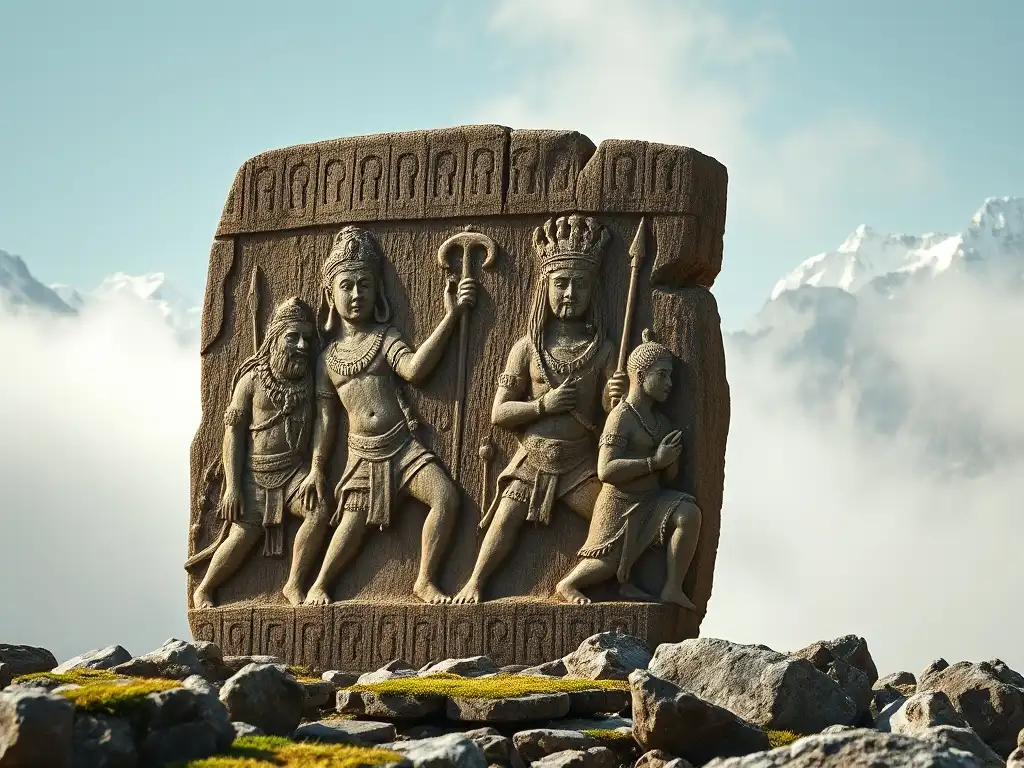
The Andes Mountains, a spine of towering peaks and fertile valleys, cradled a vibrant tapestry of pre-Incan cultures. For millennia, these civilizations—including the Moche, Nazca, Tiahuanaco, and others—developed unique artistic expressions, complex social structures, and rich oral traditions that continue to fascinate and inspire.
This article delves into the captivating world of PreIncan myths and legends, focusing specifically on the powerful narratives that shaped the lives and beliefs of these remarkable societies. We will explore how these stories served not only as entertainment but also as vital tools for transmitting knowledge, preserving cultural identity, and reinforcing social order.
By examining the surviving evidence – from intricate ceramics and textiles to archaeological findings – we can begin to piece together the fragmented narratives and appreciate the enduring power of these ancient tales, offering a glimpse into the minds and hearts of the people who lived in the Andes long before the rise of the Inca Empire. This exploration promises to reveal the profound influence of mythology on the daily lives and societal structures of these fascinating PreIncan cultures.
Introduction to Moche Storytelling Traditions
The Moche civilization (c. 100-800 CE), flourishing along the northern coast of Peru, left behind a remarkable legacy of artistic achievements, particularly in their exquisite ceramics. These aren't simply functional vessels; they are vibrant canvases depicting scenes from daily life, elaborate rituals, and, crucially, powerful mythological narratives. Moche storytelling wasn't confined to pottery, though.
Evidence suggests the use of other media, such as textiles and possibly even oral traditions passed down through generations, although the latter is harder to confirm due to the perishable nature of such evidence. The Moche worldview, as depicted in their art, was deeply intertwined with the natural world, particularly the sea and its bounty, as well as the powerful forces of nature, including storms, floods, and earthquakes. Their myths often involved powerful deities, mythical beings, and epic battles between good and evil, reflecting the challenges and triumphs of their lives in a sometimes harsh and unpredictable environment.
The recurring motifs and characters in their art give us clues to understanding their core beliefs and the importance of storytelling in their society. Analyzing the iconography and composition of these artistic representations helps researchers decipher the complex narratives embedded within these stunning artifacts. For example, the frequent depiction of a decapitated warrior-god suggests a complex mythology surrounding sacrifice and power.
The Significance of Myths in Moche Society
Moche myths served multiple critical functions within their society. They provided a framework for understanding the world, explaining natural phenomena, and establishing social hierarchies. The stories likely reinforced social norms and values, teaching moral lessons and reinforcing the authority of the ruling elite.
The depiction of powerful rulers and their interactions with deities in Moche art suggests a close link between religious authority and political power. These narratives likely legitimized their rule and fostered a sense of unity and shared identity among the Moche people. Furthermore, the detailed representations of rituals and ceremonies in their art suggest that these myths played a central role in religious practices, possibly acting as a guide for conducting ceremonies and understanding the relationship between the human and spiritual realms.
The repetition of certain mythical themes and characters across different artistic mediums suggests their significance and enduring impact on Moche culture. The stories weren't merely entertaining; they were fundamental to maintaining social order, understanding the cosmos, and transmitting cultural knowledge across generations. The complexity of the Moche iconography and the subtle nuances within their artistic representations hint at a rich and nuanced oral tradition, the remnants of which continue to intrigue and inspire researchers today.
Exploring the Rich Tapestry of Moche Myths and Legends
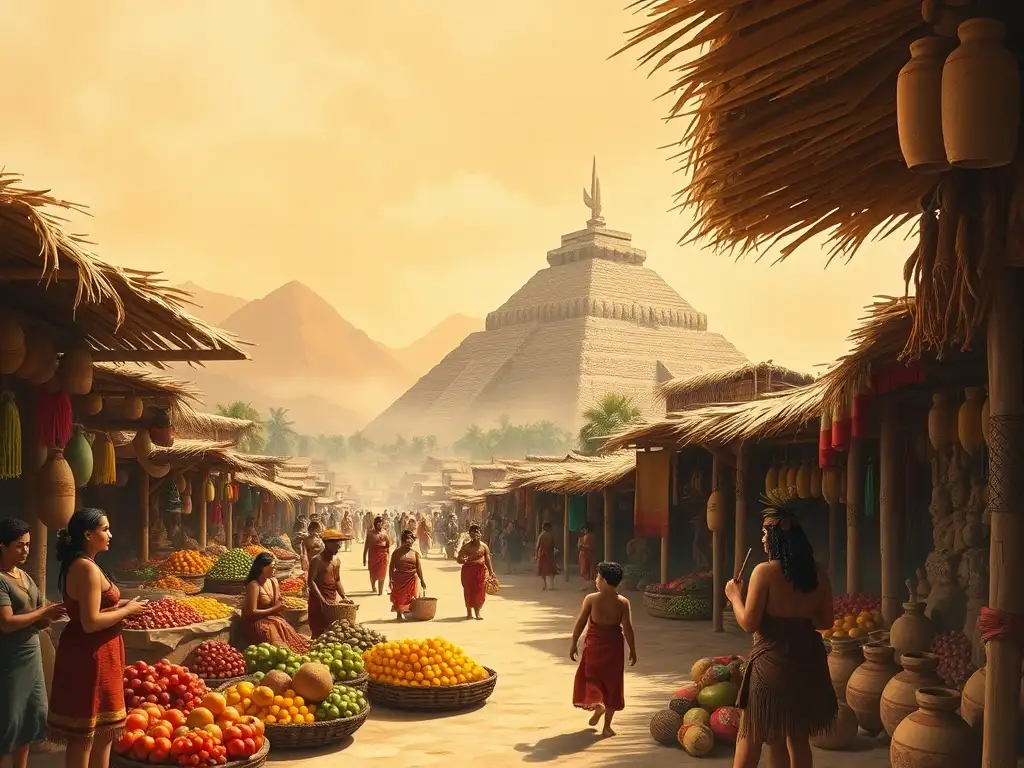
The Moche civilization, flourishing along the northern coast of Peru between 100 and 800 CE, left behind a remarkable legacy not only in their sophisticated irrigation systems and impressive architecture but also in their intricate mythology. Unlike the Incas who left behind extensive written records, our understanding of Moche beliefs comes primarily from their stunning artwork: ceramics, textiles, and monumental architecture. These artifacts offer tantalizing glimpses into a vibrant world of gods, heroes, and supernatural forces, providing rich material for deciphering their "PreIncan myths and legends."
Analyzing these visual narratives allows us to reconstruct, albeit incompletely, their complex cosmology and worldview. The enduring power of these myths continues to resonate, offering valuable insights into the cultural values and social structures of this fascinating civilization.
Creation Myths of the Moche World
The Moche creation myths, as interpreted from their iconography, often depict a world emerging from chaos and water. The ocean played a pivotal role in their cosmology, representing both a source of life and a powerful, unpredictable force.
The Emergence from the Sea
Many Moche ceramic vessels depict scenes of emergence from the sea. These images often feature stylized representations of deities or ancestors rising from the waves, sometimes accompanied by marine creatures. These depictions suggest a creation narrative where life originates from the ocean, mirroring the coastal environment that profoundly shaped Moche society.
The symbolism of the sea as a source of life and renewal is consistent across various Moche artistic representations, reinforcing its central place in their creation myth. Detailed analysis of these representations reveals a nuanced understanding of the ocean's duality – a provider of sustenance and a potential source of destruction, reflecting the Moche people's intimate relationship with the sea.
The Role of Ai Apaec in Shaping the World
Ai Apaec, a fearsome deity often depicted with a fanged mouth and clawed hands, holds a prominent place in Moche mythology. While interpretations vary, Ai Apaec is frequently associated with both creation and destruction, embodying the cyclical nature of life and death. Some scholars suggest Ai Apaec represents the powerful forces of nature, capable of both nurturing life and unleashing devastating events.
Others propose a more complex interpretation, suggesting Ai Apaec's role in the creation myth is tied to the necessary destruction of the old to make way for the new. The ambiguous nature of Ai Apaec's representation underscores the complexity of Moche cosmology and its reflection of the unpredictable forces shaping their lives. Further research is needed to fully understand the intricacies of this deity's role in Moche creation narratives.
Heroic Legends of Moche Culture
Beyond creation myths, the Moche artistic record also portrays heroic figures and epic narratives, often involving warrior-priests and ritual sacrifice. These narratives reveal insights into Moche social structures, power dynamics, and religious beliefs.
Tales of Warrior-Priests and Ritual Sacrifice
Moche pottery frequently depicts scenes of ritual sacrifice, often involving human sacrifice. These scenes are not simply depictions of violence; they are integral to understanding the Moche worldview. The warrior-priests, often depicted in elaborate costumes and adorned with regalia, played a crucial role in these rituals.
These individuals were likely leaders who held both political and religious authority. The sacrifices, while gruesome from a modern perspective, were likely seen as vital to maintaining cosmic order and ensuring the prosperity of the Moche society. The detailed depictions in the pottery provide crucial visual evidence, allowing researchers to analyze the rituals' context, the roles of different participants, and their significance within Moche society.
The Legacy of the Decapitator Figure
A recurring motif in Moche iconography is the "Decapitator," a figure often depicted wielding a knife or club and engaged in the act of decapitation. While the exact meaning remains debated, the Decapitator figure likely represents a powerful force, possibly associated with death, sacrifice, or warfare. Some scholars suggest the figure symbolizes the power of the elite to control life and death, emphasizing the hierarchical structure of Moche society.
Others propose a more complex symbolism, connecting the Decapitator to the cyclical nature of life, death, and regeneration. The prevalence of this figure across different Moche artistic styles suggests its central role in their myths and legends, underscoring its lasting cultural significance. Further research, potentially focusing on comparative analysis with other Andean cultures, is necessary to fully grasp its meaning within the broader context of PreIncan myths and legends.
Decoding Moche Legends: Insights into their Worldview
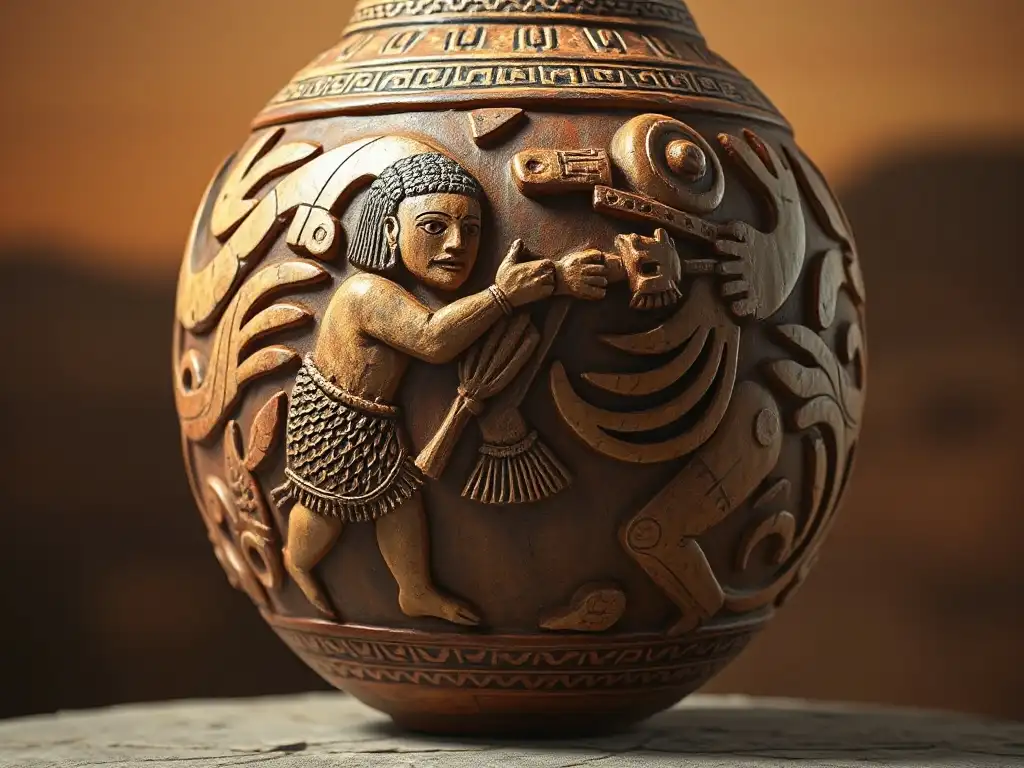
The Moche civilization, flourishing along the northern coast of Peru from approximately 100 CE to 800 CE, left behind a rich legacy of art and artifacts that offer invaluable glimpses into their worldview. Their sophisticated artistry, particularly in pottery, provides a window into their complex mythology and belief system, revealing intricate narratives that intertwine the natural world with the supernatural.
Studying Moche iconography and the surviving remnants of their oral traditions (passed down through generations and interpreted through archaeological findings), allows us to piece together fragments of their fascinating preIncan myths and legends. Unlike other Andean cultures, the Moche didn't leave behind extensive written records, making the interpretation of their art crucial for understanding their beliefs.
Understanding Moche Cosmology Through Myths
The Connection Between the Living, the Dead, and the Divine
Moche cosmology reveals a deep connection between the living, the dead, and the divine. Their myths often depict interactions between humans and supernatural beings, highlighting the cyclical nature of life and death. The frequent depiction of ancestor veneration in Moche pottery suggests a belief in the continued influence of deceased ancestors on the living.
These ancestors, often depicted as powerful figures, were believed to mediate between the human world and the realm of the gods. This interaction is vividly illustrated in numerous ceramic vessels showing scenes of ritual sacrifices, where offerings were likely made to appease or honor these powerful ancestral figures and ensure continued prosperity and good fortune. The precise nature of these interactions remains a subject of ongoing research and debate among scholars, but the evidence clearly points to a sophisticated belief system that integrated the living, the dead, and the divine into a cohesive worldview.
The Importance of Agriculture in Moche Beliefs
Agriculture played a central role in Moche society, and this is reflected in their mythology. The precarious nature of their coastal environment, dependent on irrigation systems and unpredictable weather patterns, likely shaped their beliefs. Many Moche narratives center around the importance of water and fertility, with deities often associated with these crucial elements.
The depiction of agricultural scenes on pottery, such as the planting and harvesting of crops, along with the frequent representation of rain and rivers, underscores the significance of agriculture in their worldview. The success of their agricultural practices was viewed as a direct result of appeasing the gods and honoring the ancestors, further reinforcing the interconnectedness between the human world and the supernatural. The intricate irrigation systems themselves, a testament to their engineering prowess, were likely seen as a means of fostering a harmonious relationship with the divine and ensuring the continued bounty of the land.
Reinforcing Social Hierarchy through Rituals
Moche myths and legends served not only as explanations for the natural world but also played a crucial role in reinforcing social hierarchies. Elaborate rituals, frequently depicted in their artwork, likely reinforced the power and authority of the elite. These rituals, often involving human sacrifice, were likely public spectacles designed to impress upon the populace the power and divine legitimacy of the ruling class.
The elaborate costumes and regalia of the figures depicted in these scenes suggest a carefully constructed hierarchy, with distinct visual cues signifying different social statuses. By controlling the narrative and the performance of these rituals, the elite maintained their position at the top of the social ladder. The careful control and dissemination of these stories—likely through oral tradition, storytelling rituals, and carefully crafted artwork—served as a powerful tool for social control.
Justifying Warfare and Conquest with Legends
The Moche were a militaristic society, and their myths often glorified warfare and conquest. Legends likely served to justify military campaigns and the expansion of their territory. The frequent depiction of battle scenes on pottery, showing warriors engaged in combat, suggests a culture that valued military prowess and celebrated victory. These narratives may have served to inspire loyalty and motivate soldiers, while simultaneously legitimizing the actions of the ruling class in expanding their power and influence.
The detailed depictions of weaponry and military tactics in Moche art provide insights into their military strategies and their beliefs about warfare. The strategic use of these myths and legends likely contributed significantly to the Moche civilization's expansion and dominance along the northern Peruvian coast. Further research into the specific narratives and their contexts is needed to fully understand the role of mythology in justifying Moche military actions.
Moche Oral Traditions: Preserving History and Culture
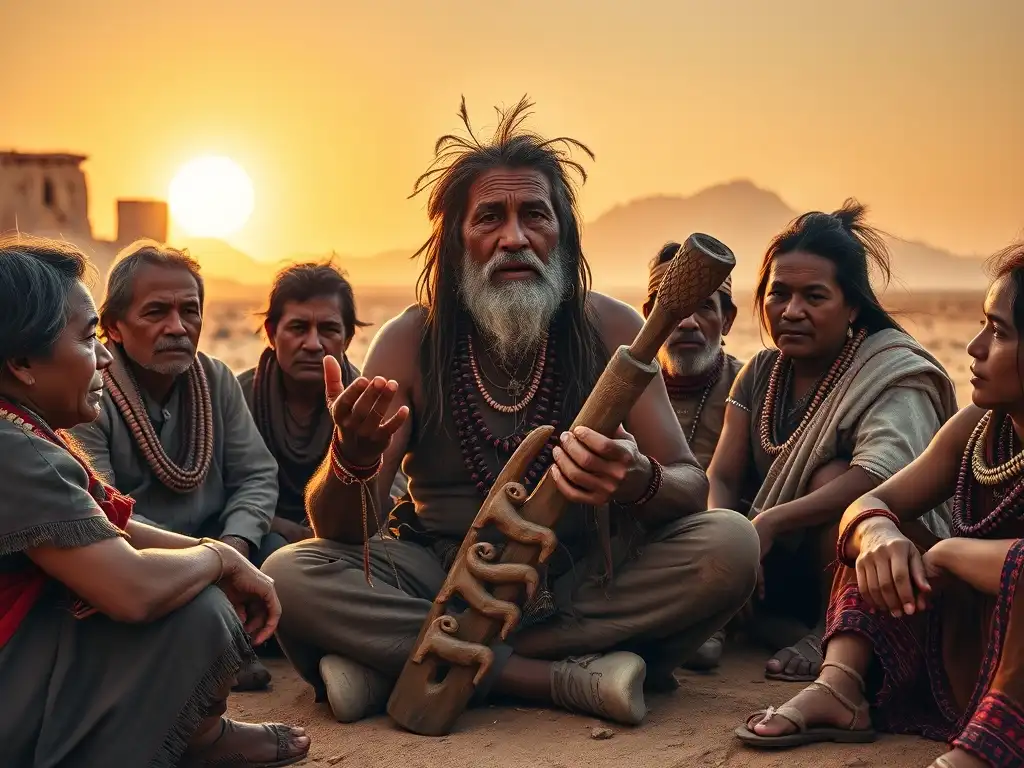
The Moche civilization, flourishing on the northern coast of Peru from approximately 100 CE to 800 CE, lacked a writing system in the conventional sense. This absence, however, doesn't imply a lack of sophisticated methods for preserving and transmitting their history and culture. Instead, the Moche relied heavily on oral traditions, meticulously weaving their myths and legends into the fabric of their daily lives and artistic expressions.
These stories, passed down through generations, formed the bedrock of their worldview, explaining the origins of the cosmos, the nature of humanity, and their relationship with the supernatural. Understanding these oral traditions requires a careful examination of their artistic output, particularly their intricate ceramics and monumental murals. The vibrant colors, dynamic scenes, and symbolic imagery embedded within these artifacts offer invaluable insights into the rich tapestry of Moche beliefs.
The study of Moche art reveals a complex system of narratives, reflecting a sophisticated understanding of storytelling and its societal function. The power of these narratives is evident in their lasting influence on subsequent Andean cultures.
The Transmission of Moche Stories Through Iconography
The Moche weren't simply recording events; they were creating narratives that served practical and symbolic purposes. Their art wasn't just decorative; it was a powerful tool for transmitting knowledge, values, and beliefs. The absence of a written language meant that visual representations became crucial for preserving and disseminating their cultural heritage. This visual storytelling, or iconography, was incredibly effective, encoding complex narratives within seemingly simple images. For example, the recurring motif of a deity wielding a staff might represent a specific myth about the creation of the world or a powerful ancestral figure.
The Role of Ceramics and Murals
Moche ceramics are renowned for their intricate detail and lifelike depictions. From the smallest vessels to the largest portrait jars, the Moche artists painstakingly rendered scenes of daily life, ritual practices, and mythical beings. These ceramics weren't mere containers; they were storytellers, each piece carrying a fragment of a larger narrative.
Similarly, the monumental murals unearthed at Moche sites offer glimpses into their mythology and cosmology. These large-scale paintings, often depicting scenes of warfare, sacrifice, and supernatural encounters, provide a visual record of their beliefs and rituals. The vibrant colors and dynamic compositions of these murals suggest a sophisticated understanding of visual storytelling, making them invaluable sources for understanding Moche oral traditions.
Analyzing the iconography of both ceramics and murals reveals a consistent set of symbols and motifs, indicating a shared understanding and interpretation of their mythology across different artistic mediums. The sheer volume of surviving artifacts underscores the importance of visual communication within Moche society.
The Adaptation of Myths in Different Art Forms
The Moche myths weren't confined to a single artistic medium. They were adapted and reinterpreted across various forms, including textiles, metalwork, and even architecture. This adaptation demonstrates the flexibility and resilience of their oral traditions, highlighting their capacity to evolve and adapt to new contexts.
For instance, a specific myth might be depicted differently on a ceramic vessel than on a textile panel, reflecting the unique characteristics and limitations of each medium. This diversity in artistic representation underscores the importance of considering multiple sources when reconstructing Moche narratives. The consistent recurrence of certain motifs across different art forms, however, suggests a core set of beliefs that remained relatively stable over time, despite the variations in artistic expression.
This adaptation process showcases the dynamic nature of Moche oral traditions and their ability to remain relevant across different generations and contexts. Further research is needed to fully understand the extent of this adaptation across different art forms.
The Influence of Moche Mythology on Later Andean Cultures
The Moche civilization's influence extended far beyond its geographical boundaries and temporal lifespan. Their sophisticated artistic traditions, including their distinctive iconography, served as a source of inspiration for subsequent Andean cultures. Elements of Moche mythology and artistic styles can be traced in the art and religious practices of later cultures, particularly the Chimor and Inca civilizations. This continuity of artistic motifs and symbolic language speaks to the enduring power of Moche oral traditions and their impact on the cultural landscape of the Andes.
Traces of Moche Beliefs in Chimor Art
The Chimor culture, which succeeded the Moche, inherited and adapted many aspects of Moche culture, including their artistic conventions. Chimor artists frequently incorporated Moche iconographic motifs into their own works, reflecting a conscious effort to connect with their predecessors and possibly reaffirm their legitimacy as inheritors of a rich cultural heritage. This continuity is evident in the similarities between Chimor and Moche ceramics, particularly in the depiction of certain deities and mythical creatures.
While Chimor art developed its own distinctive style, the underlying influence of Moche mythology remains undeniable. Further research comparing the iconography of both cultures would clarify the extent of this cultural inheritance.
The Continuity of Iconographic Motifs
The persistence of specific Moche iconographic motifs in later Andean art demonstrates the enduring power of their oral traditions. These motifs, often representing specific deities, mythical creatures, or cosmological concepts, became embedded in the collective consciousness of the Andean peoples. Their continued use in subsequent artistic traditions suggests a deep-seated cultural memory and a shared understanding of the myths and legends they represented.
This continuity of iconographic motifs provides invaluable insights into the transmission of cultural knowledge and the evolution of Andean religious beliefs over centuries. [Specific examples of continuous motifs and their interpretation pending]. The study of these recurring symbols is crucial for understanding the development of Andean mythology and the long-term impact of Moche oral traditions.
Case Studies of Specific Moche Myths and Legends
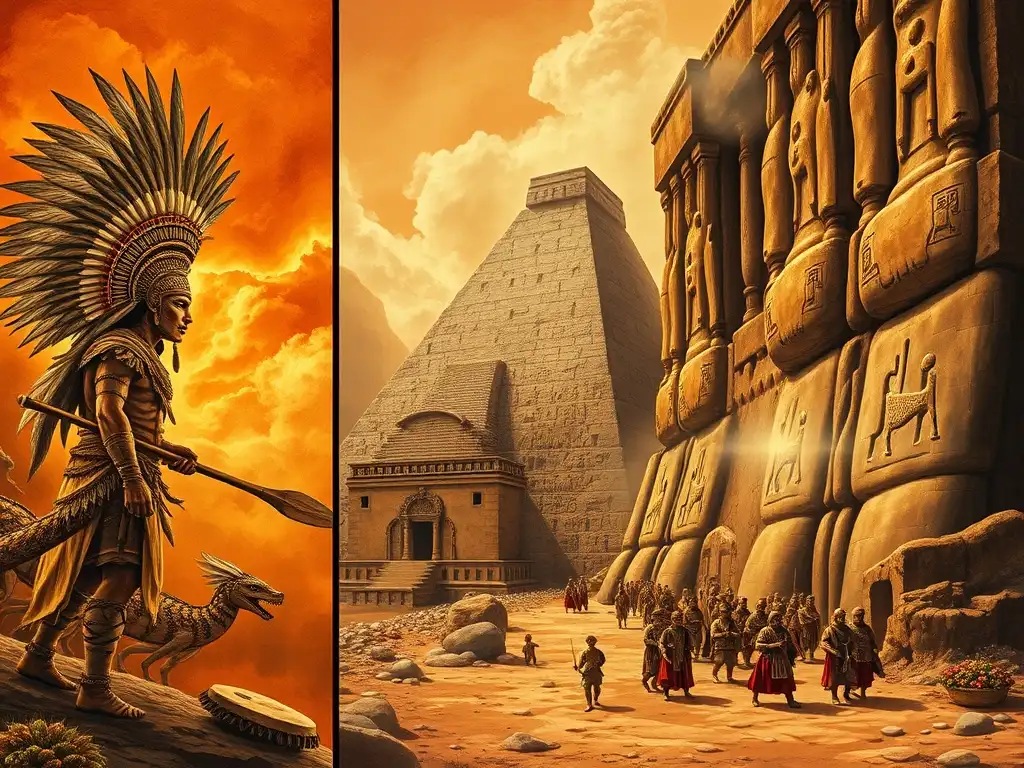
The Moche civilization, flourishing along the northern coast of Peru from approximately 100 CE to 800 CE, left behind a rich tapestry of artistic expression, much of it imbued with complex mythology and legends. Their pottery, in particular, serves as a vibrant window into their worldview, depicting narratives of gods, heroes, and monsters engaged in dramatic conflicts and everyday life. Analyzing these visual stories provides invaluable insights into their beliefs, social structures, and values. Examining specific examples reveals the intricate layers of meaning embedded within their artistic representations and the enduring legacy of these PreIncan myths and legends.
The Myth of the Bean Runner
This captivating Moche myth, frequently depicted on pottery, centers around a seemingly humble character: a bean runner. However, a closer examination reveals a deeper significance beyond the simple act of running.
Analysis of the Narrative and its Symbolism
The narrative typically portrays a swift individual, often depicted with exaggerated features, carrying a large bundle of beans. The beans themselves are likely symbolic, potentially representing fertility, abundance, or even the cyclical nature of life and death. The runner's speed might represent agility, efficiency, or even a spiritual journey.
The repeated depiction in Moche art suggests the narrative held considerable cultural importance. The imagery frequently includes other symbolic elements, such as stylized landscapes and supernatural beings, further enriching the interpretation. Further research into the specific iconography associated with the bean runner could unlock even deeper layers of meaning within the PreIncan myths and legends.
Cultural Significance and Interpretations
Interpretations of the bean runner myth vary. Some scholars suggest it represents a ritualistic act, perhaps connected to agricultural cycles and the worship of deities associated with fertility. Others propose it as an allegory for overcoming obstacles or achieving a specific goal. The lack of written records from the Moche civilization necessitates reliance on artistic interpretations, making the understanding of their PreIncan myths and legends a continuous process of scholarly debate and discovery. The enduring presence of this motif in their art underscores the myth’s enduring cultural relevance.
The Legend of the Ai Apaec’s Battles
The Ai Apaec, a powerful deity frequently featured in Moche iconography, is often depicted engaged in fierce battles against various adversaries. These battles are not simply physical conflicts; they represent cosmic struggles between order and chaos, fertility and destruction.
Exploring the Historical Context
The Ai Apaec's battles are visually stunning, frequently showcasing elaborate weaponry, monstrous creatures, and dramatic scenes of combat. The historical context of these battles remains somewhat elusive, but the imagery suggests a society concerned with maintaining order and dealing with potentially destructive forces, both natural and supernatural. Analyzing the context of these artistic representations within the broader Moche society offers a deeper understanding of their social structures and belief systems. The iconography associated with the Ai Apaec and his battles provides crucial information about the PreIncan myths and legends of the Moche.
The Enduring Impact on Andean Culture
The legend of the Ai Apaec's battles, as depicted in Moche art, has left a lasting mark on Andean culture. While the specific details of the myths might have faded over time, the underlying themes of cosmic conflict and the struggle between opposing forces resonate even today. The imagery of the Ai Apaec continues to inspire artists and scholars alike, demonstrating the enduring power of PreIncan myths and legends to shape cultural identity and inspire artistic expression across centuries. The influence of the Ai Apaec on subsequent Andean cultures is a testament to the rich legacy of Moche mythology.
Conclusion: The Enduring Power of Moche Myths and Legends
The Moche civilization, flourishing on Peru's north coast from roughly 100 CE to 800 CE, left behind a legacy far exceeding their impressive irrigation systems and monumental architecture. Their art, particularly their pottery, serves as a vibrant window into their worldview, revealing complex narratives, intricate social structures, and deeply held beliefs. Understanding their myths and legends isn't merely an academic exercise; it's key to unlocking a profound understanding of this fascinating culture and its lasting impact on subsequent Andean societies.
The Moche's stories, meticulously depicted on their ceramics, aren't simply decorative; they are powerful tools that convey moral lessons, explain natural phenomena, and reinforce societal norms. These narratives, transmitted through generations, offer a glimpse into the very fabric of Moche society, their values, and their relationship with the supernatural world. The detailed depictions of rituals, deities, and mythical creatures provide invaluable insights into their religious beliefs and cosmological understanding.
The survival of these narratives, often fragmented but undeniably potent, speaks volumes about the resilience of cultural memory and the enduring power of storytelling. Analyzing these PreIncan myths and legends allows us to appreciate the sophisticated cognitive abilities and cultural depth of the Moche people.
The Importance of Understanding Moche Narrative Traditions
Understanding Moche narrative traditions is crucial for several reasons. Firstly, it provides a deeper understanding of their social structure. The recurring motifs and characters depicted in their art often reflect hierarchical relationships, power dynamics, and societal roles.
For example, depictions of warriors, priests, and rulers offer valuable insights into the organization and functioning of Moche society. Secondly, studying their myths and legends helps us comprehend their religious beliefs and practices. The iconography prevalent in their pottery reveals a pantheon of deities, often associated with specific natural forces or aspects of the Moche worldview.
Analyzing these representations allows for a more nuanced understanding of their ritual practices, sacrifices, and beliefs surrounding the afterlife. Finally, preserving and interpreting these narratives contributes to a more complete picture of PreIncan cultural development in the Andean region. The Moche's unique artistic style and mythological themes influenced subsequent cultures, demonstrating a clear continuity in Andean artistic and narrative traditions.
Preserving and Celebrating the Cultural Heritage of the North Coast of Peru
The preservation and celebration of Moche cultural heritage are paramount for several reasons. Firstly, it ensures the continuity of a rich and complex cultural legacy. These myths and legends are not merely historical artifacts; they are living narratives that continue to resonate with contemporary Peruvian communities. Efforts to document, translate, and interpret these stories help ensure their survival for future generations.
Secondly, preserving this heritage fosters a sense of cultural identity and pride among Peruvians, particularly those living along the north coast. Understanding the achievements and beliefs of their ancestors strengthens their connection to the past and enriches their present. Thirdly, the study and appreciation of PreIncan myths and legends contribute to a broader understanding of human history and cultural diversity. The Moche civilization's unique contributions to art, mythology, and technology enrich our collective understanding of the human experience and the development of complex societies.
Active preservation efforts, including archaeological research, museum exhibitions, and educational programs, are essential to ensuring that the legacy of the Moche continues to inspire and educate people worldwide. This includes promoting responsible tourism that respects the archaeological sites and the cultural sensitivities of the local communities. The ongoing research and documentation of Moche myths and legends are not only academic pursuits but also vital steps in safeguarding a precious piece of Peru's, and indeed humanity's, cultural heritage.
Frequently Asked Questions
What are some examples of PreIncan cultures featured in this article?
This article explores the myths and legends of several PreIncan civilizations, including the Moche, Nazca, and Tiahuanaco. Their unique stories offer valuable insights into their beliefs and worldview.
How did PreIncan people transmit their myths and legends?
PreIncan cultures primarily used oral traditions to pass down their stories. These narratives were often interwoven with religious ceremonies, art, and daily life.
What are some common themes found in PreIncan myths and legends?
Common themes include nature worship, ancestor veneration, and creation myths. Many stories explain the origins of the world, their society, and natural phenomena.
What role did mythology play in PreIncan societies?
Mythology played a crucial role in shaping social structures, guiding behavior, and explaining the world. It served as a powerful tool for maintaining social order and cultural identity.
Where can I learn more about specific PreIncan myths and legends?
This article provides a starting point, but you can explore further through academic research, museum exhibits, and books focused on Andean archaeology and anthropology. Many resources delve deeper into specific cultures and their narratives.
Final Reflection: Weaving the Threads of PreIncan Narratives
The enduring power of PreIncan myths and legends resonates deeply with our modern world, offering invaluable insights into the human condition and the enduring search for meaning. These stories, passed down through generations, are not mere relics of the past; they are vibrant tapestries woven from the threads of human experience, echoing themes of creation, sacrifice, and the cyclical nature of life that continue to shape our understanding of ourselves and the universe.
The exploration of these narratives has profoundly impacted my own understanding of cultural heritage and the importance of preserving oral traditions. These stories, often imbued with a potent blend of the sacred and the mundane, offer a window into a worldview vastly different from our own, yet surprisingly relatable. Myth is the ultimate expression of the human need to make sense of the world.
This quote perfectly encapsulates the enduring relevance of PreIncan mythology, highlighting its ability to illuminate the fundamental human quest for understanding and meaning.
Consider the echoes of these ancient tales in your own life. How do the themes of resilience, community, and the interconnectedness of nature, so prevalent in PreIncan myths, resonate with your own experiences? I urge you to delve deeper, to explore these narratives further, and to consider the ways in which these ancient voices can enrich your understanding of the world and your place within it. Let the wisdom of the past illuminate your path towards a more meaningful future.
**Unveil the Stories Within! **
Thank you for exploring the captivating world of Pre-Incan cultures with us! Discovering the myths and legends in this article is a wonderful first step towards understanding the rich narratives that shaped these ancient civilizations. Now, let's delve even deeper.
Here are some ways to continue your journey:
- **Engage with Local Legends:** Visit a museum or cultural center featuring Andean civilizations. Immerse yourself in their art and artifacts to gain a deeper understanding of their culture and beliefs.
- **Share Your Insights:** Discuss your newfound knowledge with friends and family; you might spark a shared interest in these fascinating myths!
- **Create Your Own Story:** Let the myths inspire you! Write a short story or poem incorporating the themes and imagery that resonated most with you.
Which stories or legends captivated you the most, and why? We'd love to hear your thoughts!