
A Tapestry of Techniques: The Diversity of Construction Methods in the Andes

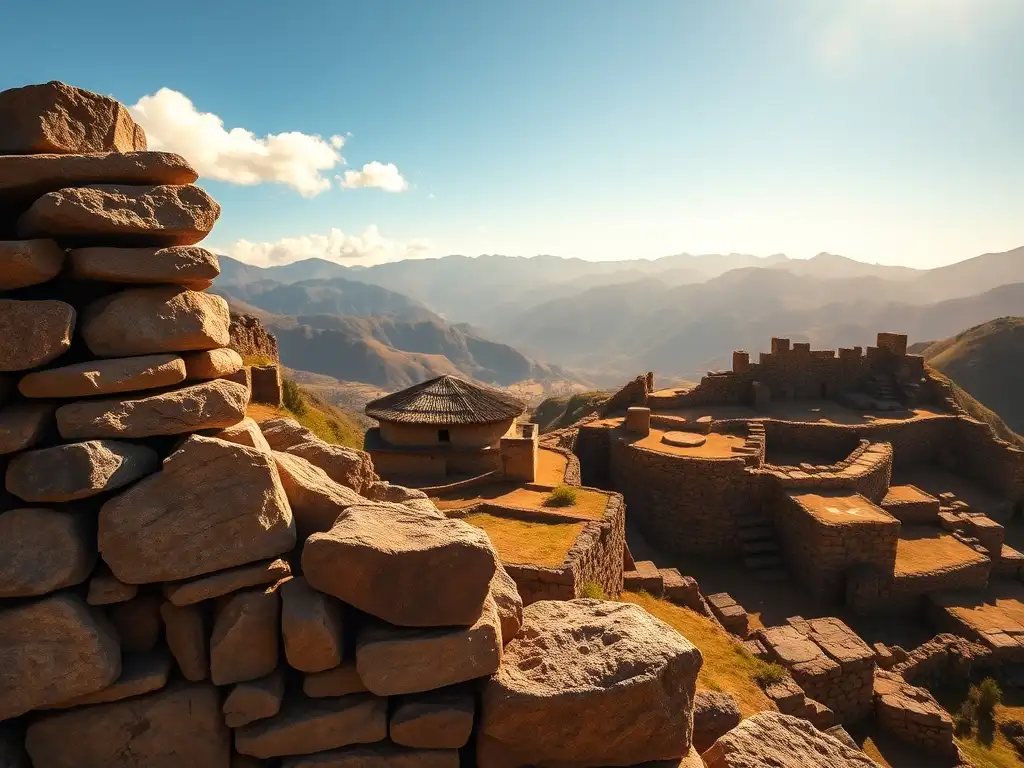
Welcome to Andean Civilizations, where the echoes of a lost world resonate with breathtaking artistry and ingenuity. Prepare to be captivated by the intricate tapestry of Andean cultures, each leaving an indelible mark on history. But first, consider this: how did these ancient societies, without modern tools, erect structures that still inspire awe today? Delve into the mysteries of Andean construction techniques and uncover the secrets behind their remarkable architectural achievements in our feature article, "A Tapestry of Techniques: The Diversity of Construction Methods in the Andes." Begin your exploration now – the wonders of the Andes await.
-
Andean Construction Techniques: A Tapestry of Methods
- Introduction to Andean Building Practices
- Diverse Materials in Ancient Andean Architecture
- Key Andean Construction Methods
- Regional Variations in Andean Construction
- Inca Construction: Masters of Stone Engineering
- Pre-Inca Construction Techniques: Foundations of Andean Architecture
- The Importance of Labor and Organization
- The Legacy of Andean Building Techniques
-
Frequently Asked Questions
- What makes Andean construction techniques so unique?
- How did the Incas contribute to Andean construction?
- What materials were commonly used in Andean construction?
- Were there significant differences between Andean construction styles across different cultures?
- How did Andean builders overcome geographical challenges?
- Final Reflection: Weaving a Legacy of Andean Ingenuity
- Unveil Your Andean Construction Journey!
Andean Construction Techniques: A Tapestry of Methods
The Andes Mountains, a spine of towering peaks stretching along the western coast of South America, were home to a dazzling array of pre-Columbian civilizations. These cultures, including the Inca, Moche, Nazca, and Tiahuanaco, not only thrived in this challenging environment but also developed remarkably sophisticated construction techniques, adapting their methods to the unique geological and climatic conditions they faced. This article delves into the diverse building practices employed by these ancient Andean societies, exploring the materials they used, the ingenuity of their designs, and the lasting legacy of their architectural achievements.
Understanding these Andean construction techniques provides a crucial window into their societal structures, technological advancements, and spiritual beliefs. We'll examine the remarkable ingenuity and adaptability displayed in their construction methods, revealing a tapestry woven from stone, adobe, wood, reeds, and earth – a testament to human resilience and innovation.
Introduction to Andean Building Practices
Andean construction wasn't simply about erecting structures; it was a deeply interwoven process reflecting spiritual beliefs, social organization, and environmental awareness. The choice of building materials and techniques varied considerably across different regions and cultures, influenced by factors such as altitude, climate, and the availability of resources. For example, the high-altitude regions often saw the prevalence of stone construction due to its durability and resistance to harsh weather, while lower altitudes might have favored adobe brick due to its ease of production.
The builders demonstrated a profound understanding of engineering principles, incorporating sophisticated techniques to ensure stability and longevity, even in seismically active zones. Their methods often involved intricate stonework, precise fitting of blocks, and the use of innovative binding agents.
This section provides a foundational overview of these practices before we delve into specific materials and techniques. The impact of these techniques is still felt today, influencing modern construction practices in the region and inspiring awe in those who study them.
Diverse Materials in Ancient Andean Architecture
The remarkable diversity of materials used in Andean construction reflects the ingenuity and adaptability of its builders. The choice of materials was largely dictated by geographical location and availability, yet the resulting structures reveal a consistent mastery of construction techniques. Let's explore some of the key materials and their applications.
Stone as a Primary Building Material
Stone was a ubiquitous material in Andean construction, particularly in the higher altitudes where its durability and resistance to weathering were essential. The Andes boast an abundance of diverse stone types, and builders expertly selected and shaped these materials to create stunning structures. From the precisely fitted stones of Machu Picchu to the monumental structures of Tiahuanaco, the artistry and engineering involved are breathtaking.
Techniques such as dry-stone masonry (without mortar) were highly developed, demonstrating a sophisticated understanding of structural mechanics and the properties of stone. The precision of the cuts and the careful placement of each stone ensured exceptional stability, even in areas prone to earthquakes. 👷🏽♂️ The use of different types of stone, including andesite, granite, and basalt, further reflects the builders' knowledge of local geology and material science.
Adobe Brick Construction in the Andes
In lower altitudes, adobe brick became a prominent building material. This sun-dried brick, made from a mixture of clay, sand, and water, was readily available and relatively easy to produce. Adobe construction allowed for greater flexibility in design and was well-suited to warmer climates. The builders often incorporated intricate designs and decorative elements into their adobe structures, showcasing their artistic skills. 🧱 However, the vulnerability of adobe to water damage necessitated careful planning and construction techniques to ensure the longevity of the buildings. The use of protective coatings and strategic placement of structures were crucial considerations.
Use of Other Materials: Wood, Reeds, and Earth
While stone and adobe were dominant, other materials played significant roles in Andean construction. Wood, primarily from local species, was used for beams, roofing, and other structural elements. Reeds, especially totora, were extensively utilized in coastal regions for constructing houses and boats. Earth, either rammed earth or mixed with other materials, formed the basis of many walls and foundations.
The combination of these materials, often used in conjunction with stone or adobe, reflects a holistic approach to construction, maximizing the use of readily available resources and demonstrating a deep understanding of their properties. This resourceful use of diverse materials showcases the adaptability and resourcefulness of Andean builders. 🌱
Key Andean Construction Methods
Andean construction techniques, a testament to the ingenuity of ancient Andean civilizations, showcase a remarkable diversity of methods adapted to the challenging geography and varied climates of the region. Mastering these techniques allowed these societies to create impressive structures that have endured for centuries, a legacy visible in the monumental architecture still standing today. From the meticulous precision of ashlar masonry to the ingenious adaptation of readily available materials in pirca construction, the Andean builders demonstrated a deep understanding of engineering principles and a remarkable ability to innovate.
The variety of techniques employed reflects not only the different materials available across the vast Andean landscape but also the unique challenges posed by altitude, climate, and terrain. Understanding these techniques is crucial to appreciating the sophistication and resilience of Andean civilizations. The following sections will delve into some of the key methods employed.
Ashlar Masonry: Precision and Durability
Ashlar masonry, characterized by the use of precisely cut and shaped stones, represents the pinnacle of Andean construction skill. This technique, evident in sites like Machu Picchu and Sacsayhuamán, involved quarrying large blocks of stone, often andesite or granite, and meticulously shaping them to fit together without mortar. The astonishing precision of the cuts, with some stones fitting so tightly that a knife blade cannot be inserted between them, speaks volumes about the advanced understanding of geometry and engineering possessed by Andean builders.
The durability of ashlar masonry structures is remarkable, with many surviving centuries of earthquakes and weathering. The intricate joints, often interlocking and dovetailed, further enhanced the structural integrity, allowing these buildings to withstand significant seismic activity.
The creation of such structures required immense organizational skill, detailed planning, and a highly skilled workforce. Evidence suggests that sophisticated tools, including copper chisels and mallets, were employed in the shaping and placement of these massive stones.
Fieldstone Construction: Utilizing Unshaped Stones
In contrast to the precision of ashlar masonry, fieldstone construction utilized readily available, unshaped stones. This method, more common in less monumental structures, involved selecting stones of various sizes and shapes and assembling them into walls using a mud or clay mortar. While not as visually striking as ashlar masonry, fieldstone construction was a highly practical and efficient method, particularly in regions where quarrying large, uniform stones was difficult or impractical.
The use of mortar provided structural cohesion, and the irregular shapes of the stones contributed to the stability of the walls. This technique was widely employed in residential buildings, agricultural structures, and smaller religious edifices throughout the Andes. The availability of local stone and the relative simplicity of the technique made it suitable for a wide range of building projects across different regions and socioeconomic groups.
Pirca: Dry Stone Wall Construction Techniques
Pirca, a dry stone wall construction technique, is notable for its absence of mortar. This method, widely practiced throughout the Andes, involved carefully selecting and placing stones to create strong, stable walls. The success of pirca relies on the skillful fitting of stones of varying sizes and shapes, creating a structure that interlocks and supports itself without the need for binding agents. This technique demanded a deep understanding of stone properties and gravity, as well as considerable patience and skill.
The walls often followed the contours of the land, creating terraces and retaining walls that were essential for agriculture in the mountainous terrain. The effectiveness of pirca is evident in its widespread use and the longevity of many structures built using this method. The technique remains relevant even today, demonstrating its practicality and enduring value.
The Use of Terraces in Andean Architecture
Terracing is a defining characteristic of Andean agriculture and architecture. These stepped platforms, carved into hillsides, served not only to expand arable land but also to control water flow and reduce soil erosion. The construction of terraces required a sophisticated understanding of hydrology and engineering, as well as immense labor.
The terraces were often built using a combination of ashlar masonry, fieldstone construction, and pirca, depending on the specific location, available materials, and the intended function. The scale and precision of some terrace systems are breathtaking, demonstrating the remarkable organizational capacity and engineering prowess of Andean societies. The terraces were integral to the survival and prosperity of Andean communities, providing fertile land for crops and enhancing the resilience of agricultural systems in challenging environments.
Regional Variations in Andean Construction
The diverse geography of the Andes resulted in regional variations in construction techniques. The availability of different materials, climatic conditions, and local traditions all influenced the building methods employed in different areas.
Coastal Construction Techniques: Adapting to the Desert
Coastal regions of the Andes presented unique challenges for construction, primarily due to the arid climate and the scarcity of suitable building materials. Builders often utilized adobe bricks, made from sun-dried mud and straw, a material well-suited to the dry conditions. The use of reeds and other readily available plant materials was also common. Structures were often designed to minimize exposure to the sun and maximize ventilation, reflecting a deep understanding of the local climate. The construction techniques adapted to the coastal environment demonstrate the ingenuity of Andean builders in responding to the specific demands of their surroundings.
Highland Building Methods: Resilience to the Environment
Highland construction methods prioritized resilience to the harsh conditions of the high Andes, including extreme temperatures, strong winds, and frequent earthquakes. Ashlar masonry, with its inherent strength and stability, was favored in many highland regions. The use of locally sourced stone, such as andesite, granite, and limestone, was crucial. The precise fitting of stones and the incorporation of earthquake-resistant design principles ensured the longevity of structures in these challenging environments. Building designs often incorporated features to minimize wind exposure and maximize solar gain, reflecting a deep understanding of the local climate and its impact on building performance.
Amazonian Construction Approaches: Using Local Resources
The Amazonian region of the Andes presented a different set of challenges and opportunities for construction. The abundance of timber and other readily available plant materials led to the development of distinctive building techniques. Wood, often combined with clay and thatch, was a primary building material. The construction of houses and other structures often incorporated raised platforms to protect against flooding and insects. The design and construction methods reflected a deep understanding of the Amazonian environment and its unique characteristics. The use of sustainable materials and construction techniques demonstrates the environmental awareness of Amazonian builders.
Inca Construction: Masters of Stone Engineering
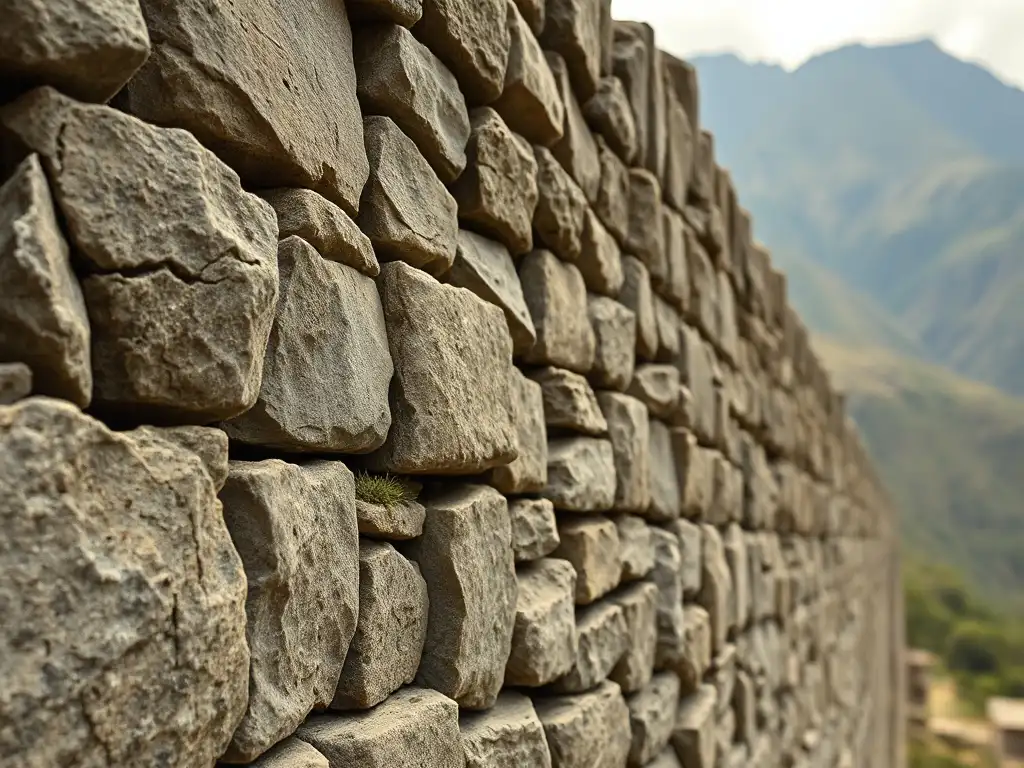
The Inca Empire, spanning a vast territory across the Andes Mountains, is renowned for its impressive feats of engineering. Their mastery of stonework is particularly striking, evident in the precise fitting of massive stones without the use of mortar. This sophisticated technique, refined over centuries, allowed them to build structures that have withstood the test of time and the ravages of earthquakes. The Inca's understanding of engineering principles, including load-bearing structures and seismic resistance, was far advanced for its time.
Their ability to adapt to diverse terrains and climates is another testament to their engineering prowess. They skillfully incorporated natural features into their constructions, minimizing environmental impact and maximizing structural integrity. The Inca's legacy in stone engineering continues to inspire awe and wonder, showcasing a remarkable blend of artistry and functionality. Their approach wasn't simply about building structures; it was about integrating them seamlessly into the landscape.
Inca Masonry Techniques: Polished Stones
Inca masons achieved an unparalleled level of precision in their work. Their signature technique involved fitting stones so tightly together that a knife blade could not be inserted between them. This level of accuracy wasn't just aesthetic; it significantly enhanced the structural strength and stability of their buildings.
The stones, often meticulously shaped and polished, were carefully selected and placed to create interlocking patterns. This intricate system of interlocking blocks allowed the structures to withstand significant seismic activity. Evidence suggests that the Incas used various tools, including copper chisels and hammers, to shape and refine the stones.
The process was undoubtedly labor-intensive, requiring considerable skill and coordination among the masons. The resulting structures, from grand temples to modest dwellings, stand as a testament to the Inca's dedication to craftsmanship and engineering excellence. The precision of Inca masonry continues to be a source of fascination and study for engineers and archaeologists alike.
The Inca Infrastructure: Roads and Bridges
Beyond their impressive urban centers, the Inca Empire boasted an extensive network of roads and bridges, a testament to their logistical prowess and understanding of infrastructure development. These roads, spanning thousands of kilometers across challenging terrain, facilitated trade, communication, and military movements. The construction of these roads required significant engineering skill, particularly in mountainous regions where steep slopes and treacherous terrain posed considerable challenges.
The Incas employed various techniques, including the construction of retaining walls and terraces, to stabilize slopes and create level pathways. Their bridges, often constructed from stone, wood, and rope, were remarkable feats of engineering, spanning deep ravines and fast-flowing rivers. These infrastructure projects were not only functional but also crucial for maintaining the stability and unity of the vast Inca Empire.
The scale and sophistication of the Inca road system highlight their advanced understanding of logistics and civil engineering. [Specific examples of Inca bridges and road segments pending]
Inca Urban Planning: Designing Cities and Settlements
Inca urban planning demonstrates a sophisticated understanding of urban design and social organization. Their cities, such as Cusco, were meticulously planned, with a complex network of streets and canals that facilitated efficient movement and resource management. The layout often incorporated the natural topography, adapting to the contours of the land rather than imposing rigid geometric patterns.
The placement of buildings, temples, and plazas reflected a hierarchical social structure, with the most important structures situated prominently within the urban landscape. Inca cities were not simply collections of buildings; they were carefully designed environments that reflected the Inca worldview and social organization. The integration of agriculture within urban areas ensured food security and self-sufficiency.
The detailed planning and execution of Inca urban settlements demonstrates a remarkable understanding of urban design principles, far exceeding what was common in other contemporary societies. [Specific examples of Inca urban planning principles and their application in different cities pending]
Pre-Inca Construction Techniques: Foundations of Andean Architecture
Before the Inca Empire, a rich tapestry of Andean civilizations developed sophisticated construction techniques that laid the groundwork for later Inca achievements. These earlier cultures, including the Moche, Nazca, and Tiahuanaco, each possessed unique architectural styles and methods reflecting their distinct environments and societal structures. Their innovations in stonework, earthworks, and irrigation systems profoundly influenced subsequent Andean construction.
Understanding their techniques provides crucial context for appreciating the later Inca achievements, showcasing a continuous evolution of building practices across centuries. The legacy of these pre-Inca builders is woven into the fabric of Andean architecture, a testament to the ingenuity and adaptability of ancient Andean societies.
Moche Pyramids: Construction and Function
The Moche civilization, known for its elaborate artistry and sophisticated social organization, constructed impressive adobe pyramids. These monumental structures served both religious and administrative functions, often located at the centers of Moche settlements. The construction involved the meticulous layering of sun-dried bricks (adobe), creating massive structures that could withstand the harsh coastal climate. The pyramids' design, often incorporating ramps and platforms, facilitated ceremonial processions and public gatherings.
The construction process required significant labor and organizational skills, reflecting the Moche's ability to mobilize large-scale workforce. The pyramids' intricate internal structures and associated features indicate a sophisticated understanding of construction and design principles, demonstrating the Moche's advanced engineering capabilities. [Specific examples of Moche pyramid construction techniques and their unique features pending]
Tiahuanaco Architecture: Monumental Stone Structures
The Tiahuanaco culture, flourishing in the Altiplano region, is renowned for its monumental stone structures, including the iconic Puerta del Sol (Sun Gate). Their mastery of stonework, evident in the precise cutting and fitting of massive blocks, showcases advanced engineering skills. The construction techniques employed involved sophisticated quarrying, transport, and assembly methods, considering the massive size and weight of the stones used. The precise alignments and intricate carvings demonstrate a deep understanding of astronomy and cosmology.
The construction of these structures likely required a highly organized society, capable of mobilizing large numbers of people and resources. The enduring legacy of Tiahuanaco architecture highlights the impressive engineering capabilities and sophisticated societal organization of this pre-Inca civilization. The sheer scale of their constructions continues to inspire awe and wonder, even today.
Nazca Lines: Earthworks and Their Creation
The Nazca Lines, enigmatic geoglyphs etched into the desert landscape, represent a unique form of Andean construction. These massive earthworks, created by removing the dark surface layer of the desert to reveal the lighter subsoil, depict various figures, including animals, plants, and geometric patterns. Their creation involved meticulous planning and execution, requiring a deep understanding of the terrain and the use of simple tools. The scale of the lines and the precision of their execution remain a source of ongoing debate and research.
The purpose of the Nazca Lines remains a mystery, with various theories suggesting astronomical, religious, or ritualistic significance. Regardless of their intended purpose, their creation represents a remarkable feat of earthwork engineering, showcasing the Nazca's ingenuity and organizational capabilities. The sheer scale and precision of the Nazca Lines serve as a testament to the advanced skills and collective effort of the Nazca civilization.
The Importance of Labor and Organization
The success of Andean construction projects, from monumental structures like Machu Picchu to intricate irrigation systems, hinged critically on effective labor organization and management. The sheer scale of these undertakings necessitates a deep dive into the logistical and social mechanisms that made them possible. We're not just talking about moving massive stones; we're talking about coordinating the efforts of potentially thousands of individuals over extended periods. This wasn't simply a matter of brute force; it required sophisticated planning, resource allocation, and a strong sense of communal purpose.
The intricate interplay between these factors is key to understanding the achievements of Andean builders. The level of precision and the sheer volume of work completed speak volumes about their organizational prowess, far surpassing what many contemporary societies could achieve with similar resources. This organizational skill was not just about logistics; it was deeply embedded in their social structure and worldview.
Communal Labor in Andean Construction
A cornerstone of Andean construction was the mita, a system of obligatory labor service. While often associated with Inca rule, similar systems existed in earlier Andean societies. The mita wasn't simply forced labor; it was a socially integrated system that contributed to the collective good. Individuals fulfilled their obligations, contributing to projects that benefited the entire community.
This system ensured a consistent workforce for large-scale projects, and it fostered a sense of shared responsibility and collective identity. The mita was not without its complexities and potential for exploitation, but its effectiveness in mobilizing labor for monumental construction projects is undeniable. Further research into regional variations of the mita system and its impact on different Andean societies would enrich our understanding of its role in construction.
Specialized Craftsmen: Stonemasons and Architects
Beyond the organized labor force, Andean societies boasted highly skilled specialists. Stonemasons, in particular, achieved remarkable feats of precision, fitting stones together with minimal mortar, creating incredibly strong and durable structures. Their expertise in quarrying, shaping, and placing massive stones was crucial to the success of Andean architecture.
Evidence suggests a sophisticated understanding of engineering principles, allowing them to build structures that withstood earthquakes and other natural disasters. Similarly, architects, though their roles might have been less formally defined than in later societies, played a crucial role in planning and overseeing these massive projects. Their knowledge of surveying, design, and construction management was essential to the successful execution of these ambitious undertakings.
Social Hierarchies and Construction Projects
The social hierarchy of Andean societies played a significant role in shaping construction projects. Elite classes likely played a crucial role in planning and overseeing major projects, while commoners provided the bulk of the labor force. This hierarchical structure ensured the mobilization of resources and the coordination of labor, but it also raises questions about the distribution of benefits and the potential for exploitation.
Further research is needed to fully understand the dynamics of power and labor relations within Andean construction projects. Understanding the role of different social groups and their contributions to the construction process will provide a more nuanced perspective on the organization and execution of these remarkable feats of engineering.
The Legacy of Andean Building Techniques
The ingenuity and resilience of Andean construction techniques continue to inspire awe and admiration centuries later. The methods employed by these ancient civilizations not only resulted in impressive structures but also offer valuable lessons for contemporary construction practices. The legacy of their accomplishments extends beyond mere historical interest; it holds practical implications for modern engineering and architectural design. Analyzing these ancient methods can lead to innovations in sustainable construction and disaster-resistant building designs.
Modern Applications of Traditional Methods
Several modern construction practices draw inspiration from Andean techniques. The use of dry-stone masonry, for example, is experiencing a resurgence as a sustainable and environmentally friendly building method. The precision and durability of ancient Andean structures demonstrate the potential of this technique for creating long-lasting and aesthetically pleasing buildings. Furthermore, the understanding of Andean principles of site selection, foundation construction, and integration with the natural environment can inform contemporary sustainable building practices. Specific examples of modern projects incorporating these techniques would strengthen this section.
Preservation of Andean Architectural Heritage
The preservation of Andean architectural heritage is crucial for understanding the past and informing the future. Many ancient sites face threats from natural disasters, human activity, and the passage of time. Effective preservation strategies are essential to protect these invaluable resources and ensure their continued accessibility for future generations. These strategies must incorporate both traditional and modern techniques, balancing the needs of preservation with the desire to minimize disruption to the historical integrity of the sites. More detailed information on specific preservation projects and their challenges would enhance this section.
Studying Andean Construction for Future Innovations
The study of Andean construction techniques offers a wealth of opportunities for future innovations in building design and engineering. By analyzing the materials, methods, and organizational structures employed by these ancient civilizations, we can gain valuable insights into sustainable, resilient, and efficient construction practices. Further research into the specific engineering principles underlying Andean constructions could lead to breakthroughs in fields such as earthquake-resistant design and resource-efficient building materials. Examples of ongoing research exploring these aspects and their potential applications would greatly enhance this analysis.
Frequently Asked Questions
What makes Andean construction techniques so unique?
Andean construction techniques were remarkably innovative, employing advanced stonework, precise fitting, and adaptability to diverse terrains. They developed sophisticated methods for building on challenging landscapes, showcasing impressive engineering skills.
How did the Incas contribute to Andean construction?
The Incas mastered large-scale projects like impressive road networks and monumental structures like Machu Picchu. Their techniques involved precisely cut stones fitted together without mortar, showcasing remarkable craftsmanship and organizational skills.
What materials were commonly used in Andean construction?
Stone was the primary material, often quarried and transported over long distances. Other materials included adobe bricks, wood, and thatched roofs, depending on the region and the specific structure. The choice of materials reflected both availability and building purpose.
Were there significant differences between Andean construction styles across different cultures?
Yes, while there were shared principles, each culture—Inca, Moche, Nazca, Tiahuanaco—had unique styles. For instance, the Nazca lines demonstrate advanced land surveying, while Tiahuanaco is known for its monumental megalithic architecture.
How did Andean builders overcome geographical challenges?
Andean builders demonstrated ingenuity in adapting to the steep slopes and seismic activity of the Andes Mountains. They employed techniques like terracing and carefully placed foundations to ensure stability and prevent collapses.
Final Reflection: Weaving a Legacy of Andean Ingenuity
The ingenious construction methods of the Andes, far from being relics of the past, offer vital lessons for sustainable building practices in the present. These techniques, honed over millennia in response to challenging environments and resource limitations, represent a powerful counterpoint to the often unsustainable practices of modern construction. Their enduring relevance is undeniable, demanding our attention and respect.
The impact of Andean construction on the cultural and social landscape is profound, extending far beyond the physical structures themselves. These methods are deeply intertwined with the Andean worldview, reflecting a harmonious relationship with nature and a deep understanding of local materials. Their continued use in many communities speaks to their enduring value and resilience. The mountains are not just stone; they are our ancestors, our teachers, and our home.
This sentiment encapsulates the spiritual and practical connection between Andean people and their built environment, a connection that modern construction often overlooks.
Consider the ingenuity of these techniques, their adaptability, and their inherent sustainability. You, the reader, are now equipped with a deeper understanding of the rich tapestry of Andean construction. Let this knowledge inspire you to question current practices, to seek more sustainable and responsible approaches to building, and to appreciate the wisdom embedded within traditional methods. The legacy of Andean ingenuity is not just a historical record; it is a blueprint for a more harmonious and sustainable future.
Unveil Your Andean Construction Journey!
Thank you for exploring the fascinating world of Andean construction methods! We hope you've discovered the rich diversity and ingenuity of these ancient techniques. Now, let's delve deeper into this captivating heritage.
- Participate in a hands-on workshop: Learn traditional Andean construction methods by finding or organizing a local workshop. This immersive experience will provide invaluable insight.
- Share your knowledge: Discuss how these ancient techniques can inspire modern, sustainable building practices with friends, family, or online communities. Your insights could spark innovative solutions!
- Explore further: Visit an Andean archaeological site, either in person or virtually, to witness these remarkable construction marvels firsthand. It's an unforgettable experience.
What aspect of Andean construction most captivates you, and how do you see these techniques informing sustainable building practices today?