
How the Incas Used Terraces to Maximize Food Production and Storage

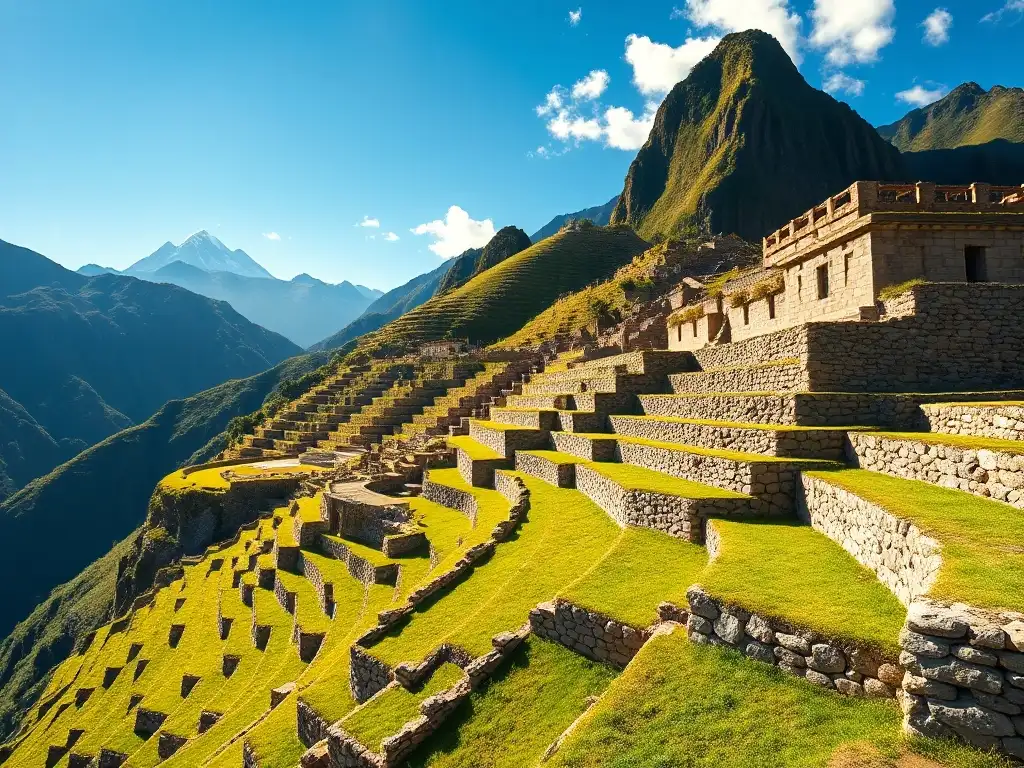
Step into a world lost to time, yet echoing with the ingenuity of ancient masters. Imagine a landscape sculpted not by nature alone, but by the hands of the Incas, a civilization that defied the Andes' harsh terrain. Prepare to be amazed by the secrets of their Inca terrace farming techniques, a testament to their mastery of agriculture and a key to understanding their enduring legacy. Uncover the ingenuity behind their food production and storage systems—a story of resilience, innovation, and a profound connection to the land. Dive in and discover how they thrived.
- Inca Terrace Farming Techniques: Maximizing Food Production in the Andes
- The Ingenious Design of Inca Agricultural Terraces
- How Inca Terraces Enhanced Agricultural Output
- The Role of Terraces in Inca Food Storage and Distribution
- The Legacy of Inca Terrace Farming
- Frequently Asked Questions
- Final Reflection: Echoes of the Andes: The Enduring Legacy of Inca Terrace Farming
- Uncover the Secrets of Sustainable Farming!
Inca Terrace Farming Techniques: Maximizing Food Production in the Andes
The Inca Empire, renowned for its sophisticated engineering and intricate social structures, thrived in the challenging Andean highlands. Their success was significantly reliant on innovative agricultural practices, particularly their mastery of terrace farming. This article delves into the ingenious Inca terrace farming techniques, exploring how they maximized food production and storage in a geographically diverse and often unforgiving environment.
We will examine the engineering marvel of these terraces, their impact on food security, and the lasting legacy of this agricultural innovation, showcasing how the Incas successfully adapted to their environment and ensured the prosperity of their vast empire. Understanding Inca terrace farming techniques offers a fascinating glimpse into the ingenuity and resilience of this remarkable civilization, revealing how they transformed steep, rocky slopes into productive agricultural landscapes.
This is crucial to understanding their societal stability and their ability to sustain a large population in a challenging terrain. The keyword, "Inca terrace farming techniques," will be explored throughout, showing the various methods and innovations implemented by the Inca people.
The Engineering Marvel of Inca Terraces
Inca terraces were not merely flat platforms carved into hillsides; they represented a sophisticated understanding of hydrology, soil science, and engineering. The construction involved meticulously cutting and fitting stones, creating retaining walls that could withstand the pressures of the Andean terrain and the forces of erosion. These walls, often built without mortar, are a testament to the Incas' advanced stonework skills.
The terraces themselves were carefully graded, ensuring proper drainage and preventing soil erosion. Furthermore, the terraces were often arranged in a cascading pattern, creating a visually stunning landscape that also maximized sunlight exposure and minimized water runoff. This intricate system allowed for efficient irrigation, with canals and channels carefully designed to distribute water to each terrace.
The size and configuration of the terraces varied depending on the topography and the type of crop being cultivated, showcasing an adaptive approach to farming that was tailored to the specific needs of each location. This adaptability is a key aspect of understanding the success of Inca terrace farming techniques.
Optimizing Soil and Water Management
The Inca's understanding of soil and water management was crucial to the success of their terrace farming. They recognized the importance of soil fertility and implemented techniques to enhance it. For example, they often incorporated organic matter, such as manure and compost, into the soil to improve its structure and nutrient content.
They also developed sophisticated irrigation systems, using canals and channels to divert water from rivers and streams to the terraces. These systems were carefully designed to ensure that each terrace received the appropriate amount of water, preventing both drought and waterlogging. Moreover, the terraces themselves helped to conserve water by slowing down runoff and allowing water to infiltrate the soil.
This efficient water management was especially crucial in the dry Andean climate, ensuring a reliable water supply for crops even during periods of low rainfall. The combination of soil enrichment and controlled irrigation significantly increased crop yields, contributing to the empire's food security.
Maximizing Food Production and Storage
The Inca terrace farming techniques allowed for the cultivation of a wide variety of crops, including potatoes, maize, quinoa, beans, and squash. The different microclimates created by the terraced landscape permitted the cultivation of various crops at different altitudes, maximizing the use of available land. The increased yields from the terraces, combined with efficient storage techniques, ensured a reliable food supply for the growing Inca population.
Excess food was stored in strategically located granaries, often built into the landscape to protect them from the elements and potential threats. This system of surplus production and storage was critical for the stability and resilience of the Inca Empire, allowing them to withstand periods of drought or other environmental challenges.
The success of this system demonstrates the effectiveness of the Inca terrace farming techniques in supporting a large and complex society. The ingenuity of their combined agricultural and storage systems is a testament to their advanced understanding of food security.
The Enduring Legacy of Inca Terrace Farming
Even today, Inca terraces remain a testament to the advanced agricultural practices of this remarkable civilization. Many of these terraces are still in use, showcasing their durability and effectiveness. The techniques employed by the Incas continue to inspire modern agricultural practices, particularly in mountainous regions. Their innovative approach to land management offers valuable lessons for sustainable agriculture, highlighting the importance of adapting to local conditions and conserving natural resources.
The legacy of Inca terrace farming extends beyond their empire's boundaries, serving as a powerful example of how human ingenuity can transform challenging environments into productive landscapes. The understanding and application of Inca terrace farming techniques continue to be relevant in addressing contemporary challenges related to food security and sustainable land management, globally. The impact of their ingenuity resonates even now, offering valuable insights into sustainable and efficient agricultural practices.
The Ingenious Design of Inca Agricultural Terraces

The Inca Empire, renowned for its sophisticated civilization, developed remarkable agricultural techniques to sustain its large population in diverse and challenging Andean environments. Central to their success was the ingenious system of terraces, a testament to their understanding of both engineering and ecology. These weren't simply carved steps into hillsides; they were meticulously planned and constructed agricultural platforms that maximized arable land, conserved water, and protected crops from harsh weather conditions.
The effectiveness of Inca terrace farming techniques is still studied today, showcasing the ingenuity of their agricultural practices and their lasting impact on landscape management. This section will explore the design and construction of these remarkable structures, focusing on the integration of their knowledge of Andean geography and their exceptional engineering capabilities.
Understanding Andean Geography and the Need for Terraces
The Andes Mountains present a formidable challenge to agriculture. Steep slopes, rocky terrain, and unpredictable weather patterns—including intense rainfall and periods of drought—make cultivating crops extremely difficult. The Inca Empire, however, thrived in this environment, largely due to its innovative agricultural strategies. The need for terraces stemmed directly from these geographical limitations. Traditional farming methods were simply not viable on the steep slopes prevalent throughout the Inca Empire. Terraces provided several key advantages:
- Increased Arable Land: By transforming steep slopes into a series of level platforms, the Incas significantly increased the amount of land available for cultivation. This was crucial for supporting a large population and ensuring food security.
- Improved Water Management: The terraced system incorporated sophisticated irrigation channels that channeled water from higher elevations to the terraces below. This allowed for efficient water distribution, even during periods of drought, minimizing water loss and ensuring a consistent water supply for crops.
- Erosion Control: The terraces prevented soil erosion, a significant problem on steep slopes. The walls of the terraces acted as barriers, holding the soil in place and preventing it from being washed away by rain.
- Microclimate Modification: The walls of the terraces helped to create a more favorable microclimate for crops. They provided protection from strong winds and helped to regulate temperature, extending the growing season and improving crop yields.
The design of the terraces themselves was carefully considered, with variations adapting to the specific topography and environmental conditions of each region. For instance, the orientation of terraces often took advantage of sunlight exposure, maximizing solar energy for optimal crop growth. This attention to detail underscores the depth of Inca understanding of their environment and their ability to adapt their techniques to diverse conditions.
The Construction of Inca Terraces: A Masterpiece of Engineering
The construction of Inca terraces was a massive undertaking, requiring considerable labor and expertise. The Incas utilized sophisticated engineering techniques, employing stone and other materials readily available in their environment. The process involved:
- Careful Site Selection: The selection of the site for a terrace was crucial. Factors such as slope, soil type, water availability, and sunlight exposure were carefully considered.
- Terracing the Slopes: The slopes were carefully graded and leveled, creating a series of platforms. This often involved moving vast quantities of earth and stone.
- Construction of Retaining Walls: Strong retaining walls were constructed to support the terraces and prevent soil erosion. These walls were typically built from carefully fitted stones, sometimes using dry-stone techniques (without mortar), demonstrating remarkable masonry skills. The size and shape of the stones varied depending on the availability of materials and the specific needs of the site.
- Irrigation Channels: A complex network of irrigation channels was integrated into the terrace system. These channels were carefully designed to distribute water evenly across the terraces, ensuring that all crops received adequate moisture. The channels were often lined with stone or other materials to prevent water loss and erosion.
- Maintenance and Repair: The Inca terrace system required ongoing maintenance and repair. This involved regular inspections, cleaning of channels, and repair of damaged walls. This commitment to upkeep demonstrates the importance the Incas placed on their agricultural infrastructure.
The construction of Inca terraces represents a remarkable achievement in engineering and agricultural technology. The precision and scale of these projects are truly impressive, highlighting the organizational capabilities and engineering skills of the Inca civilization. The lasting legacy of these terraces is a testament to their ingenuity and their profound impact on Andean agriculture.
The precise techniques and materials used varied regionally, reflecting an adaptive approach to construction that optimized resource utilization and maximized agricultural productivity within the diverse Andean ecosystem. Further research is needed to fully understand the nuances of regional variations in Inca terrace construction and their respective effectiveness.
How Inca Terraces Enhanced Agricultural Output
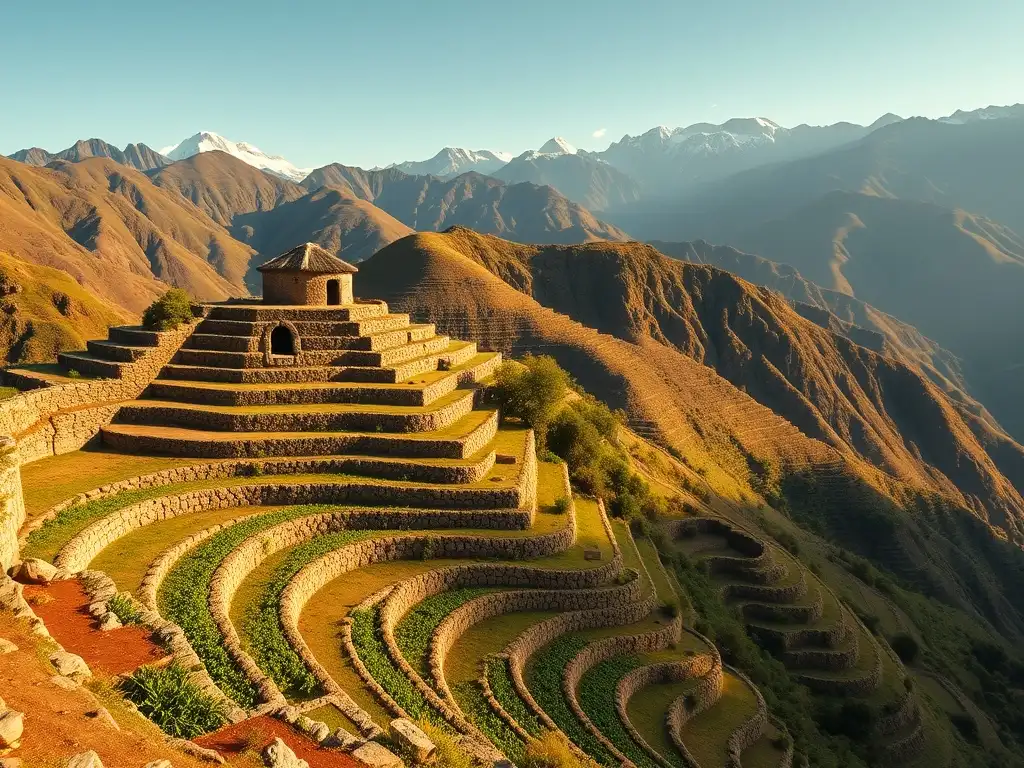
The Inca Empire's success hinged significantly on its mastery of agriculture, particularly its ingenious terrace farming techniques. These weren't simply aesthetically pleasing hillside features; they were sophisticated engineering marvels designed to maximize food production and storage in a challenging Andean environment. The Inca's understanding of soil science, water management, and crop diversification allowed them to cultivate diverse crops at varying altitudes, ensuring food security for their vast population. This section will delve into the specific techniques employed, highlighting their effectiveness and ingenuity. The mastery of "Inca terrace farming techniques" represents a pinnacle of Andean agricultural innovation.
Soil Management and Fertility on Inca Terraces
Inca terrace farming wasn't just about carving steps into hillsides; it involved meticulous soil management to ensure optimal fertility. The Incas understood the importance of soil composition and its impact on crop yields. Their techniques included:
- Terracing itself: The very act of terracing created microclimates, protecting soil from erosion caused by wind and heavy rainfall, common in the Andean highlands. The sloped surfaces slowed water runoff, preventing nutrient leaching.
- Soil layering (Andenes): Each terrace was carefully constructed with layers of different soil types. This practice, often involving the careful placement of richer topsoil over less fertile subsoil, improved drainage and nutrient retention. They likely also incorporated organic matter, such as manure and compost, enriching the soil further.
- Crop rotation: To maintain soil fertility, the Incas likely rotated crops, preventing nutrient depletion associated with monoculture. While precise records are scarce, archaeological evidence suggests a diverse range of crops were cultivated in different sections of the terraces, following a cyclical pattern.
- Terracing orientation: The terraces were often oriented to maximize sunlight exposure, crucial for optimal photosynthesis and crop growth. This precise positioning varied depending on the altitude and aspect of the slope.
The combination of these techniques resulted in significantly higher yields compared to traditional hillside farming. The improved soil health and reduced erosion contributed to the longevity and sustainability of Inca agricultural practices. This meticulous approach to soil management is a key element of understanding the success of Inca terrace farming techniques.
Water Management and Irrigation Systems in Terrace Farming
Water scarcity was a major challenge in the Andes. The Incas overcame this through sophisticated irrigation systems specifically designed for their terraced fields. Key features of their water management included:
- Canals and aqueducts: Ingenious systems of canals and aqueducts channeled water from higher elevations to the terraces, ensuring a consistent water supply even during dry seasons. These were often built with stone and carefully graded to regulate water flow.
- Reservoirs: Many terraces incorporated small reservoirs or catchment basins to collect rainwater and meltwater. This stored water provided a buffer during periods of low rainfall, safeguarding against crop failure.
- Drainage systems: Just as important as water delivery was efficient drainage. Excess water could damage crops and erode the terraces. The Incas built drainage channels within the terraces to prevent waterlogging and ensure optimal soil moisture.
- Water distribution: A complex network of smaller channels distributed water evenly across the terraces, minimizing waste and ensuring each section received adequate hydration. This meticulous approach to water distribution is a testament to their engineering prowess and understanding of hydrological principles.
The effectiveness of these systems is evident in the successful cultivation of diverse crops across a range of altitudes. The ability to control water flow and distribution was crucial for the success of Inca terrace farming techniques and the overall agricultural productivity of the empire.
Crop Diversity and Adaptation on Andean Terraces
The Incas were masters of agricultural diversification, cultivating a wide range of crops adapted to the varied altitudes and microclimates of their terraced fields. This diversity ensured food security and resilience against crop failures. Examples of crops grown include:
| Crop | Altitude Range (Approximate) | Notes |
|---|---|---|
| Potatoes | 2,500-4,000 meters | Hundreds of varieties, adapted to different conditions |
| Maize (Corn) | 2,000-3,500 meters | Different varieties suited for various altitudes |
| Quinoa | 3,000-4,000 meters | Highly nutritious grain crop |
| Beans | 2,000-3,500 meters | Various types, often intercropped with maize |
| Squash | 2,000-3,500 meters | Different varieties adapted to varying conditions |
| Tomatoes | 2,000-3,000 meters | Various types |
The Inca's understanding of crop adaptation allowed them to maximize the productivity of their terraced fields. Intercropping, or growing multiple crops together, was a common practice, further enhancing yields and promoting soil health. This sophisticated approach to crop selection and management is a testament to their advanced agricultural knowledge and contributes significantly to the overall success of Inca terrace farming techniques. The ability to cultivate such a diverse array of food sources ensured the empire's resilience and prosperity.
The Role of Terraces in Inca Food Storage and Distribution
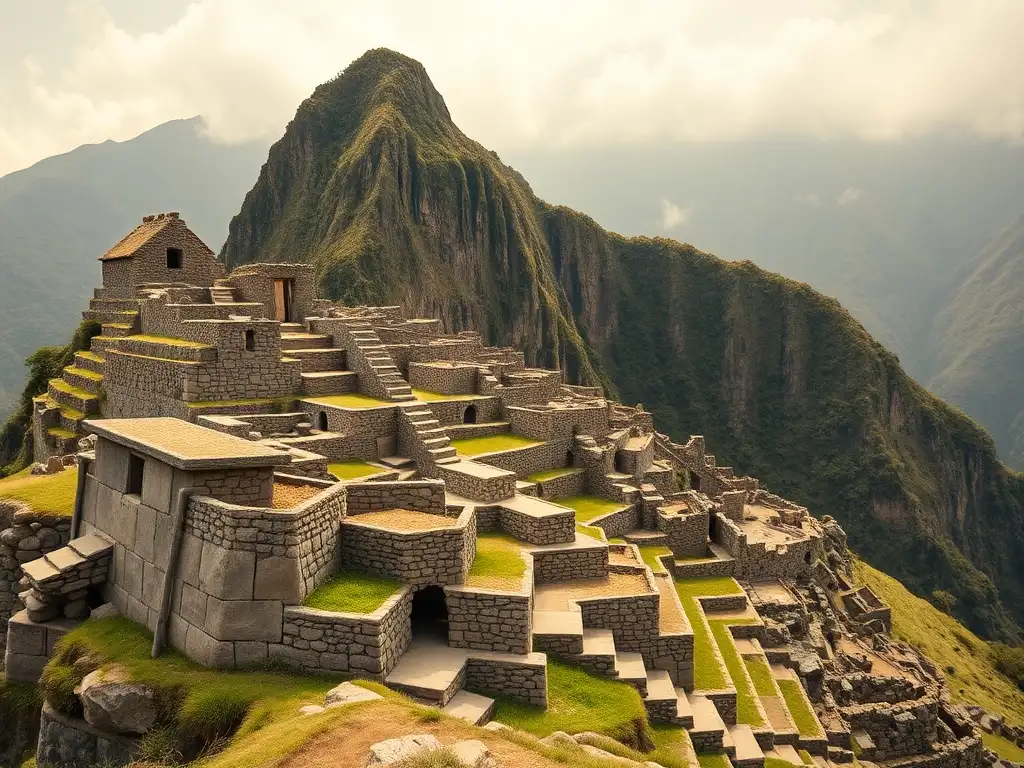
The Inca Empire's remarkable success hinged significantly on its sophisticated agricultural practices, particularly its mastery of terrace farming. Inca terrace farming techniques weren't merely about cultivating crops; they were integral to a complex system of food storage and distribution that ensured the empire's stability and resilience. The strategic placement and design of terraces, coupled with efficient harvesting and storage methods, allowed the Incas to maximize food production and create a robust buffer against crop failures and environmental challenges. This system, a testament to their ingenuity, allowed them to support a large and densely populated empire, even in challenging Andean terrains. The effectiveness of Inca agricultural practices, particularly their terrace farming, is a compelling example of how advanced technology played a crucial role in shaping the socio-political structure of the empire. This section will explore how the terrace system directly contributed to the Inca's ability to store and distribute food effectively.
Harvesting and Storage of Crops Grown on Terraces
Harvesting crops from Inca terraces was a carefully orchestrated process. The steep slopes necessitated specific techniques to prevent soil erosion and minimize crop damage. Evidence suggests that the Incas likely used a variety of tools, including stone hoes and sickles, adapted to the challenging terrain. The harvest itself was likely a communal effort, with ayllus (community groups) working together to gather the crops.
Once harvested, the crops were not simply stored haphazardly. The Incas employed a variety of preservation techniques, many of which were directly linked to the terrace system. For example, crops grown on higher terraces, often at cooler altitudes, might be better suited for drying, a common preservation method. Potatoes, a staple crop, were often dried and stored as chuño, a freeze-dried form that extended its shelf life considerably. Other crops, like maize, might have been stored in granaries located near the terraces, providing easy access for both harvesting and later distribution. The proximity of storage facilities to the fields minimized transportation costs and losses, enhancing efficiency. The careful selection of storage methods, directly influenced by the location and characteristics of the terraces, significantly increased the overall yield and longevity of the harvested food. This meticulous approach to post-harvest management was crucial to the Inca's ability to sustain their large population.
The Inca Food Storage System: A Network of Warehouses
The Inca food storage system was far more than just individual granaries near the terraces. It was a sophisticated network of warehouses, strategically located throughout the empire, acting as a crucial component of the empire's logistical infrastructure. These qollqas, or storehouses, were often built from stone and were remarkably well-designed to maintain optimal storage conditions. Their construction and placement were far from random; they were designed to mitigate factors like humidity and pest infestation. Their locations were also strategically chosen to facilitate efficient distribution, often situated along Inca roads, enabling easy transportation of goods across vast distances.
The qollqas were not only used for storing surplus food but also for storing other essential goods, such as textiles, tools, and building materials. The centralized control over these resources allowed the Inca government to manage the empire's economy and provide for its population during times of hardship. The system's effectiveness is evidenced by the empire's ability to withstand periods of drought and other natural disasters.
The scale and sophistication of the qollqa network underscore the importance the Incas placed on food security and their ability to manage resources efficiently across a vast and geographically diverse empire. The network served not only as a repository of food but also as a critical element of the Inca's administrative and logistical prowess. The precise capacity and distribution of these warehouses across the empire is a topic that requires further research, but their importance to the system is undeniable.
The Impact of Terraces on Food Security and Inca Society
The Inca terrace farming techniques, combined with their advanced storage and distribution systems, had a profound impact on food security and the overall structure of Inca society. The ability to produce and store surplus food provided a crucial buffer against crop failures and environmental challenges. This ensured the stability of the empire and allowed for population growth. The surplus also allowed for the support of a large bureaucracy and military, further contributing to the empire's power and influence.
The system also had social implications. The ayllu system, a communal organization, played a vital role in the agricultural production and distribution. This communal approach fostered cooperation and social cohesion. Furthermore, the control of food resources by the Inca state allowed for the redistribution of goods, ensuring that even the most remote communities had access to essential supplies.
This centralized control contributed to the empire's political stability and minimized social unrest. The impact of the terrace system extended beyond mere food production; it shaped social structures, political power, and the overall resilience of the Inca civilization. The interconnectedness of agricultural practices and social organization demonstrates the holistic nature of Inca society and its remarkable adaptability to a challenging environment. The long-term success of the Inca Empire serves as a testament to the ingenuity and effectiveness of its agricultural strategies.
The Legacy of Inca Terrace Farming
The Inca Empire, renowned for its sophisticated engineering and agricultural prowess, left behind a remarkable legacy in the form of its extensive terrace farming systems. These weren't merely aesthetically pleasing hillside features; they represented a complex and highly effective solution to the challenges of cultivating crops in the steep, mountainous terrain of the Andes. Inca terrace farming techniques, honed over centuries, allowed for the efficient utilization of land, water, and resources, ensuring food security for a vast population.
The ingenuity of their design is still studied and admired today. The legacy extends beyond the physical structures; it embodies a deep understanding of environmental adaptation and sustainable agricultural practices.
Understanding the intricacies of Inca terrace farming provides valuable insights into their societal organization, technological advancements, and overall mastery of their environment. This mastery is evident in the precision of their construction, reflecting a sophisticated knowledge of hydrology, soil science, and engineering principles.
Modern Applications of Inca Agricultural Techniques
The principles behind Inca agricultural techniques continue to inspire modern agricultural practices, particularly in mountainous and challenging terrains. Many contemporary agricultural projects borrow from the Inca model, adapting its core tenets to address modern issues of food security and sustainable development. For example, the design of modern terraces often incorporates similar principles of water management and soil conservation.
The use of retaining walls, carefully graded slopes, and strategically placed drainage channels mirrors the Inca approach to minimizing soil erosion and optimizing water distribution. Furthermore, the Inca emphasis on crop diversification and intercropping finds resonance in contemporary sustainable agriculture movements advocating for biodiversity and resilience in farming systems. The Inca's understanding of microclimates and their impact on crop selection serves as a powerful example for precision agriculture, tailoring crop choices to specific environmental conditions for optimal yield.
Modern agricultural engineers and researchers continue to study the Inca's techniques to develop innovative solutions for efficient water use and soil conservation, particularly in regions facing water scarcity and land degradation. The enduring relevance of Inca agricultural practices underscores their remarkable ingenuity and foresight.
Preserving and Studying Ancient Terraced Landscapes
Preserving these ancient terraced landscapes is crucial not only for historical preservation but also for understanding the intricacies of Inca agricultural practices and their long-term sustainability. These sites offer invaluable insights into the environmental knowledge and engineering skills of the Inca civilization. The meticulous construction and the adaptation to diverse terrains highlight the sophistication of their agricultural technology.
However, many Inca terraces are facing degradation due to factors such as erosion, neglect, and unsustainable agricultural practices. Preservation efforts involve a multi-pronged approach, including archaeological surveys, restoration projects, and community involvement. Documenting the remaining terraces through detailed mapping and analysis helps researchers understand the original design and functionality of these systems.
Community participation is also key, as local knowledge and traditional practices often play a vital role in maintaining these sites. By understanding the threats to these landscapes and implementing effective preservation strategies, we can safeguard this important part of Andean heritage and learn valuable lessons for sustainable agriculture. The ongoing study and preservation of Inca terraces are vital for understanding the past and informing the future of sustainable agricultural practices.
Lessons from Inca Agriculture for Sustainable Farming Today
Inca terrace farming offers crucial lessons for sustainable farming practices in the 21st century. Their emphasis on water conservation, soil management, and biodiversity is particularly relevant in the face of climate change and increasing food insecurity. The Inca's understanding of water management, including the creation of intricate irrigation systems, provides valuable insights into efficient water use in arid and semi-arid regions.
Their careful selection of crops and the practice of intercropping promoted biodiversity and resilience against pests and diseases. Their innovative techniques of soil conservation, such as terracing and the use of retaining walls, minimized soil erosion and maintained soil fertility. These practices, combined with their understanding of microclimates and their impact on crop yields, offer a holistic approach to sustainable agriculture that is remarkably relevant today.
By studying and adapting these techniques, modern agriculture can strive for greater efficiency, environmental responsibility, and food security. The Inca’s legacy serves as a powerful reminder of the importance of sustainable practices and the potential for harmonious coexistence between human societies and the environment. Their sophisticated approach to agriculture offers a path towards a more sustainable and resilient food system for the future.
Frequently Asked Questions
What is terrace farming?
Terrace farming is an ancient agricultural technique where slopes are cut into a series of level platforms or terraces. This creates flat areas for farming, preventing soil erosion and maximizing land use.
Why did the Incas use terrace farming?
The Incas used terraces to increase arable land in the steep Andes Mountains. This allowed them to cultivate more crops and support a large population, despite challenging terrain.
What crops did the Incas grow on their terraces?
Inca terraces supported a variety of crops, including potatoes, corn, quinoa, and beans. The varied crops helped ensure food security and nutritional diversity.
How did the Incas manage water on their terraces?
The Incas developed sophisticated irrigation systems to channel water to their terraces. They built canals and aqueducts to ensure adequate water supply for their crops, even in dry seasons.
What is the significance of Inca terrace farming techniques today?
Inca terrace farming techniques are still relevant today, offering sustainable solutions to modern agricultural challenges. They demonstrate the ingenuity and adaptability of ancient Andean civilizations.
Final Reflection: Echoes of the Andes: The Enduring Legacy of Inca Terrace Farming
The ingenuity of Inca terrace farming techniques remains a potent example of sustainable agriculture, a vital lesson for a world grappling with climate change and food insecurity. Their mastery of landscape adaptation offers a powerful counterpoint to modern, often unsustainable, agricultural practices, reminding us of the profound connection between human ingenuity and environmental stewardship.
The impact of Inca terrace farming extends far beyond its historical context. Its principles of water management, soil conservation, and biodiversity continue to inspire modern agricultural innovations. The terraces themselves, even in ruin, stand as testaments to the enduring power of human collaboration and resourcefulness. The mountains were not conquered, but cultivated; they were not subdued, but understood.
This sentiment encapsulates the Incas' profound respect for their environment and their ability to work with nature, rather than against it.
Consider the implications of this ancient wisdom for your own life. How can we, in our own communities and daily choices, emulate the Incas' sustainable practices? Can we find ways to integrate similar principles of resourcefulness and respect for the environment into our own food systems? Let the echoes of the Andes inspire you to cultivate a more sustainable and harmonious relationship with the land, ensuring a future where food security and environmental well-being go hand in hand.
Uncover the Secrets of Sustainable Farming!
Thank you for exploring the fascinating world of Inca terrace farming! Their ingenious methods of maximizing food production and storage offer valuable insights into sustainable agriculture, still relevant today. Let's put this knowledge to practical use!
Here are a few ways you can apply what you've learned:
- **Create a terraced garden. ** Even a small space can be transformed into multiple levels for growing herbs and vegetables.
- **Share your knowledge** with friends and family. Organize a gathering or workshop to discuss the importance of sustainable farming practices and inspire others.
- **Research traditional farming techniques** in your area. Consider how you might adapt these methods to support local agriculture or enhance your own garden.
How will you incorporate these ancient techniques into your gardening? Share your ideas in the comments below!