
The Hidden Wisdom: Andean Women as Keepers of Ancient Knowledge

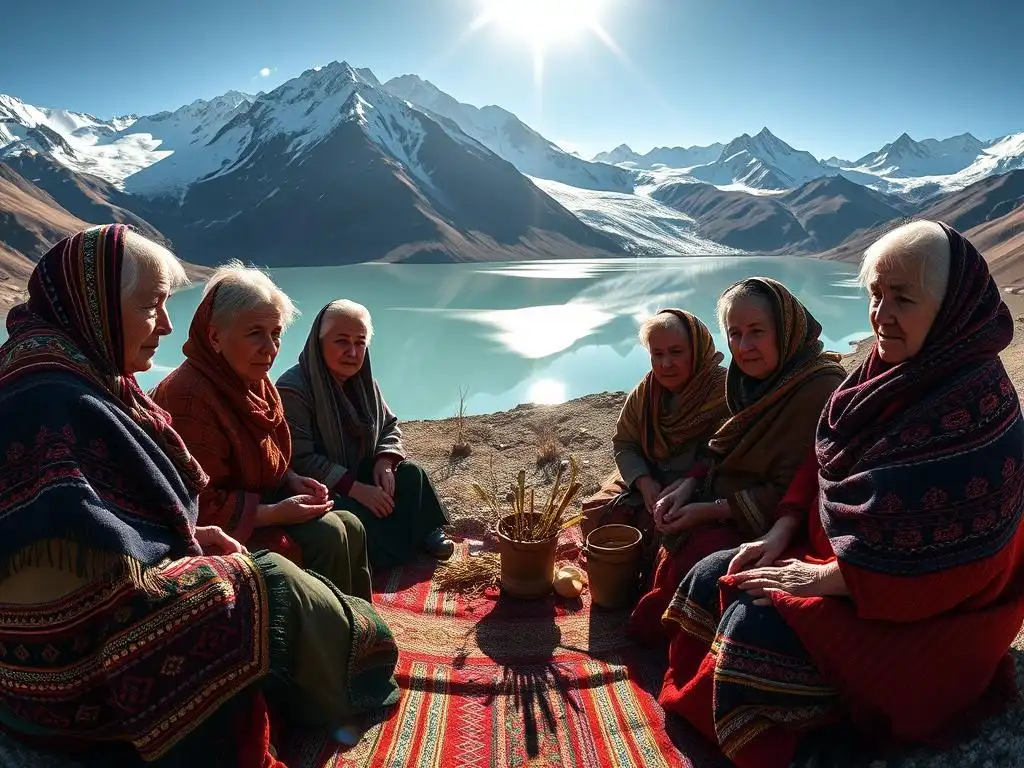
Step into a world lost to time, yet echoing with the voices of powerful women. Forget the conquistadors' narratives; Andean Civilizations reveals a different story – one of resilience, innovation, and the astonishing preservation of knowledge by Andean women. Discover the secrets behind their enduring legacy and the vital role they played in shaping the sophisticated societies of the Incas, Moche, Nazca, and Tiahuanaco. Uncover the hidden wisdom and prepare to be amazed by the remarkable story of Andean women's knowledge preservation.
- Andean Women's Legacy: Preserving Indigenous Traditions
- Specific Areas of Andean Women's Knowledge
- The Importance of Acknowledging Andean Women's Contributions
- Case Studies: Examples of Andean Women's Knowledge Preservation
- Andean Women's Knowledge Preservation: A Call for Recognition
-
Frequently Asked Questions
- What role did Andean women play in preserving ancient knowledge?
- How was knowledge passed down through generations in Andean societies?
- What types of knowledge did Andean women preserve?
- How did the Spanish conquest impact the preservation of Andean women's knowledge?
- Where can I learn more about Andean women's contributions to knowledge preservation?
- Final Reflection: Echoes of the Andes, Whispers of the Future
- Empower Your Journey Through Andean Wisdom!
Andean Women's Legacy: Preserving Indigenous Traditions
The Andes Mountains, a majestic spine running down the western coast of South America, are home to a rich tapestry of ancient civilizations. While often the spotlight falls on powerful male rulers and military achievements, a crucial, yet often overlooked, element of Andean history lies in the significant role women played in preserving and transmitting invaluable knowledge across generations.
This article delves into the hidden wisdom of Andean women, exploring their crucial contributions to the preservation of indigenous traditions, technologies, and cultural practices. We will examine how Andean women acted not merely as passive recipients of cultural heritage, but as active agents in its continued existence, ensuring the survival of complex knowledge systems that continue to fascinate and inspire us today.
Understanding their contributions is essential to a complete understanding of the enduring legacy of Andean civilizations and the vital role women played in shaping their societies. This exploration of “Andean women's knowledge preservation” will reveal the depth and breadth of their influence, highlighting their strength, resilience, and profound impact on Andean cultures.
The Role of Women in Andean Communities: A Historical Overview
The societal structures of Andean civilizations were complex and varied across different cultures and time periods. However, a common thread throughout many of these societies was the significant participation of women in various aspects of community life. Contrary to common misconceptions often perpetuated in historical narratives, Andean women were not simply confined to domestic roles.
They held positions of power and influence, participating in agricultural production, textile creation, religious ceremonies, and political decision-making processes. Archaeological evidence, such as the discovery of female mummies adorned with elaborate jewelry and buried with prestigious artifacts, suggests that women occupied high social standing in certain Andean societies. Furthermore, anthropological studies illuminate the crucial role women played in managing household economies, maintaining social networks, and transmitting knowledge to younger generations.
Their involvement extended beyond the domestic sphere, contributing significantly to the economic and social stability of their communities. For instance, in the Inca Empire, women were responsible for managing crucial aspects of the agricultural system, including the cultivation and storage of food. This demonstrably contributed to the empire's stability and prosperity.
Andean Women: Guardians of Traditional Practices
Andean women were not just participants in their societies; they were the custodians of vital traditional practices. Their expertise in agriculture, particularly in complex irrigation systems and diverse crop cultivation techniques, was essential for the survival and prosperity of their communities. Many Andean societies possessed advanced agricultural knowledge, including techniques for terracing hillsides, creating sophisticated irrigation canals, and developing unique crop varieties adapted to the challenging Andean environment.
Women were deeply involved in these processes, possessing intimate knowledge of planting cycles, soil management, and crop rotation. Beyond agriculture, Andean women were also masters of textile production, creating intricate and beautiful textiles using natural dyes and advanced weaving techniques. These textiles were not merely decorative; they served practical purposes, such as clothing, blankets, and ceremonial items, and often held symbolic meaning, conveying social status and religious beliefs.
The intricate designs and techniques passed down through generations represent a vast repository of cultural knowledge. The expertise in textile production was often passed down matrilineally, solidifying women's role as keepers of this vital tradition.
Knowledge Passed Down Through Generations: Oral Traditions
The preservation of Andean knowledge heavily relied on oral traditions. Stories, songs, myths, and rituals were passed down from one generation to the next, primarily through women. These oral traditions were not merely entertaining narratives; they served as repositories of historical knowledge, agricultural techniques, medicinal practices, and spiritual beliefs.
Women, often the primary caregivers and educators within the family structure, played a pivotal role in transmitting this knowledge to their children and grandchildren. They acted as storytellers, healers, and spiritual guides, ensuring the continuity of cultural practices and beliefs. This oral tradition, coupled with practical demonstrations and hands-on learning, provided a holistic education that empowered women to become skilled practitioners and custodians of their cultural heritage.
The persistence of these oral traditions, even in the face of colonization and societal changes, speaks volumes about the resilience and dedication of Andean women in preserving their cultural identity. These oral traditions remain a powerful testament to their enduring legacy and a vital source of knowledge for understanding Andean civilizations.
Weaving as a Medium of Knowledge: Symbolism and Techniques
Andean women weren't merely weavers; they were living libraries, encoding generations of knowledge into the very fabric of their textiles. Their intricate weavings weren't just decorative; they served as complex narratives, preserving history, mythology, and practical knowledge. The vibrant colors, intricate patterns, and symbolic representations woven into their textiles acted as a visual language, passed down through generations. This wasn't simply a craft; it was a sophisticated system of knowledge transmission.
Consider the intricate designs found in pre-Columbian textiles from the Nazca culture. The geometric patterns, often featuring stylized animals and plants, are far more than mere decoration. Researchers believe these designs represent astronomical events, agricultural cycles, and even mythological narratives.
Each color, each thread placement, held a specific meaning, understood only by those initiated into the cultural knowledge. The creation of these textiles was a ritualistic process, involving specialized knowledge of dyes, fibers (such as alpaca and llama wool), and weaving techniques. This knowledge was carefully guarded and passed down within families and communities, ensuring the continuity of their cultural heritage.
The techniques themselves were as important as the symbolism. The complexity of some Andean weavings, such as those found in Paracas textiles, showcases an astonishing level of technical skill. The intricate tapestry techniques, the use of multiple colors and textures, and the precise execution of complex designs all demonstrate the high level of expertise possessed by Andean women.
This mastery of weaving techniques wasn't simply a matter of skill; it was a marker of social status and a demonstration of deep cultural understanding. The ability to produce high-quality textiles signaled a woman's proficiency, her connection to her ancestral heritage, and her role as a keeper of cultural knowledge. The precision and intricacy of the work reinforced the value and importance placed on this knowledge.
These textiles weren't just clothing; they were portable archives, tangible records of Andean women's profound understanding of their world. Their legacy continues to inspire awe and admiration for the ingenuity and depth of their knowledge. The study of Andean textiles continues to reveal new insights into their complex symbolism and the sophistication of their weaving techniques, enriching our understanding of Andean women's contribution to the preservation of their cultural heritage.
Specific Areas of Andean Women's Knowledge
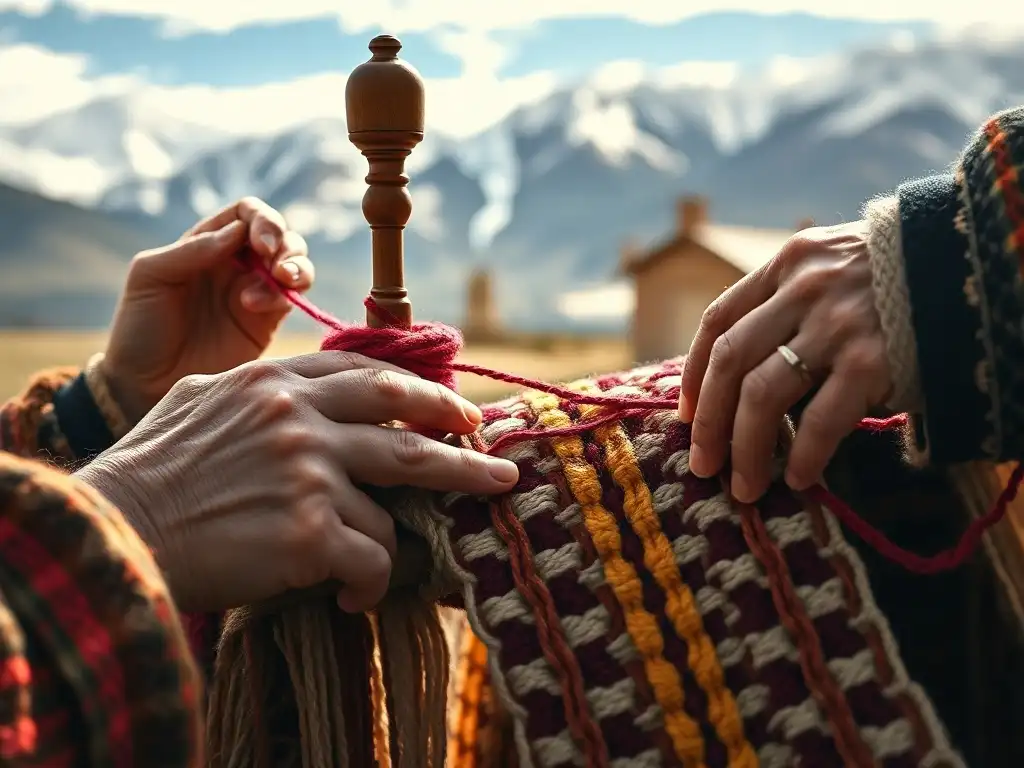
This section delves into the specific domains where Andean women demonstrated exceptional knowledge and skill, acting as crucial custodians of cultural heritage. Their contributions extended far beyond domestic roles, shaping the very fabric of Andean societies through innovation and expertise. The preservation of this knowledge, passed down through generations, is a testament to the resilience and ingenuity of Andean women. Understanding their roles is key to appreciating the complexity and richness of Andean civilizations and their lasting impact. The term "Andean women's knowledge preservation" encapsulates the vital role they played in maintaining cultural continuity.
Andean Women's Expertise in Traditional Medicine and Healing
Andean women held a profound understanding of medicinal plants and healing practices. Their knowledge, often rooted in generations of experience and observation, encompassed a wide range of therapeutic applications. They were skilled in identifying and preparing herbal remedies, utilizing various techniques like infusions, decoctions, and poultices. This expertise was not simply a matter of treating illnesses; it was deeply intertwined with spiritual beliefs and cosmological understandings.
For example, the use of coca leaves wasn't merely for chewing; Andean women understood their medicinal properties, using them to alleviate altitude sickness, treat digestive problems, and even as an anesthetic during childbirth. Similarly, their knowledge extended to the preparation of remedies derived from diverse plants, each carefully selected based on its specific therapeutic qualities and the unique needs of the patient. This intricate understanding of the natural world and its healing potential showcases the sophisticated level of Andean women's medical knowledge.
Detailed records of specific remedies and their applications, however, remain scarce, requiring further research to fully document the extent of this expertise. Further research into Andean medicinal texts and archaeological evidence could illuminate the specific techniques and knowledge passed down through generations of Andean women healers. The preservation of this traditional medicine represents a significant aspect of Andean women's knowledge preservation.
Andean Women and Agricultural Practices: Sustainable Farming
Andean women played a pivotal role in agricultural practices, demonstrating a deep understanding of sustainable farming techniques adapted to the challenging Andean terrain. Their knowledge encompassed crop selection, soil management, irrigation systems, and pest control, all crucial for ensuring food security within their communities. This wasn't simply a matter of planting and harvesting; it involved intricate knowledge of the local ecosystem and its delicate balance.
Consider the meticulous terracing techniques employed in the Andes. These weren't simply engineering feats; they reflected a sophisticated understanding of water management and soil conservation. Andean women were actively involved in the construction and maintenance of these terraces, ensuring the optimal utilization of land resources. Additionally, their knowledge extended to crop rotation and the selection of seeds suited to specific altitudes and soil conditions.
Their expertise in sustainable agriculture contributed significantly to the resilience and prosperity of Andean societies. The integration of traditional ecological knowledge with practical farming skills stands as a testament to the ingenuity of Andean women and their contribution to food security. Their role in sustainable farming is a vital component of Andean women's knowledge preservation.
The Importance of Women in Textile Production: Ancient Techniques
Textile production in Andean societies was not merely a craft; it was a complex art form deeply intertwined with social status, ritual practices, and spiritual beliefs. Andean women were the primary artisans, mastering intricate weaving techniques passed down through generations. Their skills extended beyond the creation of functional garments; they produced elaborate textiles used in ceremonies, adorned with intricate designs reflecting their profound cosmological understanding.
The diverse techniques employed, including spinning, dyeing, and weaving with various fibers like alpaca and llama wool, required years of training and practice. The vibrant colors and complex patterns of Andean textiles reflect not only artistic skill but also a sophisticated understanding of natural dyes and their preparation. Furthermore, the symbolic meanings embedded within these designs held religious and cultural significance, demonstrating the depth of knowledge embedded within textile production.
The intricate designs and symbolism woven into these textiles reflect a deep understanding of Andean cosmology and social structures. The preservation of these ancient techniques and their associated knowledge is a significant aspect of Andean women's knowledge preservation, showcasing their artistry and cultural contribution. Further research is needed to fully document the regional variations in textile production techniques and their associated knowledge systems.
Andean Women's Knowledge of Local Flora and Fauna
Andean women possessed an encyclopedic understanding of the diverse flora and fauna within their unique environments. This knowledge wasn't merely observational; it was deeply practical, woven into the fabric of their daily lives and crucial for the survival and prosperity of their communities. Their intimate familiarity with plants extended far beyond simple identification. They understood the medicinal properties of countless species, utilizing them to treat a wide array of ailments.
For example, the coca leaf, revered for its energizing and medicinal properties, was expertly processed and utilized by women for both personal and communal needs. They knew precisely when and how to harvest it for optimal effectiveness, understanding the nuances of its properties depending on altitude and time of year. This knowledge was passed down through generations, meticulously refined through observation and experience.
Beyond medicinal applications, Andean women were masters of agricultural practices, intimately familiar with the complex relationships between plants, soil, and climate. They developed sophisticated irrigation systems, expertly managing water resources in often challenging terrains. Their understanding of soil types and their suitability for different crops was unparalleled.
They knew which plants thrived in specific microclimates, and employed techniques like terracing to maximize yield and minimize erosion. This knowledge extended to the cultivation of staple crops like potatoes, quinoa, and maize, understanding the variations within each species and selecting those best suited to their specific environment. The success of Andean agriculture, renowned for its resilience and productivity, was in no small part due to the expertise of Andean women.
Their knowledge encompassed the animal kingdom as well. Andean women understood the migratory patterns of various animals, their breeding cycles, and their importance within the ecosystem. This knowledge was critical for sustainable hunting practices and for managing livestock, ensuring the availability of essential resources like wool, meat, and hides.
Furthermore, their understanding of animal behavior and their ability to interact with animals effectively contributed to their role in herding and animal husbandry. The intricate relationship between Andean women, their environment, and its inhabitants demonstrates a profound level of ecological understanding, far surpassing simple knowledge and extending to a deep respect for the interconnectedness of all living things. This holistic approach to understanding and interacting with the natural world was fundamental to the sustainability of Andean societies for centuries.
The Importance of Acknowledging Andean Women's Contributions
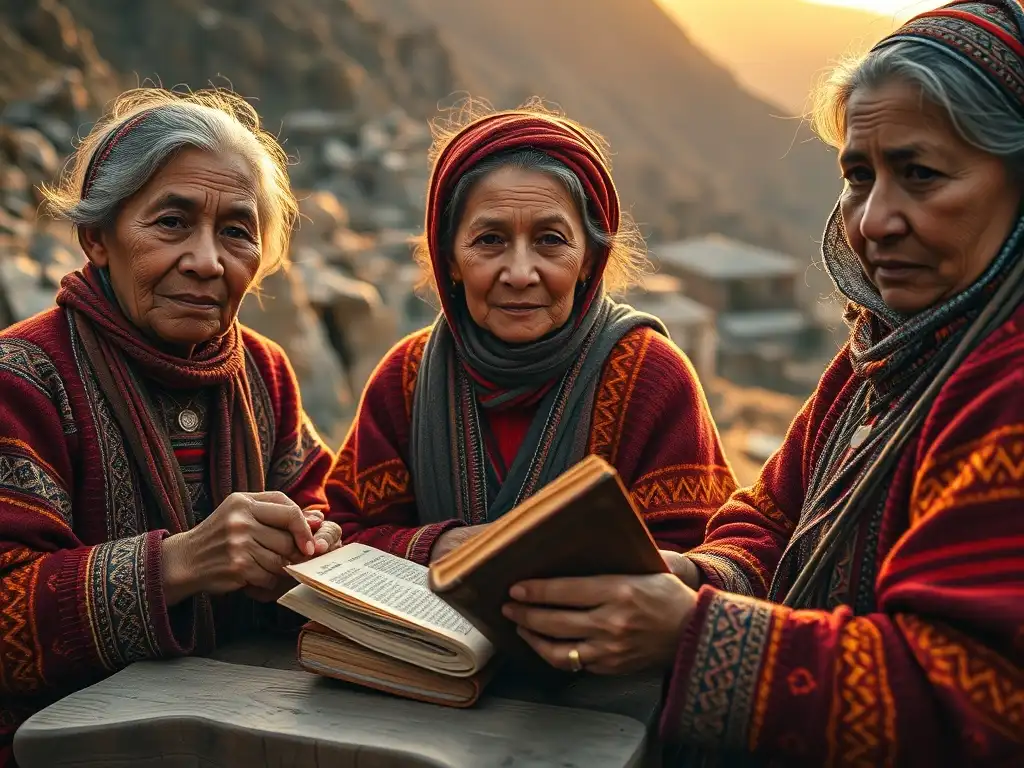
For centuries, the narrative surrounding Andean civilizations has often centered on male rulers and warriors, overshadowing the crucial roles played by women. This oversight represents a significant gap in our understanding of Andean history and cultural development. Acknowledging Andean women's contributions is not merely a matter of correcting historical inaccuracies; it's about recognizing the vital role they played in shaping Andean societies, their economies, and their enduring legacies.
Their influence extended far beyond the domestic sphere, encompassing agricultural innovations, textile production, medicinal practices, and spiritual leadership. Their knowledge, passed down through generations, ensured the survival and prosperity of their communities. Ignoring their contributions is akin to viewing only half the picture, missing the depth and richness of Andean civilization.
A complete understanding necessitates a reassessment of historical records, incorporating oral traditions and archaeological evidence that highlight the multifaceted contributions of Andean women. This holistic approach will provide a more accurate and nuanced perspective on the past, enriching our understanding of these remarkable civilizations. The continued study and dissemination of this information is crucial for a comprehensive understanding of “Andean women's knowledge preservation”.
Challenges Faced by Andean Women in Preserving their Heritage
Andean women faced numerous obstacles in preserving their ancestral knowledge. The colonial period, for instance, saw a deliberate attempt to suppress indigenous cultures and traditions. Spanish conquistadors actively sought to eradicate indigenous belief systems and replace them with Catholicism, leading to the suppression of many traditional practices and knowledge systems passed down through generations of Andean women.
This included the destruction of sacred sites and the prohibition of certain rituals and ceremonies central to their cultural identity. Furthermore, the imposition of patriarchal structures further marginalized women, limiting their access to education and public life. This systematic dismantling of traditional social structures hindered the transmission of knowledge, forcing many women to practice their traditions in secrecy to avoid persecution.
The introduction of new technologies and economic systems also posed challenges, as traditional ways of life were disrupted, impacting the methods used to preserve and transmit knowledge. Even today, challenges persist, including limited access to resources and opportunities for education and the ongoing struggle to maintain cultural relevance in a rapidly changing world. The persistent struggle for recognition and representation underscores the ongoing need for efforts to support Andean women in preserving their invaluable heritage.
The Value of Recognizing Andean Women's Knowledge for Future Generations
Recognizing the knowledge held by Andean women is not just an act of historical justice; it holds immense value for future generations. Their deep understanding of medicinal plants, sustainable agriculture techniques, and complex textile production methods offers invaluable insights into sustainable practices that are increasingly relevant in a world facing ecological challenges. For example, their knowledge of Andean crops like quinoa and potatoes, cultivated for millennia, provides critical information for developing climate-resilient agricultural systems.
Similarly, their intricate weaving techniques, passed down through generations, represent a rich artistic heritage while also demonstrating sophisticated mathematical and design principles. Furthermore, their understanding of traditional healing practices, often rooted in a deep connection with the natural world, provides valuable insights for modern medicine.
By actively engaging with and preserving this knowledge, future generations can benefit from a wealth of wisdom that has been refined over centuries, contributing to advancements in various fields and promoting a more sustainable and equitable future. This preservation is essential to the ongoing discourse around “Andean women's knowledge preservation”.
Empowering Andean Women: Supporting their Role in Knowledge Preservation
Empowering Andean women is paramount to ensuring the continued preservation of their invaluable knowledge. This requires a multi-pronged approach encompassing several key strategies. Firstly, initiatives focused on providing access to education and resources are crucial. This includes supporting educational programs that specifically address the needs and interests of Andean women, fostering leadership skills, and promoting their participation in decision-making processes within their communities.
Secondly, creating platforms for the sharing and dissemination of their knowledge is essential. This can involve supporting the creation of community archives, museums, and educational programs that showcase their contributions and celebrate their cultural heritage. Thirdly, ensuring economic empowerment through fair trade practices and sustainable development initiatives is crucial.
This would provide women with the resources and autonomy necessary to actively participate in preserving their cultural heritage. Finally, fostering collaborations between researchers, educators, and community leaders is essential to ensure that these initiatives are culturally sensitive and effectively address the specific needs of Andean women. These collaborative efforts are crucial for the long-term preservation of "Andean women's knowledge preservation" and the empowerment of Andean women themselves.
The Impact of Colonialism on Andean Women's Traditional Practices
The arrival of the Spanish in the 16th century dramatically altered the social fabric of Andean societies, profoundly impacting the roles and contributions of Andean women. The Spanish colonial regime actively sought to suppress indigenous cultures, including the intricate systems of knowledge preservation maintained by Andean women. This suppression manifested in various ways, significantly hindering the transmission of traditional practices across generations.
One key area affected was textile production. Before the conquest, Andean women were masters of textile art, weaving intricate designs that encoded complex narratives, astronomical observations, and historical events. These textiles served not only as clothing but also as vital repositories of knowledge.
Colonial authorities, however, often imposed restrictions on traditional weaving techniques, favoring European styles and materials. This led to a decline in the complexity and diversity of Andean textiles, and consequently, a loss of the encoded knowledge within them. The forced adoption of the Spanish wheel, for example, significantly altered traditional spinning techniques, leading to a loss of expertise in certain ancient methods.
Furthermore, the imposition of the Catholic faith played a crucial role in disrupting the transmission of traditional knowledge. Many indigenous ceremonies and rituals, often led by women, were outlawed or suppressed. These ceremonies frequently involved the sharing of knowledge through storytelling, songs, and dances—all vital components of Andean women's role as knowledge keepers.
The destruction of sacred sites and the suppression of indigenous languages further exacerbated this loss. The oral tradition, so central to Andean knowledge transmission, was severely weakened, leading to a significant loss of invaluable cultural heritage. The Spanish actively sought to replace indigenous spiritual practices with Catholicism, leading to a cultural disruption that impacted the way knowledge was preserved and shared within communities.
The introduction of new economic systems also contributed to the decline of traditional practices. The encomienda system, for example, forced indigenous populations into labor, often separating women from their families and communities. This disruption of social structures hindered the ability of women to pass on their knowledge to younger generations.
The focus shifted from sustaining local economies based on traditional practices to fulfilling the demands of the colonial economy, further marginalizing indigenous knowledge systems. The resulting economic hardship often forced women to abandon traditional crafts in favor of labor that ensured survival, leading to a further loss of traditional skills and knowledge. The impact of colonialism on Andean women's traditional practices was thus multifaceted and long-lasting, resulting in a significant erosion of their invaluable contributions to Andean culture and knowledge.
Case Studies: Examples of Andean Women's Knowledge Preservation
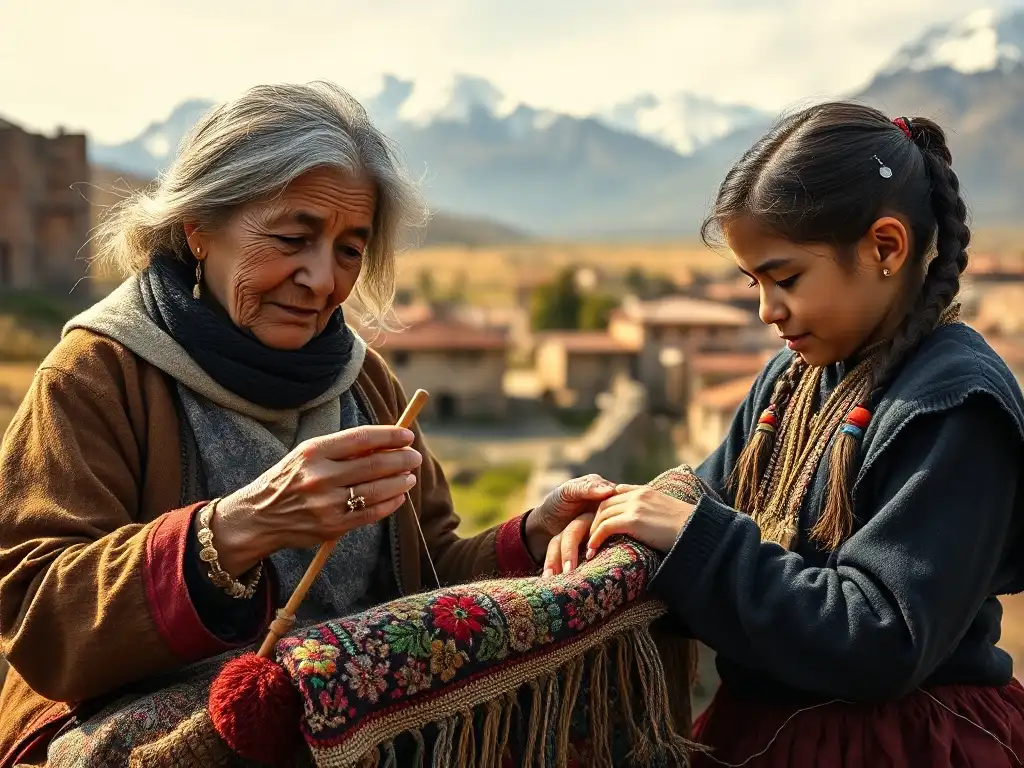
This section delves into specific examples showcasing the crucial role Andean women played—and continue to play—in preserving invaluable ancestral knowledge. We will explore two distinct communities, highlighting their unique approaches to knowledge transmission and the vital contributions of women within these systems. The enduring legacy of Andean women's knowledge preservation is evident in their mastery of agriculture, medicine, and other essential aspects of life, demonstrating a remarkable resilience and adaptability across generations. Understanding these specific examples allows for a deeper appreciation of the breadth and depth of "Andean women's knowledge preservation" and its ongoing significance.
The Q'ero Community: Masters of High-Altitude Agriculture
The Q'ero, an indigenous community residing in the high Andes of Peru, exemplify the profound connection between Andean women and agricultural knowledge. Their survival in such a challenging environment hinges on sophisticated agricultural practices passed down through generations, primarily by women. These practices are not merely techniques; they represent a holistic understanding of the ecosystem, interwoven with spiritual beliefs and deep respect for the land. The preservation of this knowledge is directly linked to the community’s continued existence and cultural identity, a testament to the power of Andean women's knowledge preservation.
Specific Seed Preservation Techniques
Q'ero women are the custodians of a diverse array of native seeds, each carefully selected and preserved for its unique characteristics and adaptability to the harsh, high-altitude conditions. This isn't simply a matter of storing seeds; it involves intricate knowledge of seed selection, cleaning, drying, and storage techniques. They employ traditional methods, often passed down through oral traditions and practical demonstrations from mother to daughter, ensuring the vitality and diversity of their crops.
For instance, they utilize specific techniques for drying seeds in the sun to maintain their viability, carefully monitoring humidity and temperature to prevent spoilage. This meticulous approach highlights the depth of their agricultural expertise, a crucial aspect of Andean women's knowledge preservation. The loss of this knowledge would represent a significant blow to both food security and cultural heritage.
Detailed studies of their seed preservation practices are needed to fully document and appreciate the complexity of this ancient wisdom. [Specific quantitative data on seed diversity and preservation success rates pending].
The Shipibo-Conibo: Guardians of Ayahuasca Medicine
The Shipibo-Conibo people of the Peruvian Amazon are renowned for their profound knowledge of medicinal plants, particularly ayahuasca. Within their community, women play a crucial role in the cultivation, preparation, and administration of this powerful brew. Their expertise extends far beyond the purely botanical; it encompasses a deep understanding of the spiritual and healing properties of ayahuasca, knowledge intricately woven into their cultural practices and beliefs.
The preservation of this knowledge is not just about maintaining a traditional healing system; it’s about safeguarding a vital part of their cultural identity. This represents a significant aspect of "Andean women's knowledge preservation" within a different ecological context.
Traditional Preparation and Healing Practices
Shipibo-Conibo women are responsible for the intricate process of preparing ayahuasca. This involves meticulous collection of the necessary plants, precise measurement, and careful preparation, often involving complex rituals and prayers. The process is not solely about physical preparation; it’s a deeply spiritual act, requiring a profound understanding of the plants' properties and their interaction with the human body and spirit.
Women also play a key role in administering ayahuasca during healing ceremonies, providing guidance and support to those undergoing the experience. Their knowledge of the plant's effects, the appropriate dosages, and the necessary aftercare is crucial for the safety and effectiveness of the treatment. This intricate knowledge, passed down through generations, exemplifies the vital role of Andean women's knowledge preservation in maintaining a rich and complex healing tradition.
[Further research is needed to quantify the success rate of ayahuasca treatments administered by Shipibo-Conibo women]. The intricate details of their preparation methods, including specific plant combinations and brewing techniques, require further investigation to fully document this valuable knowledge.
The Taquile Island Weavers: Keeping Textile Traditions Alive
The women of Taquile Island, located on Lake Titicaca in Peru, are renowned for their mastery of textile arts. For centuries, they have meticulously preserved intricate weaving techniques passed down through generations, demonstrating a remarkable example of Andean women's knowledge preservation. Their vibrant textiles aren't merely clothing; they are living archives of cultural heritage, embodying stories, beliefs, and social structures.
The techniques themselves, involving complex patterns and the use of natural dyes from local plants, represent a deep understanding of both artistry and the island's ecosystem. This knowledge isn't confined to a select few; it's a communal practice, with mothers teaching daughters, ensuring the continuation of this vital tradition. The economic impact of their work is significant, contributing to the island's sustainability and providing a source of income for many families.
This economic independence further empowers Taquileño women, reinforcing their role as custodians of their cultural heritage. The preservation of these weaving techniques is a testament to their resilience and commitment to passing on a rich cultural legacy. Their work showcases the profound connection between Andean women, their environment, and the enduring power of traditional knowledge.
Intricate Weaving Designs and Symbolic Meanings
The Taquileño women's textiles are far more than beautiful garments; each design tells a story. The intricate patterns, woven with painstaking precision, are filled with symbolic meanings deeply rooted in their culture. For example, specific colors might represent different stages of life or social status, while complex geometric designs can convey narratives related to mythology, cosmology, or agricultural cycles. The use of specific knots and techniques also carries symbolic weight, often reflecting the wearer's identity and social standing within the community.
Understanding these symbolic meanings requires a deep knowledge of Taquileño culture and history, a knowledge carefully transmitted from one generation to the next. The vibrant reds, yellows, and blues, derived from natural dyes like cochineal and various plants, are not merely aesthetic choices; they are integral to the narrative woven into the fabric itself. The detailed analysis of these textile designs provides invaluable insights into Taquileño worldview and their sophisticated understanding of their environment and society. The preservation of this intricate system of symbolism is a crucial element of Andean women's knowledge preservation, ensuring that the rich tapestry of Taquileño culture continues to thrive.
The designs are not static; they are constantly evolving, subtly adapting to changing circumstances while retaining their core cultural significance. This dynamic interplay between tradition and adaptation showcases the living and breathing nature of their cultural heritage. The continuing creation and interpretation of these symbolic weavings is a testament to the power of Andean women as active agents in preserving their cultural identity.
Andean Women's Knowledge Preservation: A Call for Recognition
This section delves into the crucial role Andean women played – and continue to play – in preserving ancestral knowledge. For centuries, they have been the custodians of invaluable traditions, techniques, and wisdom, often operating outside formal, documented historical records. Their contributions, however, are far from insignificant; they represent a vital link to the past and a crucial foundation for the future.
Understanding their role is paramount to appreciating the full tapestry of Andean civilization and ensuring its continued legacy. This requires a shift in perspective, moving away from narratives that often overlook or marginalize women's contributions to focus on a more inclusive and accurate representation of Andean history. The preservation of Andean women's knowledge is not merely an academic pursuit; it is a vital act of cultural preservation.
The Future of Andean Women's Traditional Wisdom
The future of Andean women's traditional wisdom hinges on several interconnected factors. Firstly, active support from governments and NGOs is crucial. This includes funding initiatives that document and preserve traditional practices, offering women opportunities to share their knowledge within a supportive framework. Secondly, education plays a vital role.
Integrating Andean women's knowledge into formal education systems, from primary school to university level, ensures its transmission to future generations. This isn't simply about adding a chapter to a textbook; it's about creating a curriculum that values and celebrates diverse perspectives. Consider, for example, the potential of incorporating traditional Andean textile techniques into design courses or integrating traditional medicinal plant knowledge into botany classes. This approach not only preserves the knowledge but also provides women with new economic opportunities.
Furthermore, the digital age offers exciting possibilities. Creating online archives of oral histories, traditional recipes, and weaving techniques can ensure broader accessibility and preservation. This digital preservation requires careful consideration of intellectual property rights and community consent, ensuring that women retain control over their knowledge and benefit from its dissemination. Finally, fostering intergenerational dialogue is essential.
Creating spaces where younger generations can learn directly from elder women ensures the continued transmission of invaluable knowledge and skills. This can be achieved through workshops, apprenticeships, and community-based learning initiatives. The success of these efforts depends on a concerted and collaborative effort, combining governmental support, educational reforms, technological innovation, and a strong emphasis on community engagement. The preservation of Andean women's wisdom is not a passive act; it requires active participation and ongoing commitment from all stakeholders.
Protecting and Promoting Andean Women's Cultural Heritage
Protecting and promoting Andean women's cultural heritage requires a multi-pronged strategy that addresses both tangible and intangible aspects. Tangible heritage, such as textiles, ceramics, and agricultural techniques, requires careful cataloging, preservation, and responsible tourism practices. Museums and archives play a critical role, but their efforts must be complemented by community-based initiatives that empower women to manage and protect their own heritage. For instance, establishing community-run museums or workshops showcasing traditional crafts not only preserves the heritage but also provides economic opportunities for women.
Intangible heritage, encompassing oral traditions, songs, rituals, and medicinal knowledge, is equally valuable and often more vulnerable. This requires a shift in focus from mere documentation to active participation and transmission. This can involve supporting initiatives that record oral histories, translate ancient texts, and document traditional healing practices. Crucially, these efforts must respect the intellectual property rights of the women involved, ensuring that they receive appropriate recognition and compensation for their knowledge.
The protection of Andean women's heritage isn't solely a matter of safeguarding artifacts; it's about recognizing and valuing the living culture that continues to thrive. A holistic approach, embracing both tangible and intangible aspects, ensures the long-term preservation of this rich cultural legacy. This includes supporting women's leadership roles in cultural preservation efforts, providing them with the resources and recognition they deserve.
The preservation of Andean women's knowledge is not solely the responsibility of any single entity. It demands a shared commitment from governments, NGOs, academic institutions, and most importantly, the communities themselves. Governments must implement policies that protect intellectual property rights, fund research and preservation initiatives, and integrate Andean women's knowledge into educational curricula. NGOs can play a vital supporting role by providing resources, training, and advocacy. Academic institutions have a responsibility to conduct research that is ethically sound and respectful of community knowledge, ensuring that research findings benefit the communities involved.
Ultimately, the most critical role lies with the communities themselves. Empowering Andean women to take ownership of their knowledge and participate actively in its preservation is paramount. This requires creating spaces for intergenerational dialogue, supporting community-based initiatives, and ensuring that women receive appropriate recognition and compensation for their contributions.
The preservation of Andean women's knowledge is a collective endeavor, demanding a collaborative effort to ensure that this invaluable heritage is not only protected but also celebrated and shared with the world. This shared responsibility underlines the importance of sustainable practices, respecting both cultural and ecological balance. 🤝 The success of this collective effort will determine the legacy of Andean women's knowledge for generations to come.
Conclusion: The Enduring Legacy of Andean Women
The study of Andean women's roles in knowledge preservation reveals a complex and often overlooked narrative within the broader history of Andean civilizations. For too long, the contributions of women have been marginalized, overshadowed by the more readily documented achievements of men. However, the evidence increasingly points to a vibrant and vital role played by women in maintaining and transmitting crucial knowledge across generations.
Their expertise in agriculture, medicine, textiles, and spiritual practices formed the bedrock of Andean societies, ensuring their resilience and continuity in the face of environmental challenges and social upheaval. This wasn't simply a passive role; Andean women were active participants in shaping their communities' understanding of the world and their place within it.
Understanding the enduring legacy of Andean women requires a shift in perspective. It means actively seeking out and interpreting evidence from a variety of sources, including oral traditions, archaeological findings, and ethnohistorical accounts, while critically examining existing biases in historical interpretations. This involves acknowledging the limitations of patriarchal narratives that often silence or diminish the voices of women.
By actively challenging these biases and incorporating diverse perspectives, we can begin to construct a more complete and accurate picture of Andean history, one that recognizes the crucial contributions of women to the preservation and transmission of ancient knowledge. Their knowledge wasn't merely preserved; it was actively cultivated, adapted, and passed down, shaping the cultural landscape of the Andes for millennia.
The continued study and recognition of their contributions are not just an act of historical correction, but a vital step towards a more inclusive and accurate understanding of Andean civilization and its remarkable legacy. Their wisdom continues to resonate, offering valuable lessons for contemporary societies striving for sustainability and social justice.
Frequently Asked Questions
What role did Andean women play in preserving ancient knowledge?
Andean women were essential in transmitting knowledge across generations. They held critical roles in agriculture, textile production, and medicinal practices, preserving vital skills and traditions orally and through practical demonstration. Their knowledge was intertwined with their everyday lives.
How was knowledge passed down through generations in Andean societies?
Knowledge was passed down through oral traditions, storytelling, and practical apprenticeships. Women played a significant part in this process, teaching their daughters and other young women within their communities. Rituals and ceremonies also played a crucial role.
What types of knowledge did Andean women preserve?
Andean women preserved a vast range of knowledge, including agricultural techniques, textile production methods, medicinal plant uses, and spiritual practices. Their expertise was crucial for the survival and prosperity of their communities.
How did the Spanish conquest impact the preservation of Andean women's knowledge?
The Spanish conquest had a devastating impact, leading to the suppression and loss of much indigenous knowledge. Many traditional practices were actively discouraged or destroyed. However, Andean women found ways to adapt and preserve elements of their heritage.
Where can I learn more about Andean women's contributions to knowledge preservation?
You can explore further by researching specific Andean cultures (Inca, Moche, Nazca, etc.), seeking out books and articles on Andean textiles, agriculture, and medicinal practices, and looking for information on contemporary indigenous communities who continue these traditions.
Final Reflection: Echoes of the Andes, Whispers of the Future
The preservation of Andean women's knowledge is not merely a historical curiosity; it is a vital lifeline connecting us to a profound understanding of sustainable living and harmonious coexistence with nature. Their ancient practices, passed down through generations, offer invaluable solutions to the pressing environmental and social challenges we face today. Ignoring this wisdom would be a profound loss, a severing of a vital thread in the tapestry of human ingenuity.
The enduring power of Andean women's knowledge lies in its ability to transcend time and geography, offering a potent counterpoint to the often-destructive forces of modern development. Their deep connection to the land, their intricate understanding of medicinal plants, and their sophisticated agricultural techniques are a testament to the power of community and respect for the natural world. The earth is our mother. We must treat her with respect and care, for she provides for us.
This simple yet profound statement encapsulates the core of their philosophy, a philosophy that deserves to be heard and understood by all.
Consider the wisdom woven into the intricate textiles, the healing properties of the plants they cultivate, the sustainable agricultural practices they employ. These are not just relics of the past; they are blueprints for a more sustainable future. You, the reader, hold the power to amplify these voices, to learn from their experiences, and to integrate their wisdom into your own life. Let the echoes of the Andes inspire you to seek out and celebrate the knowledge held by indigenous communities worldwide, recognizing the invaluable contributions they make to our collective well-being and the preservation of our planet.
Empower Your Journey Through Andean Wisdom!
Thank you for exploring the invaluable insights of Andean women as guardians of ancient knowledge. Their stories offer more than a glimpse into the past; they are a powerful call to action, urging us to honor and amplify their voices in our lives. Let's move forward with meaningful steps.
- Dive deeper: Learn more about the rich traditions and teachings of Andean cultures. Explore books, documentaries, and other resources that celebrate their wisdom and resilience.
- Share the knowledge: Spread awareness by discussing this information with friends, family, and colleagues, or by sharing it on social media. Help elevate the stories of Andean women and their contributions to the world.
- Get involved: Consider supporting organizations dedicated to empowering indigenous communities. Contribute through volunteering, donations, or by advocating for their rights and self-determination.
Which aspect of Andean wisdom resonates most deeply with you, and how can you integrate it into your daily life? Share your reflections below!