
The Enigmatic Coya: Exploring the Lives of Inca Royal Women

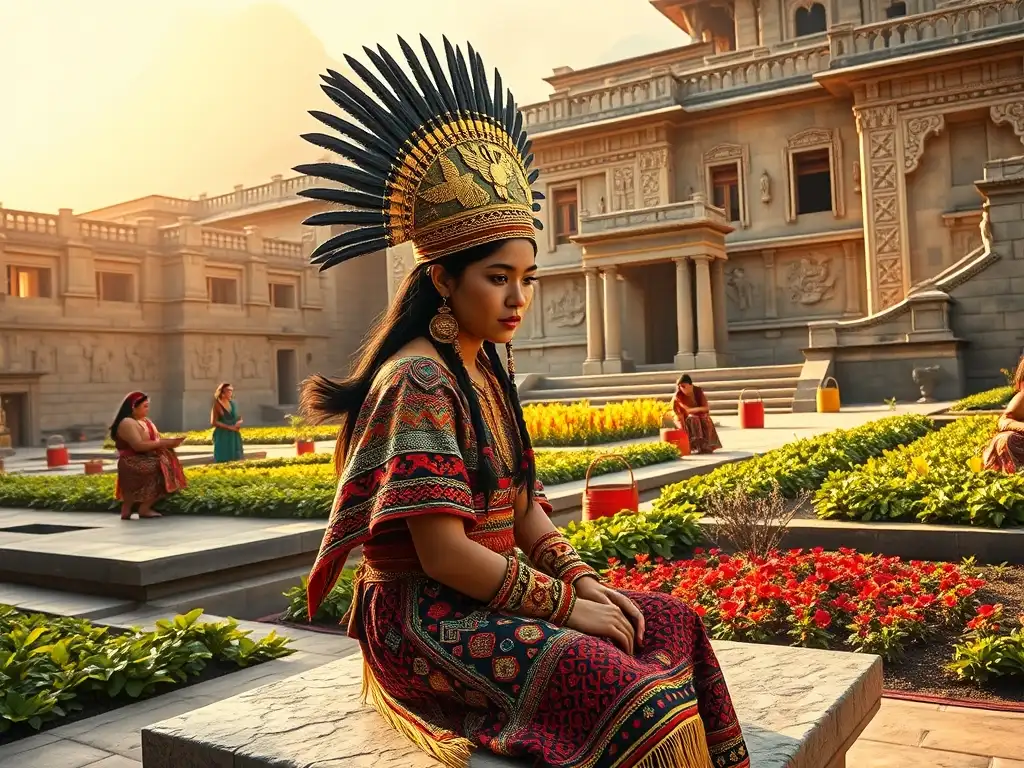
Step into a world lost to time, yet echoing with power and mystery. For centuries, the Andes Mountains have guarded the secrets of remarkable civilizations, and within their shadows lies a story waiting to be unveiled: the untold history of Inca royal women. Dare to delve into the enigmatic lives of the Coyas, their influence on the Inca Empire, and the legacies they left behind. Uncover the fascinating truth – a tale of power, intrigue, and resilience – that will reshape your understanding of Andean history.
The Inca Empire, a civilization that flourished in the Andes Mountains for over a century, is renowned for its intricate social structures, impressive engineering feats, and sophisticated political system. While much attention is often focused on the Sapa Inca, the emperor, a crucial, yet often overlooked, element of Inca power lay in the hands of the coya, the empress. This article delves into the fascinating lives of these Inca royal women, exploring their roles, responsibilities, and influence within the empire.
Understanding the coya is key to understanding the complexities of Inca society and the significant contributions of women to its success and longevity. We will examine their influence on religious practices, political decisions, and the broader social fabric of the Inca world, revealing a history far richer and more multifaceted than previously acknowledged.
This exploration will shed light on the often-hidden narratives of these powerful figures, providing a more complete picture of Inca history and challenging traditional interpretations that often marginalized the roles of women. By focusing on the keyword "Inca royal women history," we aim to provide a comprehensive overview of their lives and legacies, uncovering the enigmatic world of the coya and their enduring impact.
Introduction to Inca Royal Women and Their Significance
The coya, the wife of the Sapa Inca, held a position of immense power and prestige within the Inca Empire. Unlike many other ancient societies where women's roles were largely confined to domestic spheres, the coya wielded considerable influence in both religious and political matters. She was not merely a figurehead; she was a vital component of the Inca imperial system, acting as a powerful advisor, religious leader, and symbol of the empire's strength and prosperity.
The coya's importance is underscored by her participation in key ceremonies and rituals, her involvement in state affairs, and her role as the mother of future Sapa Incas. Their influence extended beyond the court, impacting the lives of common women across the empire and shaping the social and cultural norms of Inca society. The selection of a coya was a carefully considered political decision, often involving alliances and strategic marriages that strengthened the empire's power base.
This selection process, along with the coya's subsequent actions and influence, will be explored in greater detail in the following sections. We will examine specific cases of influential coyas and analyze their documented actions to fully grasp the scope of their power and impact. The available historical records, while limited, provide valuable insights into their lives, allowing us to reconstruct a more complete picture of their roles and contributions.
- What role did Inca royal women, or Coyas, play in the empire?
- How did the power of the Coya compare to the Sapa Inca?
- What was the significance of the Coya's role in Inca religion?
- Were there any examples of Coyas who exerted exceptional power?
- What were the lives of Inca royal women like beyond their official duties?
The Coya: The Inca Queen and Her Role
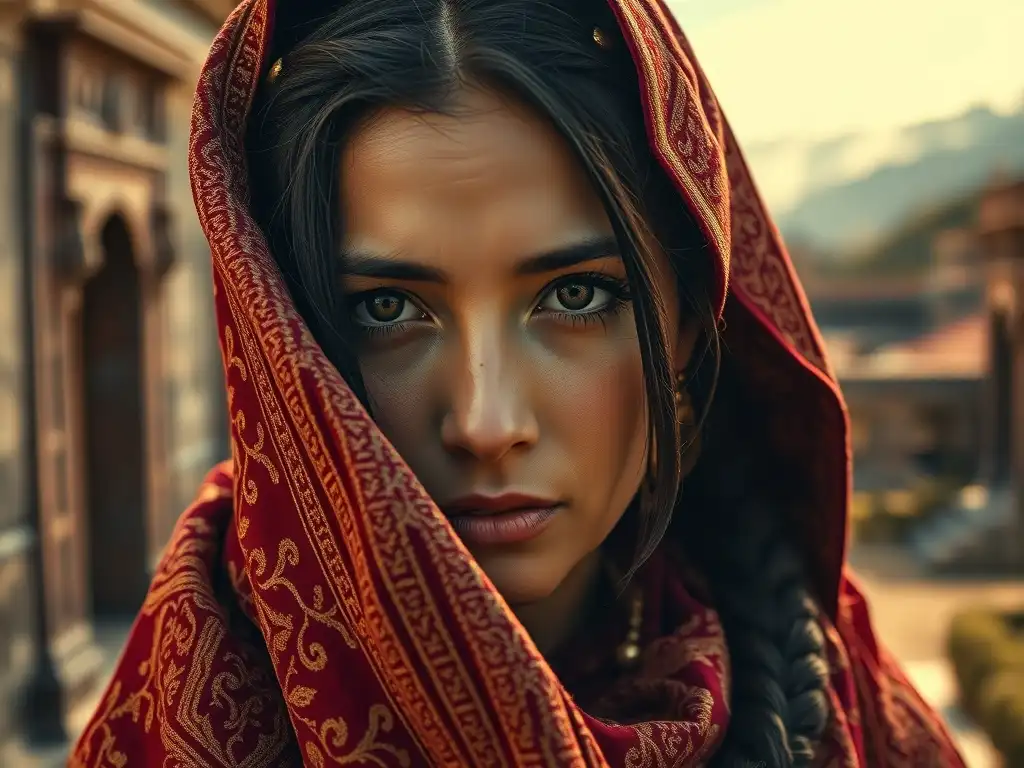
The Coya, the wife of the Sapa Inca, the emperor of the Inca Empire, held a position of immense power and prestige, far exceeding that of a mere consort. Understanding the Coya's role requires moving beyond simplistic notions of a queen as merely a decorative figurehead. Instead, she was a crucial component of the Inca state apparatus, wielding significant influence in religious, political, and social spheres.
The historical record, however, is fragmented, leading to some interpretative challenges, but available evidence strongly suggests a powerful and complex role for these Inca royal women. The extent of their power varied depending on the specific Coya and the reigning Sapa Inca, but their influence was consistently significant.
Defining the Coya: Status and Power of the Inca Queen
The Coya's status wasn't solely defined by her marriage to the Sapa Inca. While the union was undoubtedly a cornerstone of her authority, her lineage and family connections played a vital role. Coyas often came from powerful and influential families, solidifying the Inca Empire's political alliances and strengthening its social fabric. Their selection was a carefully considered political manoeuvre, reflecting the emperor's strategic objectives and the intricate web of power dynamics within the Inca aristocracy. This carefully selected lineage gave the Coya an inherent authority that transcended her marital status.
The Coya's power was further amplified by her religious significance. She was considered a sacred figure, possessing a spiritual authority that complemented the Sapa Inca's. This religious dimension is crucial to understanding her influence, as the Inca Empire was deeply intertwined with religion and ritual. Archaeological findings, while limited in directly depicting the Coya's daily life, reveal the opulence and grandeur surrounding her, suggesting a lifestyle befitting her elevated spiritual and political status. For instance, the elaborate textiles and gold artifacts found in royal tombs hint at the Coya’s significant wealth and power.
The Coya’s Responsibilities within the Inca Empire
The Coya's responsibilities extended far beyond ceremonial duties. She oversaw the production of textiles, a vital aspect of Inca economy and social organization. The finest textiles, often imbued with symbolic meaning, were produced under her supervision, and their creation was a significant source of her power and influence. Furthermore, she played a critical role in the management of the acllas, the chosen women who lived in state-run religious communities. These women were involved in textile production, religious service, and the cultivation of crops, making the Coya's oversight of the acllas a key aspect of her administrative responsibilities.
Beyond production and administration, the Coya was also involved in state religious ceremonies. She participated in important rituals, often alongside the Sapa Inca, reinforcing their shared sacred authority. Her presence in these ceremonies further legitimized the Inca rule and strengthened the bond between the ruling couple and their subjects. The Coya’s participation in religious life wasn’t passive; she actively participated in rituals and ceremonies, demonstrating a level of religious expertise and authority. This active involvement contributed significantly to the cohesion and stability of the Inca Empire.
The Coya's Influence on Inca Politics and Society
The Coya's influence extended far beyond the realm of textiles and religious ceremonies. She acted as an advisor to the Sapa Inca, offering counsel on matters of state and policy. This advisory role, though not always explicitly documented, is strongly implied by the Coya’s position and influence. Her family connections and her strategic position within the court gave her unparalleled access to information and political maneuvering.
Furthermore, the Coya played a crucial role in shaping Inca social norms and values. As a powerful female figure in a patriarchal society, she served as a role model and a symbol of female strength and authority. Her influence on social norms likely extended to the treatment and status of women within the empire, although the extent of this influence remains a topic of ongoing research and debate.
The very existence of such a powerful female figure within the Inca hierarchy challenges simplistic interpretations of Inca society as purely patriarchal. Further research focusing on Inca women's history is vital to fully understanding their roles and contributions.
The absence of detailed accounts unfortunately limits our current understanding, highlighting the need for more in-depth scholarly work focusing specifically on the lives and influence of Inca royal women. We need more detailed analysis of archaeological findings and a more thorough examination of colonial accounts to paint a more complete picture of the Coya's multifaceted influence on Inca politics and society.
Life and Rituals of Inca Noble Women
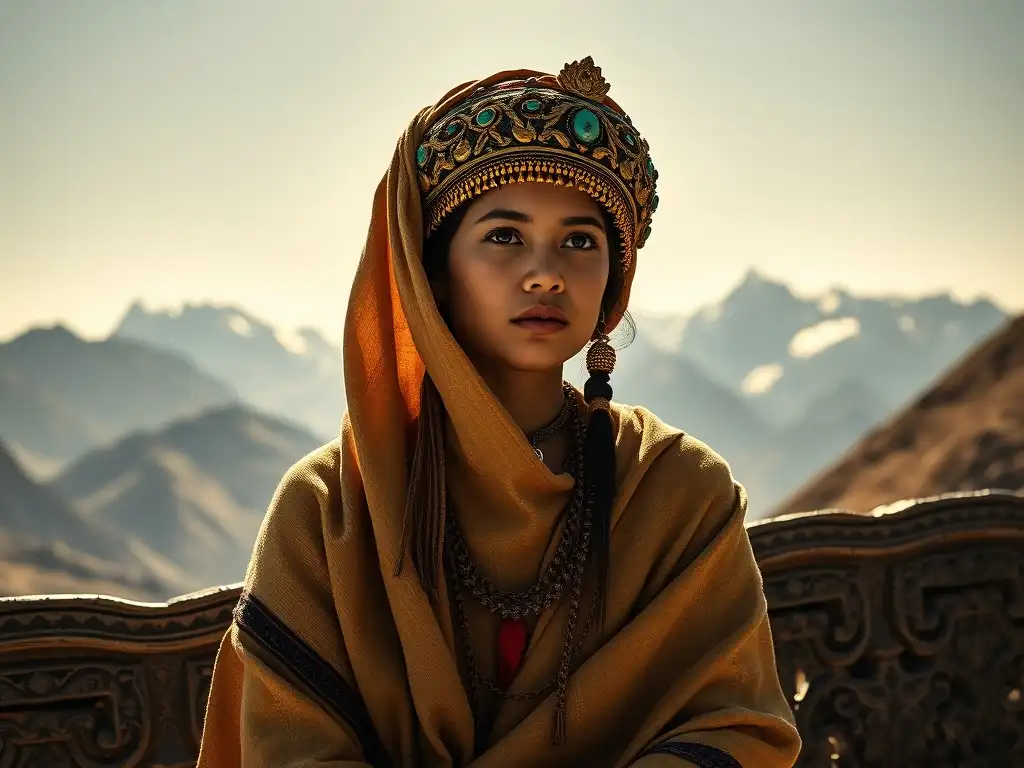
This section delves into the multifaceted lives of Inca noblewomen, exploring their daily routines, religious roles, and participation in significant ceremonies. Understanding their lives provides crucial insight into the complex social structure and spiritual beliefs of the Inca Empire. We will examine how their status, while privileged, was also intricately tied to the empire's religious and political well-being, solidifying their importance in Inca royal women history.
Daily Life of Inca Royal Women: Duties and Privileges
The daily lives of Inca royal women were a blend of privilege and responsibility. While they enjoyed a significantly higher standard of living than commoners, their lives were far from leisurely. Their duties were multifaceted and directly impacted the smooth functioning of the Inca court and, by extension, the empire itself.
Inca noblewomen, particularly those closely related to the Sapa Inca, held positions of influence within their households and communities. They oversaw the management of large estates, supervising agricultural production, textile weaving, and the distribution of goods. Textile production was a particularly important skill, and proficient weaving was a mark of high social standing. The finest textiles, often adorned with intricate designs, were reserved for the royal family and elite members of society. These women were not merely passive consumers; they were active participants in the economic life of the empire.
Their privileges included access to the finest foods, clothing, and housing. They enjoyed a level of comfort and luxury unavailable to the vast majority of the population. However, this comfort came with significant responsibilities. They were expected to uphold the standards of Inca etiquette and to serve as role models for other women in the empire. This involved maintaining a high degree of decorum and adherence to Inca social norms.
The education of Inca noblewomen also differed from that of commoner girls. They received instruction in a range of skills, including textile arts, administration, and religious practices. This comprehensive education prepared them for their future roles within the Inca court and society. This education, while focused on traditional feminine skills, also included elements of political strategy and religious understanding, reflecting their crucial role in the Inca power structure.
The Sacred Role of Inca Noble Women in Religious Ceremonies
Inca religion profoundly impacted the lives of Inca royal women. They weren't merely passive observers of religious ceremonies; they played active and essential roles, their participation reflecting their status and connection to the divine.
The acllas, or "chosen women," represent a particularly intriguing group. These women, selected for their beauty and virtue, were dedicated to the service of the Sun God, Inti. They lived in special convents where they received extensive training in religious rituals, textile arts, and other skills. Their lives were dedicated to religious service, and they played a vital role in the production of sacred textiles and the performance of religious ceremonies.
The acllas weren't simply nuns; they were highly skilled artisans and religious specialists, wielding significant cultural influence. The selection process for acllas was rigorous, highlighting the importance of their role in maintaining the religious and social harmony of the empire. Their contribution is a vital part of understanding Inca royal women history.
Rituals of the Capac Raymi and Inti Raymi
Inca royal women participated prominently in the grand annual festivals, the Capac Raymi (principal festival) and Inti Raymi (festival of the Sun). Their involvement underscores their importance within the Inca religious and political order.
During the Capac Raymi, a multi-day celebration marking the Inca's agricultural cycle, noblewomen participated in processions, offerings, and feasts. They played a vital role in the preparation of sacred foods and drinks, and their presence added to the splendor and significance of the event. Their participation was not merely symbolic; it actively contributed to the successful conduct of the ritual, ensuring the continuation of the empire's prosperity.
The Inti Raymi, dedicated to the Sun God, Inti, saw even greater participation from Inca noblewomen. They were actively involved in the preparation of offerings, dancing, and other rituals. Their participation was a tangible demonstration of their connection to the Sun God and their role in maintaining the cosmological balance of the Inca world. The precise nature of their roles in these ceremonies is still being researched, but historical accounts and archaeological evidence strongly suggest their active participation and importance. This active involvement is a crucial element in understanding the full picture of Inca royal women history.
The detailed participation of Inca noblewomen in these ceremonies highlights their crucial role in the Inca religious system. Their active involvement, far from being peripheral, was integral to the successful performance of these rituals, emphasizing their pivotal position within the Inca society.
The Education and Training of Inca Princesses
The lives of Inca royal women, often overlooked in historical narratives, were far from passive. From a young age, Inca princesses underwent rigorous education and training, preparing them for their multifaceted roles within the empire. Understanding this process is crucial to grasping the significant influence these women wielded in Inca society. This section delves into the educational systems and the skills imparted to these future leaders, illuminating the complexities of their lives and challenging traditional stereotypes of Inca women as merely subservient figures. The keyword phrase "Inca royal women history" is central to understanding their impactful contributions.
Preparing for Royal Life: Education and Skills of Inca Princesses
Inca princesses received a comprehensive education focused on developing both intellectual and practical skills. Their training wasn't confined to domestic tasks, as commonly assumed. Instead, it encompassed a wide range of subjects designed to equip them for leadership roles within their families, the court, and even the broader empire. This education emphasized several key areas:
- Textiles and Weaving: Proficiency in textile arts was paramount. Princesses learned intricate weaving techniques, using high-quality materials like alpaca and vicuña wool to create finely crafted garments and tapestries. These textiles were not merely clothing; they served as status symbols, embodying power and prestige. The skill itself represented a connection to the ancient traditions and cultural heritage of the Inca. Mastering these techniques was a testament to their lineage and ability.
- Religious Practices and Rituals: A deep understanding of Inca religion and cosmology was essential. Princesses participated in religious ceremonies, learned about sacred sites, and were often involved in ritual practices. This knowledge provided them with significant spiritual authority and influence within the Inca court and society. Their understanding of religious rites and traditions helped maintain social order and cohesion.
- Administration and Governance: While the specifics are limited by the scarcity of written records, evidence suggests that Inca princesses received instruction in administration and governance. They learned about managing resources, overseeing households, and potentially participating in political decision-making. This aspect of their training is crucial in understanding their role beyond the domestic sphere. Further research into Inca administrative practices could shed more light on this aspect of their education.
- Medicine and Herbalism: Inca women played a crucial role in traditional medicine, and princesses were likely trained in herbal remedies and healing practices. This knowledge was vital for the well-being of the royal family and the broader community. The sophisticated understanding of medicinal plants demonstrated a level of scientific knowledge often underestimated in historical accounts.
The Role of Inca Women in Maintaining Traditions and Culture
Inca royal women played a pivotal role in preserving and transmitting the empire's rich cultural heritage. Their involvement extended beyond merely upholding traditions; they actively shaped and redefined cultural practices within their sphere of influence. This active role in cultural preservation is often overlooked in discussions of "Inca royal women history." Their contributions encompassed:
- Preservation of Oral Histories and Traditions: Through storytelling, songs, and rituals, Inca princesses helped maintain the continuity of Inca traditions and history. Oral tradition was a significant means of knowledge transmission, and royal women played a vital role in this process. Their ability to preserve and transmit cultural narratives reinforced social structures and values.
- Patronage of the Arts: Royal women often served as patrons of art and craftsmanship, supporting artisans and commissioning works that reflected Inca aesthetics and values. Their patronage ensured the continuation of artistic traditions and helped maintain cultural standards. This patronage served as a powerful tool for reinforcing royal authority and cultural identity.
- Development of Textile Arts: As mentioned earlier, their mastery of weaving wasn't just a skill; it was a form of cultural expression. The intricate designs and techniques employed in royal textiles reflected Inca cosmology, mythology, and social structures. This demonstrated a profound understanding and engagement with the cultural heritage of the Inca.
The roles of Inca women extended beyond the domestic realm; they were active participants in shaping and sustaining Inca culture. Further research is needed to fully understand the extent of their influence.
The Yachayhuasi and Acllahuasi Educational Systems
The Inca education system included specialized institutions that played a crucial role in shaping the lives of Inca princesses. Two key institutions were the Yachayhuasi and the Acllahuasi. While not exclusively for princesses, these institutions provide insight into the educational opportunities available to Inca women of high social standing. Understanding these systems is critical to comprehending the education of Inca royal women and their historical significance.
- Yachayhuasi (House of Knowledge): This institution provided education for elite Inca children, including princesses, in a variety of subjects, as previously outlined. The curriculum aimed to produce well-rounded individuals capable of leadership roles within the empire. The Yachayhuasi represented a formal and structured approach to education, emphasizing intellectual development alongside practical skills. Further research is needed to determine the precise curriculum and teaching methods employed in these institutions.
- Acllahuasi (House of Chosen Women): While the Acllahuasi served various purposes, including religious service and textile production, it also provided opportunities for selected women, including some princesses, to receive specialized training in areas such as religious rituals, textile arts, and potentially even administration. The Acllahuasi offered a distinct path for women to achieve social status and influence within Inca society. The exact relationship between the Acllahuasi and the education of Inca princesses requires further investigation.
The Yachayhuasi and Acllahuasi played crucial roles in the education and training of Inca women, highlighting the importance placed on education and the diverse opportunities available to women of high social standing. These institutions significantly shaped the lives and contributions of Inca royal women to the empire's cultural and political landscape. More research is needed to provide a complete picture of these institutions' functioning and their impact on Inca society.
Marriage and Lineage: Securing the Inca Dynasty
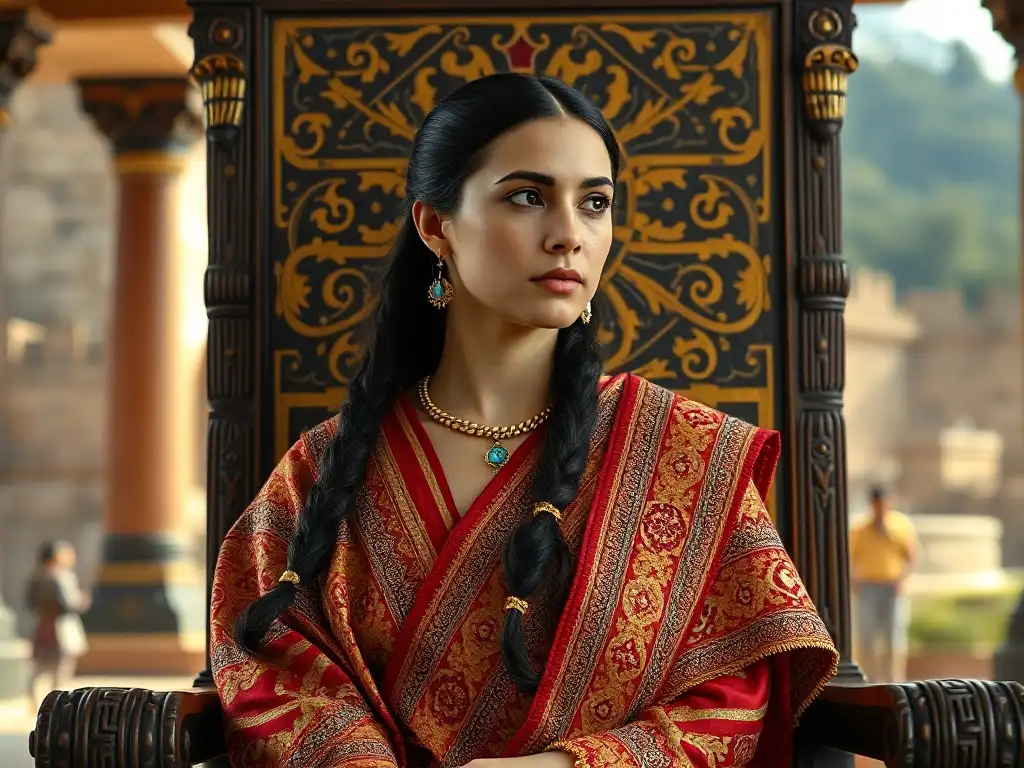
The Inca Empire's enduring power rested not only on military might and sophisticated infrastructure but also on the strategic marriages and carefully managed lineage of its royal family. The coya, the Inca emperor's wife, played a crucial role in this complex system, representing more than just a consort; she was a political figurehead, a religious symbol, and a vital link in the chain of imperial succession.
Understanding the coya's position requires examining the intricacies of Inca marriage customs, the paramount importance of lineage in maintaining power, and the meticulous process involved in selecting the emperor's wife and arranging royal alliances. This section delves into these key aspects, providing a deeper understanding of the coya's significance within the Inca royal women's history.
Inca Marriage Customs: The Coya and Royal Alliances
Inca marriage customs were far from romantic notions of love and affection. They were primarily political tools, designed to consolidate power, forge alliances, and ensure the continuity of the imperial line. The marriage of the Sapa Inca (emperor) to the coya was the most significant union, symbolizing the sacred bond between the ruler and the realm.
The coya wasn't merely chosen for her beauty; her lineage and the political leverage her family brought to the table were paramount. These alliances often involved marriages between the Inca royal family and powerful regional curacas (chiefs), solidifying the empire's control and integrating conquered territories. This intricate web of marital connections served to maintain stability and prevent internal rebellion.
Think of it as a sophisticated game of chess, where every marriage was a carefully calculated move in the larger game of imperial power. The selection of the coya was not a matter of personal preference but a state affair of immense consequence.
The coya's role extended beyond simply bearing heirs. She held significant religious authority, often acting as a priestess and participating in important ceremonies. This dual role – political and religious – enhanced her power and influence within the empire. Furthermore, the coya's family received significant privileges and land grants, further cementing their loyalty to the Inca emperor. This system ensured that the coya's family remained a steadfast supporter of the ruling dynasty.
The Importance of Lineage and Succession in the Inca Empire
The Inca Empire placed immense emphasis on maintaining a pure and unbroken lineage. The succession to the throne was not always straightforward, often leading to power struggles and internal conflicts. The coya's role in this delicate balance was critical.
As the mother of the future emperor, she held a position of considerable influence, impacting the selection of her son's successor. The legitimacy of the Inca ruler was intrinsically linked to his ancestry and the purity of his lineage, tracing back to the mythical founder, Manco Cápac. Any perceived deviation from this established lineage could seriously undermine the emperor's authority and destabilize the entire empire.
Maintaining a strong and uninterrupted lineage was crucial for the Inca's concept of ayni, reciprocal obligations and responsibilities within the community, extending to the divine realm. The emperor's lineage was seen as divinely ordained, connecting the rulers to the gods and ensuring the continued prosperity of the empire. Therefore, the coya's role in upholding the sanctity of this lineage was profoundly significant. The coya's family history was meticulously scrutinized, ensuring its suitability to maintain the imperial bloodline.
The Selection Process of the Coya and Royal Marriages
The selection of the coya was a complex and highly ritualized process. Potential candidates were chosen from among the most prominent noble families within the empire. These women were rigorously assessed for their lineage, physical attributes, and perceived suitability for the role. While beauty undoubtedly played a part, it was secondary to the political and social standing of the family. The coya was not simply the emperor's wife; she was a symbol of the empire's strength and the continuity of its sacred lineage.
The process involved extensive scrutiny and deliberation among the Inca elite, ensuring that the chosen coya possessed the necessary qualities to fulfill her multifaceted role. The selection was not merely a matter of personal preference but a critical decision with far-reaching implications for the entire empire. The marriage of the coya and the Sapa Inca was not a private affair; it was a public event of immense significance, solidifying the power structure and demonstrating the emperor's authority.
This elaborate selection process highlights the importance of the coya in Inca society and her critical role in the continuity of the Inca royal women's history and the empire itself. Detailed records of these selections, unfortunately, remain scarce, leaving many aspects of the process shrouded in mystery. Further research is needed to fully illuminate the nuances of this critical aspect of Inca royal life.
Famous Coyas in Inca History: Stories of Power and Influence
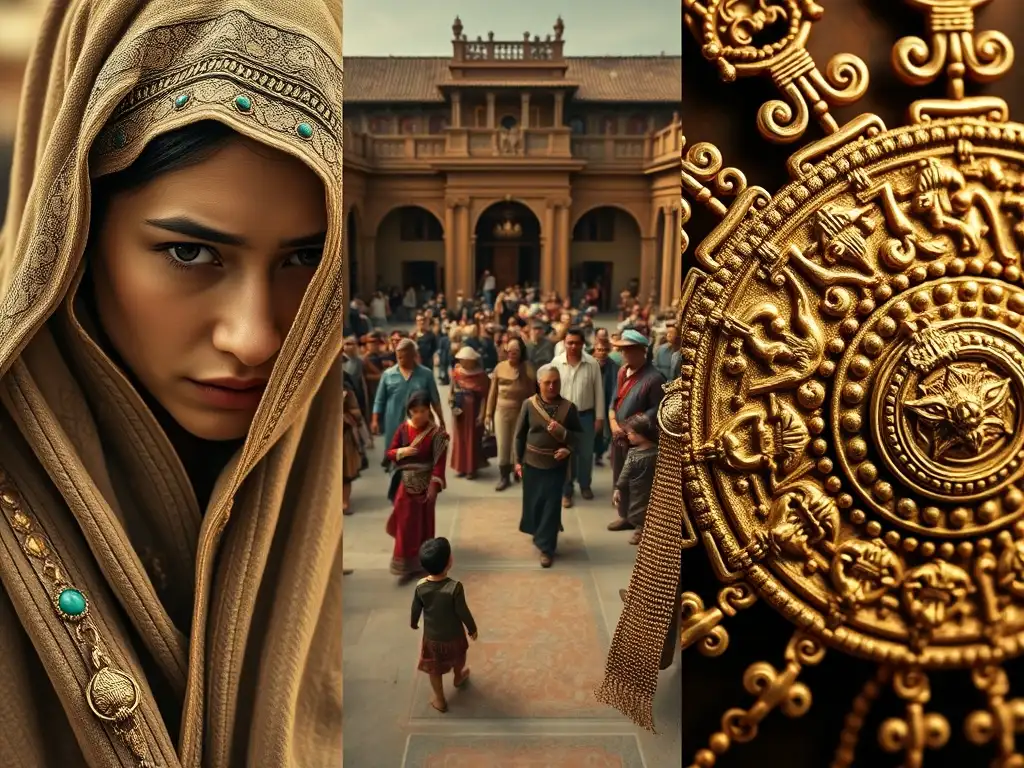
This section delves into the lives and legacies of several prominent Coyas, the wives of Inca emperors, exploring their roles beyond mere consorts and examining their significant contributions to the Inca Empire. Understanding the history of Inca royal women provides crucial insight into the complexities of Inca society, revealing a more nuanced picture than often presented. The term "Coya" itself signifies a position of power and influence, and these women played vital roles in political, religious, and social spheres.
Their stories, often obscured by patriarchal narratives, are finally gaining the recognition they deserve. The keyword "Inca royal women history" is central to understanding their impact.
Mama Ocllo and Her Contribution to the Inca Empire
Mama Ocllo, often cited as the wife of Inca founder Manco Cápac, represents a foundational figure in Inca mythology and history. While historical accuracy regarding her existence remains debated among scholars, her legendary role highlights the importance ascribed to royal women in Inca origin stories. The narratives surrounding Mama Ocllo often depict her as a powerful figure, involved not only in the establishment of Cusco but also in the dissemination of Inca culture and traditions.
She's often credited with introducing spinning and weaving techniques, vital crafts that contributed significantly to the Inca economy and social structure. These skills were not merely domestic; they represented a source of power and prestige, connecting royal women to the production of elite textiles and garments.
The emphasis on her role in the transmission of cultural practices underscores the significant influence Inca royal women wielded in shaping the very fabric of Inca society. Further research into archaeological evidence and surviving chronicles is needed to fully clarify her historical significance, but even as a mythical figure, Mama Ocllo's enduring presence in Inca lore underscores the importance of female leadership in shaping the Inca narrative.
Coya Asarpay and Her Impact on Inca Society
While less prominent in popular accounts than some other Coyas, Coya Asarpay's influence was significant during the reign of her husband, Túpac Yupanqui. She is believed to have played a crucial role in the administration and organization of the Inca empire's vast network of acllas, or "chosen women," who served in religious roles, produced textiles, and contributed to the empire's economic output. Asarpay's involvement with the acllas suggests a level of political and administrative authority rarely acknowledged in traditional portrayals of Inca queens.
Her influence extended beyond the purely religious or economic: managing the acllas provided her with access to information and a network of loyal followers, potentially allowing her to exert influence on political decisions and royal succession. The study of Inca royal women history often overlooks the impact of figures like Asarpay, emphasizing the need for a more inclusive understanding of their contributions.
Further investigation into the role of Coyas in managing the acllahuasi (the houses where the acllas lived) is crucial to understanding the extent of their power. The existing historical records, while limited, hint at a far more complex and influential role for these women than previously understood.
Legacies of Coyas and Their Influence on the Inca Empire
The legacies of the Coyas extended far beyond their lifetimes. Their influence on Inca art, architecture, and religious practices is evident in surviving artifacts and chronicles. The textiles produced under their patronage, for instance, often featured intricate designs and high-quality materials, reflecting the prestige associated with royal workshops. Furthermore, the religious roles filled by some Coyas, such as participation in important ceremonies and rituals, cemented their status as powerful intermediaries between the Inca ruler and the divine realm.
This underscores the importance of studying Inca royal women history to fully grasp the religious and political dimensions of the Inca Empire. The construction of certain temples and palaces may also reflect the preferences and influence of particular Coyas, illustrating their impact on the physical landscape of the empire. Analyzing the iconography of Inca art, paying close attention to depictions of royal women, can provide further insights into their roles and influence.
The ongoing study of Inca royal women history continues to unravel the complexities of their contributions, revealing a more nuanced and complete picture of the Inca Empire. The stories of these women challenge traditional narratives and offer a richer understanding of Andean civilization. The study of these women's lives is vital for a more complete and accurate understanding of Inca history and the crucial role of women in shaping this remarkable civilization.
The Legacy of Inca Royal Women: Their Impact on Andean Culture
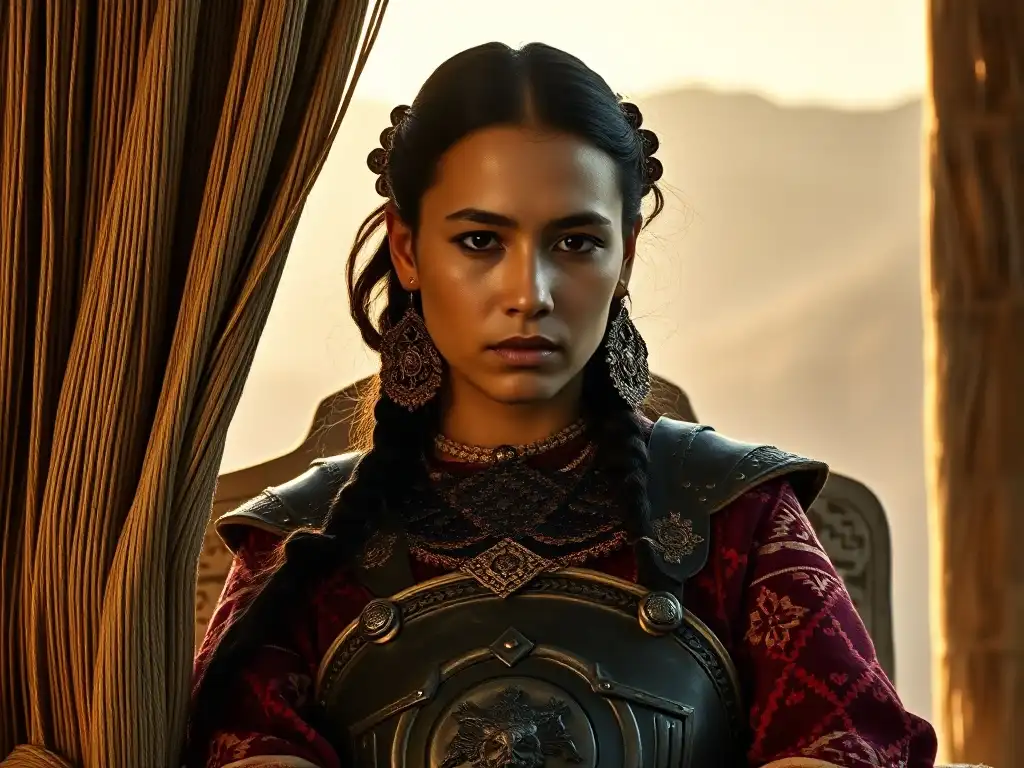
The Inca Empire, renowned for its sophisticated social structures and impressive infrastructure, placed significant importance on its female elite, the coyas. Their influence extended far beyond their immediate family and court, shaping religious practices, economic policies, and artistic expression across the vast Andean region. Understanding the coya's role is crucial to grasping the complexities of Inca society and its enduring legacy. Inca royal women history is not merely a record of individuals; it is a narrative of power, influence, and cultural preservation. This section delves into the multifaceted impact of these remarkable women.
The Enduring Influence of Inca Women in Andean Traditions
Inca religious beliefs deeply intertwined with the coyas. Many were considered aclla, chosen women dedicated to the sun god, Inti. These women lived in convents, the acllahuasi, where they produced textiles, ceramics, and chicha (a fermented corn beverage) for religious ceremonies and elite consumption.
Their role wasn't solely religious; they were also involved in the production of highly valued goods, contributing significantly to the Inca economy. The aclla system, while seemingly restrictive, also provided women with opportunities for education, specialized skills, and social standing unavailable to most women in the empire. The traditions associated with the aclla and their sacred crafts continue to resonate in modern Andean communities, highlighting the enduring influence of Inca royal women on cultural practices.
The legacy of these women is not just about power; it's about the preservation of skills and beliefs that continue to shape Andean identity today. Their devotion to Inti and their skill in sacred crafts left an indelible mark on the religious and cultural fabric of the Inca Empire, a legacy that continues to inspire awe and fascination.
The Lasting Legacy of Inca Noble Women in Textile Arts
Inca textiles were not merely clothing; they were powerful symbols of status, wealth, and identity. Coyas and other noble women played a vital role in the production of these exquisite textiles, overseeing workshops and setting the standards for quality and design. The intricate techniques, vibrant colors, and symbolic motifs found in Inca textiles reflect the high level of skill and artistry of these women.
Their mastery of spinning, weaving, and dyeing techniques resulted in textiles that were highly prized, both within the Inca Empire and beyond. These textiles, often adorned with intricate designs representing mythological figures, celestial events, and agricultural cycles, served not just as clothing but also as ceremonial objects and gifts. The knowledge and artistry passed down through generations of Inca women weavers have left an invaluable legacy for future generations.
The techniques and designs they perfected continue to inspire contemporary Andean artisans, ensuring that the tradition of Inca textile art lives on. The enduring beauty and complexity of Inca textiles stand as a testament to the skill and creativity of Inca royal women, a legacy of artistry that continues to capture the imagination.
Inca Royal Women History: A Lasting Influence on Andean Societies
The influence of coyas extended beyond religious and artistic spheres. Their roles as wives, mothers, and advisors to the Sapa Inca (emperor) placed them at the heart of political and economic decision-making. They controlled significant resources, including land and labor, and exerted considerable influence on court life.
Their involvement in state affairs and their ability to shape policy demonstrates the significant political power wielded by Inca royal women. Furthermore, their role in transmitting knowledge and traditions across generations ensured the continuity of Inca culture and its adaptation to changing circumstances. The coyas were more than just figures of prestige; they were key players in the functioning of the Inca Empire.
Their active participation in political affairs, economic management, and social structures underscores their importance in shaping Inca society. The legacy of Inca royal women history is one of resilience, influence, and enduring impact on Andean societies, highlighting the complexity and richness of their roles within a powerful and sophisticated empire. Their stories, though often fragmented, offer a glimpse into a world where women held positions of considerable power and authority, challenging the stereotypical image of ancient Andean societies.
Conclusion: Understanding the Importance of Inca Royal Women
The study of Inca royal women reveals a complex tapestry woven from threads of power, ritual, and societal expectation. While often overshadowed by the narratives surrounding Inca emperors, the coyas, princesses, and other women of the royal lineage played crucial roles in the Inca Empire's political, religious, and social structures. Their influence extended far beyond the domestic sphere, impacting everything from succession disputes to economic policies and religious ceremonies.
Understanding their lives provides a more nuanced and complete picture of Inca society, challenging traditional interpretations that often marginalized their contributions. The Inca royal women were not simply passive figures; they were active participants in shaping the destiny of one of the most remarkable civilizations of the pre-Columbian Americas.
Their legacy continues to inspire further research and re-evaluation of historical narratives focused solely on male power structures. This exploration of "Inca royal women history" highlights their significant impact on the empire's enduring legacy.
Reflecting on the Lives of Inca Royal Women
The lives of Inca royal women were far from uniform. Their roles and responsibilities varied depending on their lineage, age, and the specific circumstances of their reign. Some coyas, like Mama Ocllo, are shrouded in myth and legend, their historical accuracy debated by scholars.
Others, however, leave behind more concrete evidence of their influence, such as the architectural achievements associated with certain royal women or their involvement in managing vast agricultural estates. The acllas, or chosen women, dedicated to the service of the Sun God, also occupied a significant position within Inca society, contributing to textile production, religious ceremonies, and the preservation of Inca traditions. Analyzing the lives of these women requires a careful consideration of available sources, acknowledging the biases inherent in colonial accounts and the limitations of archaeological findings.
The complexities of their lives, often intertwined with political intrigue and religious ritual, challenge simplistic interpretations and demand a more sophisticated understanding of their multifaceted contributions. Further research into their lives is crucial to fully appreciate the depth and breadth of their influence. The available information, while sometimes fragmented, offers glimpses into their lives, revealing a rich tapestry of power, piety, and resilience.
Further Research on the Role of Inca Women
Future research on Inca royal women should focus on several key areas. Firstly, a more thorough analysis of existing archaeological evidence is needed. This includes a careful examination of textiles, ceramics, and other artifacts that might reveal clues about the roles and status of royal women. Secondly, a critical reassessment of colonial sources is essential.
While these sources often reflect a biased perspective, they can still provide valuable information if approached with caution and critical analysis. Thirdly, interdisciplinary approaches, combining archaeological evidence with anthropological and historical analysis, are crucial to build a more complete picture of Inca royal women's lives. Finally, more attention should be paid to the experiences of women beyond the royal family, exploring the lives of common women within Inca society to gain a broader understanding of gender roles and social structures.
The study of "Inca royal women history" is a dynamic field, and new discoveries and interpretations are constantly emerging. By adopting a multi-faceted approach, future researchers can contribute to a more accurate and nuanced understanding of the crucial roles played by women in the Inca Empire. This will require collaborative efforts from archaeologists, historians, anthropologists, and other scholars to unravel the complexities of Inca society and give the women of this civilization the recognition they deserve.
Frequently Asked Questions
What role did Inca royal women, or Coyas, play in the empire?
The Coya, the Inca emperor's wife, held significant power and influence. She was involved in religious ceremonies, political affairs, and the administration of the empire. Her status was crucial to the legitimacy of the Inca ruler.
How did the power of the Coya compare to the Sapa Inca?
While the Sapa Inca held ultimate authority, the Coya's influence was considerable. She acted as a powerful advisor and wielded significant political and religious authority. Her influence extended to various aspects of imperial life.
What was the significance of the Coya's role in Inca religion?
The Coya was considered a sacred figure, closely linked to the divinity of the Inca emperor. She participated in important religious rituals and ceremonies, reinforcing the legitimacy of the Inca rule through her connection to the divine.
Were there any examples of Coyas who exerted exceptional power?
Yes, several Coyas wielded considerable influence beyond their expected roles. Mama Ocllo, a legendary figure, is often cited as a powerful and influential Coya. Their influence varied depending on the personality and political skills of the individual Coya.
What were the lives of Inca royal women like beyond their official duties?
While their lives were structured around their royal duties, Coyas likely enjoyed a life of privilege and luxury. They had access to finely crafted textiles, elaborate jewelry, and extensive household staff. However, their lives were also governed by strict social and religious protocols.
Final Reflection: Echoes of the Coya: A Legacy of Strength and Resilience
The lives of Inca royal women, far from being mere footnotes in history, offer a crucial lens through which to understand the complexities of Inca power, social structures, and the enduring strength of women in the face of immense societal pressures. Their stories, often obscured by patriarchal narratives, reveal a fascinating tapestry of influence, ritual, and resilience that continues to resonate today.
The Coya's role extended far beyond that of a consort; they were powerful figures in their own right, wielding influence over religious practices, economic affairs, and even political decisions. Their lives, though often shrouded in mystery, speak volumes about the agency women could exert within a seemingly rigid hierarchical system. The women of the Inca court were not mere ornaments; they were active participants in the political and religious life of the empire.
This quote, while needing further historical contextualization, highlights the need to move beyond simplistic portrayals of Inca women and delve into the nuances of their power.
Consider the legacy of these remarkable women. Their influence shaped not only the Inca Empire but also the cultural memory of the Andean region. You, the reader, are now equipped with a deeper understanding of their contributions. Take this knowledge and challenge the narratives that minimize their roles. Seek out more stories, question the biases present in historical accounts, and remember the enduring strength and complexity of the Coya and the women who lived alongside them. Their stories deserve to be heard, understood, and celebrated.
**Unveil the Legacy of the Coya! **
Thank you for exploring the fascinating world of the Coya and the remarkable lives of Inca royal women! Learning about their stories provides a deeper understanding of this rich civilization and its history. Now, let's delve even further!
- **Expand your knowledge:** Explore local museums and online resources dedicated to Inca culture and the significant roles women played within their society.
- **Share your discoveries:** Discuss what you've learned with friends and family, sparking conversations about the enduring impact of history on our modern world.
- **Connect with fellow enthusiasts:** Join online forums or social media groups dedicated to Andean history to continue your exploration.
Which aspect of the Coya's life most captivates you and inspires further exploration? Share your thoughts in the comments below!