
The Maize Marvel: How Corn Shaped Andean Societies

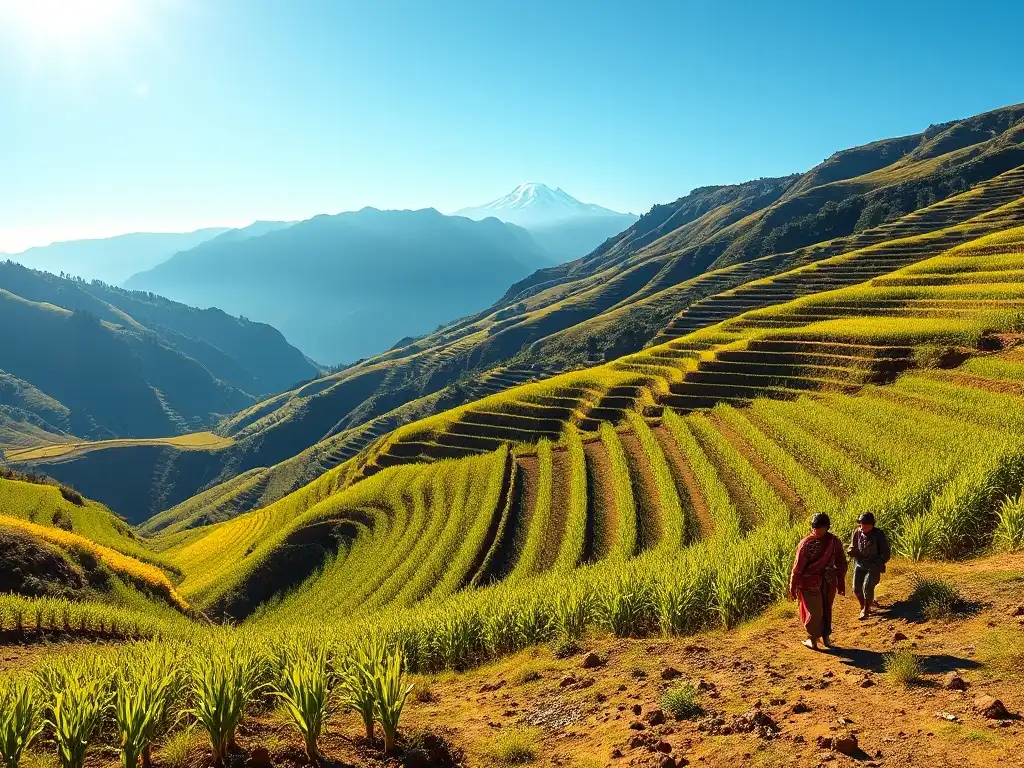
Step into a world lost to time, yet echoing with the whispers of a magnificent past. Prepare to be amazed by the ingenuity and resilience of the Andean civilizations, whose mastery of agriculture shaped empires and continues to fascinate us today. Discover how a single grain, maize, revolutionized their world – a story of innovation, adaptation, and the enduring power of a seemingly simple crop. Unravel the secrets behind the Andean civilizations maize impact and journey with us through a landscape shaped by both nature and human ingenuity. Read on to explore this captivating tale.
Corn, or maize as it's scientifically known, wasn't just a staple crop in the Andes; it was the very cornerstone of Andean civilizations. From the towering Inca Empire to the sophisticated Moche and Nazca cultures, maize profoundly shaped their social structures, religious beliefs, agricultural practices, and even their art. This article delves into the multifaceted impact of maize on Andean societies, exploring its role as a dietary staple, a symbol of power and fertility, and a crucial element in their complex agricultural systems.
We'll examine how its cultivation and distribution shaped social hierarchies, fueled economic growth, and contributed to the remarkable achievements of these ancient cultures. Understanding the significance of maize is essential to comprehending the richness and complexity of Andean civilizations. This exploration will reveal how deeply intertwined the fate of these societies was with the fortunes of this remarkable grain.
Maize as a Dietary Staple: The Foundation of Andean Diets
Maize formed the bedrock of the Andean diet, providing a significant source of carbohydrates and calories necessary to sustain large populations. Archaeological evidence consistently reveals the prevalence of maize remains in ancient Andean settlements, indicating its central role in their daily sustenance. From simple porridges and stews to more complex dishes, maize was prepared in diverse ways, reflecting the culinary ingenuity of the various Andean cultures. The nutritional value of maize, coupled with its adaptability to diverse Andean climates, made it an invaluable resource for these societies.
Its cultivation allowed for the development of settled agricultural communities and facilitated population growth, laying the groundwork for the rise of complex civilizations. Different varieties of maize were cultivated, each adapted to specific altitudes and environmental conditions, highlighting the agricultural expertise of Andean farmers. The processing and storage techniques employed by these communities also showcase their advanced understanding of food preservation.
Maize in Andean Religion and Symbolism: A Sacred Crop
Beyond its nutritional importance, maize held profound religious and symbolic significance in Andean cultures. It was often associated with fertility, abundance, and the life-giving forces of nature. In many Andean mythologies, maize is depicted as a sacred plant, connected to deities and creation myths. Depictions of maize cobs and ears of corn are frequently found in Andean art, including pottery, textiles, and monumental architecture, emphasizing its sacred status.
The significance of maize extended to ritual practices, where it played a central role in ceremonies and offerings. The vibrant colors of maize, ranging from yellow and white to red and purple, likely contributed to its symbolic importance, representing the diversity and bounty of the Andean landscape. The association of maize with fertility is also evident in the many fertility-related rituals and ceremonies where maize played a pivotal role.
The Impact of Maize on Andean Agriculture and Technology: Innovations in Cultivation
The cultivation of maize spurred technological advancements in Andean agriculture. The development of sophisticated irrigation systems, terracing techniques, and advanced agricultural tools demonstrates the ingenuity of Andean farmers in optimizing maize production. The construction of extensive terrace systems on steep slopes allowed for the cultivation of maize in otherwise unsuitable terrain, maximizing arable land and food production. The intricate canal systems that channeled water to fields showcase remarkable engineering skills, enabling the efficient irrigation of maize crops.
Furthermore, the Andean peoples developed diverse techniques for seed selection, crop rotation, and pest control, showcasing their deep understanding of agricultural principles. The development of storage facilities, such as granaries, was also crucial in ensuring food security and mitigating the risks associated with fluctuating harvests. These technological advancements, closely tied to maize cultivation, were instrumental in supporting the growth and development of Andean civilizations.
The control and distribution of maize played a significant role in shaping Andean social structures and economies. In many Andean societies, access to maize was linked to social status and power. Elites often controlled the distribution of maize, using it to maintain their authority and influence. Maize surplus allowed for the development of specialized labor and the emergence of complex social hierarchies.
Trade networks extended across vast distances, with maize serving as a crucial commodity. The exchange of maize and other agricultural goods facilitated economic growth and cultural exchange between different Andean communities. The importance of maize in Andean societies is inextricably linked to their social and economic organization, highlighting its profound and lasting impact. The control of maize production and distribution often determined the power dynamics within these societies, shaping their political and social landscapes.
- Maize as a Dietary Staple: The Foundation of Andean Diets
- Maize in Andean Religion and Symbolism: A Sacred Crop
- The Impact of Maize on Andean Agriculture and Technology: Innovations in Cultivation
- The Social and Economic Impact of Maize: Power, Trade, and Social Stratification
The Significance of Maize in Ancient Andean Agriculture
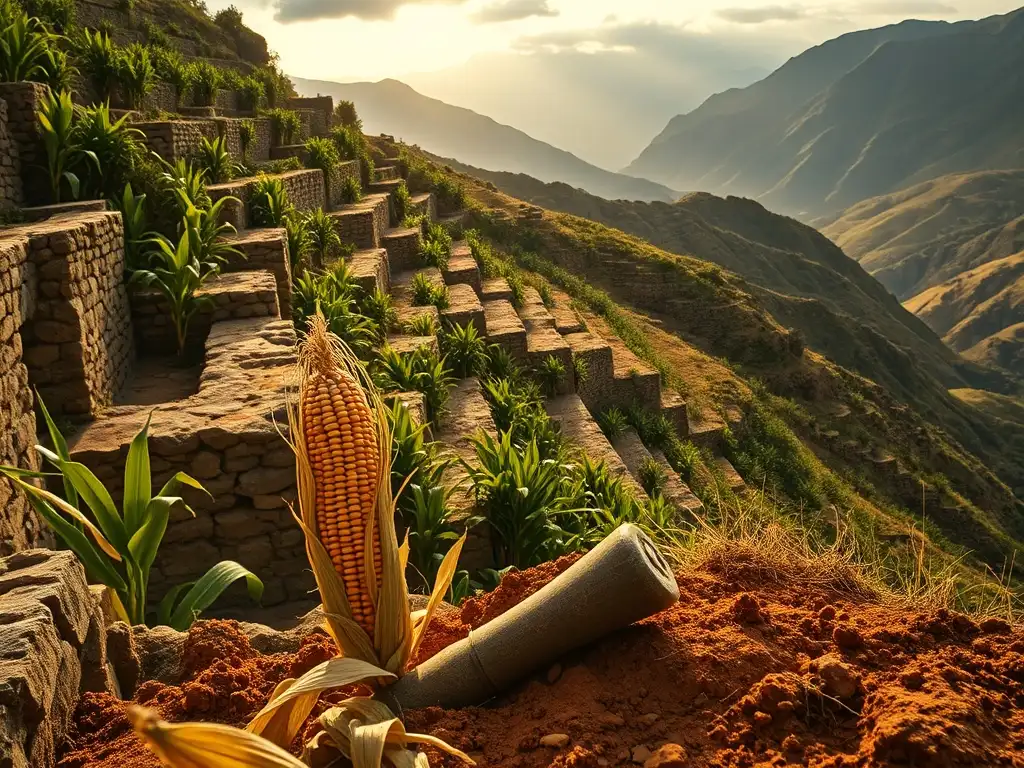
Maize, or corn, wasn't just a staple crop for Andean civilizations; it was the cornerstone of their societies. Its impact reverberated through their agricultural practices, religious beliefs, social structures, and even artistic expressions. Understanding the role of maize is crucial to comprehending the complexities and achievements of these fascinating cultures. The sheer pervasiveness of maize in Andean life is evidenced by its presence in everything from daily meals to elaborate religious ceremonies.
Its cultivation shaped the landscape, influenced trade networks, and contributed significantly to the population density and societal development across the Andes. The Andean civilizations maize impact is undeniable and continues to be a subject of ongoing research and fascination. This section delves into the specifics of maize cultivation and its multifaceted influence on Andean societies.
Early Cultivation of Corn in the Andes
The precise origins of maize cultivation in the Andes remain a subject of debate among archaeologists. However, evidence suggests that early forms of maize were domesticated in the region thousands of years ago, potentially even predating the development of agriculture in Mesoamerica. Radiocarbon dating of ancient maize cobs and pollen found at sites like Guitarrero Cave in Peru suggests cultivation as early as [specific date pending]. These early varieties likely differed significantly from the maize we know today, possessing smaller cobs and less prolific yields.
The process of domestication involved a long and gradual selection of desirable traits, resulting in increased cob size, improved kernel quality, and enhanced adaptability to diverse Andean environments. This early cultivation laid the groundwork for the sophisticated agricultural systems that would later characterize Andean civilizations. The development of irrigation techniques, terracing, and other innovative farming practices further enhanced maize production, supporting larger and more complex societies.
The early cultivation of corn, therefore, was a pivotal moment in the history of the Andean region, setting the stage for the remarkable achievements of later civilizations. The transition from hunter-gatherer lifestyles to settled agricultural communities was directly linked to the successful cultivation of maize, providing a stable and reliable food source. This shift had profound implications for social organization, population growth, and the overall trajectory of Andean societies.
Maize Varieties and Adaptation to Andean Environments
The Andes boast a remarkable diversity of ecological zones, ranging from arid coastal deserts to high-altitude alpine meadows. This diverse geography necessitated the development of maize varieties adapted to vastly different conditions. Andean farmers cultivated a wide array of maize types, each suited to specific altitudes, climates, and soil types. For example, some varieties were adapted to the dry coastal regions, while others thrived in the wetter highlands.
The development of these diverse varieties showcases the remarkable ingenuity of Andean farmers in adapting crops to challenging environments. This adaptability was crucial to the success of maize cultivation across the vast and varied Andean landscape. Furthermore, the different varieties of maize also played a significant role in the Andean diet, providing a range of flavors, textures, and nutritional benefits. Different varieties were used for different purposes, some for making chicha (a fermented maize beverage), others for preparing various dishes, and still others for storage.
The cultivation of multiple varieties also helped to mitigate risks associated with crop failure, ensuring a more stable food supply even in the face of environmental challenges. The sophisticated understanding of maize genetics and adaptation to specific environments highlights the advanced agricultural knowledge possessed by Andean civilizations. This knowledge was passed down through generations, ensuring the continued productivity and resilience of their agricultural systems. The remarkable diversity of maize varieties is a testament to the ingenuity and adaptability of Andean farmers and represents a significant contribution to the global diversity of maize.
Maize as a Cornerstone of Andean Civilization
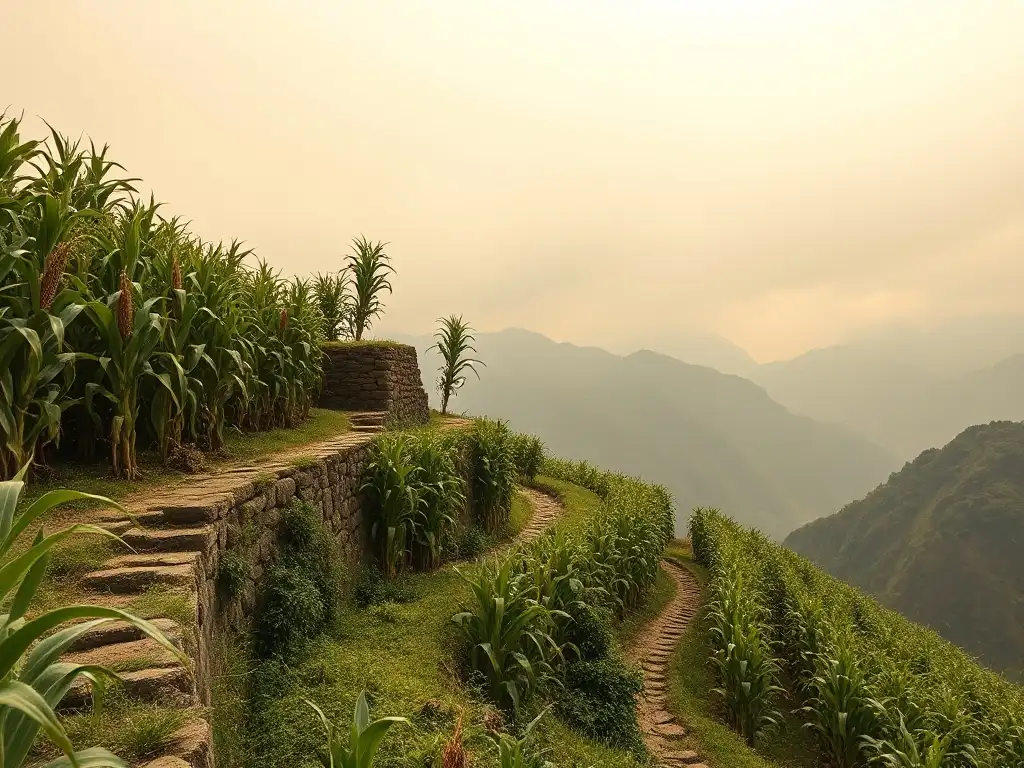
Maize, or corn, wasn't just a staple crop for Andean civilizations; it was the very foundation upon which their societies were built. Its impact reverberated through every aspect of their lives, from daily sustenance and agricultural practices to complex social hierarchies and religious beliefs. Understanding the profound influence of maize is crucial to comprehending the intricacies of Andean cultures and their remarkable achievements. This section will delve into the multifaceted role of maize, exploring its significance in Andean diet, agricultural techniques, and social structures. The sheer ubiquity of maize in Andean life highlights its importance as a keystone species, shaping the very landscape and the people who inhabited it. The pervasive presence of corn in Andean art, mythology, and daily life underscores its symbolic and practical significance. Analyzing its impact reveals a deep connection between the people and their environment, a relationship intricately woven into the fabric of Andean civilization.
The Role of Maize in Andean Diet and Nutrition
Maize formed the cornerstone of the Andean diet, providing a significant source of carbohydrates, energy, and essential nutrients. It wasn't simply eaten as a grain; ingenious methods of processing transformed maize into a vast array of foods. From the readily available humitas (steamed corn cakes) to the more elaborate chicha (fermented corn beverage), maize was versatile and adaptable to various culinary techniques.
The nutritional value of maize, particularly its high carbohydrate content, fueled the physical labor essential to Andean agriculture and construction projects. Different varieties of maize were cultivated, each suited to specific altitudes and climates, demonstrating a sophisticated understanding of agricultural diversification. This adaptability allowed Andean societies to thrive in diverse ecological zones, from coastal deserts to high-altitude plateaus.
The nutritional density of maize, combined with other crops like potatoes and beans, created a balanced and sustainable diet that supported large populations. Furthermore, maize provided not just sustenance but also cultural identity, deeply embedded in rituals and celebrations. The preparation and consumption of maize-based dishes were often integral parts of social gatherings and religious ceremonies, reinforcing its importance beyond mere sustenance.
Andean Agriculture Techniques Focused on Corn Production
Andean agricultural practices were remarkably sophisticated, reflecting millennia of adaptation and innovation centered around maize cultivation. The development of techniques like terracing, irrigation systems, and raised fields allowed Andean farmers to maximize yields even in challenging terrains. Terracing, for instance, transformed steep slopes into cultivatable land, increasing arable acreage significantly.
Complex irrigation systems, often incorporating canals and aqueducts, ensured a reliable water supply for crops, especially crucial in arid regions. The construction of raised fields, common in the Amazon basin, created artificial islands of fertile soil, improving drainage and increasing productivity. These techniques weren't simply pragmatic; they were the result of detailed observation of the environment and a deep understanding of ecological principles.
The ingenuity of Andean farmers is evident in their ability to adapt their techniques to diverse environments, ensuring a consistent and plentiful maize harvest. Furthermore, the management of soil fertility was a key aspect of Andean agriculture, employing techniques like crop rotation and the use of fertilizers to maintain soil health and productivity over long periods. The enduring legacy of these agricultural innovations is a testament to the enduring ingenuity of Andean civilizations.
The importance of maize extended far beyond its nutritional value, profoundly shaping the social structures of Andean civilizations. Control over maize production and distribution often determined social status and power. Elite classes frequently controlled access to the most fertile lands and resources, wielding significant influence over the agricultural economy. Religious beliefs and rituals centered on maize further reinforced its significance in social hierarchies.
Maize was often associated with deities and viewed as a sacred crop, symbolizing fertility, abundance, and prosperity. The elaborate ceremonies and rituals surrounding maize cultivation and harvest underscored its importance in the spiritual and social lives of Andean peoples. Furthermore, the surplus production of maize allowed for specialization of labor and the development of complex social structures.
The availability of surplus food enabled certain individuals to dedicate themselves to activities other than agriculture, leading to the emergence of artisans, craftspeople, and religious leaders. The intricate relationship between maize production, social stratification, and religious beliefs demonstrates the profound impact of this single crop on the organization and functioning of Andean societies. The analysis of archaeological evidence further supports this understanding, revealing patterns of social organization closely linked to maize cultivation and distribution networks.
The Cultural and Ritual Importance of Corn
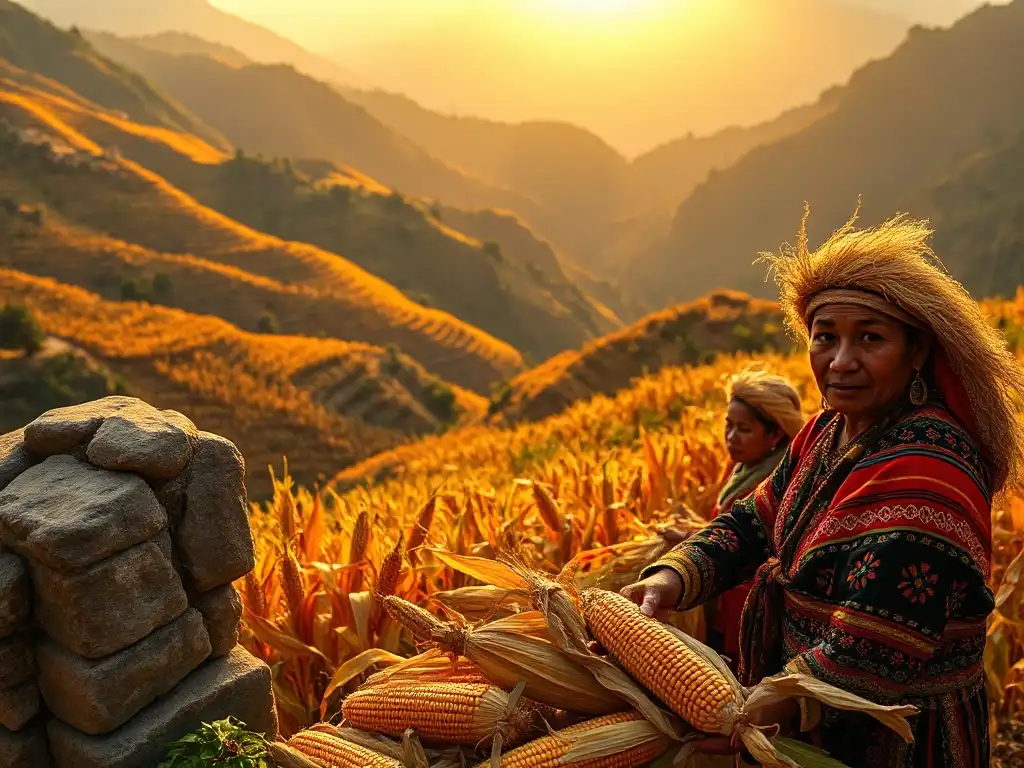
The impact of maize on Andean civilizations extends far beyond its nutritional value. Corn became deeply interwoven into the fabric of Andean societies, playing a pivotal role in their religious beliefs, artistic expressions, and economic systems. Understanding this profound cultural significance is crucial to grasping the true extent of maize's influence on the development of these remarkable societies.
The sheer pervasiveness of maize in Andean life speaks volumes about its importance; it wasn't simply a staple food, but a sacred element shaping their worldview. This section will delve into the multifaceted cultural and ritual importance of maize in Andean societies, exploring its symbolic power and its role in shaping their social structures. The impact of this grain on Andean civilizations is undeniable and deserves closer examination.
Maize in Andean Religious Practices and Ceremonies
Maize held a central position in the religious beliefs and practices of various Andean cultures. For instance, in Inca cosmology, maize was often associated with the sun god, Inti, representing life, fertility, and abundance. Harvest festivals, such as the Capac Raymi, celebrated the maize harvest and honored the deities associated with its growth.
These weren't simply agricultural celebrations; they were complex rituals involving elaborate ceremonies, sacrifices, and processions, underscoring the sacred nature of maize. Furthermore, the use of chicha, a fermented maize beverage, was integral to many religious ceremonies, serving as a sacred offering and a means of communicating with the spirit world. The preparation and consumption of chicha were often imbued with ritual significance, varying across different Andean groups and contexts.
The precise details of these rituals are still being uncovered by archaeologists, but their importance in Andean religious life is undeniable. The role of maize in these practices highlights its significance beyond mere sustenance, emphasizing its symbolic representation of spiritual power and connection to the divine.
Corn Symbolism in Andean Art and Architecture
The pervasive presence of maize imagery in Andean art and architecture further underscores its cultural significance. From intricate pottery depicting maize deities and stylized corn cobs to monumental structures adorned with maize motifs, the plant’s imagery served as a powerful symbol across diverse Andean cultures. The Moche civilization, known for its exquisite ceramics, frequently depicted maize in their artwork, often associating it with fertility and abundance. Similarly, Inca architecture incorporated maize motifs into their stonework, showcasing its importance within their imperial ideology.
The intricate weaving techniques of Andean cultures also incorporated maize designs, further highlighting its symbolic significance. These artistic expressions not only captured the aesthetic beauty of the plant but also conveyed deeper cultural and religious meanings. The continued presence of corn symbolism in contemporary Andean art demonstrates its enduring legacy and its continued relevance to Andean identity.
Corn as a Medium of Exchange and Tribute
Beyond its religious and artistic significance, maize also functioned as a crucial element within the Andean economic systems. It served as a primary medium of exchange and a vital component of the tribute system that underpinned many Andean empires, particularly the Inca. The Inca mit'a system, a form of labor tribute, often involved the cultivation and processing of maize.
Farmers would contribute a portion of their maize harvest to the state, which then redistributed it to support the imperial bureaucracy and the population. This system ensured the flow of resources and strengthened the empire's control over its vast territories. The value of maize in these systems is evident in the meticulous record-keeping employed by the Inca, which tracked maize production and distribution with remarkable precision.
Maize's economic importance highlights its central role in shaping the social and political landscape of Andean societies, demonstrating its significance beyond its purely agricultural value. The intricate system of maize production, distribution, and exchange served as a cornerstone of Andean economic organization and social stratification.
The Impact of Maize on Andean Technological Advancements
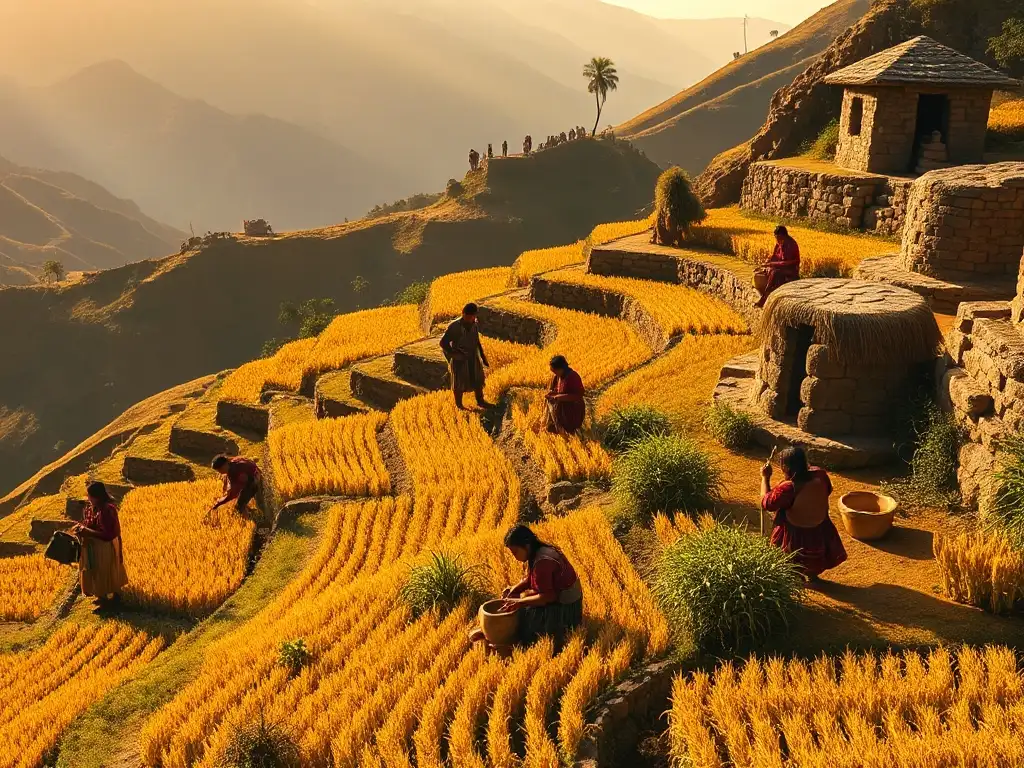
The cultivation of maize (corn) profoundly impacted the technological development of Andean civilizations. Its importance extended far beyond mere sustenance; it spurred innovation in agriculture, storage, and food processing, ultimately shaping the very fabric of Andean societies. The sheer scale of maize production necessitated the development of sophisticated techniques, leaving a lasting legacy on the region's engineering prowess.
The high caloric density of maize also supported larger, more complex societies, fueling population growth and the construction of impressive urban centers. Understanding the relationship between maize and Andean technological progress is key to grasping the full complexity of these remarkable cultures. Analyzing the evidence reveals a fascinating interplay between agricultural needs and technological solutions.
Agricultural Innovations for Maize Cultivation
Andean farmers developed ingenious techniques to maximize maize yields in diverse and often challenging environments. Terracing, for example, was a crucial innovation allowing for the cultivation of steep slopes, increasing arable land significantly. This technique involved the construction of elaborate systems of retaining walls, often built from stone, creating a series of level platforms ideal for planting.
The precision and scale of some terraces are truly astonishing, demonstrating a deep understanding of hydrology and engineering. Beyond terracing, the use of irrigation systems – canals, ditches, and aqueducts – allowed for controlled water distribution, crucial for successful maize cultivation, particularly in drier regions. The sophisticated water management systems of the Nazca and Inca civilizations are prime examples of this ingenuity.
Furthermore, the development of specialized tools, such as digging sticks and hoes, optimized planting and weeding processes, improving efficiency and crop yield. The intricate interplay between these techniques demonstrates the Andean peoples' deep understanding of their environment and their capacity for adaptive innovation. Analyzing the remnants of these agricultural systems today reveals the extent of their mastery over agriculture.
Storage and Preservation Techniques for Corn
The successful cultivation of maize necessitated equally sophisticated methods for storage and preservation. Andeans developed a range of techniques to protect their harvest from pests, spoilage, and the elements, ensuring food security throughout the year. One notable method involved the construction of qollqas, which were large, carefully designed storehouses often built into the landscape. These structures, frequently found in Inca sites, were designed to maintain a stable temperature and humidity, preserving the maize for extended periods.
The architectural sophistication of qollqas, including ventilation systems and unique construction techniques, demonstrates a remarkable understanding of preservation principles. Furthermore, Andeans employed various drying and processing methods to extend the shelf life of maize. Sun-drying, for instance, reduced moisture content, inhibiting microbial growth and preventing spoilage.
These techniques were crucial for sustaining large populations and mitigating the risks associated with fluctuating harvests. The effectiveness of these methods is evidenced by the ability of Andean civilizations to support considerable populations with relatively reliable food supplies. The meticulous organization and planning involved in storage and preservation further underscores the importance of maize in their societal structure.
Maize Processing Methods and Culinary Traditions
Maize was not merely a staple food; it was also a central ingredient in a diverse range of culinary traditions. Andean civilizations developed sophisticated processing techniques to transform maize into a variety of products. Grinding stones, for example, were used to produce flour, which was then used in various dishes, including breads, porridges, and beverages. The development of specialized tools for grinding and processing maize, such as metates and manos, reflects a high level of technological skill.
Furthermore, fermentation techniques were employed to create chicha, a fermented maize beverage that played a significant role in social and religious ceremonies. The production of chicha involved complex processes of malting, mashing, and fermentation, showcasing a detailed understanding of biochemical processes. The diversity of maize-based foods and beverages reflects both the versatility of the crop and the ingenuity of Andean culinary traditions.
The continued presence of maize-based dishes in modern Andean cuisine is a testament to its enduring cultural significance. The legacy of these processing techniques and culinary traditions continues to shape the culinary landscape of the Andes today. The intricate relationship between maize and Andean culture is undeniable, revealing a rich tapestry of technological innovation and culinary artistry.
Case Studies: Maize and Specific Andean Cultures
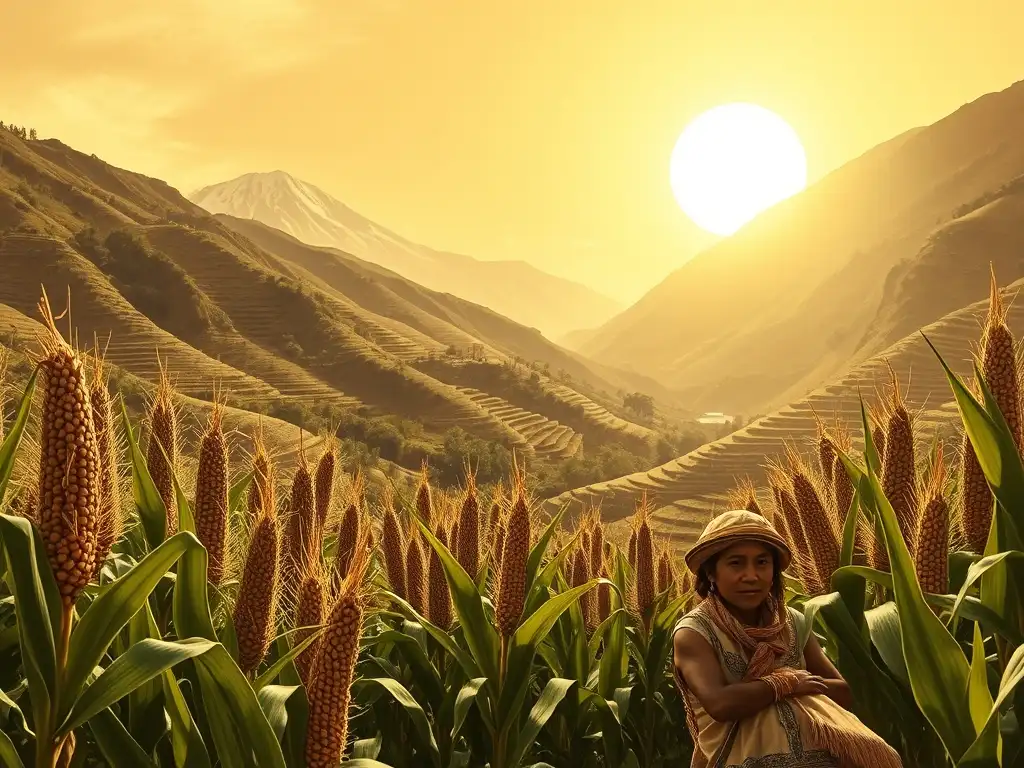
This section delves into the crucial role maize played in shaping the development and expansion of several prominent Andean civilizations. We'll examine specific examples to illustrate the profound impact of this "gift from the gods" on their societies, economies, and cultural practices. The importance of maize to Andean civilizations is undeniable, influencing everything from agricultural practices to religious beliefs and social structures. Understanding this intricate relationship provides key insights into the complexities of these fascinating cultures.
The Significance of Maize in the Inca Empire's Expansion
The Inca Empire's remarkable expansion across the Andes Mountains was significantly facilitated by its mastery of maize cultivation. The Inca's sophisticated agricultural techniques, including terracing, irrigation systems, and the use of waru waru (raised fields), allowed them to cultivate maize at high altitudes and in diverse climates. This agricultural prowess ensured a reliable food supply, supporting a large and growing population and providing surplus for the army and administrative centers.
The abundance of maize also played a crucial role in the Inca's ability to integrate conquered territories. By distributing maize and other agricultural goods, the Inca established a system of tribute and loyalty, fostering economic stability and political control. The control of maize production and distribution became a key element of Inca power, solidifying their dominion across vast regions.
Evidence suggests that the Inca Empire's impressive road system, Qhapaq Ñan, was partly built to facilitate the transport of maize and other vital resources throughout the empire. This logistical network was essential for maintaining social order and suppressing potential rebellions. The Inca's success in managing maize production was a cornerstone of their administrative and military achievements, fundamentally shaping the empire's size and longevity.
Maize Production and the Moche Civilization
The Moche civilization (c. 100-800 CE) of the northern coast of Peru developed sophisticated irrigation systems to cultivate maize and other crops in the arid desert environment. Their mastery of hydraulic engineering, evident in their extensive canal networks, allowed them to transform the desert into fertile agricultural land. Maize was a staple crop for the Moche, and its cultivation underpinned their social and economic organization.
Archaeological evidence, including intricate pottery depicting maize cultivation and harvesting scenes, highlights the importance of maize in Moche society. These depictions frequently appear alongside representations of rituals and ceremonies, showcasing the sacred nature of maize in their worldview. The Moche's agricultural success enabled them to build large urban centers and support a complex social hierarchy.
The surplus production of maize probably facilitated the development of specialized crafts and the rise of a powerful elite class. The Moche’s advanced agricultural methods, particularly their innovative irrigation systems, directly contributed to their societal complexity and cultural achievements, highlighting the integral link between maize and their societal progress.
Corn and its importance in the Nazca Culture
The Nazca culture (c. 100 BCE – 500 CE), known for its enigmatic geoglyphs, also relied heavily on maize cultivation. While their irrigation systems were perhaps less extensive than those of the Moche, the Nazca people developed effective strategies for managing water resources in the arid coastal plain. They utilized underground aqueducts, known as puquios, to access groundwater, enabling them to cultivate maize and other crops.
Maize played a pivotal role in Nazca religious beliefs and rituals. Evidence suggests that maize was associated with fertility and abundance, likely reflecting its vital role in sustaining their society. The intricate designs and patterns found on Nazca pottery often feature maize cobs and other agricultural motifs, suggesting a deep symbolic connection between maize and the culture's spiritual world.
The Nazca's ability to cultivate maize in a challenging environment underscores their resilience and ingenuity, reflecting the crucial role this crop played in their survival and cultural development. Furthermore, the surplus generated from maize cultivation likely contributed to the resources needed for the creation of the famous Nazca Lines, a monumental undertaking that required significant organization and labor. The impact of maize on the Nazca civilization was profound, shaping their agricultural practices, religious beliefs, and even their iconic artistic legacy.
The Role of Maize in the Tiahuanaco State
The Tiahuanaco culture, flourishing in the Altiplano region of the Andes from approximately 500 to 1000 CE, demonstrates a sophisticated understanding and utilization of maize, reflecting its crucial role in their social and economic structures. While potatoes and quinoa were also important staples, maize held a prominent position, evidenced by its presence in archaeological sites and artistic representations.
The challenging high-altitude environment of the Altiplano demanded resilient crops, and Tiahuanaco's mastery of agricultural techniques, including terracing and irrigation systems, allowed them to successfully cultivate maize at these elevations. This agricultural prowess contributed significantly to the state's political and economic power, supporting a large population and complex social hierarchy.
The prevalence of maize in Tiahuanaco is not merely a matter of sustenance; it also appears to have held symbolic significance. Depictions of maize cobs and plants are frequently found in Tiahuanaco art, suggesting a possible connection to religious beliefs and rituals. Further research into the iconography and the specific varieties of maize cultivated could reveal deeper insights into the cultural and spiritual meaning attributed to this crop.
The meticulous craftsmanship evident in Tiahuanaco artifacts, from intricately carved stone sculptures to finely woven textiles, likely involved specialized labor supported by the agricultural surplus generated by maize cultivation. This complex social organization, underpinned by successful maize farming, contributed to the Tiahuanaco state's expansion and influence across the Andes. The sophisticated irrigation systems, still visible in some areas today, are a testament to their engineering skills and the importance of controlling water resources for maize production.
Further investigation is needed to fully comprehend the intricate relationship between maize cultivation, societal structure, and religious practices within the Tiahuanaco state. The impact of climate change and potential environmental shifts on maize production during the Tiahuanaco period also warrants further study to understand the factors contributing to the eventual decline of this powerful civilization. The study of ancient pollen and other environmental proxies in conjunction with archaeological findings can provide valuable insights into this complex interplay.
The Legacy of Maize in Modern Andean Culture
Maize, or corn, remains deeply ingrained in the fabric of modern Andean societies, a testament to its enduring importance throughout millennia. Its legacy extends far beyond mere sustenance, shaping cultural practices, religious beliefs, and even artistic expressions across the diverse Andean regions. Understanding this enduring legacy requires examining its continued role in contemporary agriculture, its persistent cultural significance, and the challenges and opportunities facing future corn production in the Andes.
The impact of maize on Andean civilizations is undeniable, and its continued presence is a powerful symbol of cultural continuity. The keyword phrase "Andean civilizations maize impact" is directly addressed in this section by exploring the ongoing effects of this crucial crop.
Contemporary Corn Cultivation in the Andes
Contemporary corn cultivation in the Andes showcases a remarkable blend of ancient techniques and modern adaptations. Farmers continue to utilize traditional methods like chinampas (floating gardens) in certain areas, demonstrating a sophisticated understanding of water management and soil fertility passed down through generations. However, these traditional practices are often intertwined with modern agricultural technologies, including improved seed varieties and limited use of fertilizers and pesticides.
This nuanced approach reflects the ongoing balancing act between preserving ancestral knowledge and embracing advancements to improve yields and resilience against climate change. For instance, in the high-altitude regions of the Andes, farmers often employ a technique of planting maize alongside other crops, such as beans and squash, in a practice known as milpa, maximizing land use and promoting biodiversity. This technique also improves soil health and reduces the risk of crop failure.
The diversity of maize varieties cultivated across the Andes is also noteworthy, reflecting the adaptation of the crop to different altitudes, climates, and soil conditions. Each variety possesses unique characteristics, tailored to specific environmental needs. This genetic diversity represents a crucial resource for future food security.
The Enduring Cultural Importance of Maize
Beyond its agricultural significance, maize holds profound cultural importance in modern Andean societies. It features prominently in numerous festivals and ceremonies, symbolizing abundance, fertility, and the cyclical nature of life. Many traditional dishes, from humitas (steamed corn cakes) to chicha (corn beer), are integral to Andean culinary traditions, representing a direct link to the past. The vibrant colors of different maize varieties often inspire artistic expressions, reflected in textiles, pottery, and other crafts.
Moreover, maize remains a potent symbol in Andean mythology and folklore, often associated with deities and creation myths. The enduring presence of maize in these cultural practices highlights its role as more than just a staple crop; it's a fundamental element of Andean identity and heritage. The continued significance of maize in these aspects demonstrates the profound and lasting impact of this crop on Andean civilizations.
Future of Corn Production in the Andean Region
The future of corn production in the Andean region faces significant challenges, primarily driven by climate change and the increasing pressure on land resources. Rising temperatures, altered rainfall patterns, and the expansion of urban areas pose substantial threats to maize cultivation. Addressing these challenges requires a multifaceted approach that combines the preservation of traditional farming practices with the adoption of climate-smart agriculture techniques.
This might involve developing drought-resistant maize varieties, improving water management strategies, and promoting sustainable land-use practices. Furthermore, supporting farmers through access to credit, improved infrastructure, and market opportunities is crucial for ensuring the long-term viability of corn production in the Andes.
The continued success of maize cultivation is not only vital for food security but also for preserving the rich cultural heritage associated with this remarkable crop. Investing in research and development, alongside fostering resilient farming practices, will be essential for securing the future of maize in the Andean region and ensuring its continued impact on Andean civilizations.
Frequently Asked Questions
What role did maize play in Andean civilizations?
Maize was an absolutely essential crop for Andean societies. It formed the basis of their diet, providing sustenance and shaping their agricultural practices and social structures. Its importance is reflected in their art, religion, and daily life.
How did maize cultivation impact Andean technology?
The cultivation of maize led to the development of sophisticated irrigation systems, terracing techniques, and storage methods to maximize yields. This technological advancement supported the growth of larger, more complex societies.
Were all Andean civilizations equally reliant on maize?
While maize was crucial across many Andean cultures, the degree of reliance varied. Some, like the Inca, integrated it heavily into their empire, while others, like the Nazca, diversified their agriculture more.
What is the significance of maize in Andean religious beliefs?
Maize held significant religious and symbolic meaning. It was often associated with fertility, life, and the gods. Many rituals and ceremonies revolved around its cultivation and harvest.
The control and distribution of maize significantly impacted Andean social hierarchies. Elites often controlled access to resources, leading to power structures centered around maize production and trade.
Final Reflection: The Enduring Legacy of Maize in the Andes
The cultivation of maize wasn't merely a technological advancement for Andean civilizations; it was the cornerstone of their very existence, a foundation upon which empires rose and fell, and whose influence resonates powerfully even today. The intricate relationship between Andean societies and this remarkable grain continues to shape our understanding of agricultural innovation, societal structures, and the enduring power of adaptation in the face of environmental challenges.
The impact of maize extends far beyond the agricultural realm; it deeply permeated the social, religious, and artistic fabric of Andean life. From the intricate designs adorning ancient pottery to the complex rituals surrounding harvest festivals, maize served as a powerful symbol of life, fertility, and the cyclical nature of time. Its influence continues to be felt in contemporary Andean cultures, where maize remains a staple crop and a vital part of their cultural identity. The maize plant is not just a plant; it is a living being, a sacred entity that sustains us and connects us to our ancestors.
– (Hypothetical quote from an Andean elder).
Consider, for a moment, the profound implications of this enduring legacy. How has the story of maize shaped your own understanding of human ingenuity and cultural resilience? I urge you to reflect on the interconnectedness of agriculture, society, and culture, and to appreciate the remarkable ways in which a single plant can profoundly shape the course of human history. Let the story of maize inspire you to explore the rich tapestry of human interaction with the natural world, and to recognize the enduring power of sustainable practices and cultural preservation.
Cultivate Your Connection with Corn!
Thank you for exploring the fascinating role corn played in shaping Andean societies! Your interest in this rich history is a crucial first step in understanding maize's profound impact on cultures and communities worldwide. Now, let's build on that knowledge and forge a deeper connection with this remarkable legacy.
Here are a few ways you can engage:
- Discover diverse corn varieties by visiting a local farmer's market or farm. Savor the unique flavors of heirloom maize and support sustainable agricultural practices.
- Share your newfound knowledge on social media: Engage your friends in a conversation about the cultural significance of corn. Use #MaizeMarvel to join the broader discussion!
- Connect with like-minded individuals by joining a community group focused on agricultural history or sustainable food systems. Sharing your passion for the cultural significance of crops can be incredibly rewarding.
What aspect of corn's influence most captivates you, and how do you envision it inspiring future generations?