
Paracas Goldwork: Exploring the Metalworking Skills of the Culture

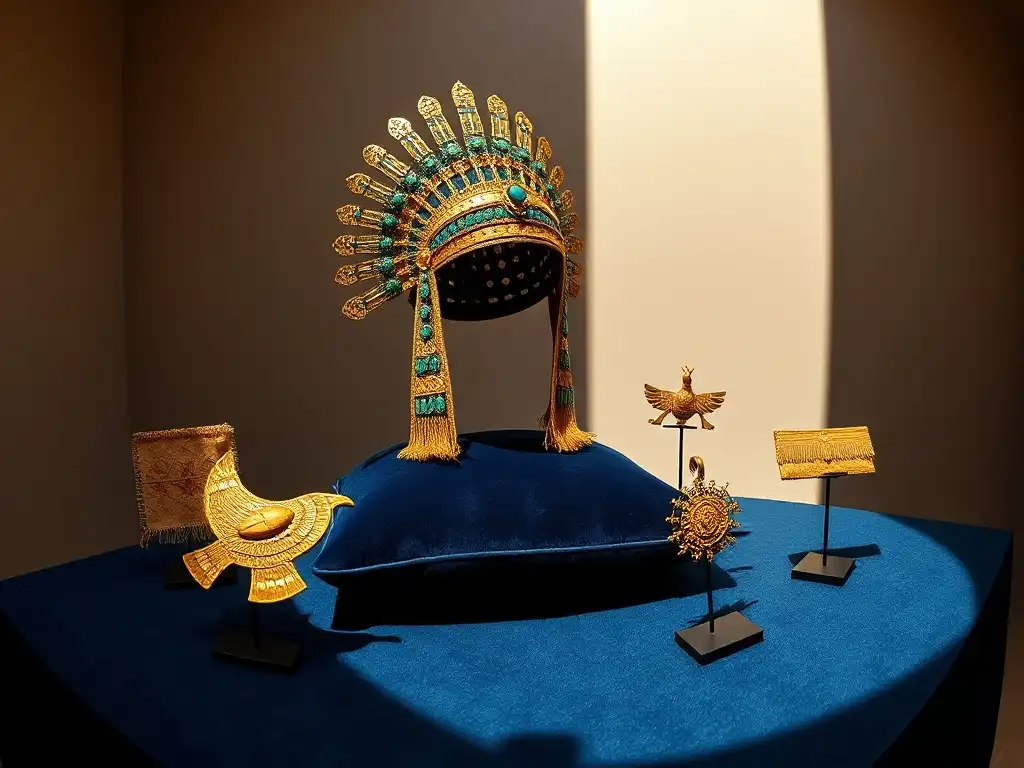
Dive into the enigmatic world of the Andean civilizations! Prepare to be amazed by the ingenuity and artistry of ancient cultures that thrived in the shadow of the Andes Mountains. From the intricate textiles of the Nazca to the monumental architecture of Tiahuanaco, this journey through history unveils untold stories. But first, let's unlock the secrets of the Paracas, and their mastery of metallurgy. Their breathtaking Paracas gold artifacts hint at a level of sophistication far beyond what you might imagine. Dare to explore the mysteries that await…
The Paracas culture, flourishing on the southern coast of Peru from approximately 700 BCE to 100 CE, left behind a legacy far exceeding their relatively short lifespan. While renowned for their intricate textiles and mummification techniques, the Paracas people also displayed remarkable skill in metalworking, particularly in the manipulation of gold.
This article delves into the fascinating world of Paracas gold artifacts, exploring their techniques, artistry, and the insights they offer into the society and beliefs of this enigmatic pre-Inca civilization. We'll examine the unique challenges posed by working with gold in the Andean context and how Paracas artisans overcame them to produce stunning and enduring pieces that continue to captivate us today.
Understanding their goldwork provides a crucial lens through which to view the sophistication and ingenuity of this remarkable culture, adding another layer to our understanding of the rich tapestry of pre-Columbian Andean societies. The artistry and technical skill involved in creating these "Paracas gold artifacts" showcase a level of metallurgical expertise that was remarkably advanced for its time.
The Challenges of Andean Goldworking
Working with gold in the Andes presented unique challenges. The region lacked readily accessible sources of high-grade gold ore, requiring intricate processes of extraction and refinement. Furthermore, the tools available to Paracas artisans were rudimentary compared to those of later civilizations. They lacked sophisticated furnaces and relied on simpler techniques, including hammering, annealing (heating and cooling to soften the metal), and the use of various alloys to achieve desired colors and workability.
Despite these limitations, they achieved remarkable results, demonstrating an impressive understanding of metallurgy and material science. The survival of numerous examples of their work, many exhibiting intricate detail and delicate craftsmanship, is a testament to their mastery. Consider the intricate repoussé techniques used to create three-dimensional forms, showcasing an advanced understanding of metal manipulation. The precision and detail achieved are truly astonishing.
Techniques Employed by Paracas Goldsmiths
Paracas goldsmiths employed a range of techniques to shape and decorate their gold artifacts. Repoussé, as mentioned above, was a prominent method, involving hammering from the reverse side to create raised designs on the surface. They also utilized casting, a more complex process involving creating molds and pouring molten gold into them. This required a good understanding of mold-making and the control of the molten gold's temperature.
Evidence suggests they also employed techniques like soldering and inlaying to combine different pieces of gold or other materials, such as turquoise or spondylus shell, to create more elaborate pieces. The combination of these techniques allowed them to produce a wide variety of objects, from simple ornaments to complex ceremonial items. The level of skill required to achieve such precision is evident in the surviving artifacts. Detailed studies of these techniques are ongoing, revealing ever more about the sophistication of their methods.
Types of Paracas Gold Artifacts and Their Significance
Paracas gold artifacts encompass a wide range of objects, reflecting their diverse uses and symbolic significance within the culture. These include:
- Nasal ornaments: Often intricately designed and featuring symbolic motifs, these were likely used in funerary practices or worn by elite members of society.
- Ear ornaments: Similar in complexity to nasal ornaments, these highlight the importance of adornment in Paracas culture.
- Breastplates: Larger, more elaborate pieces, potentially worn by high-ranking individuals during ceremonies or rituals.
- Small figurines: These miniature representations of animals or human figures may have played a role in religious practices or served as votive offerings.
- Sheets and other decorative elements: These suggest that gold was used not only for personal adornment, but also to decorate textiles and other items.
The stylistic variations and iconography present in these artifacts provide valuable insights into Paracas beliefs, social structures, and artistic traditions. Further research into the symbolic meanings of the various motifs is crucial for a comprehensive understanding of their cultural significance. The careful analysis of these "Paracas gold artifacts" promises to unlock even more secrets of this fascinating civilization.
The Legacy of Paracas Goldwork
The legacy of Paracas goldwork extends far beyond their own time. Their sophisticated techniques influenced subsequent Andean metalworking traditions, demonstrating the lasting impact of their achievements. The artistry and skill displayed in their gold artifacts continue to inspire awe and admiration today, providing a tangible link to a remarkable pre-Inca culture.
The study of these artifacts remains a vibrant field, with ongoing research continually revealing new insights into the techniques, artistry, and cultural significance of Paracas gold. The enduring beauty and technical mastery of these pieces serve as a testament to the ingenuity and creativity of the Paracas people. Their legacy continues to enrich our understanding of the rich and complex history of the Andes.
- The Challenges of Andean Goldworking
- Techniques Employed by Paracas Goldsmiths
- Types of Paracas Gold Artifacts and Their Significance
- The Legacy of Paracas Goldwork
- What makes Paracas gold artifacts so unique?
- What types of objects were made from gold by the Paracas culture?
- How did the Paracas acquire the gold used in their artifacts?
- Where can I see examples of Paracas gold artifacts today?
- What is the significance of Paracas gold artifacts in understanding their culture?
The Significance of Gold in Paracas Society
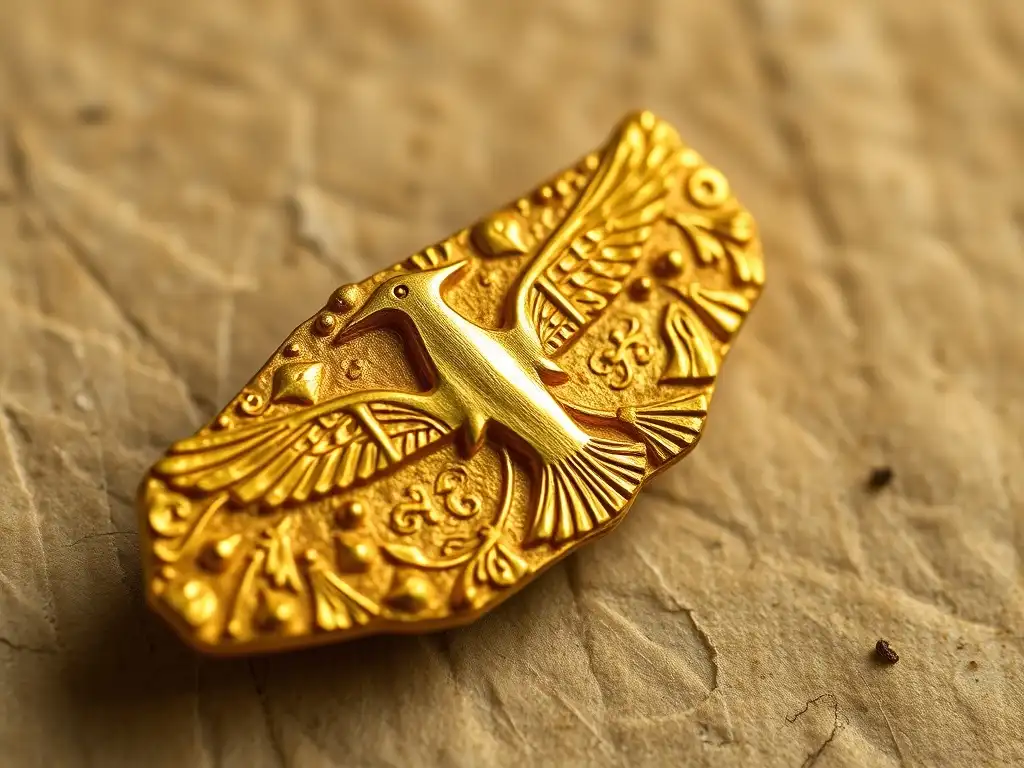
The Paracas culture, flourishing on the southern coast of Peru between 700 BCE and 100 BCE, left behind a remarkable legacy of intricate textiles and, importantly, exquisite gold artifacts. Their mastery of goldworking, considered among the finest of the pre-Columbian Andean civilizations, reveals much about their societal structures, religious beliefs, and artistic capabilities. Understanding their use of gold isn't simply about appreciating beautiful objects; it's about deciphering a complex society's values and worldview.
The sheer quantity and variety of surviving Paracas gold artifacts—from delicate necklaces and ear ornaments to elaborate headdresses and ceremonial objects—testify to the metal's profound importance within their society. The techniques employed, showcasing a sophisticated understanding of metallurgy, further underline their advanced technological achievements.
This section will explore the multifaceted significance of gold within Paracas society, examining its role as a symbol of power, its use in rituals and burials, and its broader contribution to our understanding of Paracas artistic legacy. The sheer artistry displayed in these Paracas gold artifacts elevates them beyond mere ornamentation; they are powerful statements about social hierarchy, spiritual beliefs, and artistic prowess.
Paracas Culture and its Artistic Legacy
The Paracas culture, known for its vibrant textiles and impressive mastery of metallurgy, stands as a testament to the artistic achievements of pre-Inca Andean societies. Their intricate textile traditions, characterized by complex weaving techniques and vibrant colors, are world-renowned. However, their accomplishments extended beyond textiles; their goldwork represents an equally sophisticated and impressive level of artistry. The Paracas artisans displayed a remarkable understanding of metalworking techniques, including hammering, annealing, soldering, and repoussé (a technique of shaping metal from the back).
They crafted incredibly delicate pieces, often incorporating intricate designs, showcasing a high degree of skill and precision. The surviving Paracas gold artifacts demonstrate a range of styles and techniques, highlighting the diverse artistic talents within the culture. Some pieces are characterized by highly polished surfaces, while others feature textured or granulated surfaces, indicating a range of aesthetic preferences and technical capabilities.
The motifs found on these artifacts—geometric patterns, stylized animals, and human figures—offer valuable insights into Paracas iconography and cosmology. Detailed analysis of these motifs, combined with archaeological context, allows researchers to gradually unravel the cultural narratives embedded within these stunning pieces. The meticulous detail and artistic skill evident in these artifacts suggest a highly specialized and possibly hereditary craft tradition, with artisans holding significant status within the community.
Gold as a Symbol of Power and Status in Paracas
The distribution and types of Paracas gold artifacts found in archaeological contexts strongly suggest that gold served as a potent symbol of power and high social status. Elaborate gold ornaments, such as intricately crafted headdresses, necklaces, and ear ornaments, were often found in elite burials, indicating their association with individuals of high rank or religious authority. The sheer quantity of gold used in these burials further emphasizes the importance of the metal as a marker of prestige and social standing.
For example, [specific details of a particularly rich burial with gold artifacts pending]. This uneven distribution of gold objects suggests a hierarchical society, with access to gold and the ability to commission elaborate goldwork restricted to the elite. Furthermore, the complexity and artistry of certain pieces suggest that skilled goldsmiths held a privileged position within Paracas society, perhaps working within a royal workshop or for powerful individuals.
The use of gold as a symbol of power was not limited to burial contexts; [information on the use of gold in ceremonial objects and daily life pending]. This widespread use of gold underscores its significance not only as a marker of wealth but also as a powerful symbol of authority and legitimacy within the Paracas social structure. The careful craftsmanship and symbolic value embedded within these Paracas gold artifacts serve as tangible evidence of a stratified society with a clearly defined elite.
The Role of Gold in Paracas Rituals and Burials
The discovery of Paracas gold artifacts within elaborate burial contexts strongly suggests a significant role for gold in Paracas funerary rituals. Gold objects were frequently included in elite burials, often placed alongside other precious items and grave goods. The careful placement of these objects suggests that they were not merely grave goods but rather integral components of the burial ritual, possibly intended to accompany the deceased into the afterlife. [Specific examples of gold objects found in Paracas burials and their arrangement pending].
The types of gold objects found in burials also varied depending on the status of the deceased, reflecting the hierarchical nature of Paracas society. Elite burials often contained a larger quantity and more elaborate gold ornaments than those of commoners. This practice further highlights the importance of gold as a marker of social status and a symbol of power even in death.
Moreover, the presence of gold in certain ritual contexts, such as [information on potential ritual use of gold objects outside of burial contexts pending], suggests a broader connection between gold and the religious beliefs of the Paracas people. The association of gold with the afterlife and ritual practices underscores its sacred significance within Paracas culture, reinforcing its importance beyond its material value. The meticulous craftsmanship and symbolic meaning embedded in these Paracas gold artifacts offer invaluable insights into the spiritual beliefs and funerary practices of this fascinating pre-Columbian culture.
Techniques Used in Paracas Gold Artifacts Production
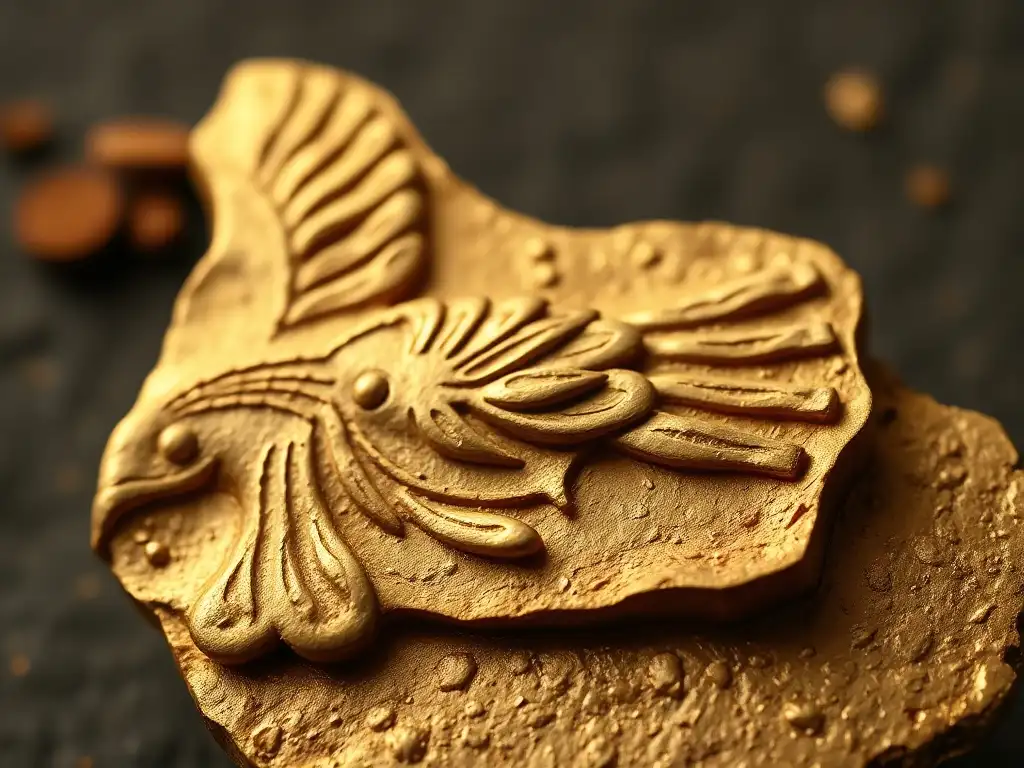
The mastery of Paracas gold artifacts is a testament to the sophisticated metalworking techniques employed by this pre-Columbian culture. Their skill in manipulating gold, a material highly valued across cultures, reveals a deep understanding of metallurgy and artistic expression. Analyzing these techniques provides crucial insights into their technological advancements and societal structures.
The scarcity of readily available gold in the Paracas region further highlights the ingenuity involved in their goldworking practices, emphasizing both their resourcefulness and their expertise in extracting and refining the precious metal. The resulting artifacts, often imbued with intricate detail and symbolic meaning, stand as powerful representations of Paracas artistry and their advanced technological capabilities. This section will delve into the specific techniques used in the production of these remarkable Paracas gold artifacts.
Early Paracas Metalworking Techniques
Early Paracas metalworking, dating back to approximately 800 BCE, demonstrates a nascent but rapidly developing understanding of gold manipulation. Initial techniques focused on simpler forms, often using hammering to shape thin sheets of gold into basic ornaments. These early pieces, while less intricate than later examples, show a growing proficiency in controlling the malleability of the metal. Evidence suggests that these early artisans utilized readily available tools, such as stone hammers and possibly wooden mallets, to shape the gold.
The lack of complex alloys in these early artifacts indicates a focus on working with relatively pure gold, which is more easily malleable. The designs were often geometric, emphasizing simple shapes and repetitive patterns. This foundational period laid the groundwork for the more elaborate and technically advanced goldworking that would characterize the later Paracas period. The evolution from these rudimentary beginnings to the highly detailed artifacts of the later phases is a testament to the continuous innovation and skill development within the Paracas culture.
Further research into the specific composition of these early artifacts could reveal more about their sourcing and refining processes. Unfortunately, precise data on the exact types of stone used in early hammering tools is currently lacking. [Specific information pending]
Shaping and Forming Gold: Hammering and Repoussé
The Paracas artisans were masters of hammering and repoussé, two techniques crucial to shaping gold into the desired forms. Hammering, as mentioned, was fundamental, used to flatten and thin the gold sheets. However, the Paracas goldworkers went far beyond simple hammering. They skillfully employed repoussé, a technique where the metal is shaped from the back using punches and hammers to create three-dimensional forms.
This allowed them to create complex, detailed figures and intricate motifs on their artifacts. The skillful application of pressure and the precise control of hammer blows demonstrates a high level of technical skill and experience. Consider, for example, the intricate details found on many Paracas gold masks and headdresses – these are a direct result of the controlled application of repoussé techniques. The ability to create such delicate and fine details speaks volumes about the expertise of the artisans.
The process would have required a deep understanding of the metal's properties, particularly its malleability and its tendency to work-harden. This understanding allowed them to strategically anneal the gold (heat it to soften it) throughout the process to prevent cracking or breakage. This meticulous attention to detail is a hallmark of Paracas goldwork, setting it apart from other contemporary metalworking traditions.
Paracas Gold Decoration Methods: Engraving and Embossing
Beyond shaping, the Paracas artisans employed a range of decorative techniques to enhance their gold artifacts. Engraving, a subtractive process, involved carefully carving designs into the gold surface using sharp tools. This required precision and steady hands, as a single slip could ruin the delicate work. The resulting lines could be fine and detailed, creating intricate patterns and figures.
Embossing, on the other hand, was an additive process. Similar to repoussé, but applied to the surface rather than the back, it involved raising designs from the surface of the gold sheet. This technique, often used in conjunction with engraving, created a three-dimensional effect, enhancing the visual appeal and adding depth to the designs. The combination of engraving and embossing allowed the Paracas artisans to achieve remarkable levels of detail and complexity.
Imagine the painstaking effort involved in creating the intricate scenes depicted on some Paracas gold breastplates – a fusion of both techniques showcasing their mastery. The use of different tools and techniques, applied with precision and artistry, resulted in visually stunning and culturally significant Paracas gold artifacts. The intricate designs, often featuring stylized figures, geometric patterns, and symbolic motifs, reflect the rich cultural and religious beliefs of the Paracas people. The enduring legacy of these techniques is a testament to the skill and artistry of these ancient goldsmiths.
The Use of Alloys in Paracas Metalwork
The Paracas people, masters of textile artistry, were equally adept at manipulating metals, particularly gold. Their sophisticated understanding of metallurgy extended beyond simple hammering and shaping; they skillfully employed alloys to achieve specific aesthetic and functional properties in their gold artifacts. While the precise recipes remain partially shrouded in the mists of time, analysis of surviving pieces reveals the strategic use of alloys to enhance the gold's malleability, durability, and color. The addition of other metals, such as copper and silver, wasn't merely a matter of adulteration; it was a deliberate process aimed at optimizing the final product.
For instance, the addition of copper to gold lowered its melting point, making it easier to work with in the creation of intricate designs. This is particularly evident in the delicate filigree work characteristic of many Paracas gold objects. The resulting alloy would have been more pliable, allowing artisans to create incredibly fine threads and intricate patterns, a testament to their exceptional skill and patience. The copper also likely contributed to the overall durability of the finished piece, enhancing its resistance to wear and tear over time.
The incorporation of silver, on the other hand, might have been used to alter the color of the gold. While pure gold possesses a characteristic yellowish hue, the addition of silver could have produced a paler, possibly even whitish, gold. This would have allowed Paracas goldsmiths to create a wider range of visual effects and textures within a single artifact, adding depth and complexity to their designs.
The precise proportions of silver and copper used varied depending on the desired outcome, showcasing a deep understanding of metallurgical principles. Unfortunately, the exact ratios used in different pieces often require further research and analysis of surviving artifacts to be definitively determined.
Further scientific study of Paracas gold artifacts is crucial to fully unravel the secrets of their alloying techniques and to gain a deeper appreciation for the ingenuity of these ancient artisans. The subtle variations in color and texture visible in many pieces are a silent testament to the sophisticated control that Paracas goldsmiths exerted over their materials.
Analyzing Paracas Gold Artifacts: Types and Forms
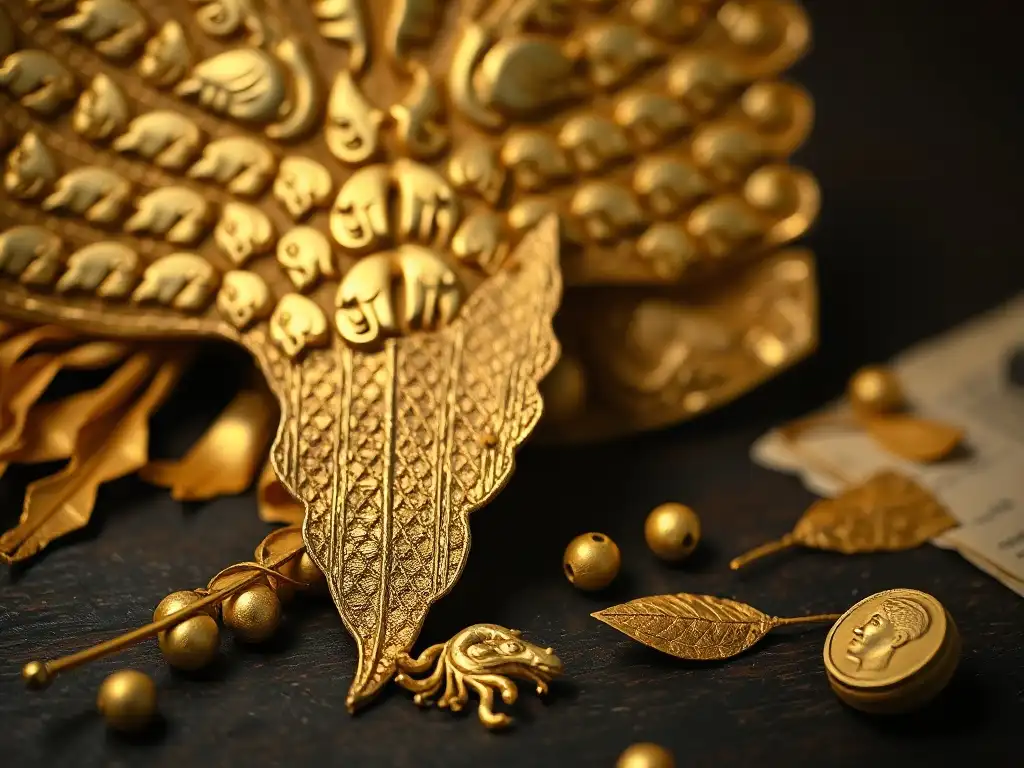
The Paracas culture, flourishing on the southern coast of Peru between 700 BCE and 100 CE, left behind a remarkable legacy of goldwork. Their mastery of metallurgy, particularly their sophisticated techniques in goldsmithing, resulted in a diverse range of artifacts that provide invaluable insights into their social structures, religious beliefs, and artistic sensibilities. Analyzing these Paracas gold artifacts reveals a complex society with a deep appreciation for intricate craftsmanship and symbolic representation.
The scarcity of surviving pieces, due to looting and the perishable nature of organic materials often associated with them, only emphasizes their significance. Researchers continue to uncover new examples, adding to our understanding of Paracas goldworking techniques and cultural practices. The pieces that have survived offer a glimpse into a lost world of skilled artisans and powerful rituals.
Paracas Gold Ornaments: Crowns, Nose Rings, Earrings
Paracas gold ornaments, often found in elite burials, showcase an exceptional level of artistry. These pieces weren't merely decorative; they held significant symbolic meaning, likely indicating social status and power within the community. The most striking examples include elaborate crowns, often constructed from thin sheets of hammered gold, intricately shaped and adorned with additional elements. These crowns frequently incorporated representations of stylized birds, feline figures, and other motifs deeply rooted in Paracas iconography.
Detailed examination reveals the use of various techniques, such as repoussé (hammering from the back to create raised designs) and chasing (smoothing and refining the surface details). The precision and delicacy of the work is astounding, particularly when considering the limited tools available to the Paracas artisans. Nose rings and earrings, while smaller in scale, also display remarkable craftsmanship.
Many are crafted in the form of stylized animals or abstract designs, further emphasizing the cultural significance of these ornaments. The use of gold, a precious and highly valued material, underscores the importance placed on these adornments within Paracas society. The survival of these exquisite pieces is a testament to the skill and dedication of the artisans who created them.
Further research is needed to fully understand the specific symbolism associated with each design and the materials used in their creation. For instance, the precise alloys used in the gold remain a subject of ongoing study.
Paracas Gold Masks and Face Coverings
Beyond ornaments, Paracas goldsmiths created stunning masks and face coverings, often associated with funerary practices. These artifacts, frequently found covering the faces of mummies within elaborate tombs, provide compelling evidence of the Paracas belief system and their understanding of the afterlife. The masks are not merely realistic representations; they are stylized depictions, often employing symbolic imagery consistent with other Paracas art forms.
The masks vary considerably in size and complexity. Some are relatively simple, made from a single sheet of gold, while others are more elaborate, incorporating multiple pieces and inlaid materials. The use of different techniques, including casting, hammering, and soldering, is apparent in their construction.
The level of detail in the facial features and adornments is remarkable, suggesting a high level of artistic skill and a deep understanding of human anatomy. The careful attention to detail in these Paracas gold artifacts strongly suggests that they were not solely for funerary purposes but also held deep spiritual significance. [Specific information pending] on the exact composition of any inlaid materials found in the masks.
Paracas Gold Offerings and Funerary Objects
Numerous smaller gold objects have been discovered alongside mummies and other funerary goods, indicating their use as offerings to the deceased or as components of ritualistic practices. These pieces often take the form of small figurines, decorative elements, or tools. Their presence in burial contexts further highlights the importance of gold within Paracas society and its connection to the realm of the dead. The smaller size and often simpler designs of these objects, compared to the larger masks and ornaments, may reflect their role as offerings rather than personal adornments.
The diversity of these Paracas gold artifacts suggests a complex system of beliefs and rituals surrounding death and the afterlife. Further research is needed to fully understand the significance of each object and its relationship to the broader Paracas cultural context. The presence of gold in these funerary contexts emphasizes the material's value as a symbol of power, wealth, and spiritual significance.
Analyzing the distribution and types of gold objects found in different tombs could reveal insights into social hierarchy and burial customs within Paracas communities. The study of these objects allows us to piece together a more complete picture of the Paracas worldview and their intricate funerary practices. The careful preservation and continued study of these artifacts are vital to understanding this fascinating ancient culture.
Paracas Gold Utensils and Tools
The Paracas culture, renowned for its mastery of textile arts, also demonstrated impressive skills in metalworking, particularly in gold. While not as prolific in gold production as some later Andean cultures, their gold artifacts reveal a sophisticated understanding of metallurgy and a distinct aesthetic sensibility. Paracas gold utensils and tools, though relatively rare compared to their textiles, offer valuable insights into their daily lives and technological capabilities. These artifacts weren't merely functional; they often incorporated intricate designs, reflecting the culture's artistic flair and symbolic language.
The most common types of Paracas gold utensils include small bowls and cups, often delicately crafted and adorned with repoussé work—a technique involving hammering from the back to create raised designs. These pieces were likely used for ritual purposes or in elite contexts, given their fine workmanship and the use of precious metal. The use of gold in these everyday objects highlights the importance placed on status and ritual within Paracas society.
Further research is needed to fully understand the precise function of each utensil, but their presence suggests a level of sophistication beyond simple subsistence. Detailed chemical analysis of the gold alloys used could reveal sourcing practices and trade networks.
Beyond utensils, some evidence suggests the Paracas also crafted gold tools. While less prevalent in surviving artifacts, the possibility of gold tools like needles, tweezers, or even small knives cannot be ruled out. The scarcity of such artifacts might be due to several factors, including the perishable nature of organic materials used in conjunction with the gold (such as wooden handles) or the potential for recycling and re-purposing of the metal.
The discovery of new sites and ongoing archaeological investigations could shed more light on the extent of Paracas gold tool production. The existence of even a few gold tools underscores the adaptability of their metalworking techniques and their willingness to apply them across various aspects of their lives. The precision required for creating such items suggests a high level of skill and specialized craftsmanship within the Paracas society.
The discovery of gold tools would significantly enhance our understanding of Paracas technology and social organization. Further research into the typology and distribution of Paracas gold artifacts is crucial to gain a more complete picture.
The Artistic and Symbolic Meaning of Paracas Goldwork
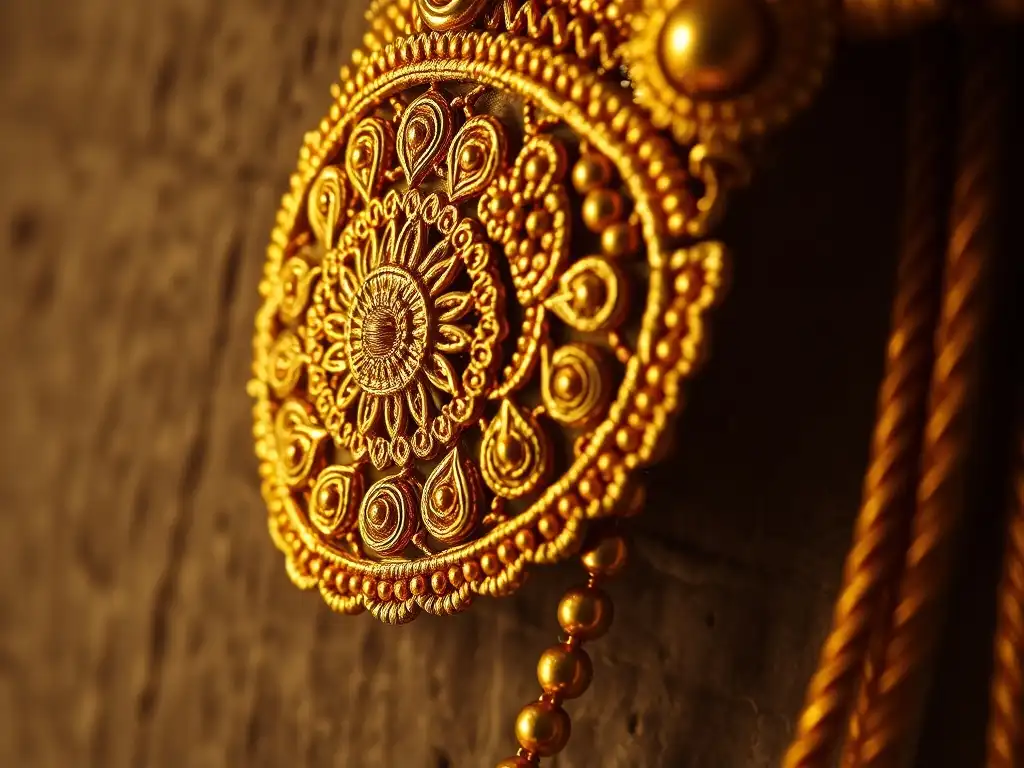
The artistry of Paracas gold artifacts is breathtaking, showcasing a mastery of metalworking techniques rarely seen in other contemporary cultures. Their goldwork wasn't merely decorative; it held deep symbolic meaning, reflecting their complex religious beliefs and social structures. The intricate designs, often incorporating a rich palette of colors achieved through alloying and inlays, weren't haphazard; they followed specific iconographic conventions that provide valuable insight into their worldview.
Understanding these artistic choices allows us to reconstruct a more complete picture of Paracas society and its values. The skill involved in creating these pieces, from the initial mining and refining of the gold to the meticulous hammering, repoussé, and soldering techniques used, speaks volumes about their sophisticated technological capabilities.
This section delves into the artistic and symbolic aspects of these remarkable objects, examining the specific iconography and their interpretations by scholars. The scarcity of surviving pieces only emphasizes their importance and the reverence with which they were created and preserved.
Iconography and Motifs in Paracas Gold Art
Paracas gold artifacts are characterized by recurring motifs and iconographic elements. Common themes include stylized feline figures, often depicted with elongated bodies and expressive eyes. These felines are believed to represent powerful deities or shamanistic figures, connecting the earthly realm to the supernatural.
Other frequently occurring motifs include birds, particularly condors, which were likely associated with the sun and the sky, symbolizing power, flight, and transcendence. Geometric patterns, such as stepped frets, spirals, and zigzags, are also prevalent, perhaps representing cyclical processes in nature or cosmological concepts. The precise meaning of these symbols remains a subject of ongoing research, but their consistent appearance in different artifacts suggests a shared system of beliefs and visual language.
Analysis of these motifs, alongside the study of accompanying textiles and ceramics, helps us to decipher their meaning within the wider Paracas cultural context. The use of different alloys, such as tumbaga (a gold-copper alloy), also played a role in the symbolic value of the artifacts; the color variations likely held specific significance within their symbolic system. Further research into the metallurgical techniques and the deliberate choice of materials is crucial to understanding the full artistic and symbolic depth of Paracas goldwork.
Paracas Religious and Cosmological Beliefs Reflected in Gold
The religious and cosmological beliefs of the Paracas people are vividly reflected in their goldwork. The frequent depiction of feline and avian figures suggests a strong connection to the animal world, with these creatures acting as intermediaries between the human and spiritual realms. The presence of anthropomorphic figures, often adorned with elaborate headdresses and jewelry, further supports this interpretation.
These figures may represent deities, shamans, or ancestral spirits, highlighting the importance of ancestor veneration and shamanistic practices within their society. The use of gold itself, a precious and rare material, underscores the sacred nature of the objects and their connection to the supernatural. Gold, in many ancient cultures, was associated with the sun, immortality, and divine power, reinforcing the sacred status of these artifacts.
The intricate designs and meticulous craftsmanship further emphasize the sacred nature of the objects, reflecting the time, effort, and expertise dedicated to their creation. These pieces were not merely objects of adornment but rather powerful symbols that played a crucial role in Paracas religious rituals and ceremonies. Further study of the context of these discoveries, along with comparative analysis of similar artifacts from other Andean cultures, is essential to fully comprehend the religious significance of Paracas goldwork.
The social context and purpose of Paracas gold artifacts are complex and multifaceted. While some were undoubtedly used for personal adornment by elite members of society, others served ritualistic purposes. The discovery of gold objects in tombs and burial sites suggests their use in funerary practices, possibly as grave goods intended to accompany the deceased into the afterlife. The elaborate designs and high quality of the craftsmanship point towards the existence of specialized artisans and a hierarchical social structure, with access to these precious materials and skills restricted to a privileged few.
The distribution of these artifacts across different Paracas sites also provides insights into the social and political organization of the culture. The presence of similar motifs and techniques in different regions suggests a degree of cultural unity and interaction across different communities. However, variations in style and design may also reflect regional differences or the status of specific individuals or groups. Further research is needed to clarify the precise social function of different types of gold artifacts and their role in the broader social and political landscape of Paracas society.
Analyzing the distribution patterns of these artifacts, along with the materials used and the level of craftsmanship, will help to refine our understanding of social stratification and power dynamics within the Paracas culture. For example, the size and complexity of the pieces might correlate with the status of the individual for whom they were crafted. The study of these intricate details is crucial for a more comprehensive understanding of the societal role of Paracas gold artifacts.
The Legacy of Paracas Goldwork and its Influence
The Paracas culture, flourishing on the southern coast of Peru from roughly 800 BCE to 200 CE, left behind a remarkable legacy, particularly in their mastery of goldwork. Their intricate gold artifacts, far from mere ornamentation, represent a sophisticated understanding of metallurgy, artistry, and social organization. The sheer skill involved in creating these pieces, combined with their often-religious or ceremonial context, speaks volumes about the power and prestige associated with the Paracas elite. These "Paracas gold artifacts," as they're often called, are not only aesthetically stunning but also provide invaluable insights into the worldview and technological capabilities of this fascinating pre-Inca civilization. The discovery and analysis of these pieces continue to reshape our understanding of Paracas society and its place within the broader tapestry of Andean civilization. The unique style and techniques employed in Paracas goldworking distinguish it from other contemporaneous cultures, marking it as a significant and independent achievement.
Paracas Goldworking Techniques and Their Transmission
Paracas goldsmiths employed a remarkable range of techniques, showcasing an advanced understanding of metallurgy. The most common method involved hammering thin sheets of gold into complex shapes, a process requiring considerable skill and patience. They also mastered the art of repoussé, a technique where the metal is shaped from the back, creating three-dimensional forms with incredible detail.
Evidence suggests the use of alloys, possibly with copper or silver, to enhance the durability and color of their gold. The intricate designs, often featuring stylized figures, geometric patterns, and zoomorphic motifs, were achieved through a combination of hammering, chasing (smoothing and refining the surface), and possibly the use of molds.
The transmission of these sophisticated techniques likely occurred through a combination of apprenticeship and familial lineage. Given the complexity of the work and the specialized tools required, it's probable that goldsmithing was a highly specialized profession, passed down through generations within select families or guilds. The consistency of style across numerous artifacts suggests a degree of standardization and perhaps even formal training, although the exact nature of this training remains a subject of ongoing research.
Further investigation into the archaeological record, particularly the examination of workshops and associated tools, is crucial to shed more light on this aspect of Paracas culture. The remarkable precision and consistency in Paracas gold artifacts strongly suggest a structured and well-established system of knowledge transfer.
Paracas Metalworking and its Impact on Subsequent Andean Cultures
The influence of Paracas metalworking techniques extended far beyond their own cultural lifespan. While the exact nature of the transmission remains a subject of ongoing research, stylistic similarities and technological parallels can be observed in the goldwork of later Andean cultures, including the Nazca and Inca. Elements of Paracas design motifs, such as specific zoomorphic representations and geometric patterns, can be found in subsequent periods. This suggests a continuation of traditions, perhaps through cultural exchange or migration, or possibly through the adoption of established techniques and styles.
The advanced metallurgical skills developed by the Paracas also likely served as a foundation for later Andean metalworkers. The mastery of techniques like repoussé and hammering, along with the understanding of alloying, were undoubtedly inherited and refined by subsequent cultures. The Paracas' legacy in metalworking is not just one of beautiful artifacts, but also of a technological and artistic tradition that helped shape the development of metallurgy throughout the Andes.
The impact of Paracas gold artifacts on later Andean metalworking is a testament to their innovative techniques and enduring artistic vision. Further comparative studies of Paracas and later Andean goldwork are needed to fully understand the extent of this influence.
Preserving and Studying Paracas Gold Artifacts Today
Preserving Paracas gold artifacts presents significant challenges due to the delicate nature of the materials and the effects of time and environmental factors. Museums and research institutions employ a variety of techniques to mitigate deterioration, including controlled environments with stable temperature and humidity levels, and the use of specialized storage materials. Careful handling and regular monitoring are crucial to prevent further damage. The ongoing research on appropriate conservation methods is vital for ensuring the long-term preservation of these invaluable pieces of history.
The study of Paracas gold artifacts involves a multidisciplinary approach, combining archaeological excavation, metallurgical analysis, and art historical interpretation. Technological advancements such as X-ray fluorescence spectroscopy (XRF) allow researchers to analyze the composition of the gold and identify any alloys used. This helps to understand the techniques employed and to trace the origins of the raw materials.
By combining scientific analysis with stylistic and contextual studies, researchers can gain a more complete understanding of the social, economic, and religious significance of these remarkable objects. The continued study of Paracas gold artifacts is essential to further enhance our knowledge of this remarkable culture and its contribution to Andean civilization. The meticulous preservation and ongoing research efforts ensure that the legacy of Paracas goldwork will continue to inspire and educate future generations.
Frequently Asked Questions
What makes Paracas gold artifacts so unique?
Paracas goldwork is renowned for its exceptional craftsmanship and intricate designs. The techniques used, such as repoussé and filigree, were highly advanced for their time, resulting in stunningly detailed pieces.
What types of objects were made from gold by the Paracas culture?
The Paracas created a variety of gold objects, including masks, jewelry, ornaments, and figurines. These items often featured symbolic imagery related to their beliefs and rituals.
How did the Paracas acquire the gold used in their artifacts?
The Paracas likely obtained gold from alluvial deposits in riverbeds and other natural sources within their territory. Their mastery of metallurgical techniques allowed them to work with this precious metal effectively.
Where can I see examples of Paracas gold artifacts today?
Many examples of Paracas goldwork are housed in museums in Peru, such as the Larco Museum in Lima. Other significant collections can be found in international museums with significant Andean collections.
What is the significance of Paracas gold artifacts in understanding their culture?
Paracas gold artifacts provide valuable insights into their religious beliefs, social hierarchy, and artistic skills. The objects often depict mythological figures and ceremonial scenes.
Final Reflection: The Enduring Legacy of Paracas Gold
The intricate goldwork of the Paracas culture remains a testament to their unparalleled artistry and continues to fascinate and inspire us today. These exquisite artifacts, meticulously crafted centuries ago, offer a tangible connection to a sophisticated civilization and a profound understanding of their advanced metalworking techniques. Their enduring beauty challenges our modern perceptions of ancient societies and highlights the ingenuity of a people who, despite limited resources, created objects of breathtaking elegance and technical mastery.
The impact of Paracas goldwork extends far beyond the realm of archaeology; it resonates deeply within the cultural landscape of Peru and beyond. These pieces are not merely historical objects; they are powerful symbols of cultural identity, artistic achievement, and the enduring human spirit. Their influence can be seen in contemporary Peruvian art, design, and even tourism, serving as a source of national pride and a powerful reminder of the rich heritage of the country. The past is never dead. It's not even past.
- William Faulkner. This quote perfectly encapsulates the ongoing relevance of Paracas gold, its continued presence in our collective consciousness, shaping our understanding of the past and informing our present.
Consider the intricate detail, the masterful craftsmanship, the sheer artistry displayed in these ancient artifacts. What can we learn from the dedication and skill of the Paracas goldsmiths? How can we apply their dedication to excellence in our own lives? I invite you to reflect on the enduring power of human creativity and the importance of preserving and celebrating our cultural heritage. Let the legacy of Paracas gold inspire you to pursue your own passions with unwavering dedication and to appreciate the beauty and ingenuity of the human spirit across time and cultures.
**Unveil the Intricacies of Paracas Goldwork! **
Thank you for exploring the fascinating world of Paracas goldwork. You've already discovered the rich history and exceptional craftsmanship of this remarkable culture; now, let's delve even deeper!
Here are some **exciting ways** to further connect with Paracas metalworking:
- **Visit a museum or gallery** showcasing pre-Columbian South American artifacts to witness similar artistry firsthand.
- **Explore the creative process** by taking a gold leaf or metalworking class—experience the artistry for yourself!
- **Share your thoughts** on Paracas goldwork in the comments below or on social media. Let's spark a conversation about this stunning art form!
Which aspect of Paracas goldwork most captivated you, and how will you integrate that inspiration into your own creative work?