
The Legacy of Andean Food Storage: Lessons for Modern Food Security

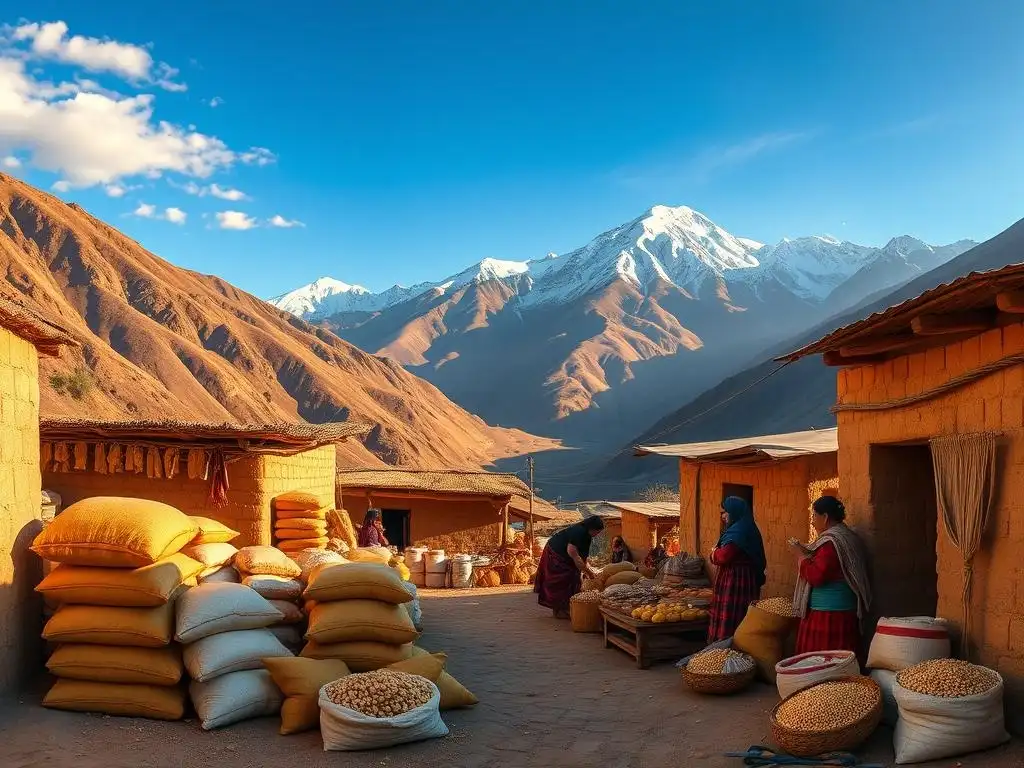
Step into a world lost to time, yet echoing with innovation. For centuries, the Andes Mountains nurtured civilizations that mastered survival in breathtaking landscapes. Discover the secrets behind their ingenuity, particularly their remarkable Andean food preservation techniques, a legacy that holds vital lessons for our modern world grappling with food security. Uncover the fascinating story of how these ancient cultures ensured their prosperity – a tale woven into the very fabric of their existence and brimming with surprising insights. Prepare to be amazed.
The Andes Mountains, a geographically challenging environment, fostered remarkable ingenuity in ancient Andean civilizations. Their success wasn't solely based on agricultural innovation—it was intrinsically linked to sophisticated food preservation and storage techniques. These techniques, developed over millennia, ensured community survival through harsh winters and unpredictable harvests.
This article explores the fascinating legacy of Andean food storage, highlighting its remarkable effectiveness and examining the valuable lessons it holds for addressing modern food security challenges, particularly in the face of climate change and increasing global populations. Understanding the ingenuity of ancient Andean food preservation techniques, such as those employed by the Incas, Moche, Nazca, and Tiahuanaco cultures, offers crucial insights into sustainable and resilient food systems. We will delve into specific methods and their applicability to contemporary contexts, showcasing how ancient wisdom can inform solutions for the future.
Andean Storage Structures: Ingenious Designs for Preservation
Ancient Andean civilizations didn't rely on mere containers; they constructed elaborate storage structures specifically designed to optimize food preservation. These structures, often integrated into the landscape, leveraged natural resources and ingenious architectural principles. For example, the Incas utilized qollqas, stone-built storehouses strategically located in high-altitude, dry environments to take advantage of natural cooling and low humidity.
These structures, often tiered into the hillsides, were carefully sealed to prevent moisture and pest infestation. The precise construction, including ventilation systems and internal shelving, showcases a profound understanding of environmental factors influencing food spoilage. Similarly, other Andean cultures developed unique storage solutions adapted to their specific environments and available resources.
Detailed archaeological findings reveal a wide range of storage structures, from underground pits to elevated platforms, each designed to optimize the preservation of different food types. The sophistication of these designs demonstrates a deep understanding of the interplay between climate, materials, and food preservation. The effectiveness of these structures is evidenced by the archaeological discovery of well-preserved food remains in many of these sites.
Food Processing Techniques: Enhancing Shelf Life and Nutritional Value
Beyond storage structures, the ancient Andeans employed a range of food processing techniques to extend shelf life and enhance nutritional value. Drying, a cornerstone of Andean food preservation, was widely practiced. Foods such as potatoes, maize, and quinoa were sun-dried, often sliced thinly to maximize surface area and accelerate the drying process.
Freezing, utilizing the high-altitude Andean climate, was also employed, particularly for preserving meats and certain fruits. Fermentation, another crucial technique, was used to preserve and enhance the flavor of various foods. Chicha, a fermented maize beverage, is a prime example, demonstrating the cultural significance of fermentation in Andean societies.
These techniques not only prolonged the shelf life of food but also often enhanced its nutritional content and digestibility. For instance, fermentation can increase the bioavailability of certain nutrients and reduce antinutritional factors in some grains. The combined use of drying, freezing, and fermentation showcases a holistic approach to food preservation that maximized both quantity and quality.
The success of Andean food preservation techniques had a profound impact on the social structures and stability of these societies. The ability to store surplus food ensured food security during lean seasons, reducing the risk of famine and social unrest. This reliable food supply supported population growth, allowed for specialization of labor, and facilitated the development of complex social hierarchies.
The control and distribution of stored food were often intertwined with political power and religious practices. Granaries, like the qollqas, were not just storage facilities but also symbolic centers of power and social control. The meticulous organization and management of food resources demonstrate a sophisticated understanding of logistics and resource management, crucial for maintaining social order and stability within these complex societies.
The ability to withstand periods of scarcity significantly contributed to the longevity and success of Andean civilizations. The interconnectedness of food preservation, social organization, and political power highlights the far-reaching implications of these ancient practices.
Modern Applications of Andean Food Preservation Wisdom: Addressing 21st-Century Challenges
The principles underlying Andean food preservation techniques remain highly relevant in addressing contemporary food security challenges. The increasing frequency and severity of extreme weather events, coupled with growing global populations, necessitates innovative and sustainable approaches to food production and storage. Modern adaptations of Andean techniques, such as improved drying methods and the development of environmentally friendly fermentation processes, offer promising solutions. The emphasis on local, climate-adapted crops and the integration of traditional knowledge with modern technology are key aspects of this approach. For example, researching and revitalizing ancient Andean varieties of crops that are drought-resistant could be crucial in mitigating the impacts of climate change on food production. Moreover, incorporating traditional Andean food preservation methods into modern food systems can contribute to reducing food waste and improving food access, particularly in remote or underserved communities. The lessons learned from the Andes can help us build more resilient and sustainable food systems for the future. The ingenious strategies of ancient Andean societies offer a valuable roadmap for navigating the complexities of modern food security.
🧑🌾
- Andean Storage Structures: Ingenious Designs for Preservation
- Food Processing Techniques: Enhancing Shelf Life and Nutritional Value
- The Impact of Andean Food Preservation on Social Structures and Stability
- Modern Applications of Andean Food Preservation Wisdom: Addressing 21st-Century Challenges
- What innovative food preservation techniques did Andean civilizations employ?
- How did the Incas preserve potatoes, a staple crop?
- Were there any specific techniques used for preserving meat in the Andes?
- What role did climate and geography play in the development of Andean food preservation?
- How relevant are ancient Andean food preservation techniques to modern food security challenges?
Ancient Andean Food Preservation Techniques: A Historical Overview
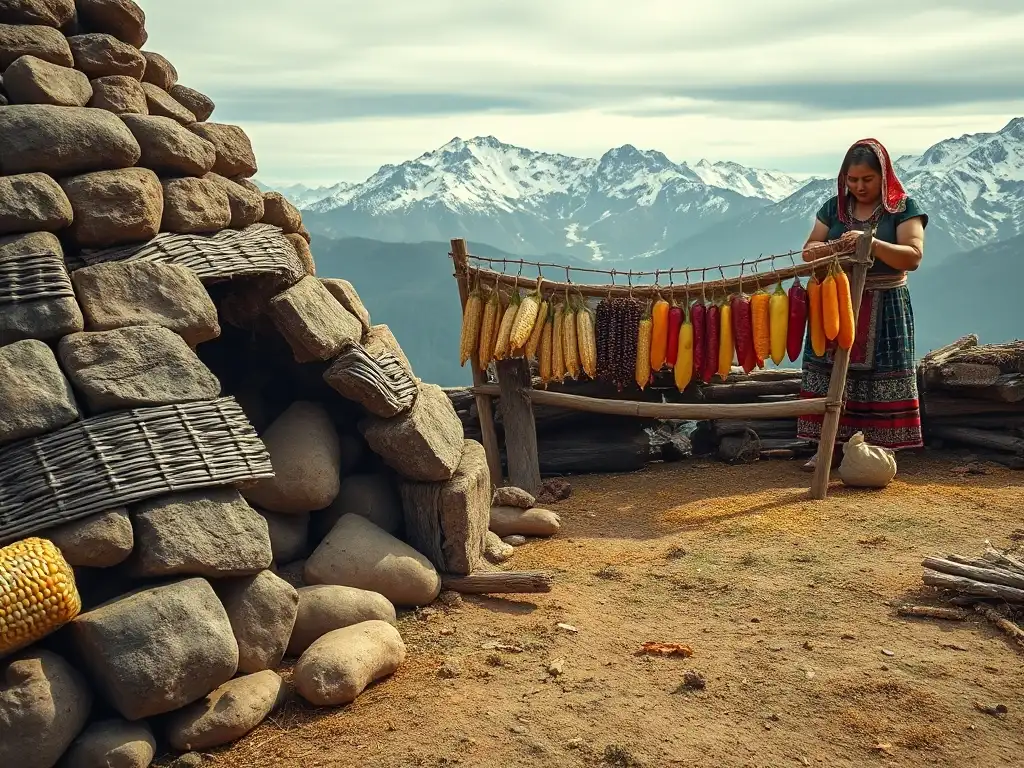
This section delves into the ingenious methods employed by Andean civilizations to preserve food, a crucial aspect of their survival and societal development. Understanding these techniques provides valuable insights into their agricultural practices and offers potential lessons for addressing modern food security challenges. The ingenuity displayed in these ancient methods, honed over millennia to adapt to the harsh Andean environment, is remarkable. The keyword "Andean food preservation techniques" is central to this exploration, highlighting the unique strategies developed by these cultures. We'll explore the diverse approaches taken by different Andean societies, showcasing their adaptability and resourcefulness.
The Importance of Food Storage in Andean Civilizations
Food storage was paramount for the survival and prosperity of Andean societies. The unpredictable nature of the Andean climate, characterized by variable rainfall and altitudes ranging from arid deserts to high-altitude grasslands, necessitated sophisticated preservation methods. These techniques weren't merely about preventing spoilage; they were integral to the social and economic fabric of these civilizations. Successful harvests ensured social stability, preventing famine and facilitating population growth and expansion.
A surplus, preserved effectively, allowed for trade and the development of complex social structures. Consider the Inca Empire, for instance; their vast network of roads and storage facilities, known as qollqas, was critical for supporting their large population and powerful army. The efficient storage and distribution of food were key elements of their administrative prowess and contributed significantly to their imperial success. Without effective preservation, the Inca's impressive feats of engineering and administration would have been severely hampered.
Understanding the Diverse Climates and Challenges of the Andes
The Andes Mountains present a diverse range of ecological zones, each with unique challenges for food preservation. The high altitude, characterized by intense solar radiation and freezing temperatures, posed significant hurdles. Conversely, lower altitudes, particularly in coastal regions, presented problems of humidity and heat. The varying climates necessitated a range of preservation strategies tailored to specific environments and food types.
For example, potatoes, a staple crop, required different preservation methods depending on the altitude and local climate. In higher, colder regions, freezing and natural dehydration were utilized, while in warmer areas, techniques like sun-drying and fermentation were more common. This adaptation highlights the deep understanding Andean communities had of their environment and its influence on food preservation. The diverse challenges faced across the Andes fostered a remarkable diversity in preservation techniques, demonstrating the ingenuity of these ancient peoples.
Early Methods of Food Preservation in the Andes
Andean civilizations developed a remarkable array of preservation methods. These included:
- Sun-drying: A widespread technique used for fruits, vegetables, and meats, utilizing the intense Andean sun to reduce moisture content and inhibit microbial growth. This method was particularly effective in the drier regions.
- Freeze-drying: At higher altitudes, the naturally low temperatures and low humidity provided a natural freeze-drying effect, preserving food without the need for artificial intervention. This was particularly useful for preserving potatoes and other root vegetables.
- Fermentation: This process, used for various foods like maize and beans, extended shelf life and enhanced nutritional value. Different fermentation techniques yielded diverse flavors and textures.
- Storage in qollqas: The Inca's qollqas were sophisticated storage structures, often built into hillsides or cliffs, providing a cool, dry environment ideal for preserving food. Their design minimized temperature fluctuations and protected food from pests and moisture.
- Salting and Smoking: These techniques, particularly useful for meats and fish, inhibited microbial growth and added flavor. The combination of these methods further enhanced preservation.
The effectiveness of these "Andean food preservation techniques" stemmed from a deep understanding of both the natural environment and the properties of various foodstuffs. The legacy of these techniques continues to inform modern agricultural practices, particularly in regions with similar climatic challenges. Further research into these ancient methods could yield valuable insights into sustainable and effective food preservation strategies for a world facing increasing food security concerns.
Key Andean Food Storage Methods and Technologies
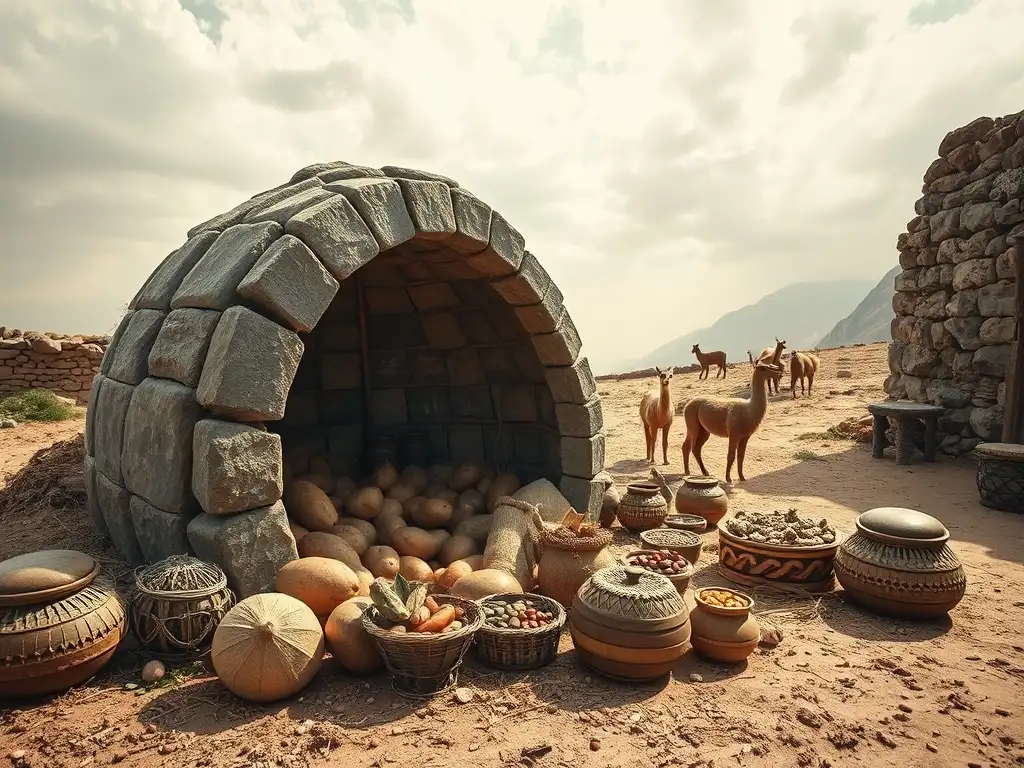
The ingenuity of Andean civilizations in preserving food is a testament to their deep understanding of their environment and the challenges of food security in a diverse and sometimes harsh landscape. Their techniques, passed down through generations, offer valuable lessons for modern food preservation strategies and sustainable agriculture. These methods, often employing readily available resources, significantly extended the shelf life of staple crops and other foods, ensuring community survival during lean times. Understanding these Andean food preservation techniques provides insights into both ancient ingenuity and modern food security challenges.
Sun Drying: Preserving Foods with Solar Energy
Harnessing the abundant solar energy of the Andes, sun drying was a cornerstone of Andean food preservation. This simple yet effective method dramatically reduced the moisture content of foods, inhibiting microbial growth and preventing spoilage. The process was adapted to different altitudes and climates, resulting in a variety of techniques for various food types. The efficiency of sun drying depended heavily on factors such as sunlight intensity, humidity, and wind. Optimal conditions were crucial for achieving the desired level of dryness and preventing mold or bacterial contamination.
Drying Techniques for Potatoes: The Chuño Method
Chuño, a freeze-dried potato, exemplifies the Andean mastery of sun drying. This technique, primarily used at high altitudes, involved exposing harvested potatoes to freezing temperatures at night and then exposing them to the sun during the day. This freeze-thaw cycle removed moisture, resulting in a lightweight, long-lasting product.
The process not only preserved the potatoes but also altered their texture and taste, creating a unique and nutritious food source. Variations in the chuño-making process, depending on the specific potato variety and environmental conditions, resulted in different types of chuño, each with its own characteristics. The creation of chuño represents a sophisticated understanding of both agricultural practices and the properties of water in different states.
Drying Techniques for Meats: Charqui and Chalona
Sun drying was not limited to potatoes. Meats, particularly llama and alpaca, were also preserved using this method. Charqui, a type of jerky, was produced by slicing the meat thinly and sun-drying it until it was hard and leathery. Similarly, chalona, a sun-dried, salted meat, was another popular method.
The addition of salt helped to further inhibit microbial growth and enhance flavor. These techniques ensured that valuable protein sources were available throughout the year, playing a crucial role in the sustenance of Andean communities. The preparation of charqui and chalona involved specific procedures for cutting, salting, and drying, demonstrating a sophisticated knowledge of meat preservation and the prevention of spoilage.
Fermentation: Natural Food Preservation Processes
Fermentation, another crucial Andean food preservation technique, relies on the action of microorganisms to transform food, enhancing its flavor, nutritional value, and shelf life. This process not only preserved food but also created unique culinary products. The understanding of fermentation processes was deeply embedded within Andean cultures, demonstrating an advanced understanding of microbiology.
Fermented Beverages: Chicha and its Preservation
Chicha, a fermented beverage made from maize, was a staple drink throughout the Andes. The fermentation process, involving the use of natural yeasts, converted sugars into alcohol and carbon dioxide, creating a mildly intoxicating and shelf-stable drink. Different variations of chicha existed, depending on the maize variety, fermentation techniques, and specific cultural practices. The preservation of chicha often involved storing it in sealed containers, further inhibiting microbial growth and extending its shelf life. The production and preservation of chicha highlight the sophisticated knowledge of fermentation processes and the ability to control microbial activity for food preservation.
Fermented Vegetables and Tubers: Expanding Shelf Life
Beyond beverages, fermentation was also employed to preserve vegetables and tubers. These methods involved specific techniques for preparing the food, controlling fermentation conditions, and storing the final product. These processes, while varying across different regions and cultures, generally involved submerging vegetables or tubers in water or a brine solution, allowing for lactic acid fermentation. This created an acidic environment that inhibited the growth of spoilage organisms, extending the shelf life considerably.
The knowledge of which microorganisms were beneficial and how to control their activity demonstrates a deep understanding of microbiology and its application to food preservation. Further research is needed to fully document the diversity of fermented foods and the specific techniques used across the diverse Andean regions. [Specific information pending on regional variations in fermented food preservation].
Cold Storage: Utilizing High Altitude and Natural Freezing
The Andes Mountains, with their dramatic elevation changes, provided ancient Andean communities with a natural advantage for food preservation: cold storage. High-altitude areas, often above 3,500 meters (11,500 feet), experience consistently low temperatures, even during warmer months. This natural refrigeration allowed for the preservation of certain perishable goods, significantly extending their shelf life.
The ingenious use of this natural resource demonstrates a deep understanding of the environment and its capacity to aid in food security. This wasn't simply a matter of leaving food outside; rather, it involved strategic placement and the construction of specialized storage structures to maximize the benefits of the cold climate. For example, certain root vegetables, like potatoes, were left in the ground in higher-altitude fields over the winter months, benefiting from the natural freeze-thaw cycles that helped to prevent spoilage.
This method, combined with other techniques, allowed for food availability throughout the year, mitigating the risks associated with seasonal scarcity. The understanding of microclimates within the vast Andean landscape was crucial to the success of this cold storage strategy. Different altitudes and orientations offered varying degrees of cold, allowing for the preservation of a diverse range of food items.
The Use of Pits and Underground Storage
One prevalent method of cold storage involved the creation of pits and underground storage facilities. These weren't simply holes in the ground; they were carefully constructed structures designed to optimize temperature regulation and protect stored food from the elements. The depth of the pit, its orientation relative to the sun, and the use of insulating materials like straw or animal hides all played a role in maintaining a consistently cool temperature.
Evidence suggests that these pits were often lined with stones or other materials to create a more durable and well-insulated environment. The ingenuity of these structures is remarkable, considering the limited tools and technology available to the Andean people. The use of pits provided an effective means of preserving root vegetables, grains, and even some dried meats, ensuring a reliable food supply throughout the leaner months.
The size and number of these pits varied depending on the community's needs and the availability of suitable locations. Archaeological excavations have revealed a range of pit sizes, from small, family-sized structures to larger, communal storage areas. The design and construction of these pits reflect a sophisticated understanding of environmental factors and a commitment to sustainable food management.
Natural Refrigeration in the Andean Highlands
The natural refrigeration afforded by the Andean highlands extended beyond the simple use of high-altitude fields and pits. Ancient Andean communities skillfully utilized caves and natural rock formations to create effective cold storage environments. These naturally cool spaces, often located in sheltered areas away from direct sunlight, provided consistent, low temperatures ideal for preserving food.
The strategic selection of these locations demonstrates a keen awareness of the environment and its potential for food preservation. This wasn't a passive process; the communities often made modifications to these natural spaces to enhance their effectiveness. For example, they may have added insulation, improved ventilation, or created internal partitions to better organize and protect stored goods.
The use of caves and rock formations for storage provided a secure and reliable method of preserving food over extended periods, further contributing to the resilience of Andean communities in the face of challenging environmental conditions. The integration of natural elements into food storage practices showcases the close relationship between the Andean people and their environment, a relationship built on careful observation and ingenious adaptation.
The Significance of Andean Food Storage for Modern Food Security
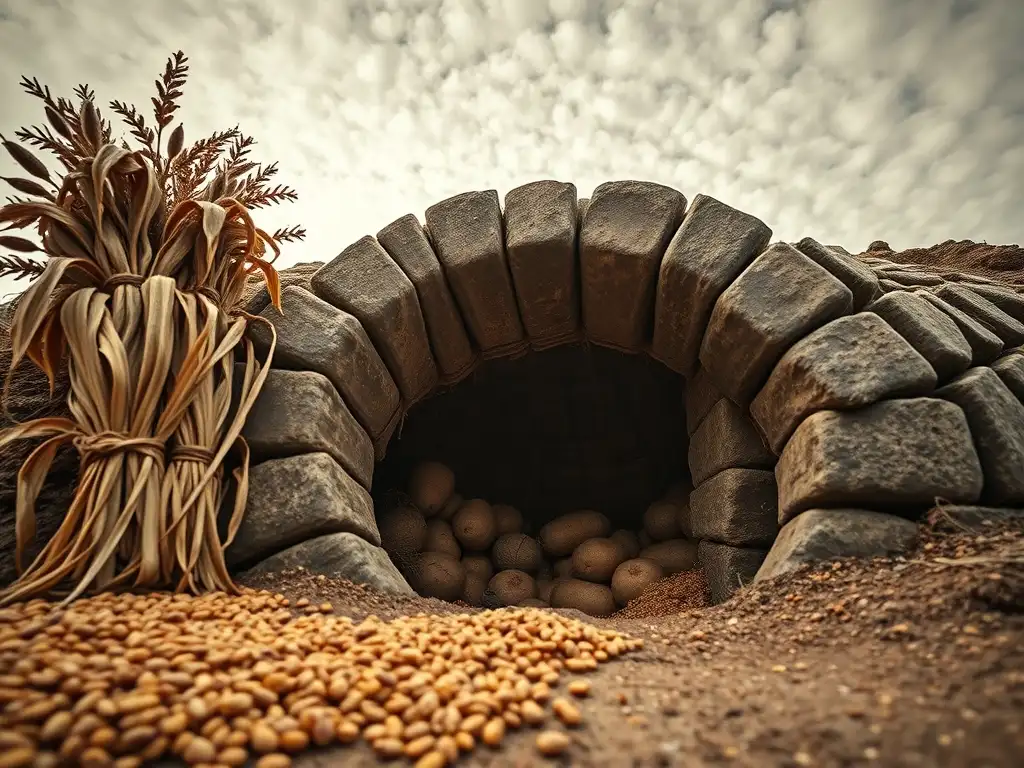
The ingenuity of Andean food preservation techniques offers invaluable lessons for addressing 21st-century food security challenges. Facing diverse and often harsh climates, ancient Andean civilizations developed sophisticated methods to store and preserve food, minimizing waste and ensuring community survival through periods of scarcity. Understanding their strategies—from sophisticated storage structures to innovative preservation methods—can provide crucial insights for improving modern food systems and reducing the staggering global levels of food loss and waste.
The efficient and sustainable practices of these civilizations highlight the importance of integrating traditional knowledge with modern technologies to create more resilient and equitable food systems. This section will delve into specific examples of Andean food storage and explore their relevance to contemporary food security concerns. The impact of their techniques on minimizing food waste, adapting them to modern contexts, and the role of traditional knowledge in shaping food systems will be examined.
Lessons in Sustainability: Minimizing Food Waste
Andean civilizations understood the critical importance of minimizing food waste. Their methods weren't simply about preservation; they were integral to their sustainable food systems. Consider the qollqas, subterranean storage structures built by the Incas and other Andean groups. These carefully designed chambers, often integrated into the landscape, maintained stable temperatures and humidity, significantly extending the shelf life of stored products like potatoes, maize, and beans.
The design itself minimized spoilage, reducing waste inherent in less sophisticated storage methods. Furthermore, the selection and preparation of food for storage were meticulous. Only the highest-quality produce was selected, and methods like drying, freezing, and fermentation were employed to extend shelf life and prevent spoilage. This careful approach minimized waste at every stage of the food chain, a stark contrast to modern systems where significant food loss occurs during harvesting, processing, transportation, and retail.
Modern food systems could benefit immensely from adopting a similar ethos of careful selection, preparation, and storage. The low-waste approach of the Andean civilizations offers a powerful model for sustainability in a world grappling with the ethical and environmental consequences of food waste. The efficient use of resources and reduction in environmental impact is a key takeaway from this aspect of their food preservation techniques.
Adapting Andean Techniques to Modern Contexts
While the qollqas may not be directly replicable in modern urban settings, the underlying principles of temperature and humidity control remain highly relevant. Modern cold storage facilities, for example, utilize advanced technology to achieve similar results, extending the shelf life of perishable goods. However, there's potential to integrate traditional knowledge with modern technology.
For instance, incorporating bioclimatic design principles from Andean architecture into the design of modern storage facilities could significantly reduce energy consumption and environmental impact. Similarly, traditional Andean fermentation techniques, which enhance the nutritional value and shelf life of foods, can be integrated into modern food processing. The fermentation of maize, for example, produces a variety of nutritious and shelf-stable products, such as chicha (a fermented beverage) and humitas (steamed corn cakes).
These practices could be adapted and scaled up to address modern food security challenges in diverse contexts. Exploring and adapting these time-tested methods offers a pathway towards more sustainable and resilient food systems. Modern research could focus on optimizing these ancient practices for modern applications, leading to innovations in food preservation and reducing reliance on energy-intensive technologies.
The Role of Traditional Knowledge in Food Systems
The success of Andean food preservation hinges on a deep understanding of local ecosystems and agricultural practices. This knowledge, passed down through generations, is invaluable for developing sustainable and culturally appropriate solutions to food security challenges. Ignoring this traditional knowledge in favor of solely technological solutions often leads to unintended consequences, such as reduced biodiversity and loss of cultural heritage. The integration of traditional knowledge into modern food systems is not simply a matter of cultural preservation; it is crucial for developing resilient and equitable food systems.
Modern food scientists and agricultural researchers can benefit greatly from collaborating with indigenous communities to understand and adapt these traditional techniques. This collaborative approach not only promotes food security but also recognizes the invaluable contribution of indigenous communities to global food systems. Furthermore, documenting and preserving this traditional knowledge is essential for future generations.
A strong emphasis should be placed on supporting research initiatives that integrate and analyze Andean food preservation techniques within modern contexts, ensuring food security and environmental sustainability. This collaborative effort is fundamental to building more resilient and equitable food systems for the future. The preservation of this knowledge is as vital as the preservation of the food itself.
The Impact of Andean Food Preservation on Culture and Society
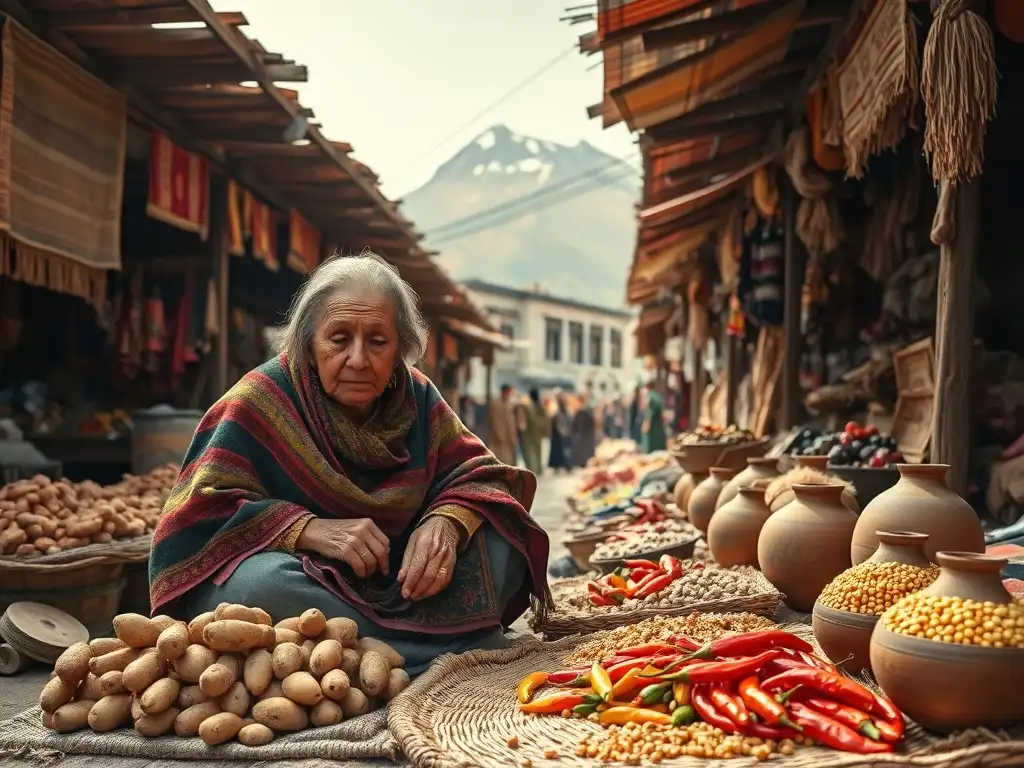
The ingenuity of Andean food preservation techniques profoundly shaped the cultural and societal fabric of these civilizations. Their ability to store food successfully wasn't merely a practical matter of survival; it was intricately woven into their social structures, economic systems, and spiritual beliefs. The very existence of large, complex Andean societies hinged on the effective preservation of agricultural surpluses, allowing for population growth, specialization of labor, and the development of sophisticated social hierarchies.
Without reliable methods of Andean food preservation techniques, the impressive achievements of these cultures would have been impossible. This section will explore the profound impact of food storage on Andean culture and society.
The capacity to store food surpluses had profound social and economic ramifications. Access to preserved food during lean periods ensured social stability, preventing widespread famine and unrest. This stability allowed for the development of specialized labor forces, with individuals focusing on crafts, religious practices, or governance rather than solely on food production.
The control and distribution of stored food often rested with elites, reinforcing their power and influence within the society. For example, the Inca's sophisticated qollqa system – a network of strategically located storehouses – not only facilitated the distribution of food throughout the empire but also served as a critical tool for controlling resources and maintaining social order. The sheer scale of some of these storehouses, capable of holding vast quantities of grains, potatoes, and other preserved foods, speaks to the central role of food storage in Inca economic and social organization.
This system was essential for the functioning of the Inca empire, ensuring the survival of its large population and the continued loyalty of its diverse subjects. Data on the size and distribution of qollqas throughout the Inca empire highlight the importance of this system in maintaining political and economic stability. Further research into the precise capacity and logistical management of these facilities could provide more nuanced insights into the intricacies of Inca society.
Andean Food Practices and Their Cultural Heritage
Andean food preservation techniques weren't merely practical; they were deeply embedded in the cultural traditions and beliefs of these societies. The preparation and storage of food were often accompanied by rituals and ceremonies, reflecting the spiritual significance attributed to agriculture and sustenance. Many of these practices, although adapted and modified over time, continue to be observed in contemporary Andean communities.
For example, the traditional methods of drying, salting, and freezing foods are still widely used, demonstrating the enduring legacy of these ancient techniques. The use of specific plants for preservation, such as the coca leaf for its preservative properties, underscores the deep connection between Andean cultures and their environment. The intricate knowledge of plant properties and their application in food preservation represents a remarkable achievement that continues to inspire scientific interest in the potential of natural preservatives.
The vibrant tapestry of Andean culinary traditions, replete with unique flavors and techniques, is a direct testament to the ingenuity and cultural richness of their ancient food preservation methods. Further investigation into the symbolic and ritualistic aspects of these practices would illuminate the profound cultural significance of food storage within these societies.
The Transmission of Food Preservation Knowledge
The transmission of Andean food preservation knowledge across generations was crucial for the survival and continuity of these cultures. This knowledge wasn't simply passed down through written records (although some evidence exists in the form of quipus and other record-keeping systems), but primarily through oral traditions, practical demonstrations, and apprenticeships. The close-knit family and community structures of Andean societies facilitated this process, ensuring the faithful preservation and adaptation of these techniques over centuries.
This oral tradition, combined with practical experience, allowed for the refinement and adaptation of techniques to suit specific environmental conditions and local needs. The resilience of these preservation methods, evidenced by their continued use in many Andean communities today, speaks to the effectiveness of this knowledge transmission system. Studying this transmission process can offer valuable insights into the dynamics of knowledge transfer in pre-industrial societies and the importance of community-based learning in the context of food security.
Further research into the specific methods used to transmit this knowledge, such as storytelling, songs, or ritualized practices, could provide a more comprehensive understanding of this critical aspect of Andean culture. The survival of these techniques through time is a testament to the effectiveness of intergenerational knowledge transfer, a crucial element to understand the longevity of Andean food preservation practices.
Challenges and Opportunities for Reviving Andean Food Preservation Methods
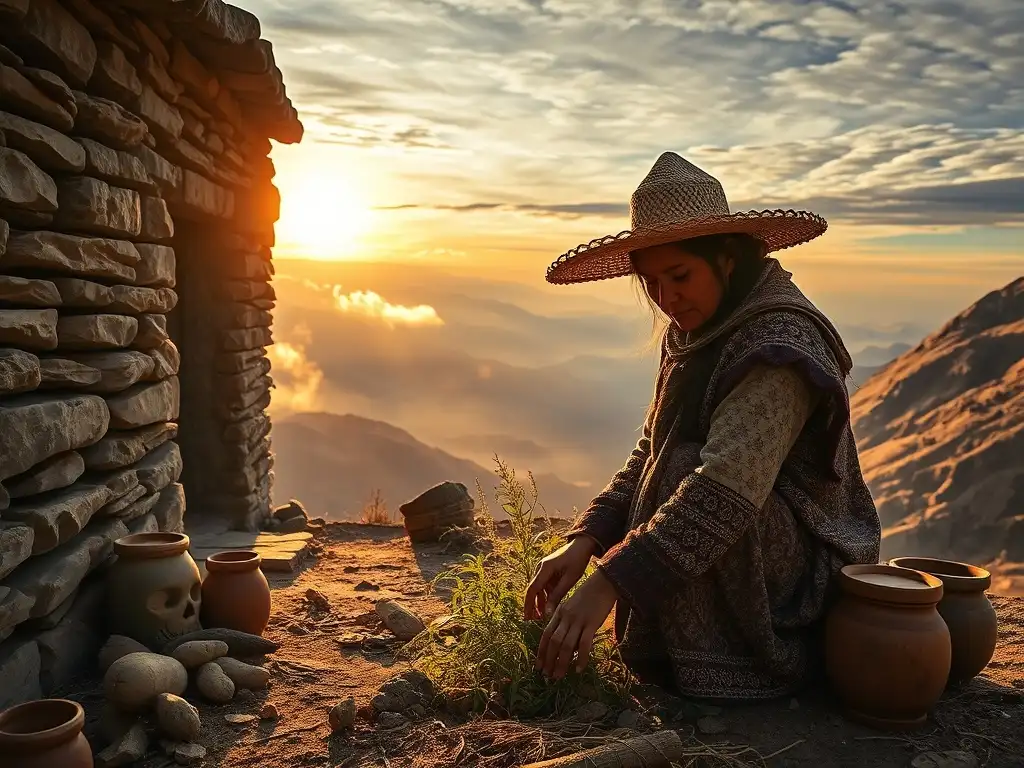
The legacy of Andean food preservation techniques offers invaluable lessons for addressing modern food security challenges. However, reviving and adapting these methods requires navigating a complex landscape of obstacles and opportunities. Understanding these nuances is crucial for effectively harnessing the wisdom of past Andean civilizations to benefit contemporary societies.
The efficient storage and preservation of food were paramount to the success of Andean societies, allowing them to survive harsh climates and variable agricultural yields. Their sophisticated techniques, often employing natural resources and ingenuity, resulted in impressive levels of food security. But replicating this success in the 21st century presents unique challenges.
Overcoming Modern Obstacles to Traditional Practices
One major obstacle is the loss of traditional knowledge. Many ancient Andean food preservation techniques, passed down through generations, are now fading due to urbanization, globalization, and the adoption of modern, often less sustainable, methods. This knowledge gap hinders the effective transmission of essential skills and understanding.
For example, the precise techniques for preparing chuno (freeze-dried potatoes) or charqui (dried meat) are not always fully understood by younger generations, leading to inconsistent results and a decline in the quality of preserved foods. Furthermore, the availability of traditional resources, such as specific types of clay for storage or particular herbs for preservation, may be limited or threatened by environmental changes. The shift towards industrial agriculture and readily available processed foods also poses a significant challenge.
Consumer preference for convenience often outweighs the benefits of traditional methods, creating a low demand for these techniques and thus hindering their preservation. This necessitates a concerted effort to document, preserve, and disseminate traditional Andean food preservation knowledge. Educational programs, community workshops, and collaborative research projects are vital for bridging the knowledge gap and empowering communities to revive these valuable practices.
Integrating Traditional Methods with Modern Technologies
Another crucial aspect is the integration of traditional Andean food preservation techniques with modern technologies. This synergistic approach can enhance efficiency, scalability, and food safety. For instance, combining traditional sun-drying methods with controlled-environment drying chambers can improve the consistency and quality of dried products while reducing reliance on unpredictable weather conditions.
Similarly, traditional fermentation techniques can be enhanced by employing modern microbiology techniques to monitor and control the fermentation process, ensuring food safety and optimizing the nutritional value of fermented foods. The application of modern packaging technologies can also significantly extend the shelf life of preserved foods, reducing post-harvest losses and improving access to nutritious food in remote areas. This strategic combination of ancient wisdom and modern innovation offers a powerful pathway towards sustainable and secure food systems.
Research focusing on this integration is needed to fully unlock the potential of Andean food preservation methods for the 21st century. This includes analyzing the nutritional value and safety of food preserved using these combined methods, as well as assessing their economic viability.
Promoting Food Security Through Andean Knowledge
The revival and adaptation of Andean food preservation techniques hold immense potential for enhancing global food security. These methods are often environmentally sustainable, relying on readily available resources and minimizing energy consumption. They contribute to biodiversity by utilizing a wide range of indigenous crops and preserving traditional varieties. Moreover, they can empower communities by creating opportunities for income generation and food sovereignty.
By promoting and supporting these practices, we can contribute to more resilient and equitable food systems, particularly in regions facing challenges related to climate change, poverty, and food insecurity. Effective strategies include promoting the use of Andean preserved foods in local and international markets, providing financial incentives for farmers who utilize these techniques, and supporting research aimed at improving and adapting these methods to different contexts. The integration of Andean knowledge into modern food systems is not simply a matter of historical preservation; it is a critical step towards building a more sustainable and secure food future for all.
The success of these efforts will depend on a collaborative approach, involving researchers, policymakers, communities, and consumers alike. The potential benefits are immense, offering a pathway to improve both food security and cultural preservation. Implementing these techniques could significantly reduce food waste and enhance the nutritional value of diets, particularly in vulnerable populations.
Conclusion: The Enduring Relevance of Andean Food Storage
The ingenuity of Andean food preservation techniques offers invaluable lessons for addressing contemporary food security challenges. Their methods, developed over millennia in response to harsh environmental conditions and fluctuating agricultural yields, demonstrate a profound understanding of resource management and sustainability. While modern technologies have advanced significantly, the core principles underlying Andean approaches – minimizing waste, maximizing shelf life, and adapting to diverse climates – remain remarkably relevant. Examining these ancient practices can inspire innovative solutions to global food shortages and contribute to more resilient and equitable food systems.
The sheer diversity of techniques employed across various Andean cultures underscores the adaptability and effectiveness of their strategies. This adaptability, coupled with a deep respect for the environment, offers a compelling model for a more sustainable future. Further research into these techniques, especially in the context of climate change, could yield significant benefits for food security worldwide.
The Timeless Wisdom of Andean Food Preservation
Andean food preservation wasn't simply a matter of extending shelf life; it was an intricate system integrated into the fabric of Andean society. Consider the qollqa, the iconic stone storehouses built high in the Andes. These weren't merely structures; they represented a sophisticated understanding of microclimates, ventilation, and natural insulation. The strategic placement of qollqas at varying altitudes, coupled with careful selection of storage materials (e.g., woven baskets, clay pots), ensured optimal conditions for preserving potatoes, maize, and other staple crops.
This sophisticated approach minimized spoilage and allowed for year-round food availability, crucial for survival in unpredictable Andean weather patterns. The Inca empire, renowned for its administrative prowess, further refined these techniques through efficient storage and distribution networks, ensuring food security across vast territories. Their success relied not only on infrastructure but also on a deep understanding of agricultural cycles and community cooperation.
The meticulous record-keeping systems, possibly using quipus (knotted cords), allowed for accurate assessment of food stocks and informed strategic decisions regarding planting and harvest. This holistic approach, encompassing agricultural practices, storage infrastructure, and community organization, highlights the interconnectedness of food security in Andean societies. The enduring legacy of these practices underscores the importance of integrating traditional knowledge with modern advancements to achieve sustainable food systems.
A Path Towards Sustainable Food Systems Inspired by the Andes
The Andean experience provides a powerful blueprint for creating more sustainable food systems. By studying their resource-efficient methods, we can gain valuable insights into minimizing food waste, a major global concern. The emphasis on utilizing the entire crop, from roots to leaves, reflects a holistic approach that contrasts sharply with modern industrialized agriculture's tendency towards selective harvesting and significant post-harvest losses. Furthermore, the Andean focus on locally adapted crops and resilient varieties offers important lessons in the face of climate change.
These crops, often developed over generations of careful selection, possess inherent resistance to pests and diseases, reducing the need for chemical interventions. The integration of traditional knowledge with modern scientific techniques could lead to the development of climate-resilient crops and improved preservation methods. For example, incorporating traditional drying and fermentation techniques into modern food processing could significantly extend shelf life while preserving nutritional value. The Andean model also emphasizes community participation and equitable distribution, crucial aspects often overlooked in global food security strategies.
By learning from the Andean experience, we can design food systems that are not only efficient and sustainable but also socially just and resilient to the challenges of the 21st century. The integration of traditional wisdom with modern technology holds the key to unlocking more sustainable and equitable food security for all. This approach, inspired by the enduring legacy of Andean food preservation, offers a pathway towards a more resilient and food-secure future.
Frequently Asked Questions
What innovative food preservation techniques did Andean civilizations employ?
Andean cultures utilized diverse methods, including freeze-drying, sun-drying, and storage in underground cellars. These techniques ensured food security throughout the year, even in challenging climates.
How did the Incas preserve potatoes, a staple crop?
The Incas employed various techniques for potato preservation, such as freeze-drying (chuño), which created a lightweight, long-lasting product. They also stored potatoes in underground storehouses (qollqas) to maintain freshness.
Were there any specific techniques used for preserving meat in the Andes?
Yes, charqui, a form of jerky, was a common method for preserving meat. This involved sun-drying and salting the meat to extend its shelf life. Other techniques involved smoking and fermenting.
What role did climate and geography play in the development of Andean food preservation?
The harsh Andean environment, with its high altitudes and variable climates, necessitated the development of ingenious preservation techniques. This led to the innovation of methods that addressed the challenges of temperature, humidity, and altitude.
How relevant are ancient Andean food preservation techniques to modern food security challenges?
Andean methods offer valuable lessons for modern food security. Understanding traditional techniques such as freeze-drying and controlled storage environments can inform sustainable and efficient food preservation strategies for today's world.
Final Reflection: Echoes of the Andes: Shaping a Sustainable Food Future
The ingenious food preservation techniques developed in the Andes Mountains remain profoundly relevant in our era of climate change and growing food insecurity. The challenges of preserving harvests in harsh, high-altitude environments forced Andean communities to develop sophisticated methods that not only ensured survival but also fostered vibrant cultures and traditions. These lessons, often overlooked in modern agricultural practices, hold the key to building more resilient and equitable food systems globally.
The enduring impact of Andean food preservation is not merely historical; it's a living testament to human ingenuity and adaptability. These techniques, passed down through generations, continue to shape culinary traditions and inspire innovative approaches to food security. Their significance extends beyond practical application; they represent a deep connection to the land and a profound understanding of ecological balance. The earth provides enough to satisfy every man's needs but not every man's greed.
– Mahatma Gandhi. This quote underscores the importance of sustainable practices, a core principle embedded within Andean food preservation methods.
Consider the wisdom embedded in these ancient practices. Think about how the principles of sun-drying, fermentation, and cold storage, perfected over millennia in the Andes, can be applied to your own life, whether it's reducing food waste in your household or supporting sustainable agriculture in your community. You, too, can become a steward of food security, drawing inspiration from the enduring legacy of the Andes. Let the echoes of their ingenuity guide you towards a more sustainable and equitable food future.
Rediscover Sustainable Practices for a Secure Food Future!
Thank you for exploring the fascinating legacy of Andean food storage methods with us! Learning from these ancient traditions offers invaluable insights into creating a more secure food future. Now, let's put this knowledge into practice!
Here's how you can contribute to a more sustainable food system:
- Implement a local food storage strategy: Rediscover and adapt traditional food preservation techniques for your kitchen and community. Consider methods like drying, fermenting, or pickling to reduce food waste and extend the shelf life of your produce.
- Join or create a community garden: Share the rewards of growing and preserving food collectively. This fosters knowledge sharing and builds community resilience.
- Educate others: Share your newfound knowledge of sustainable food practices. Host a workshop, create social media content, or simply talk to friends and family about the benefits of traditional food preservation methods.
Let's discuss innovative ways to integrate ancient wisdom into our modern food habits. Share your ideas!