
Chavín Architecture: The Grand Designs of a Spiritual People

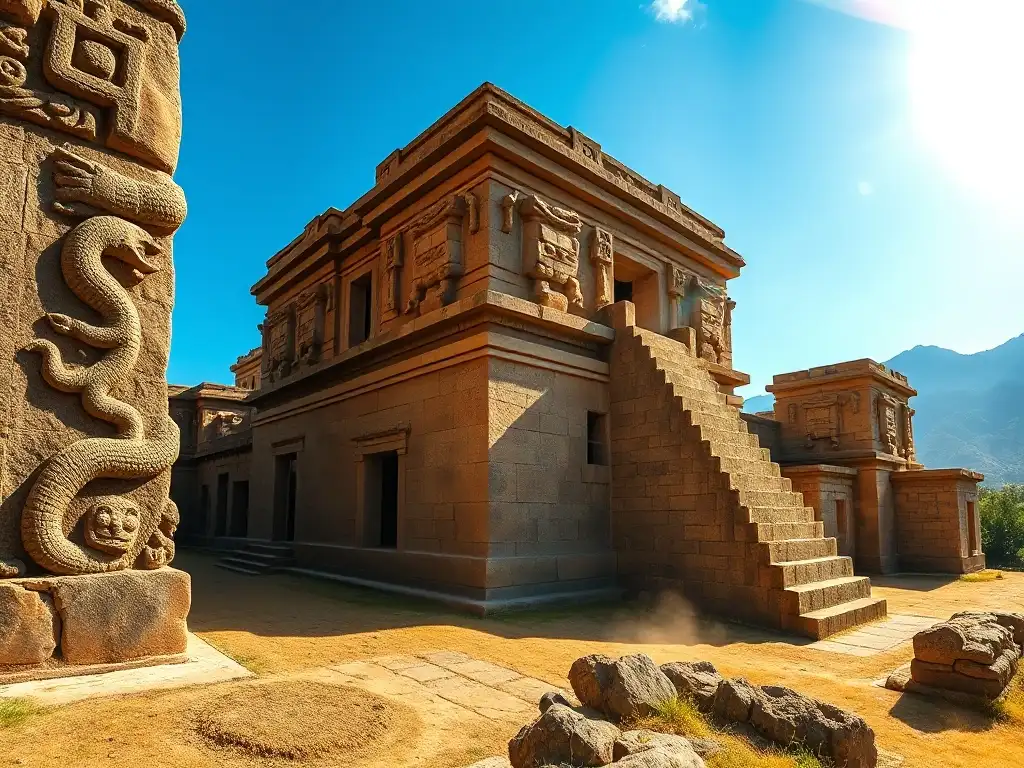
Step into a world lost to time, yet echoing with the whispers of a magnificent past. Journey with us through the towering heights and breathtaking landscapes of the Andes, where ancient civilizations flourished and left behind a legacy of unparalleled artistry and innovation. Prepare to be captivated by the enigmatic Chavín architecture styles, a testament to the spiritual power and sophisticated engineering of a people who shaped the very mountains themselves. Discover the secrets hidden within their grand designs – a story waiting to be unveiled.
The Chavín culture, flourishing in the Andes Mountains of Peru from approximately 900 to 200 BCE, left behind a remarkable legacy of architectural achievements. This article delves into the unique styles and religious significance of Chavín architecture, exploring how these structures reflect the spiritual beliefs and sophisticated engineering capabilities of this influential pre-Inca civilization. We will examine the key characteristics of Chavín architecture, highlighting the innovative techniques employed and the profound impact these structures had on subsequent Andean cultures.
Understanding Chavín architecture styles provides crucial insights into the development of Andean architectural traditions and the complex worldview of the Chavín people. This exploration will reveal how their architectural prowess served not only practical purposes but also played a central role in their religious and social life, solidifying their position as a pivotal force in the pre-Columbian Andes.
Introduction to Chavín Architectural Prowess
Chavín architecture is characterized by its monumental scale, intricate stonework, and the masterful use of natural landscapes. The most iconic example is the Chavín de Huántar site, a massive complex located in the Callejón de Huaylas, a high-altitude valley in the Andes. This complex, built over centuries, demonstrates a sophisticated understanding of engineering principles, including the precise cutting and fitting of massive stone blocks. The Chavín architects skillfully integrated their structures with the surrounding terrain, creating a powerful visual impact.
The use of distinctive architectural elements, such as the distinctive "Lanzón" monolith—a massive, carved stone pillar—is a hallmark of Chavín architecture. This, and other features, including intricate carvings, galleries, and plazas, suggests a highly organized society with specialized labor and advanced technological skills. The construction techniques employed, including the use of sophisticated tools and techniques for precise stone cutting and fitting, demonstrate a level of architectural sophistication that was unprecedented in the region at that time.
Further research is needed to fully understand the logistics of transporting and erecting these enormous stones, [specific information pending] regarding the exact methods employed. However, evidence suggests a deep understanding of leverage and balance, allowing them to create structures that have withstood the test of time.
The Religious Significance of Chavín Construction
The religious beliefs of the Chavín people were deeply interwoven with their architecture. The structures were not merely functional buildings; they were sacred spaces designed to facilitate religious rituals and ceremonies. The complex at Chavín de Huántar, with its labyrinthine galleries and subterranean passages, is believed to have been a pilgrimage site, attracting people from across a wide region.
The intricate carvings adorning the stone structures often depict supernatural beings, jaguars, and other symbolic motifs, reflecting the Chavín worldview and cosmology. These carvings, often found in dimly lit galleries and chambers, likely played a significant role in shamanistic rituals and ceremonies. The layout of the complex itself, with its maze-like passages and strategically placed openings, may have been designed to manipulate light and sound, creating an atmosphere conducive to altered states of consciousness.
[specific information pending] on the acoustic properties of the site and their potential role in religious practices. The monumental scale of the architecture itself, combined with its careful integration into the natural landscape, likely served to reinforce the religious power and authority of the Chavín elite. The careful placement of structures relative to celestial events, such as solstices and equinoxes, further supports the strong connection between Chavín architecture and their spiritual beliefs.
- What is the Chavín culture known for?
- What are the key architectural features of Chavín sites?
- How did Chavín architecture reflect their religious beliefs?
- What materials were primarily used in Chavín construction?
- What is the significance of Chavín architecture in the context of Andean civilizations?
Key Characteristics of Chavín Architecture Styles
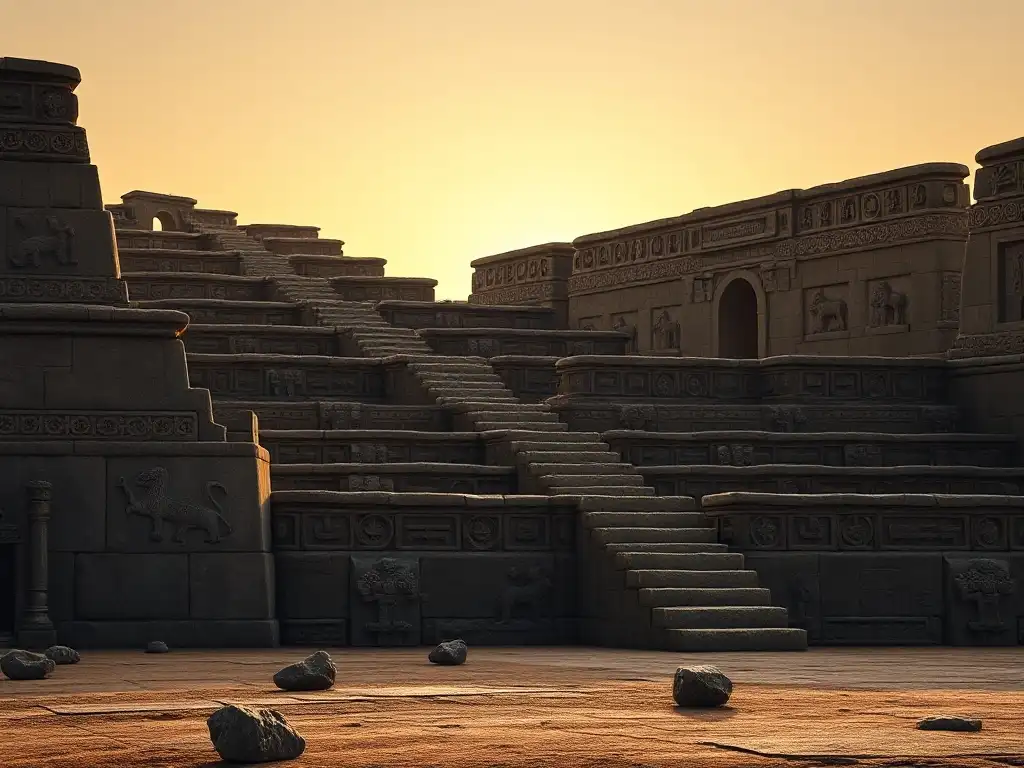
The Chavín culture, flourishing in the Andes from approximately 1200 to 200 BCE, left behind a remarkable architectural legacy. Their structures, often characterized as imposing and enigmatic, reveal a sophisticated understanding of engineering and a deep connection to the spiritual realm. Analyzing Chavín architecture styles reveals not only their impressive technical skills but also their complex worldview and societal organization.
The distinctive features of their buildings set them apart from earlier Andean architectural traditions, laying the groundwork for subsequent developments in the region. Understanding these key characteristics provides crucial insights into the cultural and technological advancements of the Chavín. The term "Chavín architecture styles" itself encompasses a range of stylistic elements, all contributing to the unique and powerful aesthetic of their monumental structures.
Monumental Scale and Masterful Engineering
Chavín architecture is defined by its monumental scale. Structures were built on a grand scale, far exceeding the size of buildings from preceding cultures. This impressive size wasn't simply for show; it reflects a complex understanding of engineering principles. The Chavín expertly utilized the natural landscape, often integrating their buildings into the existing topography.
For example, the main temple at Chavín de Huántar is partially built into a hillside, cleverly using the slope to support the structure. This integration demonstrates a keen awareness of both the environmental context and the structural capabilities of their materials. The precision and accuracy involved in the construction of these massive structures are astonishing, especially considering the tools available at the time.
Evidence suggests intricate planning and sophisticated organizational skills were crucial to the successful completion of these projects, pointing to a well-structured society capable of mobilizing significant labor forces. The sheer scale of these projects is a testament to the advanced engineering prowess of the Chavín people and their ability to overcome significant logistical challenges. The monumental scale of their architecture is a powerful symbol of their social and religious power.
Use of Stone: The Primary Building Material
Stone was the dominant building material for Chavín architecture. However, it wasn't just any stone; the Chavín meticulously selected high-quality, durable stones, often granite or andesite, known for their strength and resistance to weathering. This careful selection showcases their understanding of material properties and their commitment to building lasting structures.
The stones were expertly carved and fitted together with minimal mortar, demonstrating remarkable precision and craftsmanship. The precision of the stonework is particularly striking in the intricate carvings and reliefs found on many Chavín buildings. These carvings, often depicting stylized animals and mythical beings, were not merely decorative; they served important religious and symbolic functions.
The use of specific types of stone may also have held symbolic significance, reflecting a connection between the material world and the spiritual realm. Further research is needed to fully understand the symbolic meanings associated with the specific types of stone used in different parts of Chavín structures. [Specific information pending: detailed analysis of stone types and their symbolic meanings].
Chavín Architectural Techniques and Construction Methods
The construction methods employed by the Chavín were remarkably advanced for their time. While the exact techniques used remain a subject of ongoing research, evidence suggests a sophisticated understanding of load-bearing walls, sophisticated drainage systems, and complex interior layouts. They employed advanced techniques to create intricate carvings and reliefs on stone surfaces. These carvings, often depicting jaguars, snakes, and other symbolic creatures, are incredibly detailed and demonstrate a high level of artistic skill.
The use of interlocking stones, without the need for extensive mortar, was a key element of their construction techniques. This technique not only enhanced the structural integrity of the buildings but also allowed for greater precision in the placement of stones. [Specific information pending: detailed analysis of construction methods, including the use of tools and labor organization]. The mastery of these techniques allowed the Chavín to create structures that were not only visually stunning but also remarkably durable, many of which have survived for millennia.
Understanding these techniques helps us appreciate the ingenuity and skill of these ancient builders and their significant contribution to Andean architectural history. The legacy of Chavín architectural techniques influenced subsequent Andean cultures, demonstrating the enduring impact of their innovations. The unique combination of monumental scale, precise stonework, and sophisticated construction methods makes Chavín architecture a truly remarkable achievement.
The Iconic Structures of Chavín: Exploring the Sites
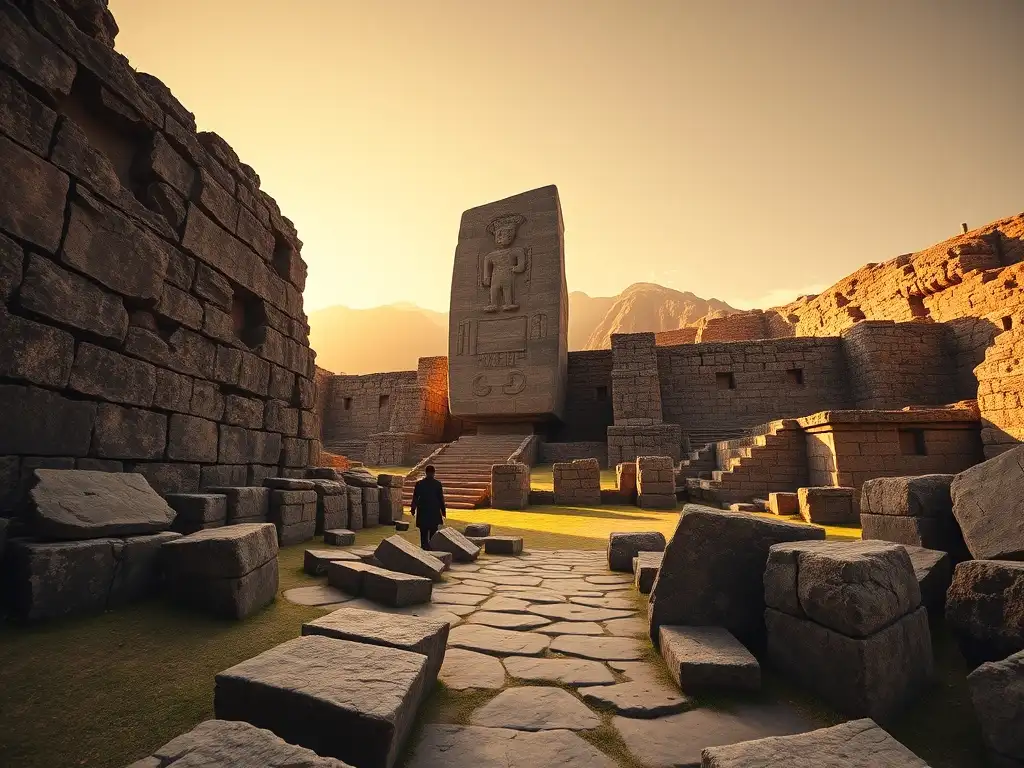
The Chavín culture, flourishing in the Andes from approximately 900 to 200 BCE, left behind a legacy of impressive architecture reflecting their complex religious beliefs and sophisticated engineering skills. Their architectural style, characterized by its monumental scale, intricate carvings, and symbolic representations, is a testament to their advanced understanding of construction techniques and their deeply spiritual worldview. Understanding Chavín architecture styles requires examining key sites, revealing the evolution and distinct features of their building practices. This section will delve into two prominent examples: Chavín de Huántar and Garagay.
The unique characteristics of these sites help us decipher the intricacies of Chavín architectural design and its significance within the broader context of Andean pre-Columbian cultures. Analyzing these structures provides key insights into the culture's social organization, religious practices, and technological capabilities. The unique blend of monumental stonework and intricate carvings showcases the advanced skills of Chavín artisans and engineers.
Chavín de Huántar: The Ceremonial Heart of the Culture
Chavín de Huántar, located in the Callejón de Huaylas in the Peruvian Andes, is considered the central ceremonial center of the Chavín culture. Its monumental architecture, strategically placed within a geographically significant location, served as a focal point for religious rituals and possibly political administration. The site's layout and the intricate carvings found throughout its structures provide valuable clues into the cosmology and worldview of the Chavín people.
The careful placement of buildings and the orientation of key features suggest a profound understanding of astronomy and its connection to their religious beliefs. This understanding of Chavín architecture styles is further enhanced by the presence of two main structures: the Old Temple and the New Temple.
The Old Temple: A Labyrinth of Passages and Chambers
The Old Temple, the older of the two main structures, is a complex labyrinth of passages, chambers, and subterranean tunnels. Its construction, using massive stones precisely fitted together, demonstrates a remarkable level of engineering prowess. The interior spaces are characterized by a deliberate sense of claustrophobia and disorientation, possibly reflecting the ritualistic experiences intended for those who entered. The walls are adorned with intricate carvings depicting jaguars, snakes, and other symbolic figures, which are central to Chavín iconography and reinforce the site's religious significance.
These carvings, often deeply recessed within the walls, were likely dimly lit during rituals, adding to the mystical atmosphere. The precise function of many of the chambers remains debated, suggesting the need for further research and archaeological investigation. This labyrinthine structure is a prime example of the mastery of Chavín architecture styles and their use of space to create a powerful spiritual experience.
The New Temple: Innovations and Elaborate Designs
Built later than the Old Temple, the New Temple showcases further advancements in Chavín architectural techniques and design. This structure displays a more elaborate facade and larger interior spaces, suggesting a possible expansion in the scale of religious ceremonies or an increase in the population using the site. The New Temple's architecture is characterized by its impressive stonework, featuring colossal columns and intricately carved reliefs.
These reliefs often depict hybrid creatures, combining features of different animals, further highlighting the Chavín's complex and symbolic worldview. The use of different stone types and construction techniques in the New Temple suggests a possible shift in resource management or a change in architectural preferences over time. Analysis of the building materials and construction methods used in the New Temple continues to provide valuable insights into Chavín technological capabilities and the evolution of their architectural styles.
Garagay: Architectural elements and unique features
Garagay, another significant Chavín site, offers a different perspective on Chavín architecture styles. While not as large as Chavín de Huántar, Garagay exhibits unique architectural features that contribute to our understanding of Chavín building practices. Unlike the monumental structures of Chavín de Huántar, Garagay features smaller, more dispersed structures.
This suggests a different type of settlement, possibly a smaller ceremonial center or a residential area associated with the larger site. The presence of similar carved motifs, however, reinforces the connection to the broader Chavín tradition. Further research into the layout, construction methods, and the symbolic meaning of the carvings found at Garagay is crucial to complete our understanding of Chavín architecture styles and their regional variations.
The differences between Garagay and Chavín de Huántar highlight the need for a nuanced approach to studying Chavín architecture, considering the diversity of contexts and functions within the broader Chavín cultural sphere. The discovery of additional sites and further analysis of existing ones will undoubtedly reveal even more about the complexity and sophistication of Chavín architectural traditions. Understanding these variations helps us appreciate the richness and diversity of Chavín culture and its lasting impact on Andean civilization.
Kuntur Wasi: Architectural elements and unique features
Kuntur Wasi, meaning "House of the Condor" in Quechua, stands as a testament to the sophisticated architectural prowess of the Chavín culture. Located in the northern highlands of Peru, this site showcases a remarkable blend of ingenuity and spiritual symbolism, reflecting the Chavín's deep connection with the Andean landscape and their complex cosmology. Unlike the more renowned Chavín de Huántar, Kuntur Wasi exhibits a unique architectural style characterized by its smaller scale and distinct layout. However, this doesn't diminish its importance in understanding Chavín architectural principles.
One of the most striking features of Kuntur Wasi is its integration with the surrounding environment. The structure is seemingly carved into the hillside, utilizing the natural contours of the mountain to create a series of interconnected platforms and chambers. This masterful use of natural topography minimized the need for extensive earthworks, demonstrating a practical and sustainable approach to construction. The use of locally sourced materials, primarily stone, further emphasizes this environmentally conscious approach. The precision with which these stones were cut and fitted together is remarkable, showcasing a high level of skill and understanding of stonework techniques.
The internal layout of Kuntur Wasi reveals a complex arrangement of rooms and passages, possibly reflecting a hierarchical social structure or a symbolic representation of the Chavín worldview. While the exact function of each chamber remains a subject of ongoing research, many exhibit evidence of ritual activities. The presence of decorated stone carvings, often depicting jaguars, snakes, and other symbolic creatures, suggests a strong connection to the Chavín's religious beliefs.
These carvings are often deeply incised and meticulously executed, indicating a high level of artistic skill and a profound reverence for their religious iconography. The intricate designs and the careful placement of these carvings highlight the spiritual significance attributed to the building's architecture.
Furthermore, the orientation of Kuntur Wasi, like many other Chavín sites, suggests a deliberate alignment with celestial events. While precise astronomical alignments are still being investigated, preliminary studies indicate a possible connection with the solstices or equinoxes. This deliberate alignment with astronomical phenomena further strengthens the argument for the site's importance as a center for religious ritual and astronomical observation.
The integration of astronomy and architecture underscores the Chavín's sophisticated understanding of the cosmos and their ability to incorporate this knowledge into their architectural designs. This careful planning and execution demonstrate a level of sophistication rarely seen in contemporary Andean cultures. The interplay between the natural environment, religious symbolism, and astronomical alignments makes Kuntur Wasi a truly unique example of Chavín architecture.
Chavín Architecture: Exploring the Design and Symbolism
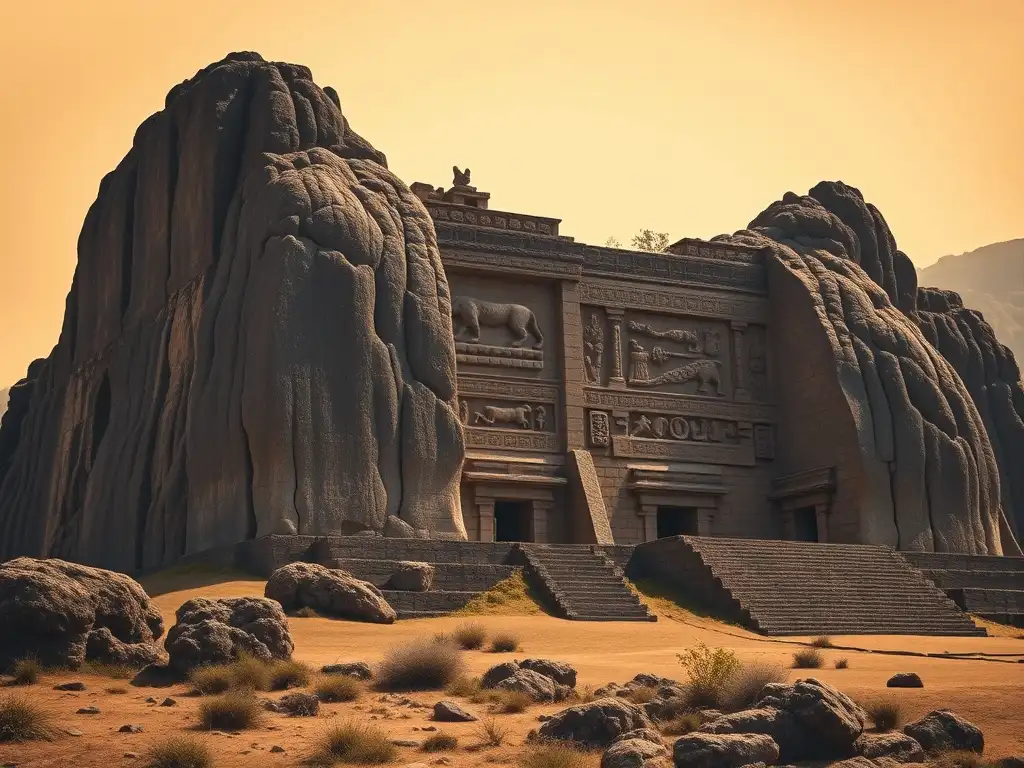
This section delves into the unique architectural styles of the Chavín culture, focusing on the interplay of design, symbolism, and ritualistic practices. The Chavín civilization, flourishing in the Andes from approximately 900 to 200 BCE, left behind a remarkable legacy of monumental architecture that reflects their sophisticated understanding of cosmology, spirituality, and power. Understanding their architectural choices offers crucial insights into their worldview and societal organization. We will examine how Chavín architecture styles, characterized by their imposing scale and intricate ornamentation, served as powerful expressions of religious and political authority.
The Use of Relief Carvings and Iconography
Chavín architecture is instantly recognizable due to its extensive use of relief carvings and iconography. These weren't mere decorations; they were integral components of the buildings' function and meaning. The carvings often depict stylized representations of jaguars, snakes, and other animals, interwoven with geometric patterns and abstract forms. These motifs are not haphazard; they are carefully chosen and strategically placed, suggesting a deep symbolic significance.
For example, the jaguar, a powerful predator, frequently appears in Chavín art and architecture. Its presence likely symbolizes power, ferocity, and the shamanistic ability to control the forces of nature. The intricate weaving of animal and geometric forms suggests a complex cosmology, reflecting the Chavín understanding of the interconnectedness of the natural world and the supernatural realm.
The meticulous craftsmanship involved in creating these reliefs underscores the high level of skill and artistry present within Chavín society. Analysis of these carvings provides valuable information about their belief systems and the role of religious leaders in their social structure. The consistent use of specific motifs across different sites suggests a degree of standardization and centralized control over artistic production, indicating a strong, possibly theocratic, ruling class.
The choice of materials also played a crucial role. The use of stone, often meticulously carved and fitted together, reflects their mastery of stonework techniques and their ability to mobilize significant labor resources for large-scale construction projects. This points towards a complex social organization capable of managing such ambitious undertakings.
The Symbolic Meaning of Chavín Architectural Motifs
The recurring motifs in Chavín architecture—such as the jaguar, serpent, and stylized human figures—carry profound symbolic weight. These weren't simply decorative elements; they served as powerful visual representations of the Chavín worldview. The jaguar, for instance, frequently appears in a hybrid form, combining feline features with other elements, hinting at a complex understanding of the transformation and fluidity of the spiritual realm.
Similarly, the serpent, a symbol prevalent across many ancient cultures, likely represented both earthly and underworld forces. Its association with water and fertility suggests its crucial role in Chavín cosmology and agricultural practices. The stylized human figures, often depicted in ritualistic poses or adorned with elaborate headdresses, likely represent deities, shamans, or important figures within Chavín society.
The intricate details of these figures, including their clothing and ornaments, offer valuable insights into their social hierarchy and religious practices. Researchers continue to decipher the precise meaning of these motifs, using comparative analysis with other Andean cultures and considering anthropological interpretations of similar symbols found in other ancient societies. Further research on the specific placement and context of these motifs within different architectural structures is needed to fully understand their significance.
Spatial Arrangements and their Ritualistic Significance
The spatial organization of Chavín buildings is far from random. The layout of plazas, temples, and other structures suggests a deliberate design intended to facilitate ritualistic practices and channel spiritual energy. The use of enclosed spaces, labyrinthine passages, and strategically placed openings likely played a significant role in controlling the flow of people and manipulating sensory experiences during ceremonies.
For example, the central plazas of many Chavín sites were probably used for large-scale public gatherings and rituals. The arrangement of buildings around these plazas created a powerful visual impact, reinforcing the authority of the ruling elite. The use of subterranean galleries and passages, found in many Chavín structures, suggests a connection to the underworld and the belief in a complex spiritual realm.
These spaces may have been used for shamanistic practices, creating a sense of mystery and awe for participants. The careful design of these spaces, including acoustics and lighting, likely enhanced the ritualistic experience, further emphasizing the power of the ruling class and its religious authority. More research is needed to fully understand the specific functions of different spaces within Chavín architecture and how they contributed to the overall religious and political system.
Detailed architectural surveys and analysis of surviving structures are crucial to reconstruct the spatial organization and understand the ritualistic significance of Chavín architecture. The application of advanced technologies like 3D modeling could help to visualize the original layout and enhance our understanding of the Chavín's architectural achievements.
Influences and Legacy of Chavín Architecture
The Chavín de Huántar architectural complex, a testament to the ingenuity and spiritual depth of the Chavín culture, exerted a profound and lasting influence on subsequent Andean civilizations. Its unique style, characterized by a masterful blend of monumental stonework, intricate carvings, and symbolic iconography, served as a blueprint for architectural developments across the Andes for centuries. Understanding the legacy of Chavín architecture is key to comprehending the evolution of Andean artistic expression and societal structures. The impact wasn't merely aesthetic; it represented a transmission of cultural values and beliefs.
Chavín Architectural Influence on Later Andean Cultures
The Chavín style's influence can be traced across diverse Andean cultures, demonstrating its widespread adoption and adaptation. Features like the use of massive stone blocks, carefully fitted without mortar (a technique known as ashlar masonry), became a hallmark of later architectural projects. The characteristic Chavín emphasis on symmetry, geometric patterns, and the integration of religious iconography found echoes in the constructions of the Moche, Nazca, and even the later Inca civilizations.
For example, the monumental platforms and plazas found at many Moche sites, such as Huaca del Sol and Huaca de la Luna, share a clear lineage with the grand scale and imposing presence of the Chavín temple complex. While the Moche developed their own distinct artistic styles, the underlying principles of monumental architecture and carefully planned urban layouts can be traced back to the Chavín influence. Similarly, the Nazca's intricate ceremonial centers, though characterized by their unique painted pottery and geoglyphs, also reveal echoes of the Chavín emphasis on carefully crafted stone structures and strategically positioned religious spaces.
The table below highlights some key similarities between Chavín architecture and that of later Andean cultures:
| Feature | Chavín de Huántar | Moche Sites | Nazca Sites |
|---|---|---|---|
| Stonework | Ashlar masonry, massive blocks | Ashlar masonry | Carefully fitted stones |
| Layout | Centralized, hierarchical | Monumental platforms | Ceremonial centers |
| Iconography | Jaguars, serpents, other deities | Diverse iconography, but some Chavín motifs | Stylized representations, potential Chavín influences |
| Scale | Monumental, imposing | Monumental | Varied scale, but some large structures |
The spread of Chavín influence wasn't necessarily a direct, linear process. Instead, it likely involved a complex interplay of cultural exchange, migration, and the adoption of prestigious symbols and techniques. Archaeological evidence suggests a gradual dissemination of Chavín ideas, rather than a sudden, widespread imposition of a uniform style.
The Lasting Impact of Chavín Design Principles
Beyond specific architectural features, the Chavín legacy extends to broader design principles. The emphasis on the integration of art and architecture, the careful planning of sacred spaces, and the use of symbolism to communicate religious and political messages continued to shape Andean artistic expression for centuries. The Chavín's sophisticated understanding of engineering and construction techniques, especially their mastery of ashlar masonry, set a standard of excellence that was emulated and refined by later Andean cultures. The meticulous craftsmanship evident in Chavín carvings and stonework served as an inspiration for generations of Andean artisans.
The enduring impact of Chavín architecture is not just a matter of stylistic imitation. It represents a transmission of cultural values and beliefs. The Chavín's focus on creating awe-inspiring structures that served as centers for religious rituals and political power profoundly influenced how subsequent Andean societies approached the construction of their own sacred and public spaces.
The Chavín legacy serves as a powerful reminder of the interconnectedness of Andean cultures and the lasting impact of early Andean innovations. The sophisticated understanding of engineering and design demonstrated by the Chavín people paved the way for the architectural achievements of later Andean civilizations, solidifying their place as pioneers in Andean architectural history.
Frequently Asked Questions
What is the Chavín culture known for?
The Chavín culture (c. 900-200 BCE) is renowned for its impressive architecture, particularly the monumental Chavín de Huántar temple complex, and its influence on other Andean cultures. Their artistic style, featuring powerful imagery, spread widely across the Andes.
What are the key architectural features of Chavín sites?
Chavín architecture is characterized by massive stone structures, intricate carvings, and complex underground galleries. They utilized large, precisely cut stones and incorporated unique architectural elements like Lanzones (obelisks).
How did Chavín architecture reflect their religious beliefs?
Chavín architecture was deeply intertwined with their religious practices. The temples were designed to create powerful and awe-inspiring spaces that facilitated rituals and ceremonies, reflecting a complex cosmology.
What materials were primarily used in Chavín construction?
The Chavín primarily used stone, particularly granite and andesite, for their constructions. These durable materials allowed for the creation of long-lasting and impressive structures. They also utilized adobe bricks in some instances.
What is the significance of Chavín architecture in the context of Andean civilizations?
Chavín architecture represents a pivotal moment in Andean development. Its innovative techniques and artistic style heavily influenced subsequent Andean cultures, leaving a lasting impact on the region's architectural traditions. It represents a cultural and artistic apex.
Final Reflection: Echoes of Chavín: A Legacy in Stone and Spirit
The intricate architectural marvels of Chavín de Huántar remain a testament to the ingenuity and spiritual depth of a civilization that flourished centuries ago, a legacy that continues to resonate in contemporary discussions of sustainable design and the power of collective belief. Their innovative use of materials, the masterful manipulation of light and shadow, and the sheer scale of their projects offer invaluable lessons for architects and engineers even today. The enduring mystery surrounding their precise methods and the deeply symbolic nature of their structures only adds to their enduring fascination.
The impact of Chavín architecture extends far beyond the Andes mountains; its influence can be seen in subsequent Andean cultures, a testament to the enduring power of artistic and spiritual innovation. The sophisticated understanding of acoustics and spatial manipulation within the temples speaks to a profound connection between the physical and spiritual realms. Architecture is the learned game, correct and magnificent, of forms assembled in the light.
- Le Corbusier. This quote, while not directly referencing Chavín, perfectly captures the essence of their achievement: a harmonious blend of form and function, imbued with deep spiritual meaning.
Consider the ingenuity of the Chavín people, their ability to carve colossal stones and create such complex structures with limited technology. Let their story inspire you to appreciate the power of human creativity and the enduring legacy of cultures that came before us. Think about how we can build sustainably, thoughtfully, and with a deep respect for the environment and the spiritual needs of our communities. Let the echoes of Chavín resonate within you, prompting a deeper appreciation for the past and a more conscious approach to shaping our future.
Explore the Wonders of Chavín Architecture Today!
Thank you for exploring the fascinating world of Chavín architecture! You've gained valuable insights into how these remarkable structures reflect the spiritual and cultural richness of this ancient civilization. Now, let's build on that newfound knowledge!
Here are some ways to continue your journey of discovery:
- Visit a local museum or library: Discover fascinating artifacts and delve into the literature surrounding the Chavín civilization. Immerse yourself in their history and artistic achievements.
- Connect with other enthusiasts: Join a community group or online forum dedicated to Andean cultures. Share your insights and learn from others who share your passion.
- Plan a trip to Peru: Experience the magic of Chavín firsthand and witness the breathtaking sites that showcase the grandeur of their architecture.
What aspect of Chavín architecture most captivates you, and how will you further explore it? Share your thoughts below!