
Unveiling the Secrets of PreCeramic Andean Life: A Journey Through Time

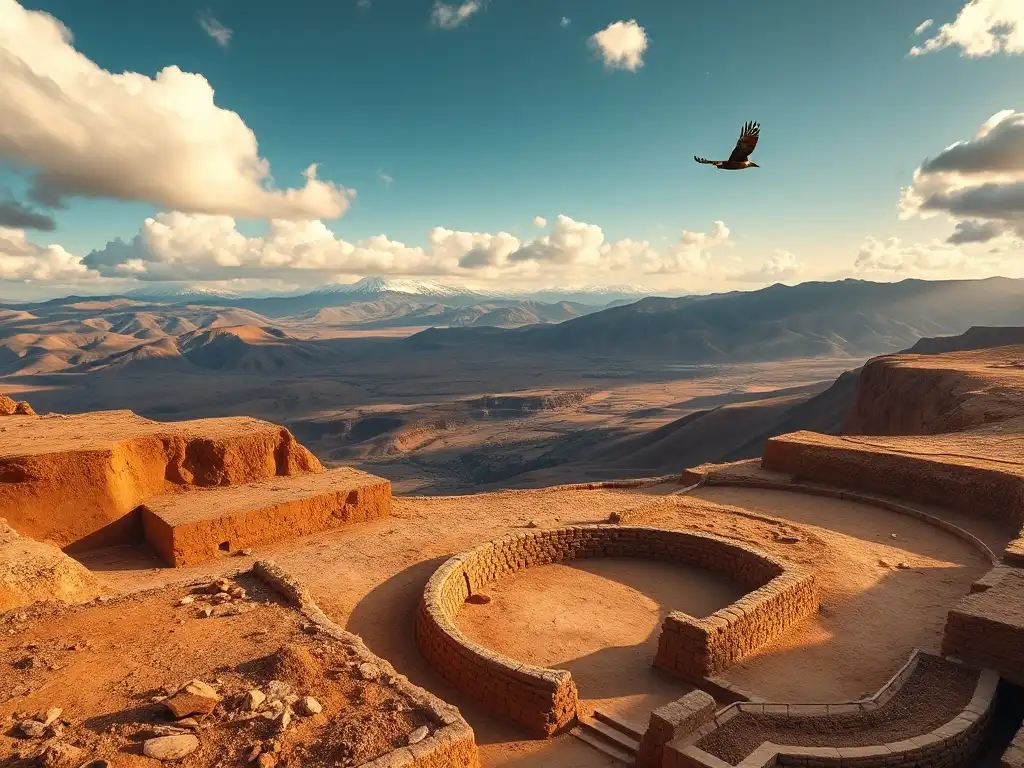
Prepare to be amazed. Journey beyond the Inca Empire and discover a world lost to time: the enigmatic Preceramic Andean civilizations. Before the rise of monumental empires, a vibrant tapestry of cultures flourished in the Andes, leaving behind breathtaking artistry and sophisticated technologies. Their story is waiting to be uncovered – dare you delve into the mysteries of their existence? Explore the dawn of Andean civilization and unravel the secrets of their ingenuity.
The Andes Mountains, a majestic spine running down the western coast of South America, have been home to thriving civilizations for millennia. While the Inca Empire often steals the spotlight, a fascinating and often overlooked chapter in Andean history precedes even the sophisticated metalworking and monumental architecture of later periods: the Preceramic era. This period, stretching roughly from 8000 BCE to 1800 BCE, lays the foundation for the complex societies that would later flourish.
This article delves into the remarkable achievements of these early Andean peoples, exploring their innovative technologies, unique artistic expressions, and the profound impact they had on shaping the cultural landscape of the Andes. We will uncover the secrets of their daily lives, their social structures, and the ingenuity that allowed them to thrive in this challenging environment.
Understanding the Preceramic Andean civilizations is key to grasping the full richness and complexity of Andean history, offering a deeper appreciation for the continuous cultural evolution that shaped this remarkable region. Prepare to embark on a journey through time, uncovering the foundations of Andean greatness.
Early Andean Agriculture: Domestication and Innovation
The Preceramic period witnessed the crucial development of agriculture in the Andes. Far from simply foraging, these early inhabitants skillfully domesticated various plants, including potatoes, beans, and squash. This agricultural revolution was not a single event but a gradual process spanning centuries, involving careful selection and cultivation of wild plants.
The challenges presented by the diverse Andean geography – from arid coastal deserts to high-altitude valleys – spurred innovation in irrigation techniques. Evidence suggests the use of sophisticated canal systems and raised fields, allowing for efficient water management and maximizing crop yields. This agricultural prowess not only provided sustenance but also laid the groundwork for the growth of sedentary communities and the eventual development of complex social structures.
Archaeological findings such as preserved plant remains and the traces of irrigation systems offer compelling insights into the ingenuity and adaptability of these early farmers. The development of agriculture fundamentally changed the way of life for these people, leading to increased population density and the establishment of more permanent settlements.
The Rise of Sedentary Life and Early Villages
The successful cultivation of crops led to a significant shift from nomadic lifestyles to the establishment of sedentary communities. Early villages, initially small and dispersed, gradually grew in size and complexity. This transition marked a pivotal moment in Andean history, fostering social interaction, specialization of labor, and the development of shared cultural practices.
Archaeological sites from this period reveal evidence of communal structures, indicating a growing sense of collective identity and social organization. While the social hierarchies of this era are still under investigation, the development of villages suggests the emergence of increasingly complex social structures and the beginnings of social differentiation.
The size and layout of these villages, along with the artifacts found within them, offer clues about the social dynamics and daily lives of these early Andean communities. Further research is needed to fully understand the social complexities of preceramic Andean villages, but the evidence clearly points towards an increasingly sophisticated and organized society.
Preceramic Art and Technology: A Glimpse into Andean Ingenuity
The artistic and technological achievements of Preceramic Andean cultures are equally impressive. While lacking the metalworking techniques of later periods, these early peoples displayed remarkable skill in crafting tools and creating intricate designs. The use of stone, bone, and other readily available materials produced sophisticated tools for agriculture, hunting, and daily life.
Early pottery, although simple in form compared to later styles, represents a significant technological advancement, reflecting a growing understanding of materials and firing techniques. Furthermore, textile production emerged as an important aspect of Preceramic culture, with evidence suggesting the use of complex weaving techniques.
The designs found on pottery and textiles offer glimpses into the beliefs and worldview of these early Andean societies, hinting at the rich symbolic language that would continue to evolve in subsequent periods. These artistic expressions provide valuable insights into their spiritual beliefs, social structures, and daily lives, demonstrating a level of cultural sophistication that often surpasses expectations for this early period.
Understanding the Preceramic Period: Challenges and Future Research
Despite significant progress in our understanding of Preceramic Andean civilizations, many questions remain unanswered. The scarcity of written records necessitates reliance on archaeological evidence, which can be incomplete or open to multiple interpretations. Further research is needed to clarify the complexities of social organization, trade networks, and the precise chronology of technological and cultural developments.
Advancements in archaeological techniques, such as improved dating methods and advanced analysis of organic materials, promise to shed further light on this crucial period. Continued interdisciplinary collaboration between archaeologists, anthropologists, and other specialists is essential to unravel the remaining mysteries of Preceramic Andean life and to fully appreciate the foundations upon which subsequent Andean civilizations were built. The study of Preceramic Andean civilizations is a dynamic and ongoing process, with new discoveries continuously reshaping our understanding of this pivotal era.
- Early Andean Agriculture: Domestication and Innovation
- The Rise of Sedentary Life and Early Villages
- Preceramic Art and Technology: A Glimpse into Andean Ingenuity
- Understanding the Preceramic Period: Challenges and Future Research
The Dawn of Andean Civilizations: Understanding the Preceramic Period
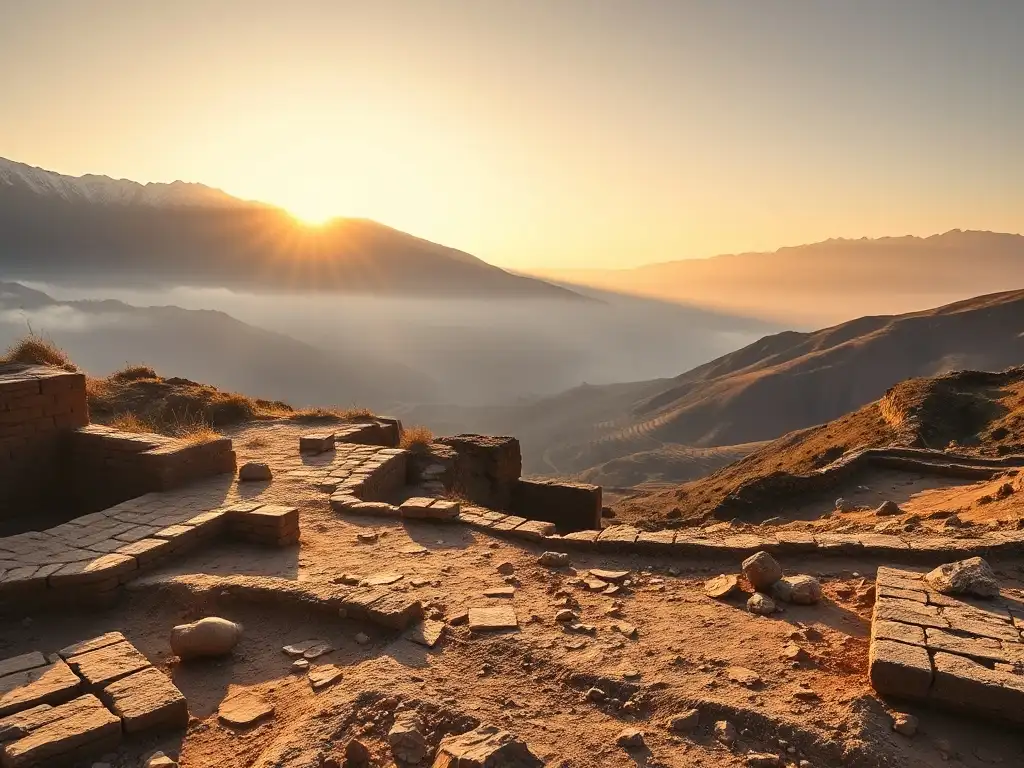
This section delves into the fascinating world of Preceramic Andean civilizations, a period laying the foundation for the later, more complex societies of the Andes. We'll explore the defining characteristics of this era and uncover the ingenuity and resilience of its inhabitants. Understanding this period is crucial to appreciating the full tapestry of Andean history, offering a glimpse into the earliest expressions of human adaptation and innovation in this unique environment.
The term "Preceramic Andean civilizations" itself highlights the key element: the absence of pottery, a technological advancement that marks a significant shift in Andean cultural development. However, the lack of pottery doesn't equate to a lack of sophistication; quite the contrary.
Defining the Preceramic Era in the Andes
The Preceramic period in the Andes, spanning roughly from 8000 BCE to 1800 BCE, is characterized by the absence of pottery. This seemingly simple distinction marks a crucial phase in Andean cultural evolution. Archaeologists use a variety of methods to date this era, including radiocarbon dating of organic materials found at excavation sites, such as plant remains and bones.
The chronological boundaries are not rigidly defined across all regions of the Andes, with variations occurring due to differing environmental conditions and rates of cultural development. For instance, the emergence of certain technological advancements, like sophisticated stone tools, might occur earlier in some areas than in others. The diversity within the Preceramic period is remarkable, showcasing a spectrum of adaptations to the varied Andean landscapes.
This period witnesses the transition from nomadic hunter-gatherer lifestyles to increasingly sedentary agricultural communities, a pivotal shift in human history. The development of agriculture, including the domestication of plants like squash and beans, was a fundamental driver of societal change during this era.
Key Characteristics of Preceramic Andean Societies
Preceramic Andean societies, despite lacking pottery, demonstrate remarkable complexity and adaptation. Several key characteristics define this era:
- Early Agriculture: The development of agriculture was a cornerstone of Preceramic life. Evidence suggests the cultivation of various crops, adapted to the diverse Andean environments. This agricultural revolution allowed for greater population density and the establishment of more permanent settlements. The careful management of water resources, through techniques like canal irrigation (evidence of which has been found in some areas), also played a vital role.
- Advanced Lithic Technology: The creation of sophisticated stone tools demonstrates a high level of technological skill. These tools, often meticulously crafted from obsidian and other materials, were used for a variety of purposes, including hunting, agriculture, and the processing of food. The precision and variety of these tools point to specialized labor and a level of social organization beyond simple hunter-gatherer groups.
- Monumental Architecture: Some Preceramic sites feature monumental architecture, indicating a capacity for collective labor and possibly complex social structures. These structures, often built from stone and earth, might have served various purposes, including ceremonial functions or residential use. The construction of these monumental structures requires significant coordination and social organization, suggesting a higher level of social complexity than previously thought. Examples include the impressive structures found at sites like Caral in Peru.
- Social Organization: While the precise nature of social organization remains a subject of ongoing research, evidence suggests the presence of increasingly hierarchical societies within some Preceramic communities. Variations in burial practices and the presence of elite goods at certain sites hint at social stratification. Further research is needed to fully understand the dynamics of power and social relations during this era. The distribution of resources and the management of collective projects also point to the emergence of leadership roles and social hierarchies.
| Characteristic | Description | Evidence |
|---|---|---|
| Early Agriculture | Cultivation of crops like squash, beans, and other plants adapted to the Andean environment. | Plant remains found at archaeological sites. |
| Advanced Lithic Technology | Sophisticated stone tools crafted from obsidian and other materials. | The discovery of finely crafted tools at various sites. |
| Monumental Architecture | Large-scale constructions of stone and earth, possibly serving ceremonial or residential purposes. | Remains of structures at sites like Caral. |
| Social Organization | Evidence suggests increasing social stratification and hierarchical structures. | Variations in burial practices and the distribution of elite goods. |
The Preceramic period in the Andes is not a monolithic entity. Instead, it represents a diverse array of cultural expressions, shaped by the unique environmental challenges and opportunities of the region. Further research and excavation continue to unveil the secrets of these early Andean societies, providing a deeper understanding of their ingenuity, resilience, and profound impact on the subsequent development of Andean civilizations. The study of Preceramic Andean civilizations continues to challenge and refine our understanding of early human societies and their capacity for innovation. 🧐
Early Settlements and Adaptations in the Preceramic Andes
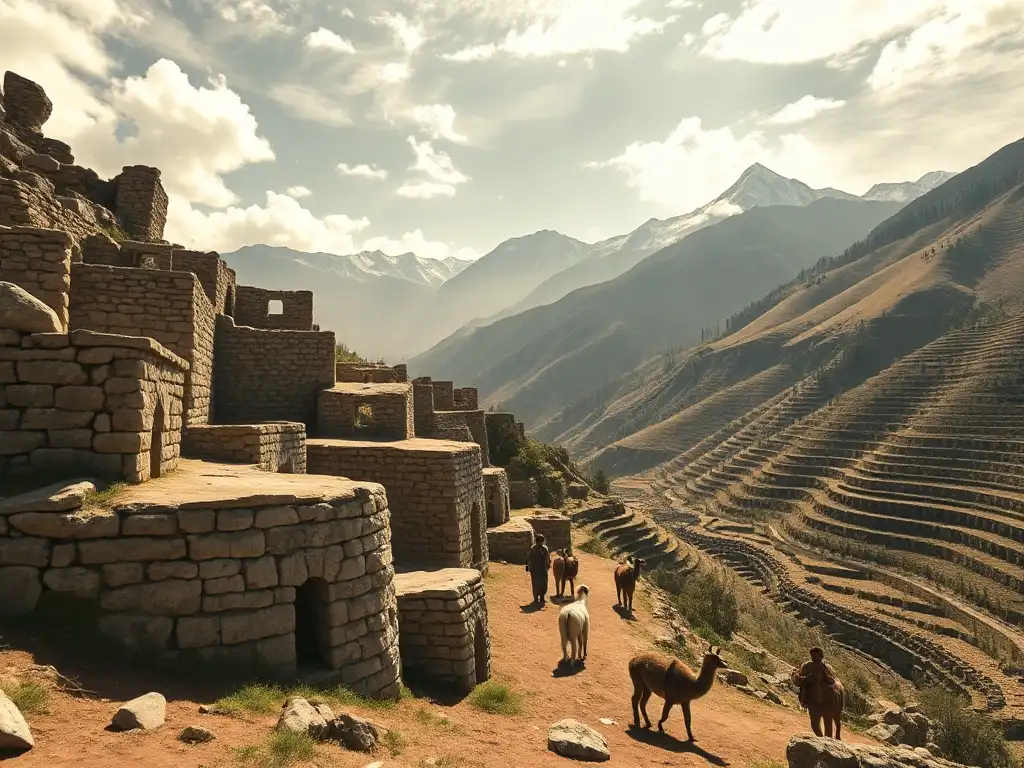
The Preceramic period in the Andes (circa 8000-1800 BCE) witnessed the initial stages of human settlement and adaptation to diverse ecological niches. This era, preceding the development of ceramics, provides crucial insights into the ingenuity and resilience of early Andean societies as they navigated the challenges of their environment. Understanding these early settlements allows us to appreciate the foundations upon which later, more complex Andean civilizations were built.
The period is characterized by a gradual shift from nomadic hunter-gatherer lifestyles to more sedentary, agricultural practices, a transition reflected in the archaeological record through changes in settlement patterns, tool technology, and subsistence strategies. This adaptation wasn't uniform across the Andes; instead, it varied significantly depending on the specific ecological context, leading to distinct regional developments. The most prominent examples of this diversification are seen in the contrasting adaptations of coastal and highland communities.
Coastal Adaptations: Fishing and Marine Resources
Coastal settlements in the Preceramic Andes flourished thanks to the abundance of marine resources. Archaeological evidence from sites like [Site name pending] reveals a sophisticated understanding of marine ecosystems and the development of specialized fishing techniques. The inhabitants relied heavily on fish, shellfish, and other marine life for sustenance.
This is evidenced by the large quantities of fish bones and shell middens found at these sites. Their fishing technology likely included a variety of tools, such as hooks, nets, and possibly even rudimentary boats, although the precise nature of these technologies requires further research. [Specific details on fishing techniques pending].
Beyond simply catching fish, coastal communities demonstrated an advanced understanding of marine resource management. They likely employed techniques to ensure the sustainability of their food sources. This might have involved seasonal fishing practices or selective harvesting of certain species.
The evidence for such practices is currently limited, however, and further investigation is needed to fully understand the extent of their resource management strategies. The ability to consistently exploit marine resources provided a stable food base that supported the growth of larger, more permanent settlements along the coast. The abundance of seafood also likely influenced their diet and culture, potentially shaping their social structures and belief systems.
Highland Adaptations: Agriculture and Resource Management
In contrast to the coastal regions, the Preceramic highland Andes presented different challenges and opportunities. The rugged terrain and varying altitudes demanded a different approach to subsistence. The development of agriculture was paramount to the survival and prosperity of highland communities. Archaeological evidence suggests the early domestication of plants like quinoa and potatoes, crucial staples in the Andean diet.
[Specific details on early Andean agriculture pending, including evidence from sites like [Site name pending]]. The cultivation of these crops required significant knowledge of soil types, irrigation techniques, and the seasonal rhythms of the Andes. It likely involved the construction of terraces and other agricultural infrastructure to maximize crop yields.
Beyond agriculture, highland communities also relied on other resources, including wild plants and animals. They developed sophisticated strategies for managing these resources, which were vital to their survival, especially during times of scarcity. This likely involved knowledge of plant cycles and animal migration patterns, allowing them to predict and prepare for periods of abundance and scarcity. [Specific details on highland resource management pending].
The successful adaptation to the highland environment demonstrates the ingenuity and adaptability of Preceramic Andean societies, laying the groundwork for the later development of complex agricultural systems and social structures in the region. The development of agriculture in the highlands was a crucial step in the transition towards sedentism and the establishment of permanent settlements. 👨🌾
Preceramic Art and Culture: Expressions of Early Andean Life
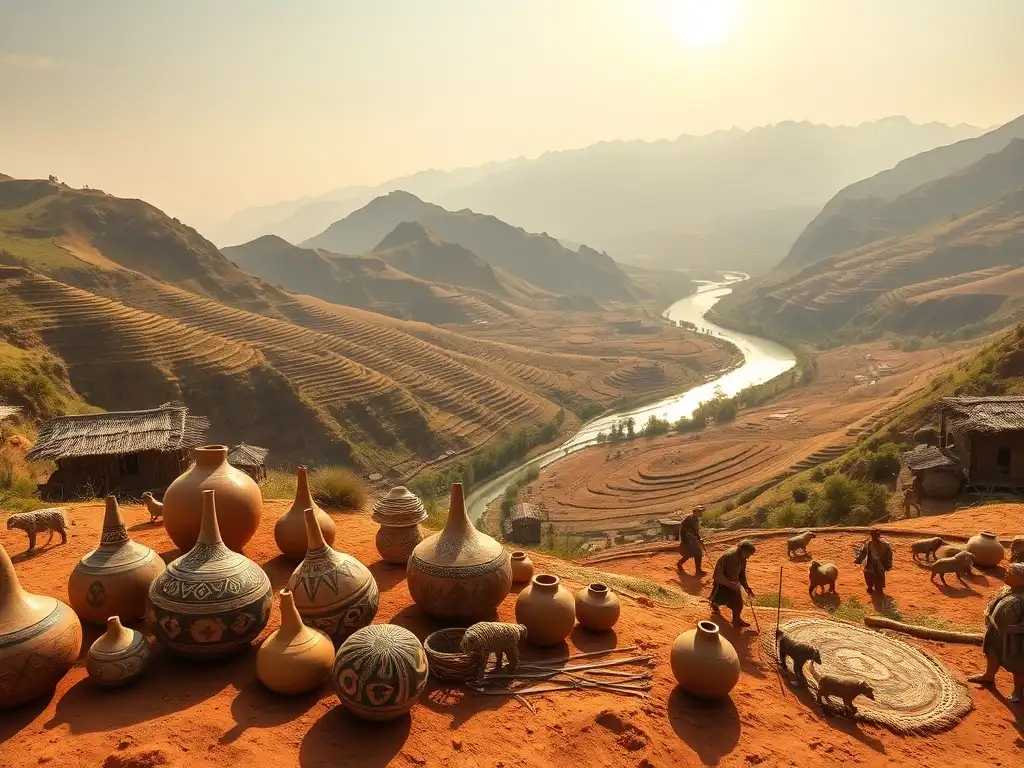
This section delves into the fascinating world of Preceramic Andean art and culture, a period preceding the development of pottery, yet brimming with artistic expression and complex social structures. Understanding this era is crucial to grasping the evolution of Andean civilizations and their enduring legacy. We'll examine the significance of early art forms, explore innovative textile production, and investigate evidence of ritual and ceremonial practices that shaped these early societies.
The study of Preceramic Andean civilizations offers invaluable insights into the ingenuity and resilience of early Andean peoples, laying the groundwork for the more complex societies that followed. Their artistic achievements and societal structures were far from rudimentary, showcasing a sophisticated understanding of their environment and a rich spiritual life.
The Significance of Early Andean Art Forms
Preceramic Andean art, while lacking the readily identifiable pottery of later periods, reveals a surprisingly sophisticated level of artistic skill and symbolic expression. Early Andean art forms were primarily manifested in carved stone, intricately woven textiles, and elaborately painted murals on rock faces. These artifacts weren't mere decorations; they served crucial social, religious, and possibly political functions.
For instance, the meticulously carved stone sculptures found at sites like Cerro Paloma in Peru demonstrate a remarkable understanding of three-dimensional form and a keen eye for detail. These sculptures, often depicting stylized human and animal figures, likely held significant ritualistic or symbolic meaning within their communities. The level of craftsmanship involved suggests a specialized artisan class, indicating a degree of social stratification even in this early period.
Further research is needed to fully understand the specific iconography and the social context in which these sculptures were created and used. Analysis of the materials and techniques used in their creation could also provide valuable insights into the technological capabilities of these early Andean societies.
Preceramic Textiles and Weaving Techniques
The discovery of remarkably well-preserved textiles from Preceramic sites is a testament to the advanced weaving techniques employed by early Andean peoples. These textiles, often composed of camelid fibers like alpaca and llama wool, showcase intricate designs and complex weaving structures. The use of different colors and textures suggests a deep understanding of dyeing techniques and a sophisticated aesthetic sense. The discovery of numerous spindle whorls at various sites further supports the importance of textile production in Preceramic Andean societies.
These textiles were not simply clothing; they served a variety of social and ceremonial functions. Some textiles exhibit elaborate designs that may have represented clan affiliations, social status, or religious beliefs. The complexity of the weaving techniques suggests a high level of skill and specialization, indicating the existence of skilled weavers within the community.
Further research into the specific dyes and fibers used could provide additional insights into trade networks and resource management strategies employed by these early societies. The development of advanced weaving techniques in the Preceramic period laid the foundation for the impressive textile traditions of later Andean cultures. Analyzing the construction of these textiles provides crucial information about the organization of labor and social structures of Preceramic communities.
Evidence of Ritual and Ceremony in Preceramic Sites
Evidence from numerous Preceramic sites strongly suggests the presence of organized religious or ceremonial practices. The construction of monumental architecture, such as the large platforms found at Caral, indicates a high degree of social organization and collective effort. These structures were likely used for ritual ceremonies, possibly involving large gatherings of people. Furthermore, the presence of carefully placed offerings, including food remains and artifacts, at burial sites points towards elaborate funerary rites.
The discovery of specialized buildings within Preceramic settlements, often elevated or set apart from residential areas, further supports the existence of dedicated ritual spaces. These structures might have served as temples or ceremonial centers, where important rituals and ceremonies took place. The careful arrangement of artifacts and the presence of specific materials within these structures suggest a complex system of beliefs and practices.
The discovery of human remains with elaborate burial practices, including the presence of grave goods and offerings, provides further evidence of beliefs concerning the afterlife and the importance of ritual in Preceramic Andean society. Further research is needed to fully understand the nature of these rituals and their significance within the broader social and religious context of Preceramic Andean life.
The study of these rituals offers invaluable insights into the spiritual beliefs and worldview of these early Andean societies. The meticulous nature of the ceremonial practices emphasizes the significance of religious beliefs in shaping the social and political landscape of Preceramic Andean communities.
Major Preceramic Sites and Their Significance
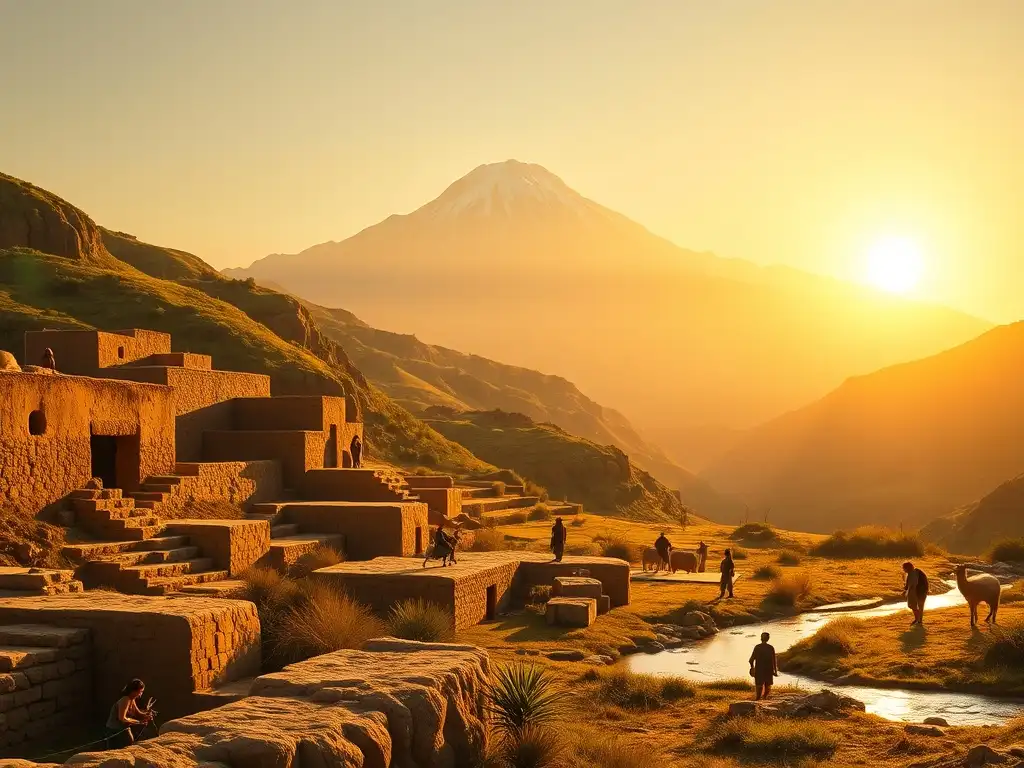
This section delves into the major archaeological sites that offer invaluable insights into Preceramic Andean civilizations, shedding light on their societal structures, technological advancements, and daily lives. Understanding these sites is crucial to piecing together a comprehensive picture of the complex development of Andean cultures before the advent of pottery. The absence of pottery, a defining characteristic of this period, doesn't diminish the richness and complexity of these early societies; rather, it highlights their unique adaptations and innovations.
We will explore key sites, focusing on their architectural features, social organization, and agricultural practices, providing a glimpse into the lives of these fascinating early Andean communities. The study of Preceramic Andean civilizations provides a foundation for understanding the later, more well-known cultures that followed.
Caral: A Window into Coastal Preceramic Life
Caral, located in the Supe Valley of Peru, stands as a testament to the sophistication of coastal Preceramic Andean societies. Dating back to approximately 2600 BCE, Caral is considered one of the oldest urban centers in the Americas. Its significance lies not only in its age but also in the complexity of its social organization and the evidence of advanced technological capabilities.
The site challenges previous assumptions about the development of complex societies in the Andes, demonstrating that urbanism and social stratification emerged earlier than previously thought. The scale and organization of Caral suggest a high degree of centralized planning and control over resources.
Architectural Features and Social Organization at Caral
Caral's architecture is characterized by large, monumental structures, including platforms, plazas, and residential areas. These structures were built using adobe bricks, reflecting an advanced understanding of construction techniques. The presence of numerous sunken circular structures, their purpose still debated, adds to the site's mystique. Analysis of these structures, combined with the discovery of various artifacts, suggests a hierarchical social structure, with evidence suggesting specialized labor and a centralized authority.
The absence of defensive structures points towards a relatively peaceful and possibly cooperative society, at least within Caral itself. The layout of the city, with its carefully planned plazas and avenues, further supports the idea of a well-organized and sophisticated urban center. Further research is needed to fully understand the intricacies of Caral's social dynamics, but the site already offers compelling evidence of a complex society flourishing in the Preceramic period.
Kotosh: Exploring Highland Preceramic Developments
In contrast to the coastal setting of Caral, Kotosh, located in the central Andes highlands of Peru, provides insights into the development of Preceramic Andean civilizations in a different ecological context. Dating to roughly 1800-1500 BCE, Kotosh reveals adaptations to a colder, mountainous environment and different agricultural practices compared to its coastal counterparts.
The site is particularly famous for its iconic "Temple of the Crossed Hands," a structure that showcases early religious practices and artistic expression. The discovery of this temple, with its intricate carvings and unique architectural style, has significantly contributed to our understanding of early Andean religious beliefs and artistic capabilities.
Agricultural Practices and Early Innovation at Kotosh
Kotosh's location in the highlands necessitated different agricultural strategies compared to Caral. The evidence suggests that the inhabitants of Kotosh practiced intensive agriculture, adapting to the challenging terrain and climate. They likely cultivated crops such as potatoes, beans, and quinoa, which are well-suited to the high-altitude environment.
The development of sophisticated irrigation systems is likely, although further research is necessary to fully understand the extent of their irrigation techniques. The presence of storage facilities at Kotosh suggests a surplus of food production, indicating efficient agricultural practices and potentially a system for managing resources. The innovations in highland agriculture seen at Kotosh demonstrate the adaptability and ingenuity of Preceramic Andean populations in diverse environments.
This adaptability played a crucial role in their survival and the continued development of their societies. Further study of the agricultural remains and tools at Kotosh will provide a more complete picture of their agricultural techniques and their impact on the societal structure.
Huaca Prieta: Insights into the Preceramic Period's Complexity
Huaca Prieta, located on the north coast of Peru, stands as a pivotal site for understanding the complexity of Preceramic Andean civilizations. Excavations at this location have revealed a surprisingly sophisticated society, far exceeding earlier assumptions about the simplicity of pre-agricultural communities. The site's importance stems from its extensive layers of occupation, spanning centuries and providing a detailed chronological sequence of cultural development.
This allows archaeologists to trace the evolution of societal structures, technologies, and artistic expressions over a significant period, offering invaluable insights into the gradual development of Andean societies before the rise of ceramics. The discovery of cotton remains, meticulously preserved within the layers of the site, is particularly significant. This demonstrates early mastery of textile production, a skill that would become a hallmark of Andean cultures for millennia to come.
Furthermore, the evidence unearthed at Huaca Prieta sheds light on the early development of agriculture, with findings suggesting a gradual shift from foraging to more intensive food production strategies, long before the widespread adoption of ceramics. The meticulous stratification of the site allows researchers to study this transition in detail, observing the changes in diet, settlement patterns, and social organization that accompanied this crucial step in human development.
Evidence of Trade and Interconnectedness at Huaca Prieta
The artifacts recovered from Huaca Prieta offer compelling evidence of extensive trade networks and interconnectedness among Preceramic Andean communities. While the site is primarily known for its cotton production, the presence of obsidian tools, originating from distant volcanic sources, points to a sophisticated system of exchange extending far beyond the immediate region. This obsidian, a valuable material used for tool-making, wasn't locally available, indicating established trade routes and relationships with communities located hundreds of kilometers away.
The careful analysis of these obsidian artifacts, using techniques such as X-ray fluorescence to determine their origin, strengthens the argument for a broader network of interaction among Preceramic Andean groups. This interconnectedness challenges the notion of isolated, self-sufficient communities during this period, suggesting a level of social and economic integration previously underestimated. The presence of other non-local materials, though perhaps less easily traceable than obsidian, further supports this conclusion.
The exchange of goods and ideas likely played a vital role in the cultural development of Huaca Prieta and other Preceramic Andean sites, fostering innovation and shaping the trajectory of these early societies. The study of these trade networks provides crucial context for understanding the broader social and economic landscape of Preceramic Andean civilizations, highlighting the dynamic interactions and interconnectedness that shaped their development. Further research, including more detailed analysis of organic materials and the application of advanced dating techniques, promises to reveal even more about the complexity of these early trade systems and their impact on the cultural development of the region.
The Transition from Preceramic to Ceramic Andean Societies
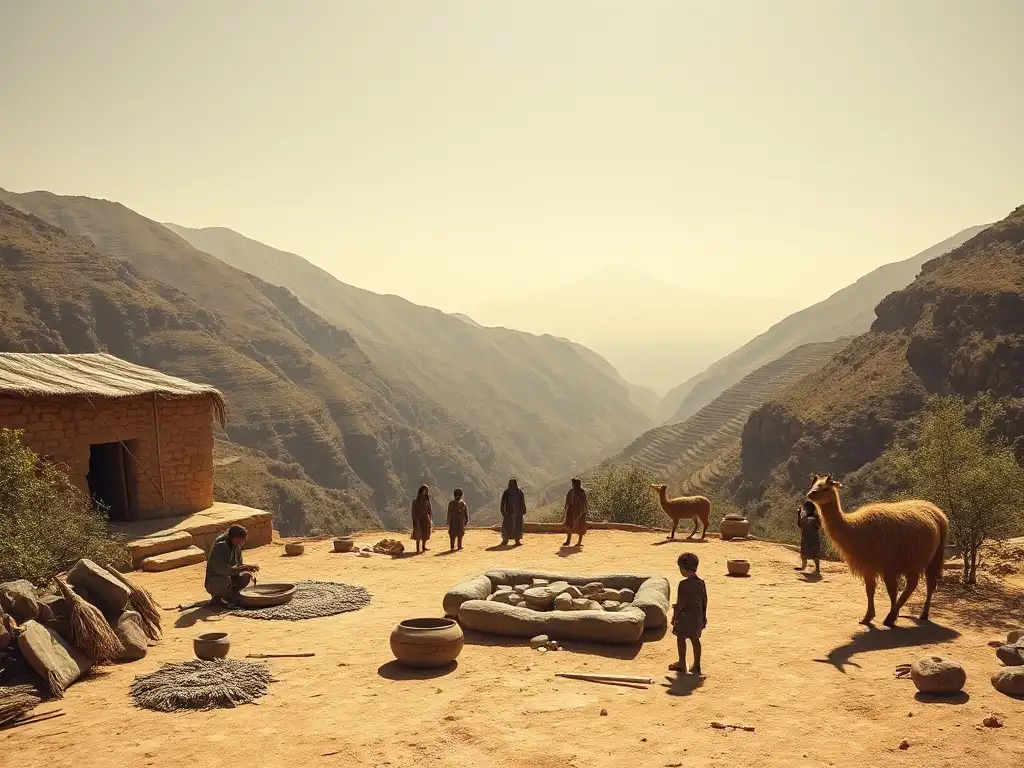
The shift from the Preceramic to the Ceramic period in the Andes marks a pivotal moment in the region's history, representing a significant leap in technological advancement and societal organization. This transition, spanning several centuries, wasn't a sudden revolution but a gradual process driven by complex interactions between environmental factors, technological innovations, and evolving social structures. Understanding this transition is key to grasping the full complexity of Preceramic Andean civilizations and their lasting legacy.
The development of pottery, a defining characteristic of the Ceramic period, dramatically altered daily life, communication, and social hierarchies, laying the foundation for the more complex societies that would follow. This section will explore some of the crucial factors that contributed to this transformative period, focusing specifically on the emergence of ceramic technology and its impact on societal organization.
Factors Contributing to the Rise of Ceramic Technology
The appearance of pottery in the Andes wasn't a spontaneous event. It was likely the culmination of several interconnected developments. One crucial factor was the increasing sedentism and agricultural intensification observed in Preceramic societies. As communities became more settled and reliant on agriculture, the need for more efficient food storage and processing increased.
Clay, readily available in the Andean landscape, provided an ideal material for creating durable containers. Early attempts may have involved simple techniques, perhaps utilizing sun-dried clay vessels. However, the discovery of firing techniques, likely accidental at first, led to the creation of more robust and watertight pottery. This technological breakthrough allowed for more efficient storage of food surpluses, potentially contributing to population growth and the development of larger, more complex settlements.
Further contributing to the development of ceramic technology was the increasing sophistication of Andean societies' understanding of their environment. The careful observation of natural processes, including the effects of heat on clay, was crucial in perfecting firing techniques. Evidence suggests that early Andean potters experimented with different clay types and firing methods, gradually refining their techniques over time.
This iterative process, involving trial and error and the transmission of knowledge across generations, ultimately led to the production of diverse and sophisticated pottery forms. The development of specialized tools for pottery production, such as paddle and anvil techniques, also points to the increasing skill and specialization within these early communities.
The adoption of ceramic technology was not merely a technological advancement; it profoundly impacted the social fabric of Andean societies. The creation and use of pottery facilitated changes in social structures and settlement patterns. The ability to store and transport food more efficiently likely contributed to the growth of larger settlements and the emergence of social hierarchies. Elaborately decorated pottery, often found in elite contexts, suggests the development of social stratification and the emergence of specialized craft production. Pottery became a medium for expressing social status and identity, with variations in style, decoration, and materials reflecting different social groups.
The increased efficiency in food storage and processing enabled by ceramic technology also likely played a role in the expansion of agricultural production. Larger, more stable food supplies could support larger populations and more complex social organizations. The development of irrigation systems and other agricultural innovations further contributed to this process.
Archaeological evidence from sites across the Andes reveals a clear correlation between the emergence of pottery and the growth of larger, more permanent settlements. The size and complexity of these settlements provide insight into the evolving social and political organization of early Andean communities. For example, the [specific information pending] at the site of [specific site name pending] demonstrates the increasing complexity of social organization and settlement during this transition.
The analysis of burial practices also reveals changes in social status and the emergence of elite classes during the Ceramic period. The presence of elaborate grave goods, including pottery, textiles, and other artifacts, suggests a growing social inequality. Understanding these changes in social structures and settlement patterns is essential for a complete picture of the transition from Preceramic to Ceramic Andean societies.
Legacy of the Preceramic Period on Later Andean Cultures
The Preceramic period (circa 8000-1800 BCE) in the Andes, while preceding the rise of iconic civilizations like the Inca, Moche, and Nazca, left an indelible mark on the subsequent development of Andean art, architecture, and societal structures. Understanding this foundational period is crucial to appreciating the complexities of later Andean cultures. The ingenuity and adaptability demonstrated by these early Andean inhabitants laid the groundwork for future advancements. Their innovations weren't simply superseded; they were adapted, refined, and built upon for millennia. This section explores the profound and lasting influence of Preceramic Andean civilizations on their successors.
Influence on Subsequent Andean Art and Architecture
The artistic expressions of the Preceramic period, though seemingly simple compared to later styles, established fundamental aesthetic principles and techniques that persisted. The meticulous craftsmanship evident in early pottery, textiles, and stonework—often employing sophisticated techniques like negative painting and intricate weaving—demonstrates a deep understanding of materials and a commitment to artistic excellence. These skills, passed down through generations, evolved and diversified, but the core principles of precision and attention to detail remained central to Andean artistic production for thousands of years.
For example, the early mastery of ceramic techniques, evident in the simple yet elegantly shaped vessels found at sites like Guitarrero Cave, directly influenced the later development of more elaborate pottery styles. The understanding of firing techniques, glazes, and decorative motifs, perfected during the Preceramic period, formed the base upon which later cultures built their distinctive ceramic traditions.
Similarly, the early experimentation with stone tools and architecture, including the construction of rudimentary structures and the utilization of diverse materials, provided the foundation for the impressive feats of engineering and construction achieved by later Andean civilizations. The sophisticated understanding of stonework evident in Inca constructions, for instance, can be traced back to the foundational knowledge acquired during the Preceramic period.
The Enduring Importance of Preceramic Innovations
Beyond artistic and architectural influences, the Preceramic period witnessed innovations that profoundly impacted the social and technological landscape of the Andes. The development of agriculture, particularly the domestication of plants like potatoes and quinoa, was a transformative event that shaped the demographic and social structures of later Andean societies. The ability to cultivate crops allowed for settled communities, the development of specialized labor, and the emergence of complex social hierarchies. These societal shifts, born from Preceramic innovations, profoundly impacted the trajectory of Andean civilization.
Furthermore, the advancements in textile production during the Preceramic period—including the development of techniques for spinning, weaving, and dyeing—provided a crucial foundation for the sophisticated textile industries of later cultures. The intricate textiles created by the Inca, for example, represent a culmination of centuries of development, building upon the foundational knowledge and techniques established during the Preceramic era. Moreover, the early experiments with irrigation systems, although initially rudimentary, laid the groundwork for the sophisticated hydraulic engineering projects that characterized later Andean societies.
These innovations were not merely technological; they were fundamental to the sustenance and prosperity of Andean communities for centuries to come. The legacy of Preceramic Andean civilizations is not just a matter of artistic styles; it's a testament to the enduring power of innovation and adaptation in shaping the course of Andean history.
Frequently Asked Questions
What are Preceramic Andean civilizations?
Preceramic Andean civilizations refer to the societies that flourished in the Andes region before the invention of pottery, approximately from 8000 to 1800 BCE. These cultures developed impressive advancements in agriculture, architecture, and social organization despite lacking this significant technological development.
How did Preceramic Andean societies survive without pottery?
They used alternative methods for food storage and preparation, such as woven baskets, gourds, and stone mortars and pestles. Their sophisticated knowledge of agriculture ensured a reliable food supply, mitigating the need for large-scale pottery for storage.
What are some key achievements of Preceramic Andean cultures?
Preceramic Andean societies achieved remarkable feats, including the development of irrigation systems, the cultivation of diverse crops like potatoes and beans, and the construction of impressive monumental architecture like the coastal pyramids of Caral.
Evidence suggests a complex social structure, with evidence of specialized labor and potentially hierarchical organization. While details remain debated, the scale of their projects points to a sophisticated level of social coordination.
Where can I learn more about Preceramic Andean civilizations?
You can explore museums with Andean collections and consult academic journals and books focusing on Andean archaeology and prehistory. The website "Andean Civilizations" offers further information on this fascinating topic.
Final Reflection: Echoes of a Timeless Andes
The intricate tapestry of Preceramic Andean life, woven from ingenuity and resilience, continues to resonate in the modern world. Understanding their innovations in agriculture, social structures, and artistic expression offers invaluable insights into human adaptation and the enduring power of community, challenging our assumptions about the "primitive" and highlighting the sophisticated societies that thrived long before the arrival of ceramics.
The legacy of these early Andean civilizations profoundly shapes the cultural landscape of the region, influencing everything from agricultural practices to artistic traditions. Their mastery of environmental challenges serves as a potent reminder of humanity's capacity for innovation and adaptation in the face of adversity. The past is never dead. It's not even past.
- William Faulkner. This quote rings particularly true when considering the enduring influence of Preceramic Andean societies on the present day, their echoes still audible in the vibrant cultures of the Andes.
Consider the ingenuity of these early Andean communities, their profound connection to the land, and their ability to build complex societies without the technology we take for granted. You, too, possess the capacity for innovation and resilience. Reflect on how their story inspires you to connect more deeply with your own community, to appreciate the resources around you, and to strive for sustainable practices that honor the legacy of those who came before. Let the echoes of their achievements guide you towards a future where ingenuity and respect for our shared heritage thrive.
Embark on Your Own Andean Adventure!
Thank you for joining us on this fascinating journey through the preceramic Andean world! We hope you've gained a deeper understanding of the rich history and vibrant culture of these remarkable civilizations. Now, let's put that knowledge to good use!
Here are some ways you can continue exploring:
- **Explore Local Museums and Exhibits:** Immerse yourself further in Andean culture by visiting a local museum showcasing Andean artifacts and exhibits. You'll gain a new appreciation for the artistry and ingenuity of these ancient societies.
- **Connect with Andean Communities:** Find a local organization dedicated to Andean history, crafts, or culture. Participating in workshops or discussions provides valuable insights and fosters a deeper connection to the subject.
- **Share Your Passion:** Discuss your newfound knowledge with friends, family, or online communities. Inspire others to discover the beauty and complexity of Andean life!
What aspect of preceramic Andean culture captivates you the most, and how will you share that fascination with others?