
The Threads of Tradition: The Continuity of Andean Musical Forms

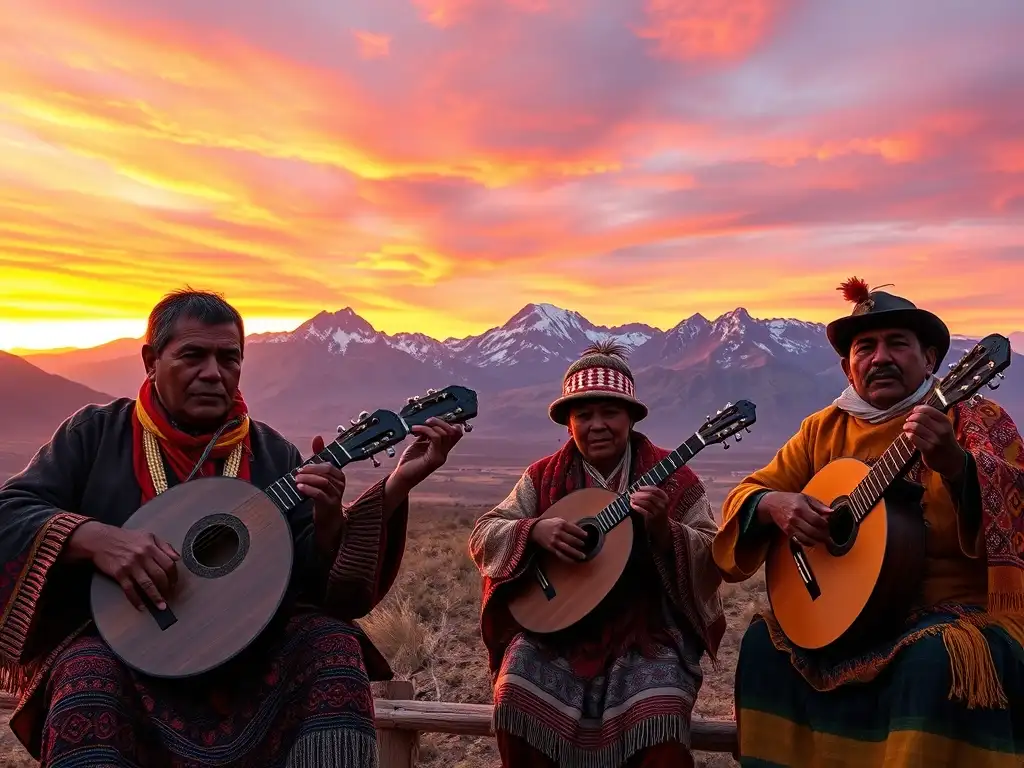
Unravel the mysteries of the Andes! Journey through millennia of vibrant culture, breathtaking artistry, and astonishing ingenuity. But did you know the echoes of these ancient societies resonate even today? Dive into the captivating world of Andean music history, where the threads of tradition weave a rich tapestry of sound, revealing the enduring legacy of the Incas, Moche, Nazca, and Tiahuanaco. Prepare to be amazed by the stories hidden within each note.
The vibrant tapestry of Andean culture is richly interwoven with music, a tradition that stretches back millennia, echoing through the ages in diverse forms and styles. This exploration delves into the captivating history of Andean music, uncovering its enduring legacy and revealing how musical forms have persisted and evolved, reflecting the resilience and adaptability of Andean societies. From the haunting melodies of ancient rituals to the lively rhythms of modern celebrations, Andean music remains a powerful force, carrying the echoes of the past into the present.
This article will examine the historical trajectory of Andean music, highlighting key periods and influential cultures, and demonstrating how musical traditions have not only survived but thrived, adapting to changing social and political landscapes while retaining their fundamental essence. Understanding the history of Andean music is key to appreciating its profound cultural significance and its continued relevance in contemporary Andean life.
We will explore how Andean music served, and continues to serve, as a vehicle for storytelling, social cohesion, and spiritual expression, firmly establishing its place as a vital thread in the rich fabric of Andean identity. This journey through "Andean music history" will illuminate the remarkable continuity of these captivating musical forms.
Introduction to Andean Music History and its Enduring Legacy
Andean music history is a complex and fascinating narrative spanning thousands of years. Archaeological evidence, albeit limited in its direct musical representation, suggests sophisticated musical practices existed long before the Inca Empire. Pre-Columbian cultures like the Nazca, Moche, and Tiahuanaco left behind artifacts hinting at the use of panpipes, flutes, and drums – instruments that continue to hold prominent roles in Andean music today. These early forms of music were deeply intertwined with religious rituals, agricultural cycles, and social gatherings, reflecting the close relationship between music, spirituality, and daily life.
The arrival of the Spanish in the 16th century profoundly impacted Andean societies, resulting in a fusion of indigenous musical traditions with European influences. This syncretism gave rise to new musical styles, incorporating elements of both worlds, a process that continues to shape Andean music to this day. Despite centuries of colonization and societal upheaval, the core elements of Andean musical expression, including its characteristic scales, rhythms, and instruments, have remarkably endured.
This resilience testifies to the deep-rooted cultural significance of music within Andean communities and its power to transcend historical upheavals. The continuity of Andean musical forms isn't simply a matter of preservation; it's a dynamic process of adaptation, innovation, and transmission across generations, ensuring that the rich musical heritage of the Andes continues to thrive. We will further explore specific examples of this continuity and adaptation in the following sections.
The Role of Music in Pre-Columbian Andean Societies
Before the Inca Empire, various Andean cultures developed distinct musical traditions. The Nazca, known for their intricate geoglyphs, likely utilized music in their elaborate ceremonies and rituals. While we lack recordings, depictions on pottery and textiles suggest the use of instruments such as flutes and percussion instruments in religious contexts. The Moche civilization, celebrated for their metalworking skills, also likely incorporated music into their complex social and religious life.
Their elaborate iconography often depicts musicians playing instruments, hinting at the importance of music in their society. The Tiahuanaco culture, with its monumental architecture, also had a sophisticated musical tradition, possibly incorporating instruments like the pututo (a long, ceremonial trumpet). These early forms of Andean music, though largely undocumented in a way we can directly experience today, laid the foundation for the rich musical heritage of the Andes.
The use of music in these pre-Inca societies was deeply entwined with their cosmology, agriculture, and social structures. The soundscapes of these ancient civilizations, while largely lost to time, continue to resonate in the musical practices of contemporary Andean communities. Further research and archaeological discoveries continue to enrich our understanding of these early musical traditions.
The Impact of the Spanish Conquest and the Emergence of New Musical Forms
The Spanish conquest of the Inca Empire in the 16th century had a profound and lasting impact on Andean music. The introduction of European instruments, musical styles, and religious practices led to a complex process of cultural exchange and adaptation. Indigenous instruments were often combined with European ones, creating unique hybrid sounds.
For example, the charango, a small lute-like instrument, is believed to have evolved from a combination of indigenous and Spanish instruments. Similarly, many Andean songs incorporated European musical forms while retaining their indigenous melodic and rhythmic characteristics. The Catholic Church played a significant role in shaping Andean music, introducing hymns and chants that were often adapted and integrated into indigenous musical traditions.
This resulted in a syncretic musical landscape where indigenous and European elements blended, creating new and unique musical expressions. The fusion of these musical traditions wasn't simply a passive adoption; it was a dynamic process of negotiation and adaptation, reflecting the resilience and creativity of Andean communities in the face of colonization. This process of cultural hybridity continues to shape Andean music to this day.
The Continuity of Andean Musical Traditions in the Modern Era
Despite centuries of colonization and social change, Andean musical traditions have demonstrated remarkable resilience. Many indigenous instruments and musical forms have persisted, often adapting to new contexts and blending with contemporary influences. The panpipes, for example, remain a ubiquitous instrument in Andean music, representing a direct link to ancient traditions.
Similarly, many traditional songs and dances continue to be performed in Andean communities, often incorporating new lyrics and instrumental arrangements while preserving their fundamental structure and emotional impact. The rise of Andean folk music in the 20th century further contributed to the preservation and dissemination of these traditions. Musicians like [Name of Musician pending] helped to bring Andean music to a wider audience, both nationally and internationally, highlighting the richness and diversity of the genre.
This process of revitalization and adaptation ensures that Andean music remains a dynamic and vibrant part of Andean culture, connecting the past with the present and shaping its future. The enduring power of Andean music lies in its ability to adapt while remaining true to its core values and its profound connection to the land and its people.
- Introduction to Andean Music History and its Enduring Legacy
- The Role of Music in Pre-Columbian Andean Societies
- The Impact of the Spanish Conquest and the Emergence of New Musical Forms
- The Continuity of Andean Musical Traditions in the Modern Era
- What is the main focus of the article "The Threads of Tradition: The Continuity of Andean Musical Forms"?
- How does the article connect Andean music to specific civilizations like the Incas, Moche, Nazca, and Tiahuanaco?
- What types of instruments are discussed in relation to Andean music history?
- What role did music play in the daily life and rituals of Andean societies?
- Where can I find more information about specific Andean musical traditions mentioned in the article?
Tracing the Roots: Pre-Inca Musical Traditions
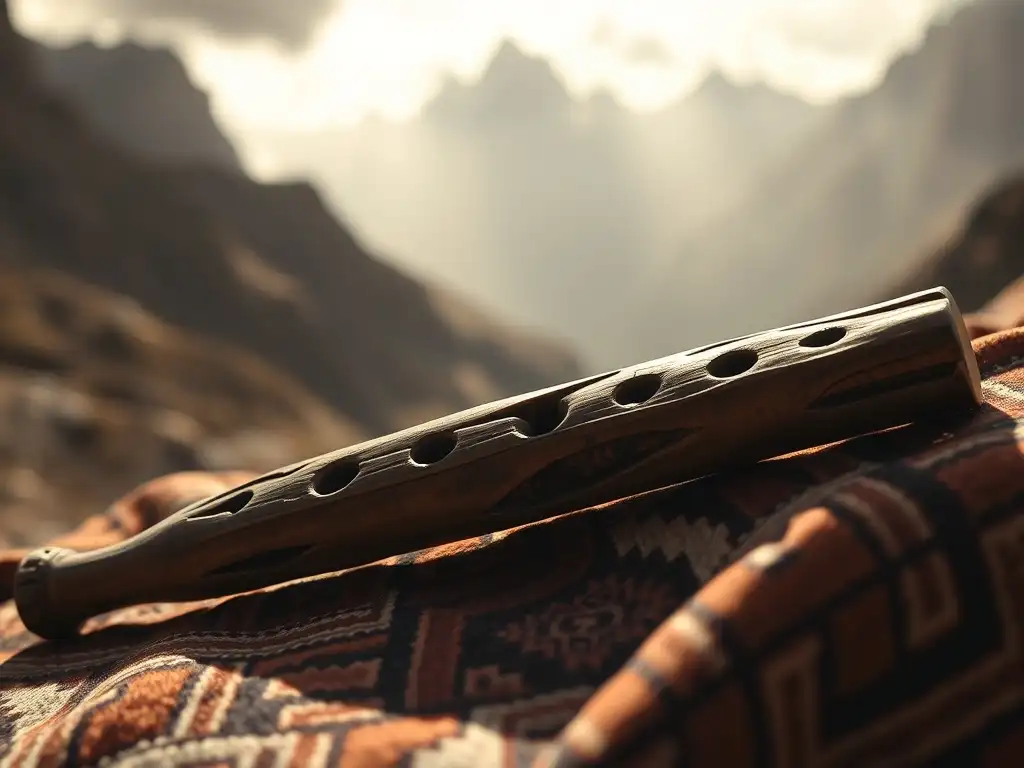
This section delves into the musical practices of Andean cultures before the Inca Empire, highlighting the surprising sophistication and continuity of musical forms that would later influence Inca and post-Inca traditions. Understanding this pre-Inca foundation is crucial for a comprehensive understanding of Andean music history. We'll explore the evidence available, acknowledging the limitations imposed by the scarcity of readily available written records from these periods.
Much of our knowledge is derived from archaeological finds and interpretations of iconography. The vibrant musical heritage of the Andes didn't begin with the Incas; rather, the Inca Empire inherited and built upon a rich tapestry of pre-existing traditions.
Early Andean Musical Instruments and their Significance
Archaeological excavations have unearthed a fascinating array of early Andean musical instruments, providing tangible evidence of complex musical practices. These instruments, often crafted from readily available materials like bone, wood, and various metals, reveal a level of craftsmanship and artistic expression that speaks volumes about the importance of music in daily life and religious rituals.
One notable example is the pututu, a long, shell trumpet used for ceremonial purposes across various Andean cultures. Its powerful sound could carry across considerable distances, making it ideal for announcing important events or summoning people for gatherings. The discovery of multiple pututus in various archaeological sites suggests their widespread use and importance. Furthermore, the size and shape variations found among these instruments hint at a potential diversity of sounds and associated cultural meanings.
Other instruments discovered include various types of flutes, panpipes (similar to the antara), and percussion instruments like drums and rattles. The materials used, their decorative elements, and the contexts in which they were found all contribute to our understanding of their social and ritualistic significance within their respective societies.
Further research, particularly detailed analysis of the chemical composition of the materials used and the potential preservation of organic materials such as plant fibers used in instrument construction, may reveal even more nuanced information about early Andean music. The study of these ancient instruments offers a glimpse into the sonic landscapes of these early Andean societies.
The Musical Landscape of the Moche Civilization
The Moche civilization (c. 100-800 CE), known for its impressive metalwork and intricate pottery, also left behind a rich musical legacy. While we lack recordings, their art provides invaluable clues. Moche pottery frequently depicts musicians playing various instruments, providing visual representations of musical scenes.
These depictions often showcase elaborate ceremonies and festivals, suggesting that music played a vital role in both religious and social contexts. The instruments shown in the pottery are similar to those found in other pre-Inca sites, indicating a degree of continuity in musical traditions across different Andean cultures. The Moche's artistic skill allows us to gain a detailed understanding of their musical instruments and the social contexts in which they were used.
The detailed depictions on the pottery offer clues to the types of instruments used, their construction, and the ways in which they might have been played. For instance, some pots show musicians playing panpipes, others depict individuals using trumpets, and some even illustrate the use of percussion instruments. The artistic representations, often combined with carefully observed body language and the depiction of specific rituals, allow for a deeper understanding of the Andean music history of the Moche.
Nazca Soundscapes: Analyzing their Ritualistic Music
The Nazca culture (c. 100 BCE – 800 CE), famous for its enigmatic geoglyphs, also possessed a sophisticated musical tradition. While direct evidence is limited, analysis of their iconography and the archaeological context of discovered instruments suggests a strong connection between music and ritual. The Nazca people, like the Moche, frequently depicted musical performances in their pottery and textiles. These depictions often feature musicians playing instruments in ceremonial settings, highlighting the importance of music in their religious beliefs and practices. The combination of visual evidence and the discovery of instruments allows for a tentative reconstruction of their musical soundscapes.
The Nazca's musical instruments appear to have been similar to those used by their contemporaries, with variations in material and design reflecting regional differences. However, the specific sounds produced and the melodies played remain largely unknown. Further research is needed to analyze the acoustics of the recovered instruments and to better understand the musical systems employed by the Nazca.
The study of Nazca art, combined with archaeological finds, provides valuable insights into the role of music in their religious ceremonies and social life, contributing to a richer understanding of Andean music history. The potential for future discoveries, particularly the unearthing of well-preserved instruments and textiles, offers exciting possibilities for expanding our knowledge of Nazca music. 🎶
Tiahuanaco's Contribution to Andean Musical Development
The Tiahuanaco culture, flourishing in the Bolivian Altiplano from approximately 500 to 1000 CE, left an indelible mark on Andean musical development, though direct evidence is scarce and often interpreted through archaeological context and later traditions. Their monumental architecture, intricate textiles, and sophisticated social organization suggest a complex musical landscape, likely incorporating both ritualistic and secular forms.
The sheer scale of their constructions hints at the need for coordinated labor, implying the use of music for organizing and motivating work crews, a practice echoed in later Andean societies. Songs and rhythmic chants could have been used to regulate the movements of workers carrying massive stones, much like modern-day construction crews sometimes use rhythmic calls.
Furthermore, the iconography found on Tiahuanaco artifacts, particularly ceramics and textiles, often depicts figures playing instruments. While the exact nature of these instruments is open to scholarly debate, the presence of such imagery strongly suggests a significant role for music in their culture. Some scholars propose that instruments like panpipes, flutes, and drums were prevalent, based on comparisons with later Andean traditions and the discovery of similar instruments in other contemporary cultures. The stylistic similarities between Tiahuanaco art and later Andean artistic representations of musical instruments further support this hypothesis.
The influence of Tiahuanaco's musical traditions likely extended far beyond their immediate geographic reach. Their cultural influence spread across the Andean region, impacting subsequent civilizations like the Wari and Inca. The integration of panpipes, for example, in later Andean musical traditions might be a direct legacy of Tiahuanaco's musical heritage. However, the specific nature of this influence remains a topic of ongoing research and debate among Andean music scholars.
Uncovering more archaeological evidence, particularly musical instruments themselves, would significantly advance our understanding of Tiahuanaco's musical contributions. The study of Andean music history requires a multidisciplinary approach, combining archaeological findings with ethnomusicological studies of contemporary Andean music to piece together a more complete picture. The subtle yet pervasive influence of Tiahuanaco continues to resonate in the rich tapestry of Andean musical traditions.
The Inca Empire and the Evolution of Andean Music
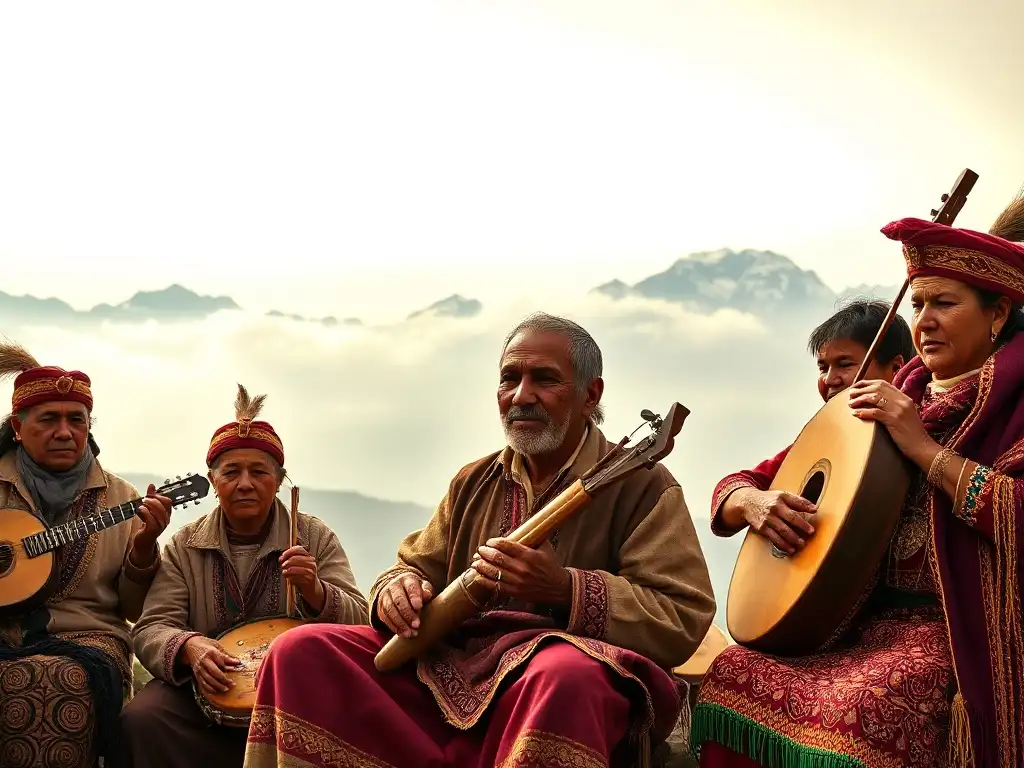
The Inca Empire, spanning from the 15th to the 16th centuries, left an indelible mark on Andean music history. While much of our understanding is filtered through Spanish colonial accounts, archaeological evidence and surviving musical traditions offer glimpses into the rich tapestry of Inca soundscapes. The Inca's vast empire, encompassing diverse ethnic groups, resulted in a complex musical landscape, incorporating pre-existing traditions and forging new styles reflecting imperial power and ideology.
The unification under Inca rule didn't erase regional differences; instead, it created a synthesis, integrating various musical forms and instruments into a broader, imperial framework. This process involved both the standardization of certain musical practices and the continued flourishing of regional styles within the broader context of Inca dominance. The study of Andean music history requires acknowledging this complex interplay between imperial standardization and regional diversity.
Inca Musical Instruments: From Flutes to Drums
Inca musical instruments were diverse and reflected the varied materials available throughout their expansive empire. Among the most prominent were panpipes (antara), made from multiple reeds of varying lengths, producing a haunting, ethereal sound. These were frequently used in ceremonial contexts and were often depicted in Inca art. Another significant instrument was the pututu, a long, shell trumpet used to communicate over long distances and in rituals.
Its deep, resonant sound echoed across mountains and valleys, signifying important announcements or sacred events. Percussion instruments were also crucial, including various types of drums, such as the tinku and the huayno, used to accompany dances and ceremonies. These drums, made from animal hides stretched over wooden frames, provided rhythmic backbones for musical performances. The materials used for these instruments varied based on regional availability – wood, reeds, shells, and animal hides all played a part in shaping the sonic landscape of the Inca Empire.
The construction of these instruments, often intricate and requiring specialized skills, speaks to the high level of craftsmanship within Inca society. Furthermore, the charango, a small lute-like instrument, although not strictly Inca in origin, gained prominence during the colonial period, possibly evolving from pre-Columbian instruments and adapting to the new musical environment. The diversity of materials and forms highlights the sophisticated musical culture within the Inca Empire.
Ritual Music in the Inca Empire: A Deep Dive
Music played a pivotal role in Inca religious life, deeply intertwined with rituals aimed at ensuring agricultural success, appeasing deities, and maintaining cosmic balance. Religious ceremonies involved elaborate musical performances featuring a combination of instruments and vocalizations. These performances weren't merely entertainment; they were integral to the ritual itself, believed to possess the power to influence the spiritual realm. The capac huchacuy, the chief priest, often oversaw musical performances, ensuring their proper execution.
Intricate songs, often accompanied by panpipes and drums, were chanted or sung, often using Quechua, the official language of the empire. Specific melodies and rhythms were associated with different deities and occasions. For example, songs dedicated to the sun god, Inti, might have featured bright, celebratory melodies, while those honoring the earth goddess, Pachamama, might have been more somber and reflective.
The music was not just auditory; it was a sensory experience involving movement, dance, and the offering of sacrifices. Unfortunately, detailed descriptions of specific musical pieces from the Inca period are scarce; however, the surviving traditions and iconography provide valuable clues into the significance of music in their religious practices. Further research into archaeological sites and the analysis of surviving musical practices in contemporary Andean communities are crucial for a deeper understanding of Inca ritual music.
Courtly Music and its Role in Inca Society
Inca courtly music represented the power and prestige of the empire. Performances at the royal court were highly formalized and served as a display of imperial authority. Specialized musicians, often trained from a young age, performed for the Sapa Inca (emperor) and his entourage. These musicians were highly esteemed members of society, enjoying privileges and social status reflecting their importance.
Courtly music likely featured elaborate arrangements, possibly involving larger ensembles compared to those used in community rituals. The instruments used might have included more refined versions of those used in religious contexts, or perhaps included instruments exclusive to the court. The music itself likely reflected the imperial ideology, reinforcing the Sapa Inca's divine status and the power of the Inca state. Courtly music served as a powerful tool for social control and the consolidation of power.
While the specifics of the musical styles and repertoire remain largely unknown, their significance within the Inca social structure is undeniable. The surviving accounts of the grandeur of Inca court ceremonies, though often written by Spanish chroniclers, hint at the powerful role of music in shaping perceptions of imperial power and legitimacy. The lack of detailed musical notation from the Inca period makes reconstructing these courtly soundscapes challenging, yet the available evidence underscores its vital role in the socio-political fabric of the Inca Empire.
The Impact of Inca Empire Music on Later Traditions
The Inca Empire, despite its relatively short reign compared to other Andean cultures, left an indelible mark on the musical landscape of the region. Their sophisticated system of administration and communication facilitated the spread of musical styles and instruments across vast distances, influencing the development of Andean music for centuries to come. While much of Inca music is lost to time, archaeological evidence, colonial accounts, and surviving musical traditions in the Andes offer glimpses into its rich tapestry.
The panpipes, for example, a ubiquitous instrument throughout the Andes, likely saw significant development and standardization during the Inca period, with specific types of panpipes potentially linked to different regions or ceremonies. The use of specific musical scales and rhythmic patterns, inferred from surviving instruments and ethnomusicological studies, likely also served as a foundation for later musical styles.
The Inca's centralized power structure likely played a key role in shaping musical practices. Royal musicians, amautas, held positions of prestige and influence, composing music for state ceremonies and disseminating musical styles throughout the empire. The standardization of musical forms facilitated communication and cultural cohesion across diverse ethnic groups within the Inca realm.
This centralized approach ensured a degree of continuity in musical traditions, even after the Spanish conquest. Many surviving Andean musical forms, despite incorporating later influences, retain elements that can be traced back to Inca practices. This continuity is evident in the use of certain instruments, rhythmic patterns, and vocal styles.
The conquest, however, dramatically altered the course of Andean music. The Spanish suppression of indigenous cultural practices led to a decline in the performance of traditional Inca music and the loss of many musical forms. Nevertheless, elements of Inca musical tradition persisted, often blending with Spanish musical styles to create hybrid forms. This syncretism is a hallmark of Andean music, reflecting the complex interplay of indigenous and colonial influences.
The perseverance of certain instruments, melodies, and rhythmic patterns despite the upheavals of conquest demonstrates the enduring power of Inca musical traditions. The study of these surviving forms offers invaluable insights into the musical legacy of the Inca Empire and its enduring impact on Andean music history. Further research, particularly in the areas of ethnomusicology and archaeology, is crucial to fully unravel the complexity and richness of this legacy.
Post-Conquest Transformations: Adapting and Preserving Andean Music
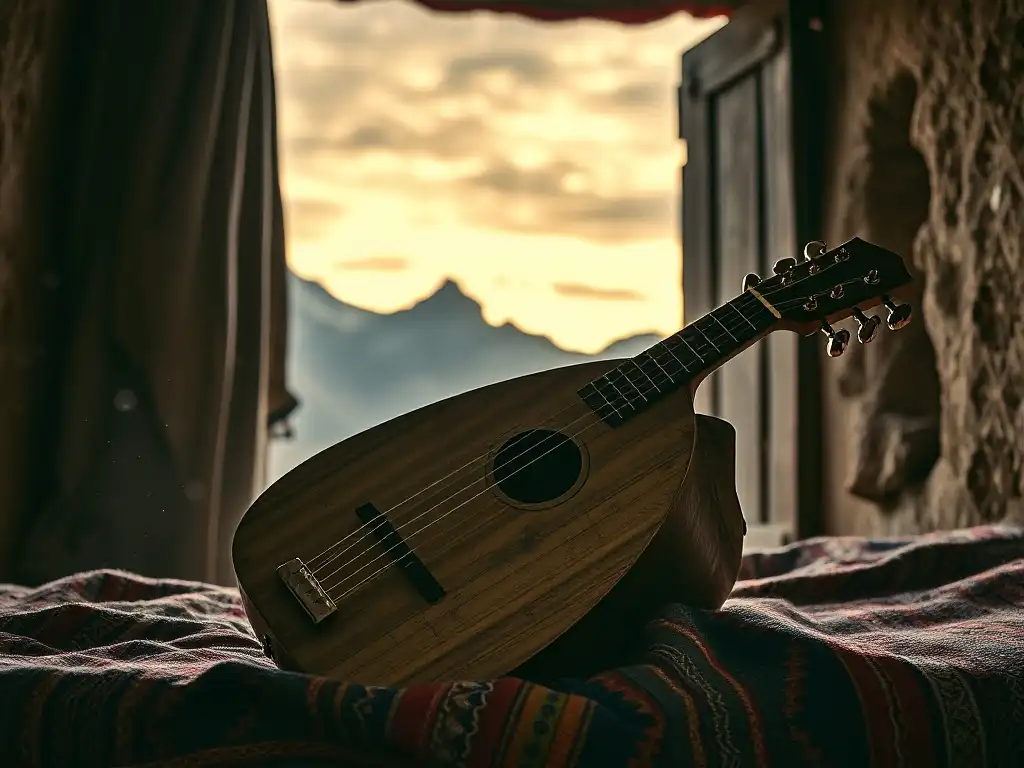
The arrival of the Spanish in the 16th century dramatically altered the cultural landscape of the Andes, profoundly impacting Andean music history. While the conquistadors attempted to suppress indigenous traditions, including music, the resilient spirit of Andean peoples ensured that musical forms persisted, albeit in transformed ways. This section explores the complex interplay between Spanish influence and indigenous resistance, highlighting the remarkable adaptability and enduring legacy of Andean musical heritage.
The Influence of Spanish Colonialism on Andean Music
Spanish colonialism introduced new instruments, musical styles, and religious practices that inevitably intertwined with existing Andean traditions. The church, for example, played a significant role in shaping the musical landscape. While actively suppressing many indigenous rituals, the church also adopted and adapted some pre-existing musical structures, incorporating them into Catholic masses and processions.
This resulted in a fascinating fusion, with indigenous melodies and rhythms subtly integrated into European-style hymns and chants. The introduction of European instruments like the guitar, violin, and harp further enriched the musical palette, leading to the creation of hybrid instruments and playing styles. The impact wasn't solely musical; the social structures imposed by the Spanish also influenced performance contexts.
Public performances became increasingly regulated, often tied to religious or civic events sanctioned by colonial authorities. This impacted the social function of music, shifting it from purely ritualistic contexts to encompass new, often hierarchical, social settings. The process was not a simple replacement, but a complex negotiation and adaptation, demonstrating the resilience and resourcefulness of Andean musicians.
Indigenous Resistance and the Preservation of Musical Heritage
Despite the colonial efforts to suppress indigenous culture, Andean communities actively resisted assimilation, preserving and adapting their musical traditions in various ways. Secret performances in secluded locations became commonplace, allowing the continuation of ancestral rituals and musical forms outside the watchful eyes of colonial authorities. The integration of coded messages within songs and musical patterns served as a form of resistance, subtly conveying historical narratives and expressions of defiance.
Oral transmission played a crucial role in maintaining the continuity of musical traditions across generations, ensuring that knowledge was passed down despite attempts to erase it. Furthermore, the fusion of indigenous and European musical elements was not a passive process. Andean musicians creatively integrated Spanish instruments and styles into existing frameworks, resulting in uniquely Andean musical expressions that incorporated both old and new elements.
This creative adaptation highlights the agency of Andean communities in shaping their own musical identity despite colonial pressures. The vibrant survival of Andean music demonstrates a powerful act of cultural resistance and preservation.
The Emergence of New Musical Forms in the Andes
The fusion of indigenous and European musical elements led to the emergence of new and distinct Andean musical forms. Genres like yaraví, a melancholic song form often associated with themes of loss and longing, demonstrate this blend. While arguably influenced by Spanish musical styles, yaraví retains a distinctly Andean character in its melodic structure and emotional expression.
Similarly, huayno, a lively and upbeat genre, showcases the vibrant energy of Andean music while incorporating European instruments. The development of these hybrid genres demonstrates the dynamic and creative nature of Andean musical traditions, showcasing the ability to adapt and innovate while preserving core elements of indigenous identity. The evolution of Andean music post-conquest is not just a story of survival, but also one of remarkable creativity and transformation.
The enduring legacy of these new forms continues to enrich Andean music history, showcasing the ongoing process of cultural adaptation and renewal. Further research into specific regional variations and the evolution of instrumentation within these genres would provide a more comprehensive understanding of the complex evolution of Andean music.
The Rise of the Yaraví: A Hybrid Lament
The yaraví, a poignant and melancholic musical form, emerged in the Andean region during the colonial period, representing a fascinating blend of indigenous and European musical elements. Its origins are complex and debated, but it's widely accepted that the yaraví absorbed pre-Columbian musical sensibilities while incorporating elements of Spanish musical structures and instrumentation.
This fusion reflects the cultural syncretism that characterized the Andean world following the Spanish conquest. The yaraví's distinctive character lies in its slow tempo, its use of minor keys often evoking a sense of sorrow or longing, and its characteristic vocal style, often characterized by melismatic phrasing and ornamentation.
The lyrics of the yaraví frequently deal with themes of love, loss, and longing – emotions that transcend cultural boundaries. However, the specific contexts and narratives embedded within the lyrics often reflect the experiences and perspectives of the Andean peoples during the colonial era. Many yaravíes express the pain of separation, the injustices of colonial rule, or the longing for a lost homeland.
This fusion of indigenous emotional expression with European musical forms allowed for a powerful and subtle form of resistance and cultural preservation. The yaraví became a vehicle for expressing the complexities of the Andean experience under colonial domination, showcasing both the resilience and the suffering of the indigenous populations.
While the exact instrumentation varied regionally, the yaraví often featured the charango, a small lute-like instrument of Andean origin, alongside Spanish-introduced instruments like the guitar. This combination further underscores the hybrid nature of the musical form, creating a unique sonic landscape that blended both indigenous and European sounds.
The interplay between these instruments, combined with the evocative vocals, helped to establish the yaraví as a powerful and enduring expression of Andean identity amidst colonial upheaval. The yaraví's enduring popularity speaks to its ability to capture the complexities of the Andean experience, transforming sorrow and loss into a powerful testament to resilience and cultural continuity.
It stands as a compelling example of how indigenous musical traditions could adapt and survive in the face of profound social and political change. The yaraví's enduring legacy continues to resonate in Andean music today, a testament to its profound emotional depth and its role in shaping Andean musical identity.
Andean Music Today: Continuity and Innovation

The vibrant tapestry of Andean music, woven from centuries of tradition, continues to evolve in the 21st century. While facing the pressures of globalization and modernization, Andean musical forms demonstrate remarkable resilience and a capacity for innovation. This section explores the fascinating interplay between tradition and modernity in contemporary Andean musical landscapes, highlighting the ongoing relevance of ancient musical practices within a rapidly changing world. Understanding this continuity is key to appreciating the full scope of Andean music history.
The Revival of Traditional Andean Music
A significant movement towards the revival and preservation of traditional Andean music has gained momentum in recent decades. This resurgence isn't merely a nostalgic pursuit; it's a conscious effort to reclaim cultural identity and foster a sense of community. Many factors contribute to this revival, including:
- Increased awareness of cultural heritage: Growing interest in indigenous cultures globally has led to a renewed appreciation for Andean music's unique beauty and historical significance. Academic research and documentaries have played a vital role in disseminating this knowledge.
- The role of education: The incorporation of Andean music into school curricula in various Andean countries has helped familiarize younger generations with their musical heritage, ensuring its transmission to future generations.
- Community-based initiatives: Numerous community-led projects focus on teaching traditional instruments, songs, and dance forms, strengthening local cultural identities and promoting intergenerational learning. These initiatives often involve workshops, festivals, and performances that engage diverse age groups.
- Support from governmental and non-governmental organizations: Funding and support from various organizations have been crucial in providing resources for the preservation and promotion of Andean musical traditions. This includes support for research, instrument making, and the organization of cultural events.
The revival is not merely about passive preservation; it's an active process of reinterpretation and adaptation. Traditional songs are being re-arranged and performed in new contexts, sometimes incorporating elements of contemporary music genres, demonstrating the adaptive nature of Andean musical traditions.
Contemporary Andean Musicians and their Influence
Contemporary Andean musicians play a crucial role in shaping the future of Andean music history. They navigate the complex landscape of tradition and modernity, often blending traditional sounds with contemporary influences to create unique and compelling musical expressions. These artists often:
- Experiment with instrumentation: While maintaining core Andean instruments like the charango, zampoña, and quena, many contemporary musicians incorporate elements from other musical traditions, enriching the sonic palette and creating new textures. This might involve integrating electric guitars, synthesizers, or percussion instruments from other regions.
- Explore new lyrical themes: While traditional themes of love, nature, and social commentary remain central, contemporary musicians often engage with modern issues, such as social justice, environmental concerns, and political change, reflecting the realities of their time.
- Reach broader audiences: The use of digital platforms and social media allows contemporary Andean musicians to reach significantly larger audiences, both locally and internationally, promoting cross-cultural understanding and appreciation of Andean music. This increased visibility contributes to the global recognition of Andean musical traditions.
- Collaborate with international artists: Cross-cultural collaborations between Andean musicians and artists from other parts of the world result in exciting musical fusions, exposing Andean music to new audiences and fostering creative dialogue. These collaborations often lead to innovative musical expressions that transcend geographical boundaries.
The Role of Music in Modern Andean Communities
Andean music continues to play a vital role in the social fabric of modern Andean communities. It serves as a powerful tool for:
- Maintaining cultural identity: Music acts as a powerful symbol of cultural identity, reinforcing a sense of belonging and shared heritage within communities. The transmission of musical traditions across generations helps preserve cultural memory and fosters a sense of continuity.
- Strengthening social bonds: Music provides opportunities for social interaction and community building. Musical events, such as festivals and celebrations, bring people together, fostering a sense of unity and shared experience.
- Expressing social and political views: Andean music has historically served as a vehicle for social and political commentary. Contemporary musicians continue this tradition, using their music to express concerns about social injustice, environmental issues, and other pressing matters. This makes Andean music a powerful tool for social change.
- Promoting tourism and economic development: The growing popularity of Andean music has contributed to the growth of cultural tourism in the Andean region. This generates economic opportunities for musicians, artisans, and local communities, contributing to sustainable development.
The enduring legacy of Andean music is a testament to its power and versatility. Its ability to adapt and evolve while maintaining its core essence underscores its continued importance in the lives of Andean people and its enduring appeal to global audiences. The future of Andean music history is undoubtedly bright, shaped by the innovative spirit of contemporary musicians and the unwavering commitment of communities to preserving their rich musical heritage. The vibrant sounds of the Andes continue to resonate, a testament to the enduring power of tradition and the boundless potential for innovation.
The Sikuri Music of the Altiplano: A Case Study
The sikuri, a panpipe ensemble music, stands as a powerful testament to the enduring legacy of Andean musical traditions. Its history is deeply intertwined with the social and spiritual life of the Andean communities, particularly those inhabiting the Altiplano region of the Andes Mountains, encompassing parts of Bolivia and Peru. The haunting melodies and intricate harmonies of the sikuri have resonated through centuries, adapting and evolving while retaining their core identity. This enduring presence makes it an ideal case study for understanding the continuity of Andean musical forms.
The instruments themselves, the siku, are meticulously crafted panpipes, often made from cane or other readily available materials. Different sized siku are played together to create complex polyphonic textures. The precise construction and tuning of these instruments require significant skill and knowledge passed down through generations of siku makers, ensuring the preservation of traditional techniques. This artisanal aspect is crucial in understanding the continuity of the tradition; the creation of the instruments is as much a part of the cultural heritage as the music itself.
The music itself is often associated with ritualistic practices, particularly those related to agricultural cycles and community celebrations. Specific melodies are associated with different ceremonies and events, reflecting the deep integration of music into the fabric of Andean life. Even today, sikuri ensembles play a vital role in community festivals and religious events, maintaining a strong connection between the past and the present. The vibrant social function of sikuri music demonstrates its capacity to adapt to modern contexts while still retaining its cultural significance.
Furthermore, the sikuri's survival and evolution demonstrate the remarkable resilience of Andean musical traditions. While facing challenges from globalization and cultural shifts, the sikuri has not only persisted but has also experienced a resurgence in recent decades. New groups and musicians continue to embrace the traditional forms while also incorporating modern influences, creating a dynamic musical landscape that blends tradition and innovation.
This adaptability highlights the inherent flexibility of Andean musical traditions, their capacity to adapt to changing social and cultural contexts without losing their core essence. The sikuri, therefore, serves as a compelling example of how Andean musical forms can maintain their continuity while simultaneously embracing change. Its continued prevalence underscores the profound cultural importance of this unique musical tradition within the broader context of Andean music history.
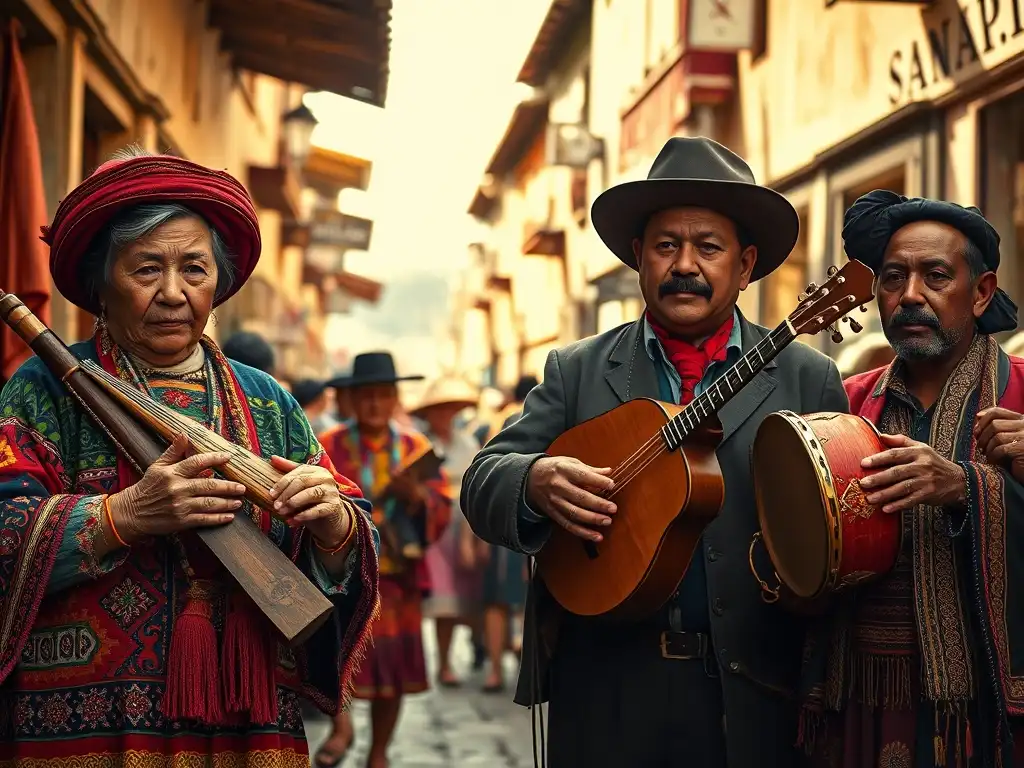
Andean music history is deeply intertwined with the social fabric and cultural identity of the Andean region. Music wasn't merely entertainment; it served as a vital tool for communication, social cohesion, and the transmission of knowledge across generations. Its significance extended far beyond mere auditory pleasure, deeply impacting daily life, religious practices, and community interactions.
This section delves into the profound social and cultural roles Andean music played, highlighting its enduring legacy in shaping Andean societies. Understanding this crucial aspect provides a richer appreciation for the complexity and beauty of Andean musical traditions. The enduring power of Andean music lies in its ability to connect people to their heritage, fostering a sense of belonging and shared identity across vast geographical areas and diverse communities.
Andean Music as a Vehicle for Cultural Identity
Andean music acts as a powerful symbol of cultural identity, reflecting the unique history, beliefs, and experiences of different Andean communities. The diversity of musical styles across the Andes – from the haunting melodies of the yaraví to the vibrant rhythms of huayno – showcases the rich tapestry of regional variations and cultural expressions. Each musical form carries within it a wealth of information about its origins, reflecting specific historical events, social structures, and geographical landscapes.
For example, the use of panpipes ( antara) is prevalent in many Andean communities, and their construction and playing styles vary significantly across regions, reflecting local traditions and adaptations. These variations not only provide valuable insights into the history of each community but also contribute to the unique identity of its people. The melodies, rhythms, and instrumentation often directly reflect the environment, reflecting the landscapes and the lifestyles of the people.
The sounds of the Andes are intrinsically linked to the land itself, creating a powerful sense of place and belonging. The continued use and preservation of these musical traditions are crucial to maintaining the vibrant cultural heritage of the Andes.
The Interplay Between Music, Dance, and Ritual
The relationship between music, dance, and ritual in Andean cultures is inseparable. Music often forms the backbone of ritualistic practices, providing a powerful emotional and spiritual context. The rhythmic patterns and melodies are not merely accompaniment; they are integral components of the ritual itself, guiding the participants through the various stages of the ceremony. Dance often accompanies the music, creating a holistic experience that engages both the body and the spirit.
These combined elements work in harmony to create a powerful sense of community and shared experience. For instance, during harvest festivals, specific musical pieces and dance forms are performed to honor the earth and the ancestors, seeking blessings for a bountiful harvest. These events are not just celebrations; they are vital rituals that reaffirm communal bonds and reinforce the spiritual connection between the people and their environment.
The intricate choreography and precise musical structures demonstrate the deep level of cultural knowledge and expertise involved, passed down through generations. The precise coordination of music and dance highlights the importance of community and shared understanding in Andean culture. The loss of these traditions would mean the loss of a significant part of Andean cultural heritage.
Storytelling Through Music in Andean Communities
Andean music serves as a powerful medium for storytelling, transmitting historical narratives, myths, and legends across generations. Many songs recount historical events, epic battles, or the struggles and triumphs of the Andean people. The lyrics often use symbolism and metaphor, conveying complex ideas in a concise and memorable way. The melodies themselves can also carry emotional weight, reflecting the mood and atmosphere of the story.
For instance, songs about the Inca Empire often reflect both the grandeur and the tragedy of this powerful civilization. Other songs may recount local legends or tales of everyday life, providing valuable insights into the beliefs, values, and social structures of the Andean communities. This oral tradition of storytelling through music plays a crucial role in preserving cultural memory and transmitting knowledge, ensuring the continuity of Andean cultural heritage.
The use of traditional instruments, like the charango and zampoña, further enhances the authenticity and emotional impact of these musical narratives, creating a powerful link to the past. The continued performance and preservation of these songs are essential for maintaining the rich tapestry of Andean oral history and cultural identity. The loss of these musical narratives would be a significant loss for Andean cultural heritage and understanding.
Andean Music and the Concept of Pachamama
The deeply spiritual connection between Andean music and the concept of Pachamama, or Mother Earth, is fundamental to understanding its social and cultural significance. Pachamama isn't merely a geographical entity; she's a living, breathing force, a powerful deity who provides sustenance and governs the natural world. Andean music serves as a vital conduit to communicate with, honor, and appease this sacred entity. The rhythms, melodies, and instruments themselves are often seen as reflections of the natural world – the wind whistling through the Andes, the flowing rivers, the rustling of leaves.
This connection is evident in the use of panpipes, sikus, and zampoñas, instruments often crafted from natural materials like reeds and wood, directly mirroring the elements of the earth. The music produced isn't just for entertainment; it's a ritualistic offering, a way to express gratitude for the bounty provided by Pachamama and to seek her continued favor. Specific melodies and rhythms are associated with different agricultural cycles, celebrating harvests and imploring for successful planting seasons. The songs themselves often incorporate prayers and invocations directly addressed to Pachamama, reinforcing the profound spiritual relationship.
Furthermore, the communal nature of much Andean music underscores the collective responsibility towards Pachamama. Many musical performances are group events, involving entire communities in a shared expression of reverence. This shared experience strengthens the social bonds within the community while simultaneously reaffirming their connection to the earth. The act of singing and playing together becomes a form of collective prayer, a harmonious offering to Pachamama.
The intricate polyrhythmic structures found in many Andean musical forms can also be interpreted as a representation of the interconnectedness of the natural world, mirroring the complex ecological balance Pachamama represents. The music becomes a living testament to the interdependence between humanity and nature, a profound reflection on the Andean worldview. Ignoring this vital connection to Pachamama is to fundamentally misunderstand the essence of Andean music and its enduring power.
Conclusion: The Ongoing Legacy of Andean Musical History
The vibrant tapestry of Andean music, woven through centuries of cultural exchange and adaptation, continues to resonate today. From the haunting melodies of panpipes echoing across the altiplano to the rhythmic beats of drums in festive celebrations, the musical traditions of the Andes represent a powerful link to a rich and complex past.
Understanding the history of Andean music is crucial to appreciating the enduring legacy of these ancient civilizations and their profound impact on the cultural landscape of South America. This historical trajectory reveals not merely a chronological progression of musical styles, but a dynamic interplay between ritualistic practices, social structures, and artistic innovation that shaped the very identity of Andean communities.
Analyzing the evolution of instruments, musical forms, and their social contexts allows us to uncover a deeper understanding of Andean music history, revealing the continuity and adaptability of these traditions across generations. The sheer diversity of musical expressions across different Andean cultures highlights the richness and complexity of this legacy.
The Importance of Preserving and Promoting Andean Musical Heritage
The preservation and promotion of Andean musical heritage are paramount for several reasons. Firstly, it ensures the continuity of a unique and invaluable cultural legacy. Many traditional instruments and musical forms are facing the threat of extinction due to modernization and globalization. Active efforts to document, teach, and perform this music are essential to preventing its disappearance.
Secondly, the study and appreciation of Andean music contribute to a broader understanding of the history and culture of the Andean region. It provides insights into the beliefs, values, and social structures of past societies, enriching our collective knowledge and fostering intercultural dialogue. Thirdly, promoting Andean music on a global scale can contribute to economic development in Andean communities. By supporting musicians, artisans, and cultural institutions, we can help sustain livelihoods and empower local communities to share their heritage with the world.
This involves not only preserving existing forms but also actively encouraging new generations to engage with and reinterpret these traditions, ensuring their relevance and vitality in a constantly evolving world. Consider the impact of initiatives focused on teaching traditional Andean instruments in schools, or the creation of festivals dedicated to showcasing contemporary Andean music inspired by ancient forms. These are crucial steps in ensuring the long-term survival and flourishing of this precious cultural heritage. The continued support for research into Andean music history is essential to inform these efforts.
Looking Ahead: The Future of Andean Music
The future of Andean music is inextricably linked to the ability of contemporary musicians and communities to adapt and innovate while remaining true to their roots. We can expect to see a continued fusion of traditional Andean musical elements with contemporary styles, resulting in exciting new expressions. The increasing accessibility of technology provides opportunities for greater dissemination and collaboration among Andean musicians and those from other parts of the world.
However, it’s crucial to ensure that this technological integration does not lead to the homogenization or commercial exploitation of Andean musical forms. A balanced approach is necessary, one that supports the creative exploration of traditional music while safeguarding its authenticity and cultural significance. The challenge lies in finding a harmonious balance between preserving the integrity of Andean musical traditions and embracing the opportunities presented by globalization and technological advancements.
The ongoing documentation and study of Andean music history will be vital in guiding this process, ensuring that future generations can continue to appreciate and build upon this rich and vibrant legacy. The preservation of this unique heritage is not merely a matter of historical record-keeping but a dynamic process of cultural evolution and adaptation. 📈
Frequently Asked Questions
What is the main focus of the article "The Threads of Tradition: The Continuity of Andean Musical Forms"?
The article explores the enduring legacy of Andean musical styles, tracing their evolution and influence across different civilizations and time periods. It highlights the continuity of musical forms despite cultural shifts and historical events. The focus is on the history and development of Andean music.
How does the article connect Andean music to specific civilizations like the Incas, Moche, Nazca, and Tiahuanaco?
The article examines the unique musical characteristics associated with each civilization, demonstrating how their instruments, styles, and rituals contributed to the broader Andean musical tradition. It showcases the interconnectedness of these cultures through their music.
What types of instruments are discussed in relation to Andean music history?
The article likely discusses a range of traditional Andean instruments, such as panpipes ( siku ), flutes (antara), drums (tinku), and others, tracing their evolution and use across different Andean cultures and time periods.
What role did music play in the daily life and rituals of Andean societies?
Andean music served various social, religious, and ceremonial functions. It was integral to daily life, agricultural cycles, and religious rituals, acting as a powerful unifying force within communities.
Where can I find more information about specific Andean musical traditions mentioned in the article?
The article itself may provide further references and sources for deeper research. Additionally, you can explore academic journals, books, and online resources focusing on Andean ethnomusicology for more detailed information.
Final Reflection: Echoes of the Andes: A Legacy of Sound
The vibrant tapestry of Andean music, woven from centuries of tradition, continues to resonate powerfully in the modern world. Its enduring influence is not merely a historical curiosity; it's a living testament to the resilience of culture and the power of music to transcend time and borders. The melodies, rhythms, and instruments discussed throughout this article are not relics of the past, but active threads in a rich, ongoing narrative.
The exploration of Andean musical forms has profoundly impacted my understanding of cultural preservation and the intricate relationship between music and identity. It's a journey that reveals the deep connection between the land, its people, and their artistic expression. The enduring power of these traditions is beautifully captured in the words of renowned Andean musician, Jaime Guardia: Music is the heart of our culture, the voice of our ancestors, and the promise of our future.
This sentiment underscores the profound significance of these musical forms, not just as historical artifacts, but as vital components of a living culture that deserves continued appreciation and protection.
Now, consider the echoes of the Andes in your own life. Perhaps you've heard a familiar melody in a contemporary song, or felt the pulse of a panpipe rhythm stir something deep within you. I invite you to actively listen to the sounds of the Andes, to seek out the music, and to reflect on the rich history and cultural significance embedded within each note. By engaging with this musical heritage, we not only honor the past but also contribute to the vibrant future of Andean music and the preservation of its invaluable cultural legacy.
**Embrace the Rhythm: Dive Deeper into Andean Musical Heritage! **
Thank you for exploring the rich tapestry of Andean musical forms with us! You've uncovered layers of tradition that resonate through the ages, revealing the heart and soul of these vibrant cultures. Now, let's further connect with this incredible heritage.
Here are a few ways you can deepen your appreciation of Andean music:
- **Participate in a local Andean music workshop or class** to experience the joy of playing these traditional instruments firsthand. You'll learn techniques and connect with fellow enthusiasts.
- Share this article with your friends and family to spark conversations about the beauty and diversity of Andean musical traditions.
- Explore curated Andean music playlists on streaming platforms to immerse yourself in the sounds that define these cultures. Many excellent collections are available, showcasing various styles and regions.
What aspect of Andean music resonates most with you, and how will you incorporate it into your life? Perhaps you'll learn an instrument, attend a concert, or simply listen more attentively to the music's unique qualities.