
What Did They Eat? Exploring the Culinary Delights of Ancient Andean Diets

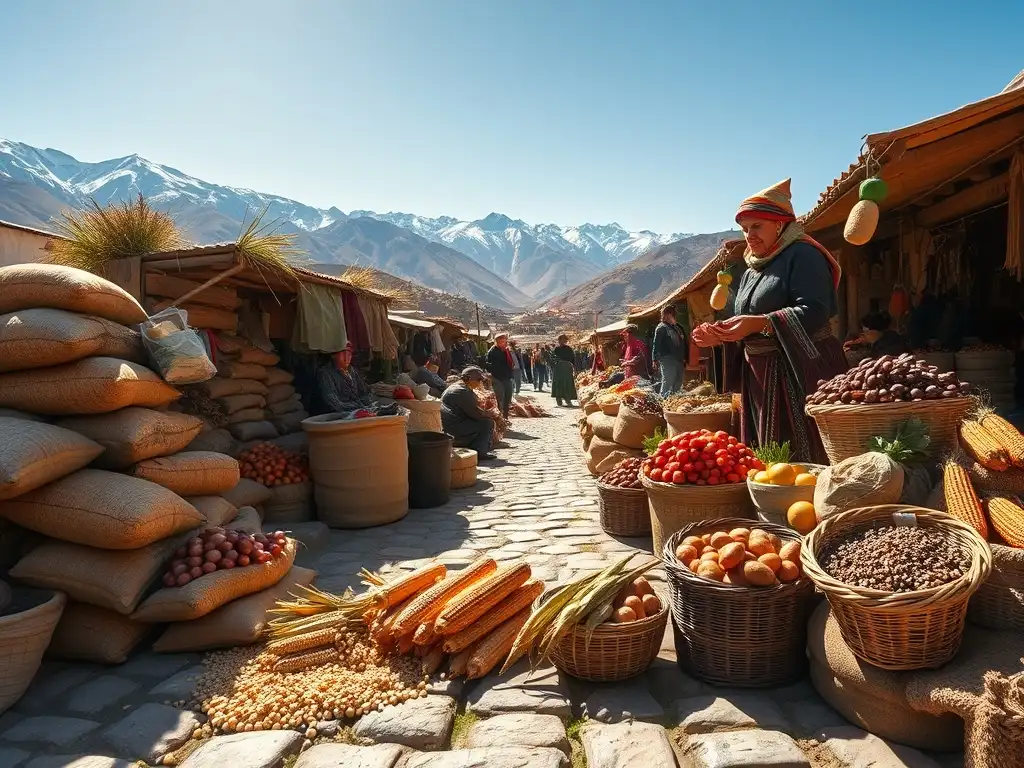
Step into a world lost to time, yet echoing with vibrant life. Imagine a landscape sculpted by towering mountains and ancient ingenuity, where civilizations thrived on ingenuity and resourcefulness. What secrets lie hidden within the culinary traditions of the ancient Andes? This journey into the fascinating world of ancient Andean food will reveal the surprising diversity and sophistication of their diets, offering a glimpse into the social structures and agricultural prowess that sustained these remarkable cultures. Prepare to be amazed!
- Ancient Andean Food: A Culinary Journey Through Time
- Protein Sources in Ancient Andean Meals
- Cooking Techniques and Food Preparation in Ancient Andes
- Regional Variations in Ancient Andean Food
- Understanding the Importance of Food in Andean Society
-
Frequently Asked Questions
- What were the staple crops of ancient Andean civilizations?
- What kind of protein sources did ancient Andean people consume?
- Did ancient Andean civilizations have any unique cooking techniques?
- What role did food play in Andean culture and religion?
- Where can I learn more about ancient Andean food and cuisine?
- Final Reflection: A Legacy on the Plate: Reconnecting with Andean Culinary Heritage
- Unveil the Secrets of Ancient Andean Cuisine!
Ancient Andean Food: A Culinary Journey Through Time
The vast and varied landscapes of the Andes Mountains nurtured a rich tapestry of ancient civilizations, each leaving behind a legacy of ingenuity and cultural depth. Understanding their daily lives offers crucial insights into their societal structures, technological advancements, and spiritual beliefs. One particularly fascinating aspect of these ancient societies is their diet – a testament to their resourcefulness and adaptation to the challenging Andean environment.
This article delves into the culinary delights of ancient Andean civilizations, exploring the staple crops, protein sources, and unique culinary practices that sustained these remarkable cultures. We'll journey through time to uncover the secrets of "ancient Andean food," revealing the ingenuity and resilience reflected in their dietary choices.
This exploration will reveal how their food choices shaped their societies and contributed to their remarkable achievements. Prepare to be amazed by the diversity and nutritional value of their diet, a far cry from the limited perceptions often associated with ancient civilizations.
The Foundation of Andean Diets: Staple Crops
The Andean diet was built upon a foundation of incredibly diverse and nutritious crops, meticulously cultivated to thrive in the varied altitudes and climates of the region. These staple crops not only provided sustenance but also played vital roles in religious ceremonies, social structures, and economic systems. Their cultivation and consumption were deeply intertwined with the spiritual and social fabric of Andean life. Let's examine some of the most important crops that formed the bedrock of their culinary traditions.
Maize: The Cornerstone of Ancient Andean Cuisine
Maize, or corn, held a central position in the ancient Andean diet. Far beyond a simple grain, maize was a sacred plant, deeply embedded in their mythology and religious practices. Archaeological evidence shows its widespread cultivation across various Andean cultures, from the Inca Empire to the earlier civilizations of the Norte Chico.
It was processed in a multitude of ways: ground into flour for tortillas and breads, fermented into chicha (a vital alcoholic beverage), and used as a component in stews and other dishes. The versatility of maize made it an indispensable part of their daily lives. Its significance is further underscored by its presence in numerous artistic representations and archaeological findings.
Potatoes: A Variety of Tubers in the Andean Diet
The Andes are renowned as the center of origin for the potato, Solanum tuberosum. Ancient Andean civilizations cultivated an astonishing variety of potato species, each adapted to specific altitudes and microclimates. This diversity is a testament to their sophisticated agricultural techniques and deep understanding of their environment.
Potatoes were prepared in countless ways – boiled, roasted, dried, and fermented – providing a crucial source of carbohydrates and essential nutrients. The different varieties offered a range of flavors and textures, enriching their culinary repertoire. The potato's importance extended beyond sustenance; it was also a key element in trade and economic systems.
Quinoa: The Nutritional Powerhouse of the Andes
Quinoa ( Chenopodium quinoa), another Andean superfood, was a highly valued crop for its exceptional nutritional profile. Rich in protein, fiber, and essential amino acids, quinoa provided a complete protein source, vital for the health and well-being of the Andean populations. It was prepared in similar ways to maize – ground into flour, cooked as a porridge, or incorporated into various dishes. Its resilience to harsh conditions and high nutritional value made it a cornerstone of Andean agriculture and diet. Its continued popularity today underscores its enduring legacy.
Oca and Ulluco: Other Important Andean Crops
Beyond maize, potatoes, and quinoa, a wealth of other crops contributed to the diverse Andean diet. Oca ( Oxalis tuberosa) and ulluco ( Ullucus tuberosus), both tuberous crops, provided additional sources of carbohydrates and nutrients. These crops, alongside other lesser-known varieties, demonstrate the remarkable agricultural ingenuity of ancient Andean peoples and the incredible biodiversity of their food systems. Further research is needed to fully understand the role of these less-studied crops in the ancient Andean diet 🥔. The diversity alone speaks volumes about their agricultural expertise and adaptability.
Protein Sources in Ancient Andean Meals
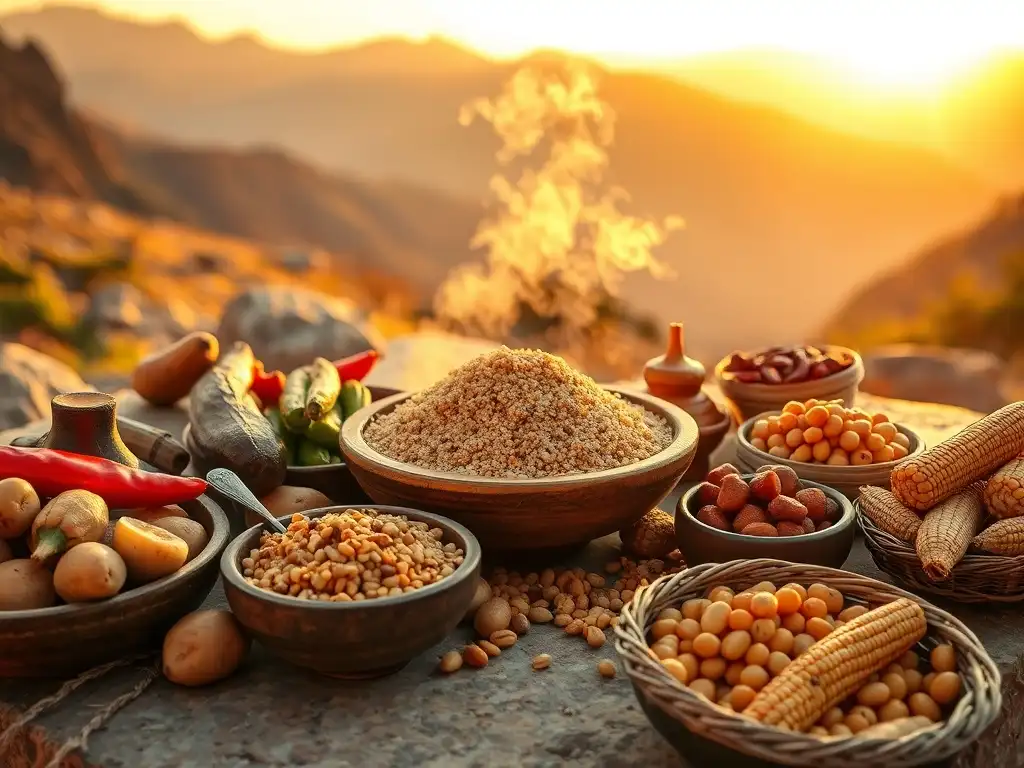
The ancient Andean diet, a cornerstone of their thriving societies, relied heavily on a diverse range of protein sources. Understanding these sources offers crucial insight into their agricultural practices, trade networks, and overall societal structure. Analyzing the available evidence from archaeological digs and historical accounts reveals a sophisticated and adaptable approach to securing essential protein, reflecting the varied geography and climates across the Andes.
The availability of protein varied considerably depending on altitude and proximity to the coast, leading to regional dietary differences while maintaining a core reliance on both animal and plant-based proteins. This section will delve into the specifics of these protein sources, highlighting their significance in the ancient Andean culinary landscape.
Andean Animal Proteins: Meats and More
Animal protein played a significant role in the diets of ancient Andean populations. The mountainous terrain and unique ecosystem shaped their protein acquisition strategies, leading to a reliance on domesticated animals alongside wild game and, in coastal regions, seafood. The types and availability of these animal protein sources varied greatly across different Andean cultures and geographical locations.
Llama and Alpaca: Key Sources of Meat in the Andes
Llama and alpaca were not only vital for transportation and wool production but also served as crucial sources of meat for many Andean communities. Archaeological evidence suggests that these camelids were selectively bred for meat, with larger animals likely favored for their yield. The meat itself was likely prepared in a variety of ways, potentially including roasting, stewing, or drying for preservation, depending on the specific cultural practices and available resources.
The importance of these animals is reflected in their frequent depiction in Andean art and iconography, solidifying their place as a central element in the daily lives and diets of the people. The nutritional value of llama and alpaca meat, rich in protein and iron, contributed significantly to the health and well-being of these ancient societies. Their significance extended beyond mere sustenance; they represented wealth, social status, and played a vital role in religious ceremonies.
Guinea Pigs: A Delicacy in Ancient Andean Cuisine
Guinea pigs, or cuy, hold a unique place in ancient Andean cuisine. Far from being simply pets, as they are in some modern contexts, cuy were a significant source of protein, particularly in the highlands. Archaeological evidence points to the domestication of guinea pigs thousands of years ago, indicating their long-standing importance in the Andean diet. They were likely prepared in various ways, roasted or stewed, and often served during special occasions or ceremonies.
The widespread consumption of cuy across various Andean cultures underscores its importance as a readily available and highly valued protein source. Their relatively small size, ease of breeding, and adaptability to the Andean environment made them a sustainable and efficient source of nutrition. Their status as a delicacy, however, suggests they were not consumed daily by all members of society.
Fish and Seafood: Coastal Diets of Ancient Civilizations
Along the coasts of the Andes, fish and seafood formed a substantial part of the ancient Andean diet. Coastal communities relied heavily on fishing, with evidence suggesting the use of sophisticated fishing techniques and technologies. The types of fish and seafood consumed varied according to location and seasonality. Archaeological finds reveal a wide array of fish bones and shellfish remains, suggesting a diverse and abundant seafood supply.
The nutritional value of these protein sources, rich in omega-3 fatty acids and other essential nutrients, likely contributed to the health of coastal populations. The presence of elaborate fishing tools and the depiction of fishing scenes in coastal art further emphasizes the importance of this protein source in the lives of these ancient people. This reliance on seafood contrasts sharply with the highland communities, highlighting the regional diversity within ancient Andean diets.
Plant-Based Protein Sources in the Andes
While animal proteins were crucial, ancient Andean diets also heavily relied on plant-based protein sources. These provided essential amino acids and complemented the animal proteins consumed, leading to a nutritionally balanced diet. The cultivation and consumption of these plants were integral to the agricultural practices and societal structures of these civilizations.
Beans and Legumes: Essential for Balanced Nutrition
Beans and legumes were staples in the ancient Andean diet, providing a vital source of plant-based protein. Different types of beans, such as kidney beans, lima beans, and others, were cultivated across various altitudes and climates. These were incredibly versatile, consumed whole, ground into flour, or used in stews and other dishes.
Their high protein content and rich nutritional profile made them an essential component of a balanced diet, supplementing the protein intake from animal sources. The cultivation of these legumes was also intertwined with the Andean agricultural system, contributing to soil fertility through nitrogen fixation. Their importance is evident in their widespread presence in archaeological sites across the Andes.
Peanuts: Complementing the Andean Diet
Peanuts, although not native to the Andes, were incorporated into the diet of some Andean cultures, offering another source of plant-based protein. Their introduction likely occurred through trade networks, but once established, they became a valuable addition to the existing agricultural system. Peanuts were likely consumed in various forms, possibly roasted, ground into paste, or incorporated into other dishes.
Their nutritional value, including their protein and healthy fats, enhanced the overall nutritional profile of the Andean diet. The cultivation and consumption of peanuts further illustrates the adaptability and openness of ancient Andean societies to incorporating new food sources into their already diverse culinary traditions. The extent of peanut cultivation and consumption, however, may have varied regionally.
Cooking Techniques and Food Preparation in Ancient Andes
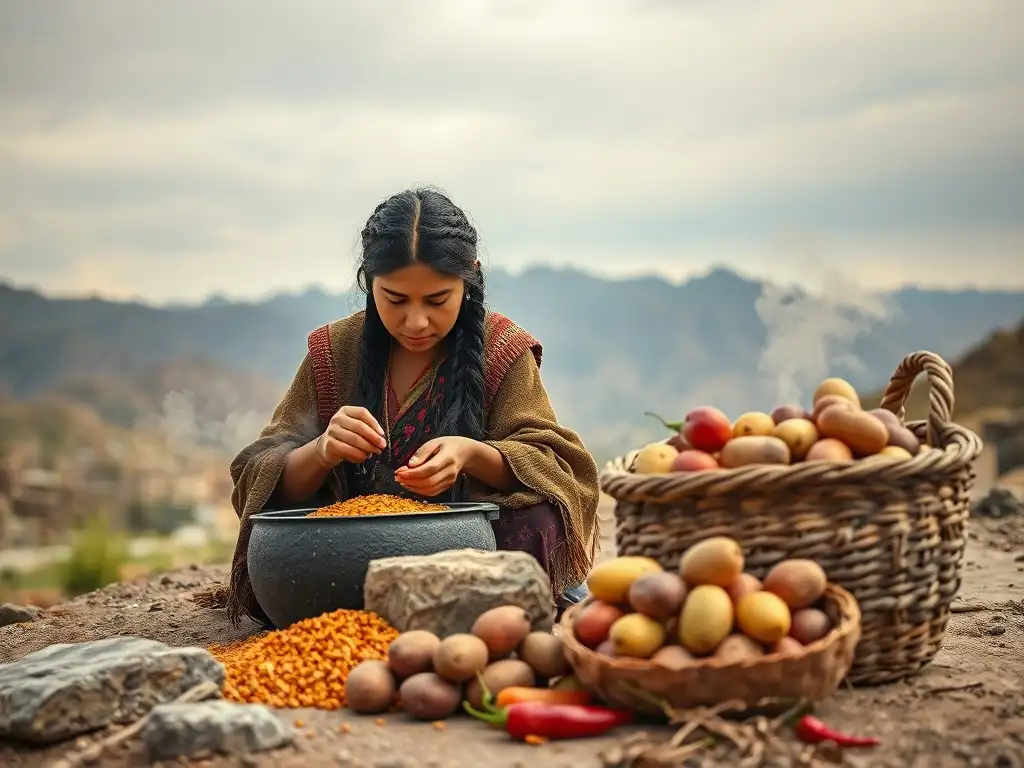
The ancient Andean civilizations, renowned for their sophisticated social structures and impressive engineering feats, also possessed a surprisingly advanced understanding of culinary arts. Their cooking techniques, shaped by the unique geography and available resources of the Andes Mountains, resulted in a diverse and nutritious diet. Understanding these methods provides crucial insight into the daily lives and ingenuity of these ancient peoples. The study of ancient Andean food reveals much about their resourcefulness and adaptability.
Preparing Food in Ancient Andean Societies
The methods used to prepare food in ancient Andean societies varied considerably depending on the specific civilization and the available resources. However, several common techniques emerged across different cultures, highlighting a shared understanding of food preparation. These techniques, passed down through generations, were essential for ensuring food safety and maximizing nutritional value. The ingenuity demonstrated in these methods is a testament to the resourcefulness of the Andean people.
Roasting and Baking: Traditional Andean Cooking Methods
Roasting and baking were prevalent methods, utilizing simple yet effective techniques. Foods like potatoes, maize, and various meats were commonly roasted over open fires or in earth ovens. These earth ovens, known as pachamancas, involved heating stones and burying the food within the earth, creating a slow-cooking process that imparted unique flavors. The heat distribution in pachamancas ensured even cooking, and the earth itself acted as an insulator, maintaining a consistent temperature.
Archaeological evidence suggests that pachamancas were used for communal feasts and special occasions, highlighting their social significance. The use of these ovens demonstrates a deep understanding of heat transfer and its application in food preparation. Even today, pachamanca remains a popular cooking method in the Andean region, demonstrating the enduring legacy of this ancient technique.
Boiling and Stewing: Common Techniques
Boiling and stewing were other fundamental cooking techniques. Simple clay pots, found in abundance at archaeological sites, were used to boil water and cook various ingredients. These pots, often crafted with meticulous attention to detail, allowed for the efficient preparation of stews and soups, often incorporating a wide array of vegetables, meats, and grains.
The ability to boil water was crucial for sanitation and preventing foodborne illnesses, a testament to their advanced understanding of hygiene. Furthermore, stews and soups provided a convenient way to combine different ingredients, ensuring a balanced and nutritious diet. The prevalence of boiling and stewing underscores the importance of these techniques in the daily lives of the ancient Andean people.
Fermentation and Preservation: Extending Food Lifespans
The challenges of preserving food in a mountainous environment led to the development of sophisticated fermentation and preservation techniques. Fermentation, for example, was used to extend the shelf life of foods like maize and beans, transforming them into nutritious and palatable products. These techniques not only ensured food security but also added unique flavors and textures to their meals. The knowledge of fermentation processes demonstrates a profound understanding of microbiology and its application in food preservation.
Additionally, various drying techniques were employed to preserve fruits, vegetables, and meats, ensuring food availability during lean seasons. These preservation methods highlight the resourcefulness and ingenuity of the ancient Andean people in adapting to their challenging environment. The sophistication of these techniques speaks to a deep understanding of food science and its practical applications.
The Role of Spices and Flavorings in Andean Dishes
The ancient Andean diet wasn't just about sustenance; it was also about flavor and culinary artistry. A variety of spices and flavorings were used to enhance the taste and aroma of their meals, reflecting their sophisticated palate and understanding of gastronomy. The impact of these additions extended beyond mere taste; they also played a role in enhancing the nutritional value of their dishes.
Herbs and Seasonings: Enhancing the Taste of Andean Meals
A wide array of herbs and seasonings were incorporated into Andean cuisine. Many of these plants, native to the region, possessed unique flavors and aromas. These herbs and seasonings weren't just added for taste; some also had medicinal properties, highlighting the holistic approach to food and health prevalent in ancient Andean societies.
The specific herbs and seasonings used varied across different regions and cultures, reflecting the diverse flora of the Andes. Unfortunately, precise recipes and detailed information on the exact combinations used are often difficult to reconstruct due to limited written records. However, archaeological evidence and ethnographic studies offer valuable clues into their culinary practices.
Chili Peppers: Adding Spice to Ancient Andean Food
Chili peppers played a particularly significant role in ancient Andean cuisine. Various types of chili peppers, ranging in heat intensity, were cultivated and used extensively. They added not only spice but also flavor and color to their dishes. Chili peppers weren't just a culinary ingredient; they also held cultural and even religious significance in some Andean societies.
Their widespread use underscores their importance in both the daily diet and the cultural landscape of ancient Andean civilizations. The diversity of chili peppers cultivated and consumed indicates a highly developed understanding of agriculture and plant domestication. The presence of chili peppers in many ancient Andean sites serves as a powerful testament to their importance in their diet and culture.
Regional Variations in Ancient Andean Food
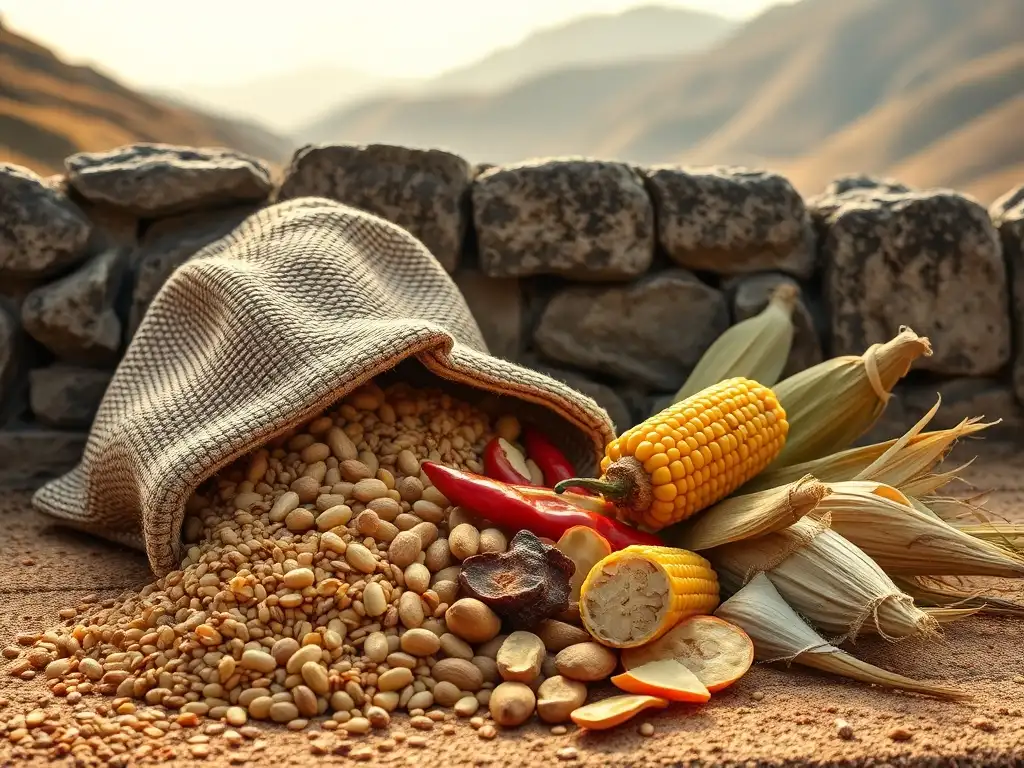
The diverse geography of the Andes Mountains profoundly impacted the culinary landscape of ancient Andean civilizations. Altitude, climate, and proximity to the coast dictated what foods were available and, consequently, shaped the unique dietary habits of different regions. Understanding these regional variations is crucial to appreciating the complexity and ingenuity of ancient Andean food production and consumption. The term "ancient Andean food" itself encompasses a vast array of practices and ingredients, varying drastically depending on location.
Coastal Diets vs. Highland Diets: Geographical Influences
The stark contrast between the coastal and highland regions of the Andes resulted in dramatically different dietary staples. The coastal areas, blessed with a temperate climate and access to the Pacific Ocean, offered a bounty of seafood and marine resources. In contrast, the higher altitudes of the Andes presented harsher conditions, demanding resilience and adaptation in agricultural practices. This difference is reflected in the contrasting diets observed in archaeological evidence. The abundance of certain foods in one region might be completely absent or rare in another.
Seafood and Fish in Coastal Andean Cuisine
Coastal Andean diets heavily featured seafood. Archaeological findings consistently reveal the importance of fish, shellfish (such as mussels, clams, and scallops), and other marine life. Evidence suggests sophisticated fishing techniques, including the use of nets, hooks, and traps. Coastal communities likely consumed fish both fresh and preserved through methods like sun-drying or salting, extending their availability throughout the year.
The rich protein and nutrients from seafood played a vital role in sustaining these populations. Analysis of ancient middens (waste heaps) provides further insights into the types and quantities of seafood consumed. For example, [specific data on fish species found in coastal middens pending].
Highland Crops and Meats: Unique Regional Diets
In contrast to the coastal regions, the highland Andean diets relied heavily on crops adapted to high altitudes and cooler temperatures. Potatoes, quinoa, and various beans formed the core of their diets, providing essential carbohydrates and protein. Llama and alpaca provided essential meat and wool, while guinea pigs (cuy) were also a significant source of protein. The cultivation of these crops required advanced agricultural techniques, including terracing and irrigation systems, to maximize yields in challenging environments.
The reliance on these hardy crops reflects the ingenuity of Andean farmers in adapting to their environment. For instance, the various types of potatoes cultivated in the Andes boasted a remarkable diversity, each suited to specific altitudes and conditions. [Specific data on potato varieties and their cultivation techniques pending].
Specific Ancient Andean Cultures and Their Food Habits
While regional factors played a major role in shaping ancient Andean diets, specific cultures developed their own unique culinary traditions and practices. Examining these variations reveals the richness and diversity of Andean foodways.
Inca Food: Imperial Culinary Practices
The Inca Empire, known for its vast territory and sophisticated organization, also possessed a complex and well-organized food system. Royal diets likely included a wider variety of foods and more elaborate preparations compared to the common people. While potatoes, quinoa, and maize remained staples, the Inca elite likely enjoyed more luxurious items such as certain types of meats, fruits, and spices.
Evidence suggests the Inca developed extensive storage facilities and transportation networks to ensure food security and distribution across the empire. The Inca’s ability to manage food resources played a critical role in their political and social control. [Specific data on Inca royal diets and food storage techniques pending].
Moche Food: Elaborate Feasts and Ritual Meals
The Moche civilization, renowned for its artistic achievements, also possessed a rich culinary culture. Archaeological evidence suggests elaborate feasts and ritual meals were central to their social and religious life. Their artistic depictions often feature scenes of food preparation and consumption, providing valuable insight into their dietary practices. The Moche likely consumed a variety of foods, including fish, seafood, maize, beans, and various fruits. [Specific data on Moche food offerings and ritual practices pending].
Nazca Food: Adapting to Desert Conditions
The Nazca civilization faced the challenge of thriving in a harsh desert environment. Their agricultural ingenuity was remarkable, with sophisticated irrigation systems allowing them to cultivate crops in arid conditions. Their diet likely consisted of crops such as maize, beans, and possibly some fruits, supplemented by limited animal protein. Adapting to the scarcity of water and resources necessitated efficient food preservation techniques and careful resource management. [Specific data on Nazca irrigation systems and food preservation techniques pending].
Tiahuanaco Food: Highland Agricultural Expertise
The Tiahuanaco civilization, situated in the high Andes, demonstrated exceptional agricultural skills. They cultivated a wide range of crops adapted to the challenging highland environment, including potatoes, quinoa, and other Andean staples. Their sophisticated agricultural practices, including terracing and irrigation, allowed them to produce enough food to support a large population. Their diet likely consisted primarily of these highland crops, supplemented by limited meat from domesticated animals like llamas and alpacas. The Tiahuanaco’s success in food production contributed significantly to their social and political power. [Specific data on Tiahuanaco agriculture and dietary practices pending].
Understanding the Importance of Food in Andean Society
Food wasn't simply sustenance for ancient Andean civilizations; it was deeply interwoven into the fabric of their social, political, and spiritual lives. Understanding their diets provides crucial insight into their societal structures, religious beliefs, and sophisticated agricultural practices. The availability and type of food consumed directly reflected an individual's position within the complex hierarchy of these societies, from the commoner to the elite.
Analyzing ancient Andean food reveals a civilization that not only mastered agriculture but also developed intricate systems for food production, distribution, and ritualistic use. The study of ancient Andean food, therefore, offers a holistic understanding of their complex and fascinating culture.
Food as a Symbol of Status and Power
Access to certain foods, particularly those requiring specialized knowledge or resources to cultivate, served as a powerful indicator of social status in ancient Andean societies. Elite members enjoyed a diet significantly different from that of the commoners. For instance, evidence suggests that the Inca elite consumed significant quantities of cuy (guinea pig), llama meat, and maize, while commoners relied more heavily on potatoes, quinoa, and other readily available crops.
The consumption of chicha, a fermented maize beverage, also varied according to social standing, with more potent and refined versions reserved for the upper classes. This differential access to resources solidified social hierarchies and reinforced the power of the ruling elite.
Feasts and Banquets: Social and Political Significance
Elaborate feasts and banquets played a crucial role in consolidating social and political power within Andean society. These events weren't merely occasions for consumption; they served as powerful displays of wealth, status, and control. The sheer scale of these gatherings, the variety of foods presented, and the careful orchestration of the event itself all contributed to the reinforcement of social hierarchies.
The distribution of food during these events was meticulously planned, ensuring that the elite received the most prized items, reinforcing their dominance. Archaeological evidence, such as the remains of large communal feasting areas and the discovery of specialized food storage facilities, supports the importance of these events in shaping Andean society. The careful arrangement of food items during these feasts likely held symbolic meaning, further contributing to their political and social significance.
Food Distribution and Control in Ancient Andean Life
The Inca Empire, in particular, developed sophisticated systems for managing food production and distribution. The mit'a system, a form of labor tax, played a crucial role in ensuring the efficient cultivation and transport of agricultural products. This system, while demanding, ensured that food reached even remote communities and that the elite received their share of the surplus. Storage facilities, such as qollqas, were strategically placed throughout the empire to safeguard food reserves and prevent shortages.
These meticulously organized systems highlight the importance of food security and its role in maintaining social order and political stability. The control over food resources was a key element in the Inca's ability to govern such a vast and diverse empire. Effective food distribution was vital for both social cohesion and political dominance.
The Spiritual Role of Food in Andean Culture
Beyond its material value, food held profound spiritual significance in ancient Andean societies. Agricultural cycles, harvests, and the consumption of specific foods were all deeply intertwined with religious beliefs and practices. The act of eating itself was often imbued with ritualistic importance, reflecting a deep connection between the human world and the supernatural realm.
Offerings to the Gods: The Importance of Food in Rituals
Food played a central role in Andean religious rituals. Offerings of food and drink to the gods were common practices, intended to appease deities and ensure favorable harvests. These offerings varied depending on the specific deity and the occasion, but often included coca leaves, chicha, maize, and other important agricultural products.
The act of offering food wasn't merely a symbolic gesture; it was believed to establish a reciprocal relationship between humans and the divine, ensuring the continued prosperity of the community. Archaeological discoveries of food remains in sacred sites further support the profound spiritual connection between food and religion in Andean culture. The careful preparation and presentation of these offerings underscore their importance in maintaining a harmonious relationship with the supernatural world.
Agricultural Cycles and the Connection to Food
The annual agricultural cycle was inextricably linked to the spiritual life of the ancient Andeans. The planting, growing, and harvesting of crops were marked by specific rituals and ceremonies, all reflecting a deep respect for the land and its bounty. The timing of these events was often dictated by astronomical observations and traditional knowledge, highlighting the sophisticated understanding of the natural world possessed by these societies.
The success of the harvest was seen as a direct result of maintaining a harmonious relationship with the earth and its deities, reinforcing the spiritual importance of food production and consumption within the Andean worldview. The deep connection between agricultural cycles and the spiritual realm shaped the daily lives and beliefs of the Andean people, underscoring the holistic nature of their culture.
Frequently Asked Questions
What were the staple crops of ancient Andean civilizations?
Ancient Andean diets heavily relied on potatoes, quinoa, and corn, along with beans and various other vegetables. These crops were incredibly adaptable to the diverse Andean terrains.
What kind of protein sources did ancient Andean people consume?
Llama, alpaca, and guinea pig were significant sources of protein. Fish was also important in coastal regions, supplemented by hunting smaller animals.
Did ancient Andean civilizations have any unique cooking techniques?
Yes, they utilized techniques like sun-drying and freeze-drying to preserve food. They also developed sophisticated methods for grinding grains and preparing various dishes.
What role did food play in Andean culture and religion?
Food held immense cultural and religious significance. Ceremonial feasts and offerings were common, reflecting the importance of agriculture and the bounty of the land.
Where can I learn more about ancient Andean food and cuisine?
You can explore museums with Andean artifacts, research academic papers, and consult books on ancient Andean history and culture for further information. Many websites also offer detailed information.
Final Reflection: A Legacy on the Plate: Reconnecting with Andean Culinary Heritage
The vibrant tapestry of ancient Andean diets, far from being a relic of the past, offers crucial insights into sustainable food systems and resilient communities in the face of modern challenges. Understanding their agricultural practices and culinary ingenuity is not merely an academic exercise; it's a vital key to unlocking solutions for food security and environmental sustainability in the 21st century.
The enduring influence of Andean agricultural techniques and foodways is profoundly inspiring. Their sophisticated understanding of diverse crops and their symbiotic relationship with the environment continues to resonate today. The earth provides enough to satisfy every man's needs but not every man's greed.
– Mahatma Gandhi. This quote, while not directly about Andean food, perfectly encapsulates the wisdom embedded within their sustainable practices, a wisdom we desperately need to rediscover and emulate in our own food systems. We can learn from their ingenuity and respect for the land, moving away from exploitative practices towards a more harmonious relationship with nature.
Consider the ingredients, the methods, the communal aspects of food preparation and consumption within ancient Andean cultures. Reflect on how these practices might inform your own choices, from the food you buy to the way you prepare and share meals. You have the power to contribute to a more sustainable and equitable food future by embracing the lessons learned from the past. Let the legacy of Andean culinary heritage inspire you to make conscious, informed decisions about your relationship with food, and in doing so, contribute to a healthier planet and a more just world.
Unveil the Secrets of Ancient Andean Cuisine!
Thank you for exploring the rich culinary traditions of the ancient Andes with us! We hope you've been inspired by the incredible flavors and innovative cooking techniques of these fascinating cultures. Now, let's put your newfound knowledge into practice!
- **Experiment with Ancient Grains and Tubers:** Incorporate quinoa, amaranth, or unique potato varieties into your meals to experience the authentic tastes of the Andes. These ingredients offer a delicious and nutritious way to connect with this rich culinary heritage.
- **Share Your Andean Culinary Creations:** Share your culinary journey on social media and tag fellow food enthusiasts, or join our online community forum to discuss your favorite Andean-inspired recipes and discoveries.
- **Support Local Farmers and Sustainable Practices:** Visit your local farmers' market to find ingredients similar to those used in ancient Andean cuisine. This supports your community and contributes to a more sustainable food system.
What delicious Andean-inspired dish will you create today? We'd love to hear about your culinary adventures in the comments below!