
Huari Craft Specialization: The Division of Labor in the Empire

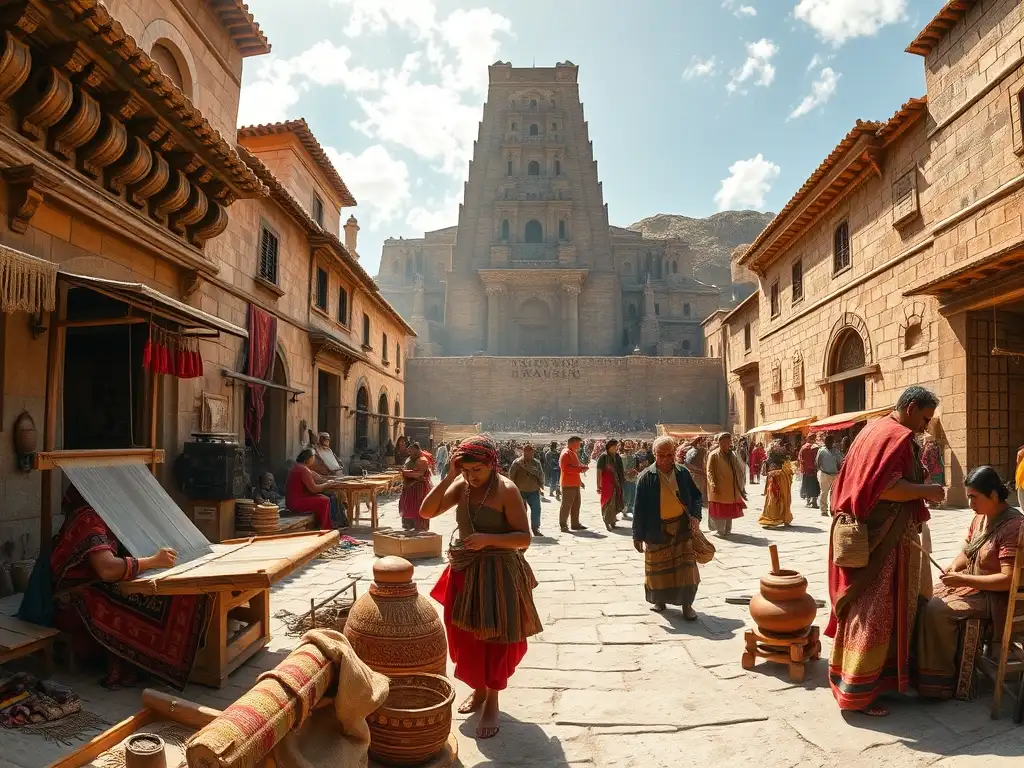
Uncover the secrets of a lost world. Journey through the breathtaking landscapes and intricate societies of the Andean civilizations. From the towering heights of the Incas to the enigmatic artistry of the Nazca, Andean Civilizations unveils the mysteries of these ancient empires. But what drove the incredible innovation of the Huari empire's craft specialization? Dive into the fascinating world of Pre-Incan Cultures of the Highlands and discover the surprising answers. Explore the intricate division of labor that fueled this powerful civilization – the story is more complex than you might imagine.
The Huari Empire, a powerful pre-Columbian civilization that flourished in the Andes between approximately 600 and 1000 CE, is renowned not only for its vast territorial control but also for its sophisticated social organization and remarkable achievements in craft production. This article delves into the fascinating world of Huari craft specialization, exploring the intricate division of labor that underpinned the empire's economic and social structures.
Understanding Huari craft specialization provides crucial insights into the empire's power, its ability to manage resources effectively, and the complex social dynamics that characterized its society. We will examine the evidence for specialized production, the types of crafts produced, and the potential social implications of this highly organized system.
This exploration of Huari empire craft specialization will reveal a society far more complex and interconnected than previously imagined, highlighting the ingenuity and organizational prowess of this remarkable Andean civilization. The analysis will consider not just the what of Huari craft production, but also the how and why, examining the social, economic, and political factors that drove this impressive level of specialization.
Understanding Huari Society Through Specialized Production
The remarkable level of craft specialization within the Huari Empire is evidenced by the consistent stylistic features and high quality of artifacts found across vast distances. This uniformity suggests a centralized system of production and distribution, potentially involving state control or oversight. Archaeological evidence, including the discovery of large workshops and specialized tool kits, strongly supports the existence of specialized craft production centers.
These centers likely housed skilled artisans who dedicated their lives to mastering specific crafts. The sheer volume and consistency of artifacts like fine ceramics, intricate textiles, and meticulously crafted metalwork point to a highly organized and efficient system of labor. This wasn't simply a matter of individual artisans working independently; rather, it points to a complex, structured system within the Huari social organization, possibly involving apprenticeships, guilds, or other forms of structured training and organization.
The scale of production necessitates a sophisticated system of resource management, distribution, and potentially even taxation to support such a large-scale operation. The implications of this system for social stratification and power dynamics within the Huari Empire are significant and warrant further investigation.
Key Craft Specializations in the Huari Empire
Huari artisans demonstrated expertise in a wide range of crafts. Some of the most notable specializations included:
- Pottery: Huari pottery is famous for its distinctive styles, including the use of intricate designs, fine finishes, and standardized forms. The standardization suggests mass production, likely within specialized workshops. Different styles might indicate regional variations or specialization within the larger production system. The sheer volume of pottery discovered across the Huari territory speaks to its importance in daily life and potentially in ritual contexts.
- Textiles: High-quality textiles, often featuring complex weaving techniques and vibrant colors, are another hallmark of Huari craftsmanship. Evidence suggests the use of camelid fibers (llama and alpaca), indicating a sophisticated understanding of animal husbandry and textile production. These textiles likely served a variety of purposes, from clothing and blankets to ritual objects and tapestries. The complexity of the designs and techniques implies a high level of skill and specialization among the weavers.
- Metallurgy: While less prevalent than pottery and textiles, Huari metallurgy demonstrates significant skill in working with metals like gold, silver, and copper. The production of metal objects, such as ornaments and tools, likely required specialized knowledge and techniques, further emphasizing the division of labor within the empire. The relatively small number of metal artifacts, compared to ceramics and textiles, suggests that metallurgy was a more elite craft, potentially linked to the ruling class or religious institutions.
- Stone Carving: The Huari were also skilled stone carvers, as evidenced by the monumental architecture and intricate carvings found at various sites. This craft required specialized tools and expertise, pointing to a distinct group of artisans dedicated to stonework. The scale of some projects, like the construction of large administrative centers, suggests a high degree of organization and coordination among stone carvers.
Evidence of Centralized Control and Organization
The remarkable consistency in style and quality of Huari crafts across vast geographical areas strongly suggests a degree of centralized control over production and distribution. This control might have been exerted through various mechanisms, including:
- State-sponsored workshops: The existence of large-scale workshops at various sites points to state involvement in the organization of craft production. These workshops may have been directly managed by the Huari state, providing resources and overseeing production.
- Standardized production techniques: The consistent stylistic features of Huari artifacts suggest the use of standardized production techniques and quality control measures. This points to a system of oversight and regulation to ensure consistent quality across different production centers.
- Distribution networks: The widespread distribution of Huari artifacts across the empire requires a well-developed system of trade and distribution. This system may have been managed by the state, ensuring the efficient flow of goods and resources.
This organized system of craft specialization played a crucial role in the economic and political strength of the Huari Empire. Further research is needed to fully understand the intricacies of this system and its impact on Huari society. The ongoing discovery of new archaeological evidence continually refines our understanding of this fascinating civilization and its remarkable achievements.
- Understanding Huari Society Through Specialized Production
- Key Craft Specializations in the Huari Empire
- Evidence of Centralized Control and Organization
- What was the extent of craft specialization in the Huari Empire?
- How did Huari craft specialization impact the empire's economy?
- What types of crafts were particularly prominent in the Huari Empire?
- How did the Huari state organize and control craft production?
- What evidence supports the existence of craft specialization in the Huari Empire?
The Rise of Craft Specialization in the Huari Empire
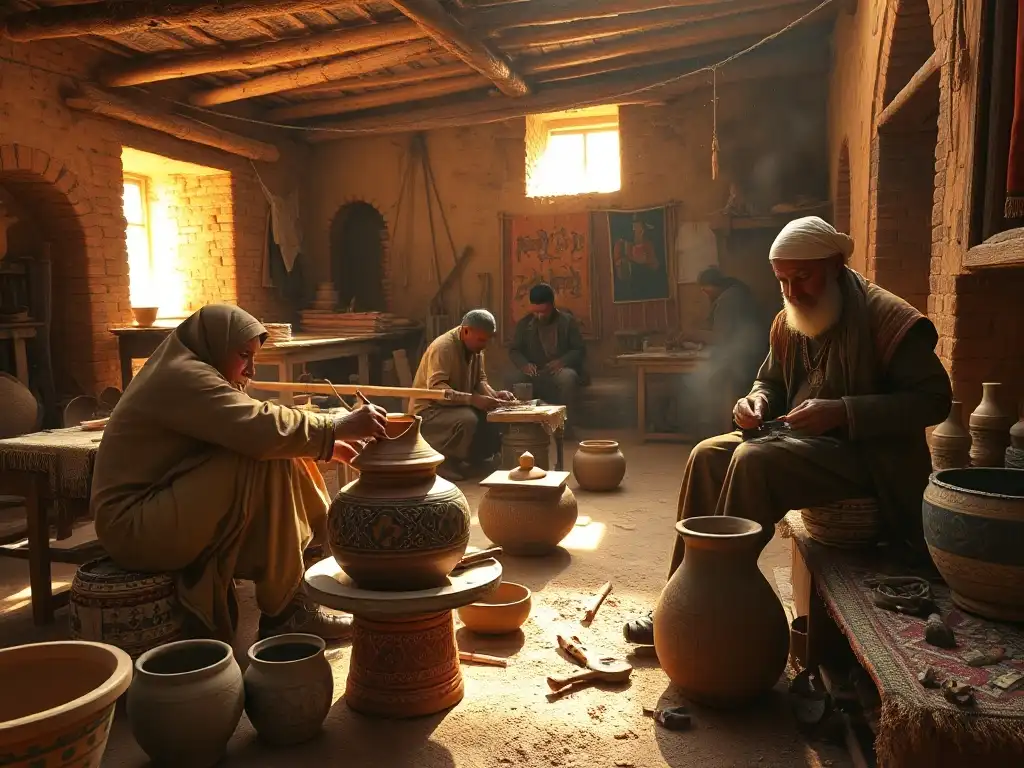
The Huari empire, a powerful pre-Inca civilization flourishing in the central Andes from approximately 600 to 1000 CE, is renowned not only for its vast territorial control but also for its sophisticated system of craft specialization. This intricate division of labor played a crucial role in the empire's economic and political success, allowing for the mass production of high-quality goods and the efficient distribution of resources across its extensive territory. Understanding the development of Huari craft specialization requires examining both the pre-existing conditions and the specific factors that propelled its expansion during the empire's height.
This advanced level of organization significantly differed from the preceding periods, transforming the Andean social fabric. The very nature of craft production shifted from a localized, perhaps family-based system to a centralized, state-managed one, impacting social structures and economic output immensely.
The study of Huari craft specialization offers invaluable insights into the complex interplay between state power, economic organization, and social stratification in this remarkable Andean civilization. The Huari empire craft specialization is a testament to the ingenuity and organizational prowess of the Huari people.
Pre-Huari Craft Production: A Foundation for Specialization
Before the rise of the Huari empire, craft production in the central Andes was largely localized and less specialized. Evidence suggests that communities produced a range of goods for their own consumption, with limited exchange beyond their immediate vicinity. However, certain pre-Huari sites show evidence of incipient specialization, particularly in the production of ceramics and textiles.
For example, certain villages displayed a concentration of specific ceramic styles or textile techniques, suggesting the emergence of specialized artisans, even if on a smaller scale than what would later characterize the Huari empire. These early instances of specialization likely laid the groundwork for the more systematic and extensive division of labor that developed under Huari rule. The pre-existing skills and knowledge within these communities undoubtedly facilitated the rapid expansion of craft production under the centralized Huari state.
Further research into regional variations in pre-Huari craft production is needed to fully understand the extent of this foundation and how it contributed to the subsequent explosion of specialized craft workshops within the Huari empire. Archaeological investigations focusing on smaller settlements preceding the Huari expansion could yield crucial data on this less-studied phase.
Factors Driving Increased Craft Specialization in the Huari State
Several factors contributed to the dramatic increase in craft specialization within the Huari state. The most significant was undoubtedly the centralized political organization of the empire. The Huari state exerted considerable control over resource allocation and production, actively promoting specialization by establishing large-scale workshops and controlling the distribution of raw materials. This state intervention allowed for economies of scale, leading to increased efficiency and the mass production of standardized goods.
The creation of a vast network of administrative centers and storage facilities further facilitated this process. The standardization of products, a hallmark of Huari craft production, suggests a deliberate policy of state control over production processes. This included the standardization of pottery shapes and sizes, textile designs, and even the types of tools used in various crafts.
The empire's vast territorial reach also played a crucial role. The Huari controlled a diverse range of ecological zones, providing access to a wide array of raw materials. This access allowed for the development of specialized craft industries focused on specific materials, such as obsidian tools from the highlands or coastal shell ornaments.
The efficient movement of these resources across the empire's extensive network of roads and administrative centers was essential to this process. The sheer scale of the Huari empire, its control over resources, and its sophisticated administrative system all contributed to the development of a highly specialized and productive craft sector. This system not only fueled the empire's economic growth but also contributed to the development of a distinctive Huari artistic style and technological innovation.
The standardized production enabled the dissemination of similar styles and technologies throughout the conquered territories, creating a sense of cultural unity within the diverse regions under Huari rule. The Huari empire craft specialization therefore represents a sophisticated example of state-led economic organization and its effect on the development of a unified cultural identity.
Examining Huari Craft Specialization: Key Industries
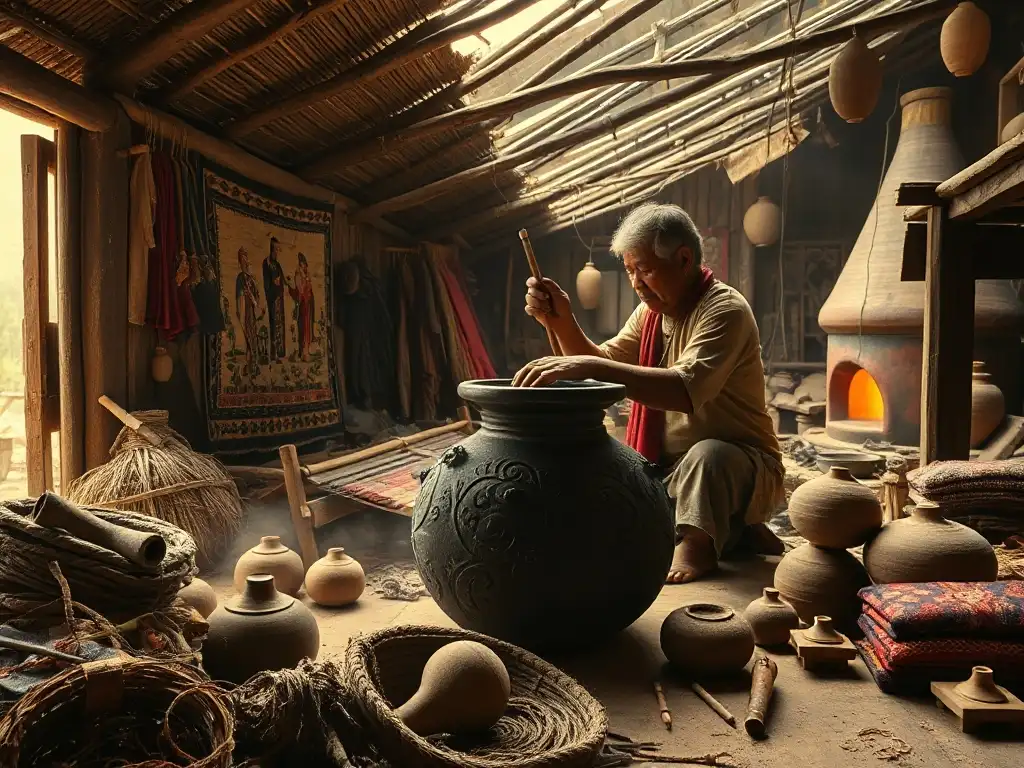
The Huari empire, flourishing in the central Andes from approximately 600 to 1000 CE, is renowned not only for its vast territorial control but also for its sophisticated system of craft specialization. This intricate division of labor played a crucial role in the empire's economic and social organization, facilitating the production of high-quality goods and contributing to its overall power and influence. Understanding Huari empire craft specialization requires examining the key industries that fueled the empire's growth and prosperity.
The meticulous organization of these industries reveals a complex system of production, distribution, and control, highlighting the advanced administrative capabilities of the Huari state. This section delves into three prominent examples: textile production, pottery, and metallurgy.
Textile Production and the Huari Empire's Textile Industry
Textile production was a cornerstone of the Huari economy. Evidence from numerous archaeological sites suggests a highly organized and specialized textile industry. The Huari excelled in producing a wide variety of textiles, utilizing different fibers like alpaca, llama, and cotton, demonstrating mastery of various weaving techniques. The quality and complexity of Huari textiles point towards a hierarchical system of production, with specialized workshops likely employing skilled artisans.
The intricate designs found on Huari textiles, often featuring geometric patterns and stylized representations of animals and plants, showcase a high level of artistic skill. These designs were not merely decorative; they likely held symbolic meaning, reflecting the social and religious beliefs of the Huari people. The consistency in style and quality across vast geographical areas suggests a centralized system of control over textile production, possibly involving state-sponsored workshops or the regulation of private workshops.
Further research is needed to fully understand the organization of labor within these workshops, including the roles of skilled artisans, apprentices, and potential supervisors. The sheer volume of textiles unearthed suggests a large-scale production system, supplying not only the Huari elite but also potentially the broader population. The distribution of these textiles across the empire further highlights the effectiveness of the Huari administrative system in managing resources and distributing goods.
Huari Pottery: Styles and Specialized Workshops
Huari pottery is another area showcasing remarkable craft specialization. Archaeological excavations have revealed a wide range of pottery styles, indicating specialized workshops producing different types of vessels for various purposes. Some workshops focused on creating fine, elaborately decorated pottery for the elite, while others produced simpler, utilitarian wares for everyday use. This differentiation in pottery styles reflects a nuanced understanding of the social hierarchy within the Huari empire.
The standardization of certain pottery forms across vast distances within the empire suggests a degree of centralized control or at least a strong influence on production techniques and styles. This standardization facilitated efficient distribution and potentially served as a means of establishing and maintaining imperial control. The use of specific clays and pigments, sometimes sourced from distant locations, highlights the sophisticated logistical capabilities of the Huari state, which managed the procurement and distribution of raw materials across its extensive territory.
Analysis of pottery shards also reveals the use of standardized forms and sizes, suggesting a high degree of efficiency in production. The presence of kiln structures at various sites offers further evidence of specialized pottery workshops. Detailed studies of these kilns and the associated pottery remains are crucial for a more comprehensive understanding of Huari pottery production techniques and the organization of labor within these specialized workshops.
Metallurgical Practices in the Huari Culture: Specialized Metalworking
Metallurgy played a significant, albeit less prominent compared to textiles and pottery, role in Huari craft specialization. While not as extensively studied as other crafts, evidence suggests a specialized system for metalworking, primarily focusing on gold, silver, and copper. These metals were used to create prestigious objects for the elite, including jewelry, ornaments, and ceremonial items. The complexity and artistry of these metal artifacts point towards highly skilled artisans.
The sourcing of metals and the techniques used in their refinement and shaping likely required specialized knowledge and skills. Archaeological investigations are uncovering evidence of metallurgical workshops, although further research is needed to fully understand their organization and the division of labor within them. The distribution of metal artifacts across the empire suggests a controlled system of production and distribution, likely overseen by the Huari state.
Further analysis of the metallurgical techniques employed by Huari artisans, including alloying and casting methods, will provide valuable insights into their technological advancements and the level of skill involved in their craft. The study of metal artifacts also offers valuable clues about Huari social organization, religious beliefs, and symbolic representations.
The scarcity of metal resources and the complexity of the metallurgical processes further emphasize the importance of craft specialization in the Huari empire. The meticulous craftsmanship and symbolic significance of these objects reaffirm their importance in the Huari social and political landscape.
Stone Carving and Architecture: Specialized Labor in Huari Construction
The Huari empire's impressive architectural achievements, including monumental structures and intricate stonework, were the product of highly specialized labor. Evidence suggests a sophisticated division of labor within the stone carving and architectural professions. We see this not only in the sheer scale of projects like the capital at Huari itself, but also in the consistent quality and style of stonework found across the vast empire. This uniformity points to a structured system of training and possibly guilds overseeing the production of these works.
Unlike earlier Andean cultures where stonework might have been a more generalized skill within a community, the Huari state appears to have fostered a distinct class of specialist stone carvers and builders. This is evidenced by the precision and technical skill demonstrated in the construction of intricate doorways, finely carved reliefs, and the precise fitting of massive stones in walls.
The ability to coordinate the efforts of numerous specialists across geographically dispersed sites further underscores the organizational capacity of the Huari state. The transport of large stone blocks over significant distances also suggests a dedicated workforce responsible for logistics and transportation, further adding to the complexity of the specialized labor involved.
Analysis of Huari sites reveals variations in the quality of stonework. While some structures display exceptional craftsmanship, others show a more rudimentary approach. This might reflect a tiered system within the specialist workforce, with different levels of skill assigned to various projects based on their importance or urgency.
Perhaps apprentice stone carvers worked on less prominent structures, gaining experience before contributing to more prestigious projects. Further research focusing on isotopic analysis of skeletal remains from Huari sites could potentially shed light on the geographic origins of these specialized workers and the patterns of migration within the empire. This information could help us better understand the organization and mobility of this critical workforce.
The standardization of architectural styles and techniques across the vast Huari empire strongly suggests central control and a formalized training system for these crucial craftspeople. The impressive feats of Huari architecture stand as a testament to the effectiveness of their highly specialized labor force.
The Organization of Huari Craft Production
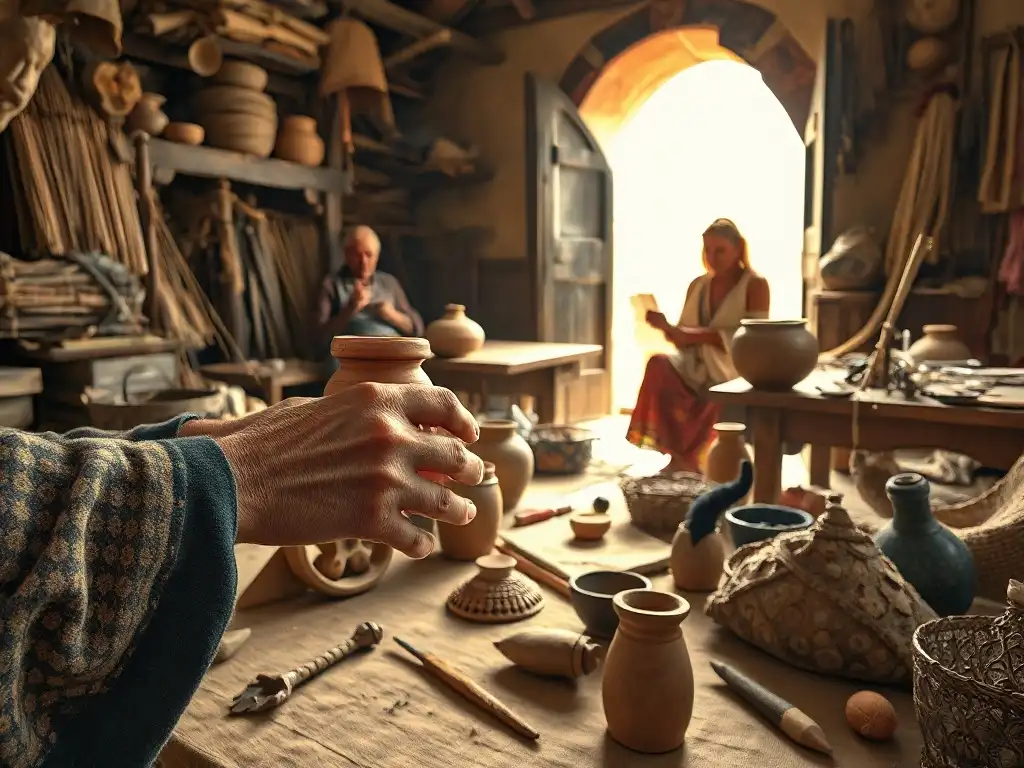
The Huari empire, flourishing between 600 and 1000 CE in the Andes, was renowned for its sophisticated craft production. Understanding the organization of this production is key to comprehending the empire's power and reach. The Huari state implemented a highly structured system, far exceeding simple craft workshops.
This system involved centralized planning, specialized labor, and strict control over resources and finished goods, all contributing significantly to the empire's economic and political strength. The scale and complexity of Huari craft production suggest a highly organized and efficient system, reflecting the empire’s advanced administrative capabilities. This organizational structure ensured a consistent supply of high-quality goods, essential for maintaining social order and projecting imperial power.
The evidence points to a sophisticated logistical network capable of distributing these goods across vast distances. The Huari empire's success was, in part, a direct result of this meticulously managed craft production system. Understanding this system provides invaluable insights into the complexities of Andean state formation and the role of craft specialization in maintaining imperial power.
Huari Workshops and the Control of Production
Huari workshops weren't simply independent artisan spaces; they were integral parts of a larger, state-controlled production system. Archaeological evidence reveals numerous sites exhibiting features consistent with large-scale, organized workshops. These weren't scattered haphazardly; their locations were strategically chosen, often near sources of raw materials or along major transportation routes. This strategic placement minimized transportation costs and facilitated efficient distribution of finished goods.
The size and layout of these workshops suggest a hierarchical structure, with specialized areas dedicated to different stages of production. For example, one area might have been dedicated to the preparation of raw materials, another to the actual crafting process, and yet another to the finishing and quality control. This division of labor maximized efficiency and ensured consistent quality across all produced goods.
The standardization of Huari pottery, textiles, and metalwork further supports the hypothesis of centralized control and standardized production techniques within these workshops. Furthermore, the presence of administrative buildings near many workshops suggests direct state oversight of the production process. This control extended to the distribution of raw materials and the allocation of labor, ensuring the state's influence permeated every aspect of craft production.
The Role of Huari State in Managing Craft Production
The Huari state played a crucial, multifaceted role in managing craft production. It wasn't simply a passive regulator; the state actively participated in every stage, from resource acquisition to distribution of finished products. This active involvement suggests a highly centralized economy, where the state controlled the means of production and directed the flow of goods. The state likely controlled access to key resources, like high-quality clay, precious metals, and specific types of fibers, ensuring only authorized workshops could access them.
This control allowed the state to maintain quality standards and prevent the emergence of independent producers who might compete with the state-controlled workshops. Furthermore, the state probably mobilized labor, possibly through a system of tribute or corvée labor, to work in these workshops. This ensured a steady supply of skilled and unskilled workers necessary for large-scale production.
The state also controlled the distribution of finished goods, using its extensive road network to efficiently transport goods to different parts of the empire. This sophisticated logistical network was essential for maintaining social order and projecting imperial power through the distribution of state-sponsored goods. The state's centralized control over all aspects of craft production was fundamental to the Huari empire’s economic and political stability.
Evidence of Specialized Labor: Archaeological Discoveries
Archaeological discoveries provide compelling evidence of specialized labor within the Huari empire. The consistent quality and standardization of Huari artifacts, particularly pottery and textiles, strongly suggest a division of labor into specialized tasks. Detailed analysis of pottery shards reveals highly skilled techniques and consistent stylistic elements, indicative of specialized potters working within a structured system. Similarly, the intricate designs and weaving techniques in Huari textiles point to a highly skilled workforce, likely composed of specialized weavers.
The discovery of large quantities of identical or near-identical artifacts at various sites across the empire further supports this notion of specialized labor and centralized production. Furthermore, the discovery of tools and workshops dedicated to specific crafts, like metallurgy or textile production, provides direct evidence of occupational specialization. These workshops often contained specialized tools and equipment, suggesting a high degree of skill and training among the workers.
The sheer volume of artifacts produced, coupled with their high quality and standardization, underscores the efficiency and organization of Huari craft production and the essential role of specialized labor in the empire's economic success. Analysis of skeletal remains may also reveal information about occupational diseases or physical stresses related to specific crafts, providing further evidence of specialized labor. [Specific information pending: further analysis of skeletal remains from Huari sites].
The Impact of Craft Specialization on Huari Society
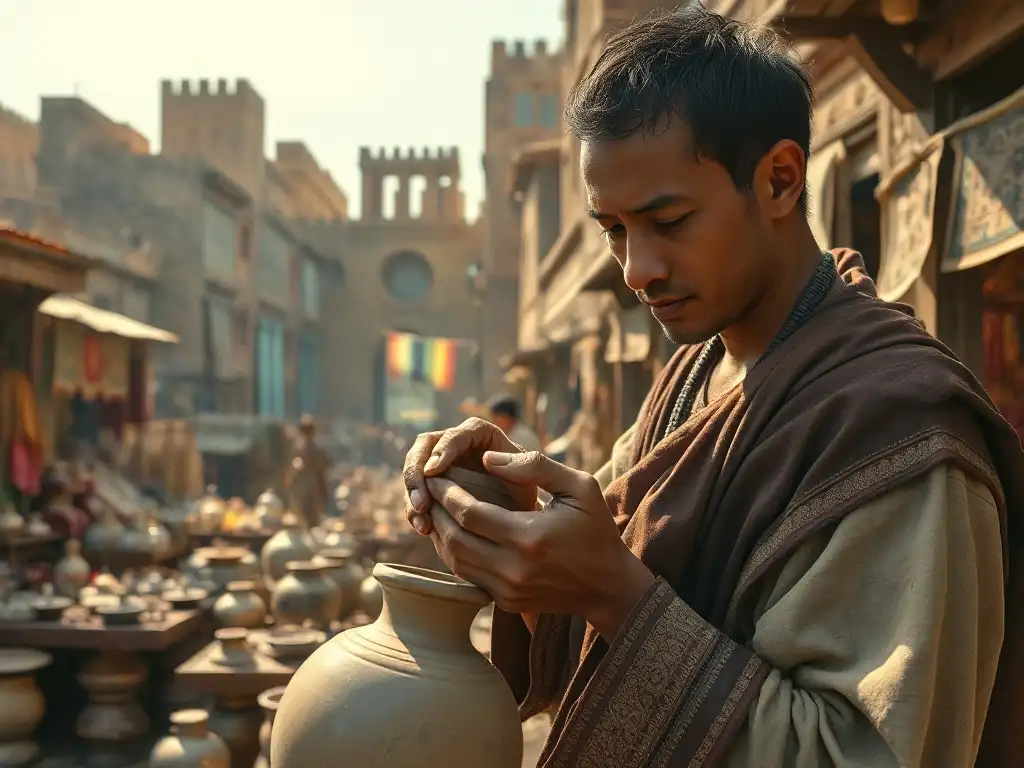
The Huari empire, flourishing between 600 and 1000 CE in the Andes, witnessed a remarkable degree of craft specialization, significantly impacting its social and economic structures. This division of labor, far beyond simple task allocation, played a crucial role in the empire's expansion, consolidation, and eventual decline. Understanding the nuances of Huari craft specialization provides invaluable insight into the complexities of this powerful Andean civilization and its sophisticated organizational capabilities. The level of organization suggests a centralized authority directing resource allocation and production, a hallmark of a complex state.
This intricate system of production and distribution contributed significantly to the empire's power and influence. The standardization of certain craft items, particularly pottery and textiles, across vast distances further emphasizes the empire's administrative prowess. The impact of this specialization reverberates through all aspects of Huari society, from its social hierarchy to its economic systems.
Archaeological evidence strongly suggests a correlation between Huari craft specialization and social stratification. The creation of highly skilled crafts, such as intricate metalwork, fine textiles, and elaborate ceramics, required years of training and apprenticeship. These skilled artisans likely occupied a relatively high position within the social hierarchy, enjoying privileges and perhaps even specialized living quarters. This contrasts sharply with the likely lower social standing of those involved in more basic tasks within the craft production system, such as farmers providing raw materials.
The Huari administrative system, while not fully understood, likely involved a complex network of officials overseeing the various craft workshops and production centers. These officials, potentially part of a priestly or noble class, would have played a vital role in coordinating production, distributing resources, and ensuring the quality of the finished products. The standardization of Huari pottery, for instance, suggests centralized control over production techniques and aesthetic preferences.
This level of control points to a hierarchical structure where skilled artisans were carefully managed and their products carefully monitored for quality and consistency. Further research is needed to fully understand the social dynamics within these workshops and the specific social standing of different artisan groups within the broader Huari social structure.
Economic Implications of Huari Craft Production
Huari craft specialization had profound economic consequences. The centralized production and distribution of goods facilitated the empire's economic integration. The standardization of certain products allowed for easier trade and exchange, both within the empire and with external groups. This controlled economy, with its emphasis on standardized goods, likely facilitated the efficient redistribution of resources throughout the empire, supporting the large urban centers and the administrative elite. The surplus production of certain goods, such as textiles and ceramics, could be used for tribute, exchange, or even as a form of payment for services within the state.
The economic success of the Huari empire was inextricably linked to its ability to efficiently manage and distribute resources. This efficiency was, in part, a direct result of the highly organized and specialized nature of its craft production. The sheer volume of high-quality artifacts unearthed at Huari sites showcases the empire's impressive economic output.
While the exact economic mechanisms remain a subject of ongoing research, the evidence strongly suggests that craft specialization was a key element in the empire's economic strength and stability. The potential for large-scale production and control over key resources gave the Huari elite significant economic power.
The Spread of Huari Craft Styles Through the Empire
The consistent styles found in Huari craftwork across vast geographical areas highlight the empire's effective administrative strategies. The standardization of pottery styles, for example, often featuring distinctive shapes, colors, and designs, is evident in sites far removed from the Huari heartland. This consistency suggests a degree of centralized control over production techniques and aesthetic preferences, enforced through effective communication and perhaps even the relocation of skilled artisans to different parts of the empire.
The spread of Huari craft styles wasn't simply a matter of centralized production; it also involved the dissemination of design patterns and techniques. This suggests a system of knowledge transfer, perhaps through apprenticeships, the movement of artisans, or the circulation of design templates. The distribution of standardized goods also served a crucial role in reinforcing Huari identity and authority across the empire.
The widespread use of similar styles in pottery, textiles, and metallurgy fostered a sense of unity and common identity among diverse populations, strengthening the empire's political and social cohesion. This standardization of craft styles serves as a powerful testament to the administrative strength and cultural influence of the Huari empire. Further study of specific craft techniques and their geographical distribution is necessary to fully understand the intricate networks of communication and control that underpinned this remarkable achievement.
Huari Craft Specialization Compared to Other Andean Cultures
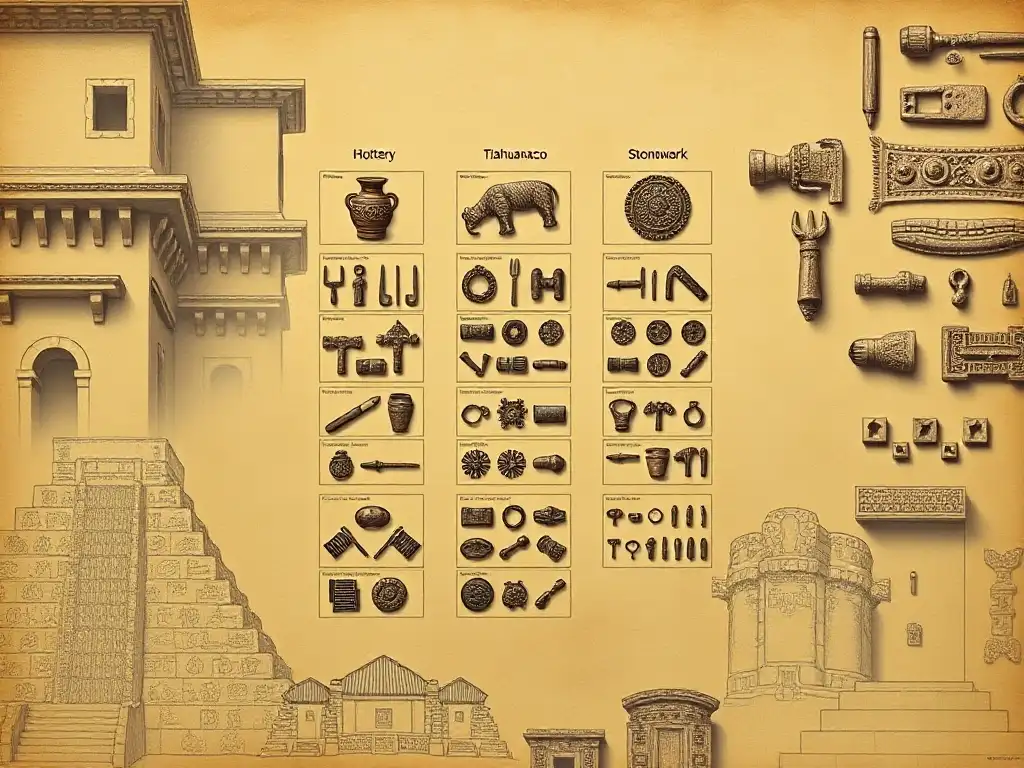
The Huari empire's remarkable achievements in craft specialization stand out when compared to other contemporaneous Andean cultures. While societies like the Nazca and Tiahuanaco also displayed sophisticated craftsmanship, the scale and organization of Huari production were unprecedented. The Huari state actively managed and controlled craft production, leading to a level of standardization and mass production rarely seen in earlier Andean societies. This centralized control facilitated the creation of vast quantities of standardized goods, used for both administrative purposes (like record-keeping quipus) and for distribution throughout the empire as a means of social control and economic integration.
This contrasts sharply with the seemingly less centralized production systems of cultures like the Nazca, who, while masterful in their textile production and ceramic artistry, lacked the same level of state-sponsored organization and standardization evident in Huari craftsmanship. The Nazca's highly individualistic artistic styles, visible in their intricate geoglyphs and polychrome pottery, suggest a less regimented approach to production compared to the more uniform output of Huari workshops.
Further research is needed to fully quantify the differences in production scales between these societies, but preliminary evidence suggests a significantly larger scale of production within the Huari empire, hinting at a more complex and stratified social structure directly supporting this output.
Contrasting Huari Craft Specialization with Tiahuanaco
While both the Huari and Tiahuanaco cultures demonstrated advanced craft specialization, key differences exist in their approaches. Tiahuanaco, known for its monumental architecture and intricate textiles, appears to have relied on a system of specialized workshops likely located within or near the city itself. This suggests a more geographically concentrated production system compared to the Huari, whose workshops were likely dispersed across the empire, potentially reflecting a more decentralized, yet still controlled, approach to production.
The nature of the specialization also differed. Tiahuanaco's craft production, while sophisticated, often exhibited a higher degree of artistic variation than Huari products. This suggests a potentially greater degree of autonomy for individual artisans within Tiahuanaco society, contrasting with the apparent standardization and mass production seen in Huari.
Further analysis of surviving artifacts, particularly ceramic styles and textile techniques, is needed to fully understand the nuanced differences in the organizational structure of craft production in both empires. The availability of detailed archaeological data on Huari workshops compared to Tiahuanaco workshops is currently uneven, hindering a more complete comparison. [Specific information pending: Comparative analysis of workshop sizes and artifact production rates from both cultures].
The Influence of Huari Craft Practices on Later Andean Societies
The Huari empire's impact on subsequent Andean societies is undeniable, particularly in the realm of craft specialization. The standardization of forms and techniques developed during the Huari period profoundly influenced the Inca, who adopted and adapted many of these practices on a far grander scale. The Inca's vast imperial infrastructure, including its renowned road system and sophisticated administrative apparatus, relied heavily on the standardized production of goods and materials, a legacy directly traceable to Huari organizational techniques.
The impact wasn't limited to the Inca. Many elements of Huari craft production, such as specific ceramic styles and textile designs, continued to appear in the artistic traditions of later Andean cultures. This enduring influence suggests a profound and lasting impact of Huari craft specialization on the development of Andean artistic and technological traditions.
The spread of Huari-inspired craft practices across the Andes highlights the empire's significant role in shaping the cultural landscape of the region, leaving a lasting legacy on Andean societies long after its collapse. The intricate interplay between Huari innovations and subsequent cultural developments deserves further investigation, especially concerning the transmission of knowledge and techniques across different Andean communities. [Specific information pending: Detailed study of the stylistic evolution of Andean crafts from the Huari period to the Inca empire].
Conclusion: The Legacy of Huari Craft Specialization
The Huari empire's sophisticated system of craft specialization significantly impacted the development of Andean technology and social organization. Its influence extended beyond the empire's geographical boundaries and temporal limits, leaving an indelible mark on subsequent Andean cultures, including the Inca. The highly organized production of textiles, ceramics, and metallurgy, facilitated by a complex division of labor, demonstrates a level of centralized control and economic sophistication rarely seen in other contemporary societies.
This wasn't simply about creating beautiful objects; it was a crucial element in maintaining social order and political power within the Huari state. The standardization of certain craft products, particularly in ceramics, suggests a deliberate attempt to create a visual unity and reinforce the empire's ideological message across its vast territory. The efficiency gained through specialized production allowed for the creation of surplus goods, which in turn, likely contributed to the empire's ability to sustain itself and project its power.
The legacy of Huari craft specialization is evident in the later development of Andean craft traditions, highlighting its enduring impact on the region's cultural and technological evolution. Understanding this system provides crucial insights into the complexities of the Huari state and its role in shaping the trajectory of Andean civilization.
The Significance of Huari Craft Organization
The meticulous organization of Huari craft production wasn't merely a practical solution to meet the demands of a large empire; it was deeply intertwined with the empire's social and political structure. The specialization of labor created a hierarchical system, with skilled artisans holding positions of relative prestige and influence within Huari society. The standardization of products, particularly in ceramics, suggests a centralized control over production and distribution, reinforcing the power of the ruling elite.
This centralized control likely involved a complex network of administrative officials overseeing workshops and ensuring the consistent quality and quantity of goods. Furthermore, the distribution of craft products across the vast Huari empire served as a powerful tool for consolidating political power and reinforcing imperial ideology. The presence of standardized Huari ceramics in distant regions is evidence of a sophisticated system of exchange and control, reflecting the empire's ability to project its power and influence throughout the Andes.
This integrated system of production and distribution was essential to the empire's cohesion and longevity, underscoring the significance of craft specialization in the Huari state's success. The standardized styles also allowed for easier identification of items created within the empire, aiding in trade and potentially taxation. This system, in essence, functioned as a sophisticated form of economic and political control.
Future Research on Huari Craft Specialization
Further research into Huari craft specialization is crucial for a more complete understanding of this complex and fascinating civilization. Several avenues warrant further investigation. Firstly, more detailed analysis of Huari workshops and production sites is needed. Detailed archaeological excavations, combined with advanced scientific techniques, could reveal further insights into the techniques used, the division of labor within workshops, and the scale of production.
Secondly, a deeper study of the distribution networks of Huari craft products is necessary. Tracing the movement of goods across the empire can shed light on the economic and political dynamics that shaped the Huari state. This could involve analyzing the chemical composition of materials to pinpoint their origin and mapping the distribution of specific craft products across the empire's territory. Thirdly, more interdisciplinary research is needed, combining archaeological data with ethnographic studies of Andean craft traditions.
This comparative approach could help to better understand the long-term impact of Huari craft specialization on subsequent Andean cultures. Finally, a more comprehensive understanding of the social status and economic roles of artisans within Huari society would greatly enhance our knowledge of this crucial aspect of the empire's organization. By pursuing these avenues of research, we can significantly improve our understanding of Huari craft specialization and its profound impact on the development of Andean civilization. The potential for new discoveries and interpretations remains significant, promising a richer and more nuanced understanding of this pivotal period in Andean history.
Frequently Asked Questions
What was the extent of craft specialization in the Huari Empire?
The Huari Empire exhibited a high degree of craft specialization, with different communities focusing on specific goods like textiles, pottery, or metallurgy. This division of labor was crucial to the empire's economic and political strength. This specialization is evident in the archaeological record.
How did Huari craft specialization impact the empire's economy?
Specialized production led to increased efficiency and output of goods. This facilitated trade and exchange both within the empire and with neighboring regions, fueling economic growth and strengthening the Huari state. Surplus goods were also used for administrative purposes.
What types of crafts were particularly prominent in the Huari Empire?
Textiles, pottery, and metallurgy were particularly important crafts. Evidence suggests sophisticated techniques and a wide variety of styles, showcasing the skill and artistry of Huari artisans. Stonework was also highly developed.
How did the Huari state organize and control craft production?
While the exact mechanisms are debated, it's likely the Huari state played a significant role in organizing and regulating craft production. This might have involved centralized control of resources or the establishment of workshops. Administrative centers likely played a key role.
What evidence supports the existence of craft specialization in the Huari Empire?
Archaeological findings such as specialized workshops, distinct styles of artifacts, and the distribution of goods across the empire provide strong evidence. The presence of standardized products also suggests organized production.
Final Reflection: The Enduring Legacy of Huari Craft Specialization
The intricate artistry of the Huari Empire, revealed through its specialized crafts, continues to resonate today, offering invaluable insights into the complexities of ancient societal organization and the enduring power of human ingenuity. The meticulous division of labor within the Huari state, far from being a mere historical curiosity, provides a compelling model for understanding the dynamics of large-scale societies and the crucial role of specialized skills in fostering economic growth and cultural flourishing. This understanding is particularly relevant in our increasingly globalized world, where specialization remains a key driver of innovation and economic progress.
The impact of Huari craft specialization extends far beyond the archaeological record; it speaks to the fundamental human need for both individual expression and collective collaboration. The sheer diversity and quality of Huari artifacts – from textiles and ceramics to metalwork and stone carving – testify to a sophisticated system of knowledge transmission and social organization. This resonates deeply with our own contemporary appreciation for craftsmanship and the value of specialized expertise. The craftsman is the artist of the everyday,
a sentiment that transcends time and speaks to the enduring power of skilled labor and its contribution to the richness of human experience.
Consider the implications of this ancient system. What can we learn from the Huari's approach to specialization? How can we apply these lessons to our own lives and communities? I urge you to reflect on the interconnectedness of skill, innovation, and social organization, and to consider how fostering a culture of specialized expertise can contribute to a more vibrant and prosperous future. Let the legacy of Huari craftsmanship inspire you to appreciate the value of specialized skills and the power of collaboration in achieving great things.
Unveil the Secrets of Huari Craftsmanship!
Thank you for exploring the fascinating world of Huari craft specialization with us! You've gained valuable insights into the intricate division of labor that fueled this remarkable empire's success. Now, let's build on that knowledge.
Here are some ways to further your understanding and connect with this rich history:
- Dive Deeper: Explore additional resources and scholarly articles on Andean civilizations to broaden your knowledge and deepen your appreciation for these ancient cultures. Consider visiting a museum with a significant collection of Huari artifacts.
- Share Your Thoughts: Discuss your newfound knowledge with friends, family, or online communities dedicated to history or archaeology. Your insights can spark engaging conversations about the importance of craftsmanship in historical contexts.
- Try Your Hand: Experiment with Huari-inspired crafts at home! Recreating traditional techniques, even in a simplified way, offers a unique connection to history and a fun creative outlet.
What aspect of Huari craft specialization most intrigues you, and how does it influence your perspective on modern craftsmanship? Share your thoughts below!