
The Paracas Puzzle: Deciphering the Secrets of the Coastal Textile Masters

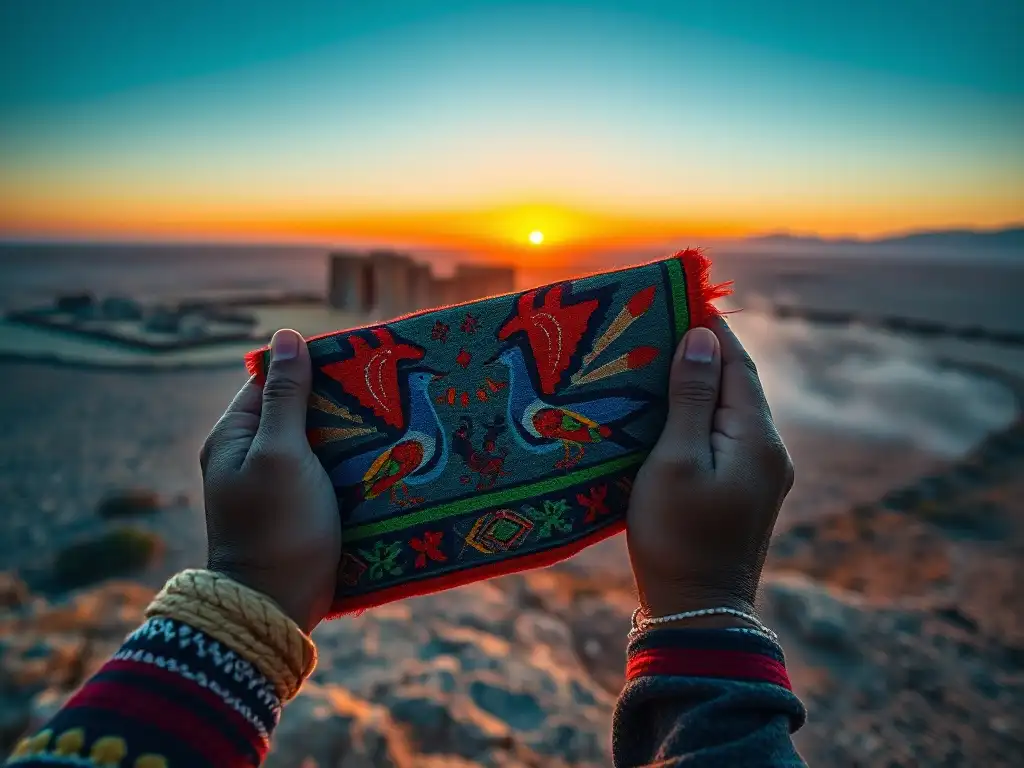
Step into a world lost to time, where vibrant threads whisper tales of ancient power and artistry. Imagine uncovering the secrets held within the intricate weavings of the Paracas culture – a civilization whose mastery of textile art remains unparalleled. This journey into the heart of Andean history begins with "Paracas textiles secrets unraveling," a captivating exploration of the techniques, symbolism, and sheer ingenuity behind these mesmerizing creations. Dare to delve deeper and uncover the mysteries that lie woven within.
The Paracas culture, flourishing along the southern coast of Peru between 700 BCE and 100 CE, left behind a legacy far more intricate than their relatively brief existence might suggest. While less known than their Inca successors, the Paracas people were masters of textile production, creating breathtakingly complex and vibrant fabrics that continue to fascinate and challenge researchers today.
This article delves into the mysteries surrounding Paracas textiles, exploring the techniques, symbolism, and enduring impact of these remarkable artifacts, effectively unraveling some of the secrets embedded within these ancient threads. We will examine the innovative techniques employed, the profound cultural significance woven into their designs, and the ongoing efforts to understand the full extent of their artistic and technological achievements.
Understanding the Paracas textile tradition provides crucial insight into the broader tapestry of pre-Inca Andean civilization and its remarkable artistic and technological development. The secrets held within these textiles offer a glimpse into a sophisticated society with a unique worldview and unparalleled skill in manipulating natural fibers.
Unraveling the Techniques: Mastery of Fiber and Dye
Paracas textiles are renowned for their exceptional quality and intricate detail. The sheer scale of some pieces, combined with the complexity of the weaving techniques, demonstrates an advanced understanding of textile production. They expertly utilized various fibers, including cotton and camelid wools (alpaca and llama), often blending them to achieve specific textures and effects.
The vibrant colors used in their textiles are equally impressive. Analysis has revealed a sophisticated knowledge of natural dyes derived from plants, minerals, and insects, resulting in a striking range of hues that have remarkably endured the test of time. The mastery of these dyes, often achieved through complex processes involving mordants and multiple stages of application, reveals a deep understanding of chemistry and a dedication to achieving unparalleled color fastness.
Furthermore, the precision and control demonstrated in their weaving techniques, including tapestry, gauze, and embroidery, are simply astonishing. These techniques, some of which are still not fully understood, point to a long tradition of textile production passed down through generations of skilled artisans. The sheer volume of textiles discovered, and the variety of techniques employed, underscores the importance of textile production within Paracas society.
Symbolism and Iconography: Decoding the Woven Narratives
Beyond their technical brilliance, Paracas textiles are richly imbued with symbolic meaning. The intricate designs, often featuring anthropomorphic figures, stylized animals, and geometric patterns, tell visual stories that continue to be deciphered by researchers today. Many motifs appear repeatedly, suggesting a complex system of codified imagery related to religious beliefs, social structures, and everyday life. For instance, certain motifs might represent deities, shamanistic practices, or aspects of the natural world, reflecting the Paracas worldview and their relationship with their environment.
The repetitive use of specific designs across different textiles suggests a standardized system of representation, hinting at the existence of a formal artistic tradition. Further research, involving interdisciplinary collaborations between textile specialists, anthropologists, and art historians, is crucial to fully understand the rich tapestry of symbolic narratives encoded in these remarkable works. The effort to decode these narratives is an ongoing process of "Paracas textiles secrets unraveling."
The Enduring Legacy: Influence and Inspiration
The Paracas legacy extends far beyond their own time. Their innovative textile techniques and artistic styles significantly influenced subsequent Andean cultures, including the Nazca and Inca civilizations. The sophisticated weaving methods, the use of specific dyes, and the recurring motifs found in Paracas textiles can be traced in the work of later cultures, highlighting the enduring impact of their artistic achievements.
Even today, Paracas textiles continue to inspire artists and designers, serving as a testament to the timeless beauty and enduring relevance of their artistic vision. Their intricate designs and vibrant colors continue to captivate viewers, reminding us of the ingenuity and creative spirit of this remarkable ancient civilization.
The study of Paracas textiles remains a dynamic field, with ongoing discoveries and interpretations constantly expanding our understanding of this crucial pre-Inca culture and its contribution to the broader development of Andean textile arts. The ongoing efforts to understand their techniques and symbolism help in the ongoing "Paracas textiles secrets unraveling."
- Unraveling the Techniques: Mastery of Fiber and Dye
- Symbolism and Iconography: Decoding the Woven Narratives
- The Enduring Legacy: Influence and Inspiration
Unveiling the Enigma of Paracas Textiles: An Introduction
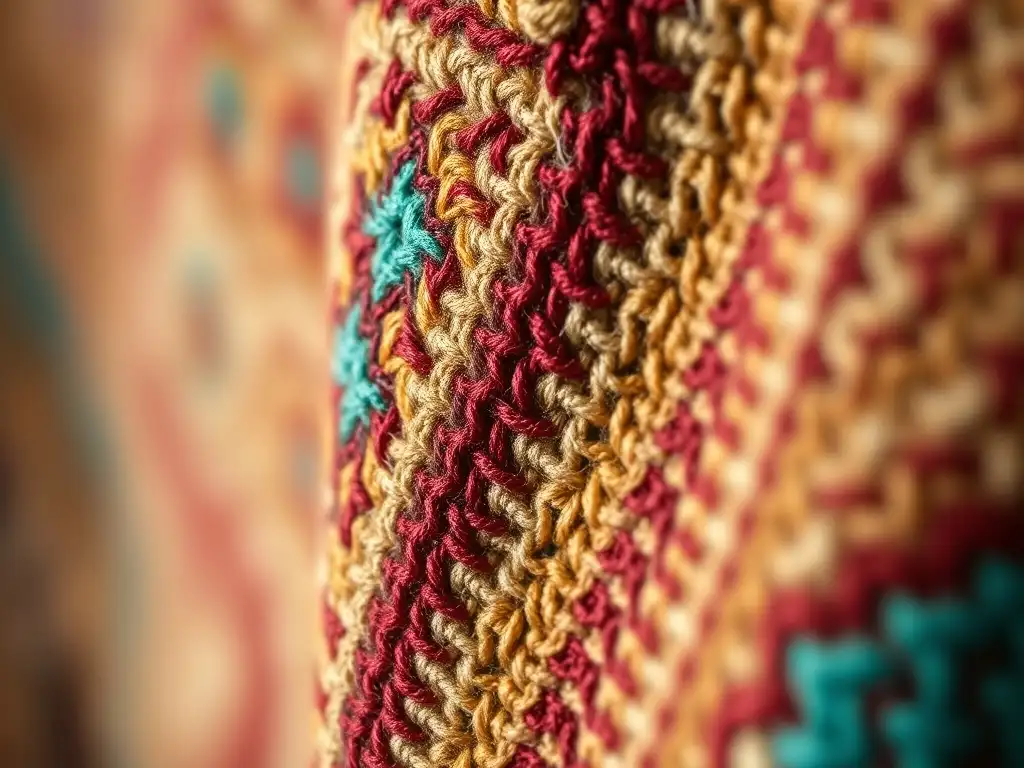
The Paracas culture, flourishing along the southern coast of Peru between 700 BCE and 200 CE, left behind a legacy far exceeding its relatively short lifespan. While their monumental architecture and societal structure remain subjects of ongoing research, it's their mastery of textile production that truly captivates and continues to unravel secrets even today.
This unparalleled skill, demonstrated in their intricate and vibrantly colored textiles, presents a fascinating puzzle for modern researchers, prompting ongoing investigation into their techniques, symbolism, and social significance. The sheer volume and complexity of surviving Paracas textiles, coupled with the enigmatic nature of their iconography, makes "Paracas textiles secrets unraveling" a compelling area of study within Andean archaeology.
Understanding their textile production offers a unique window into the worldview, social hierarchy, and technological prowess of this remarkable pre-Inca civilization. This section delves into the captivating allure of Paracas culture and explores the reasons behind the enduring mystery surrounding their exceptional textiles.
The Allure of Paracas Culture: Setting the Stage
The Paracas people inhabited a geographically unique and challenging environment. The arid coastal desert demanded ingenious solutions for survival, fostering innovation in agriculture, fishing, and most notably, textile production. Their mastery of the textile arts went far beyond simple utility; it was an integral part of their religious beliefs, social structures, and daily life.
Evidence suggests a highly stratified society, with elaborate burial practices reflecting a complex belief system. The intricately woven and embroidered textiles found in these tombs – often including incredibly detailed depictions of mythical creatures and complex geometric patterns – provide invaluable insight into Paracas cosmology and social hierarchy. The use of vibrant, natural dyes, many of which are still being identified and analyzed, further underscores their advanced understanding of botany and chemistry.
Indeed, the vibrant hues, often retaining their intensity even after centuries, are a testament to their remarkable expertise in dye extraction and application. This sophisticated understanding of color, combined with their intricate weaving techniques, showcases a level of craftsmanship rarely seen in other contemporary cultures. The sheer scale of textile production also speaks volumes about the dedication of Paracas artisans and the importance of textiles within their society.
Why Paracas Textiles Hold Such Mystery?
Several factors contribute to the enduring mystery surrounding Paracas textiles. Firstly, the complexity of their weaving techniques remains partially understood. The use of various techniques like tapestry weaving, embroidery, and gauze, often combined within a single piece, presents a challenge to modern textile experts. The precision and intricacy of the designs, achieved without the aid of modern tools, is simply astonishing. Secondly, the symbolic meaning of many of the motifs remains elusive.
While scholars have made significant progress in deciphering some iconographic elements, many designs continue to defy easy interpretation. The representation of mythical beings, celestial bodies, and abstract patterns often lack clear parallels in other contemporary Andean cultures, adding another layer to the enigma. Thirdly, the preservation of these delicate artifacts presents ongoing challenges. The fragile nature of the textiles, combined with the harsh environmental conditions of their discovery sites, necessitates careful conservation efforts.
This ongoing process of preservation often slows down the pace of research, making the complete unraveling of their secrets a long-term endeavor. Finally, the sheer volume of surviving textiles overwhelms researchers. The sheer number of examples, each with its unique design and construction, requires a concerted, multidisciplinary approach to fully comprehend the scope and significance of Paracas textile production. The ongoing research and analysis promise to further reveal the rich tapestry of knowledge woven into these remarkable artifacts, further illuminating the secrets of this remarkable civilization.
Paracas Textiles Secrets Unraveling: Materials and Techniques
The Paracas culture, flourishing along the southern coast of Peru from roughly 800 BCE to 100 CE, left behind a legacy unmatched in the Andean world: exquisitely crafted textiles. Unraveling the secrets of their textile production reveals not only remarkable artistic skill but also sophisticated knowledge of materials and techniques. The phrase "Paracas textiles secrets unraveling" perfectly encapsulates the ongoing fascination with these artifacts and the persistent effort to understand their creation. This section delves into the fundamental aspects of their production, focusing on the materials used and the innovative weaving techniques employed.
The Raw Materials: Sourcing the Colors and Fibers
The vibrant hues and luxurious textures of Paracas textiles are a testament to the ingenuity of their artisans in sourcing and processing raw materials. The primary fiber was cotton, Gossypium barbadense, a long-staple variety prized for its softness and strength. Archaeological evidence suggests that Paracas cotton was cultivated in coastal oases and valleys, carefully managed to ensure a consistent supply. The remarkable range of colors achieved, however, required more than just cotton.
Paracas artisans expertly utilized a variety of natural dyes, derived from plants, minerals, and insects. For example, the rich reds likely came from the cochineal insect, Dactylopius coccus, while yellows might have originated from achiote seeds ( Bixa orellana). Blues and greens were likely obtained from various plant sources, though the precise identification of these plants remains a subject of ongoing research. The remarkable preservation of some textiles allows for chemical analysis, slowly revealing the secrets of their vibrant color palette.
The sourcing of these materials involved extensive trade networks, connecting the Paracas culture with other regions of the Andes. The complexity of dye preparation and application demonstrates a sophisticated understanding of chemistry and color theory, well ahead of its time. Achieving such consistent and vivid colors required considerable skill and knowledge, passed down through generations of artisans.
Weaving Techniques: A Masterclass in Textile Production
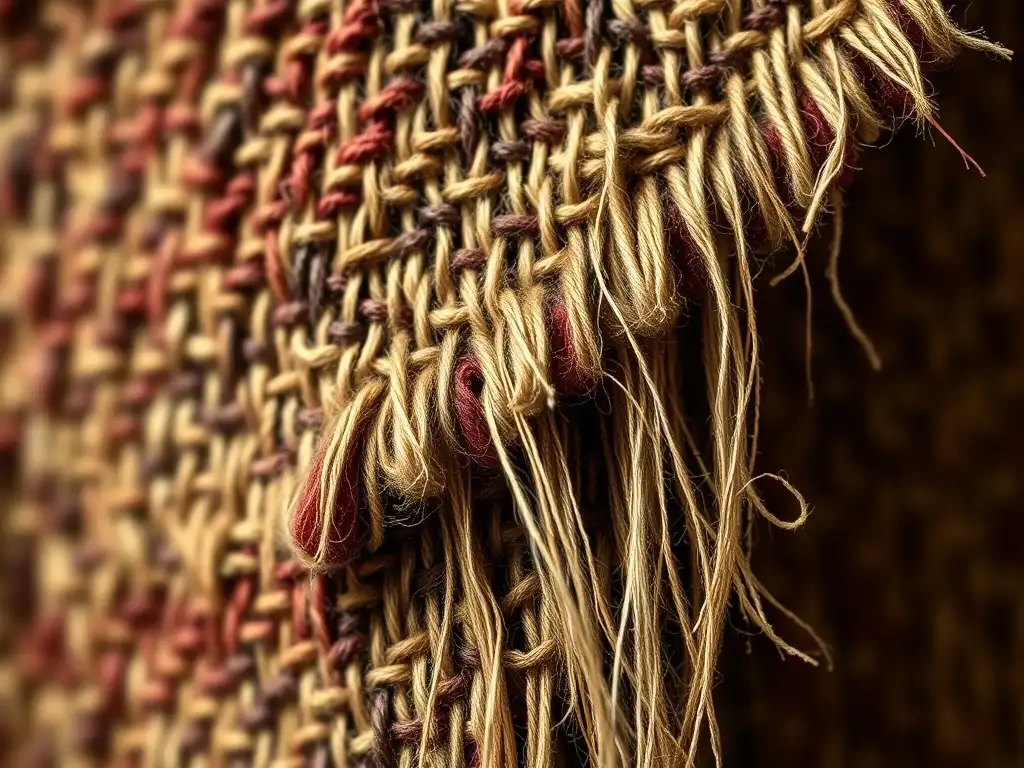
Beyond the sourcing of materials, the Paracas culture mastered a variety of weaving techniques, showcasing remarkable technical proficiency. Their textiles are not simply woven; they are intricately constructed using a range of methods including plain weave, tapestry weave, and gauze. The mastery of these techniques allowed for the creation of both lightweight, delicate fabrics and heavier, more durable cloths.
Paracas textiles often feature multiple layers of fabric, meticulously stitched together to create three-dimensional effects. This layering adds depth and complexity to the designs, enhancing the visual impact. They also employed techniques like weft wrapping and supplementary weft to create intricate patterns and textures.
The precision and consistency of their weaving demonstrate a high level of skill and training, suggesting a structured system of apprenticeship within Paracas society. Analyzing the weave structures, using both macroscopic and microscopic examination, provides valuable insights into the tools and processes employed. The advanced weaving techniques employed by Paracas artisans highlight their innovative approach to textile production, showcasing a level of expertise rarely seen in other contemporary cultures.
The Intricate Embroidery: A hallmark of Paracas Craftsmanship
While weaving formed the foundation of Paracas textile production, it was the embroidery that truly elevated their work to an art form. Intricate embroidery, often featuring highly stylized figures and motifs, is a defining characteristic of Paracas textiles. These embroideries were not mere decorations; they served a significant cultural and possibly ritualistic purpose. The sheer density and precision of the embroidery are breathtaking, showcasing the artisans' exceptional dexterity and patience.
The needlework involved the use of fine needles and threads, often incorporating multiple colors and textures. The motifs themselves, ranging from stylized humans and animals to geometric patterns, provide valuable insights into Paracas cosmology and beliefs. The use of different stitch types, such as chain stitch, running stitch, and satin stitch, further enhances the visual complexity and textural richness of the embroidery. Detailed analysis of the embroidered figures and patterns has helped researchers understand aspects of Paracas mythology and social organization. The meticulous nature of the embroidery, combined with the artistic skill involved, suggests a high social status for the artisans who created these remarkable pieces. The enduring beauty and intricate detail of Paracas embroidery continue to inspire awe and admiration, solidifying their place as a pinnacle of Andean textile artistry. The "Paracas textiles secrets unraveling" process continues to reveal new insights into the cultural significance of these remarkable pieces.
Paracas Textile Motifs: Decoding the Visual Language
The Paracas culture, flourishing on the southern coast of Peru from roughly 800 BCE to 100 CE, left behind a legacy far exceeding their relatively short lifespan. Their mastery of textile production is unparalleled in the pre-Columbian world, and the intricate motifs woven into their fabrics offer a window into their beliefs, society, and daily life. Unraveling the secrets of Paracas textiles requires a careful examination of their visual language, a complex system of symbols and representations that continues to fascinate and challenge researchers today.
The sheer variety of motifs, their meticulous execution, and the sheer volume of surviving textiles provide a rich tapestry (pun intended!) of information for scholars to analyze, contributing significantly to our understanding of "Paracas textiles secrets unraveling."
Symbolic Meanings Behind Paracas Designs
The symbolic meanings embedded within Paracas designs are multifaceted and often open to interpretation. Scholars have identified recurring themes, including representations of deities, mythical creatures, and aspects of the natural world. These weren't merely decorative elements; they were integral to the social and religious fabric of Paracas society.
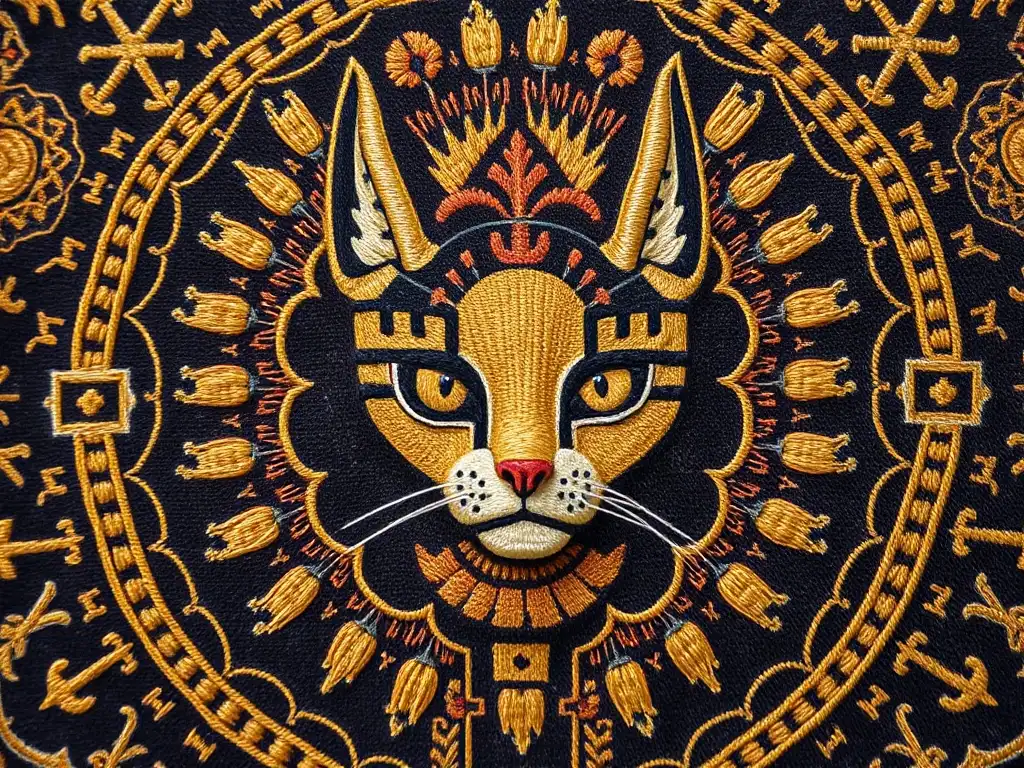
For example, the frequent depiction of feline figures, often with stylized features and exaggerated proportions, may represent powerful deities or shamanistic figures associated with hunting, warfare, or the underworld. Similarly, the recurring motif of stylized birds, frequently depicted in flight, might symbolize the spirit world or celestial phenomena. The precise meaning of each symbol is still debated, but their consistent presence in numerous textiles suggests their importance within Paracas cosmology.
Analyzing the context in which these motifs appear—for instance, whether they are featured on burial shrouds, ceremonial garments, or everyday textiles—can provide clues to their significance. Further research, including comparative studies with other Andean cultures, is crucial in deepening our understanding of the "Paracas textiles secrets unraveling."
Common Iconography: Gods, Animals, and Mythical Beings
Paracas iconography exhibits a remarkable diversity, encompassing a wide range of figures and beings. Certain motifs, however, appear with remarkable frequency, suggesting their central role in Paracas mythology and religious practices. These include:
- Anthropomorphic figures: Often depicted with elaborate headdresses, jewelry, and ceremonial attire, these figures likely represent deities or important social figures. Their stylized features, often including exaggerated eyes and noses, suggest a connection to supernatural powers.
- Feline figures: As mentioned previously, these are prevalent and highly stylized, sometimes depicted in a seated position, others in a dynamic, predatory stance. Their prominence hints at their significant role in Paracas worldview.
- Birds: A variety of bird species are represented, from realistic depictions to highly stylized forms. Their symbolic meaning is likely tied to their roles in Paracas life, whether as sources of food, messengers of the gods, or symbols of freedom and transcendence.
- Reptiles and snakes: These motifs, often depicted with intricate details, suggest a connection to the earth, fertility, and the underworld. Their presence in burial contexts reinforces their symbolic importance.
- Geometric patterns: While less overtly representational than the aforementioned motifs, geometric patterns are equally important. They may represent abstract concepts, such as celestial bodies, or serve as decorative elements that enhance the overall visual impact of the textiles.
The intricate detail and vibrant colors used in depicting these figures further underscore their importance within Paracas culture. The level of artistry involved in creating these textiles is breathtaking, a testament to the skill and dedication of the Paracas weavers. The study of this iconography offers a valuable insight into the complex beliefs and values of this fascinating civilization, further assisting in "Paracas textiles secrets unraveling."
The Repetition and Variation in Paracas Patterns
One remarkable aspect of Paracas textiles is the interplay between repetition and variation in their patterns. While certain motifs recur across numerous textiles, they are rarely replicated exactly. Instead, Paracas weavers demonstrated a remarkable ability to adapt and modify existing designs, creating unique and visually stunning variations. This suggests a level of creativity and artistic freedom that was not merely decorative but also reflected a complex understanding of design principles.
For example, a particular feline motif might appear with slightly different proportions, colors, or accompanying elements in different textiles. This variation isn't random; it often seems to be related to the function or context of the textile. Textiles intended for burial purposes might feature more elaborate and complex designs than those intended for everyday use.
This careful manipulation of established motifs suggests a deep understanding of design principles and a sophisticated visual language that conveyed meaning through subtle variations. This careful attention to detail, combined with the consistent use of certain motifs, is a testament to the skill and artistry of the Paracas weavers, providing further clues in "Paracas textiles secrets unraveling."
The systematic study of these variations, using techniques like statistical analysis of motif frequency and distribution, can yield further insights into the social and cultural contexts in which these textiles were produced and used. The ongoing research into the subtle nuances of Paracas textile design continues to reveal new and exciting facets of this remarkable culture.
The Paracas Necropolis: Contextualizing Textile Discoveries
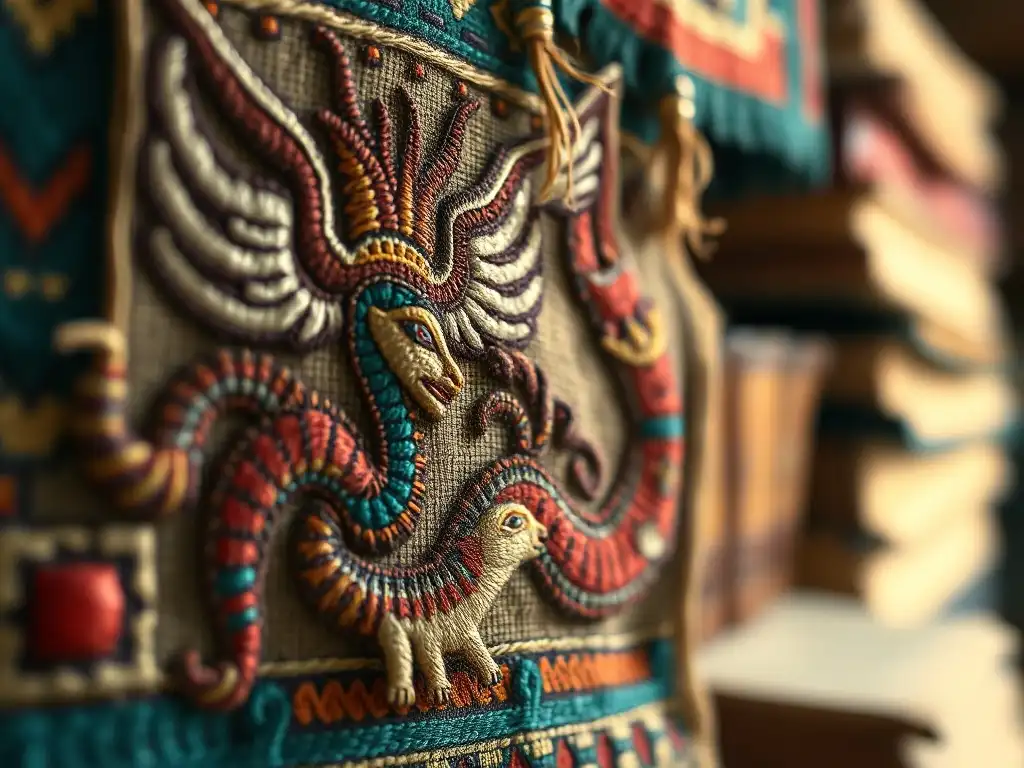
The extraordinary Paracas textiles weren't simply decorative items; they were integral to the complex burial rituals of this pre-Inca coastal culture. Understanding the context of their discovery within the Paracas necropolis is crucial to appreciating their significance. The necropolis itself, a vast cemetery located on the Paracas Peninsula in southern Peru, is a testament to the Paracas people's elaborate funerary practices and their reverence for the afterlife.
Thousands of elaborate tombs, many containing incredibly well-preserved textiles, have been unearthed, offering an unparalleled glimpse into their worldview and societal structure. The sheer scale of the necropolis, coupled with the meticulous preservation of the artifacts, makes it a treasure trove of information for archaeologists and textile historians alike.
This unique archaeological site provides a powerful link between the textiles' creation and their intended use, significantly enhancing our understanding of their cultural and symbolic importance. The sheer volume of textiles found, often accompanying elaborate mummies, underscores their central role in Paracas society.
Burial Practices and the Role of Textiles
Paracas burial practices were far from simple. Bodies, often richly adorned with textiles, were meticulously prepared and wrapped in multiple layers of cloth. These weren't merely shrouds; rather, they were complex works of art, incorporating intricate designs, vibrant colors, and a variety of weaving techniques. The textiles served multiple purposes: they protected the body, symbolized the deceased's social status, and perhaps even facilitated their journey to the afterlife.
The types of textiles used varied depending on the individual's social standing, with elites receiving the most elaborate and finely crafted garments. Analyzing the types of fibers (cotton, camelid wool), the weaving techniques (e.g., tapestry, embroidery), and the iconography depicted on the textiles provides invaluable insights into Paracas social hierarchy and religious beliefs. For example, the presence of specific motifs, like stylized felines or mythical creatures, might indicate a connection to shamanistic practices or a particular deity.
The meticulous detail in the textile work suggests a highly specialized and skilled artisan class, possibly operating within a structured social system. Further research into the necropolis' layout and the placement of specific tombs could reveal more about the organization of Paracas society and its beliefs about death and the afterlife. The careful study of Paracas textiles' context within their burial settings is therefore paramount in unraveling their secrets.
Preserving the Past: The Unique Conditions of the Paracas Peninsula
The exceptional preservation of Paracas textiles is largely due to the unique environmental conditions of the Paracas Peninsula. The arid desert climate, with its low humidity and minimal rainfall, has acted as a natural preservative, slowing down the decomposition process and minimizing the damage caused by microorganisms. The peninsula's sandy soil also contributed to this preservation, protecting the textiles from excessive moisture and oxygen exposure.
Furthermore, the ancient Paracas people's burial practices, involving multiple layers of wrapping and the inclusion of desiccant materials, further enhanced the preservation of the textiles. The combination of natural and cultural factors has resulted in an extraordinary collection of textiles that have survived for millennia, providing an unprecedented opportunity to study the techniques and artistry of this remarkable civilization.
This exceptional preservation contrasts sharply with other regions, where similar textiles might have decayed completely. The dry climate essentially acted as a giant, natural climate-controlled vault, preserving these invaluable artifacts for future generations to study and marvel at.
Textile Fragments: Piecing Together the Puzzle
Many Paracas textiles have survived only as fragments, requiring painstaking work to reconstruct their original appearance and purpose. The process of piecing together these fragments is a complex and challenging endeavor, demanding expertise in textile analysis, conservation, and archaeological interpretation. Researchers meticulously examine each fragment, noting its weaving technique, color palette, and any discernible iconography. This detailed analysis, combined with careful comparison of similar fragments, allows them to reconstruct the original designs and potentially identify patterns reflecting specific themes or beliefs.
The use of advanced imaging techniques, such as X-ray fluorescence spectroscopy, can further reveal details about the dyes and materials used, enriching our understanding of the Paracas artisans' skills and resourcefulness. This process of reconstruction is akin to solving a complex puzzle, with each fragment contributing a piece of the larger picture. The ongoing effort to piece together these textile fragments is vital in unraveling the secrets of Paracas textile production and its cultural significance.
The meticulous work of conservation and analysis continues to reveal new insights into the artistry and complexity of Paracas textiles, enriching our understanding of this fascinating pre-Inca civilization. The ongoing research is a testament to the enduring legacy of the Paracas people and their mastery of textile arts. The careful analysis of even the smallest fragments contributes to a more complete understanding of "Paracas textiles secrets unraveling".
Paracas Textile Conservation: Challenges and Discoveries
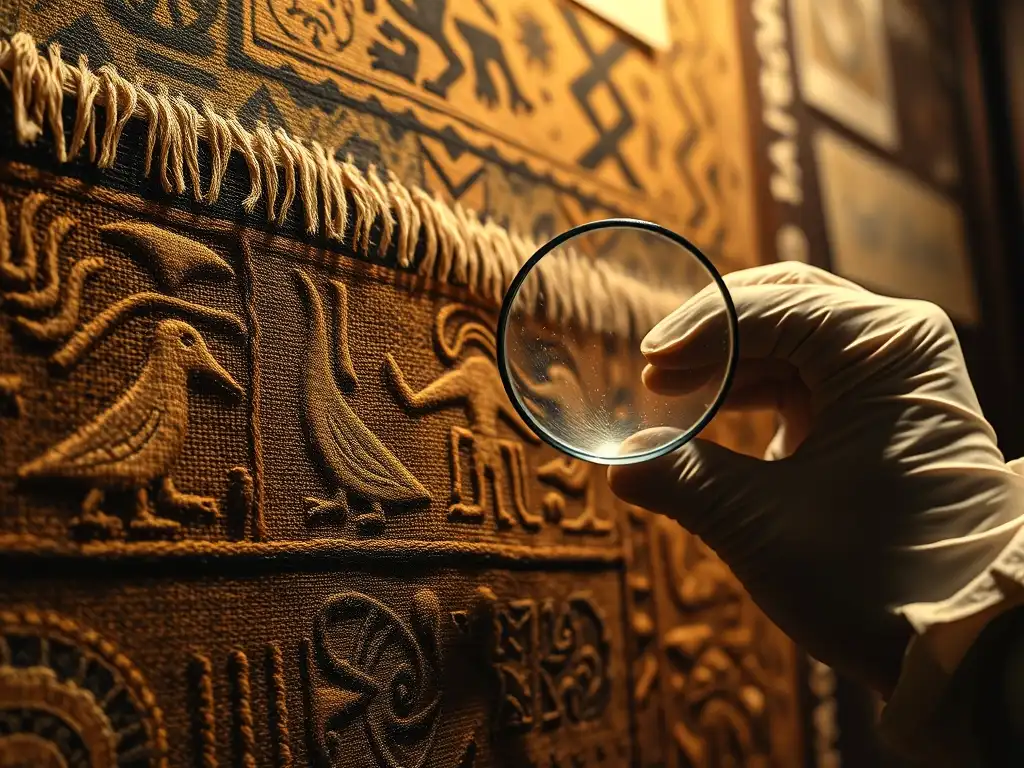
The remarkable Paracas textiles, vibrant tapestries woven with unparalleled skill, present significant challenges to modern conservationists. Their age, coupled with the harsh coastal Peruvian climate, has led to considerable deterioration. Unraveling the secrets of these textiles requires not only careful preservation but also innovative approaches to understanding their creation and meaning. The "Paracas textiles secrets unraveling" process is a delicate dance between scientific advancement and respectful preservation.
The Fragility of Ancient Textiles: Conservation Efforts
The inherent fragility of these ancient textiles is a major hurdle. Years of exposure to sunlight, humidity, and even insect infestation have weakened the fibers, causing significant damage. Many textiles are incredibly delicate, with threads barely clinging together.
Conservation efforts often involve painstakingly stabilizing the fabric using techniques like consolidation, where weak areas are strengthened with carefully chosen adhesives. This process requires meticulous attention to detail, as the wrong adhesive can further damage the artifact. The goal is not to restore the textiles to a pristine condition, which would be impossible, but rather to arrest further decay and ensure their longevity for future study and appreciation.
The challenge lies in balancing the need for preservation with the desire to maintain the textile's original character and integrity. Many institutions are adopting preventative conservation measures, such as carefully controlled environmental conditions (temperature and humidity) within storage facilities, to minimize further damage. This proactive approach is crucial for the long-term survival of these invaluable pieces of history.
New Insights from Textile Analysis: Scientific Advances
Recent advancements in scientific analysis have shed new light on the techniques and materials used in Paracas textile production. Advanced microscopy allows researchers to examine individual fibers, revealing details about the dyes and weaving techniques used. Techniques like gas chromatography-mass spectrometry (GC-MS) help identify the specific dyes used, often derived from natural sources like insects, plants, and minerals.
This analysis not only helps us understand the technical skill of Paracas weavers but also offers insights into their social and economic organization. For example, the presence of rare or imported dyes might indicate high social status or access to trade networks.
By analyzing the chemical composition of the dyes and fibers, scientists can reconstruct the Paracas dyeing and weaving processes with remarkable accuracy, contributing significantly to our understanding of "Paracas textiles secrets unraveling." Furthermore, isotopic analysis of the fibers can provide information on the origin of the raw materials, potentially revealing trade routes and agricultural practices.
Preserving the Paracas Legacy for Future Generations
Preserving the Paracas textile legacy is not merely about saving artifacts; it's about safeguarding a vital piece of human history. These textiles offer a unique window into the lives, beliefs, and artistic achievements of a remarkable ancient civilization. A multi-pronged approach is essential, involving meticulous conservation, advanced scientific analysis, and effective public education.
This includes not only the physical preservation of the textiles themselves but also the dissemination of knowledge about their significance through museums, academic research, and public outreach programs. Digital archiving is also playing an increasingly important role, allowing for the creation of high-resolution images and virtual reconstructions that can be studied and shared worldwide without risking damage to the original artifacts.
By combining traditional conservation methods with cutting-edge technology, we can ensure that the secrets of Paracas textiles continue to be revealed and appreciated for generations to come. The ongoing research into "Paracas textiles secrets unraveling" is a testament to humanity's commitment to understanding and preserving its rich cultural heritage.
The Enduring Legacy of Paracas Textile Artistry
The Paracas culture, flourishing on the southern coast of Peru from approximately 800 BCE to 100 CE, left behind a legacy far exceeding their relatively brief existence. Their mastery of textile production stands as a testament to their ingenuity and artistic prowess, a legacy that continues to inspire awe and intrigue centuries later. The intricate designs, vibrant colors, and innovative techniques employed in Paracas textiles represent a pinnacle of pre-Columbian Andean artistry, significantly influencing later cultures and impacting modern interpretations of textile art.
Unraveling the secrets of Paracas textiles reveals a sophisticated understanding of fiber processing, dyeing techniques, and weaving styles that were remarkably advanced for their time. This section delves into the lasting impact of these remarkable textiles, examining their influence on subsequent Andean cultures and their continued relevance in contemporary art and design.
The sheer artistry involved in creating these pieces, often using rare and exotic fibers, showcases the dedication and skill of Paracas artisans, a dedication that continues to resonate with textile enthusiasts and scholars alike. The question of "Paracas textiles secrets unraveling" is one that continues to drive research and inspire new discoveries.
Influence on Later Andean Textile Traditions
The influence of Paracas textile techniques and motifs is clearly visible in the textile traditions of later Andean cultures, particularly the Nazca and Inca civilizations. The intricate tapestry weaving, the use of complex iconography, and the vibrant color palettes all served as inspiration for generations of Andean artisans. For instance, the Nazca culture, known for their stunning geoglyphs, also produced textiles that echo the stylistic elements of Paracas work, albeit with their own unique regional variations.
The use of similar dyes, fiber types, and weaving structures suggests a direct lineage and a continuation of established techniques. The Inca, who conquered much of the Andes, also incorporated elements of Paracas style into their imperial textiles, although their weaving style tended towards a more geometric and formalized aesthetic.
Detailed analysis of textile fragments from various Andean cultures reveals a clear continuity in certain motifs, such as stylized birds, feline figures, and anthropomorphic representations. These motifs, frequently depicted with remarkable precision and detail, suggest a shared cultural heritage and a transmission of artistic knowledge across different Andean societies.
The vibrant colors, often achieved through the use of natural dyes derived from plants and minerals, also demonstrate a consistent approach to textile production across different time periods and cultures. The persistence of these stylistic elements across centuries underscores the profound and lasting impact of the Paracas textile tradition on the development of Andean textile artistry.
Paracas Textiles in Modern Art and Design
The enduring appeal of Paracas textiles is not confined to the academic realm; they continue to inspire contemporary artists and designers. The vibrant colors, intricate patterns, and unique stylistic elements found in Paracas textiles serve as a rich source of inspiration for modern creations. Many contemporary artists incorporate Paracas motifs and techniques into their own works, reinterpreting ancient designs within a modern context.
This can range from incorporating specific patterns into clothing designs to creating large-scale installations inspired by the complex iconography of Paracas textiles. Furthermore, the sophisticated techniques employed by Paracas artisans, such as tapestry weaving and the use of multiple colors in a single piece, continue to challenge and inspire modern textile artists.
The influence extends beyond fine art. Paracas-inspired designs can be found in various commercial applications, from fashion and home décor to graphic design and advertising. The unique aesthetic of Paracas textiles lends itself well to modern interpretations, lending a sense of history and cultural richness to contemporary designs. This widespread use of Paracas-inspired designs is a testament to the timeless beauty and enduring appeal of these ancient textiles. The enduring legacy of Paracas textile artistry is evident in its continuing relevance and influence in the world of modern art and design.
Why the Paracas Textile Tradition Still Captivates Us Today?
The captivating nature of Paracas textiles stems from a confluence of factors. The sheer technical skill involved in their creation is astounding. The meticulous detail, the vibrant colors achieved using natural dyes, and the innovative weaving techniques employed demonstrate a mastery of craft that continues to impress.
Beyond the technical aspects, the rich iconography and symbolic representations woven into the textiles offer a glimpse into the beliefs, rituals, and worldview of the Paracas people. These intricate designs provide valuable insights into their social structure, religious practices, and artistic sensibilities. The textiles serve as a tangible link to a lost civilization, allowing us to connect with a culture that existed centuries ago.
Moreover, the mystery surrounding certain aspects of Paracas textile production adds to their allure. Some techniques remain partially understood, fueling ongoing research and speculation. The use of rare and exotic fibers, the precise methods of dyeing, and the symbolic meaning of certain motifs continue to fascinate researchers and enthusiasts alike. The ongoing efforts to decipher the secrets of Paracas textiles ensure that their legacy continues to be explored and appreciated.
The enduring fascination with Paracas textiles is a testament to their artistic merit, historical significance, and the enduring power of human creativity. The unraveling of their secrets continues to enrich our understanding of Andean history and culture. The enduring mystery and beauty of these textiles continue to fascinate and inspire, making the study of "Paracas textiles secrets unraveling" a perpetually engaging pursuit.
Frequently Asked Questions
What makes Paracas textiles so unique?
Paracas textiles are renowned for their exceptional craftsmanship, vibrant colors, and intricate designs. Their use of complex weaving techniques, some still not fully understood, sets them apart.
How did the Paracas people create such vibrant colors?
The Paracas achieved their remarkable hues through the use of natural dyes derived from plants, insects, and minerals. The specific sources and processes are still being researched.
What are some of the common motifs found in Paracas textiles?
Common motifs include stylized animals (birds, felines, camelids), mythological creatures, and geometric patterns. These often reflect religious beliefs and social structures.
What role did textiles play in Paracas society?
Textiles held significant social and ritualistic importance. They were used in ceremonial contexts, burial practices, and everyday life, reflecting status and identity.
Where can I learn more about the secrets of Paracas textiles?
To delve deeper into the secrets of Paracas textiles, explore museums showcasing their collections, academic journals, and books dedicated to Andean textiles. Further research is continuously revealing new information.
Final Reflection: The Enduring Legacy of Paracas Textile Mastery
The intricate artistry of Paracas textiles continues to resonate today, a testament to the ingenuity and cultural depth of a civilization lost to time. Their vibrant colors and complex designs, painstakingly recreated through meticulous research, offer a powerful glimpse into a society that valued artistry and innovation as much as survival. These aren't simply ancient artifacts; they are windows into a rich past, challenging our understanding of pre-Columbian societies and their sophisticated capabilities.
The enduring influence of Paracas textiles extends beyond the museum walls, inspiring contemporary artists, designers, and researchers alike. Their unique techniques and symbolic imagery continue to fuel creative endeavors, reminding us of the power of cultural heritage to transcend generations. The past is never dead. It's not even past.
– William Faulkner. This quote perfectly encapsulates the ongoing relevance of Paracas textiles, their stories echoing through time and inspiring new interpretations. Their legacy serves as a potent reminder of the importance of preserving and understanding our shared human history.
Consider the intricate detail, the vibrant hues, the sheer skill involved in creating these masterpieces. Now, imagine the hands that wove them, the minds that conceived their designs, the stories they silently tell. You, too, can become a part of this ongoing narrative.
Take a moment to appreciate the artistry of the past, to reflect on the enduring power of human creativity, and to consider how we can preserve and celebrate the cultural legacies that enrich our world. Let the Paracas puzzle continue to inspire you, to challenge you, and to remind you of the boundless potential of the human spirit.
Unveil the Mysteries of Paracas Today!
Thank you for exploring the fascinating world of Paracas textile artistry! You've uncovered insights into a rich and significant culture through its intricate designs. Now, let's put your newfound knowledge to work!
Here are a few ways to deepen your appreciation of Paracas:
- Visit local museums and cultural centers showcasing Paracas-inspired textiles—experience the art firsthand.
- Share your favorite discoveries on social media using #ParacasPuzzles to connect with other enthusiasts.
- Take a textile arts workshop and create your own design inspired by these ancient masters.
How do you see the legacy of Paracas textiles influencing contemporary fashion and art? Let's discuss in the comments!